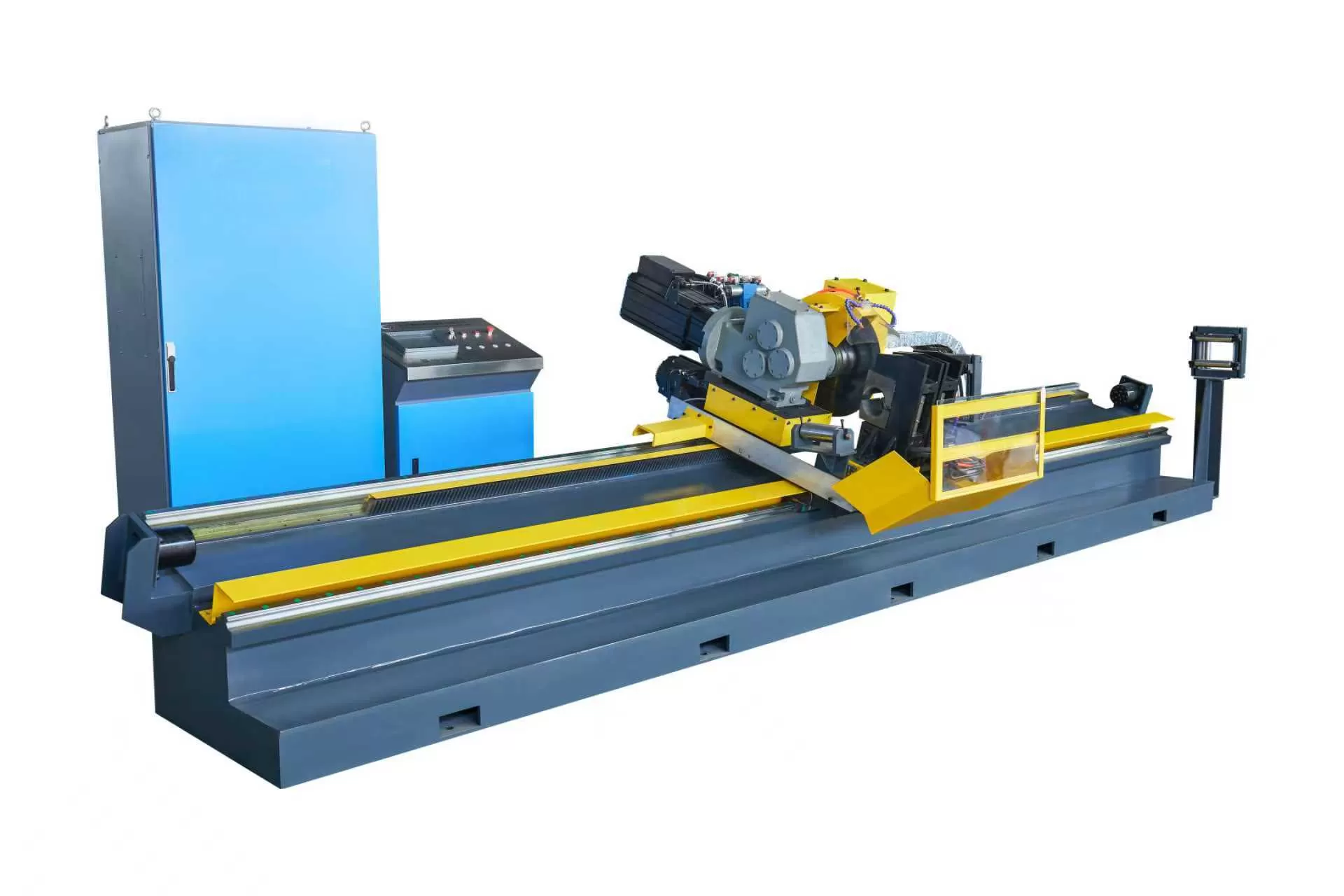
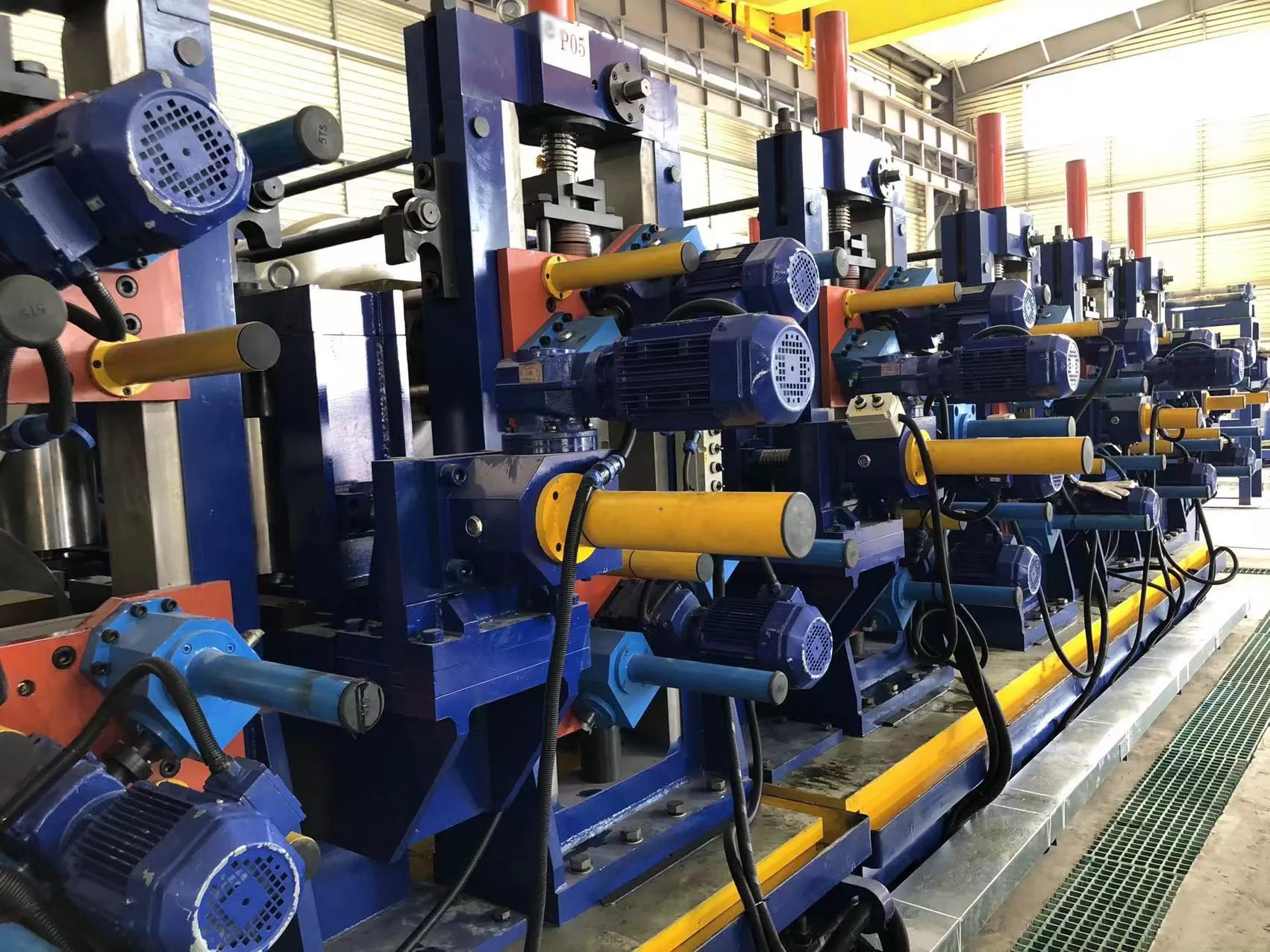
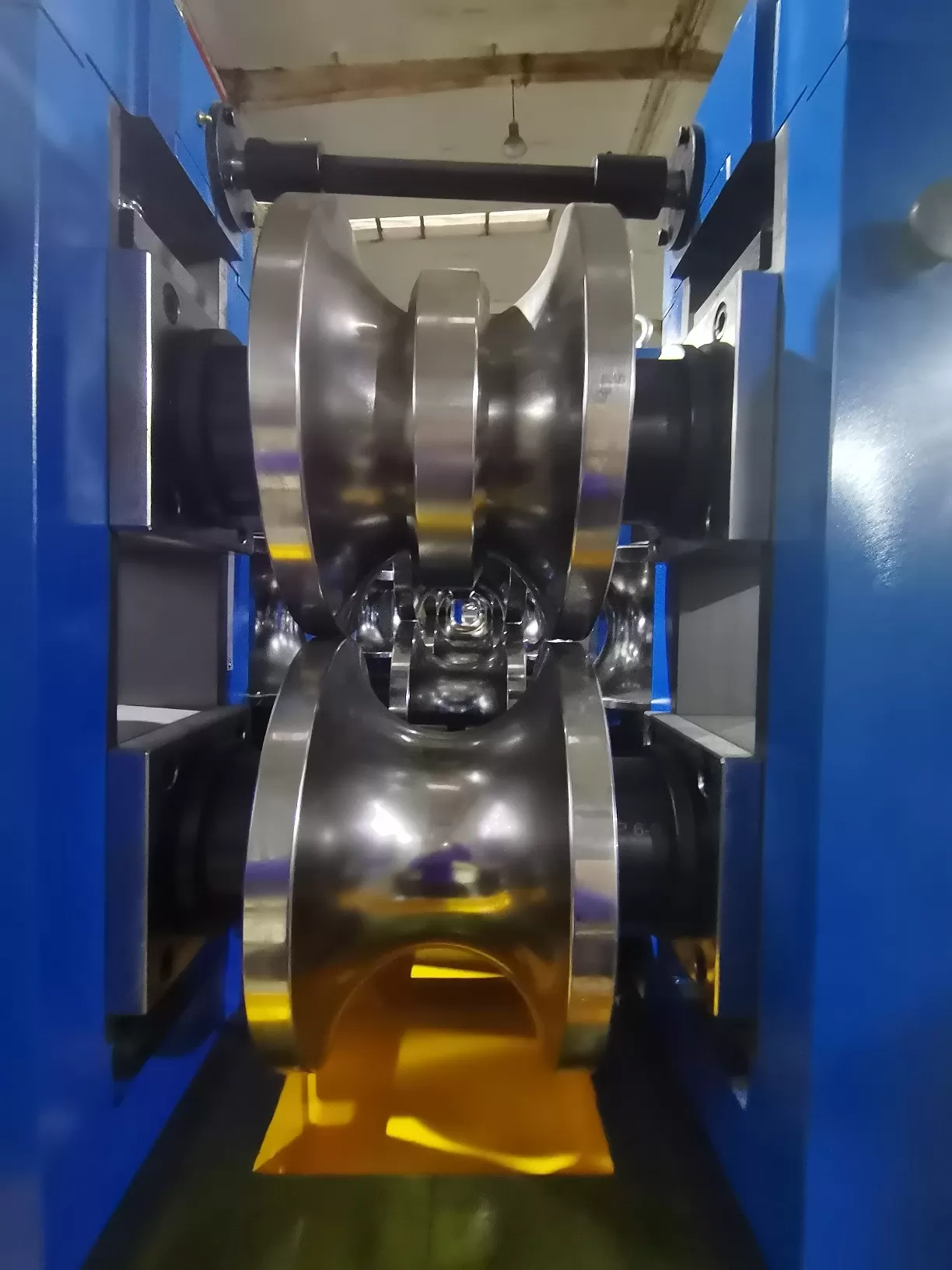
Every tube and pipe production line faces a primary operational bottleneck:
raw steel coils are finite. In a traditional mill setup without continuous
feeding equipment, operators must stop the entire forming section every time a
coil runs out. They crop the strip ends, align them in a shear welder, join the
coils, and then restart the line.
These frequent stops destroy plant productivity. Each shutdown creates cold
spots in the induction welding zone, disrupts roll tooling calibration, causes
electrical demand spikes, and produces meters of scrap pipe at both ends of
every coil. For tube producers running high-volume ERW (Electric Resistance
Welding) lines, unmanaged downtime quickly erodes profit margins.
A coil accumulator solves this challenge completely.
Positioned as the functional "lungs and heart" of a continuous tube mill, it
stores strip on the fly and supplies the forming mill without pause while the
entry section handles coil changes. At SANSO (Hebei SANSO
Machinery Co., Ltd.), we have spent over two decades engineering robust entry
systems and ERW mill solutions that keep production moving around the clock.
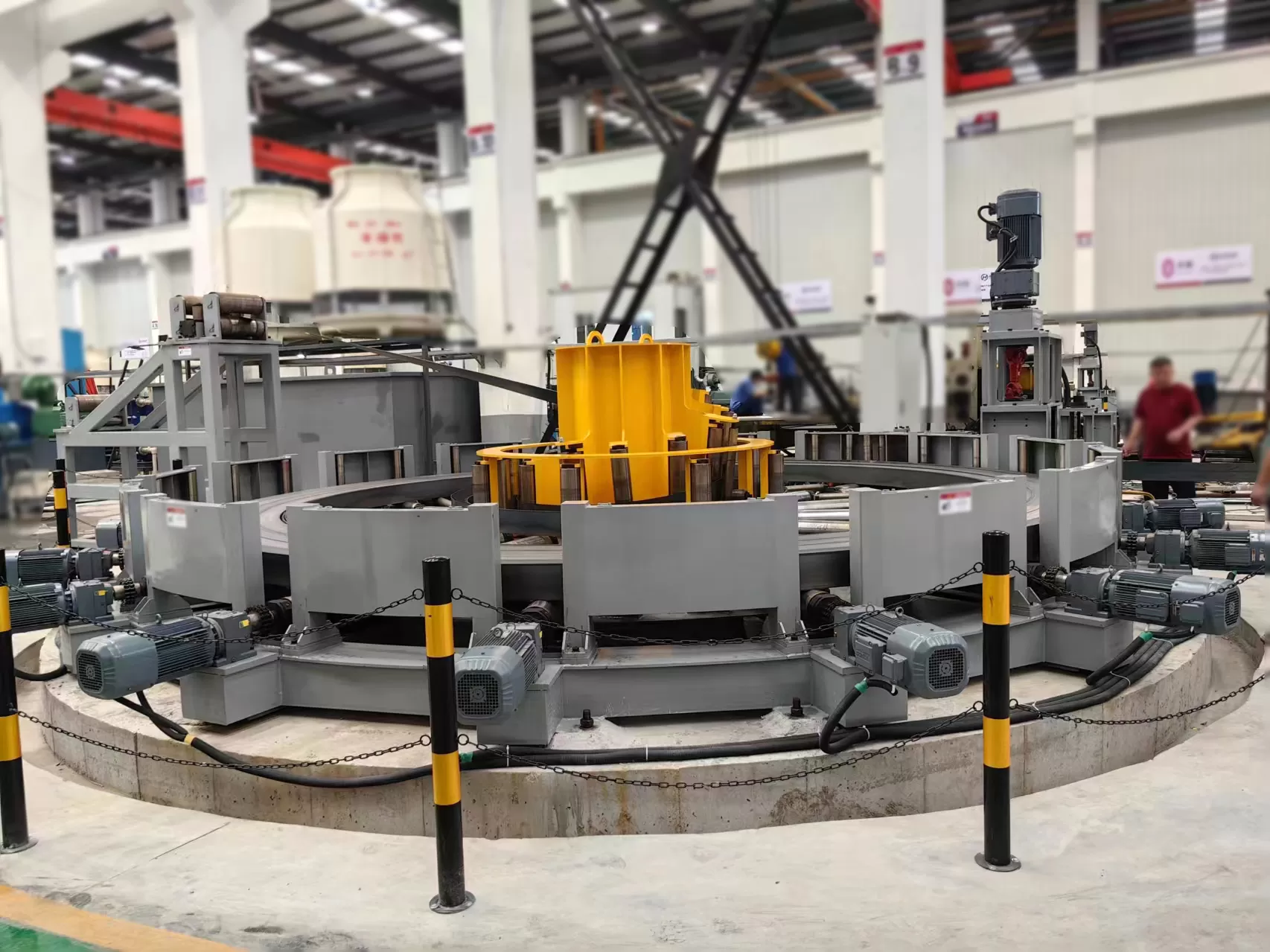
A coil accumulator, also referred to as a strip accumulator, is an inline
buffer system placed between the entry equipment (uncoiler, pinch roll,
flattener, and shear & end welder) and the continuous forming mill. Its
primary job is simple: hold enough strip length to feed the mill at full
operating speed while the upstream line is stationary.
Without an accumulator, a tube mill operates in stop-and-go batches. With an
accumulator, the entry section and the forming section run independently of each
other. This decoupling delivers three direct manufacturing benefits:
Zero Line Stoppages During Splicing: The forming mill runs
continuously at target line speed while operators load new master coils and
execute end welds.
Consistent Weld Quality and Tight Tolerances: ERW
high-frequency welders require steady strip speed to maintain heat input and
squeeze pressure. Continuous movement eliminates weld burn-through, cold welds,
and dimension variances caused by deceleration.
Reduced Tooling Wear and Lower Energy Costs: Starting large
DC or AC main drive motors under heavy load stresses gearboxes, drive shafts,
and forming rolls. Continuous running protects roll tooling from thermal shock
and avoids high peak electrical charges.
How a Coil Accumulator Works: Step-by-Step
To understand the mechanical workflow of a modern strip accumulator, let us
break down a complete cycle from coil loading to continuous discharge.
Step 1: High-Speed Infeed and Initial Storage
When production begins, the master coil mounts onto the uncoiler. The lead
end passes through the flattener and the shear welder, entering the
accumulator's infeed pinch rolls. These entry pinch rolls drive the strip into
the storage chamber at a speed significantly higher than the mill's forming
speed—typically 1.5 to 2.5 times faster.
This speed differential allows the accumulator to fill its storage area with
hundreds of meters of steel strip while the forming mill downstream consumes
strip at normal line velocity.
Step 2: Dynamic Buffering and Loop Management
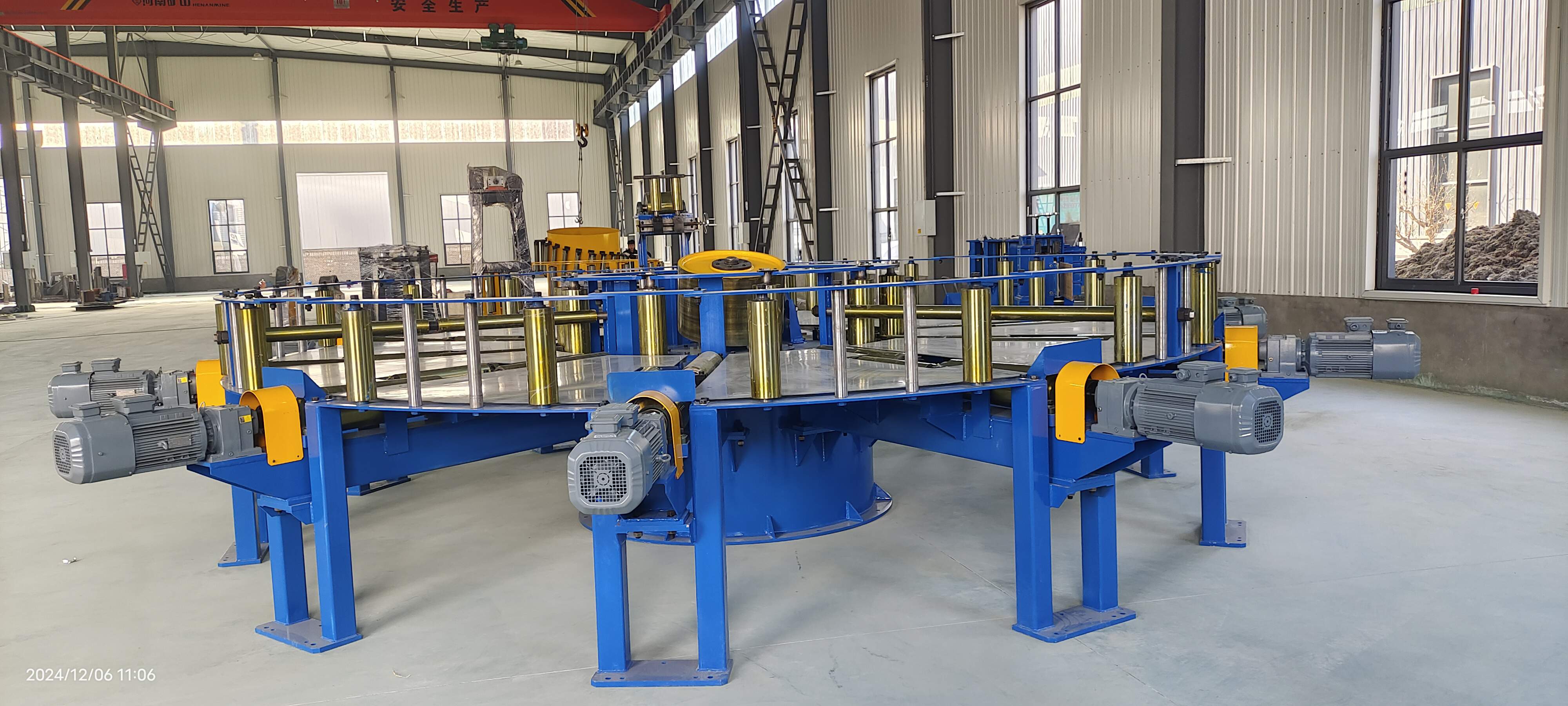
Inside the accumulator, guide rolls direct the strip into a controlled path.
In a modern horizontal spiral design, the strip enters from the center or outer
radius and forms concentric, expanding loops supported by heavy-duty bottom
rollers and outer basket rolls.
Centering guides and torque-controlled drives keep the strip centered and
prevent edge damage. The machine continuously monitors how much strip remains in
reserve using ultrasonic sensors, laser rangefinders, or rotary encoders.
Step 3: Discharge During Splicing (Entry Section Stopped)
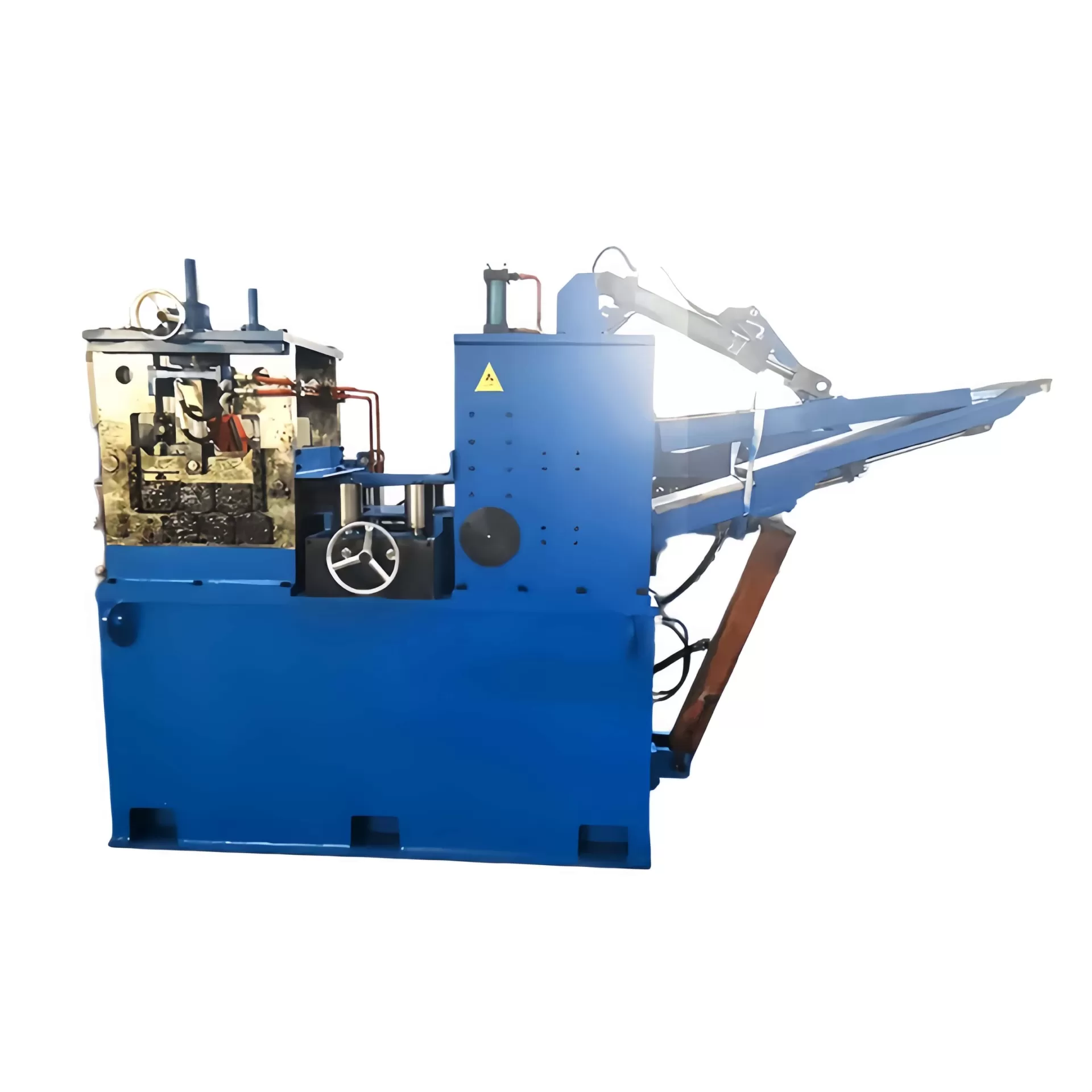
When the tail end of the running coil leaves the uncoiler, the entry operator
clamps it inside the shear and end welder. The entry feed rolls stop completely.
The operator shears the irregular coil ends and joins the trailing end to the
leading edge of the new coil using TIG, MIG, or plasma welding.
While the entry section stands dead still for two to five minutes, the
forming mill never slows down. The accumulator automatically discharges its
stored buffer, feeding the forming stands, high-frequency welder, and sizing
mill smoothly without any line tension drop.
Step 4: Refill and Cycle Reset
Once the weld finishes, the operator releases the clamp. The entry pinch
rolls accelerate immediately back to high-speed mode. The accumulator swallows
the joined section, refills its internal strip reserve, and prepares for the
next coil changeover.
Technology Selection: Why Choose a Horizontal Spiral Accumulator?
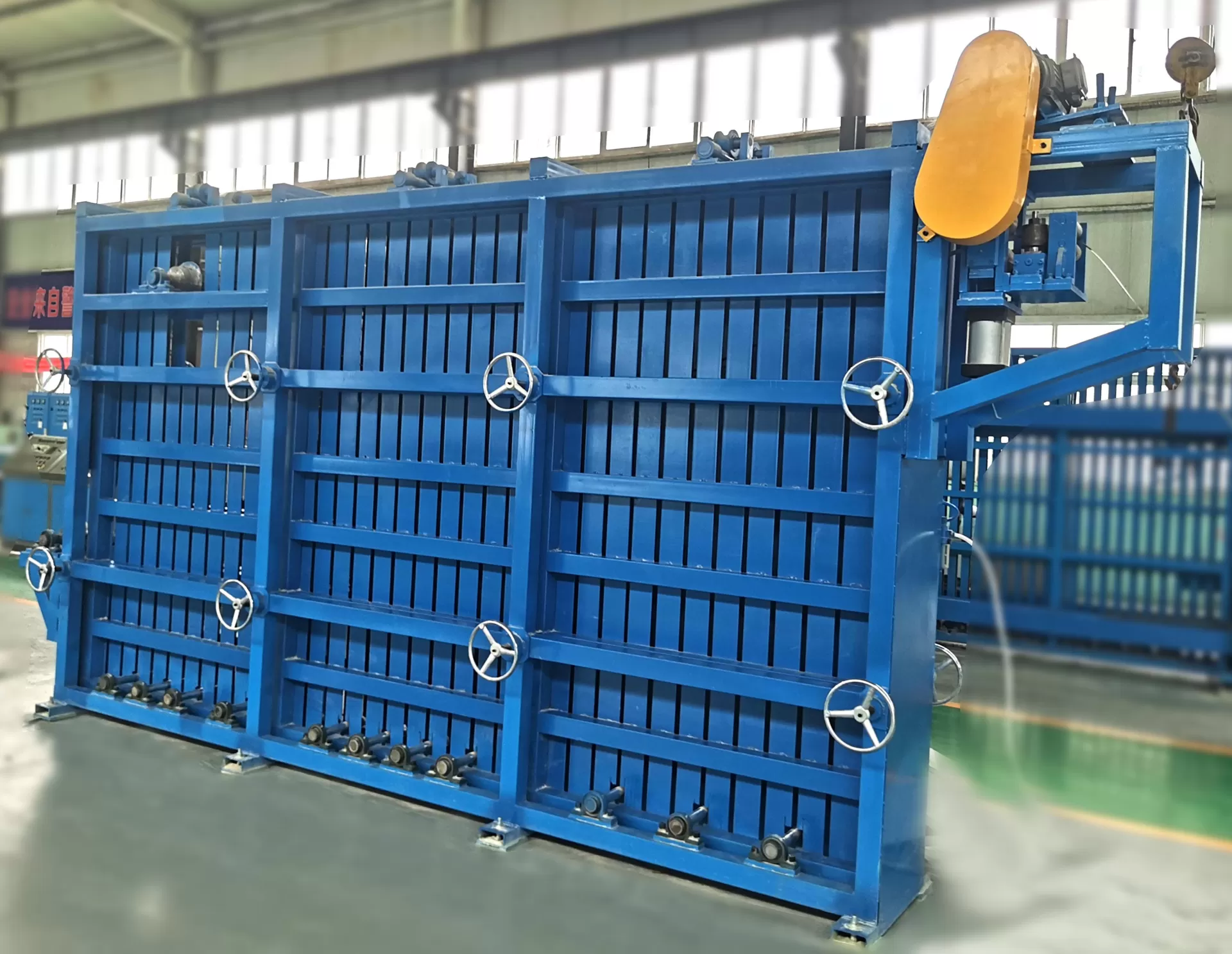
Tube manufacturers historically chose between vertical cage/loop accumulators
and horizontal spiral accumulators. While vertical cages remain common for
narrow, thin strips, the horizontal spiral accumulator has
become the preferred choice for modern ERW tube production.
Here is why forward-thinking plants prefer horizontal spiral systems:
Superior Surface Protection: The strip sits flat on smooth,
wide roller tables. It expands and contracts naturally along its wide face
rather than twisting or scraping against vertical cage walls. This makes
horizontal accumulators essential for galvanized steel, automotive structural
tubes, stainless steel, and surface-critical furniture tubing.
Broad Gauge and Width Flexibility: Horizontal spirals
handle heavy-gauge steel, high-strength strip (such as AHSS), and thick wall
profiles that would otherwise kink or jam in vertical loops.
High Storage Density with Minimal Footprint: By utilizing
horizontal concentric spiraling, these units hold substantial strip length
without requiring massive ceiling clearance or excessive floor length.
Stable Strip Tracking: Rigid guide arms and variable
frequency drives manage strip tension dynamically, preventing camber-induced
tracking errors.
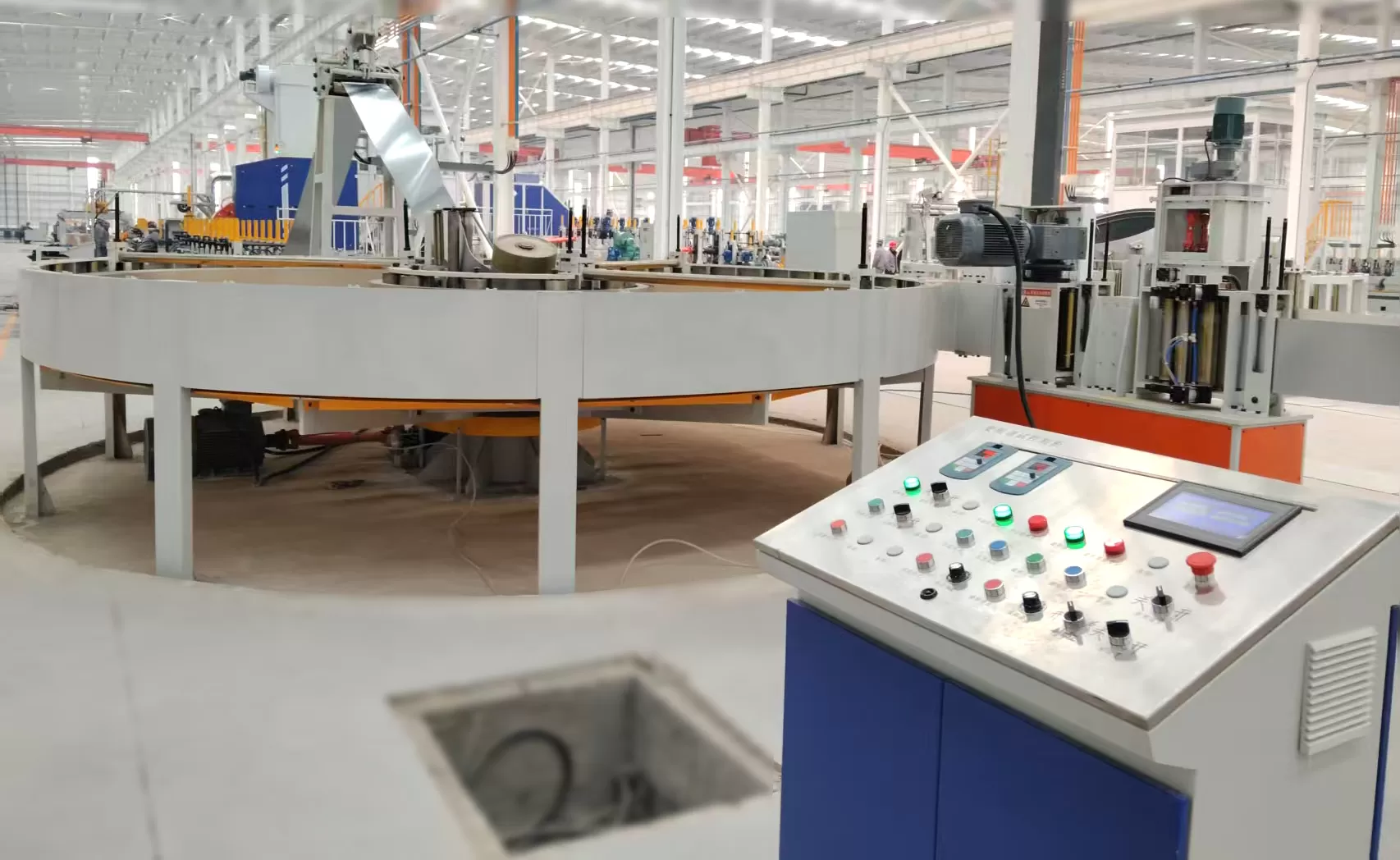
The SANSO Advantage: 90% In-House Manufacturing Strength
Building a reliable strip accumulator demands structural rigidity, precise
concentric machining, and smooth dynamic balancing. At SANSO (Hebei SANSO Machinery Co., Ltd.), we bring over 20 years of specialized
manufacturing experience to the global ERW tube and pipe industry.
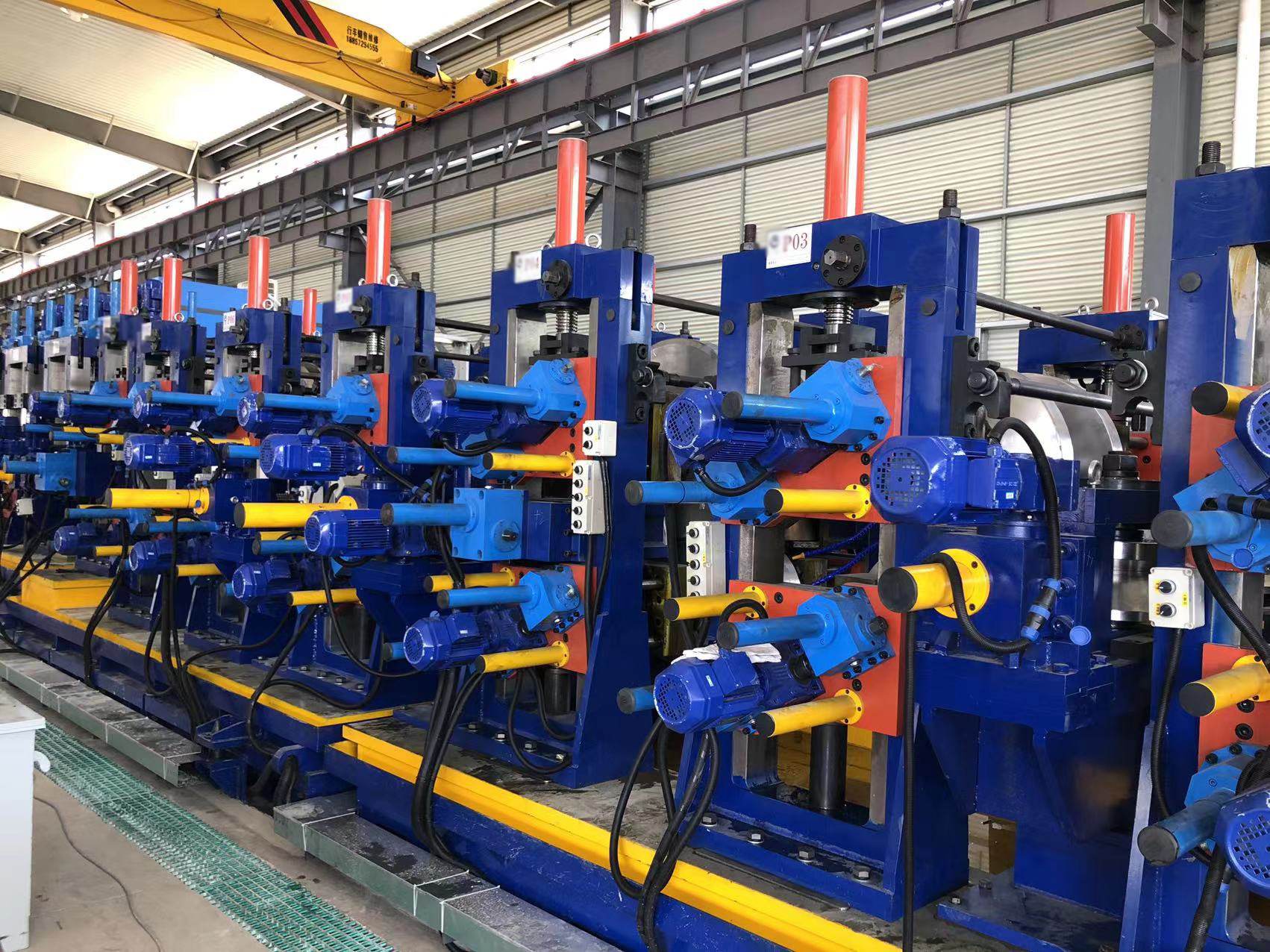
Our engineering capabilities cover ERW welded tube mills for pipe diameters
ranging from Φ8mm up to Φ508mm, with wall thicknesses matched
to customer specifications. What sets SANSO apart from typical equipment
assemblers is our true manufacturing independence.
90% In-House Production: Except for standard bought-in
components such as NSK/SKF bearings, pneumatic/hydraulic cylinders, electric
motors, and PLC electronics, SANSO manufactures approximately 90% of all machine
structures, heavy frames, guide rolls, and precision parts in our own machine
shops.
Strict Tolerance and Concentricity Control: Because our
technicians control the entire machining, welding, heat treatment, and assembly
process, our accumulators maintain exact frame alignment. This in-house control
prevents strip jamming and extends roller bearing lifespans.
Complete Entry-to-Exit Solutions: SANSO designs and builds
complete tube mill workflows. We supply uncoilers, pinch roll levelers,
automatic shear welders, horizontal spiral accumulators, cold cutting flying
saws, and automatic tube bundling systems.
Turnkey Lines or Standalone Upgrades: Whether you need a
complete turn-key mill project or want to upgrade an aging stop-and-go line with
a high-capacity horizontal accumulator, SANSO engineers tailor layouts to your
exact plant space and cycle time requirements.
Frequently Asked Questions (FAQ)
Q1: How do I calculate the required strip storage capacity for a coil
accumulator?
A1: The required capacity depends on
two primary factors: the time needed to shear and weld the coil ends, and the
maximum operating speed of the forming mill. For example, if your shear welder
requires 180 seconds to complete a cycle, and your mill runs at 60 meters per
minute, the accumulator must store at least 180 meters of strip, plus a 20% to
30% safety buffer to prevent strip starvation.
Q2: Can a horizontal spiral accumulator handle high-strength steels
and heavy wall strip?
A2: Yes. Horizontal spiral
accumulators are structurally better suited for high-strength steel (AHSS) and
heavy gauges than vertical cages. Because the strip remains horizontal and
flexes along its natural radius, the machine requires less bending force and
avoids plastic deformation or permanent edge wave.
Q3: How does adding a coil accumulator improve tube mill electrical
efficiency?
A3: Frequent starting and stopping
draws large electrical inrush currents into the main DC/AC drives and induction
welders. Running the mill at a steady, continuous speed levels out power
consumption, eliminates peak demand penalties from energy providers, and reduces
thermal cycles inside high-frequency generators.
Q4: Can SANSO retrofit a horizontal accumulator into an existing tube
production line?
A4: Yes. SANSO frequently
retrofits standalone horizontal spiral accumulators into existing lines from
various manufacturers. Our engineering team reviews your existing uncoiler and
forming mill speeds, floor space, strip dimensions, and electrical controls to
integrate the accumulator seamlessly.
Q5: What routine maintenance does a coil accumulator
require?
A5: Primary maintenance tasks include
regular lubrication of roller bearings, inspecting infeed pinch roll
polyurethane or hardened steel surfaces for wear, checking strip centering
sensors, and verifying hydraulic/pneumatic clamp pressures. SANSO designs
accumulators with centralized lubrication points and modular roll assemblies for
easy service.
Transform Your Tube Mill Efficiency with SANSO
In modern tube and pipe manufacturing, Overall Equipment Effectiveness (OEE)
separates profitable mills from struggling ones. Eliminating coil-change
downtime with a rugged, precisely engineered horizontal spiral coil
accumulator is the most direct way to increase daily tonnage, reduce
scrap rates, and protect your downstream roll tooling.
Ready to upgrade your tube mill line or plan a new ERW production project?
Contact the engineering team at SANSO today to discuss your
pipe diameter, wall thickness, and line speed requirements. Send us your project
parameters to receive a technical layout and competitive equipment
quotation.