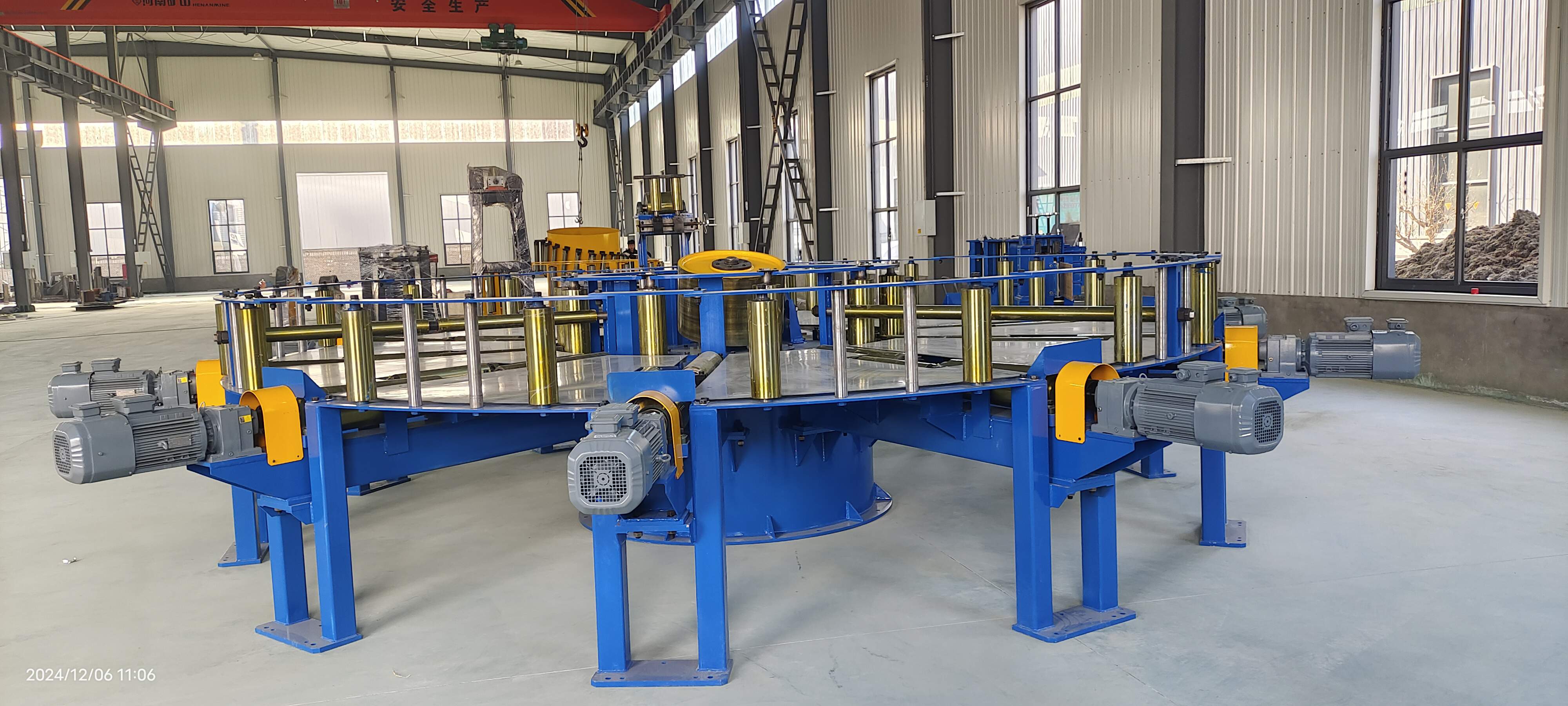
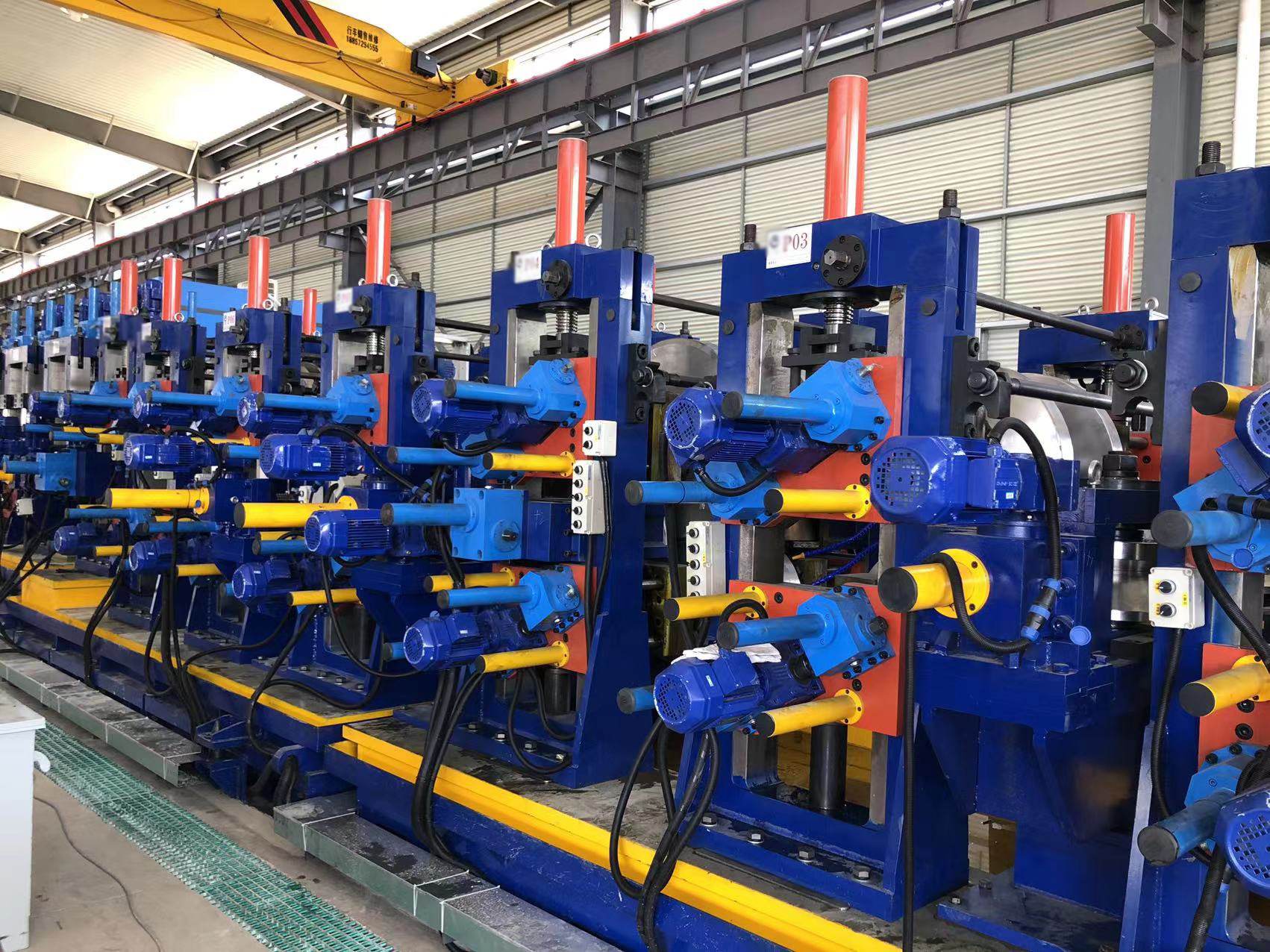
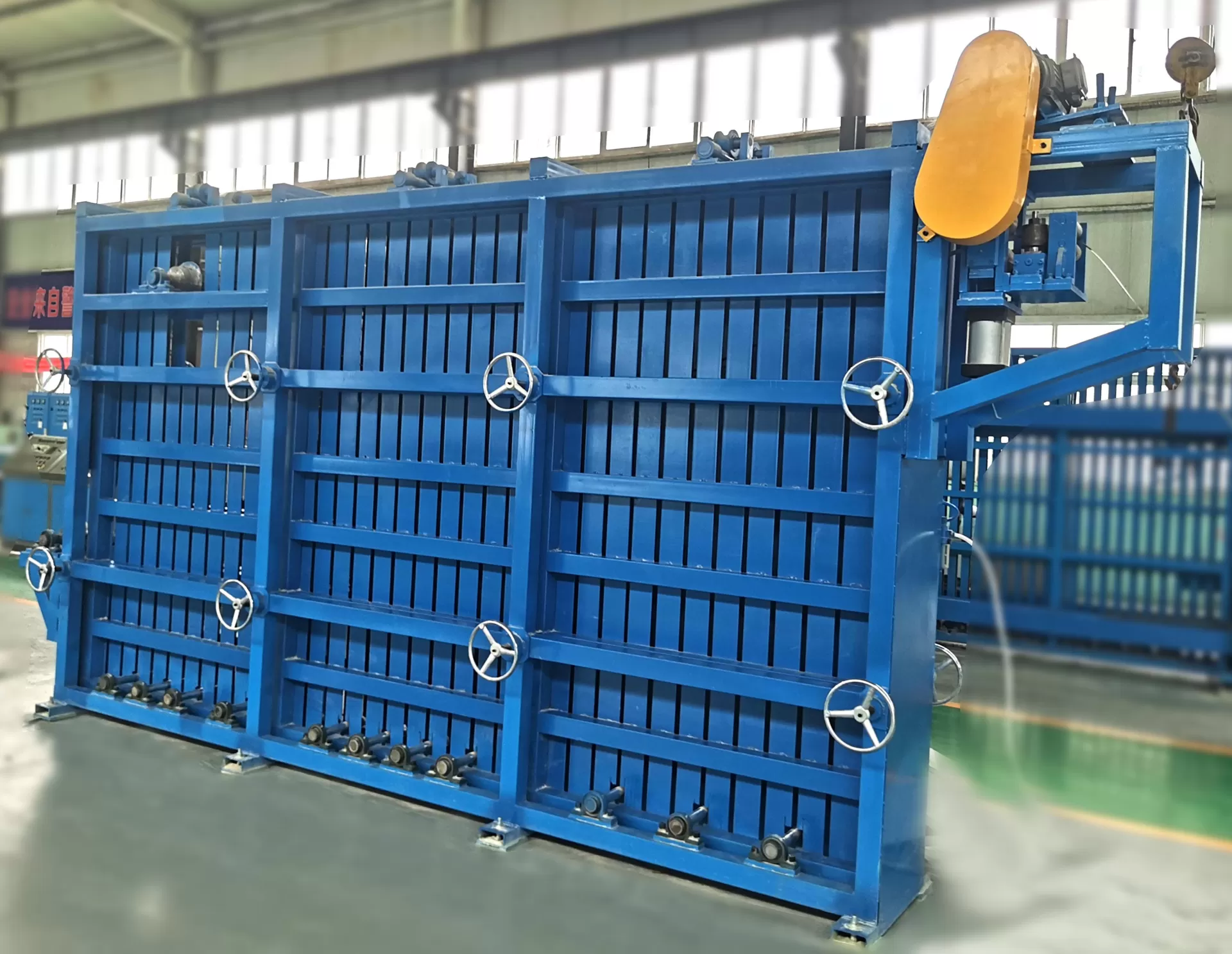
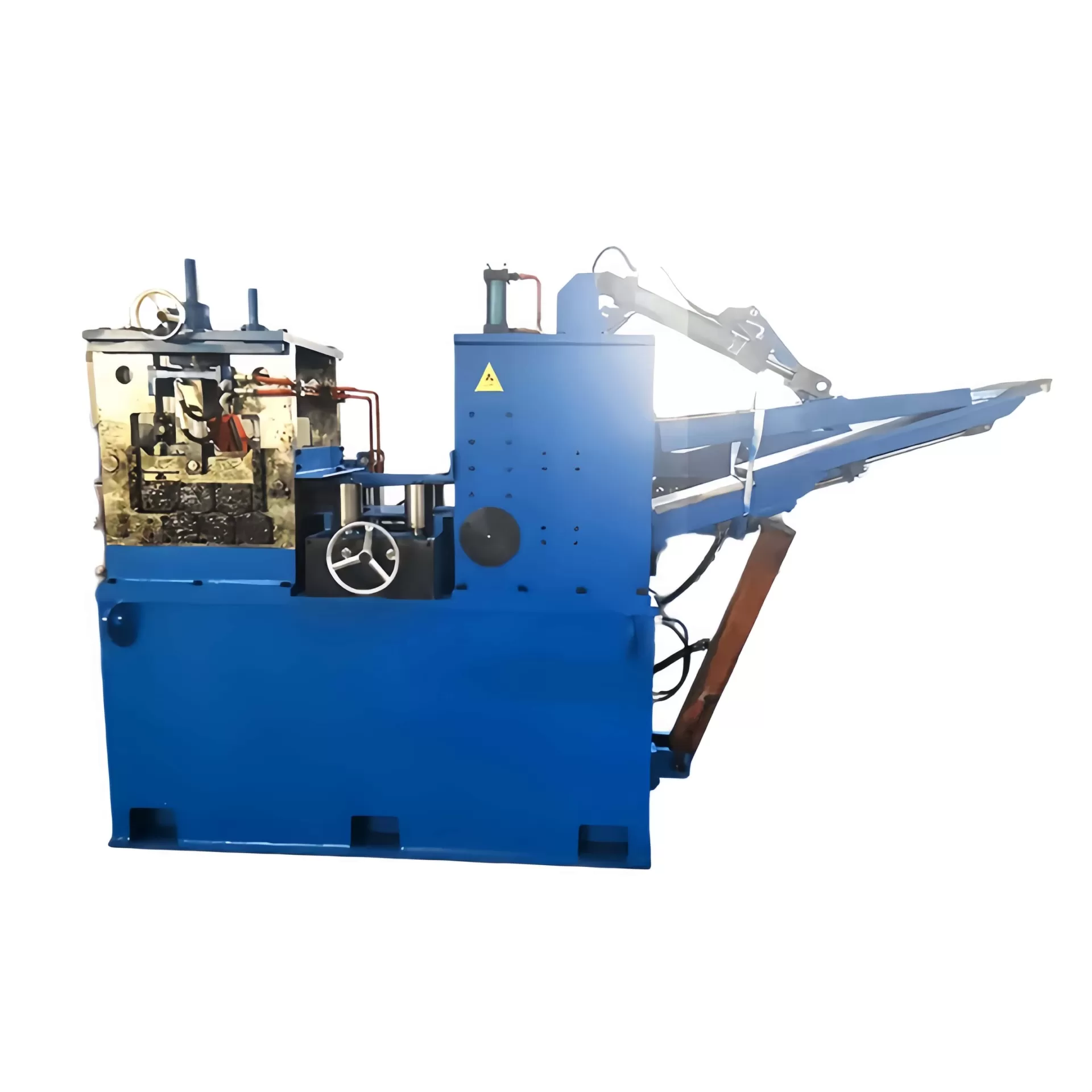
In continuous strip processing lines, the transition between finishing coils
represents a period of high risk for production disruptions. The Coil
Accumulator serves as the essential buffer that decouples the entry section
from the downstream forming mill. Unlike simple strip storage, modern coil
accumulator systems manage complex dynamics of mass flow, tension gradients, and
material tracking to ensure that the welding section never sees a gap in
material feed. This article examines the engineering specifications, control
philosophies, and integration strategies required to optimize accumulator
performance, with reference to solutions engineered by SANSO for
high-speed tube and pipe applications.
1. Determining Storage Capacity: The Speed vs. Weld Time Equation
The fundamental purpose of a Coil Accumulator is to store
sufficient strip to keep the mill running during the longest planned
interruption at the entry end. The required storage length (Lacc) is
a function of mill exit speed (Vmill) and the total stop time for
coil change and welding (Tstop).
Lacc = Vmill × Tstop ×
Sf, where Sf is a safety factor (typically 1.1 to
1.2). For a mill running at 60 m/min with a 90-second coil change cycle, the
accumulator must provide 90 meters of usable strip. However, engineers must
distinguish between gross structural capacity and usable capacity. The first and
last loops in a horizontal Coil
Accumulator often cannot be fully extracted due to carriage limits, meaning
the physical length of the accumulator must be oversized by 10-15% relative to
the theoretical calculation.
2. Loop Configuration: Vertical Towers vs. Horizontal Trolleys
The choice between vertical and horizontal architecture depends on material
properties, available plant space, and required tension precision.
Vertical accumulators utilize a fixed sheave stack at the top and a moving
carriage at the bottom. Strip tension is generated by the weight of the
carriage, often augmented by pneumatic or hydraulic cylinders. This design
excels for lighter-gauge materials (0.3–3.0 mm) where precise, low-tension
control is required to prevent stretching. The vertical orientation minimizes
floor space but requires substantial overhead clearance (often 15–25 meters).
Optical sensors monitor the carriage position to regulate bridle speeds.
For heavy-gauge strips (>3.0 mm) and high-strength steels, horizontal
accumulators are preferred. A moving trolley traverses along rails, with strip
threaded between stationary and moving roll nests. The absence of gravitational
height limits strip width and thickness. Tension is applied through bridle rolls
at the entry and exit, allowing precise control even for materials up to 12.7 mm
thick. The primary trade-off is the large footprint, which can exceed 40 meters
in length. SANSO offers modular horizontal
accumulator designs that allow for future capacity expansion by extending track
length without replacing the entire mechanical core.
3. Tension Zoning: Entry Bridle, Exit Bridle, and Intermediate Control
A sophisticated Coil Accumulator is divided into distinct
tension zones. The entry bridle pulls strip from the uncoiler and feeds it into
the accumulator. It must overcome the back-tension from the uncoiler and
establish a stable strip entry. Inside the accumulator, tension is maintained at
a lower level (typically 30-50% of forming tension) to prevent edge wave or
center buckle. The exit bridle then pulls strip out of the accumulator and
delivers it to the forming mill at the required tension for welding.
Modern control systems use individual DC or AC drives on each bridle roll,
with load cells mounted on deflector rolls to provide closed-loop feedback.
Tension transitions during carriage reversal are the most challenging—when the
carriage changes direction from "filling" to "emptying," the inertia of the
strip mass can cause tension spikes unless the drives are synchronized within
milliseconds. Direct torque control (DTC) algorithms are now standard to handle
these transients.
4. Strip Tracking and Edge Damage Prevention
In a multi-loop Coil
Accumulator, strip tracking is inherently unstable due to the cumulative
effect of roll misalignment. Even a 0.1-degree skew in a single roll can cause
the strip to drift laterally by several centimeters over 100 meters of
accumulated length. This drift leads to edge contact with side plates, causing
burrs that can later crack during roll forming.
Solutions include crowned rolls in the fixed nests to self-center the strip,
and active steering rolls (typically hydraulic) that adjust based on edge sensor
feedback. For horizontal accumulators, linear guides on the moving trolley must
maintain parallelism within ±1 mm over the entire travel length. Preventative
maintenance programs should include laser alignment checks during scheduled
downtimes.
5. Integration with Strip Welding and Crop Shear Cycles
The Coil Accumulator does not operate in isolation; it is
the central link between the welder and the mill. The accumulator control system
must communicate with the shear-welder PLC to anticipate stop events. When the
entry section decelerates for the weld, the accumulator begins paying out at an
increasing rate. Conversely, after welding, the entry bridle accelerates to
refill the accumulator while the mill continues at constant speed.
The key performance indicator here is "recharge time ratio"—the time required
to fully refill the accumulator divided by the time it took to empty it. A ratio
below 1.0 (e.g., emptying in 90 seconds, refilling in 60 seconds) ensures that
the accumulator is always ready for consecutive coil changes. This requires the
entry drive system to have higher speed capability than the exit drive, often
120-150% of nominal mill speed. Advanced systems from manufacturers like SANSO incorporate predictive algorithms that adjust recharge speed based on the
incoming coil OD and remaining strip length.
6. Material-Specific Considerations
Different strip grades impose unique demands on accumulator design:
High-Strength Steels (AHSS, DP, TRIP): These materials have
high springback and require larger roll diameters (typically >600 mm) to
prevent permanent deformation around sheaves. Higher tensions are also needed to
flatten the strip before entry.
Stainless Steel: Surface protection is paramount. Rolls
must be polished or coated (e.g., with tungsten carbide) to prevent pick-up.
Vertical accumulators are often favored to minimize contact points.
Aluminum and Copper: Soft materials are prone to scratching
and marking. Tension levels must be kept low (often <5 MPa), and roll
surfaces should be non-marring, such as polyurethane or
rubber-covered.
7. Industry 4.0: Smart Accumulators and Predictive Analytics
The modern Coil Accumulator is a rich source of operational
data. Encoders on the moving carriage provide real-time strip inventory.
Vibration sensors on sheave bearings detect incipient failures before they cause
unscheduled downtime. By analyzing trends in carriage acceleration and
deceleration, maintenance teams can identify degradation in drive system
performance or increased friction in the trolley wheels.
Integration with higher-level MES (Manufacturing Execution Systems) allows
the accumulator to act as a buffer not just for material, but for information.
When a coil with known surface defects is processed, the accumulator can be
programmed to isolate that section, allowing operators to mark or remove it
offline without stopping the mill. This level of intelligence transforms the
accumulator from a passive storage device into an active quality management
tool.
8. Frequently Asked Questions (FAQ)
Q1: How does a Coil Accumulator differ from a simple Strip Looping Pit?
A1: A looping pit relies on gravity to form a free loop,
offering minimal tension control and limited storage length. A Coil Accumulator
uses structured roll nests and bridles to provide precise tension regulation,
higher storage density, and the ability to handle a wide range of material
thicknesses without loop sag or twist.
Q2: What is the maximum storage capacity achievable in a horizontal
accumulator?
A2: Horizontal accumulators can store from 100 meters up to
over 1000 meters of strip, depending on the number of passes (strip strands) and
the track length. For example, a 12-strand accumulator with a 50-meter track
provides 600 meters of storage. The limit is practical—very long accumulators
require careful synchronization of multiple trolleys.
Q3: Can an existing mill be retrofitted with a larger Coil Accumulator?
A3: Yes, but it requires a civil engineering assessment.
Horizontal accumulators need a flat, level foundation capable of supporting the
trolley and strip weight. Vertical accumulators require structural steel
modifications to support the top sheave assembly. SANSO specializes in retrofit
projects, often reusing existing bridle drives while extending the storage
track.
Q4: How do I troubleshoot strip wrinkling inside the accumulator?
A4: Wrinkling is typically caused by excessive compression
stress. Check if entry tension is too high relative to strip thickness, causing
buckling as the strip enters the first fixed roll. Also, inspect roll
parallelism—misalignment can force the strip to travel unevenly, creating slack
edges. Reducing accumulator tension setpoint or increasing roll crown often
resolves the issue.
Q5: What maintenance interval is recommended for sheave bearings in
continuous operation?
A5: For 24/7 operation, greasing intervals for sheave
bearings should be every 500–1000 operating hours, depending on bearing size and
speed. Vibration analysis should be performed monthly to detect early-stage
spalling. Thermography can also identify bearings running hot due to
over-greasing or misalignment.
Q6: How does strip width affect accumulator design?
A6: Width determines the roll face length and the required
structural rigidity. Wider strips (e.g., >1500 mm) require larger diameter
rolls to minimize deflection under load. Deflection must be kept below 0.5 mm
per meter of width to maintain even tension distribution across the strip.
In conclusion, selecting and sizing a Coil
Accumulator demands a rigorous engineering approach that considers process
parameters, material properties, and long-term reliability. Systems engineered
by SANSO demonstrate how integrating robust mechanical design with advanced control
algorithms maximizes overall equipment effectiveness (OEE) in continuous tube
and pipe production.