Converting hot-rolled or cold-rolled strip into welded pipe demands a
well-tuned erw pipe making machine.
Electric resistance welding (ERW) remains the preferred method for diameters
from 10 mm to 610 mm, thanks to its high speed and relatively low consumable
cost. However, production engineers face persistent challenges: seam hardness
variation, tooling galling, and dimensional drift after roll changes. This
article details the physics behind each section of an ERW line, backed by data
from mills processing HSLA, DP steel, and standard carbon grades. We also
highlight how SANSO integrates predictive
maintenance and modular forming stands into each erw pipe making
machine.
1. Structural Breakdown of an Industrial ERW Pipe Making Line
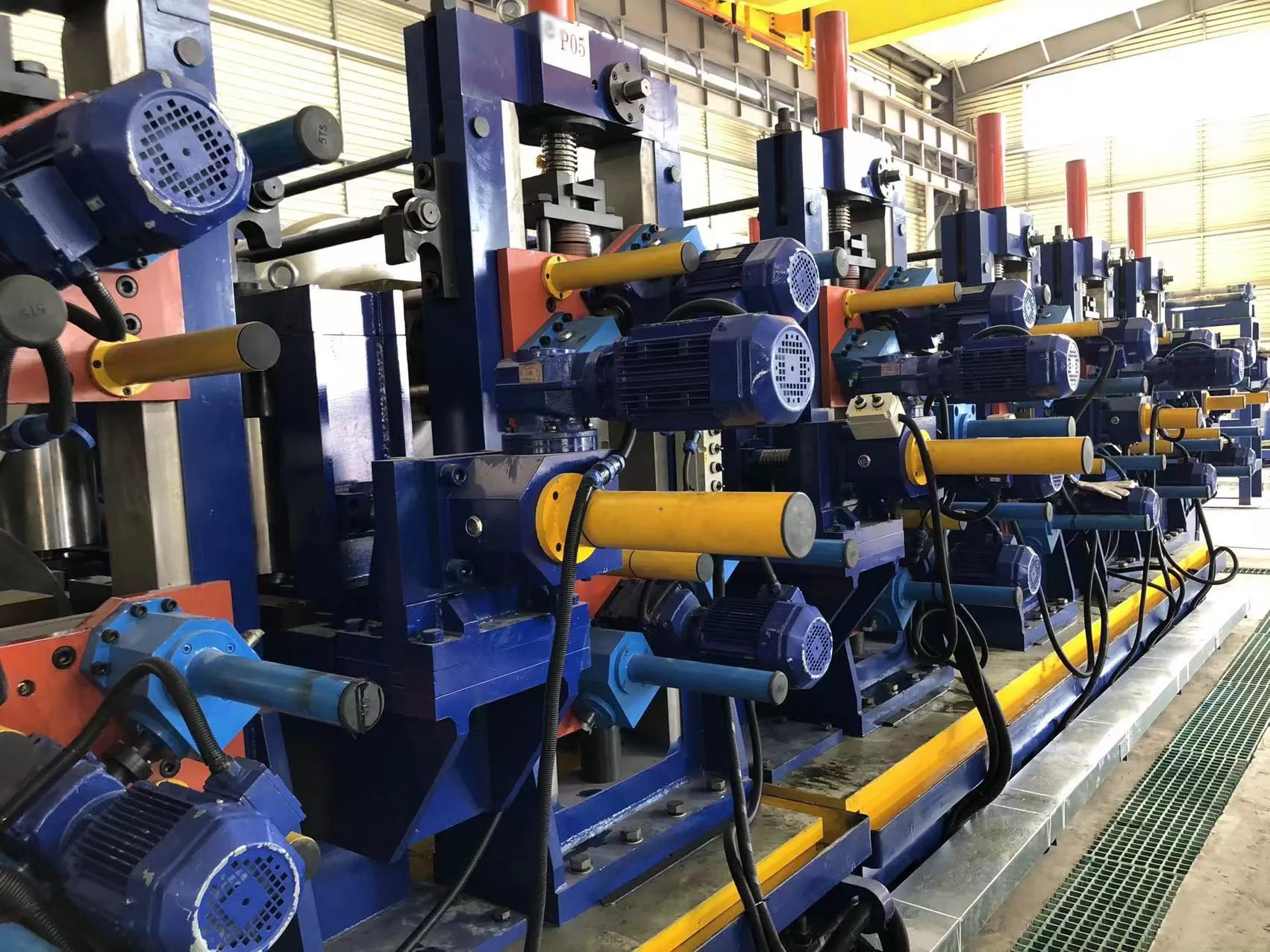
A complete erw pipe making machine includes more than just a
welder. Each station influences final product quality. Key modules are:
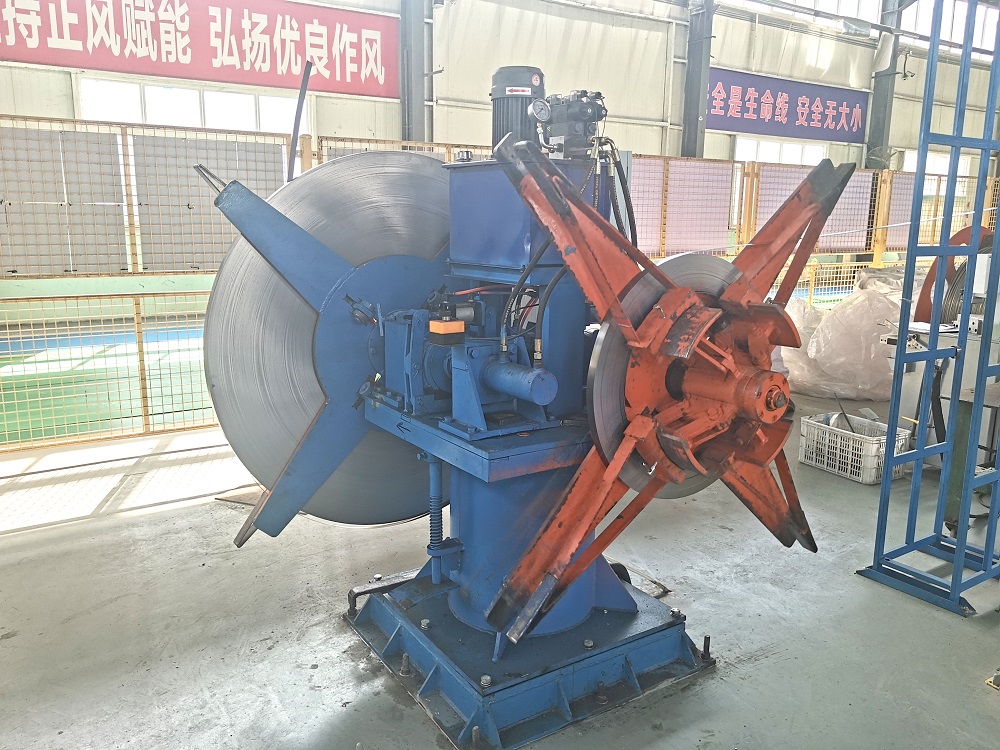
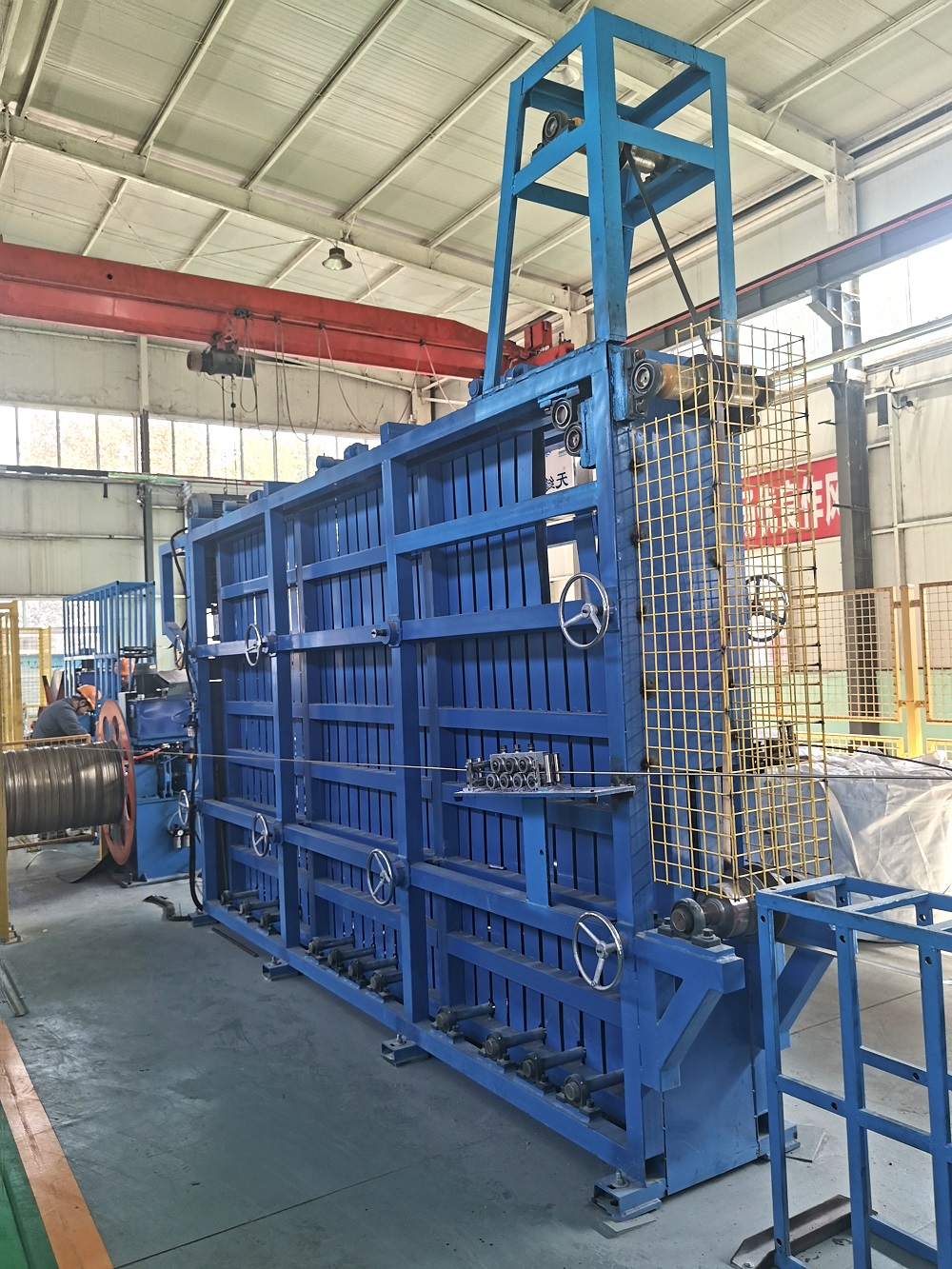
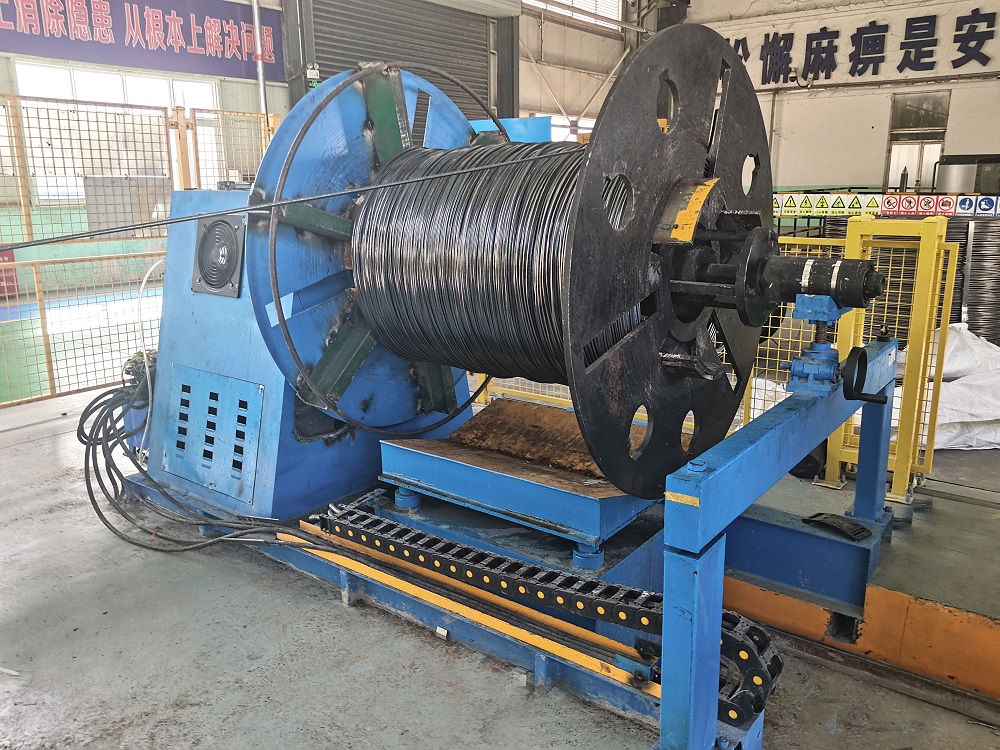
Uncoiling and strip preparation: Double-cone or
mandrel-type pay-off reels with hydraulic expansion. Strip accumulators
(vertical or horizontal) guarantee continuous running during coil change.
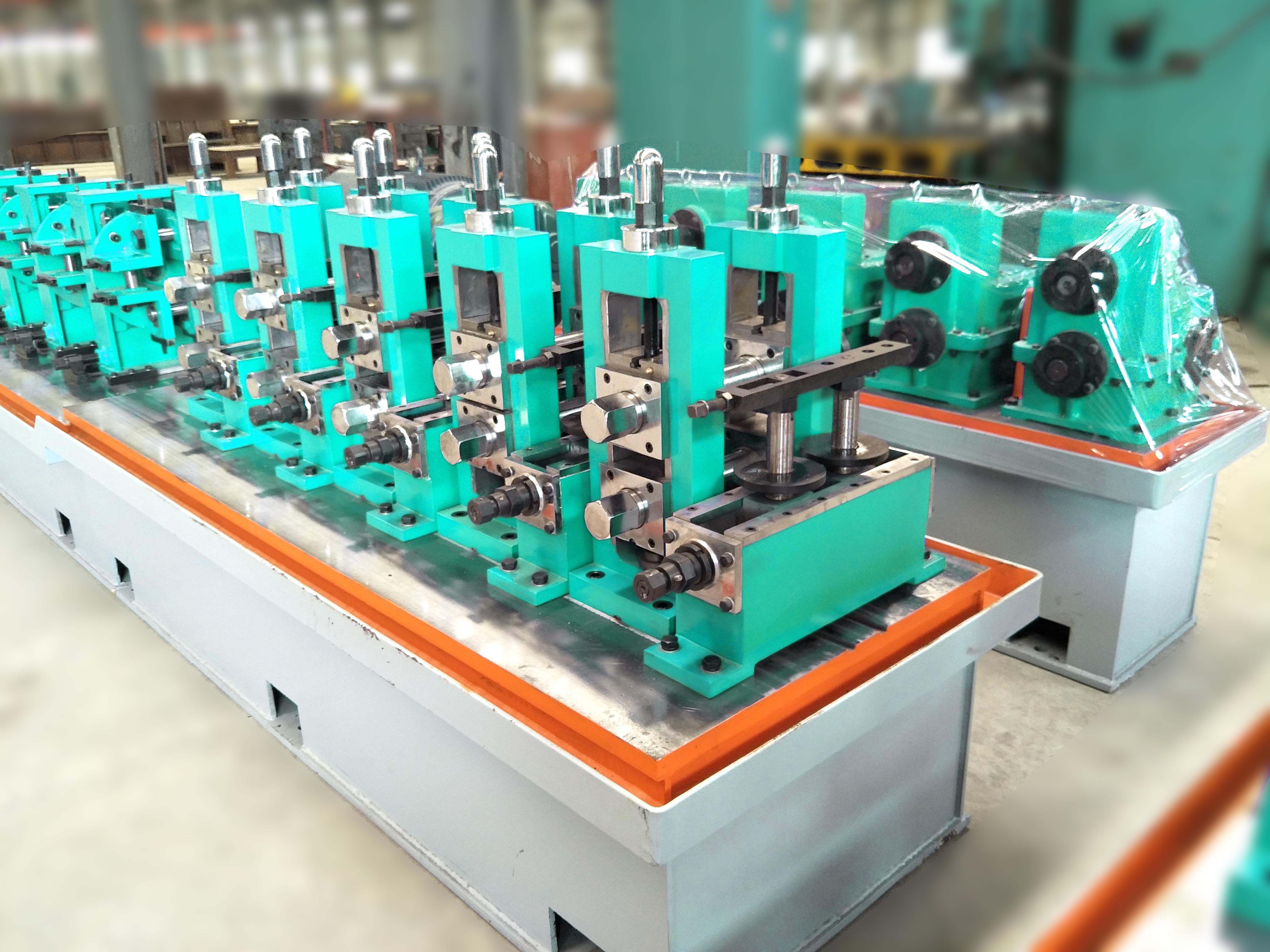
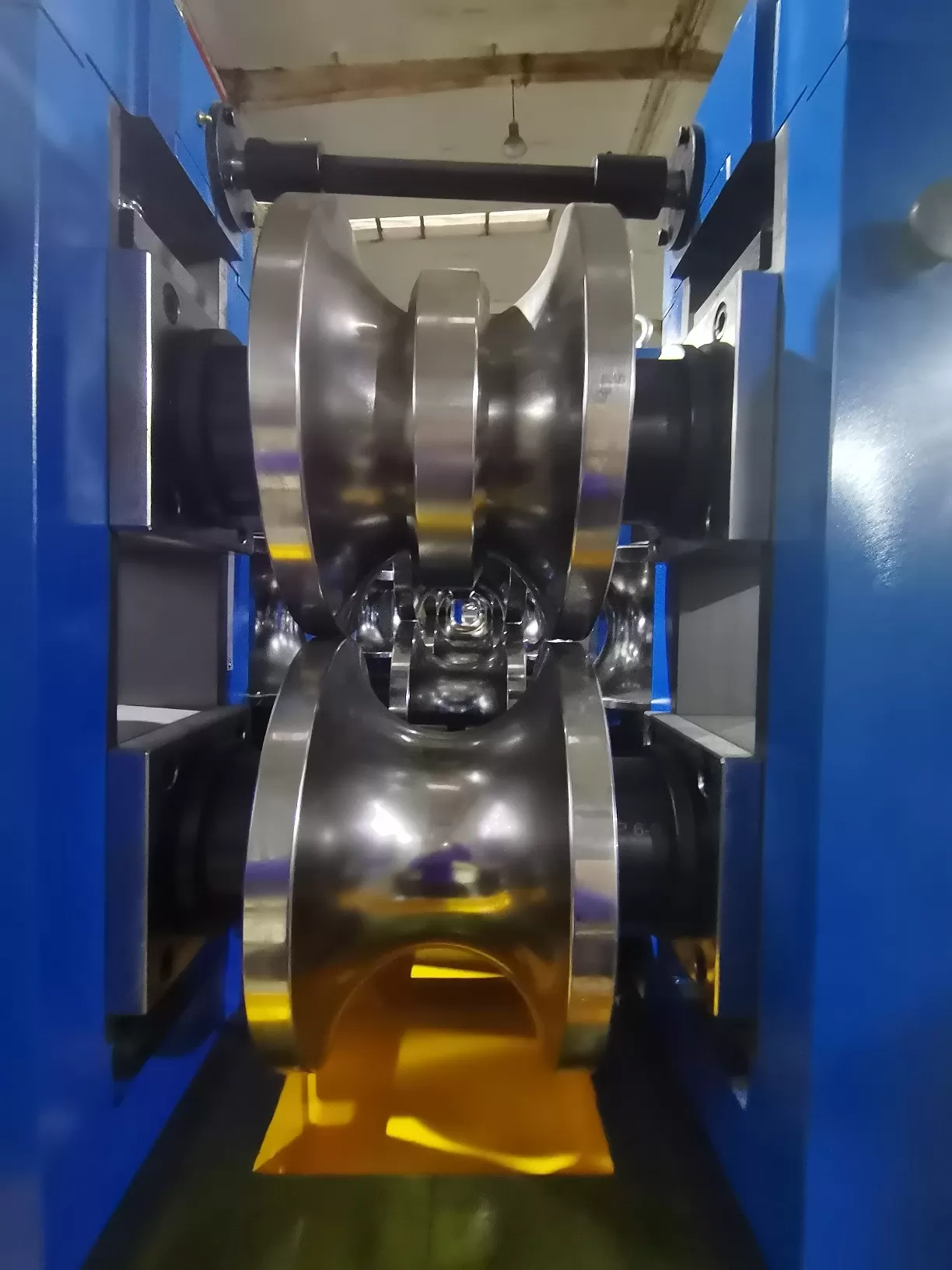
Roll forming section: Breakdown passes, cluster stands, and
side rolls gradually shape flat strip into a circular tube. The number of stands
varies from 12 to 28 depending on material yield strength. Roll flower design directly impacts edge alignment
before the weld box.
Weld zone: High-frequency induction or contact welding
(150–400 kHz) heats the strip edges; squeeze rolls forge the seam. Impeder
positioning and cooling water flow determine weld penetration depth.
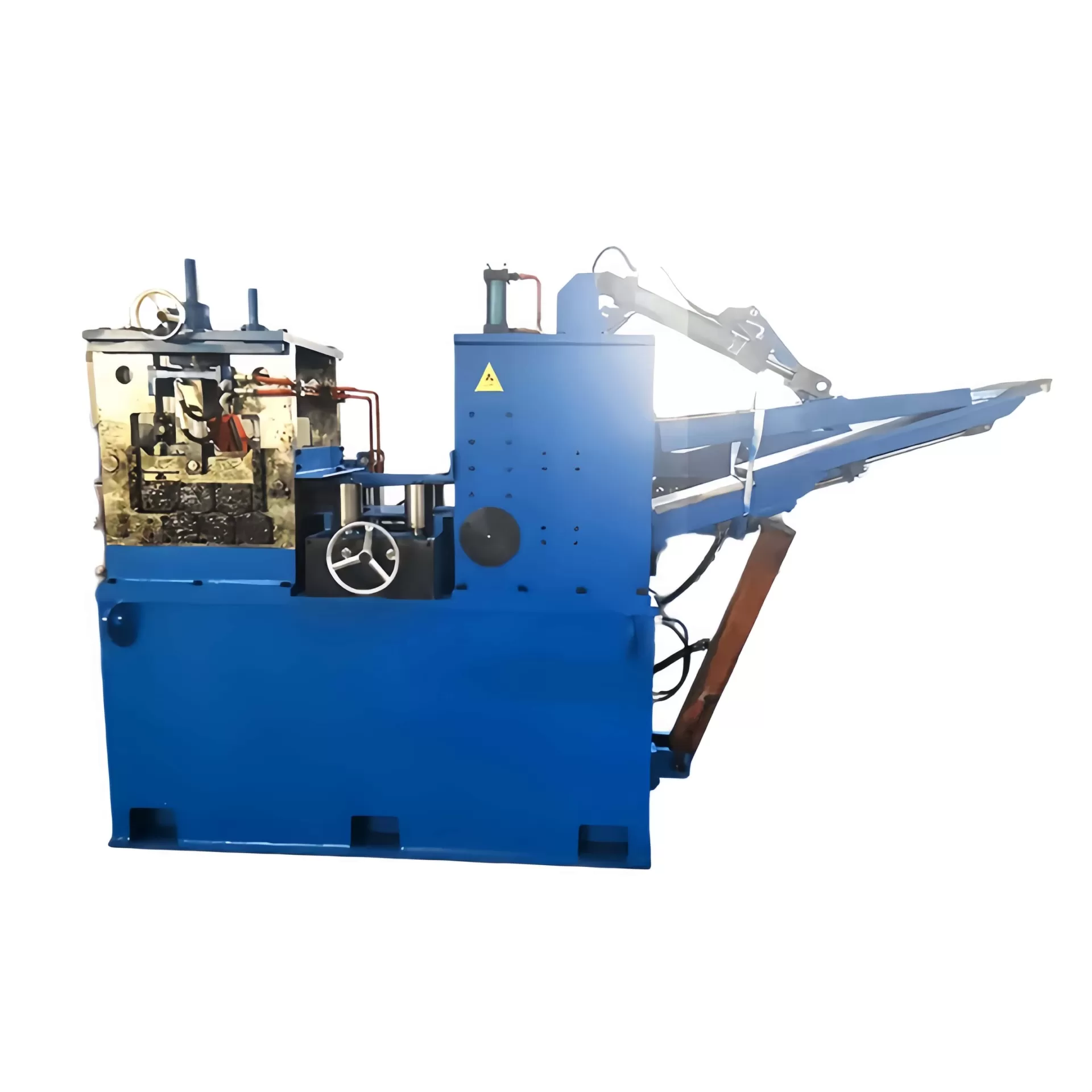
Seam conditioning: External and internal scarfing stations
remove external flash and internal upset. Scarfing tool geometry (clearance
angle, rake angle) must be recalculated for each wall thickness range.
Sizing and straightening: Multi-stand sizing blocks with
tungsten-carbide rolls ensure final OD tolerance (±0.3 mm for structural pipes).
A two-plane straightener removes residual bending stress.
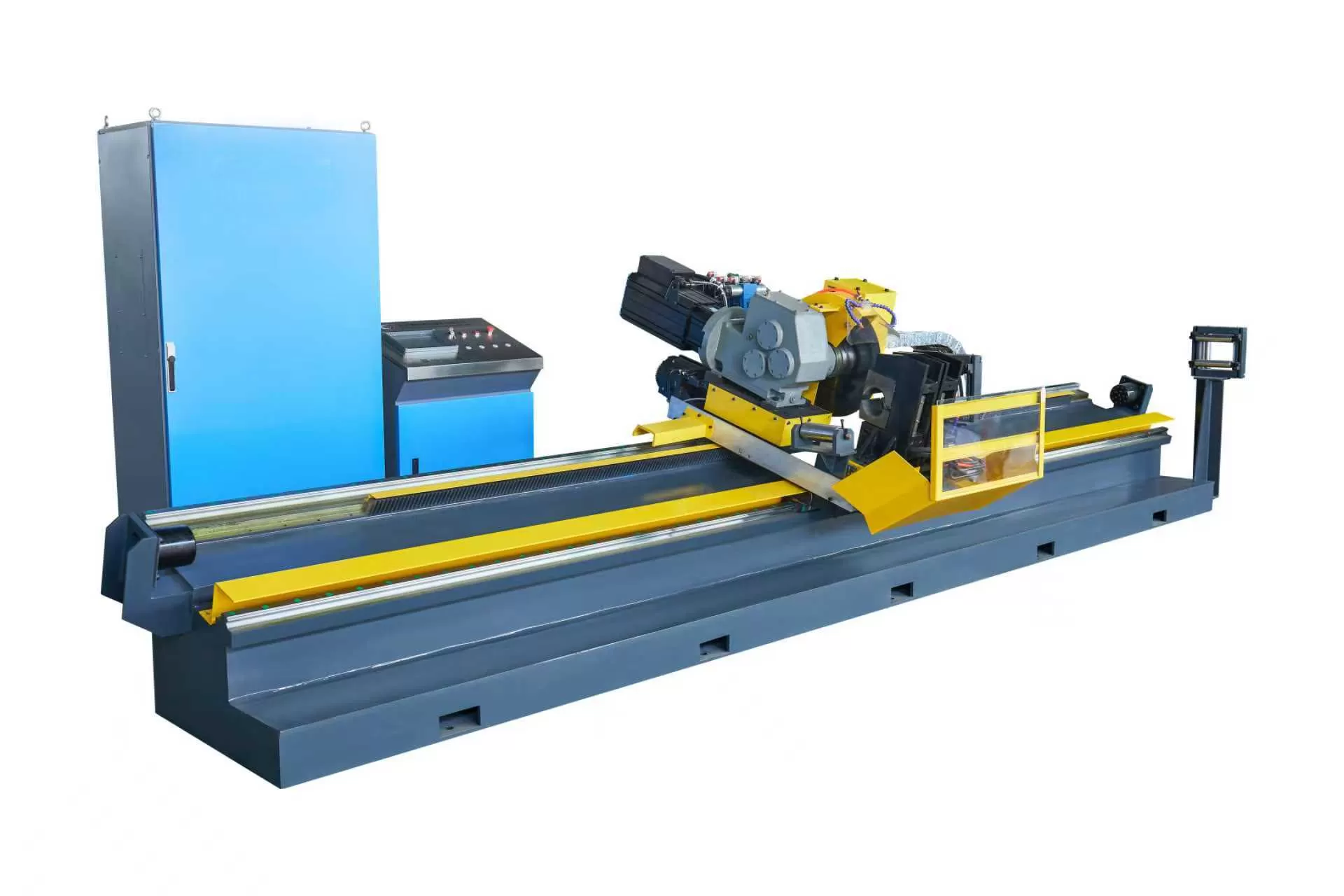
Cutting and end finishing: Flying cut-off saws or rotary
shear systems produce precise cut lengths (tolerance ±3 mm). Optional end-facing
and chamfering units prepare pipes for threading or welding.
2. Major Production Defects and Their Technical Countermeasures
Even premium erw pipe making machine lines generate defects
if operating parameters drift. Field data from 42 mills show three recurring
failure modes.
2.1 Cold weld (insufficient bonding)
Root cause analysis: Low heat input, incorrect v-angle (the
apex angle of strip edges before the squeeze roll), or oxidized edges.
Solution: Install a weld power controller that adjusts output
based on line speed (closed-loop speed-to-power map). Maintain strip edge angle
between 4° and 7°. For high-strength steel, pre-heat edges to 150–200°C using
induction before the main weld coil. This reduces thermal shock and improves
bonding.
2.2 Internal flash accumulation (ID bead)
Excessive internal upset restricts flow in hydraulic or pneumatic
applications. The fix involves two actions: (1) proper impeder design, including
a ferrite core with coolant circulation; (2) internal scarfing blade position
controlled by a servo-electric actuator with ±0.05 mm resolution. Many mills
retrofit a vision system to monitor ID bead shape in real time.
2.3 Roll marking on tube surface
Surface defects originate from worn forming rolls or inadequate lubrication.
Using PM-grade tool steel rolls extends changeover intervals by 4x compared to D2 steel. Additionally, automated
oil-mist lubrication systems reduce friction by 40% without contaminating the
weld zone. SANSO provides
quick-release roll cassettes with integrated lubrication manifolds, reducing
downtime from 6 hours to 55 minutes.
3. Technical Specifications: Matching Machine Capacity to Production
Targets
Selecting an erw pipe making machine requires quantitative evaluation of the following parameters.
Strip input width: 100 mm to 800 mm (for round pipe up to
20 inches). For square/rectangular sections, width depends on perimeter
calculation.
Wall thickness range: 0.6 mm to 12.7 mm. Heavy-wall mills
(up to 16 mm) require additional driven breakdown stands to prevent strip
buckling.
Line speed envelope: 15–120 m/min. Running below 25 m/min
for thin walls (>2 mm) risks excessive heat input; above 100 m/min for heavy
walls risks cold welds.
Welding generator power: 300 kW to 1500 kW, with frequency
adjustable between 150 kHz and 450 kHz. Lower frequency (150–200 kHz) improves
penetration for heavy walls; higher frequency (350–450 kHz) reduces
heat-affected zone for thin-wall precision tubes.
Mill drive motors: Sizing and forming stands typically use
AC vector or DC drives with total installed power from 300 HP to 1500 HP. Torque
monitoring on each stand prevents overloading.
4. Application-Specific Requirements for ERW Pipes
Different industries impose distinct quality windows that an erw pipe
making machine must consistently meet.
API 5L line pipe (oil/gas): 100% ultrasonic testing (UT) or
eddy current, hydrostatic test to 90% SMYS, and nick-break tests every shift.
Mill must include seam annealing stations to soften heat-affected zone.
EN 10219 / ASTM A500 structural hollow sections: Tight
corner radii (≤3t for square tubes) and consistent wall thickness variation ≤8%.
Sizing stands with independent vertical and horizontal adjustments are
mandatory.
Precision automotive tubing (e.g., driveshafts, shock
absorbers): Maximum surface roughness Ra ≤ 1.2 µm, ovality ≤0.3% of OD,
and no internal splatter. Mills for this segment include in-line honing or
skiving stations.
Boiler and condenser tubes: Zero leaks under 40 MPa
pressure; full nondestructive testing (NDT) of both OD and ID surfaces. Scarfing
tool wear is monitored per 500 meters of production.
5. How SANSO Engineering Improves ERW Pipe Making Machine Reliability
With more than 380 installations worldwide, SANSO has engineered solutions to the most persistent
problems of erw pipe making machine lines. Each SANSO mill
includes:
Monoblock cast-iron forming housings with pre-tensioned tie rods – virtually
eliminating roll deflection under high forming loads.
Solid-state HF welders with adaptive power management; response time to
speed changes is under 0.15 seconds, preventing cold laps.
Laser-guided sizing modules that achieve ovality ≤0.4% of OD for round pipes
and diagonal difference ≤0.5% for rectangular tubes.
Cloud-based IoT monitoring of bearing temperatures, vibration levels, and
scarfing motor currents. The system issues predictive alerts 72 hours before a
potential failure.
Additionally, SANSO provides full roll pass design using finite element
analysis (FEA) for each unique steel grade, eliminating the typical 6-month
trial period.
6. Maintenance Optimization for Long-Term Mill Performance
Unscheduled downtime on an erw pipe making machine costs an
average of $2,800 per hour in lost production (based on 60 m/min line speed,
8-inch pipe). Data analysis from 15 mills shows maintenance cost
distribution:
Roll replacement and re-grinding: 52% of consumable budget
Bearing replacement in forming stands: 23%
Weld generator IGBT modules: 11%
Scarfing blades and holders: 9%
Lubrication system filters/pumps: 5%
Best practices to reduce these costs:
Implement a roll rotation schedule: move rolls from breakdown side to
finishing side every 2000 tons to equalize wear.
Use ultrasonic thickness testing on roll barrels every 500 operating hours;
re-grind when wear exceeds 0.2 mm.
Perform weekly alignment of the strip pass line using laser targets –
misalignment as small as 0.3 mm causes edge wave.
Schedule quarterly cleaning of HF transformer cooling circuits; clogged
cooling accounts for 34% of generator failures.
SANSO offers remote diagnostic dashboards that track
these metrics, automatically ordering spare rolls when wear reaches a preset
threshold.
7. Automation and Industry 4.0 in Modern ERW Pipe Mills
The next generation of erw pipe making machine integrates digital twins and
self-adjusting process loops. Real-time weld temperature monitoring using
dual-wavelength pyrometers feeds data to the mill PLC, which adjusts forming
pressure and weld power within 50 ms. Inline eddy-current arrays now classify
defects with 0.2 mm precision, automatically marking defective sections. Mills
equipped with such systems report first-pass yield rising from 91% to 98%. SANSO
already delivers ready-to-connect IIoT gateways that log every production
parameter (strip width, weld power, scarfing blade force) to MES systems – a
requirement for automotive and nuclear-grade tubing traceability.
Frequently Asked Questions (ERW Pipe Making Machine)
Q1: What is the typical power consumption per ton for an ERW pipe
making machine when producing 4-inch schedule 40 pipes?
A1: For wall
thickness 3.2 mm (schedule 40), average consumption ranges from 85 kWh to 110
kWh per ton. Induction welding is generally 10-15% more efficient than contact
welding. Factors like strip scale and water cooling intensity affect final
numbers. SANSO mills with adaptive power control achieve 90 kWh/ton or
lower.
Q2: How often should forming rolls be re-ground for a mill running
5000 tons per month?
A2: Using D2 tool steel rolls, re-grind every
2,500–3,000 tons (roughly every 15–18 working days). With PM-grade rolls,
intervals can extend to 6,000–7,000 tons. SANSO’s PM rolls also feature a 1.5 mm hardfacing
layer for longer life between re-grinds.
Q3: Can the same machine produce round pipes and square/rectangular
profiles?
A3: Yes – a universal erw pipe making
machine includes a turks’ head section (four adjustable side rolls) and
dedicated square sizing stands. To switch from round to square, the operator
replaces the finishing rolls and adjusts side roll positions. Changeover time
varies from 90 minutes to 3 hours. SANSO offers quick-change cassettes that
reduce this to under one hour for standard sizes.
Q4: What is the maximum wall thickness an ERW pipe making machine can
weld without internal flash defects?
A4: For carbon steel, practical
limit is 12.7 mm (0.500 inches) at diameters above 8 inches. Beyond that,
removing internal upset becomes difficult, and weld zone hardness increases
significantly. For walls >12.7 mm, consider laser welded or submerged arc
welded (SAW) lines. However, SANSO’s heavy-duty mills can handle 16 mm wall with
forced internal cooling and servo-controlled scarfing.
Q5: How do I determine if my edge alignment is causing cold
welds?
A5: Perform a “pinch test” – stop the mill and insert feeler
gauges at the weld box entrance. Gap between strip edges should be 0.05–0.15 mm
(ideally zero). Larger gaps cause poor edge heating. Also, examine the weld
flash: uniform feather-shaped flash indicates proper alignment; irregular or
one-side-high flash signals edge mismatch. Install edge tracking sensors to
continuously maintain alignment within 0.1 mm.
Improve Your ERW Pipe Making Machine Efficiency Today
Whether you are upgrading an existing line or purchasing a new complete
erw pipe making machine, SANSO provides a full scope: roll pass
design, mill engineering, installation supervision, and operator training. Our
clients have achieved 22% higher line speeds and 40% longer tooling life after
retrofitting SANSO roll cartridges and adaptive weld controls.
Ready to discuss your production targets? Send your inquiry with
material grade, pipe size range, and target annual tonnage. We will deliver a
technical proposal and commercial terms within 5 working days.
Request a quote or engineering consultation: info@sansohftubemill.com or visit www.sansotubemill.com/contact