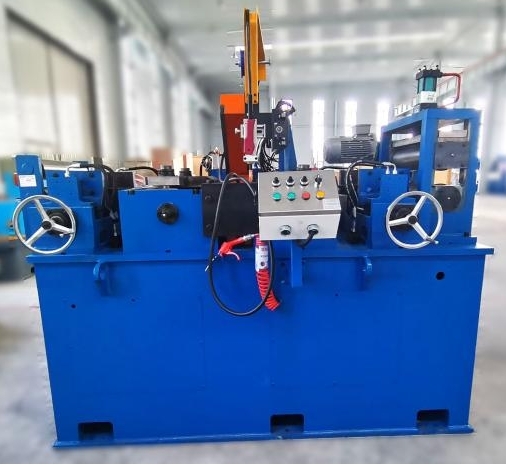
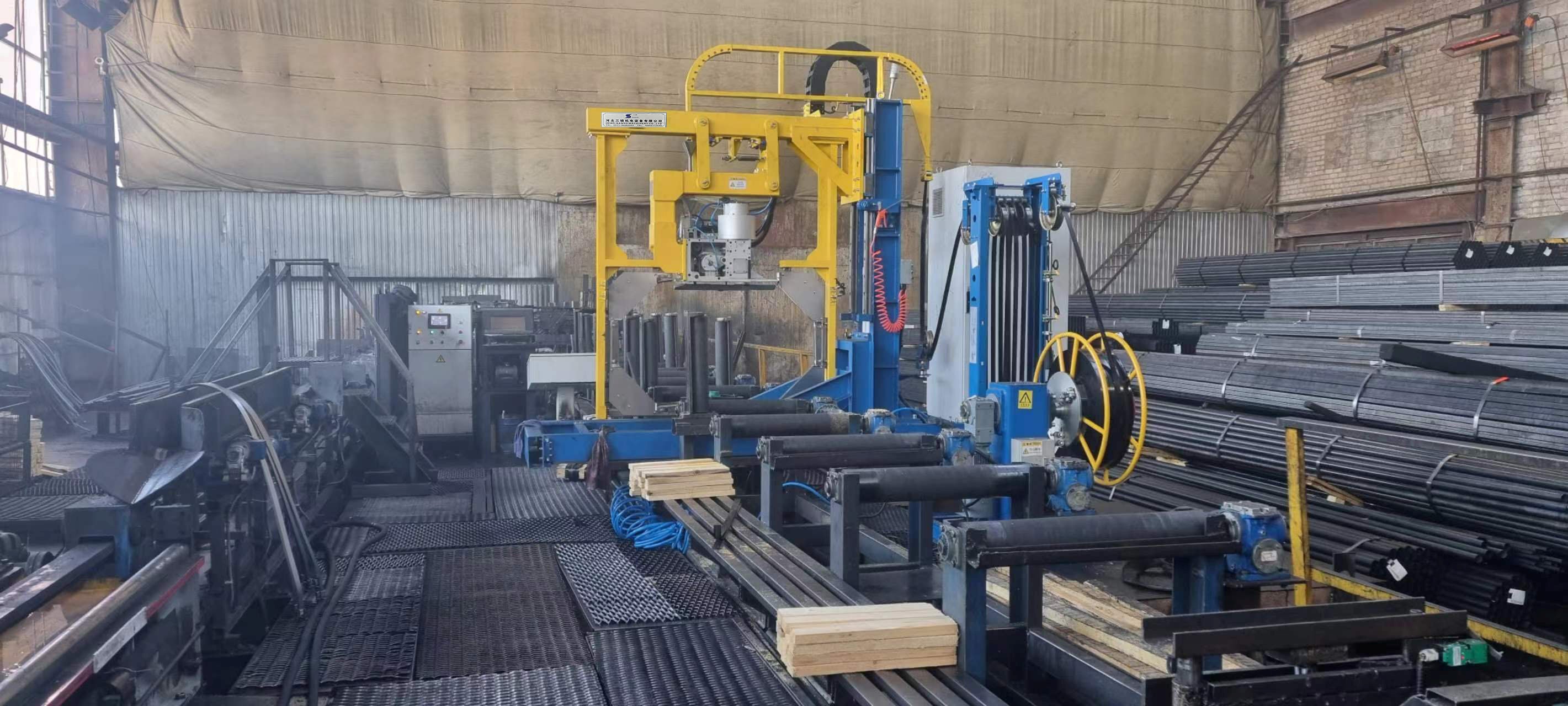
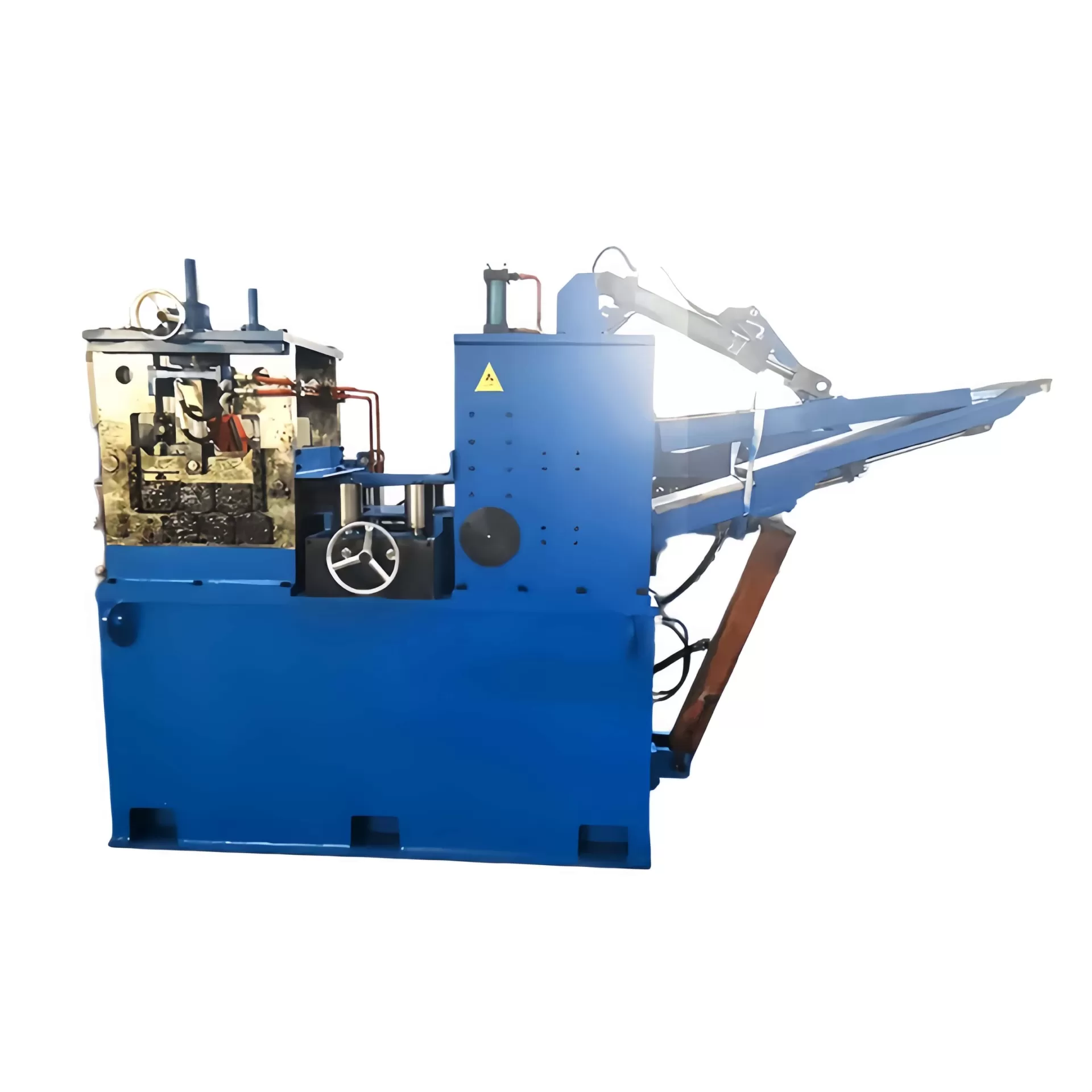
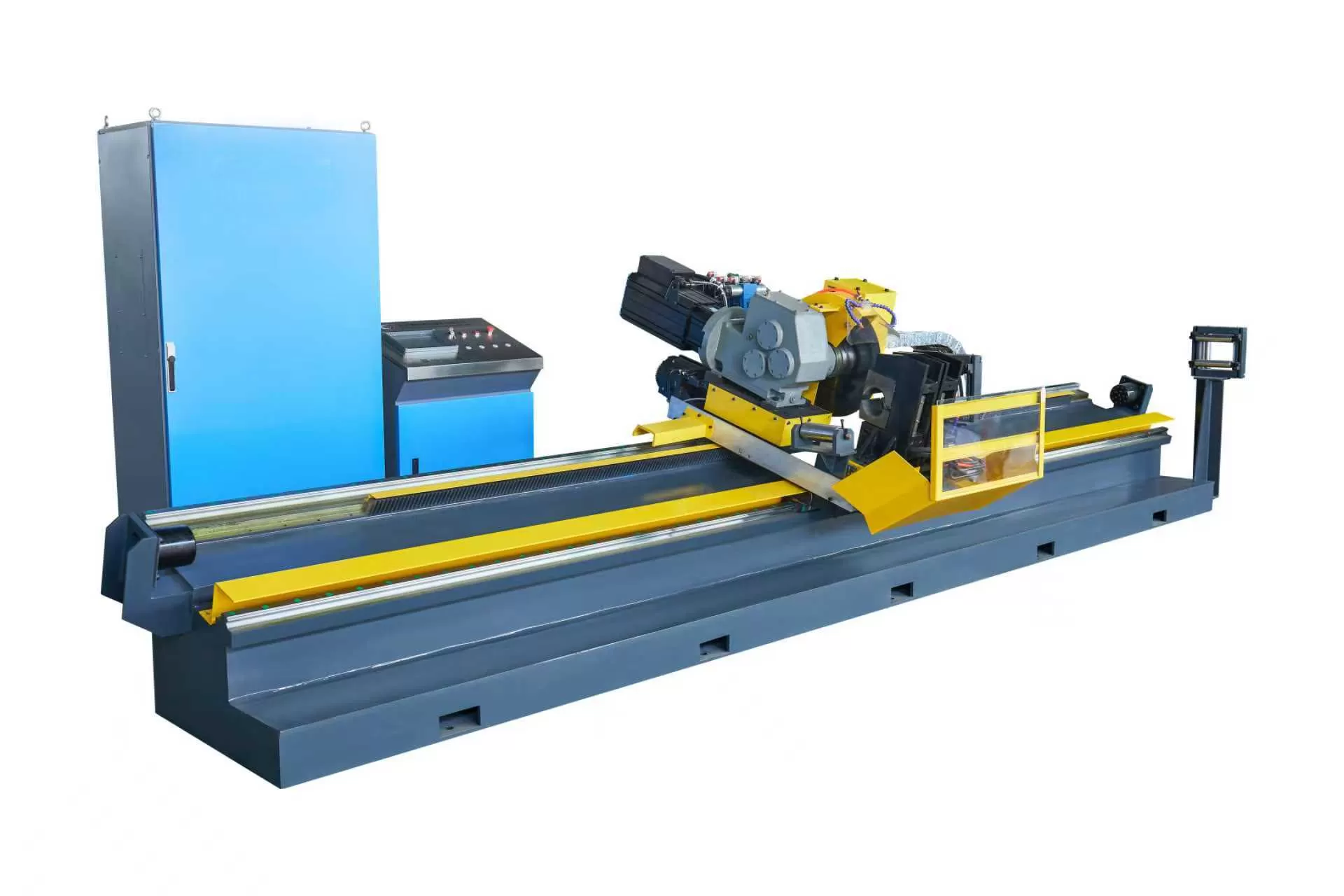
The erw pipe mill remains the
backbone of longitudinal welded pipe production, serving oil & gas
transmission, structural piling, water lines, and automotive components. Unlike
seamless rolling, electric resistance welding (ERW) combines cold forming with
high-frequency edge heating, delivering consistent wall thickness, lower energy
consumption, and shorter lead times. SANSO has engineered over 190 lines for diameters
from 21.3 mm to 610 mm, processing grades up to API 5L X70. This article
examines mill architecture, process physics, root-cause defect analysis, and
field-proven solutions from a manufacturing engineering perspective.
1. Structural Layout of an ERW Pipe Mill – From Coil to Finished Pipe
A modern erw pipe mill integrates
mechanical forming stations, a solid-state welder, post-weld heat treatment, and
sizing sections. Each module's parameter window directly affects weld toughness
and dimensional precision.
1.1 Uncoiling, Strip Accumulation & Edge Preparation
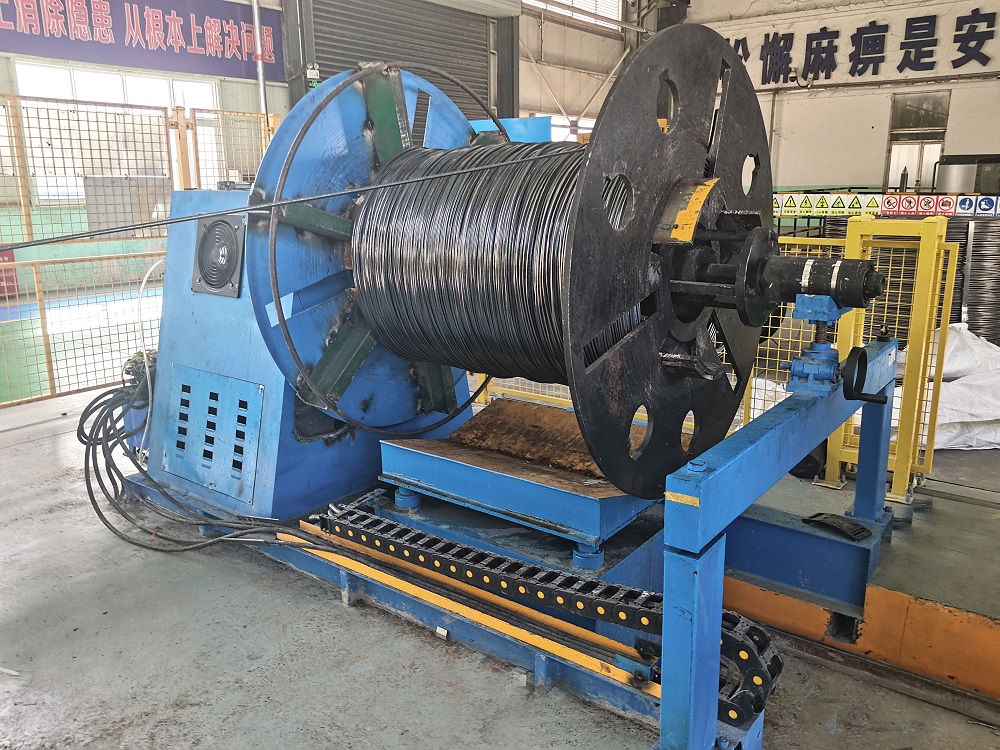
Hydraulic double-cone uncoiler – handles coils up to
25 tons, ID 508–760 mm, with automatic strip centering.
Horizontal loop accumulator – ensures continuous mill
operation during coil change, maintaining line speed deviation below ±1.5%.
Edge milling unit – produces strip width tolerance ±0.3 mm;
removes work-hardened edges to prevent cold weld defects.
1.2 Forming Section: Breakdown, Cluster & Fin Pass Stands
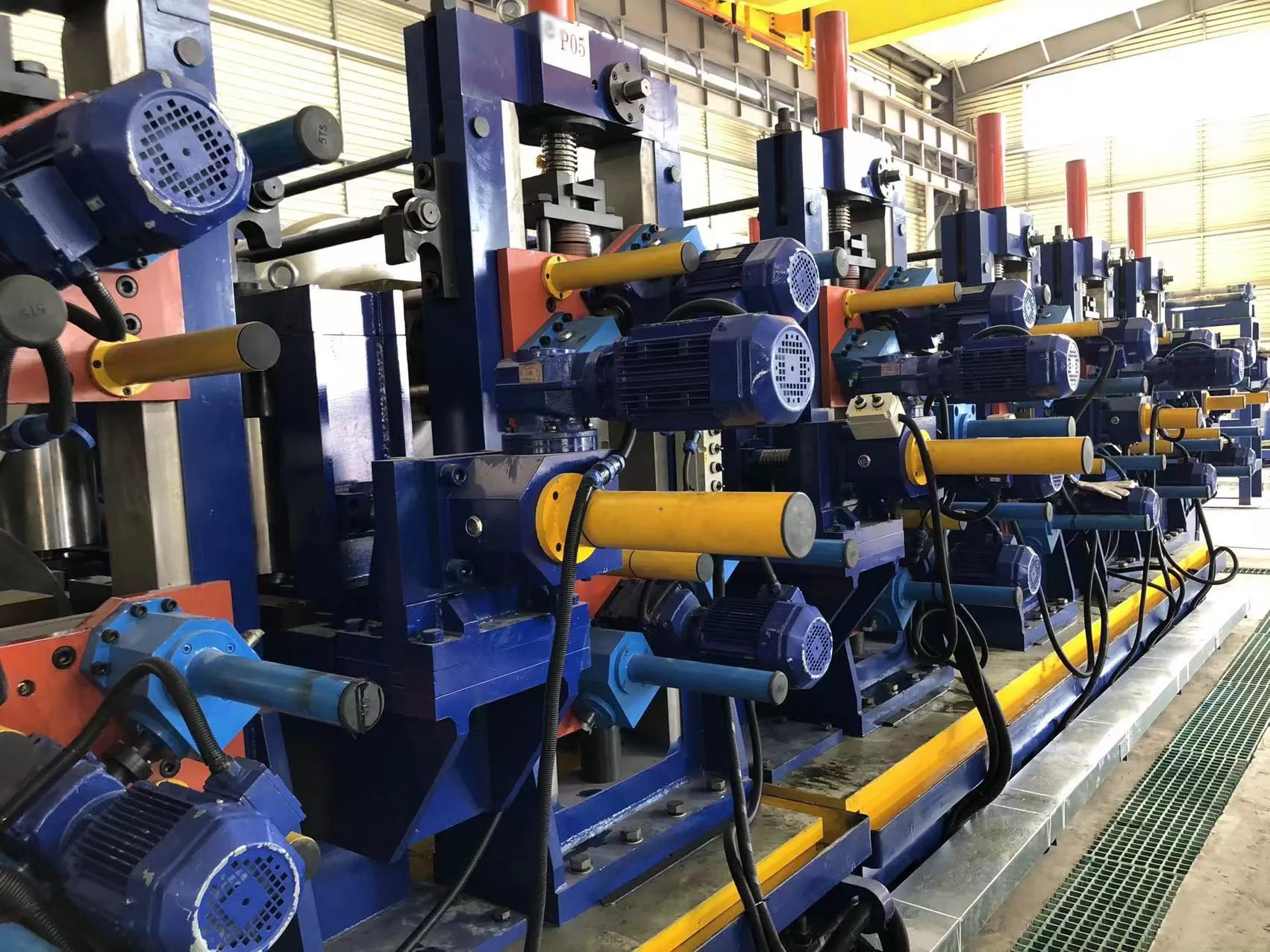
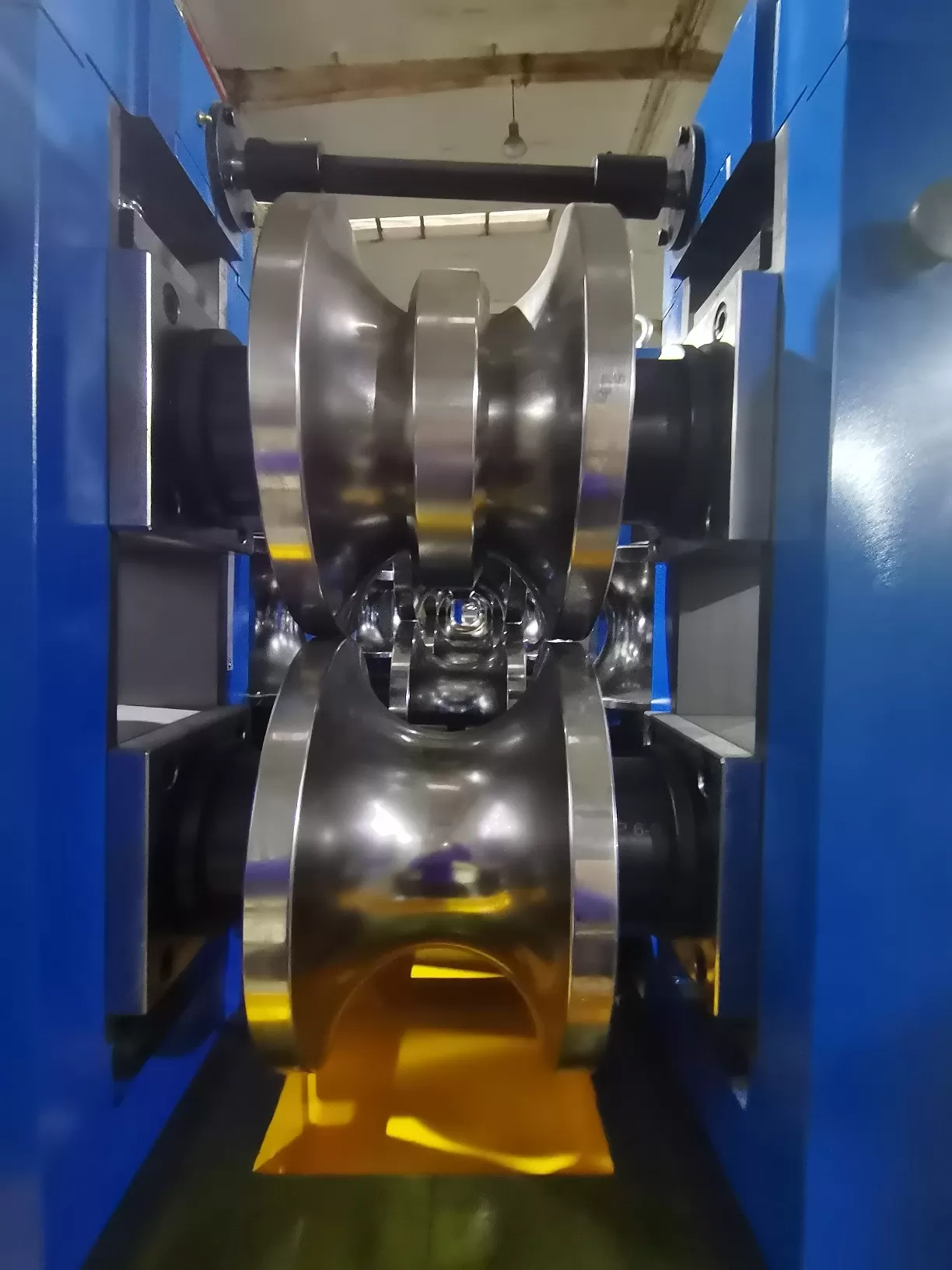
The forming zone converts flat strip into an open seam tube. Typical
configuration: 5–7 breakdown stands, 3 side roll stands, and 2 fin pass stands.
For heavy-wall pipes (>8 mm), cage forming technology reduces residual bending
stress. Key forming parameters: inter-stand elongation <1.5%, edge gap
variation ≤0.5 mm before welding.
1.3 High-Frequency Welding Zone – Solid-State Physics
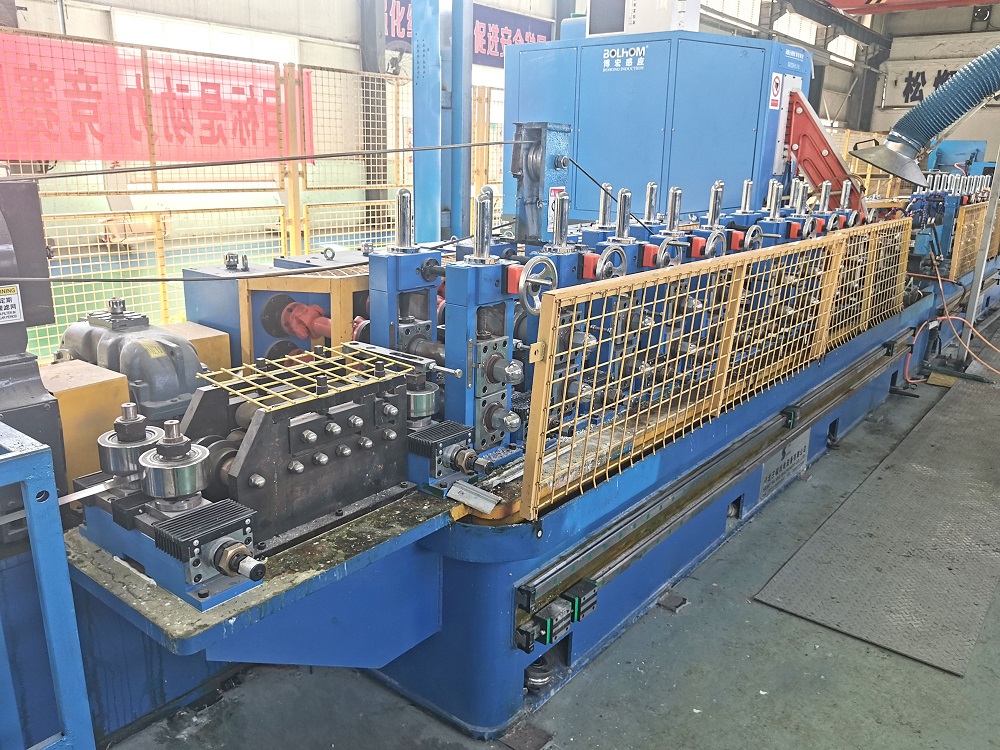
Using a solid-state welder (350–600 kHz), the erw pipe mill induces eddy
currents concentrated at the strip edges. A ferrite impeder placed inside the
tube (2–3 mm from the weld point) improves power transfer efficiency. Optimal
Vee angle: 4°–7°. Squeeze roll pressure (200–500 bar) expels molten metal,
forming a forged seam with upset amount 0.8–1.2× wall thickness.
1.4 Scarfing, Cooling & Sizing Mill
Internal/external carbide scarfing blades – remove
flash bead; blade geometry with 12° rake angle achieves flush finish ±0.2
mm.
Water spray cooling (15–35 m³/h) – controls HAZ cooling rate to avoid
martensite formation in carbon steels.
2-roll or 4-roll sizing mill – final OD tolerance to
ASTM A500: ≤ ±0.5% with straightness ≤ 1.5 mm per meter.
1.5 Flying Cut-Off & End Facing
Servo-driven flying saw with cutting length accuracy ±3 mm (range 6–18 m).
Downstream end-facing units bevel pipe ends to API 5L specification (30°±5°).
SANSO mills include rapid
tool change cassettes, reducing diameter changeover to under 40 minutes.
2. Process Parameters That Govern ERW Pipe Quality
Mill operators must monitor these eight variables to maintain weld strength
(≥95% base metal tensile) and ovality below 0.8%:
Strip width/thickness ratio – recommended 25–60; lower
ratio requires additional breakdown passes.
Welding power & frequency interaction – higher
frequency reduces heat-affected zone width but demands precise impeder
alignment.
Squeeze roll gap & overlap – overlap (inside
displacement) of 0.5–0.8 mm ensures forged grain flow across seam.
Cooling gradient – from 1450°C to 600°C in ≤2 seconds
prevents coarse grain boundary precipitation.
Forming roll runout – maintain ≤0.06 mm to avoid periodic
wall thinning.
Fin pass downforce – load cells should indicate <15 kN
per side; excessive force causes edge buckling.
Line speed synchronization – all driven stands must stay
within ±0.8% speed deviation.
In-line NDT calibration – eddy current or ultrasonic setups
must be verified every shift using reference defects.
3. Common Production Defects in ERW Pipe Mills – Root Causes &
Countermeasures
Despite advanced controls, weld-related defects account for 70% of pipe
rejections. Below are five frequent failure patterns with specific remedies
implemented at SANSO customer sites.
3.1 Lack of Fusion (Cold Weld) Detected by Flattening Test
Root causes: insufficient heat input (below 180 kW/mm²),
oxidized or oily edges, or Vee angle >9°. Solution: install
dual-wavelength pyrometer (8–14 µm) targeting the weld point; feed signal to
welder power controller to maintain 1380–1450°C. Also upgrade to induction preheating
station for strip edges when ambient temperature <10°C. Customer
data shows cold weld rejection drop from 4.8% to 0.6% after retrofit.
3.2 Longitudinal Crack in Welded Seam During Flattening
Origin: excessive squeeze pressure (upset >1.5×
thickness) or improper scarfing leaving a notch. Remedy: recalibrate squeeze roll gap based on strip thickness; target upset amount =
0.9× wall thickness. Use online eddy current array (ECA) with 16 channels to
detect cracks ≥0.3 mm immediately after scarfing.
3.3 Internal Weld Bead Protruding >0.5 mm (for Fluid Pipes)
Cause: dull internal scarfing blade or incorrect carbide
grade (insufficient toughness for high-strength steel). Action: replace with PCD-tipped (polycrystalline diamond) internal scrafter – extends
tool life 4× and achieves bead height ≤0.2 mm. Add automated tool wear
compensation using laser profilometer feedback.
3.4 Out-of-Roundness at Pipe Ends (Ovality >1.5%)
Why: insufficient sizing stands or worn universal roll
bearings. Fix: add a dedicated 6-roll straightening unit after
sizing. For mills producing line pipe, a hydraulic expansion calibrator (0.5–1.2% expansion)
corrects ovality to below 0.5% and relieves residual stress.
3.5 Surface Flash Marks or Grooves from Scarfing
Source: misaligned external scarfing blade support or
excessive tool overhang (more than 20 mm). Correction: reset
blade holder alignment with dial gauge; reduce overhang to 12–15 mm. Apply
ceramic-coated scarfing blades for high-frequency mills producing more than
15,000 tons per year.
4. Technical Selection Criteria for an ERW Pipe Mill – A Step-by-Step
Framework
Choosing the right erw pipe mill requires
balancing product portfolio, target output, and material grades. Below is a
decision matrix used by plant engineers.
Annual capacity: 30,000–60,000 tons → line speed 30–50
m/min; >80,000 tons → 70–100 m/min with automatic strip joining.
Diameter range: single-size mills (e.g., 4-inch only) vs.
multi-size (2–8 inches). Multi-size mills require quick-change roll cassettes –
change time under 2 hours.
Wall thickness capacity: standard mills handle ≤8 mm; for
structural pipes up to 16 mm, upgrade to heavy-duty forming stands (bearing life
rated >50,000 hours).
Steel grades: API 5L X42–X70 demands higher forming torque
(≥30% margin) and post-weld heat treatment (PWHT) station.
Automation level: basic SCADA with manual adjustments vs.
full CPS (cyber-physical system) with recipe management, weld power
optimization, and predictive maintenance alerts.
5. Maintenance Best Practices for ERW Pipe Mill Longevity
Proactive maintenance reduces unplanned downtime, which costs between
$3,000–$9,000 per hour in a high-volume pipe mill.
Roll tooling reconditioning: schedule every 700–1000
operating hours; chrome-plated rolls last 30% longer than uncoated.
Bearing inspection: measure radial clearance every 2 months
for C3-class bearings; replace when clearance exceeds 0.04 mm.
Weld impedance servicing: ferrite core impedance should be
checked for cracks or overheating; replacement interval ~2,000 hours.
Lubrication schedule: automatic grease system (EP2 lithium)
for roll necks every 8 hours; gearbox oil change (ISO VG 220) every 4,000
hours.
Scarfing blade monitoring: install wear sensors on blade
holders; carbide blades typically last 50–80 km of pipe production.
6. Digitalization and Smart Welding in Modern ERW Pipe Mills
Next-generation erw pipe mill lines
integrate IoT sensors, edge computing, and AI-based weld monitoring. Real-time power signature
analysis detects changes in weld impedance phase angle, predicting
cold welds 200 ms before cut-off. Laser triangulation sensors measure flash
geometry at 1 kHz, adjusting scarfing force dynamically. For mills producing
automotive tubes (e.g., driveshafts), closed-loop dimension control with
cross-axis compensation achieves 0.05 mm precision. SANSO now offers retrofit
packages including edge centering vision systems and weld power stabilization
modules, increasing overall yield by 6–9% in documented cases.
Frequently Asked Questions (Technical Focus)
Q1: What is the typical welding speed range for an erw pipe mill
producing 6-inch diameter, 5.5 mm wall thickness line pipe?
A1: For
API 5L grade X52 (5.5 mm wall), a modern erw pipe mill runs at 20–35
m/min to ensure proper weld penetration. Higher speeds cause insufficient heat
input. SANSO's heavy-duty mill (model SP-6H) maintains stable weld quality up to
38 m/min using 650 kW solid-state welder and forced water cooling of the
impedance.
Q2: How can we eliminate arc tracks or burn marks on the inner pipe
surface near the weld?
A2: Arc tracks (also called "arc strikes")
originate from improper impeder grounding or contact tip arcing. Solutions:
check the copper contact shoe for oxidation; replace if surface roughness >
Ra 1.6 µm. Use a double-sided grounding brush with silver-graphite composite.
Additionally, adjust the impedance position so it sits 15–18 mm behind the weld
point. SANSO's impedance alignment tool reduces arc track occurrence by 95%.
Q3: What NDT methods are recommended for online weld inspection on
ERW pipe mills?
A3: For immediate feedback, use rotary eddy current
(EC) or phased array ultrasonic testing (PAUT) after
scarfing. PAUT with 32-element probe detects lack of fusion, cracks, and
porosity down to 0.5 mm depth. For final certification per API 5L, combine PAUT
with magnetic particle inspection (MPI) on the weld bevel area. SANSO mills
include pre-wired encoder synchronization for third-party PAUT systems.
Q4: Can an existing ERW pipe mill be converted to produce stainless
steel (304/316L) pipes?
A4: Yes, but requires modifications: replace
all forming rolls with polished rolls (Ra ≤ 0.6 µm) to prevent galling; change
to a higher-frequency welder (600–800 kHz) to avoid arc wandering; install argon
shielding (15–20 L/min) at the weld Vee. The sizing section must run at reduced
speed (≈40% of carbon steel speed). SANSO offers conversion kits with tooling
and gas shielding enclosures.
Q5: What causes intermittent weld porosity every 15–20
meters?
A5: This pattern suggests periodic edge contamination or
strip surface rust from coil storage. Install a strip edge cleaning module using
rotating brass brushes (350 rpm) followed by pressurized air knives (6 bar).
Also inspect the cooling water nozzles for clogging – inconsistent quenching can
cause steam entrapment in the weld zone. A real-time weld monitor that records
power and temperature every 10 ms can pinpoint the exact meter location.
Q6: How to reduce spiral twist (helical deformation) after the sizing
section?
A6: Spiral twist arises from uneven cooling or roll
misalignment in the finishing stands. Perform laser alignment of all sizing roll
stands – allow deviation ≤0.1 mm per meter. install a 4-roll twist straightener
with opposing hydraulic cylinders. For pipes above 8 mm wall thickness, add a
slow cooling tunnel (controlled at 50°C/minute) before final sizing.
Request a Site-Specific Mill Configuration or Quotation
Every pipe mill project has distinct constraints – available floor space,
target product mix, and local steel coil supply. The SANSO engineering team provides a free process audit,
including CAD layout, power consumption estimation, roll tooling list, and
projected ROI based on your daily shifts and pipe dimensions. Share your
production parameters with our technical sales group.
Send your inquiry to SANSO engineering: specify desired
OD range, wall thickness range, annual tonnage, and material grades (e.g., ASTM
A500, API 5L X65). We reply within 48 hours with a customized mill
specification, consumables budget, and price breakdown.
Click here to submit your inquiry or
email directly: info@sansohftubemill.com