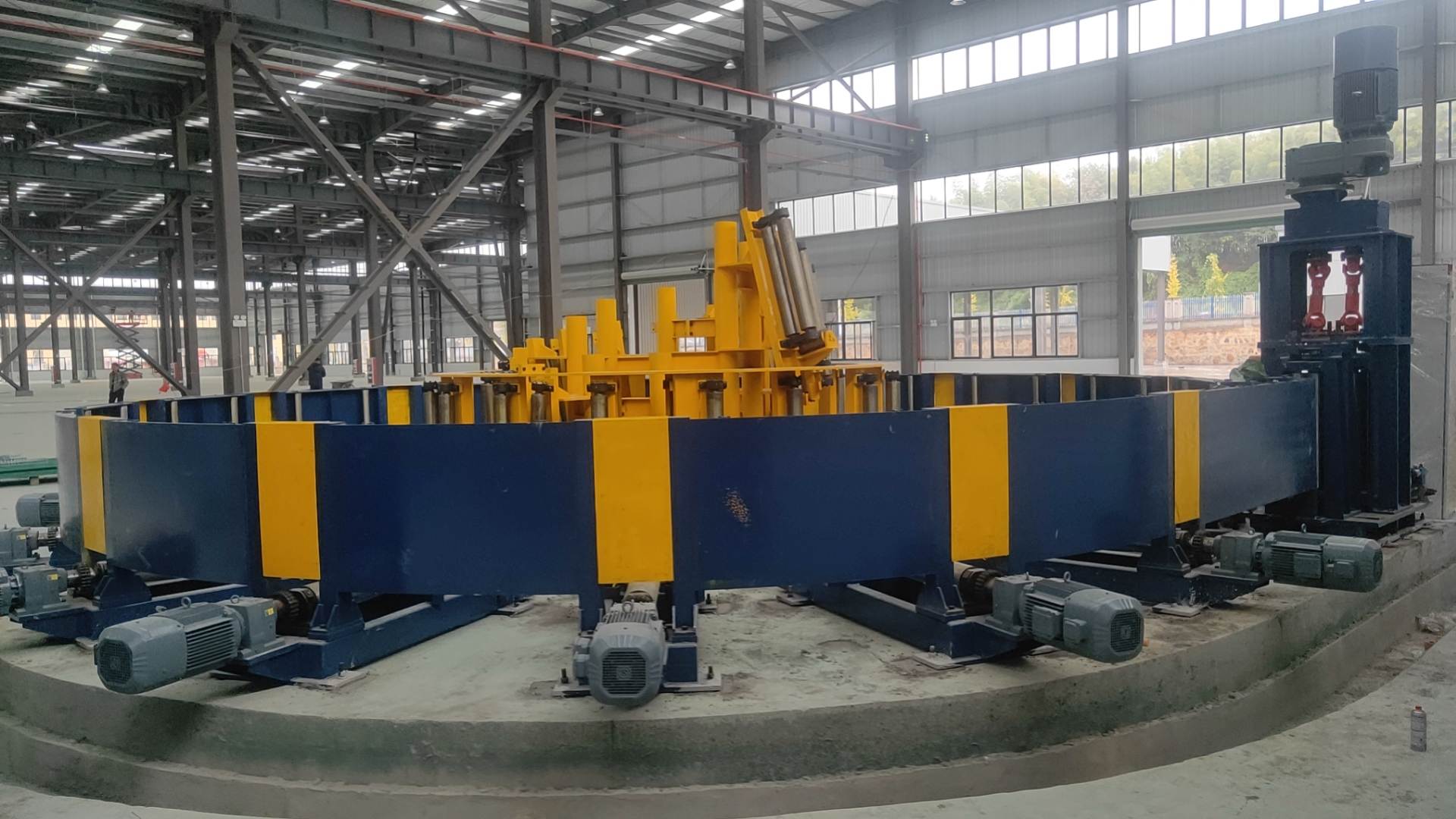
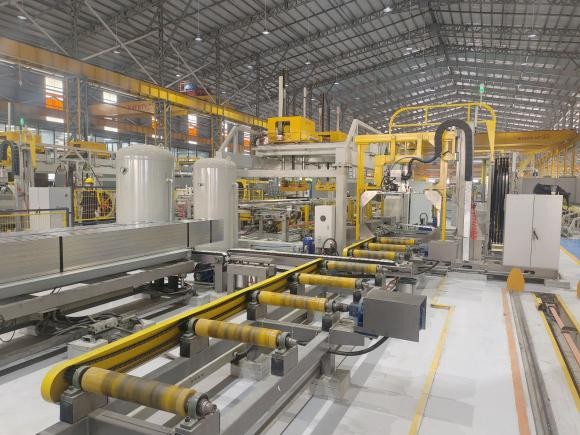
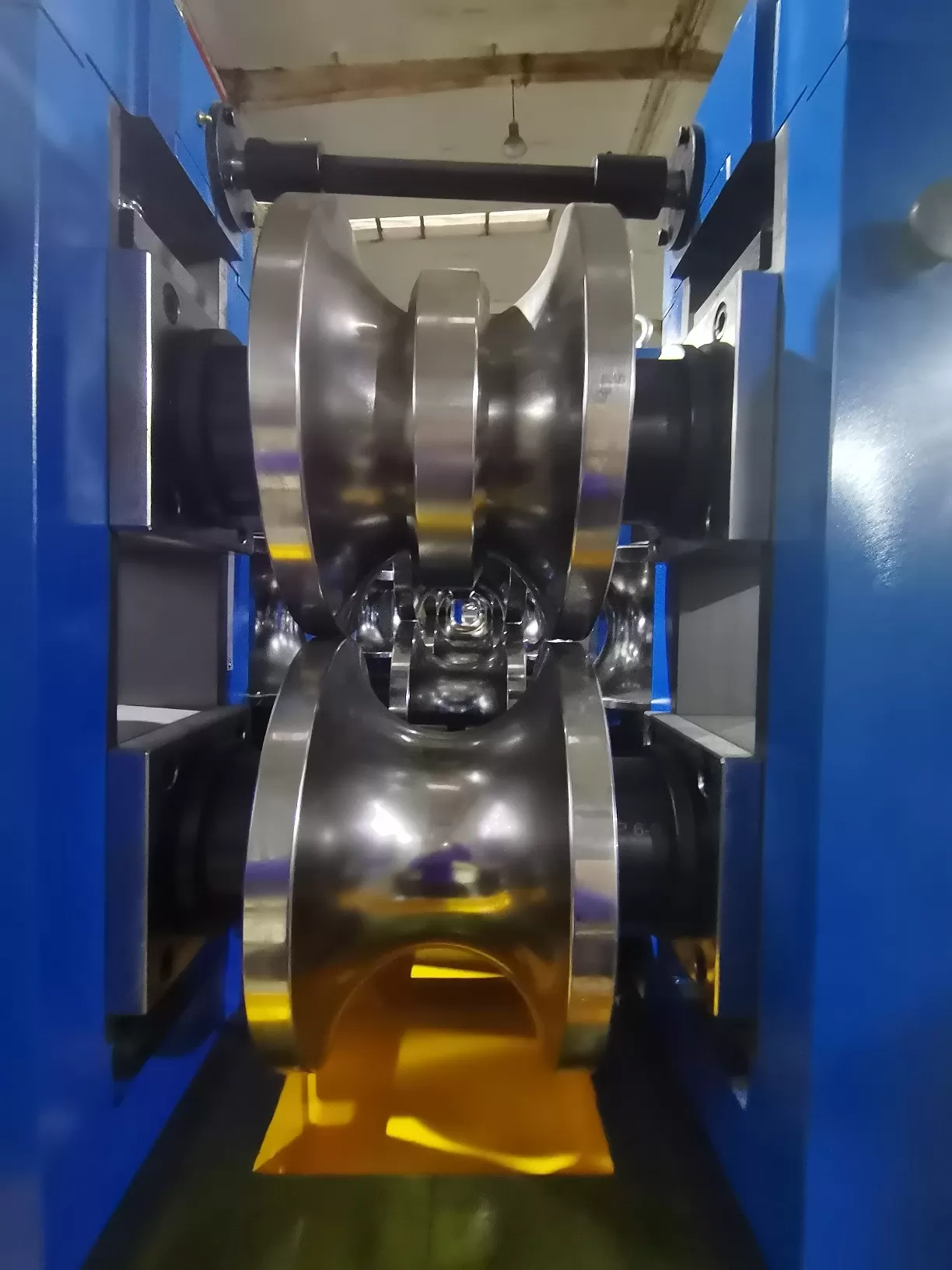
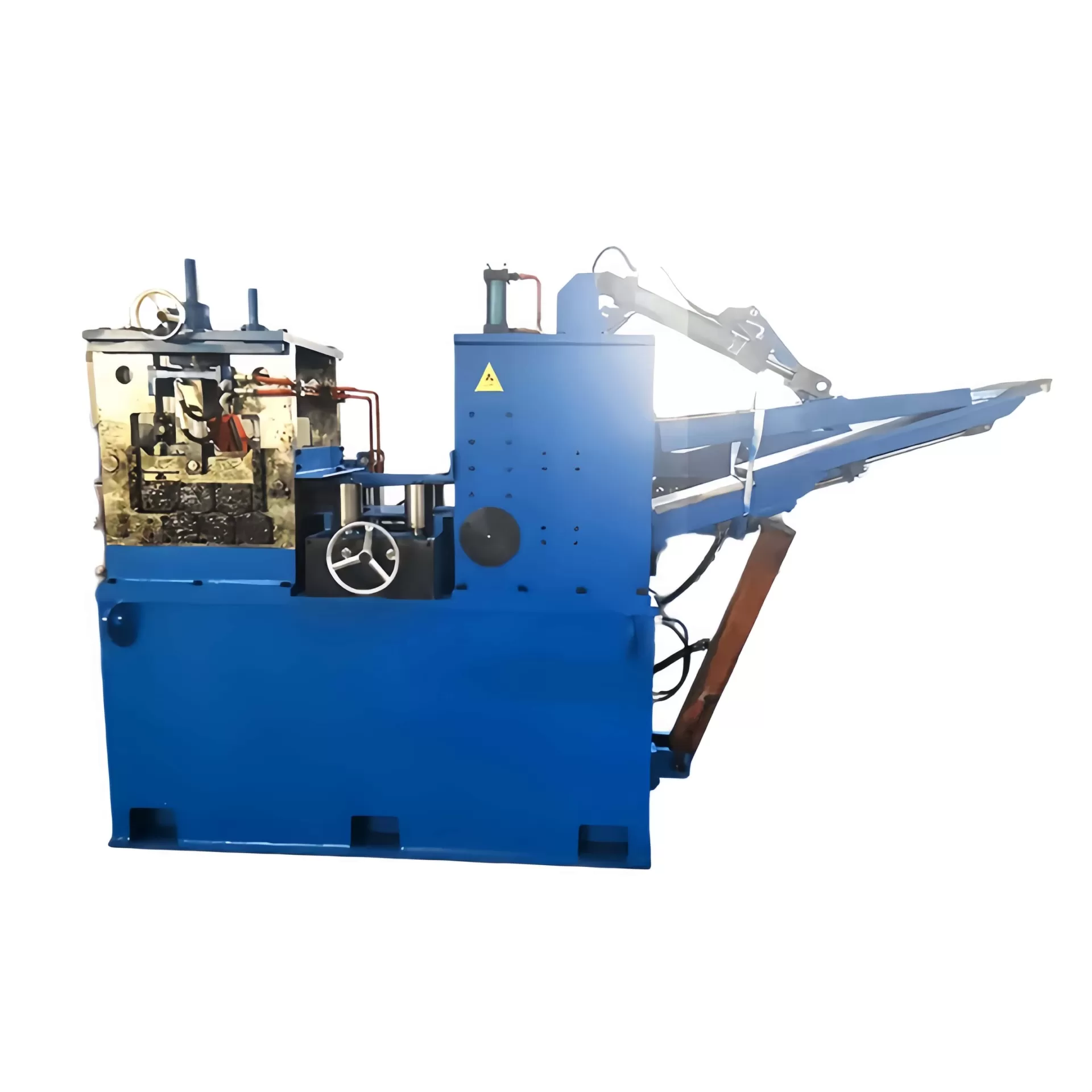
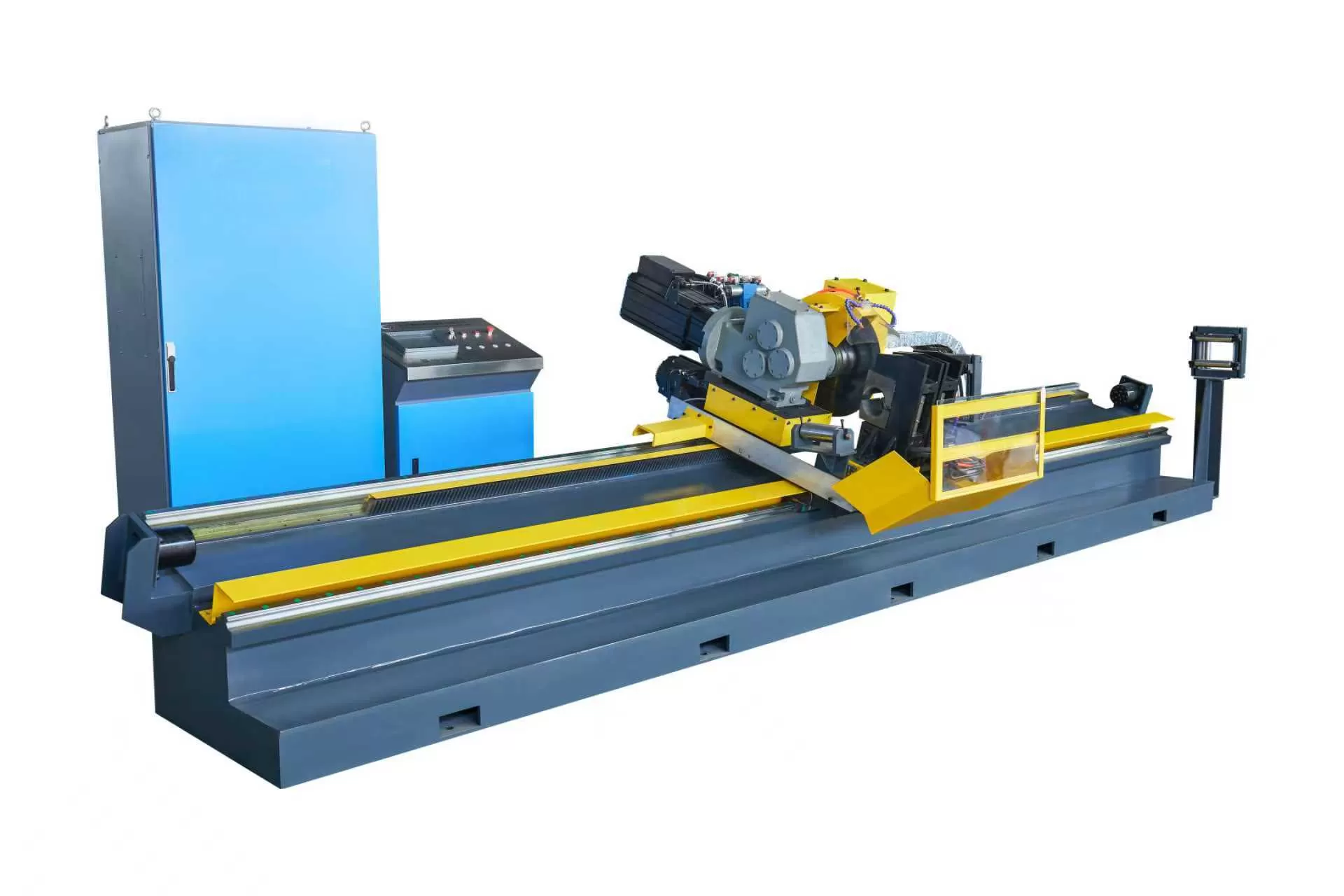
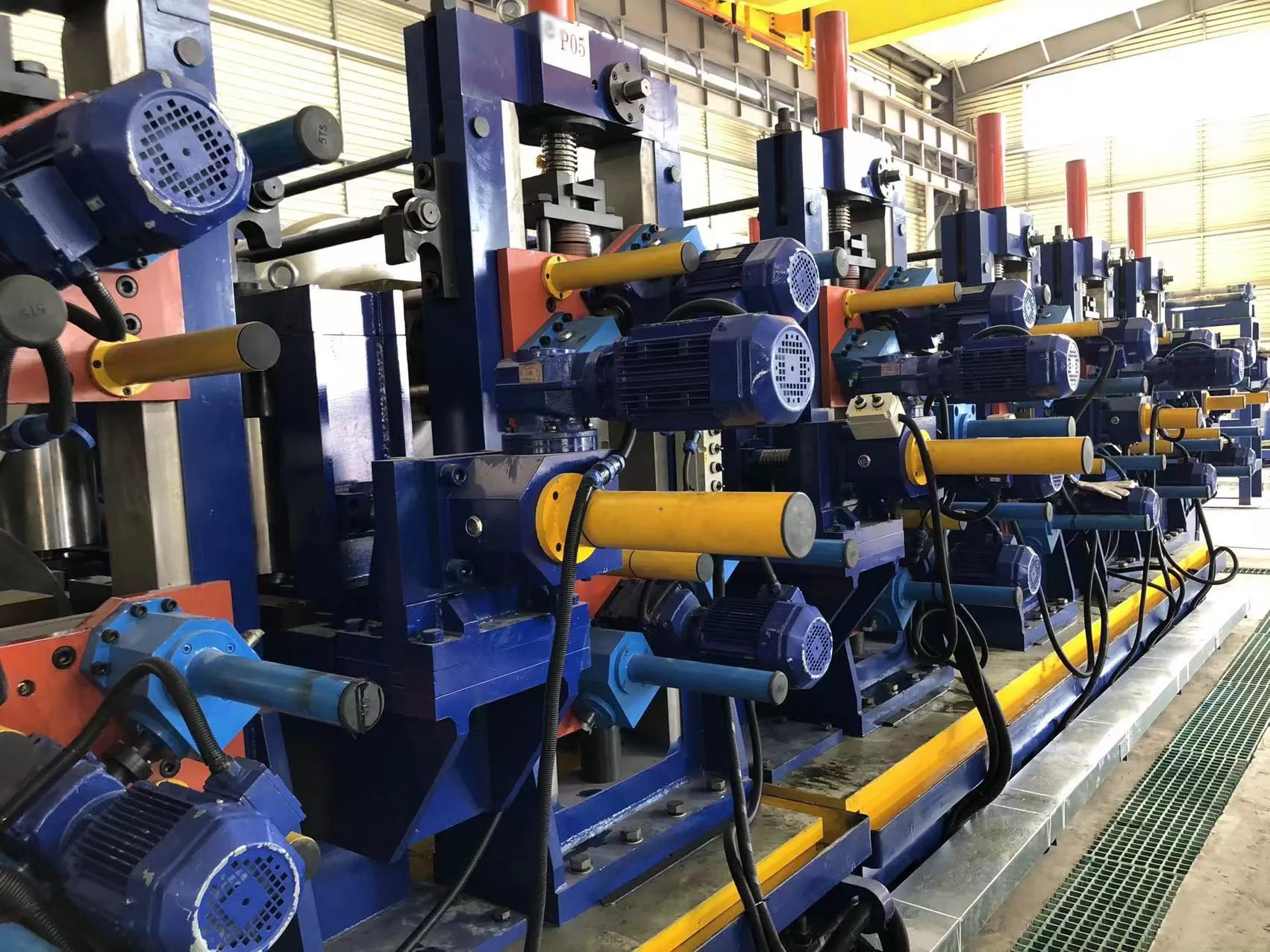
In modern metallurgical forming, the ERW tube mill machine remains the primary production asset for longitudinal welded pipes across
energy, automotive, construction, and fluid transport sectors. Unlike seamless
processes, electric resistance welding combines edge heating with controlled
forging, delivering dimensional consistency and lower capital expenditure.
SANSO has engineered over
230 integrated lines for diameters from 12 mm to 660 mm, addressing API 5L, ASTM
A500, and EN 10219 grades. This guide walks through mill architecture, process
physics, common failure origins, and data-backed solutions from a manufacturer’s
perspective.
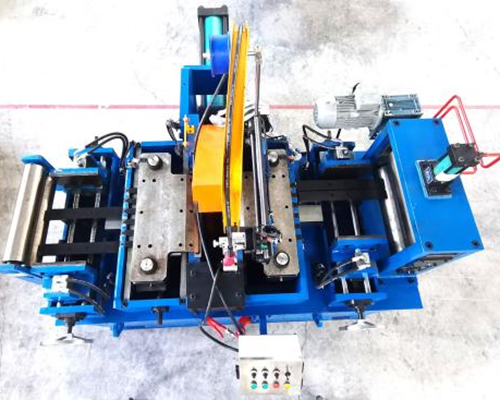
A high-speed ERW tube mill machine integrates mechanical, electrical, and thermal sub-systems. Each module
influences final weld integrity and straightness. Below are the critical
stations and their performance parameters.
Double-cone uncoiler with hydraulic expansion –
handles coil ID 450–610 mm, max coil weight 15 tons.
Strip accumulator (horizontal/vertical loop) ensures
continuous operation during coil splicing, maintaining line speed variation <
±2%.
Edge milling or slitting unit – produces precise strip width tolerance (±0.3
mm) to avoid edge mismatch during welding.
1.2 Forming Section: Breakdown, Fin Pass and Cage Forming
The forming zone transforms flat strip into an open tube. Modern mills apply
breakdown rolls (5–7 stands) followed by side rolls
and fin pass stands. Cage forming reduces residual stress cycles. Material
thickness up to 16 mm requires higher forming force (≥ 300 kN per stand). The
goal is minimized edge gap variation (≤ 0.6 mm) before entering the welding
shoe.
1.3 High-Frequency Welding Zone – Solid State Physics
Using solid-state welders (400 kHz–800 kHz), the ERW tube mill machine induces eddy currents along the strip edges. Impeder placement inside the tube
concentrates energy at the Vee angle (3°–7°). Optimal weld heat input: 120–250
kW per mm of thickness. Squeeze roll pressure (typically 250–450 bar) expels
molten metal, forming a forged seam.
1.4 Scarfing, Cooling & Sizing Section
Internal/external scarfing units remove flash beads;
carbide tool geometry with micro-adjustment ensures flush ±0.2 mm.
Water spray cooling (10–30 m³/h) controls metallurgical transformation in
the HAZ.
Turk’s head & sizing stands (2-roller or 4-roller
type) achieve final OD tolerance to EN 10219: ≤ ±0.5%.
1.5 Flying Cut-Off & Accumulation Table
Servo-driven flying saws or cold shears with cutting lengths 4–18 m, accuracy
±3 mm. Downstream roller tables and bundling stations complete the line.
SANSO integrates automatic
diameter changeover (≤ 30 minutes) for mills producing multiple sizes.
2. Critical Technical Parameters That Define Tube Mill Output
Experienced operators monitor these seven variables to maintain weld strength
and ovality:
Strip width/thickness ratio – influences edge buckling
risk. Recommended 25–60 for stable forming.
Welding frequency & impeder permeability – optimal
power transfer requires ferrite impeder with μr > 100.
Cooling gradient – post-weld cooling from 1350°C to 600°C
in < 2 seconds prevents coarse grain growth.
Roll mold concentricity – runout ≤ 0.05 mm avoids periodic
wall thinning.
Fin pass downforce – excessive downforce causes edge lift;
monitored via load cells.
Line speed synchronization – from forming to cut-off must
stay within ±1% deviation.
Weld seam annealing (optional) – in-line induction heat
treatment for heavy-wall API pipes (above 9.5 mm).
3. Real-World Industry Pain Points and Engineered Countermeasures
Even well-maintained mills face recurrent defects. Below are top five failure
modes with SANSO-specific resolutions derived from field retrofits.
3.1 Cold Weld or Incomplete Fusion
Root cause: insufficient heat input, oxidized edges, or Vee
angle drift. Solution: integrate weld power control loop with
pyrometer feedback (target 1380–1450°C at weld point). SANSO offers real-time edge
temperature monitoring and automatic power modulation – reduces cold weld
rejections by up to 87% in trial lines.
3.2 Longitudinal Seam Cracking During Flattening Test
Origin: excessive squeeze force or improper scarfing leaving
notch stress. Solution: recalibrate squeeze roll gap to achieve
upset amount of 0.8–1.2× strip thickness. Use online eddy current testing (ECT)
right after scarfing to flag discontinuities > 0.5 mm depth.
3.3 Severe Internal Weld Bead (IWB) Interfering with Fluid Flow
Cause: dull internal scarfing blade or incorrect carbide
angle. Remedy: automated internal bead trimming unit with
servo-controlled blade wear compensation. Data from SANSO installations shows
IWB reduction from 1.2 mm to ≤0.3 mm after retrofit.
3.4 Ovality & Out-of-Roundness at Ends
Why: insufficient sizing stands or non-rigid turk’s head.
Action: deploy 3-roll or 4-roll universal sizing block with
adjustable horizontal and vertical rolls. For small-diameter tubes (≤ 60 mm),
add a dedicated straightening unit with 6 rolls.
3.5 External Flash Marks Affecting Coating Adhesion
Source: misaligned external scarfing blade or excessive
wear. Fix: quick-change tool holders and laser edge detection –
typical improvement to surface finish Ra ≤ 3.2 µm.
4. How to Select the Right ERW Tube Mill Machine – A Technical
Checklist
Selecting an ERW tube mill machine requires balancing product mix, yield targets, and material grade. Below is a
decision matrix used by procurement engineers.
Output range: For 10,000–50,000 tons/year, select mill line
speed 30–60 m/min; for higher volume (100k+ tons/year), 80–120 m/min with
automatic coil joining.
Material spectrum: Standard mills process ≤ 0.25% carbon
steel; for API X70 or dual-phase steels, upgrade to heavy-duty forming stands
and induction annealing.
Diameter change frequency: Single-size mill → dedicated
roll sets; multi-size mill → quick-change cassette stands (target change under 2
hours).
In-line NDT integration: plan for ultrasonic (UT) or
electromagnetic (ET) stations after sizing. SANSO provides pre-wired interfaces
for third-party testers.
Automation level: basic SCADA vs full CPS (cyber-physical
system) with recipe management, predictive maintenance modules.
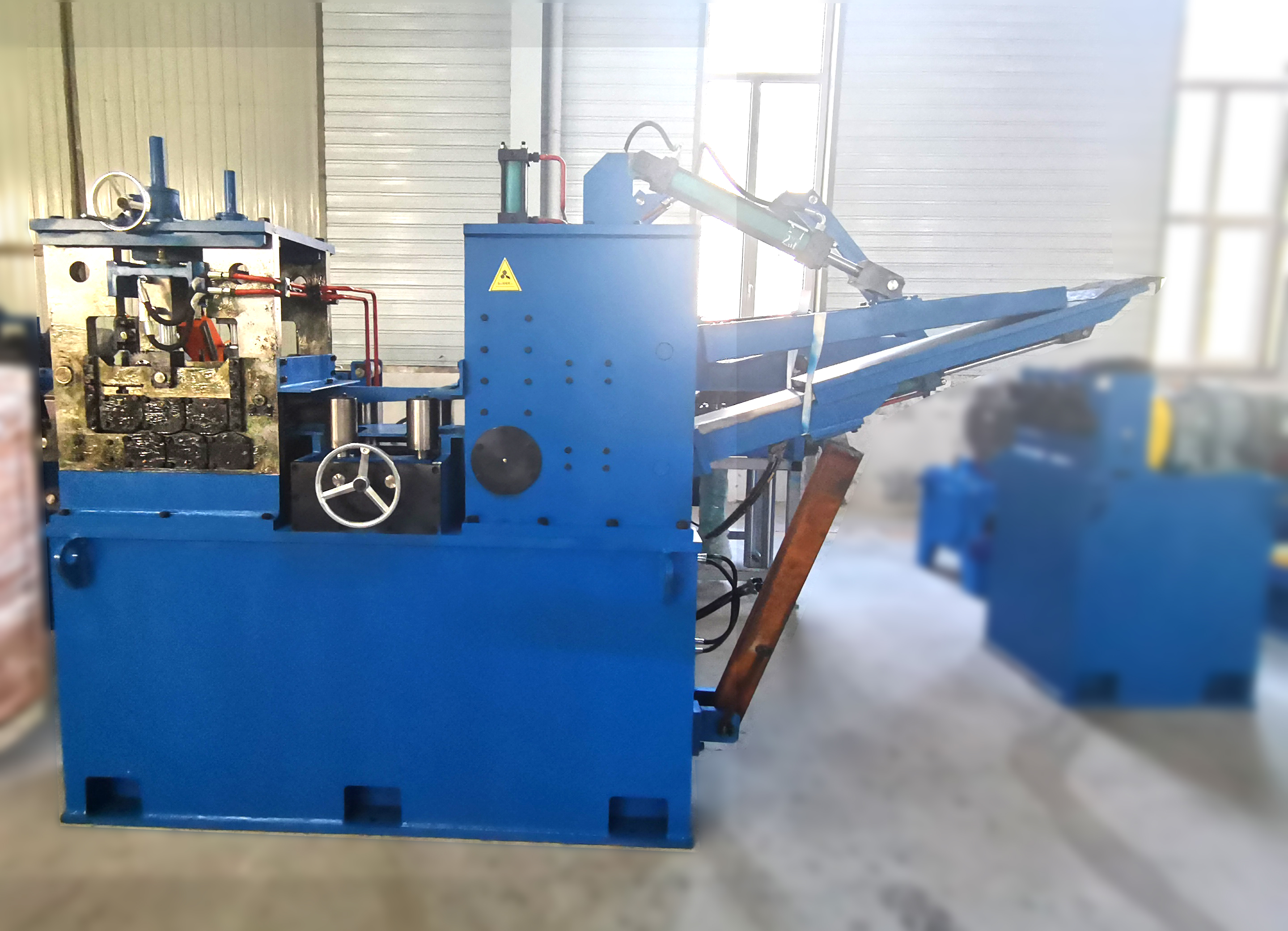
5. Maintenance & Roll Tooling Best Practices for Mill Longevity
Optimized maintenance reduces unplanned downtime which costs between
$2,500–$7,000 per hour in a mid-sized tube plant.
Roll reconditioning schedule: every 800–1200 operating
hours for forming rolls; chrome-plated rolls last 30% longer.
Bearing clearance control: check each roll stand’s radial
play quarterly – tolerance of C3 class bearings ≤ 0.03 mm.
Welding contact tips & impedance replacement: impedance
transformer service life ~2,500 hours; monitor for efficiency drop (detected via
power factor).
Lubrication management: automatic grease system for roll
necks with EP2 lithium grease; oil circulation for gearboxes with viscosity
grade ISO VG 220.
Scrafter blade monitoring: install wear-limit sensors;
carbide blades typically last 60–100 km of tube production.
6. Future Innovations: Data-Driven ERW Tube Mills and Smart Welding
The next-generation ERW tube mill
machine integrates IoT sensors, edge computing, and AI quality
classifiers. Predictive weld monitoring algorithms analyze
real-time current, voltage, and impedance phase shift to detect cold welds
before the tube reaches cut-off. Optical profilometers measure flash geometry at
500 Hz, adjusting scarfing force in milliseconds. For mills producing automotive
tubes (e.g., stabilizer bars), closed-loop geometry control with laser
triangulation achieves 0.1 mm precision. Brands like SANSO already provide
API-tools to retrofit existing lines with automated edge centering and weld
power optimization modules, increasing yield by 5–8%.
Frequently Asked Questions (Technical Focus)
Q1: What is the typical production speed range for an ERW tube mill
machine processing 3-inch diameter, 2.5 mm wall thickness pipe?
A1:
For medium-wall carbon steel (2.5 mm), a modern ERW tube mill machine operates at 50–90 m/min. Higher speeds (≥100 m/min) require precision edge
alignment and high-frequency power above 600 kW. SANSO’s high-speed variant
(model STM-90H) maintains stable weld quality up to 110 m/min with forced
cooling of the impedance.
Q2: How can we reduce inner weld bead height for hydraulic tube
applications?
A2: Inner bead reduction depends on internal scarfing
tool design, squeeze roll geometry, and impeder position. Use a wedge-type
internal scrafter with positive rake angle (12°–15°) and carbide tip thickness
1.2 mm. Additionally, adjust the squeeze roll overlap to 0.6–0.8 mm. SANSO
provides an internal bead profiling sensor that auto-adjusts blade height with
±0.1 mm resolution – achieving flush inner surface without secondary draw
benches.
Q3: Does the forming method affect residual stress distribution in
ERW tubes?
A3: Yes, significantly. Roll forming (clusters) imparts
higher bending residual stress compared to cage forming or combined forming
(forming+flexible). For straightness-critical applications (line pipes for
risers), a post-weld straightening and stress-relief annealing is recommended. Finite element analysis shows that cage-formed tubes have 35%
lower hoop residual stress peaks.
Q4: What is the recommended method for weld seam testing on a
high-frequency ERW mill?
A4: For immediate feedback, use inline eddy
current (ET) or magnetic flux leakage (MFL) after scarfing, capable of detecting
longitudinal defects ≥0.3 mm deep. For final certification, phased array
ultrasonic testing (PAUT) is the gold standard per API 5L (clause 11.2). SANSO
mills come with pre-installed encoder synchronization for common UT and ET
systems.
Q5: Can an ERW tube mill produce stainless steel (SS304/316) tubes
without changing the whole line?
A5: Yes, but with modifications:
replace standard forming rolls with polished rolls (surface roughness Ra ≤ 0.8
µm) to avoid galling; use induction welding with lower frequency (≈200 kHz) to
prevent arc wandering; add argon shielding at the weld Vee to suppress chromium
oxide. SANSO offers dual-purpose mills with interchangeable roll cassettes and
gas shielding adapters – changeover time 4–6 hours.
Q6: How to solve periodic welding porosity that appears every 30-40
meters?
A6: This pattern suggests strip edge contamination or
oxidation from intermittent coil surface defects. Install a high-pressure strip
edge cleaning station (using 10% citric acid solution followed by fresh water
rinsing and air wipes) before the forming section. Also examine the strip feed
roller for slippage causing speed fluctuation. A real-time weld monitor
recording temperature and power can pinpoint exact meter-mark causes.
Request a Technical Consultation or Mill Quotation
Every tube mill project presents unique constraints – material mix, plant
floor layout, and downstream fabrication requirements. SANSO engineering team provides a free process audit,
offering CAD layouts, power consumption models, and projected ROI based on your
coil dimensions and target OD range. Share your production targets today.
Send your inquiry to SANSO technical sales: include
desired tube OD range, wall thickness range, annual tonnage, and material
grades. Our specialists will respond with customized mill specifications, roll
tooling list, and a detailed price breakdown within 48 hours.
Click here to submit your inquiry or
email directly: info@sansohftubemill.com