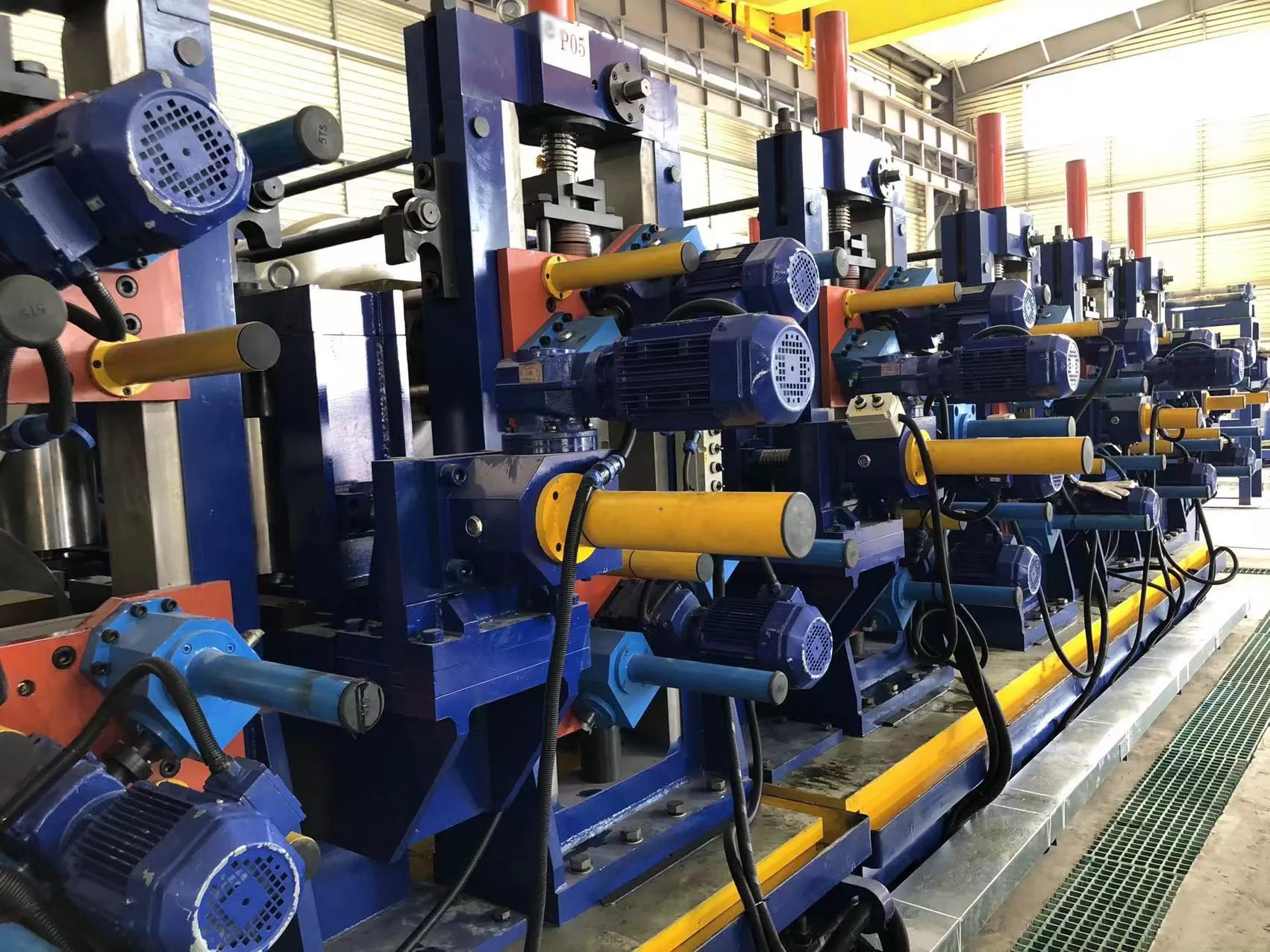
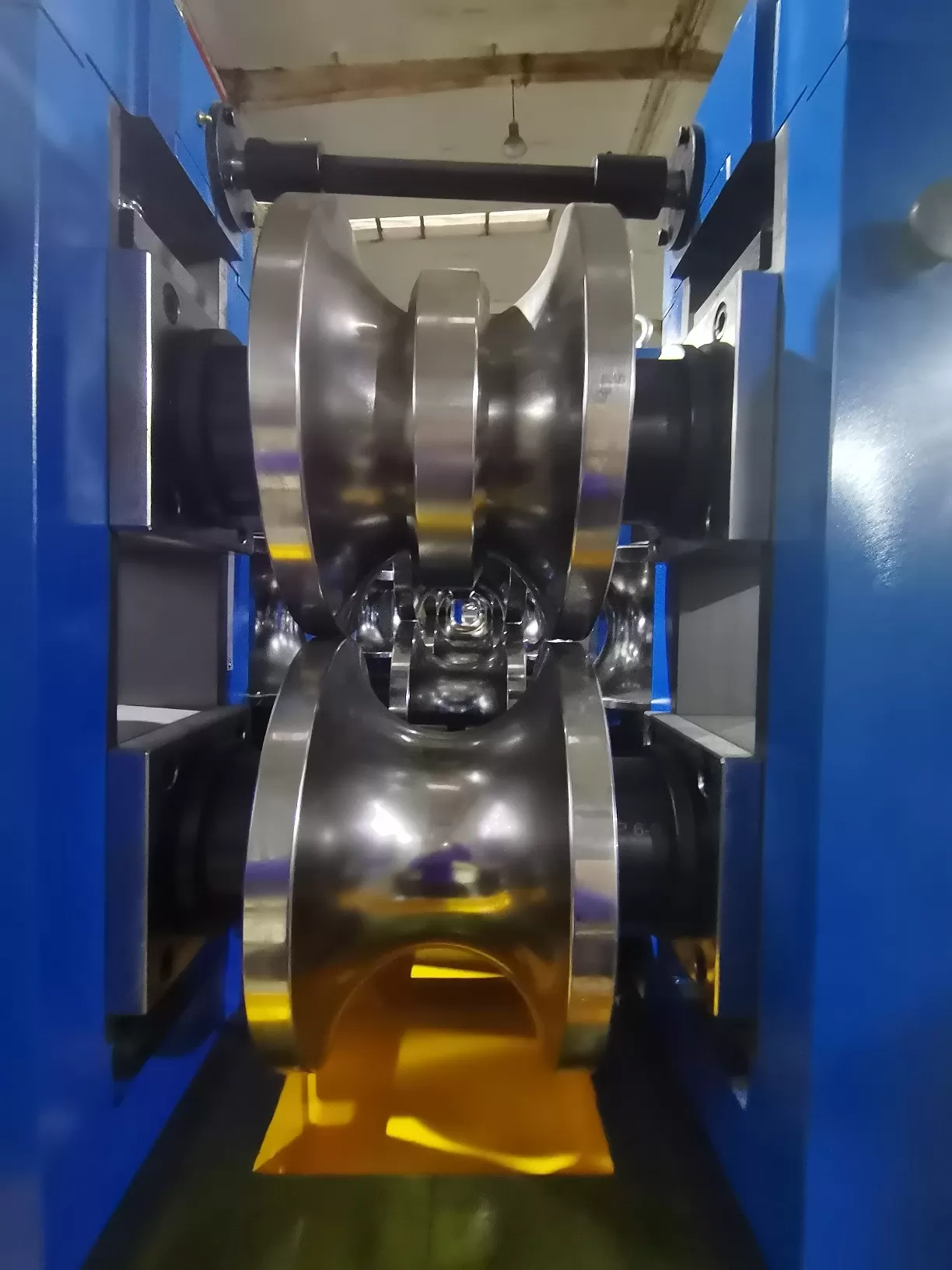
Advanced Pipe Packing Machine Solutions for Tube Mills | SANSOIn the competitive landscape of tube and pipe manufacturing, the difference between a satisfied customer and a rejected shipment often lies in the quality of the final packaging. A modern pipe packing machine does far more than wrap products—it safeguards metallurgical integrity, ensures safe logistics, and reinforces brand reputation. For mills producing welded tubes, precision-engineered packaging equipment is as critical as the milling stands themselves. This article provides a deep technical dive into today's pipe packing technology, addressing specific operational pain points and demonstrating why intelligent automation, such as the solutions offered by SANSO, is indispensable for modern tube mills.
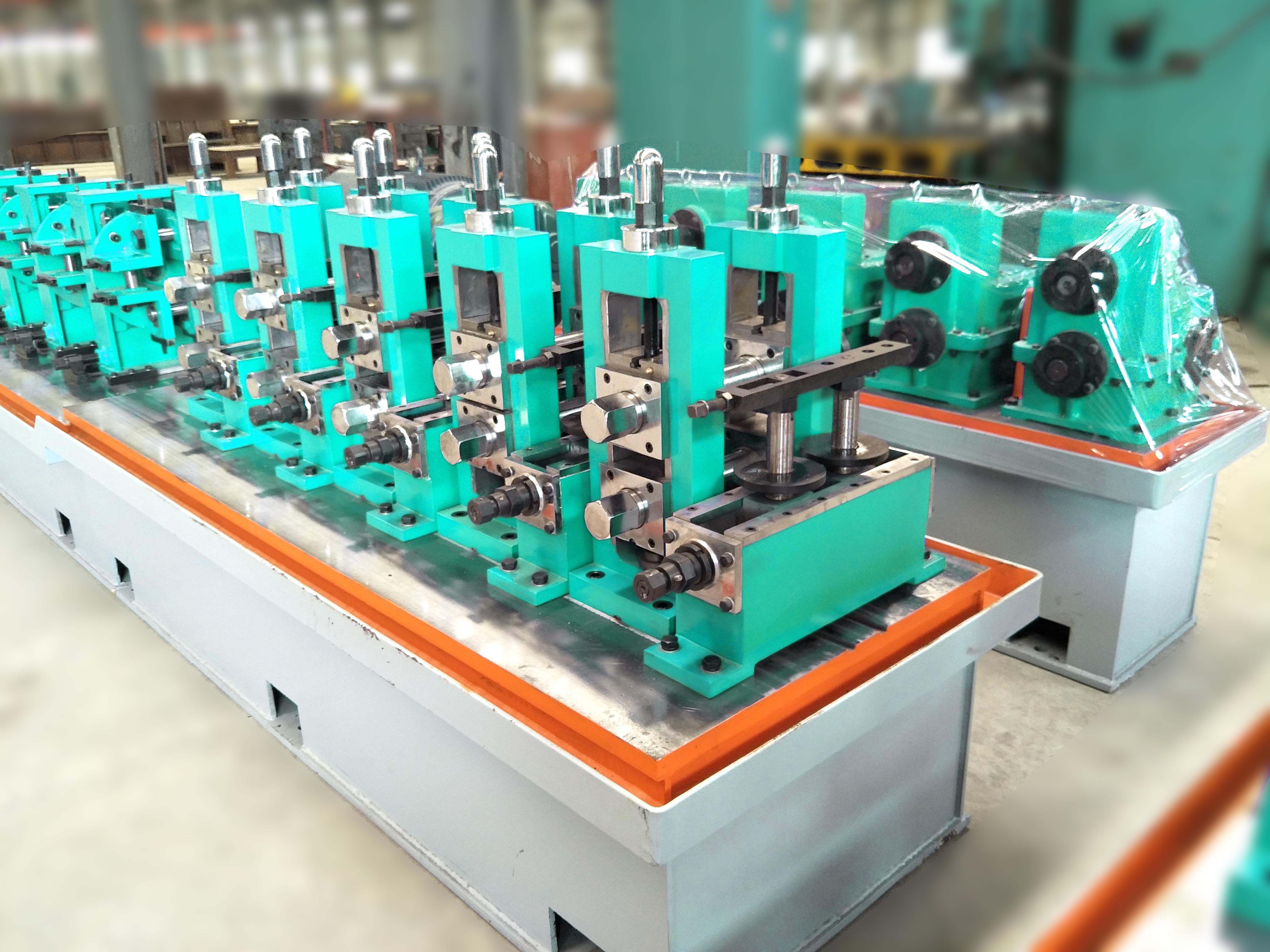
Handling long, heavy, and often delicate pipe sections manually is fraught with risk. Manual packaging is inconsistent, labor-intensive, and exposes workers to potential injuries from shifting loads. Beyond safety, unprotected pipes are susceptible to corrosion, scratches, and deformation during transport. An automated pipe packing machine addresses these issues head-on by delivering repeatable, tight, and protective wraps that meet stringent customer specifications. Furthermore, with labor shortages affecting the manufacturing sector, automating the end-of-line process allows skilled workers to focus on core production tasks rather than repetitive wrapping.
Technical Anatomy of a Modern Pipe Packing Machine
Today's systems are not single-function units but integrated modules. Understanding their components helps in selecting the right configuration for your product mix.
1. Automated Infeed and Alignment Systems
Before any wrap is applied, pipes must be accurately positioned. Servo-driven infeed conveyors with centering guides ensure that bundles or single tubes are aligned perfectly. Laser sensors detect length and diameter, feeding data to the PLC to adjust downstream stations without manual intervention.
2. High-Speed Strapping Units
For bundling multiple pipes, polyester or steel strapping heads apply tensioned bands at programmed intervals. Modern strapping heads feature friction welding or heated seals to create secure joints that withstand the rigors of sea freight. The ability to adjust strapping patterns—radial or longitudinal—adds logistical flexibility.
3. Spiral Wrapping and Stretch Hood Mechanisms
Protection against moisture and abrasion is achieved through spiral wrapping with stretch film, VCI paper, or woven fabrics. Advanced wrapping rings rotate around the moving pipe, applying film with pre-stretch technology that reduces material usage by up to 30% while increasing load stability. For larger bundles, stretch hood applicators cover the entire bundle with a waterproof shroud.
4. End Protector Applicators and Labeling
Pipe ends are the most vulnerable points. Automated end protectors—plastic caps or cardboard discs—are placed precisely before wrapping. Integrated print-and-apply labeling systems then attach barcodes or RFID tags, ensuring full traceability from mill to installation site.
Tailoring the Pipe Packing Machine to Application Demands
Different industries impose unique packaging requirements. A one-size-fits-all approach fails to address these nuances.
Oil & Gas Line Pipe: Requires heavy-duty bevel protection and often VCI paper to prevent corrosion during long-term storage. Machines must handle thick-walled, heavy pipes (up to 48" diameter) with robust infeed systems.
Structural and Hollow Sections: These are often bundled in large quantities for construction. High-speed bundling and strapping with minimal film usage are priorities to keep costs down.
Precision Stainless Steel Tubes: Surface finish is critical. Machines must use scratch-free contact materials and apply clean wrapping films in a dust-controlled environment.
Coil Packaging (related): While the focus is on straight pipes, many mills also produce tube coils, requiring coil-specific wrapping rings and stacking robots.
Solving Chronic Industry Pain Points Through Intelligent Design
The gap between a basic wrapper and a high-end pipe packing machine lies in how it addresses daily operational frustrations.
Pain Point: Material Waste and High Film Costs. Older systems apply constant tension, stretching film inconsistently. Modern solutions use pre-stretch carriages that elongate film up to 250%, significantly reducing per-bundle costs. Coupled with automatic film splicing, downtime for reel changes is virtually eliminated.
Pain Point: Changeover Delays. In a jobbing mill, production runs change frequently. Machines with manual changeovers cause bottlenecks. Today's best-in-class equipment features motorized tooling adjustments. By entering a new product code, the machine automatically repositions strapping heads, wrapping rings, and outfeed tables in under three minutes. SANSO integrates such quick-change capabilities into its mill lines, ensuring the packing stage never becomes a bottleneck.
Pain Point: Damage in Transit. Load shifting during transport is a leading cause of claims. By combining optimized strapping patterns with anti-slip coatings and corner protectors, modern packing machines create a monolithic bundle that moves as one unit, drastically reducing transit damage.
Seamless Integration: The SANSO Advantage for Tube Mills
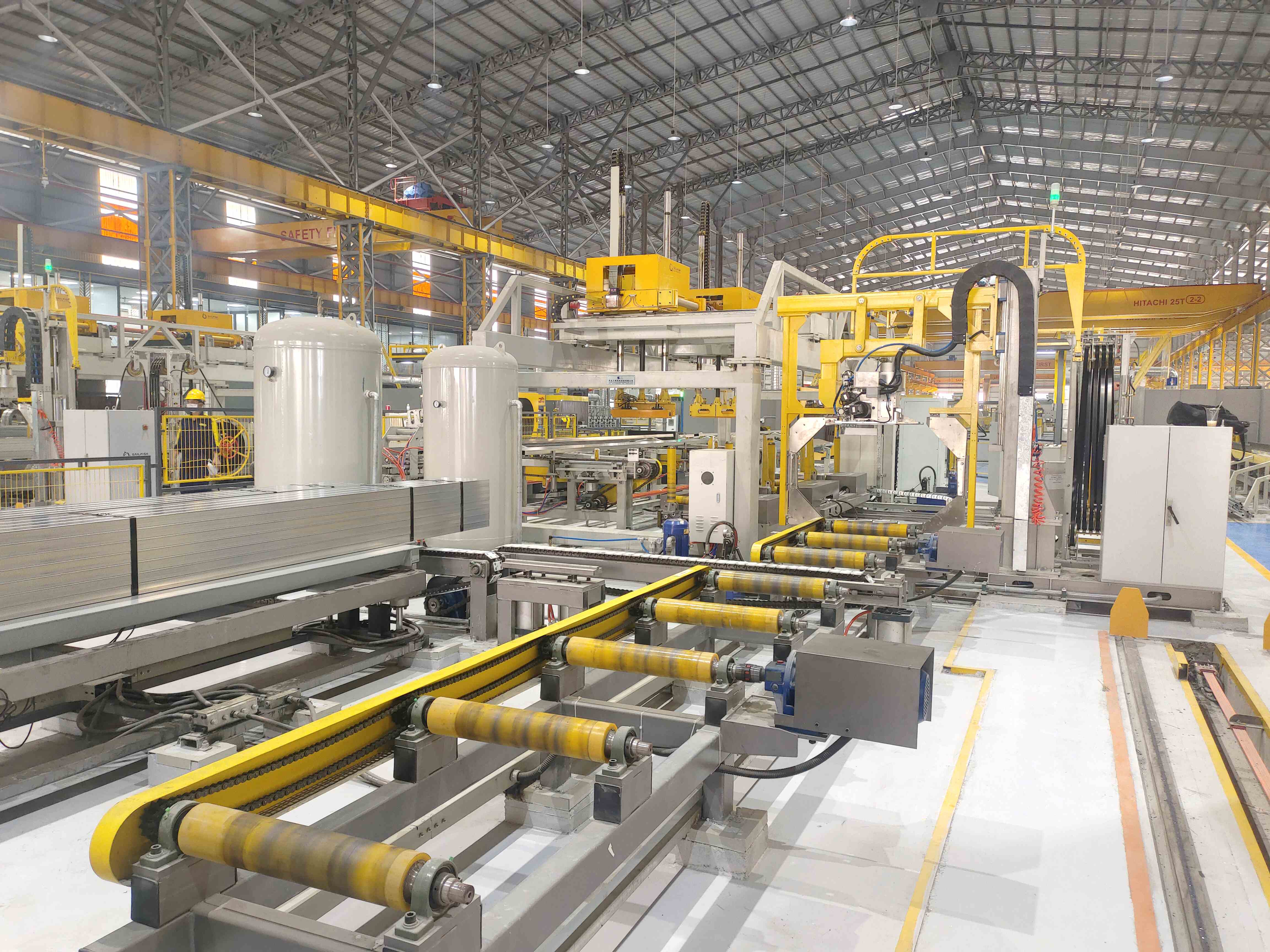
A packing machine does not operate in a silo. It must communicate with the cut-off saw, the straightener, and the mill management system. SANSO leverages decades of experience in tube mill manufacturing to offer fully integrated end-of-line solutions. Their pipe packing machine is designed with the same robust architecture as their high-frequency welding lines, ensuring compatibility and synchronized control.
This integration provides real-time data: the packing station knows exactly how many pipes of a specific length are coming, pre-positions the necessary wrapping materials, and reports packaging completion back to the ERP system. Such Industry 4.0 readiness eliminates manual counting and logging errors. For plant managers, this means a complete digital twin of the finished product inventory.
Key Performance Indicators for Your Pipe Packing Line
When evaluating technology, focus on metrics that directly impact your bottom line:
Throughput Speed: Measured in bundles per hour or meters per minute. Advanced machines achieve 30-40 bundles/hour for standard 12m pipes.
Material Efficiency: The percentage of film utilization. Look for pre-stretch capabilities of 200% or more.
Mean Time Between Failures (MTBF): Industrial-grade components should deliver an MTBF exceeding 500 hours.
Changeover Time: From one diameter to another, target under 5 minutes for fully automatic systems.
Return on Investment (ROI): Typically 12-24 months, factoring in labor reduction (usually 2-3 operators per shift) and damage claim savings.
Future-Proofing Packaging: What's Next in the Industry?
The evolution of pipe packing machine technology mirrors the trends in the broader manufacturing sector. Sustainability is driving the adoption of recyclable mono-materials and paper-based wrapping. Robotics are becoming more prevalent, with articulated arms placing edge protectors and handling caps. Vision systems now inspect every bundle for wrapping defects, ensuring that only perfectly packed products leave the facility. SANSO is actively incorporating these trends, offering modular upgrades that allow mills to adapt their packaging lines without complete overhauls.
Q1: What is the typical return on investment period for an automatic pipe packing machine?
A1: Most tube mills achieve ROI within 18 to 24 months. This is based on direct labor reduction (typically 2-3 people per shift), a 15-20% reduction in packaging material costs due to pre-stretch technology, and a significant drop in customer claims for transit damage.
Q2: Can a pipe packing machine handle both small-diameter tubes and large structural pipes on the same line?
A2: Yes, modern machines are designed for wide format ranges. A typical system can handle diameters from 20 mm to 600 mm and lengths up to 18 m. The key is servo-controlled tooling that adjusts automatically based on the product code scanned at the infeed.
Q3: What maintenance is required to keep a pipe packing machine running at peak efficiency?
A3: Routine checks include lubrication of strapping heads (every 40 operating hours), inspection of film cutter blades for dullness, cleaning of photo-eye sensors, and verification of tension calibration on wrapping rings. Preventive maintenance contracts, like those offered by SANSO, can schedule these tasks to avoid unplanned downtime.
Q4: How does the machine prevent damage to polished or coated pipe surfaces during packing?
A4: Machines designed for sensitive surfaces use padded contact points, polyurethane rollers, and non-marring strapping guides. Additionally, the wrapping film is applied with controlled tension to avoid scuffing. Optical sensors ensure that no metal parts touch the finished surface during the cycle.
Q5: Can the packing machine be integrated with an existing tube mill control system?
A5: Absolutely. Most modern packing machines use standard industrial communication protocols (Profinet, EtherNet/IP, etc.). Integration involves connecting to the mill's PLC to receive pipe count and length data, and sending back packaging status. SANSO specializes in this integration, ensuring that even legacy mills can upgrade to automated packing without replacing the entire production line.
Selecting the right pipe packing machine is a strategic decision that impacts operational costs, customer satisfaction, and worker safety. By focusing on robust engineering, intelligent automation, and seamless integration—principles that guide SANSO's manufacturing philosophy—tube mills can turn their packaging department from a cost center into a competitive advantage. Evaluate your product mix, future growth plans, and material requirements, then partner with a provider who understands the full scope of tube mill operations.