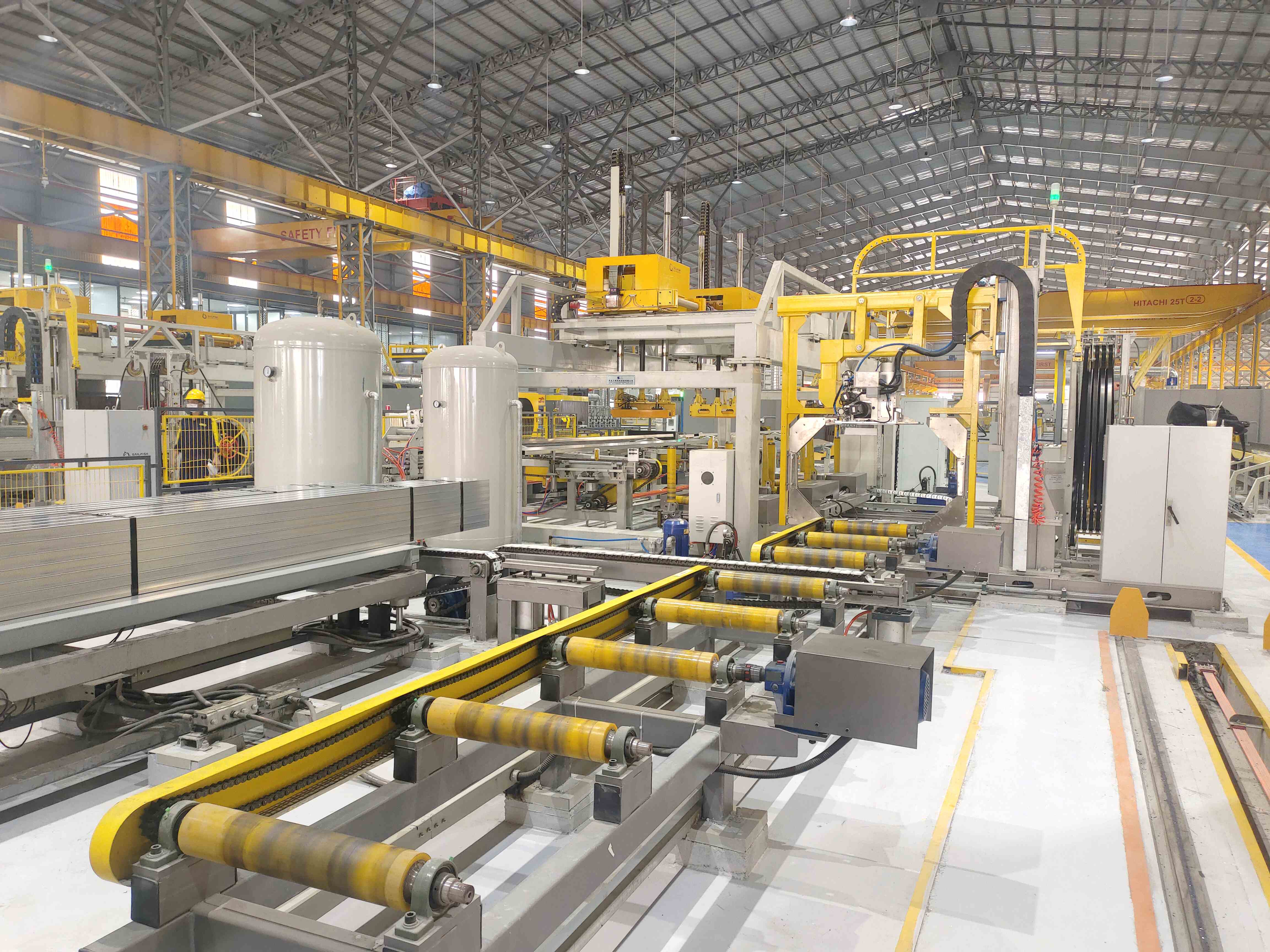
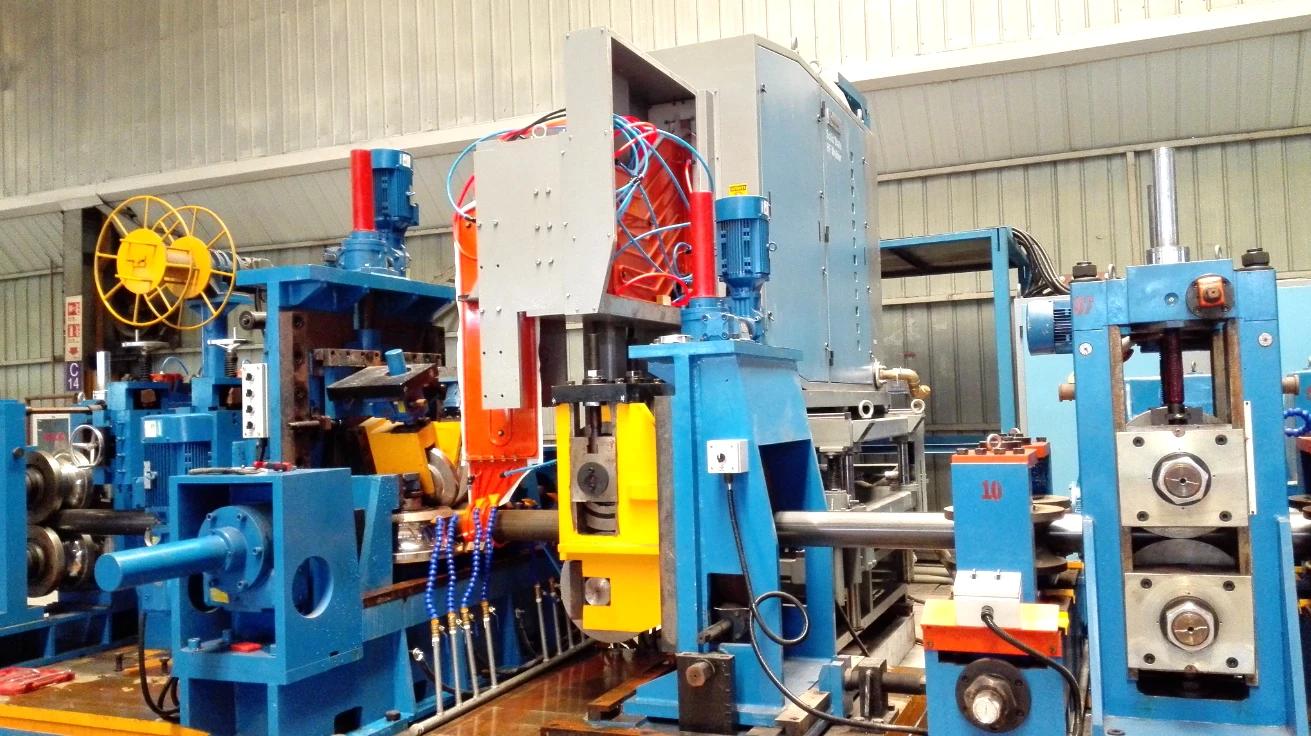
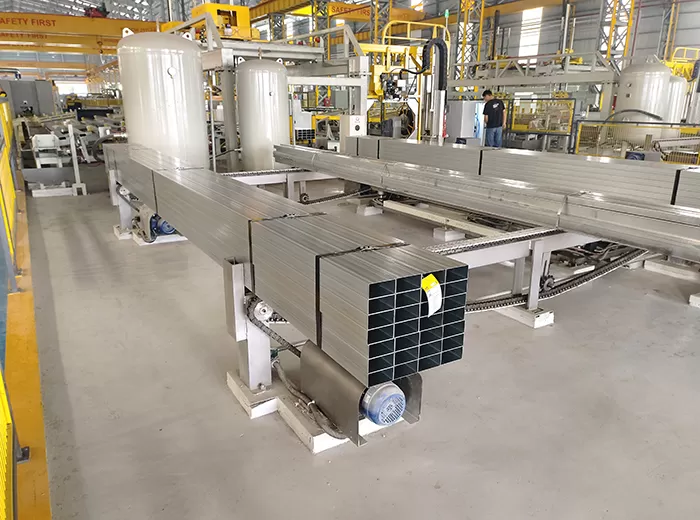
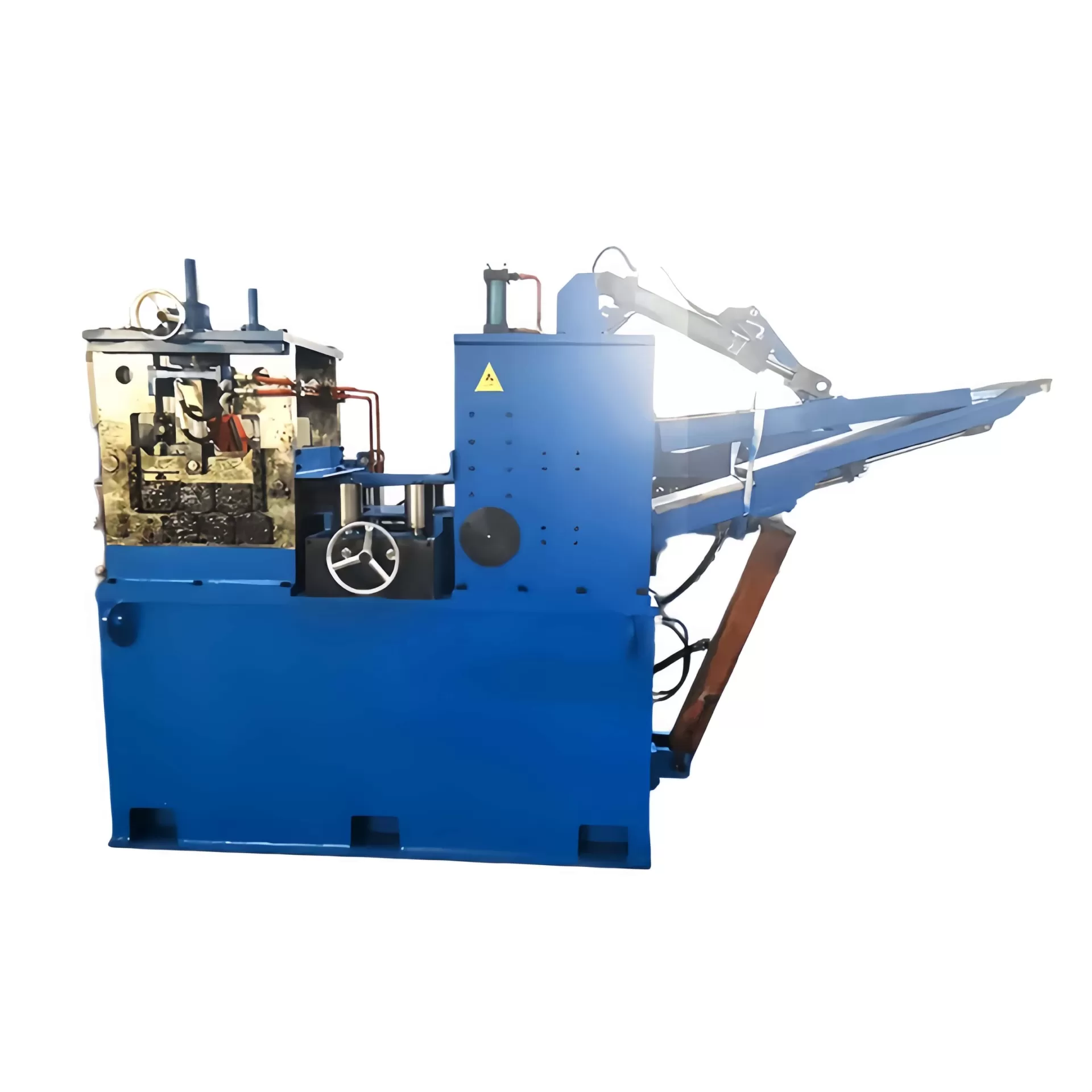
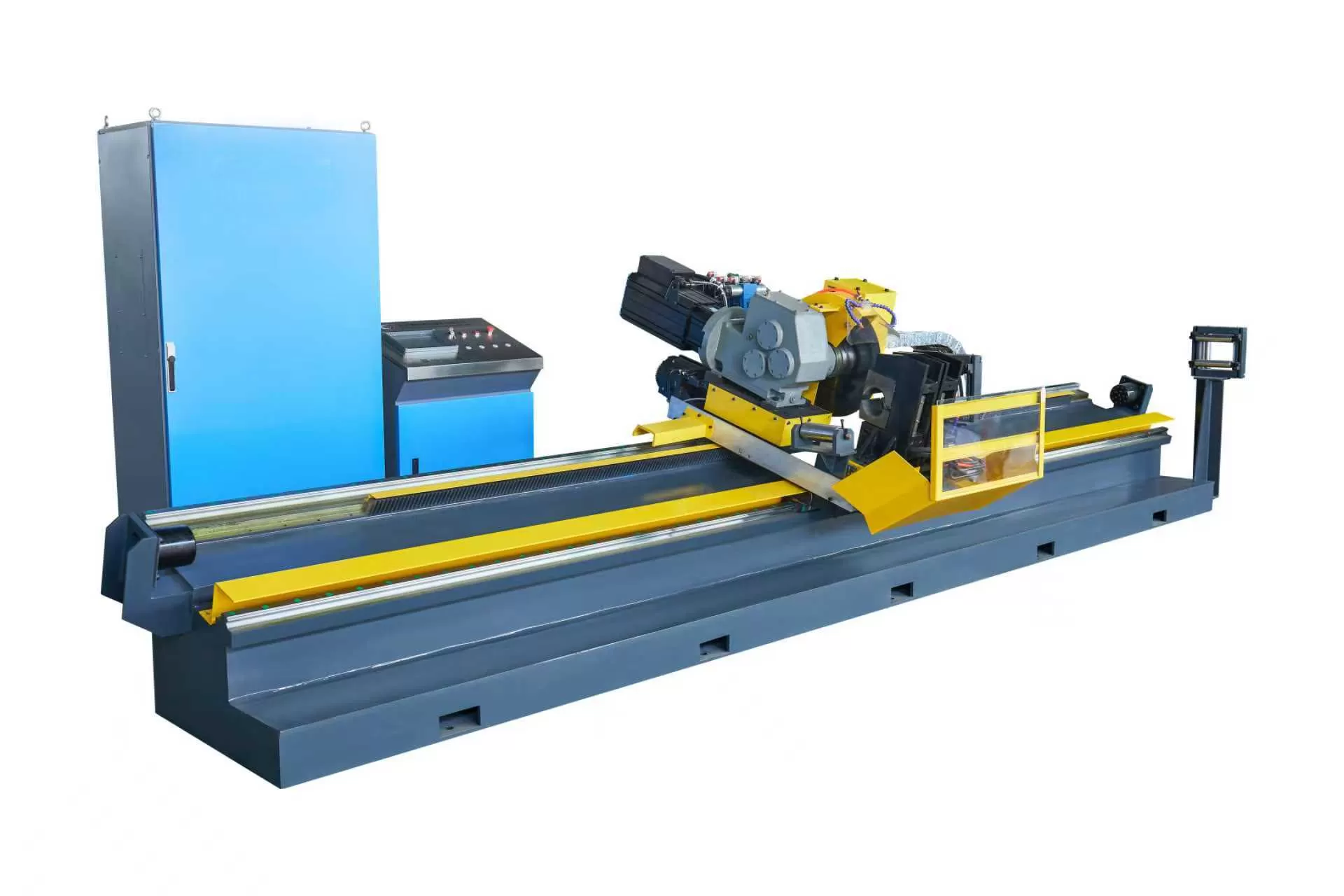
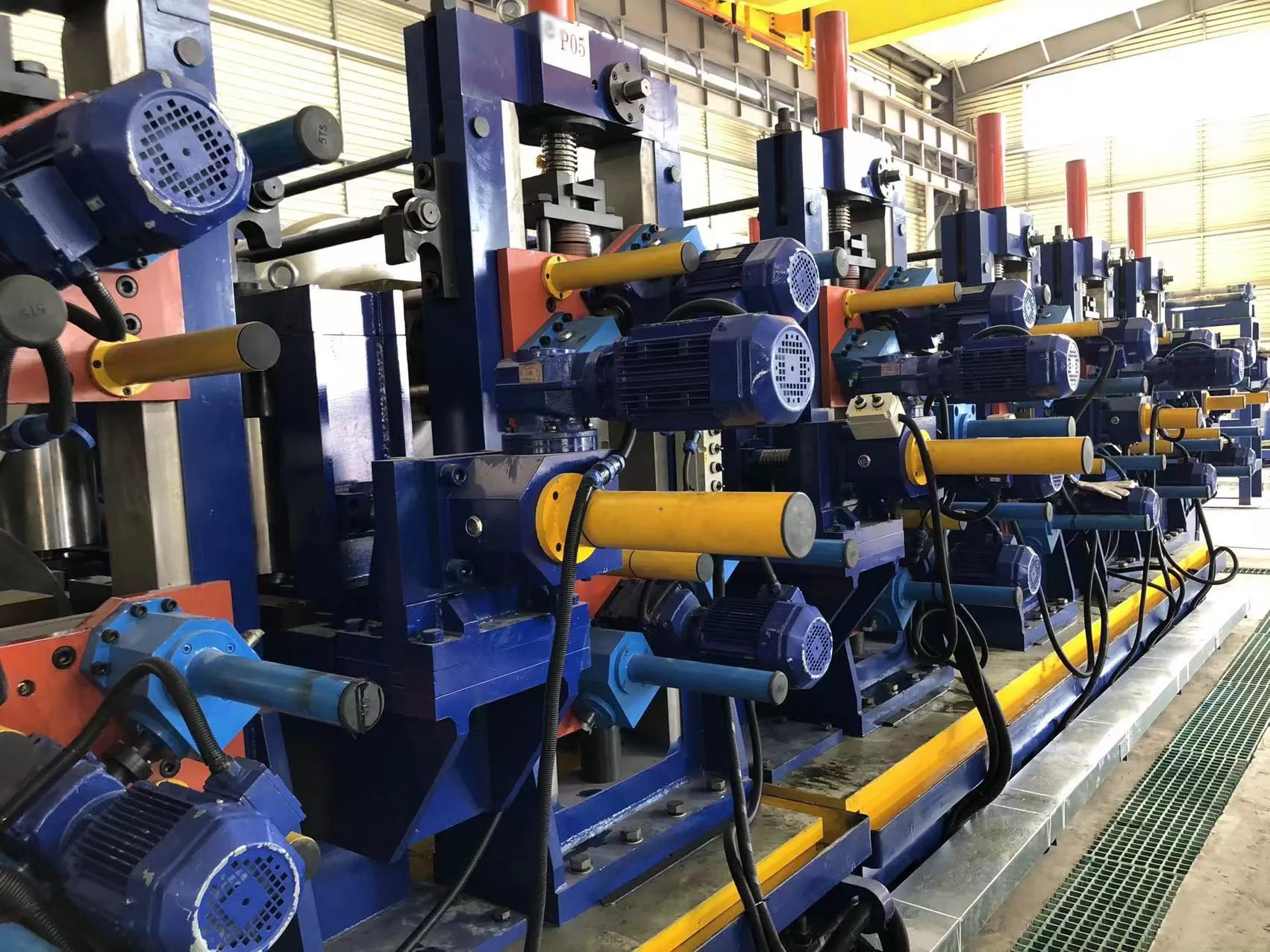
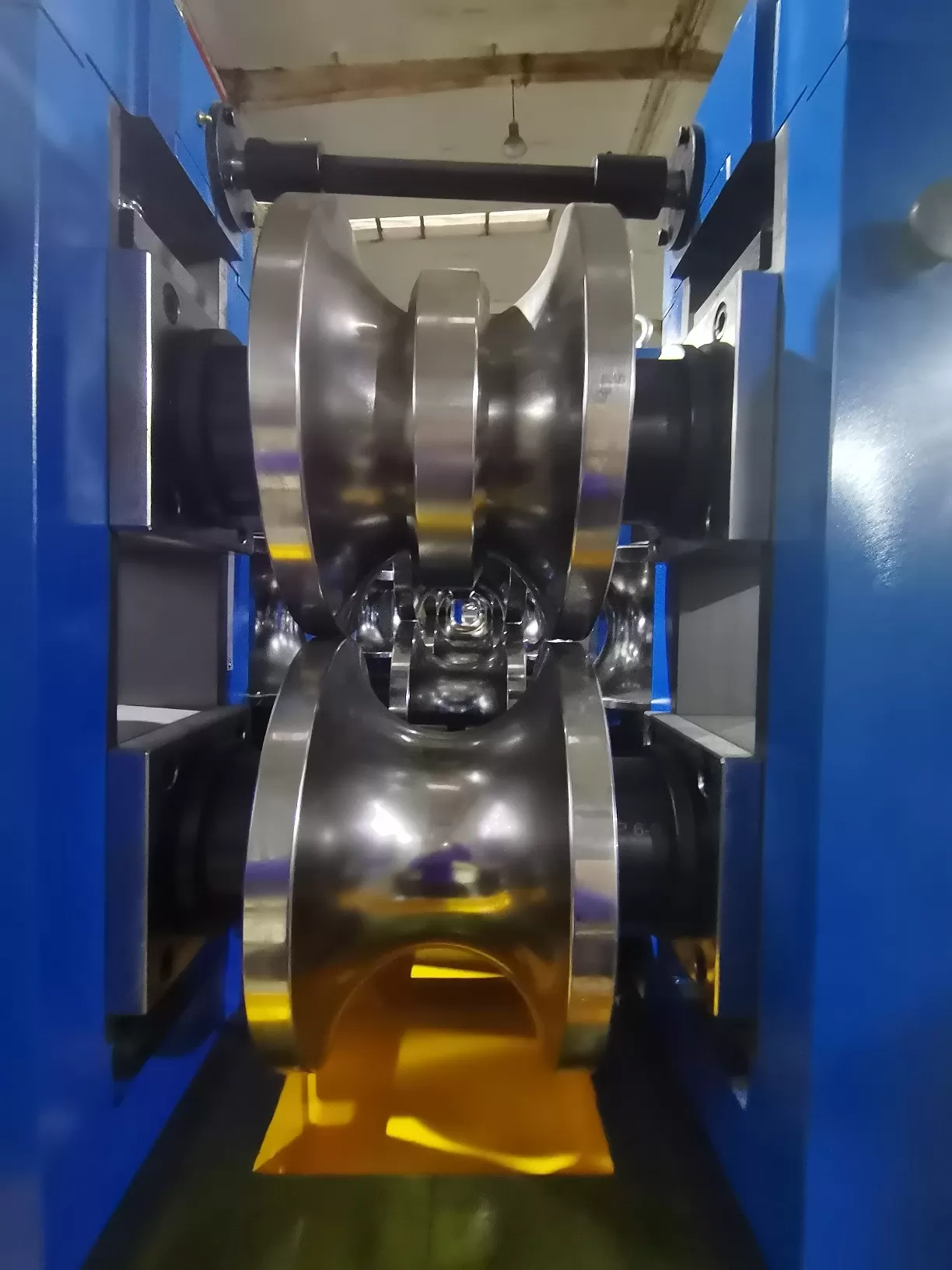
In the final stages of tube and pipe production, securing the product for transit is as critical as the welding process itself. A failure here leads to damaged goods, rejected shipments, and eroding profit margins. This is where the pipe strapping machine transitions from a simple bundling tool to a strategic asset. For mills producing welded tubing, the choice of strapping equipment directly impacts logistics efficiency, material costs, and customer satisfaction. This article provides a comprehensive technical analysis of modern pipe strapping systems, addressing specific operational challenges and demonstrating how intelligent automation, such as the solutions engineered by SANSO, ensures product integrity from the mill gate to the end-user's site.
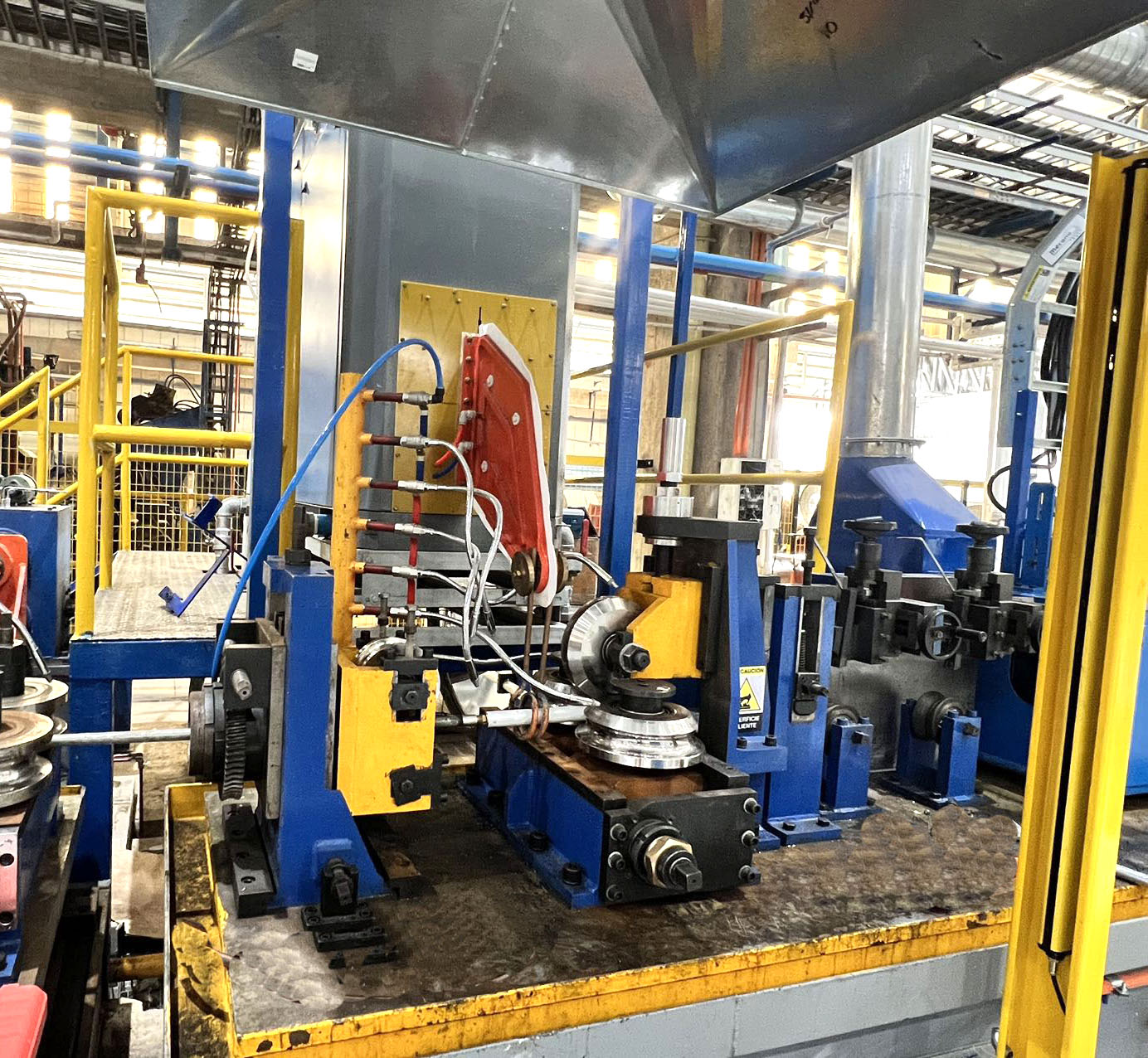
Beyond Simple Bundling: Why the Strapping Process Matters
The function of a pipe strapping machine extends far beyond merely applying a band around a bundle. In a high-volume tube mill, the strapping station is the final quality control checkpoint. It must handle varying diameters, wall thicknesses, and bundle configurations at line speed without creating a bottleneck. Manual strapping with hand tools is inconsistent, prone to operator error, and presents significant safety risks due to the high tension involved in steel or polyester strapping. Automated systems provide repeatable tension, precise strap placement, and secure sealing methods—friction weld, heat seal, or crimping—that ensure the bundle remains intact through multiple handling steps and long-distance transport. Furthermore, the data generated by modern machines provides critical feedback on material usage and production throughput.
Technical Specifications of High-Performance Strapping Systems
Selecting the right equipment requires a deep dive into the engineering that drives reliability and performance. A modern pipe strapping machine is a complex electro-mechanical system designed for 24/7 industrial operation.
Strap Track and Feed System
The strap track guides the band around the bundle. For large pipe diameters, a robust, wear-resistant track constructed from hardened steel is essential. Servo-driven feed wheels ensure high-speed strap delivery (up to 3 meters per second) and precise retraction to achieve exact tension settings without strap breakage. The system must accommodate both polyester (PET) and polypropylene (PP) strap, as well as galvanized or painted steel strapping for heavy loads.
Tensioning and Sealing Head
This is the heart of the machine. For PET and PP strap, friction welding heads create a strong seal by vibrating the strap layers together at high frequency, eliminating the need for separate seals or consumables. For steel strapping, robust crimping or notched-joint heads are required. The tensioning mechanism must be programmable to apply different tension levels based on the bundle's fragility and weight, preventing crush damage on thin-walled tubes while securing heavy structural sections.
Compression and Stabilization Units
Before strapping, the bundle may require compression to remove air gaps and create a compact, stable unit. Hydraulic or servo-electric compression units apply controlled force to the top of the stack. Side squeeze arms align the pipes laterally. This pre-compression is vital for maintaining strap tension over time; without it, settling during transit can loosen straps, leading to load shifts.
Applications Across the Tube and Pipe Industry
The requirements for a pipe strapping machine vary significantly depending on the final product application. Understanding these nuances is key to specifying the correct machine configuration.
Oil Country Tubular Goods (OCTG): These heavy, thick-walled pipes require high-tensile steel strapping. The machine must feature reinforced infeed tables and high-power tensioning motors capable of handling loads exceeding 10 tons per bundle. Strap spacing and the number of straps are critical and often dictated by API specifications.
Structural Steel Pipes (Hollow Sections): Often bundled in large, rectangular stacks for the construction industry. High-speed, dual-head strapping machines can apply two straps simultaneously to maintain line speed. PET strap is commonly used here, offering good strength and safer handling compared to steel.
Stainless Steel and Ornamental Tubes: Surface protection is paramount. Machines must use non-marring contact surfaces on compression units and strap guides. Strapping tension must be precisely controlled to avoid indenting the tubes. The use of protective corner boards, applied automatically before strapping, is a common requirement.
Conduit and Thin-Walled Pipes: These products are highly susceptible to crushing. Machines require ultra-sensitive pressure control on compression units and often utilize wider strap to distribute load. Low-tension strapping cycles are programmed to secure the bundle without deformation.
Addressing Industry Pain Points with Advanced Strapping Technology
Operational managers face persistent challenges that a basic strapping machine cannot solve. Advanced systems directly target these issues.
Pain Point: Inconsistent Strap Tension Leading to Bundle Failure.
Older pneumatic or hydraulic systems are prone to tension drift due to temperature changes and wear. Modern servo-electric tensioning systems provide closed-loop control. The machine measures the actual tension applied and adjusts in real-time, ensuring every strap on every bundle meets the exact specification. This data can be logged for quality assurance reports.
Pain Point: High Consumable Costs and Strap Waste.
Mis-feeds and improper sealing generate significant waste. Advanced strapping heads with precision strap tracking drastically reduce mis-feeds. For friction-weld heads, the elimination of separate metal seals saves cost and simplifies recycling for the end customer. SANSO integrates these efficient sealing technologies into its end-of-line solutions, helping mills reduce operating expenses.
Pain Point: Slow Changeovers Between Product Runs.
In a jobbing mill, frequent size changes are the norm. Machines requiring manual adjustments of strap chutes and compression strokes create costly downtime. Today's automated systems feature motorized positioning. When the mill PLC sends a new product code, the strapping arch height, width, and compression force adjust automatically in seconds. This flexibility allows mills to run smaller, more profitable batches without sacrificing overall efficiency.
Pain Point: Safety Concerns with High-Tension Steel Strapping.
The potential for strap breakage or recoil during manual or semi-automatic operations poses serious injury risks. Fully automatic pipe strapping machine solutions enclose the strapping process within safety guarding. Operators are removed from the danger zone. When integrated with automated infeed and outfeed conveyors, human interaction with the strapped load is minimized until the bundle is secure and ready for lifting.
Integration with the Digital Mill: Industry 4.0 and Data Flow
A modern tube mill operates on data. The strapping station is a critical node in this information network. A sophisticated pipe strapping machine communicates bi-directionally with the Manufacturing Execution System (MES).
Production Data: It reports bundle count, straps applied per bundle, and timestamp of completion.
Material Usage: It tracks strap consumption, alerting operators when a new coil is needed, and calculates efficiency metrics.
Quality Traceability: It links the strapping data to the specific batch of pipes, creating a complete digital record from coil to finished bundle.
This level of integration, which SANSO specializes in, turns the packaging line into a source of operational intelligence, not just a physical process.
Key Selection Criteria for Your Pipe Strapping Machine
When evaluating vendors, look beyond the brochure and focus on engineering fundamentals:
Architecture and Frame Rigidity: The machine must withstand the forces of high-tension strapping without flexing. A welded steel frame with CNC-machined mounting points ensures long-term alignment and reliability.
Sealing Head Reliability: Inquire about the Mean Time Between Failures (MTBF) for the strapping head. Opt for modular head designs that can be quickly swapped out for maintenance, minimizing downtime.
Control System Flexibility: The PLC should allow for the creation and storage of hundreds of product recipes. It should support standard industrial communication protocols (Profinet, EtherNet/IP) for seamless integration.
Material Versatility: Ensure the strap track and feed system are designed to handle the full range of strap widths and thicknesses you anticipate using, from 9mm to 32mm, and both PET and steel.
Q1: What is the difference between side-seal and bottom-seal strapping heads for pipe bundling?
A1: Bottom-seal heads are typically located in the machine table, making them ideal for lighter bundles and allowing the strap to be tensioned from below. Side-seal heads are mounted on the side of the arch, which is preferable for heavy, tall bundles as it allows for more consistent tensioning and is easier to access for maintenance. The choice depends on your typical bundle dimensions and weight.
Q2: How do I determine the correct strapping pattern for my pipe bundles?
A2: The pattern is determined by the bundle length, weight, and method of transport. A general rule is to place straps at intervals of approximately 1 to 1.5 meters, with straps positioned closer to the ends (within 300-500mm) to prevent flagging. For sea freight, additional radial straps or circumferential straps might be required. Modern machines allow you to program and test different patterns easily.
Q3: Can a pipe strapping machine handle both steel and polyester strapping?
A3: Yes, many modern machines are designed with dual-capability feed systems and sealing heads. However, converting from one material to another often requires changing the strap track components and the sealing module. Some high-end machines offer quick-change head cassettes to facilitate this switch in under 15 minutes.
Q4: What maintenance is required to ensure consistent seal quality on a friction-weld head?
A4: Friction-weld heads require regular inspection of the vibration anvil and pressure pads for wear. The condition of the strap guide in the head is also critical. Routine cleaning of dust and debris from the weld area, typically during daily or weekly checks, is essential to maintain seal integrity. Most manufacturers recommend a comprehensive head service after a defined number of cycles, often in the millions.
Q5: How does a pipe strapping machine integrate with an existing downstream packaging line that includes wrapping and stacking?
A5: Integration is achieved through a centralized control system and synchronized conveyors. The strapping machine acts as a module. It receives a signal that a bundle is approaching, straps it according to the recipe, and then releases it to the next station. Handshaking protocols ensure bundles don't collide. SANSO provides complete end-of-line solutions where the strapping, wrapping, and stacking systems are designed to operate as a cohesive unit with a single control interface.
Q6: What safety features are mandatory on modern automatic pipe strapping systems?
A6: Mandatory features include interlocked safety fencing around the strapping arch to prevent access during operation, light curtains on infeed and outfeed areas, emergency stop pull-cords along the conveyor length, and safety-rated PLC circuits. Additionally, guarding must be designed to contain strap fragments in the rare event of strap breakage. Compliance with regional machinery safety directives (such as CE or UL) is non-negotiable.
The selection and implementation of a pipe strapping machine is a technical decision that reverberates through the entire supply chain. It is the final opportunity to secure the value added by every preceding step of the tube manufacturing process. By focusing on robust engineering, intelligent control systems, and seamless integration—core principles of SANSO's design philosophy—mills can ensure that their products arrive at their destination exactly as they left the production line: flawless and ready for use. Investing in a high-performance pipe strapping machine is an investment in brand reputation, customer trust, and operational excellence.