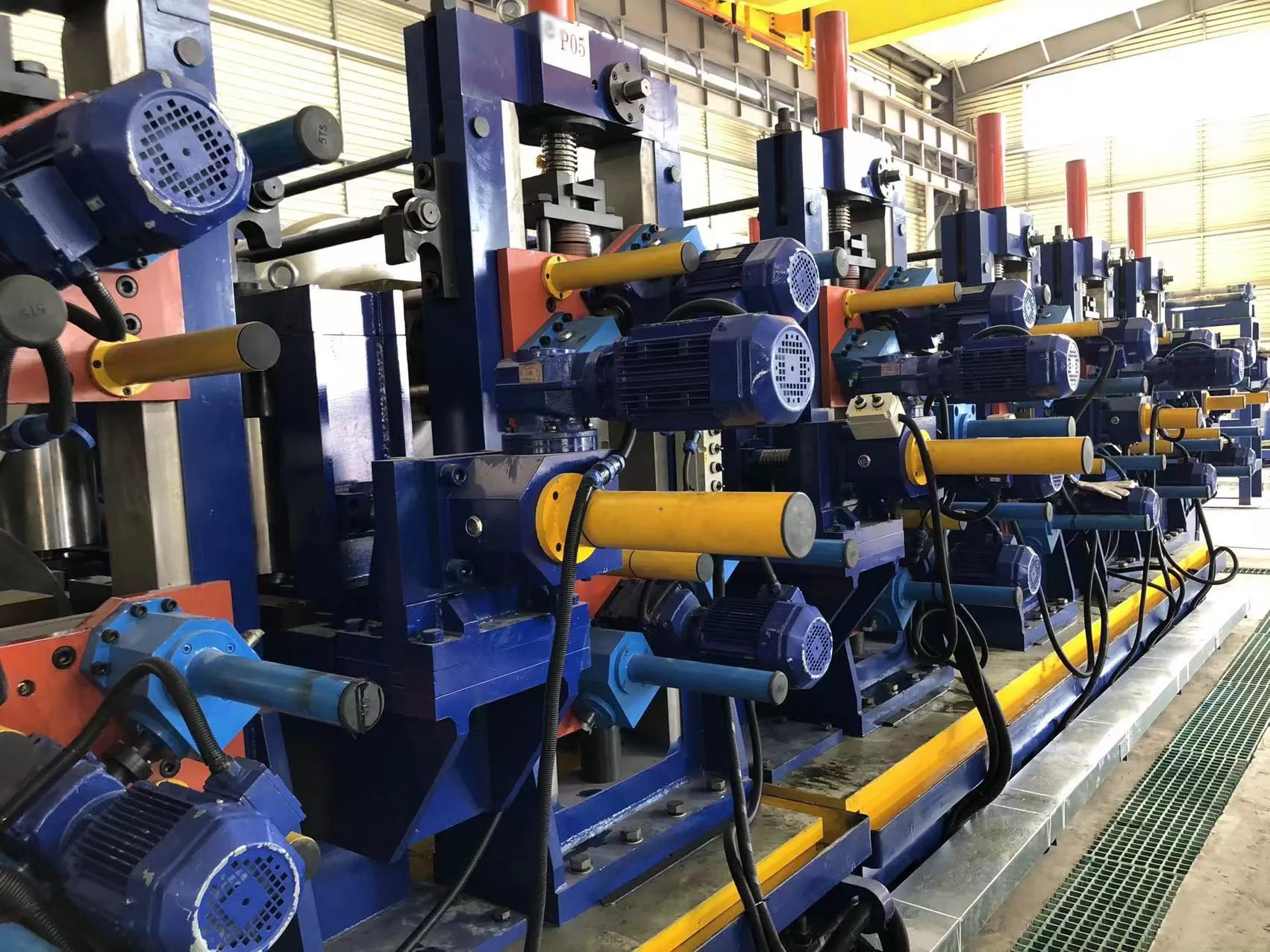
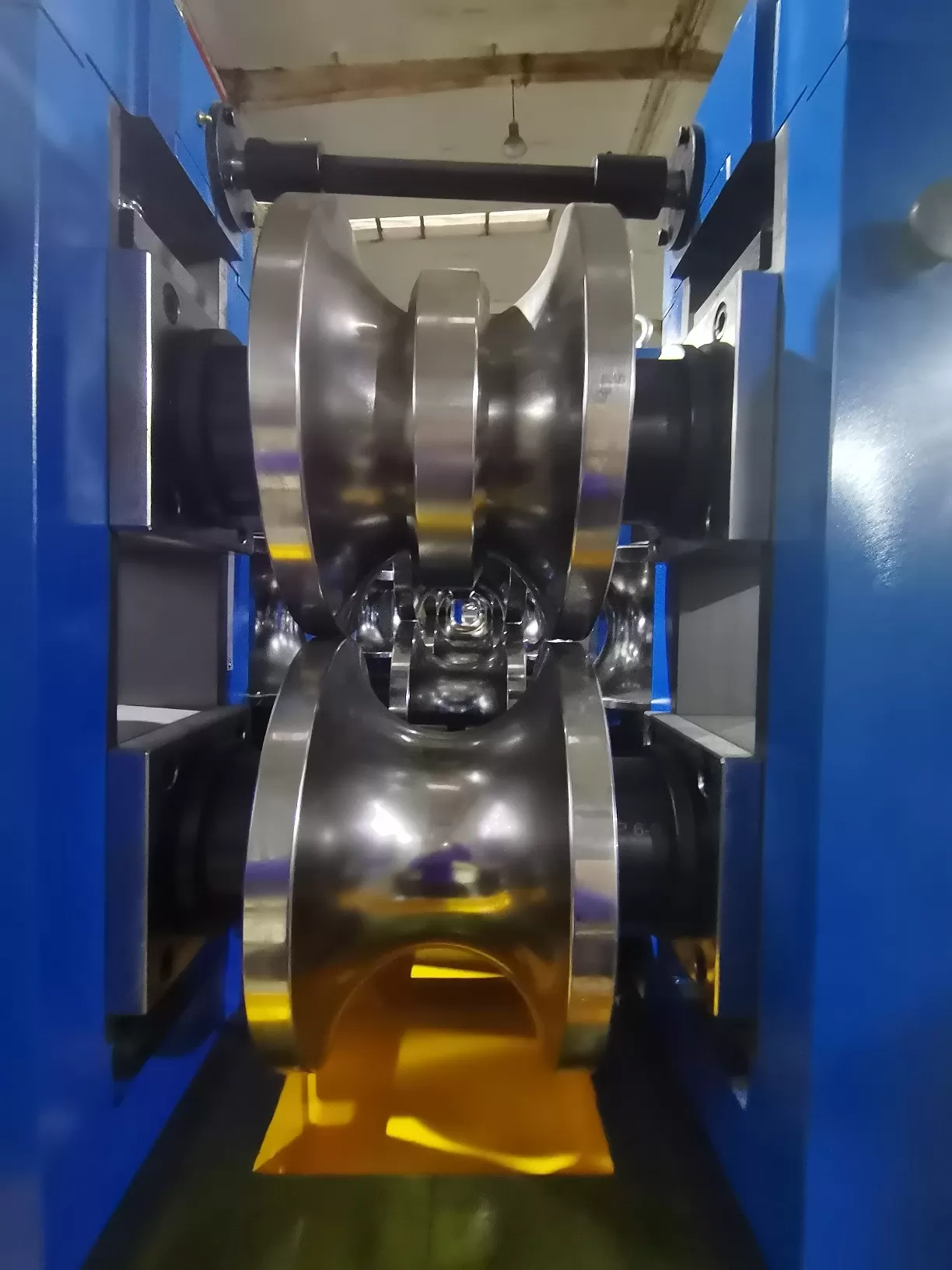
8 Critical Parameters for Optimizing Your Impeder in Tube Mill OperationsIn the competitive world of ERW tube production, every component in the mill line must perform at its peak. Among these, the impeder in tube mill stands out as a critical factor influencing both weld integrity and production throughput. Often overlooked during routine maintenance, this magnetic component directly dictates how effectively high‑frequency energy is concentrated at the weld point. This article provides a deep technical analysis of impeder technology, offering data‑driven insights for mill operators, maintenance engineers, and plant managers who demand zero defects and maximum uptime.
1. The Fundamental Role of Impeder in High‑Frequency Tube Mills
In an ERW (Electric Resistance Welding) process, currents of 200–400 kHz flow through the strip edges via contact tips or induction coils. The impeder in tube mill is a magnetic core placed inside the formed tube, directly under the weld coil. Its primary function is to increase the inductance of the weld circuit, thereby concentrating the magnetic field and the resulting current density precisely at the Vee apex. Without an efficient impeder, magnetic flux dissipates into the air, reducing heat input and forcing operators to slow down the line to achieve full fusion. Modern mills rely on high‑permeability ferrite materials to achieve flux densities above 0.5 T, ensuring that the weld zone reaches the forging temperature (approximately 1400–1500 °C) consistently even at line speeds of 100 m/min or more.
2. Key Design Considerations for Impeder Performance
Selecting the correct impeder involves more than just matching diameter. The following design parameters must be aligned with your specific tube dimensions, steel grade, and mill frequency.
2.1 Material Composition and Magnetic Properties
Most industrial impeder cores are manufactured from manganese‑zinc (MnZn) or nickel‑zinc (NiZn) ferrites. MnZn ferrites offer high initial permeability (µi > 5000) and are preferred for frequencies up to 2 MHz, making them ideal for standard tube mills. NiZn ferrites, while having lower permeability, provide higher resistivity and perform better above 2 MHz or in applications with extreme thermal cycling. The chosen material must exhibit low hysteresis loss to prevent self‑heating, as every 10 °C rise above the Curie point can reduce permeability by 50%, leading to catastrophic weld defects.
2.2 Geometric Optimization
The cross‑sectional shape of the impeder in tube mill must match the internal profile of the tube. For small diameters (≤ 60 mm), circular rods are typical; for larger or rectangular tubes, segmented or shaped cores are used to maintain a constant air gap of 1–3 mm between the impeder surface and the tube ID. Finite element analysis (FEA) simulations show that an uneven air gap can cause current crowding and preferential heating, leading to hook cracks or cold welds. Precision‑ground ferrites with tolerances of ±0.1 mm are therefore essential for repeatable weld quality.
2.3 Cooling Strategies
Impeders are subject to intense radiant and conductive heat from the weld zone. Uncontrolled temperatures above 150 °C degrade magnetic performance and can physically crack ferrite. Advanced mills integrate water‑cooled impeder holders or forced air systems that maintain core temperature below 80 °C. Some high‑output lines use hollow impeder designs with internal coolant channels—a solution that SANSO has successfully implemented in their latest tube mill systems to support continuous operation at speeds exceeding 120 m/min.
3. How Impeder Selection Impacts Weld Quality and Production Speed
The correlation between impeder characteristics and weld outcomes is supported by extensive empirical data. A study conducted on a 4½” ERW mill demonstrated that replacing a worn, low‑grade ferrite with a high‑performance MnZn core reduced the heat‑affected zone (HAZ) width by 18% while allowing a 12% increase in line speed without raising power consumption. Conversely, an undersized or magnetically saturated impeder in tube mill forces the power supply to work harder, often tripping overcurrent relays or producing intermittent lack‑of‑fusion (LOF) defects. Table 1 summarizes typical impacts:
Weld toughness: Proper flux concentration ensures uniform heating, reducing martensite formation and improving impact values (Charpy V‑notch).
Edge preparation: A stable impeder allows tighter control of the strip edges, minimizing the upset material (bead) and reducing trimming costs.
Power consumption: An optimized impeder can cut kW demand by 15–20% for the same tube size and speed.
4. Common Impeder‑Related Issues and Troubleshooting
Even with proper design, impeders degrade over time. Recognizing the early signs of failure is key to avoiding unplanned downtime.
Magnetic saturation: Occurs when the flux density exceeds the material’s saturation point (typically 0.3–0.5 T for standard ferrites). Symptoms include erratic weld power readings and “spitting” at the weld box. Solution: upgrade to a larger diameter core or a material with higher saturation flux density (e.g., 0.55 T from specialized ferrites).
Thermal runaway: If cooling is insufficient, the impeder’s permeability drops, causing more flux to leak and further heating the core—a positive feedback loop. Operators notice a gradual increase in power demand to maintain weld temperature. Infrared monitoring of the impeder holder can catch this early.
Mechanical damage: Ferrites are brittle. Stripper guides or poorly aligned seam guides can chip the impeder surface. Even small cracks create local air gaps that disrupt the magnetic field, producing periodic weld weaknesses.
SANSO recommends a monthly inspection routine that includes visual checks for chipping, measurement of impeder temperature during operation, and verification of the air gap using feeler gauges.
5. Best Practices for Impeder Maintenance and Replacement
To maximize the service life of your impeder in tube mill, implement the following procedures:
Cleanliness: Accumulated scale or oil on the impeder surface acts as an insulator, trapping heat. Wipe the core with a lint‑free cloth during each coil change.
Alignment: Verify that the impeder is centered relative to the weld coil. Misalignment as little as 2 mm can reduce weld efficiency by 30%.
Cooling system maintenance: Check water flow rates and inlet temperatures weekly. A flow drop of 10% often indicates clogged channels.
Replacement criteria: Replace the impeder when you observe any of the following: visible cracks longer than 5 mm, a sustained power increase of 8% for the same product, or more than one weld defect per shift traced to the weld box.
6. Why Partner with SANSO for Your Tube Mill Impeder Needs
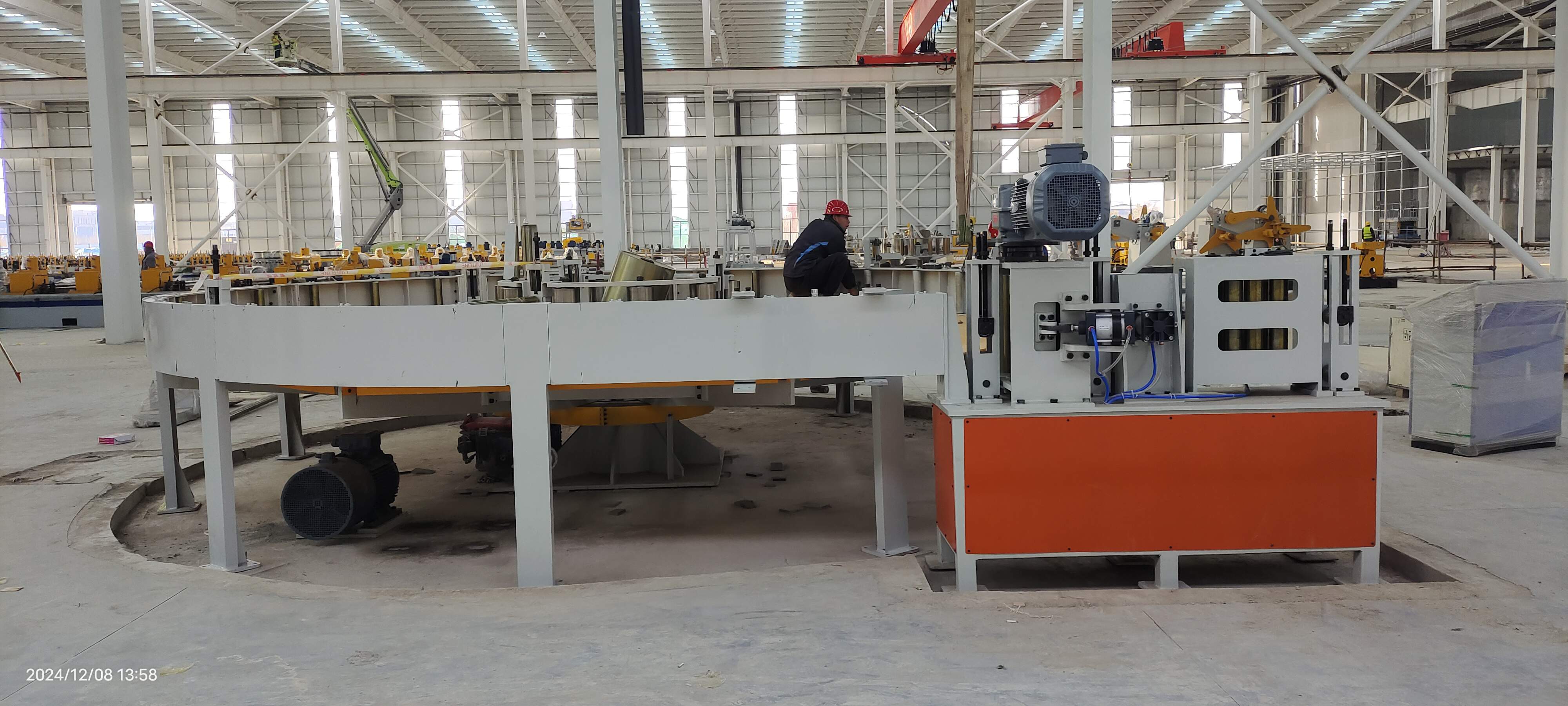
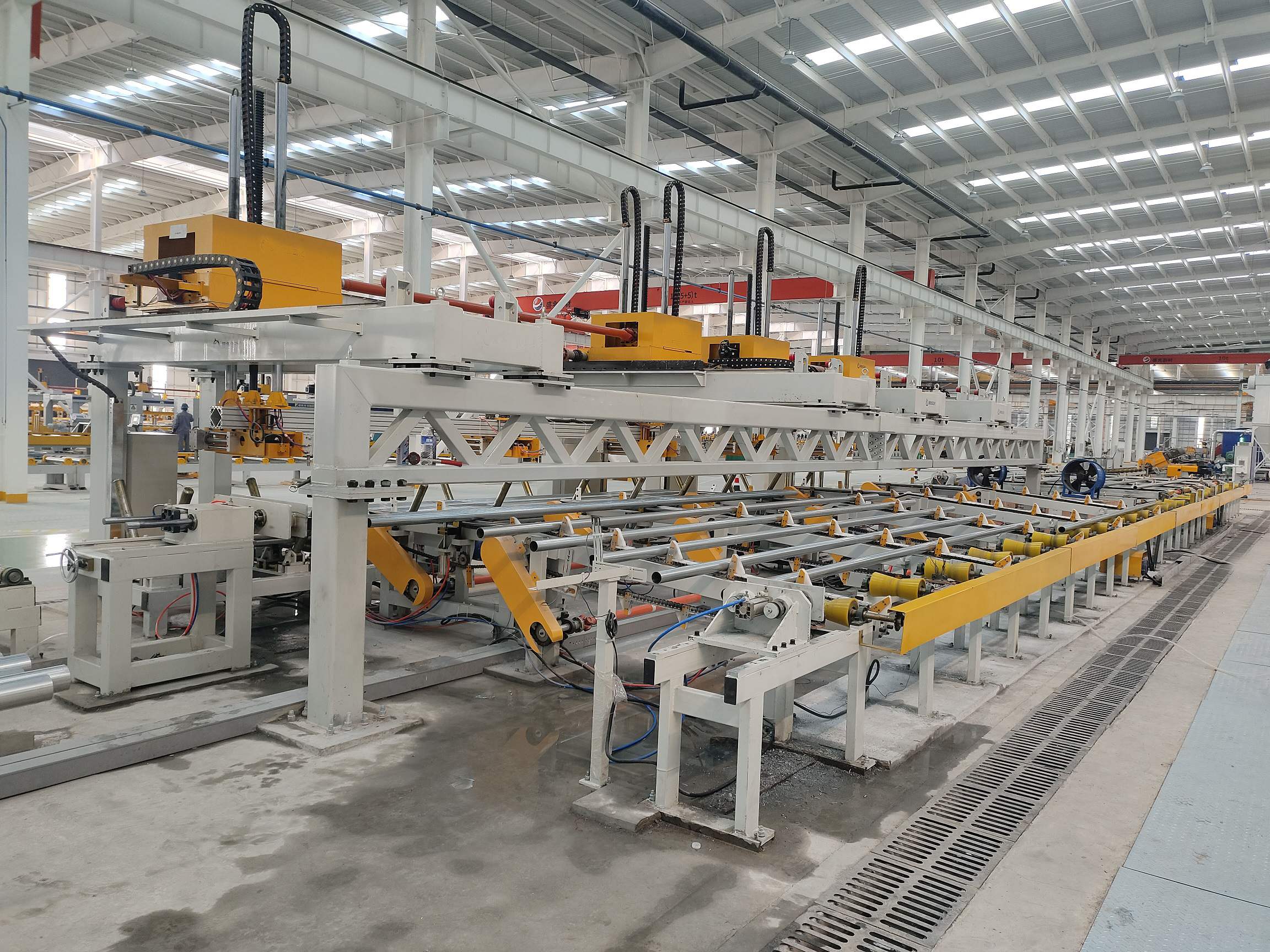
With decades of experience in tube mill engineering, SANSO provides not only high‑precision impeders but also complete line integration. Our engineers use electromagnetic simulation to match the impeder’s permeability profile to your specific mill frequency and power supply. We offer custom geometries—from monolithic ferrites for small tubes to segmented assemblies for structural sections—all backed by a quality management system certified to ISO 9001. In addition, our tube mill accumulator systems ensure smooth strip flow, reducing the mechanical shocks that can damage the impeder. Whether you are upgrading an existing mill or building a new line, SANSO delivers components that enhance weld integrity and lower total cost of ownership.
Frequently Asked Questions
Q1: What is the function of an impeder in a tube mill?
A1: The impeder is a magnetic core placed inside the tube during high‑frequency welding. It concentrates the magnetic field at the strip edges, ensuring efficient heating and a strong, consistent weld without slowing down the production line.
Q2: How often should the impeder be replaced?
A2: Replacement intervals depend on operating hours and material. In a typical three‑shift operation, impeders should be inspected monthly and replaced every 6–12 months, or sooner if cracks, saturation, or a sustained power increase of >8% is observed.
Q3: Can the wrong impeder size cause weld defects?
A3: Absolutely. An undersized impeder cannot fully couple the magnetic field, leading to cold welds or excessive power draw. An oversized impeder may contact the tube ID, causing arcing and surface damage. Proper sizing is critical for defect‑free production.
Q4: What materials are used in high‑performance impeder cores?
A4: Most industrial impeders use manganese‑zinc (MnZn) ferrites for frequencies up to 2 MHz. For higher frequencies or extreme temperatures, nickel‑zinc (NiZn) ferrites or special composite materials are employed. SANSO offers both types, matched to your mill’s operating parameters.
Q5: How does cooling affect impeder lifespan?
A5: Effective cooling keeps the ferrite below its Curie temperature, maintaining high permeability and preventing thermal stress cracks. Water‑cooled holders or internal cooling channels can extend impeder life by 200–300% compared to uncooled designs.
Q6: Is it possible to repair a chipped impeder?
A6: Minor edge chips can sometimes be dressed with a diamond file, but any crack that propagates through the core will alter the magnetic circuit. In most cases, replacement is the only safe option to guarantee weld quality.
Q7: How does the impeder interact with other mill components like the accumulator?
A7: A stable strip speed is essential for consistent weld heat. The tube mill accumulator dampens speed variations during coil changeovers, preventing abrupt changes in the weld zone that could otherwise overwhelm the impeder’s magnetic response. Together, they ensure seamless high‑speed operation.
In summary, the impeder in tube mill is a small component with an outsized impact on productivity and quality. By understanding its magnetic, thermal, and mechanical behavior, and by partnering with a knowledgeable supplier like SANSO, tube producers can achieve new levels of efficiency and reliability in their ERW processes.