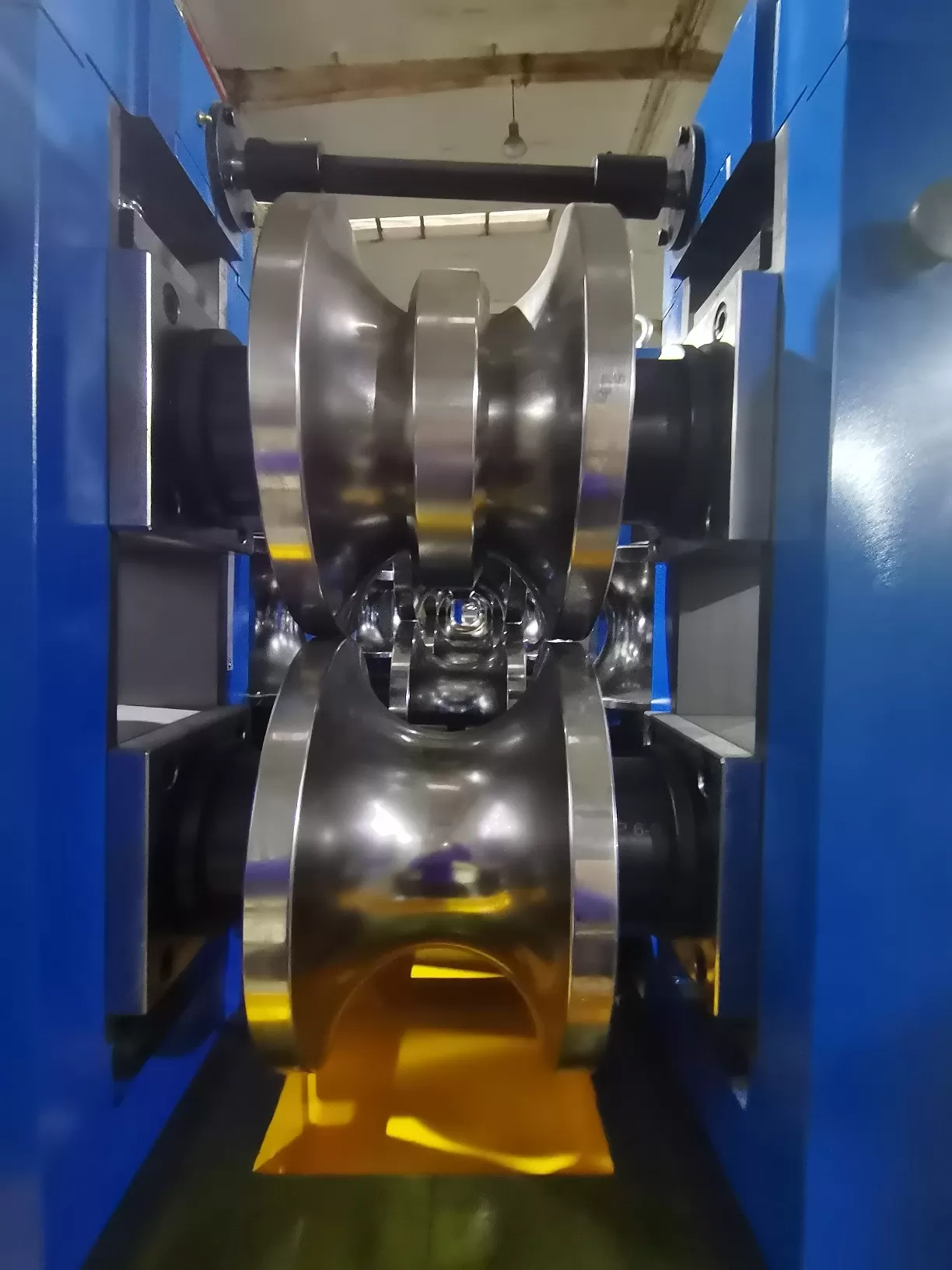
Selecting high speed steel circular saw
blades for tube and pipe cutting operations directly impacts cut quality,
blade life, and production throughput. In tube mills (ERW, seamless, or direct
forming lines), the flying saw or cut‑off station must deliver burr‑free, square
cuts at high speeds. Poor blade selection leads to excessive burrs, work
hardening, premature tooth wear, and machine downtime. This guide presents seven
measurable parameters that process engineers and maintenance managers must
evaluate. Each point is based on ISO 4875, DIN 1839, and field data from
high‑speed tube cutting applications.
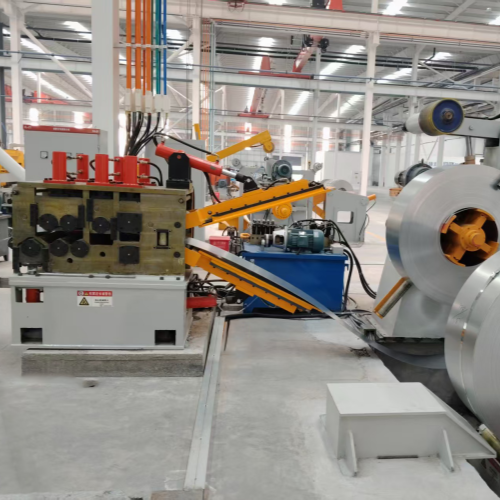
1. Blade Material Composition and Hardness
Genuine high speed steel circular saw blades are manufactured from M2
(W6Mo5Cr4V2), M35 (5% cobalt), or M42 (8% cobalt) HSS grades. Cobalt increases
red hardness and wear resistance for cutting stainless steel or high‑strength
tubes.
M2 HSS: hardness 62–64 HRC, suitable for carbon steel tubes (St37,
St52).
M35 HSS: hardness 65–67 HRC, recommended for alloy steels and < 1,000
N/mm² tensile strength.
M42 HSS: hardness 67–69 HRC, for stainless steel (304, 316) and
high‑strength low‑alloy (HSLA) tubes.
SANSO supplies high
speed steel circular saw blades with cobalt‑enhanced grades, including optional
TiCN or TiAlN coatings for extended life.
2. Tooth Geometry and Pitch Selection
The tooth design determines cutting efficiency and surface finish. Key
variables for tube cutting:
Tooth pitch (mm): Fine pitch (2–3 mm) for thin walls (1–3
mm); coarse pitch (5–8 mm) for thick walls (> 6 mm). Rule: at least 3 teeth
in contact with the tube wall.
Rake angle: Positive rake (10°–15°) for soft materials,
neutral or negative rake for hard/stainless steels.
Clearance angle: 8°–12° to reduce friction and heat
generation.
For flying saw applications on an ERW tube mill, a
triple‑chip or alternating top bevel (ATB) tooth pattern produces cleaner cuts
with less burr.
3. Coatings for Heat and Wear Resistance
Coatings reduce friction and protect the blade from heat generated during
high‑speed cutting (surface temperatures can exceed 600°C). Common coatings for
high speed steel circular saw blades:
TiN (titanium nitride): gold color, hardness 2,300 HV,
reduces friction by 30%.
TiCN (titanium carbo‑nitride): grey‑blue, hardness 3,000
HV, for abrasive materials (e.g., galvanized tubes).
TiAlN (titanium aluminum nitride): dark grey, hardness
3,300 HV, withstands 800°C, ideal for stainless and high‑alloy steels.
For high‑production tube mills (> 10,000 cuts per shift), TiAlN‑coated
blades last 3–5 times longer than uncoated HSS. SANSO offers custom
coating application for any blade size.
4. Blade Diameter, Thickness, and Arbor Mounting
Standard diameters for tube cut‑off saws range from 250 mm to 450 mm.
Thickness must match tube wall thickness to prevent blade deflection.
Thin‑wall tubes (1–2 mm): blade thickness 1.5–2.0 mm.
Medium‑wall (3–5 mm): thickness 2.5–3.0 mm.
Thick‑wall (6–10 mm): thickness 3.5–4.5 mm.
Arbor hole tolerance (H7 or ISO 1947) ensures concentricity. A wobble >
0.03 mm leads to rough cuts and premature tooth chipping. Use a dial gauge to
check runout after mounting.
5. Cutting Speed and Feed Rate Optimization
Cutting speed (Vc) in m/min and feed per tooth (fz) in mm determine blade
life and cut quality. For HSS circular saw blades, follow these guidelines:
Carbon steel (St37–St52): Vc = 50–80 m/min, fz = 0.05–0.10 mm/tooth.
Stainless steel (304, 316): Vc = 25–40 m/min, fz = 0.03–0.06 mm/tooth.
Alloy steel (4140, 4340): Vc = 30–50 m/min, fz = 0.04–0.08
mm/tooth.
Use the formula: spindle RPM = (Vc × 1000) / (π × blade diameter in mm).
Excessive speed generates heat that softens the HSS teeth; too low speed causes
work hardening of the tube surface.
6. Coolant and Lubrication Strategy
Proper cooling extends blade life by 50–100%. For high speed steel circular
saw blades, use:
Flood coolant (water‑soluble oil, 5–8% concentration) for
carbon steel tubes – ensures chip evacuation and reduces thermal shock.
MQL (minimum quantity lubrication) with vegetable‑based oil
for stainless steel – prevents staining and reduces mist.
Dry cutting only for thin‑wall (< 2 mm) carbon steel
with TiAlN‑coated blades; otherwise, risk of tooth annealing.
Apply coolant at 15–20 L/min directly to the cutting zone. Monitor coolant
concentration weekly with a refractometer (maintain 5–8° Brix).
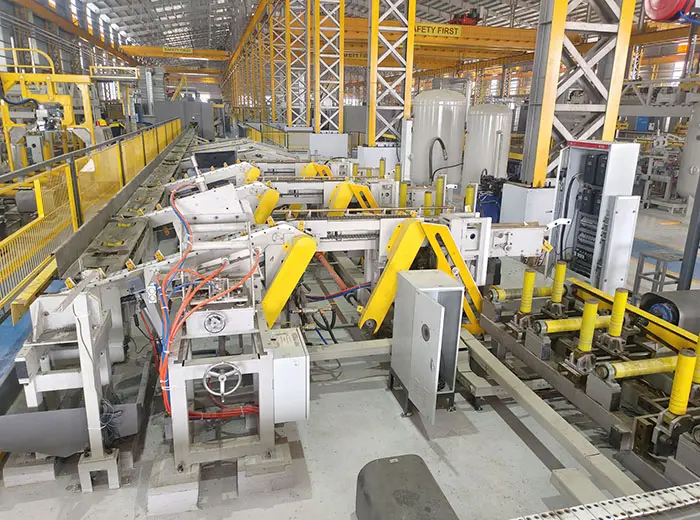
7. Blade Sharpening and Reconditioning Intervals
Dull blades produce burrs, increase cutting force, and risk tube deformation.
Establish a sharpening schedule based on:
Number of cuts: typical interval 2,000–5,000 cuts for carbon steel,
500–1,500 cuts for stainless.
Visual inspection: when flank wear reaches 0.2 mm or chipping appears,
resharpen.
Power monitoring: a 15–20% increase in saw motor current indicates
dullness.
Sharpening must be done on a CNC tool grinder that maintains original tooth
geometry (relief and rake angles). Do not allow local hardening or burning (blue
discoloration) during resharpening. SANSO offers a blade
reconditioning service with a 3‑day turnaround.
Case Study: Extending Blade Life by 300% in a Tube Mill
A 2" ERW tube mill cutting St52 carbon steel (2.5 mm wall) was experiencing
blade changes every 1,200 cuts. SANSO supplied high
speed steel circular saw blades with M42 cobalt grade and TiAlN coating, plus
optimized cutting parameters (Vc = 65 m/min, fz = 0.08 mm/tooth). Blade life
increased to 4,800 cuts, and burr height dropped from 0.4 mm to 0.15 mm. Annual
blade cost savings exceeded $18,000.
Frequently Asked Questions (FAQ)
Q1: What is the difference between HSS and carbide circular saw
blades for tube cutting?
A1: High speed steel circular saw blades
are tougher and resist shock, making them suitable for flying saw applications
where the blade engages a moving tube. Carbide blades are harder (89–92 HRA) but
more brittle; they are better for stationary cut‑off lathes or when cutting very
hard materials (> 45 HRC). For general tube mills cutting carbon or stainless
steel, HSS blades offer the best cost‑to‑life ratio.
Q2: How do I calculate the correct tooth pitch for my tube
size?
A2: Use the rule of three teeth in contact. For a tube with
circumference C = π × diameter (mm), tooth pitch (mm) = C / 3. Example: 60 mm OD
tube → C = 188.5 mm → pitch = 188.5 / 3 = 62.8 mm. That is too coarse; instead,
use a finer pitch (e.g., 5 mm) and ensure at least 37 teeth in contact. Most
tube cutting uses 2–6 mm pitch regardless of diameter.
Q3: Why does my blade produce a rough cut with a large center
burr?
A3: Common causes: (1) Worn or chipped teeth – resharpening
needed. (2) Incorrect feed rate – too high causes chatter, too low causes work
hardening. (3) Insufficient coolant – reduce friction and heat. (4) Blade wobble
> 0.05 mm – check arbor and spindle bearings. For thin‑wall tubes (< 2
mm), use a fine‑pitch blade (2.0–2.5 mm) and reduce feed by 20%.
Q4: Can I use the same blade for different tube materials (e.g.,
carbon steel and stainless)?
A4: Not recommended. Stainless steel
requires a cobalt‑rich HSS (M42) and TiAlN coating, while carbon steel works
well with M2 or M35. Using a carbon‑steel blade on stainless will cause rapid
tooth wear (life < 200 cuts). Conversely, using a stainless‑optimized blade
on carbon steel is acceptable but sub‑optimal (slightly slower cutting speed).
Always change blades when switching material families.
Q5: How often should I inspect the blade for cracks or
fatigue?
A5: Perform a visual inspection every shift – look for
missing teeth, radial cracks, or blue discoloration (overheating). For
high‑production mills (> 5,000 cuts per week), send blades for magnetic
particle inspection (MPI) every 3 months. Replace any blade with a crack longer
than 3 mm or more than two missing teeth in a row. Safety is critical – a blade
failure at 3,000 RPM can cause severe damage.
Request a Blade Selection Guide or Quotation
Choosing the right high speed steel circular saw
blades for your tube mill requires analysis of tube material, wall
thickness, line speed, and cut length tolerance. SANSO offers a free
blade audit – send us 3 used blades from your current operation. We will measure
wear patterns, recommend optimal tooth geometry, and provide a test set of
coated blades for a 500‑cut trial. Our package includes cutting parameters (RPM,
feed rate, coolant concentration) tailored to your tube mill.
Submit an inquiry to our sawing technology team → Click here for a
response within 24 hours