In the industrial manufacturing sector, specifically within the steel pipe
production industry, procurement decisions are driven by technical precision and
long-term output reliability. When evaluating the tube mill
machine price, it is a mistake to view it as a flat figure.
Instead, it must be analyzed as a reflection of engineering complexity,
metallurgical requirements, and the integration of advanced control systems. A
professional procurement process involves dissecting the mechanical and
electronic components that ensure consistent wall thickness, diameter accuracy,
and weld seam integrity.
Manufacturers like [SANSO] emphasize that the
value of a production line is found in its ability to maintain high-speed
operations without compromising the structural properties of the finished
product. This article examines the core technical drivers that dictate the
capital investment required for modern high-frequency (HF) welding and stainless
steel tube production lines.
1. The Mechanical Engineering of the Forming Section
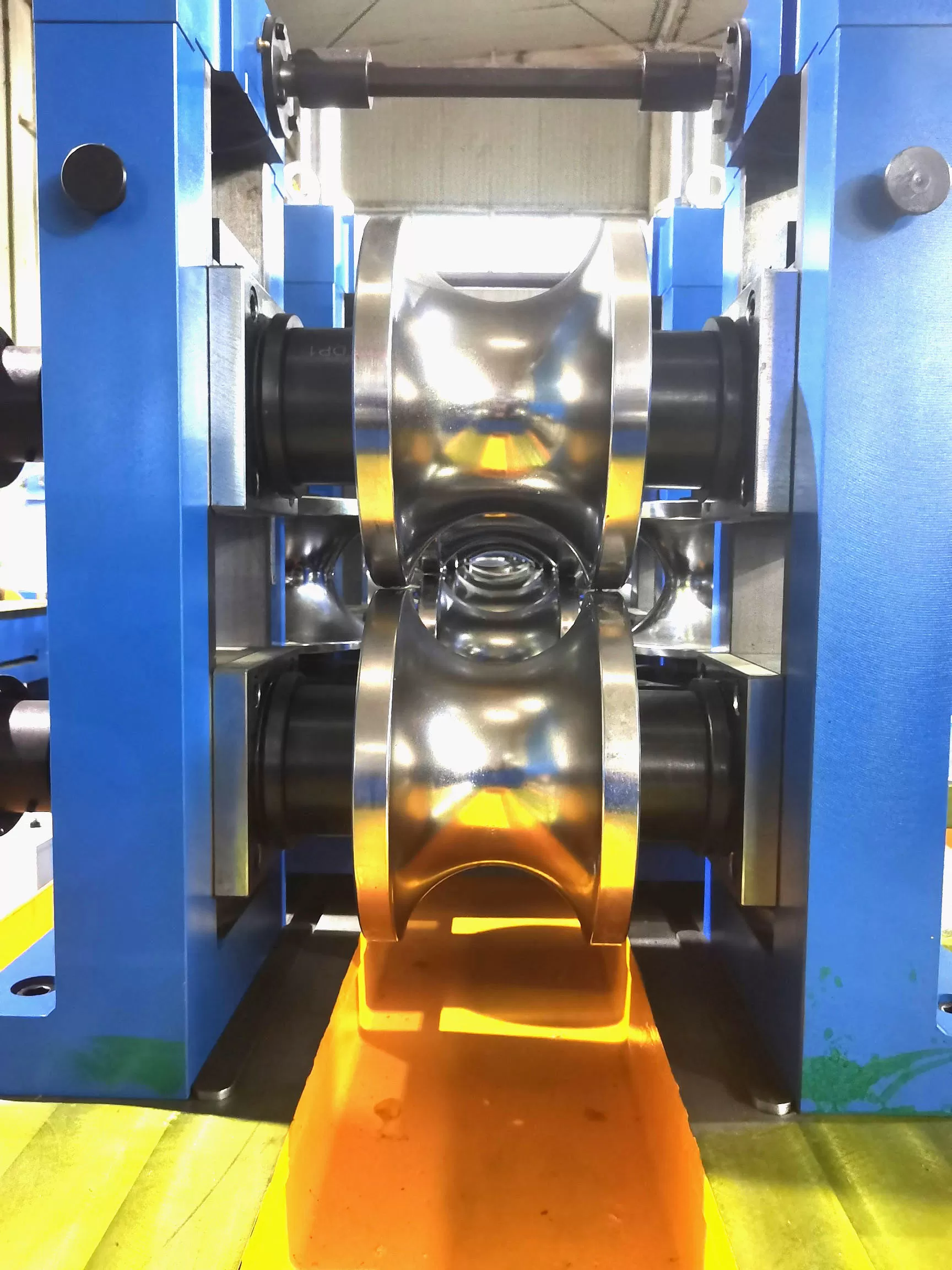
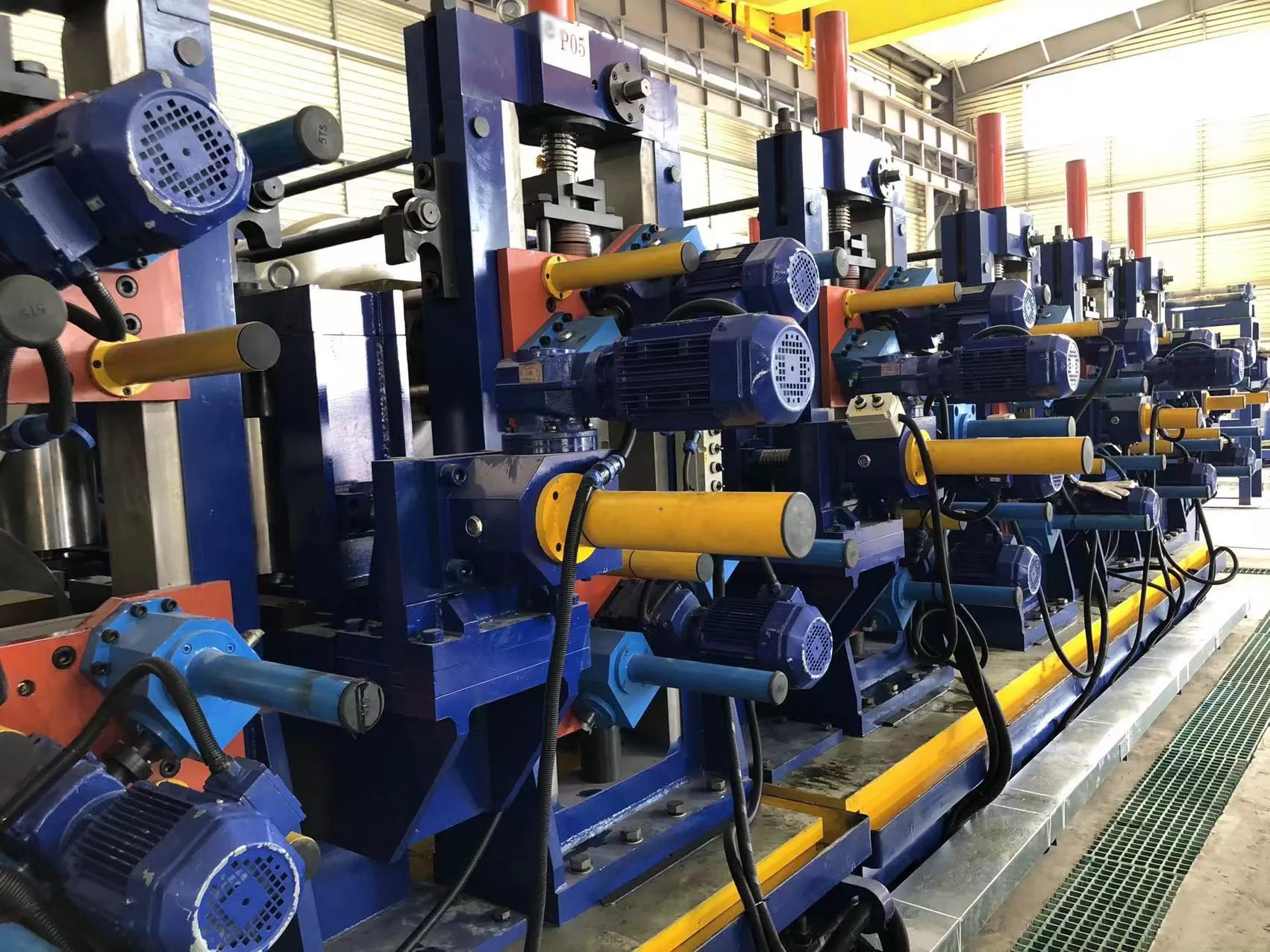
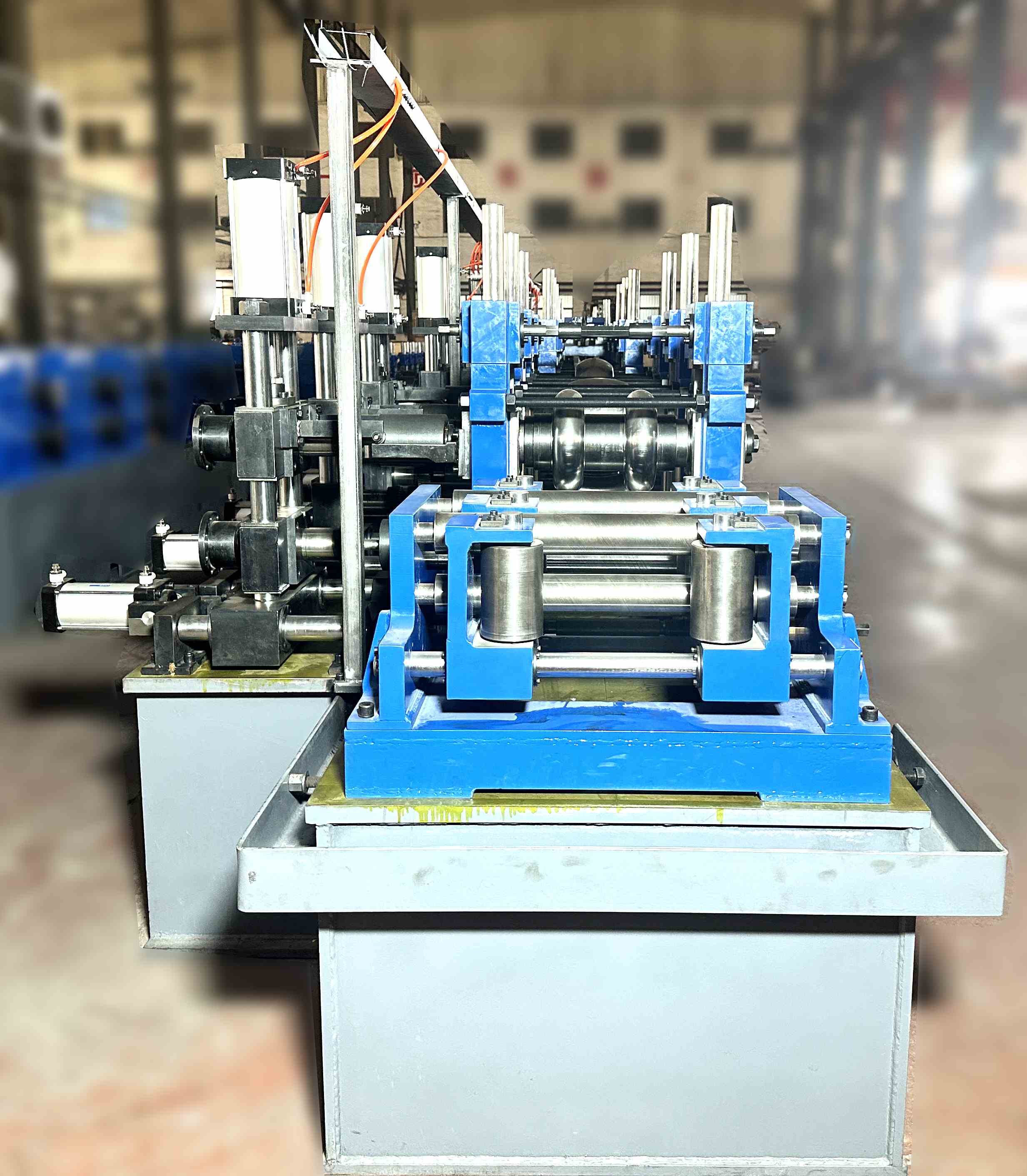
The forming section is the heart of any tube mill. The number of stands and
the method of deformation directly influence the tube mill
machine price. A standard line utilizes a series of breakdown
stands, fin-pass stands, and sizing stands. High-precision mills require a
larger number of stands to ensure a gradual deformation of the steel strip,
which prevents edge buckling and internal stresses in the material.
Materials such as high-strength low-alloy (HSLA) steel require more robust
forming stands with increased torque capacity. The inclusion of "W-Forming"
technology or flexible forming systems—where the rollers do not need to be
changed for different sizes—adds significant technical value. These systems
utilize motorized adjustments and PLC-controlled positioning to reduce downtime.
While these features increase the initial acquisition cost, they provide a
necessary solution for facilities handling small-batch, diverse-diameter
production runs.
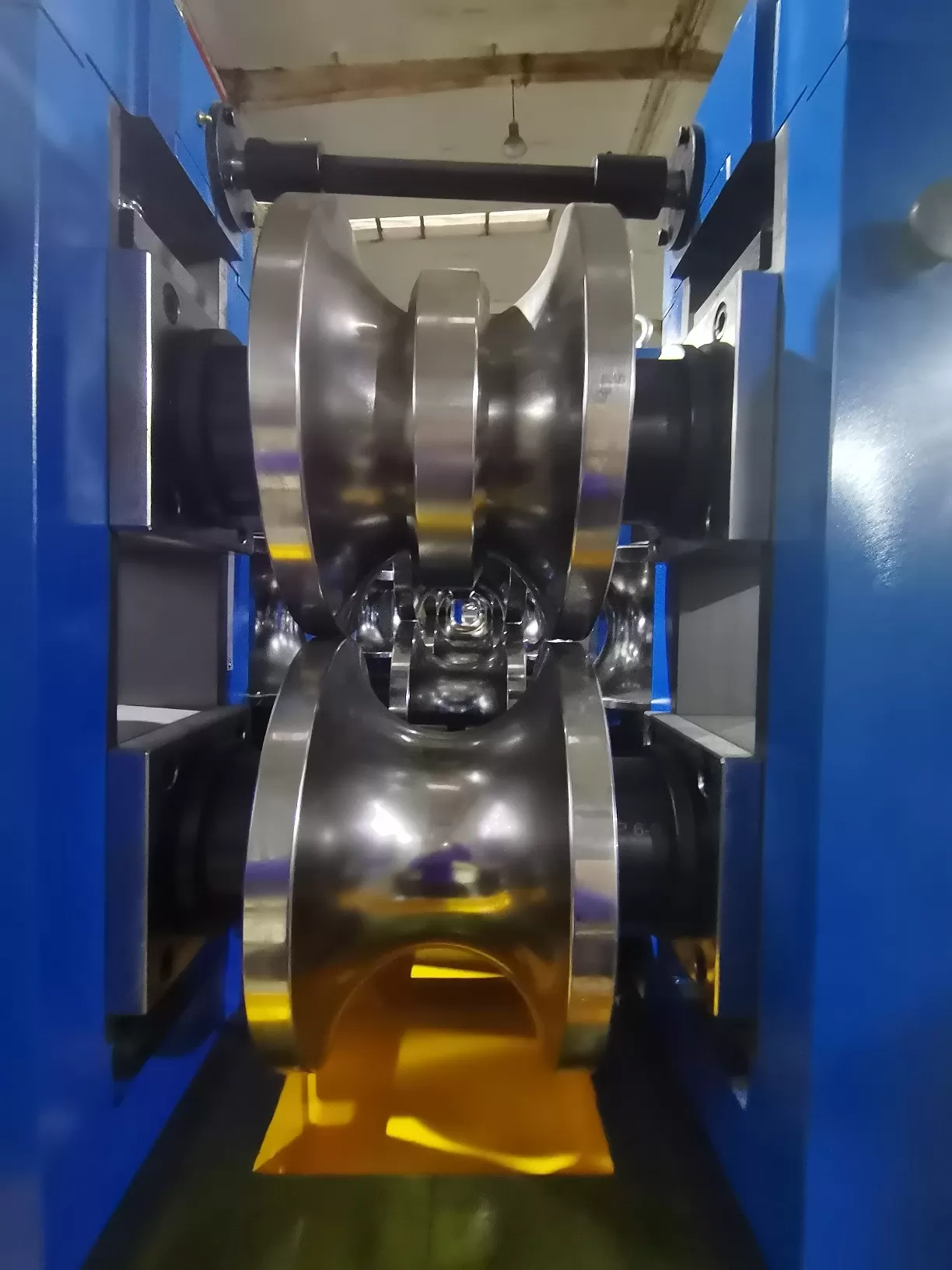
Furthermore, the material used for the rollers themselves (such as Cr12MoV or
D2 tool steel) and their heat treatment processes are major cost drivers.
Precision-ground rollers with hard chrome plating ensure longevity and surface
quality, particularly for architectural or automotive-grade tubing.
2. High-Frequency Welding Technology and Power Management
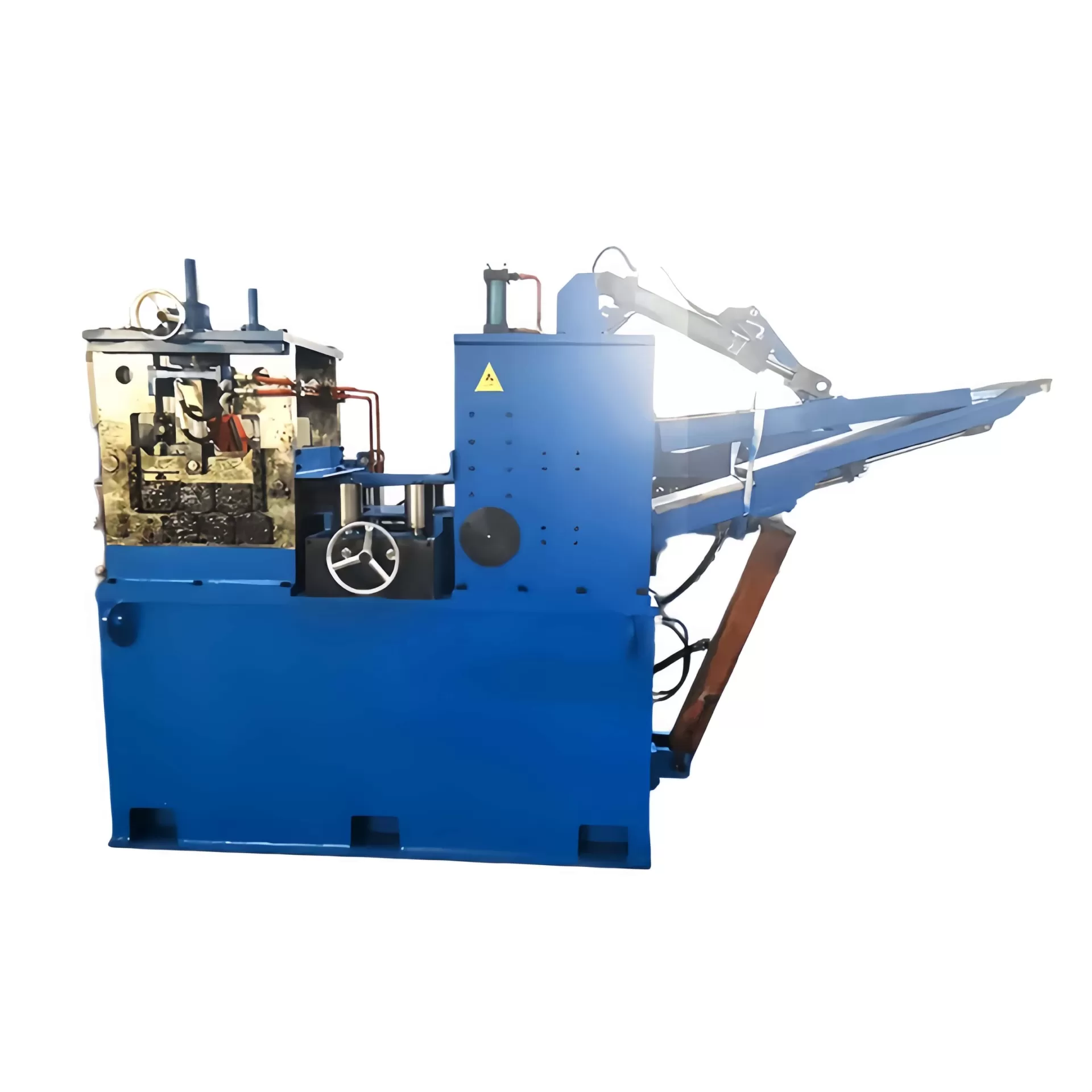
The welding unit is perhaps the most technologically sensitive component of
the entire line. Modern pipe production relies heavily on Solid-State
High-Frequency induction welding. The tube mill
machine price fluctuates based on the kilowatt (kW) rating and the
technology used in the welder’s power supply—namely MOSFET vs. IGBT
components.
MOSFET Technology: Known for high efficiency and
reliability in smaller power ranges, suitable for thinner wall pipes.
IGBT Technology: Provides higher power density and is more
robust for heavy-wall thickness applications.
Advanced welding systems include automatic heat control (AHC), which
synchronizes the welding temperature with the line speed. This prevents "cold
welds" during ramp-up or "over-burn" during deceleration. Integrating such
precision electronic control systems requires sophisticated engineering, which
is reflected in the overall machine valuation. [SANSO] integrates these
high-frequency units to ensure that the weld seam strength matches the parent
material, a requirement for pressure-rated piping.
3. Strip Preparation and Accumulator Dynamics
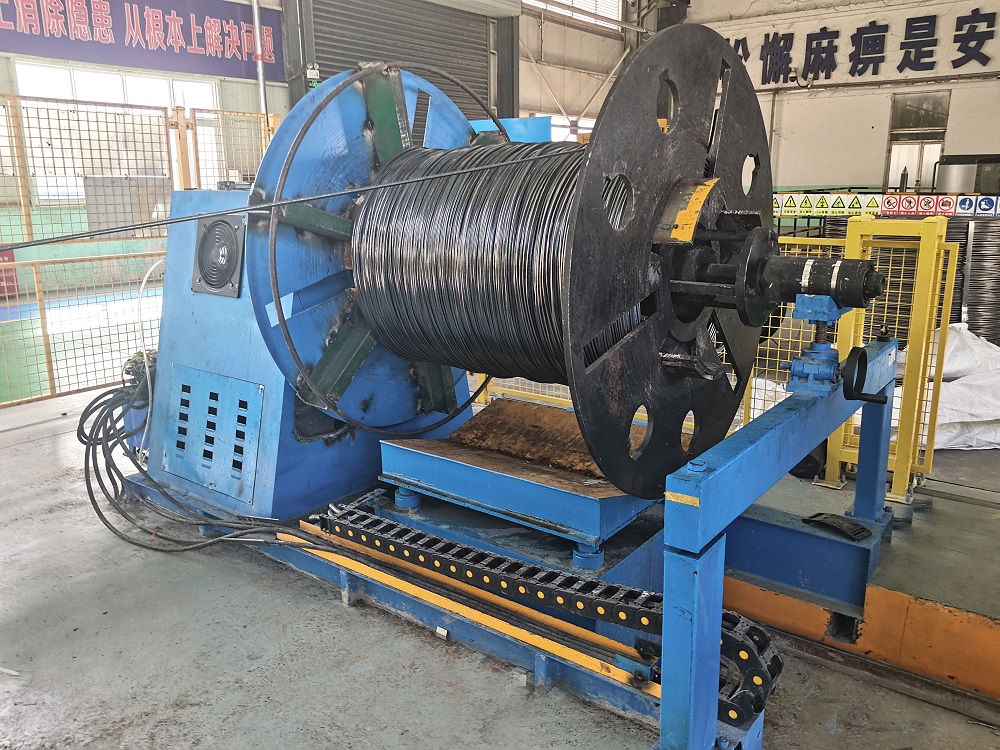
Continuous production is mandatory for maximizing throughput. This is
achieved through the strip entry system, consisting of an uncoiler, a shear and
butt welder, and a strip accumulator. The type of accumulator—whether horizontal
spiral, vertical cage, or "floop" style—impacts the tube mill
machine price significantly.
A horizontal spiral accumulator allows for high-speed operation and protects
the surface of the strip from scratching, which is vital for stainless steel or
pre-painted coils. The engineering required to manage the strip tension and
speed as it enters the forming section is complex. If the accumulator is not
sized correctly for the mill's maximum speed, it becomes a bottleneck, negating
the benefits of a high-speed welding unit. High-capacity accumulators that
handle wider strips and thicker gauges require heavier mechanical frames and
more powerful drive motors.
4. Sizing and Straightening Precision
After the welding and cooling process, the tube must be brought to its final
dimensions and straightened. The sizing section consists of multiple stands that
refine the outer diameter (OD) and ensure the tube is perfectly round or shaped
(into square or rectangular profiles). The sophistication of the straightening
Turk's heads is a major factor in the technical specification.
Four-roll or six-roll straightening units provide superior control over the
longitudinal bow and twist of the pipe. For manufacturers targeting the
automotive or aerospace industries, the tolerances required are often in the
range of microns. Achieving this level of precision necessitates high-rigidity
stands and precision-machined bearing blocks. The engineering labor involved in
calibrating these sections to work in harmony with the line’s main drive system
is a key component of the pricing structure.
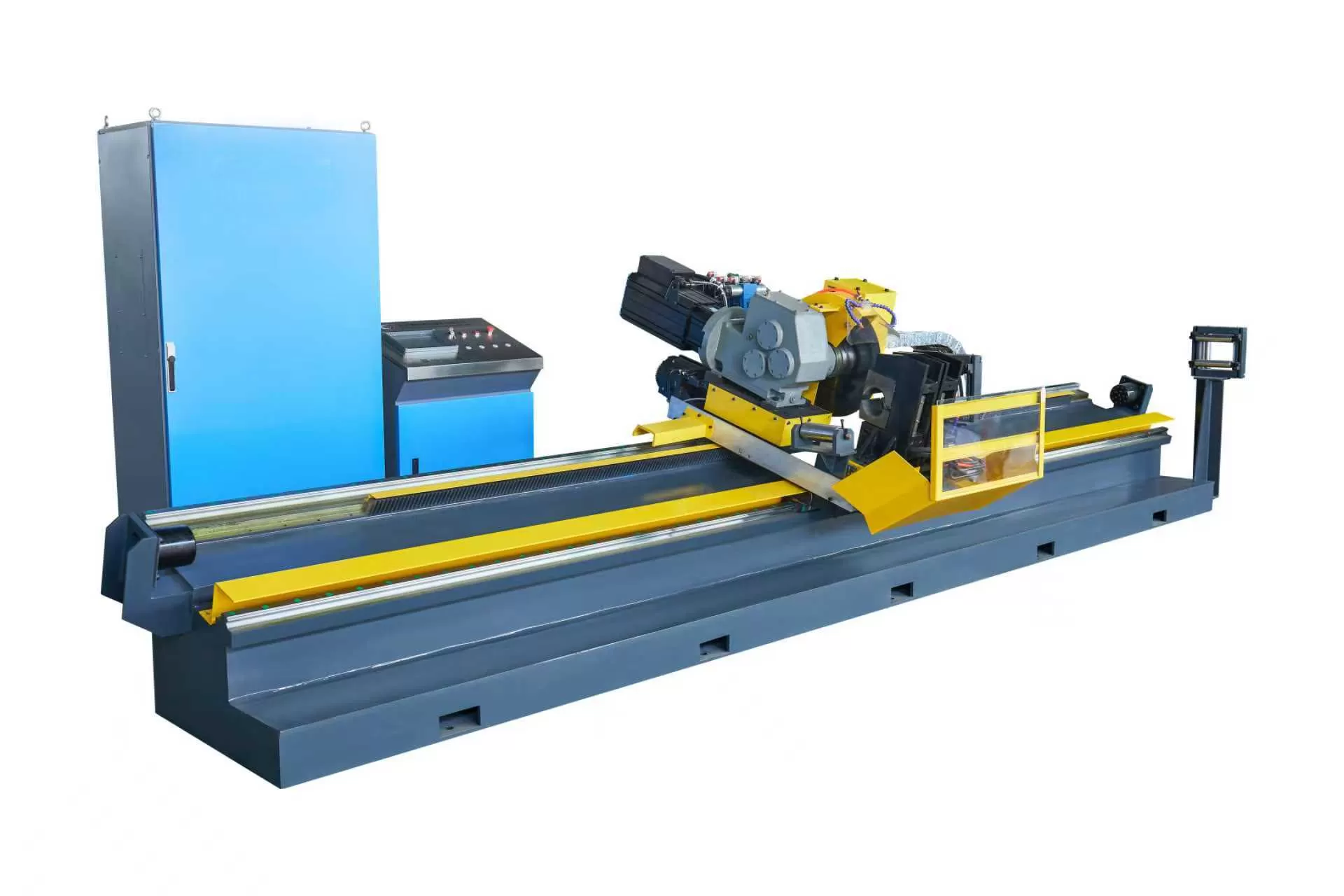
5. Cutting Systems: Cold Saws vs. Friction Saws
The method used to cut the finished tube to length at the end of the line
affects both the quality of the product and the tube mill
machine price.
Friction Saws: High-speed but result in a burr and high
heat at the cut end. They are common in lower-precision applications.
Cold Saws (Orbital or Flying): Use a TCT or HSS blade to
cut the tube with a clean, burr-free finish. They operate at lower RPMs but
require complex servo-driven motion control to track the moving pipe
precisely.
A high-speed flying cold saw requires a sophisticated motion controller (such
as those from Siemens or Mitsubishi) and high-response servo motors. The ability
to cut tubes at speeds exceeding 100 meters per minute while maintaining a
length tolerance of +/- 1mm is a feat of engineering that distinguishes premium
machinery from entry-level equipment.
6. Automation and Industry 4.0 Integration
In the current manufacturing environment, data acquisition and remote
monitoring have become standard requirements. The integration of a comprehensive
Human-Machine Interface (HMI) allows operators to monitor motor loads, welding
temperatures, and line speeds in real-time.
Advanced systems produced by [SANSO] offer features such
as recipe management, where the parameters for different tube sizes are stored
and can be recalled instantly. This reduces human error and setup time. The
hardware required for this—including sensors, encoders, and industrial-grade
PLCs—along with the custom software programming, contributes to the tube mill
machine price. However, this level of automation ensures consistent
quality that manual systems cannot replicate.
7. Material Specialization: Carbon Steel vs. Stainless Steel
The metallurgical properties of the material being processed dictate the
machine's construction. A mill designed for stainless steel requires more stands
to handle the material's work-hardening characteristics. Furthermore, stainless
steel mills often utilize TIG, Plasma, or Laser welding instead of HF induction,
depending on the wall thickness and the intended use (e.g., food grade or
sanitary tubing).
For stainless steel lines, every component that contacts the strip must be
designed to avoid contamination. This often involves specialized roller
materials and bright annealing units integrated into the line to restore the
corrosion resistance of the weld zone. The engineering overhead for specialized
material handling significantly influences the total investment compared to
standard carbon steel ERW mills.
Addressing Industry Pain Points
Many pipe manufacturers struggle with high scrap rates during changeovers and
inconsistent weld quality. These issues are often the result of opting for a
lower tube mill
machine price without considering the rigidity of the mill base or
the precision of the drive synchronization. A well-engineered mill addresses
these pain points by providing a stable mechanical platform that minimizes
vibration and thermal drift.
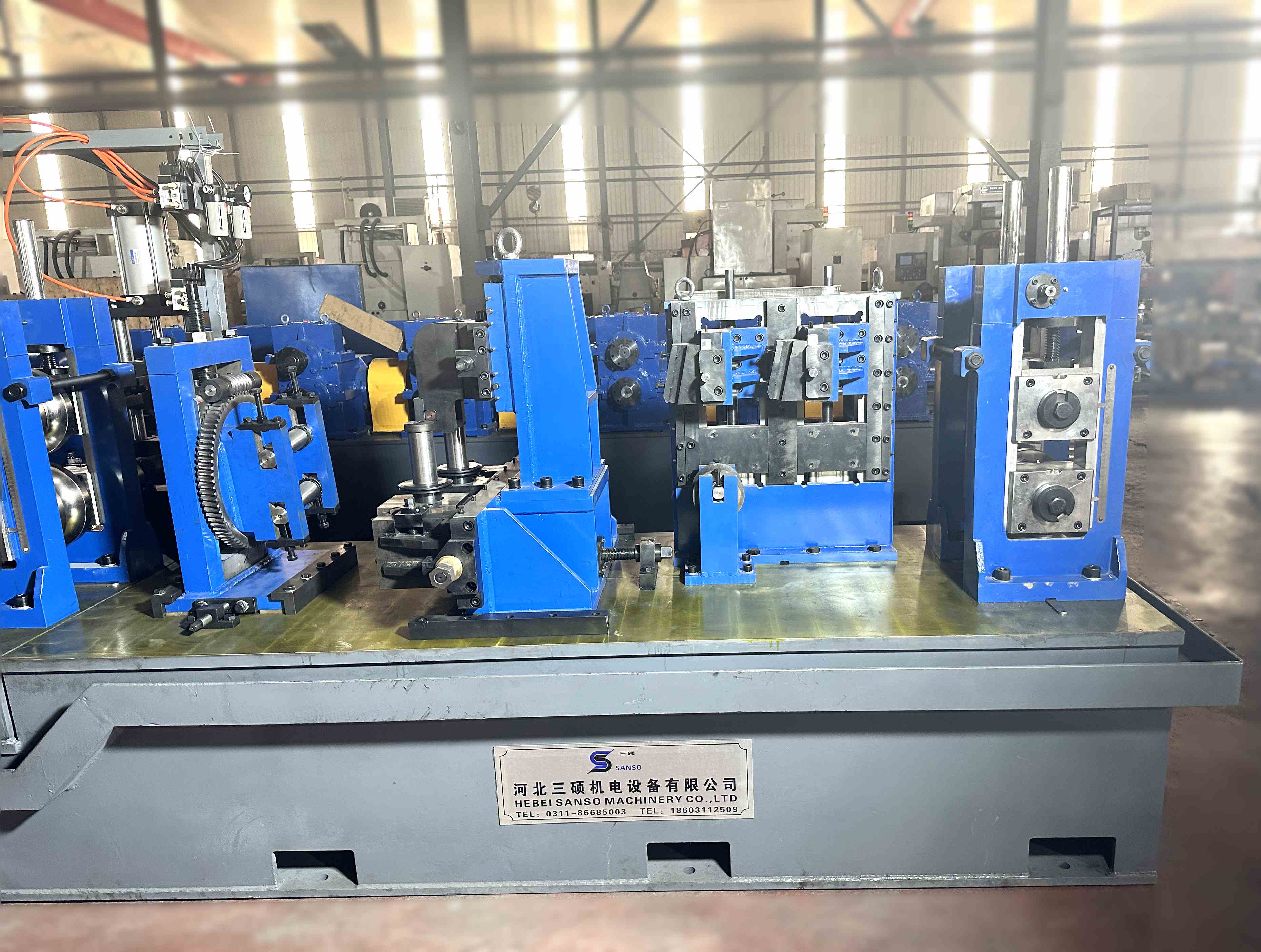
By investing in machinery that features quick-change rafts and automated
alignment, manufacturers can reduce downtime from hours to minutes. This
technical solution directly addresses the need for agility in a market where
order sizes are shrinking and customization is increasing.
Selecting a tube mill is a complex technical undertaking that requires a deep
understanding of mechanical tolerances, welding physics, and automation
capabilities. The tube mill
machine price is an indicator of the machine's ability to produce
high-quality output at high speeds with minimal intervention. For professional
manufacturers, the focus remains on the precision of the forming stands, the
efficiency of the welding unit, and the reliability of the control systems.
[SANSO] remains committed to providing high-performance
solutions that meet the rigorous demands of the global pipe and tube industry.
If you are looking to enhance your production capabilities or require a detailed
technical consultation on the best configuration for your specific material
requirements, we invite you to contact our engineering team.
Ready to optimize your production line? Contact us today for a
technical consultation and a detailed quotation tailored to your manufacturing
requirements.
Frequently Asked Questions (FAQ)
Q1: How does the wall thickness of the pipe affect the tube mill
machine price?
A1: Wall thickness determines the required torque and the diameter of the
shafts in the forming and sizing stands. Thicker walls require more powerful
motors, heavier gearboxes, and a more robust frame to handle the increased
forming forces, which leads to a higher price point.
Q2: Is a cold saw always better than a friction saw?
A2: Technically, a cold saw provides a much cleaner, burr-free cut and does
not alter the grain structure at the tube end due to heat. However, it is more
complex and expensive. For structural pipes where end-finish is less critical, a
friction saw may suffice, but for high-end industrial tubes, a cold saw is the
professional choice.
Q3: Can one tube mill handle both carbon steel and stainless
steel?
A3: While possible with significant modifications, it is not ideal. Stainless
steel requires different welding technologies (TIG/Laser) and more forming
stands due to its work-hardening properties. Additionally, rollers used for
carbon steel can contaminate stainless steel, leading to corrosion issues.
Q4: What is the benefit of a Solid-State HF welder over older vacuum
tube technology?
A4: Solid-state welders (using MOSFET or IGBT) are much more
energy-efficient, have a smaller footprint, and provide much more stable power
output. This stability is vital for maintaining a consistent weld bead and
reducing the heat-affected zone (HAZ).
Q5: How does automation impact the number of operators
required?
A5: High levels of automation, including motorized roll adjustment and
PLC-based recipe management, allow a single operator to manage sections of the
mill that would otherwise require multiple technicians for manual adjustment and
monitoring.