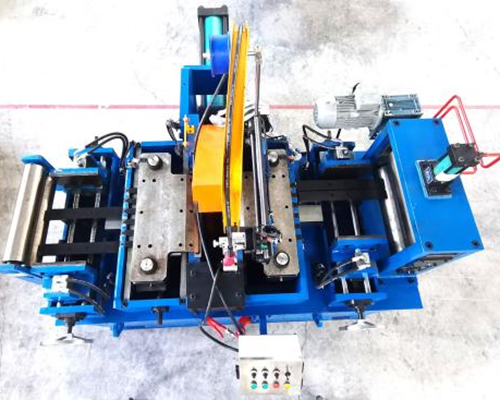
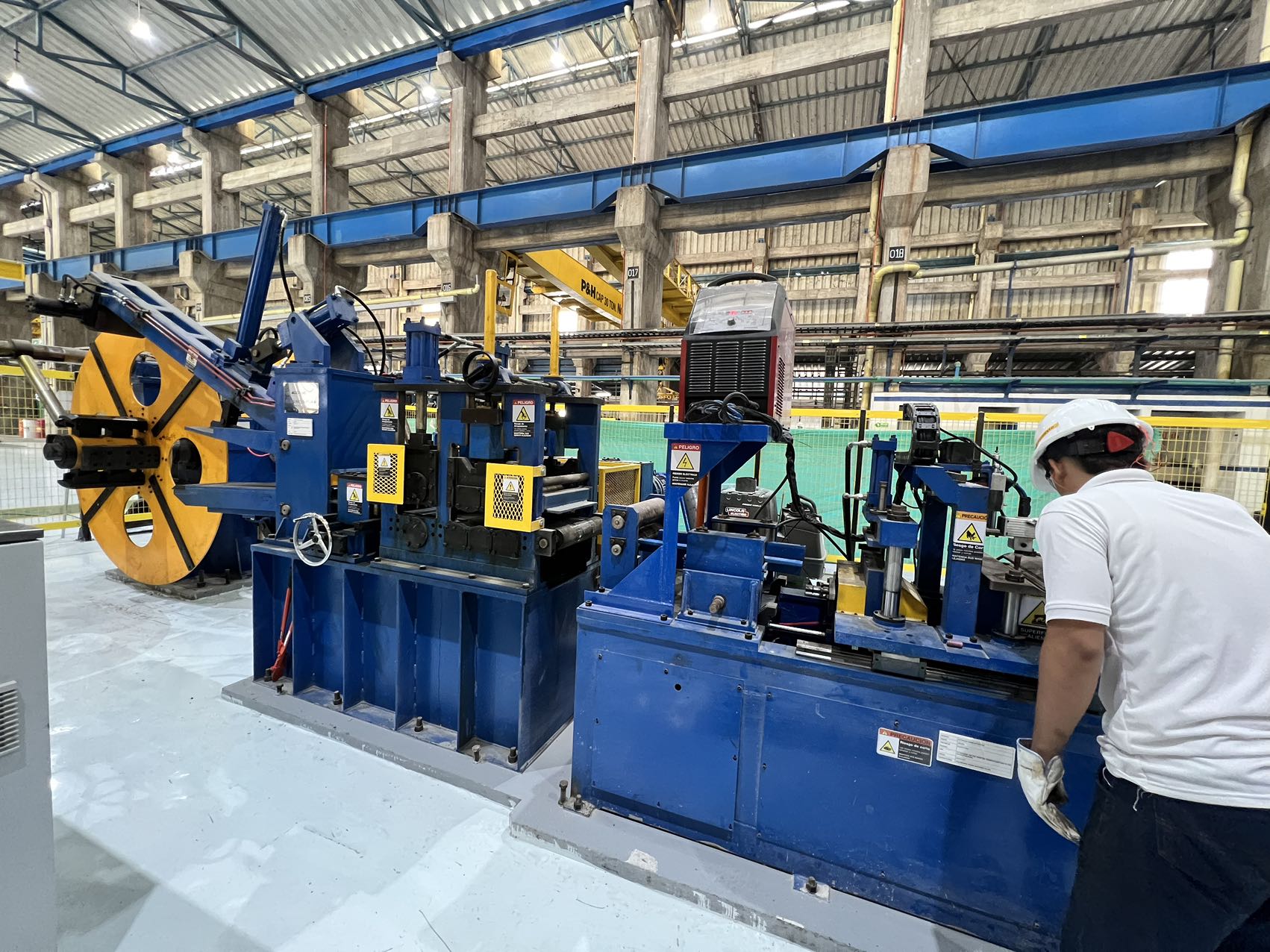
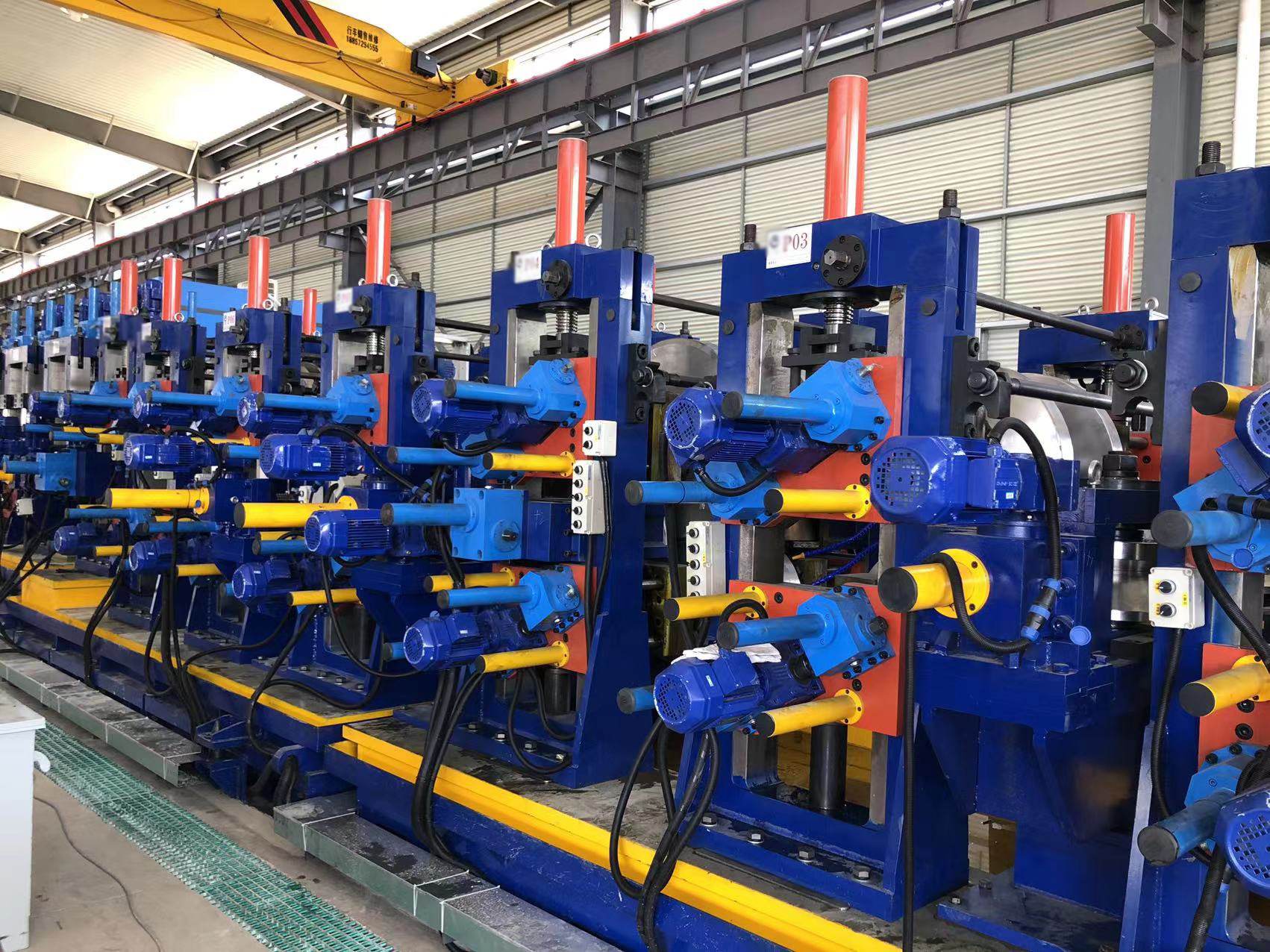
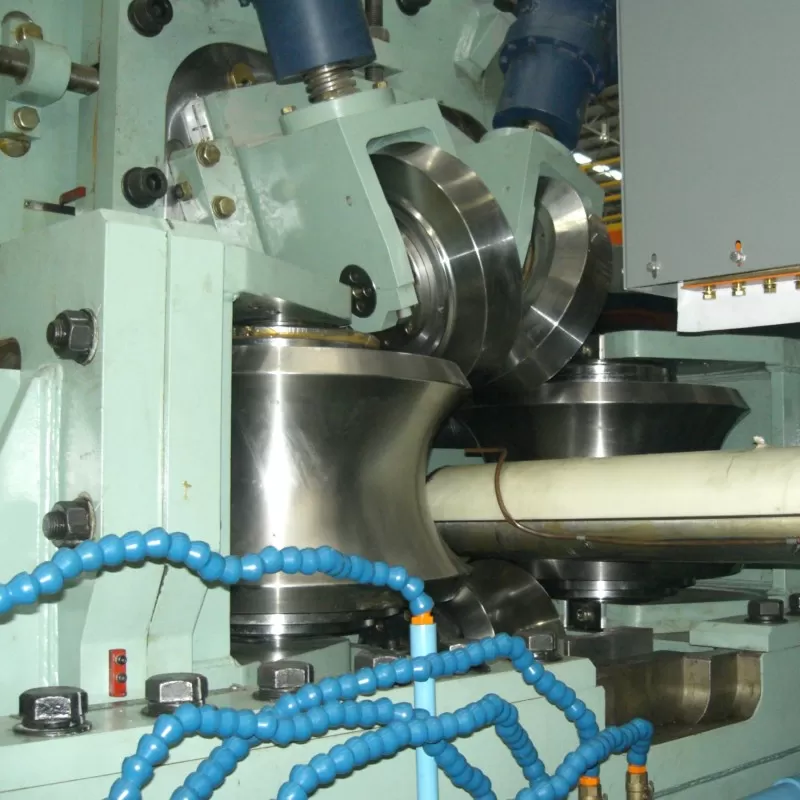
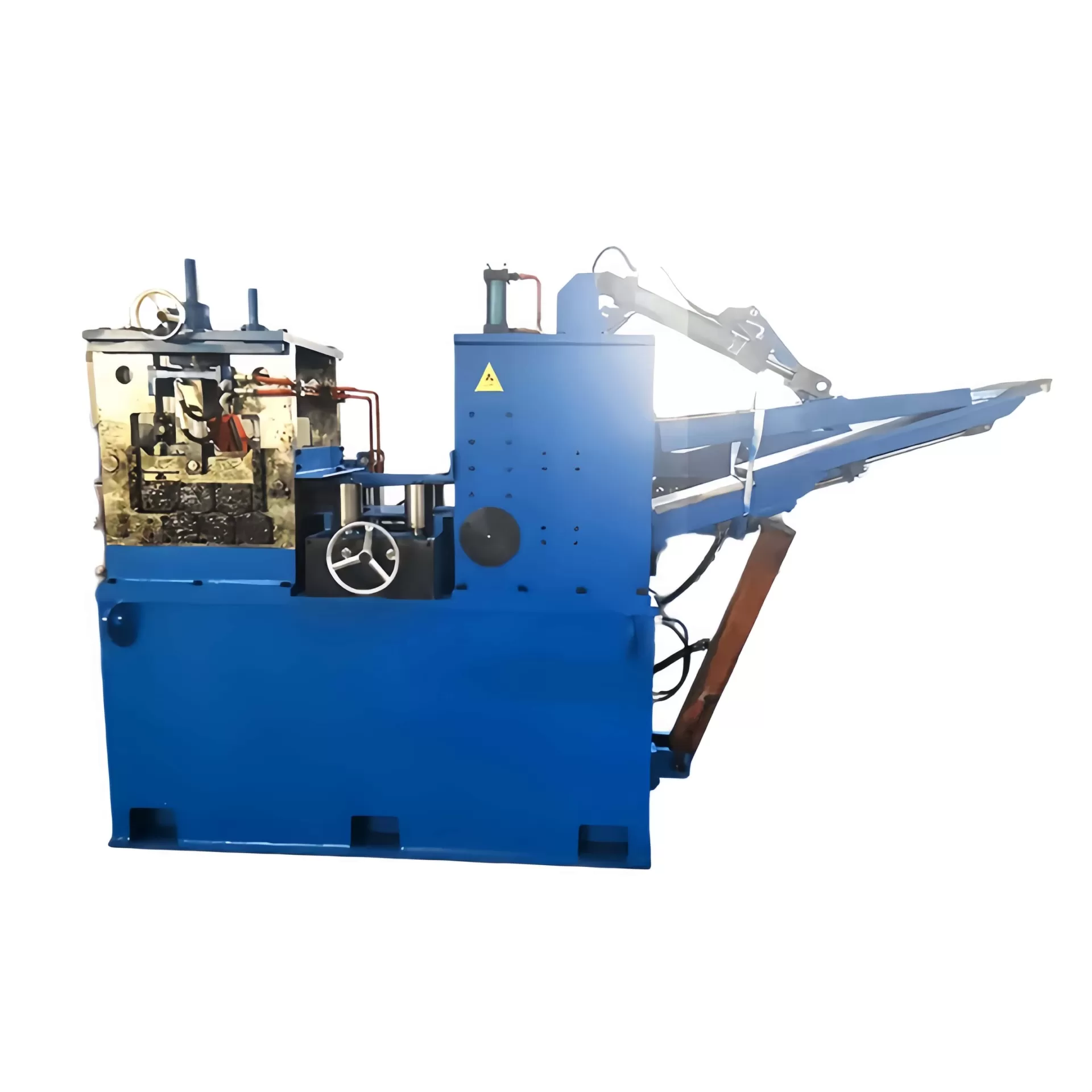
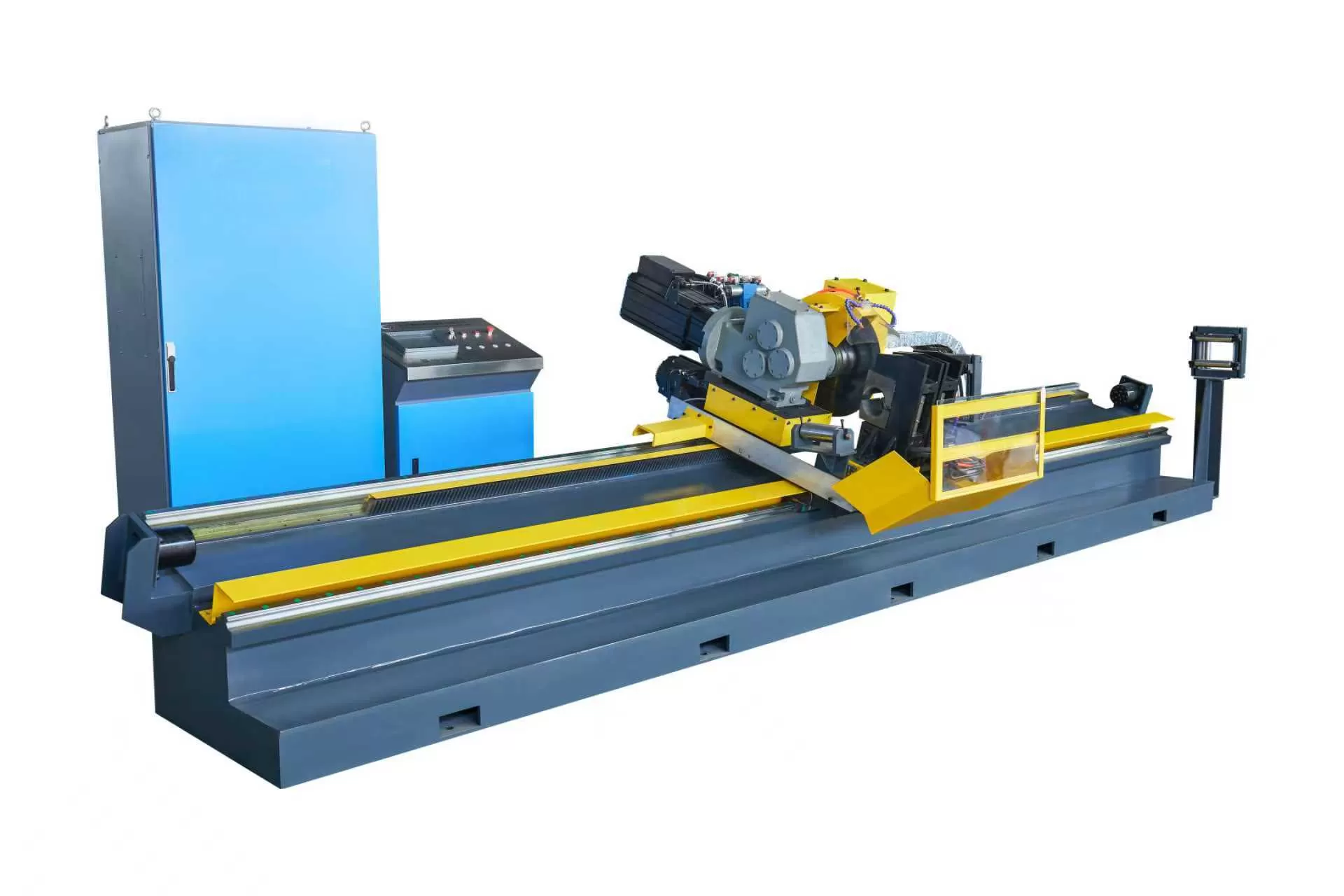
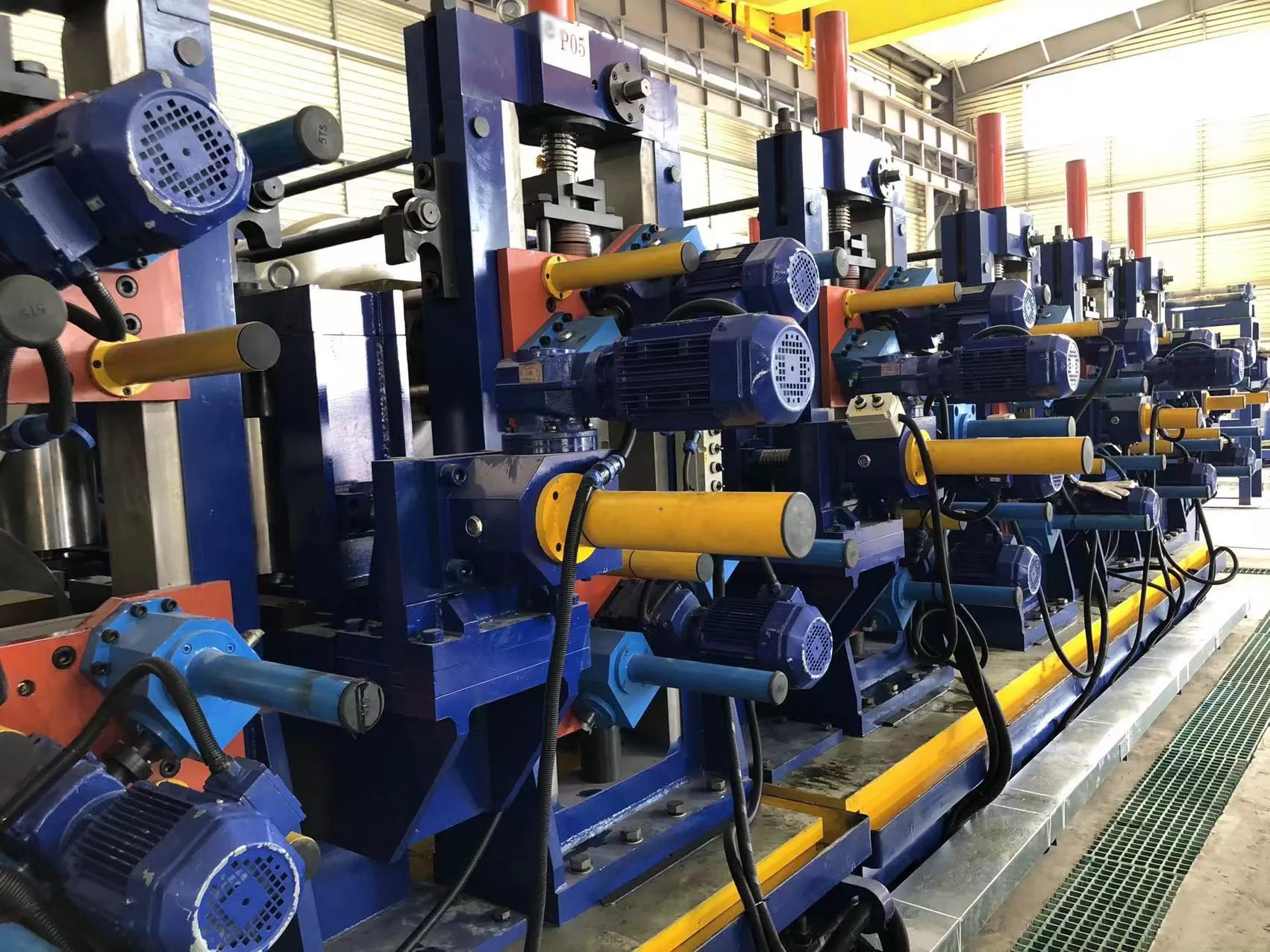
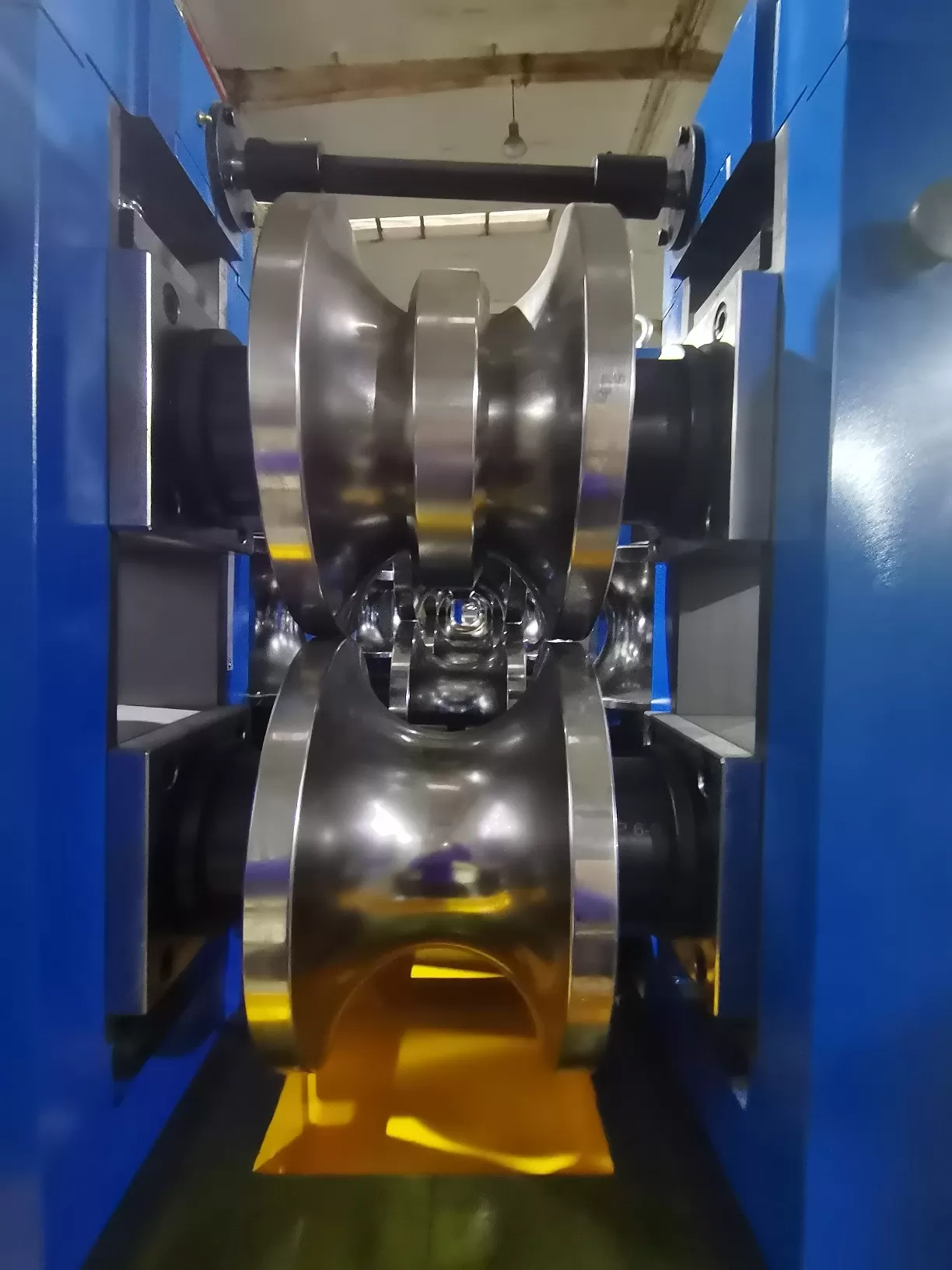
High-Performance Pipe Rolling Mill for Precision Tube ManufacturingA modern pipe rolling mill stands at the heart of any efficient tube production line. It shapes, sizes, and finishes welded pipes with accuracy. Companies like SANSO provide advanced solutions that integrate these rolling stands into complete mill systems. Understanding how a pipe rolling mill operates helps manufacturers improve product quality and reduce downtime.
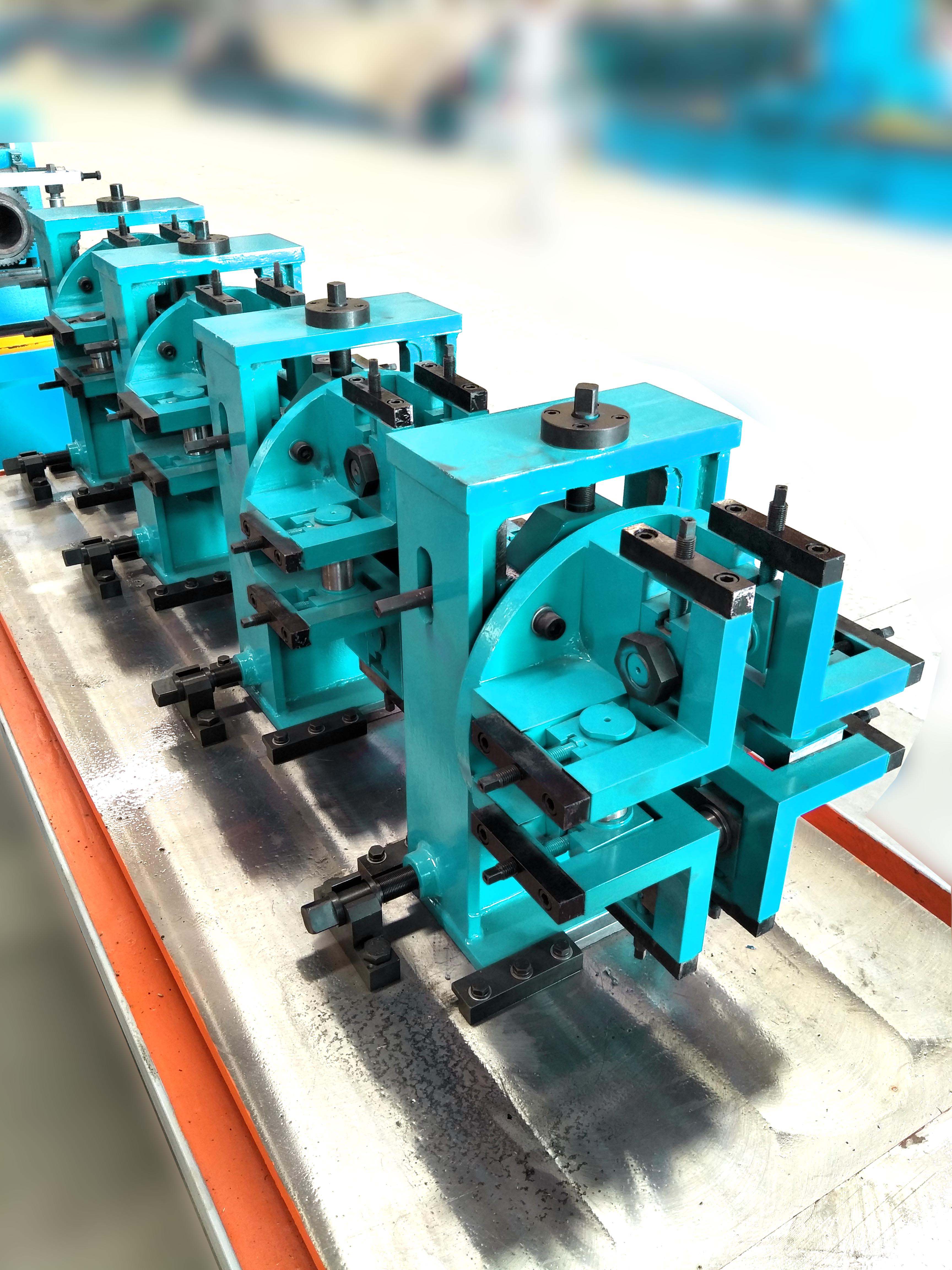
1. The Essential Role of a Pipe Rolling Mill in Tube Production
The pipe rolling mill is responsible for the gradual forming of flat strip into a tubular shape. After welding, the same mill often performs sizing to achieve exact dimensions. Without a properly configured pipe rolling mill, the final product may have ovality or wall thickness variations.
Forming Stands vs. Sizing Stands
Forming stands bend the strip progressively. Sizing stands refine the diameter and roundness. Both sections rely on the same pipe rolling mill principles: precision rolls, robust housings, and consistent lubrication.
2. Key Components of a Modern Pipe Rolling Mill
Every pipe rolling mill consists of several critical elements that determine its performance and longevity.
Roll shafts and bearings: Support high loads during forming; quality bearings reduce friction and wear.
Mill housings: Rigid frames that maintain alignment under stress.
Drive systems: AC or DC motors with gearboxes that provide controlled speed and torque.
Quick-change tooling: Allows operators to swap rolls rapidly for different pipe sizes.
SANSO integrates these components into compact, modular designs that simplify maintenance.
Depending on the product range, manufacturers choose different configurations of pipe rolling mill. Each type offers specific advantages.
Cage Roll Forming Mills
Cage mills use a set of small rolls arranged in a circular pattern. This design is common for producing large-diameter pipes. The pipe rolling mill with cage stands minimizes tooling cost and changeover time.
Conventional Roll Stands
Most ERW lines use conventional two-roll or four-roll stands. These provide excellent control over the strip edges. A pipe rolling mill with conventional stands is versatile for medium diameters.
Universal Mills
Universal stands combine horizontal and vertical rolls. They can form both rounds and shapes. Investing in a universal pipe rolling mill allows a plant to diversify its product portfolio.
4. Advantages of Upgrading Your Pipe Rolling Mill
Replacing old equipment with a modern pipe rolling mill delivers measurable improvements.
Higher precision: Tighter tolerances reduce material waste and improve weld quality.
Faster changeovers: Hydraulic or motorized adjustments cut downtime between runs.
Reduced scrap: Consistent forming lowers the number of rejected pipes.
Energy savings: Efficient drives and lighter roll materials consume less power.
Many of these benefits are realized in lines engineered by SANSO, where the pipe rolling mill is optimized for the specific product mix.
5. How to Select the Right Pipe Rolling Mill for Your Line
Choosing a pipe rolling mill requires careful analysis of your production goals. Here are key factors to consider.
Material grade: High-strength steels need more powerful stands and harder roll surfaces.
Diameter and wall thickness range: Ensure the pipe rolling mill can handle both minimum and maximum sizes.
Line speed: The rolling stands must match the welding speed to avoid bottlenecks.
Automation level: Consider whether you need automatic gap control or quick-change features.
Consulting with experienced suppliers like SANSO helps match the pipe rolling mill to your specific requirements.
Regular upkeep of your pipe rolling mill prevents unexpected breakdowns and preserves accuracy.
Roll inspection: Check for wear or damage after every production campaign. Regrind rolls when necessary.
Lubrication: Follow the manufacturer’s schedule for bearings and gears. Over-lubrication can cause overheating.
Alignment checks: Use laser tools annually to verify that all stands are perfectly aligned.
Drive maintenance: Monitor motor currents and gearbox oil condition to spot issues early.
A well-maintained pipe rolling mill will produce consistent quality for years.
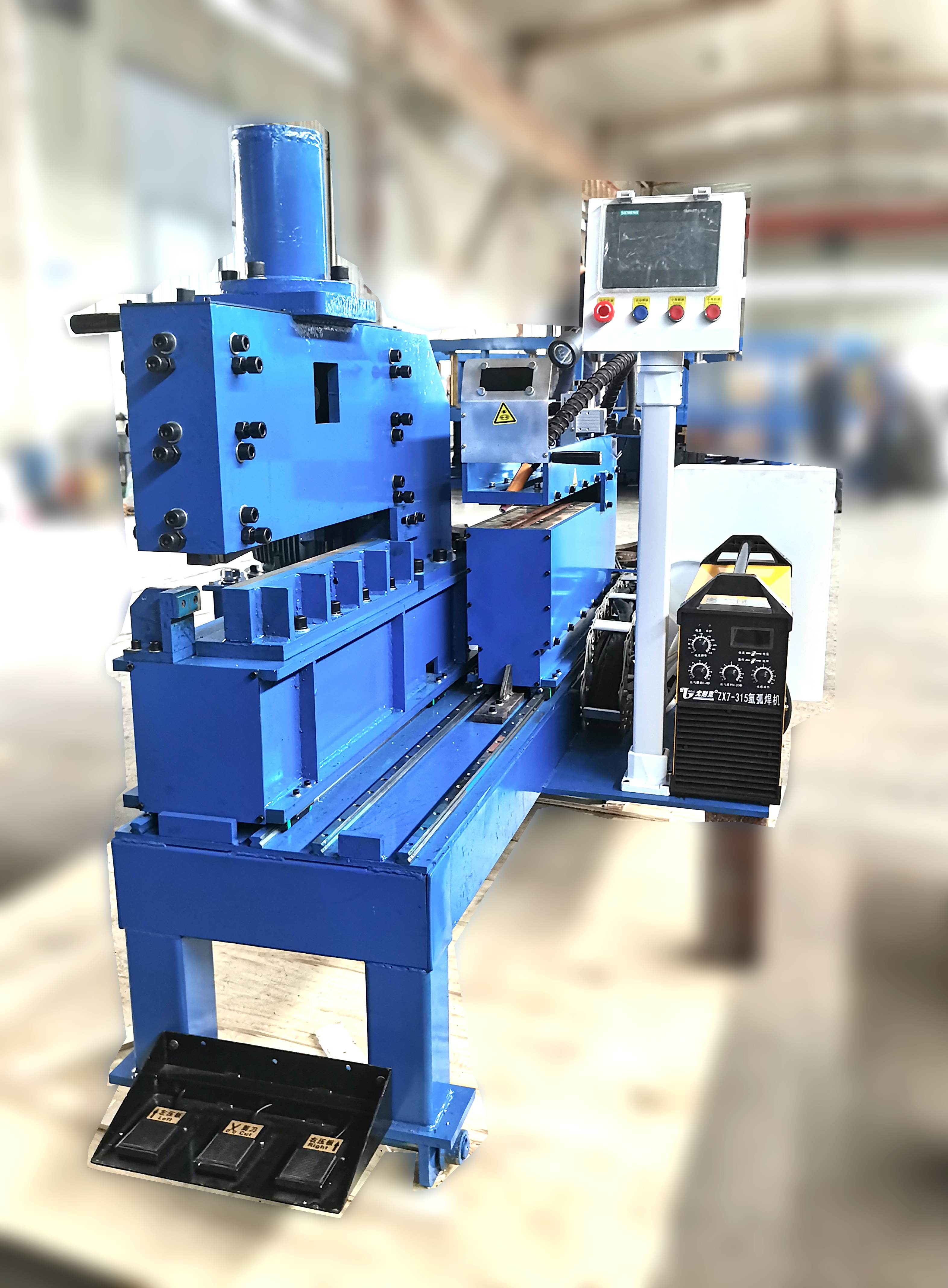
7. Technological Innovations in Pipe Rolling Mill Design
Industry 4.0 has brought smart features to the pipe rolling mill. Sensors monitor roll loads and vibrations in real time. Control systems adjust speeds automatically to maintain synchronisation. Some modern pipe rolling mills even include predictive maintenance alerts, notifying staff before a component fails. SANSO incorporates these innovations into their mill designs, helping customers stay competitive.
8. Environmental and Efficiency Considerations
Today’s pipe rolling mill also focuses on sustainability. Efficient drives reduce energy consumption. Closed-loop cooling systems for rolls minimize water waste. Additionally, modern mills are designed to use lighter rolls, which lowers the inertia and saves power during acceleration. When planning a new line, evaluating the environmental footprint of your pipe rolling mill is becoming standard practice.
The pipe rolling mill remains a cornerstone of welded tube production. From forming to final sizing, its performance directly affects product quality and operating costs. Companies that invest in advanced rolling technology gain an edge through higher efficiency and lower waste. SANSO continues to support this evolution by providing reliable, innovative pipe rolling mills tailored to the needs of modern tube manufacturers.
Frequently Asked Questions (FAQ)
Q1: What exactly is a pipe rolling mill?
A1: A pipe rolling mill is a set of rolling stands used to gradually form a flat steel strip into a tube and then size it to precise dimensions. It is a core part of ERW and other welded pipe production lines.
Q2: How does a pipe rolling mill differ from a tube mill?
A2: A tube mill is the complete line that includes uncoiler, forming, welding, and cutting. The pipe rolling mill specifically refers to the rolling stands that perform forming and sizing within that line.
Q3: What materials can be processed on a pipe rolling mill?
A3: Most pipe rolling mills handle carbon steel, stainless steel, and some high-strength alloys. The roll material and drive power must be matched to the strip grade.
Q4: How often should rolls in a pipe rolling mill be changed?
A4: It depends on production volume and material. For high-volume lines, rolls may be changed weekly for regrinding. Lower-volume lines might run for months. Regular inspection is key to deciding the interval.
Q5: Can a pipe rolling mill produce non-round shapes?
A5: Yes, with appropriate roll tooling, a pipe rolling mill can produce square, rectangular, or other profile tubes. Universal mills are especially suited for shape rolling.
Q6: What safety features should a pipe rolling mill have?
A6: Look for guards over rotating parts, emergency stops along the line, and interlocked access doors. A safe pipe rolling mill also includes nip-point protection and clear warning labels.
Q7: How does SANSO support its pipe rolling mill customers?
A7: SANSO offers comprehensive support including installation supervision, operator training, spare parts supply, and remote diagnostics. They work closely with each customer to optimize the pipe rolling mill for their specific production needs.