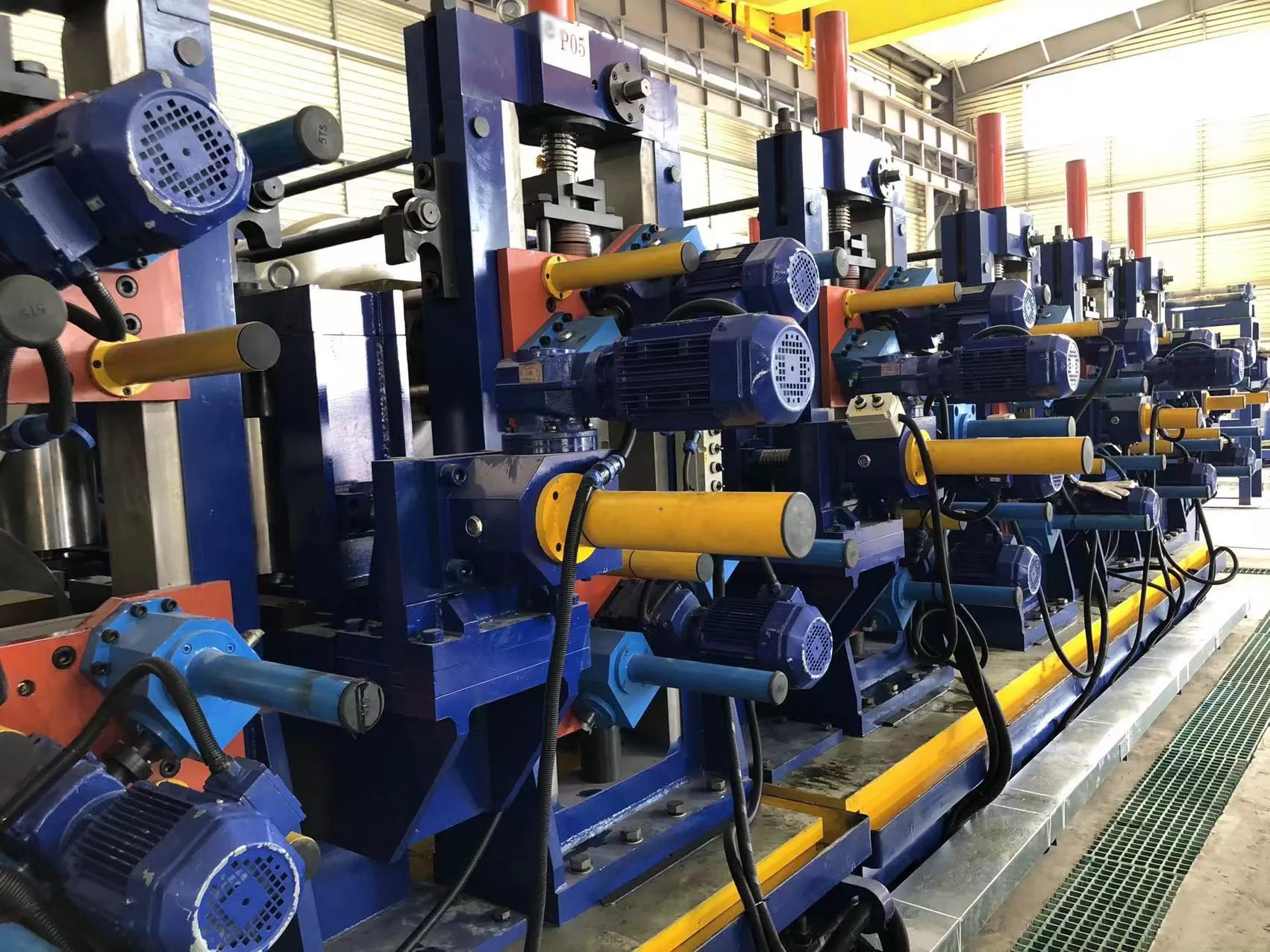
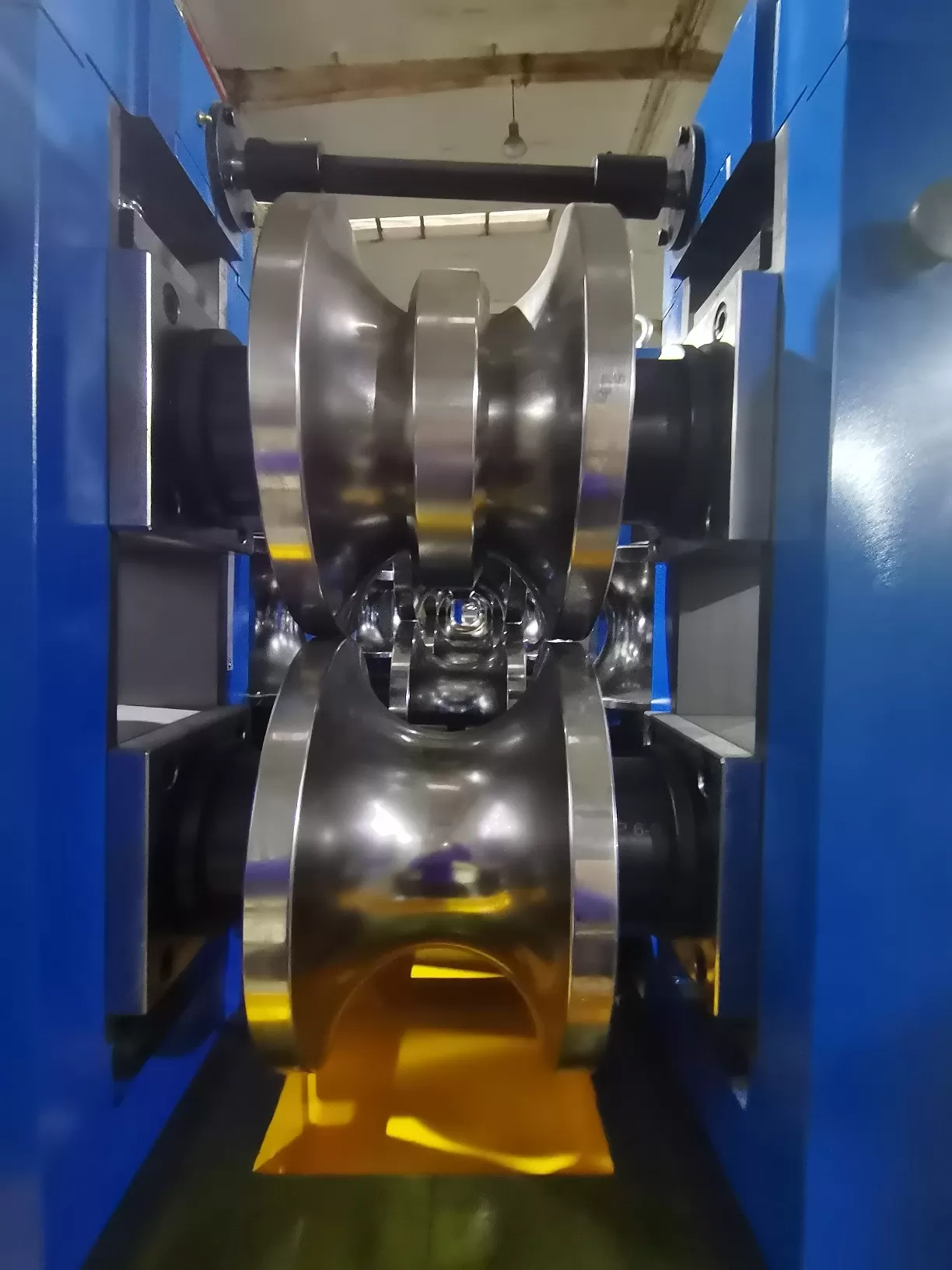
Industrial metal buckles, clamps, and pipe fasteners are essential components
for welded tube assemblies, scaffolding systems, and automotive exhaust
supports. Producing these parts at high speed while maintaining dimensional
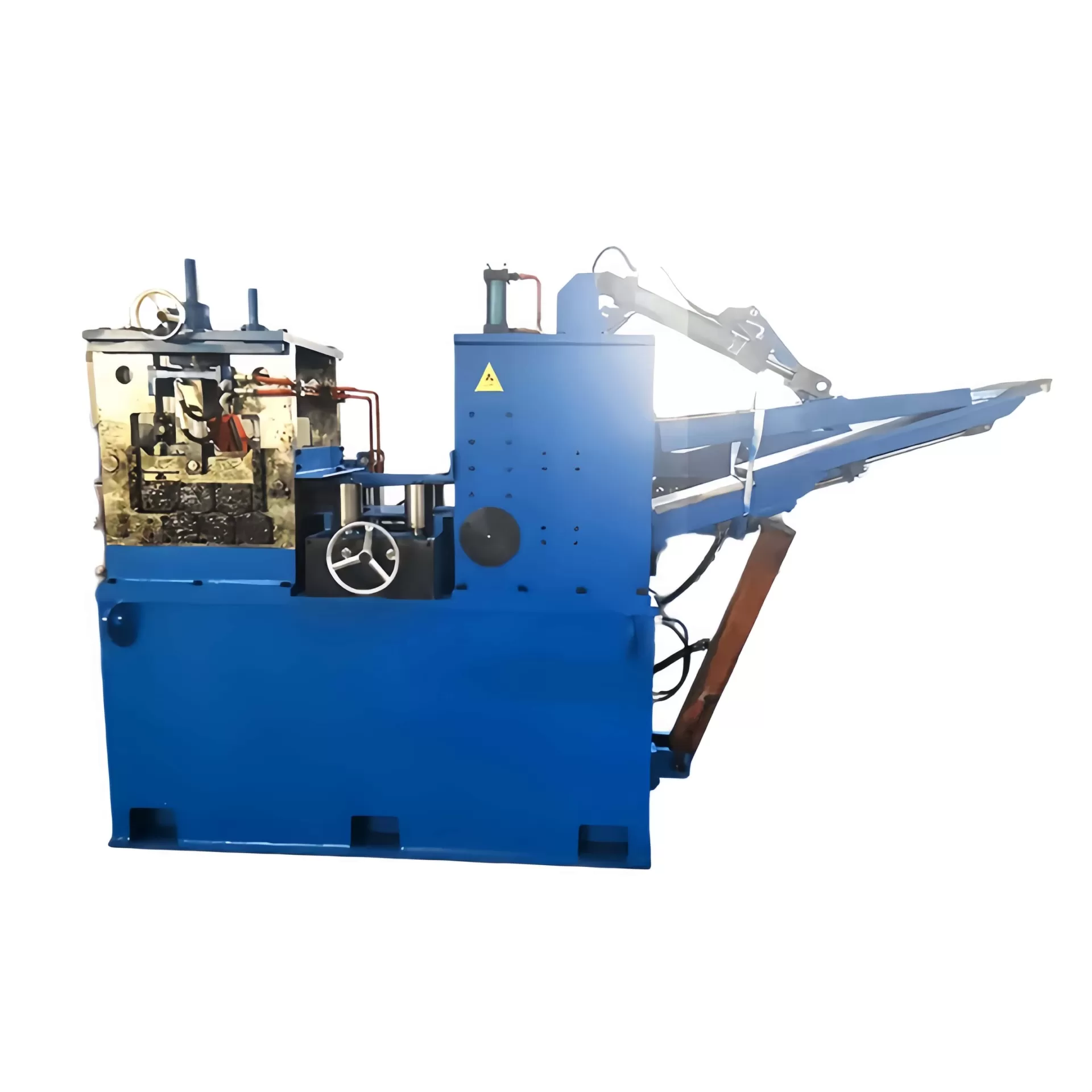
consistency demands specialized equipment. A Buckle making
machine differs from standard punching presses because it
integrates coil feeding, progressive die forming, straightening, and cutoff into
one continuous flow. For manufacturers who supply pipe hanger buckles or cable
management clips, the choice of forming platform directly affects material
utilization, tooling longevity, and part rejection rates.
With over two decades in metal forming line integration, SANSO provides heavy-duty
buckle manufacturing cells that handle strip widths from 30 mm to 200 mm and
thicknesses up to 4.0 mm in high-strength steel. This article outlines core
mechanical architectures, common production bottlenecks, and selection criteria
rooted in real shop-floor metrics—avoiding generic marketing claims and focusing
on verifiable engineering principles.
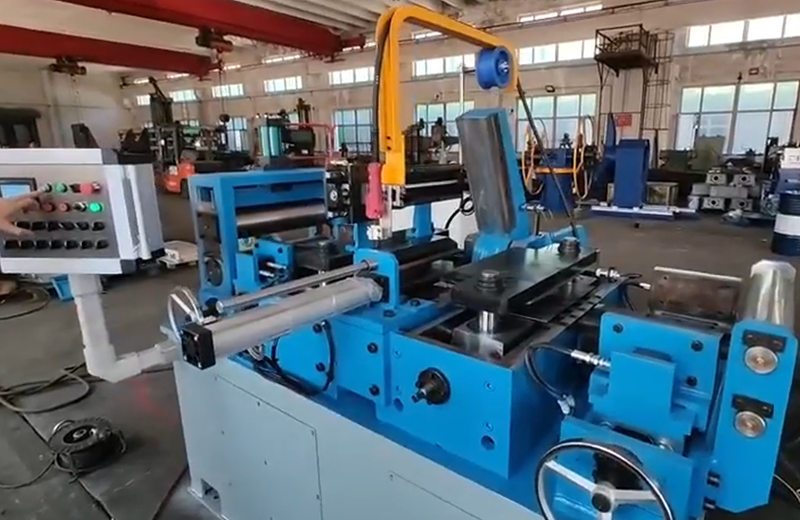
Core Mechanical Architecture of a Modern Buckle Making Machine
Understanding the subsystems of a Buckle making
machine helps engineers diagnose inefficiencies and specify
appropriate upgrades. A well-designed unit comprises five critical stations:
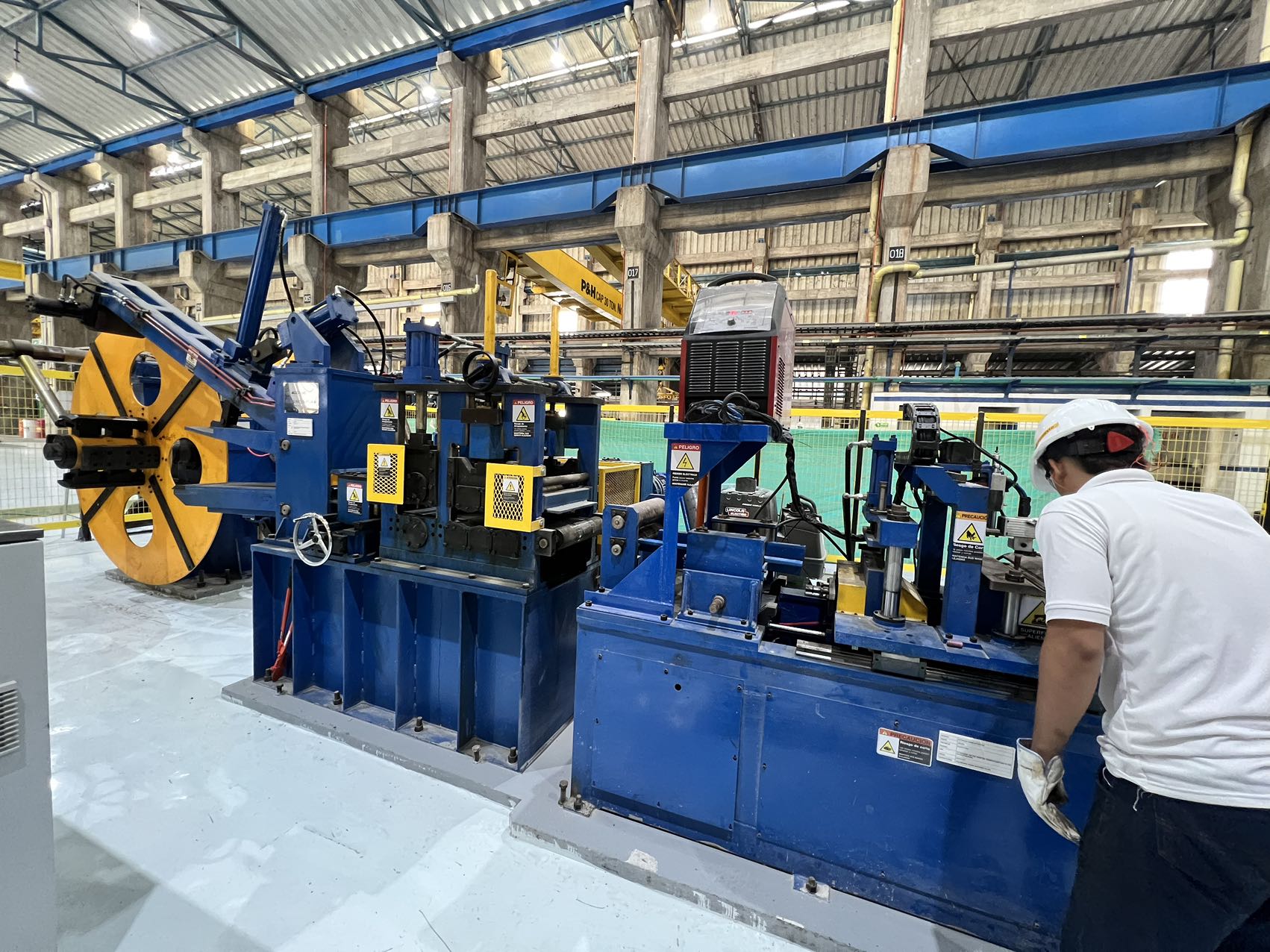
Double-head decoiler & servo straightener: Handles coil
weights up to 1500 kg while removing residual curvature. Closed-loop loop
control maintains tension-free material entry into the die area.
Hydraulic feeding & roll-feed system: Servo-driven
rollers with encoder feedback achieve feed accuracy within ±0.08 mm, essential
for multi-stage progressive dies.
High-rigidity C-frame press station: Available from 50 to
200 tons, with six-post guide bushings and force monitoring to detect punch wear
before scrap occurs.
Tooling cassette for buckle geometry: Quick-change modules
for different buckle widths (20–80 mm), hole patterns, and embossing depths.
Tool steel inserts with TiAlN coating extend die life for abrasive materials
like galvanized steel.
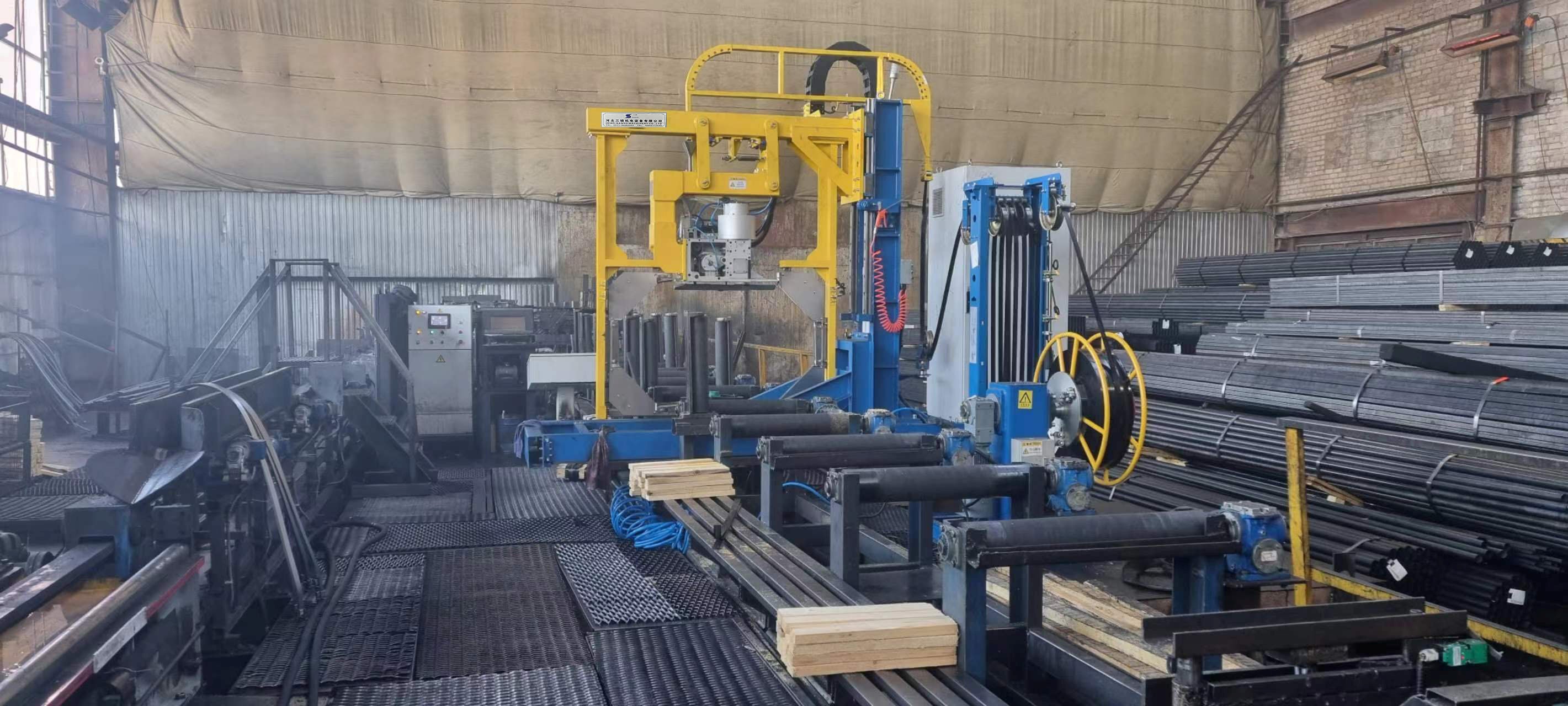
Automatic part ejection & stacking system: Vibratory
bowl or belt conveyor with counting sensor, reducing manual handling and
preventing surface scratches.
Integrated lubrication units apply micro-oil mist to both strip edges and die
surfaces, lowering friction by 35% compared to dry stamping. For manufacturers
running two shifts, this translates directly into extended tooling intervals and
fewer unplanned stops.
Industry Applications – Beyond Standard Tubular Products
While many associate buckle forming with pipe hangers, modern equipment
serves multiple sectors. SANSO has delivered lines for
the following demanding applications:
Welded tube ancillary parts: U-bolt buckles, saddle clamps,
and band straps used to secure round or rectangular tubes in structural
frames.
Automotive conduit retainers: Spring-steel buckles for
brake line fastening, requiring strict edge burr control below 0.05 mm.
HVAC duct support clips: Large-format buckles with multiple
locking tabs, produced at 80 strokes/minute from pre-painted coil.
Industrial conveyor belt lacing: High-cycle buckle strips
where fatigue resistance depends on consistent bend radius from the forming
station.
Each scenario demands specific modifications: rubber-coated feed rollers for
painted coils, carbide inserts for abrasive materials, or servo-adjustable
forming height for asymmetrical buckle designs. A generic press brake or turret
punch cannot achieve the same efficiency because progressive dies in a dedicated
Buckle making
machine complete all cuts, bends, and embossing in one cycle.
Integration with Welded Tube Production Lines
For tube mills producing standard profiles, installing a buckle forming line
directly after the tube cutting station creates a just-in-time subcomponent
supply. The buckle machine receives scrap edge trim or separate coil material,
forming parts synchronized with tube output. This layout reduces warehouse space
for fastener inventory and eliminates secondary handling. SANSO provides signal
interfaces (Profinet, EtherCAT) that allow the buckle machine to start/stop
based on tube mill accumulation sensors, preventing material waste.
Key Pain Points in Traditional Buckle Manufacturing and Engineered
Fixes
Job shops relying on off-line punching or hydraulic presses face five
recurring issues, each addressed by modern dedicated lines:
Inconsistent hole-to-edge distance: Manual coil feeding
causes pitch errors. Solution: Servo roll-feed with auto-correction
based on optical edge detection; closed-loop ensures position repeatability
within 0.1 mm.
Short tooling life when forming high-tensile steel (e.g., 590
MPa): Standard D2 tooling fractures after 50k strokes.
Solution: Powder metallurgy dies with cryogenic treatment, combined
with controlled stripping force and adjustable punch penetration depth.
Long changeover between buckle sizes: Traditional setups
require shimming and die alignment for 90 minutes. Solution: Cassette
tooling with pre-aligned guide pins and hydraulic clamping; complete change in
under 12 minutes including feeder adjustment.
Surface scratches on zinc-coated strip: Roller wear
particles embed into soft coatings. Solution: Polyurethane-coated feed
rollers and non-marking side guides with air blow-off for debris removal.
High scrap rates from springback variation: Material temper
differences lead to inconsistent buckle opening angles. Solution: Adaptive overbending calibration using a servo-driven bottom dead center
adjustment with real-time tonnage feedback.
Quantifiable improvements after upgrading to a purpose-built Buckle making
machine include scrap reduction from 4.2% to below 1.5% and tooling
cost per thousand parts decreased by 62% in documented cases (internal field
data).
Selecting the Right Buckle Making Machine – Core Specifications to
Evaluate
When preparing a request for quotation, focus on measurable parameters that
influence output and reliability. Avoid vague “heavy duty” claims; demand the
following data points from any supplier:
Maximum material yield strength & thickness: Machine
frame and feeding system must handle up to 800 MPa tensile with 3.5 mm thickness
without deflection exceeding 0.02 mm/m.
Production rate in strokes per minute: For progressive
dies, 120–180 SPM is typical for small buckles (25 mm length); larger parts (80
mm) range 50–80 SPM. Confirm sustained speed under full load.
Die shut height adjustment range: At least 80 mm motorized
adjustment for accommodating different buckle depths without manual shims.
Stripping force and overload protection: Hydraulic overload
system with pressure transducer that stops the ram within 5 ms if die locking
occurs – preventing expensive tool damage.
Coil width and outer diameter capacity: 200–600 mm OD, with
optional expansion mandrel for heavy coils up to 2000 kg.
SANSO engineers provide a
verification matrix during the selection phase, including finite element
analysis of the press frame at maximum tonnage and real-time vibration logging
to identify potential resonance zones. This level of detail avoids later issues
with chatter marks on buckle surfaces.
Servo-Driven and Automated Systems for Higher Overall Equipment
Effectiveness
Replacing conventional flywheel presses with servo-electric or hybrid drives
brings measurable advantages for buckle production. A servo Buckle
making machine allows programmable ram motion profiles: slow approach
to contact the strip, high-speed forming, and controlled release to minimize
snap-through impact. Benefits documented in multi-year shop operations:
Energy reduction: Servo drives consume power only during
forming cycle; idle periods draw near zero, cutting electricity use by up to 47%
compared to constant-running clutched presses.
Adjustable stroke length: For shallow embossing operations,
shorten stroke to increase cycles per minute by 25% without increasing peak
forces.
Integrated quality reporting: Each stroke records tonnage
peak and bottom dead center position; outliers trigger an automatic stop before
producing non-conforming buckles.
Remote diagnostic access: Modern controllers (Beckhoff or
Siemens) allow process engineers to review historical SPM trends, tool wear
signatures, and feed accuracy remotely.
For manufacturers running mixed-model buckle families (e.g., 30 mm round pipe
clamps switching to 50 mm flat buckles), recipe storage in the HMI recalls all
forming parameters – feed length, press speed, lubrication intervals –
eliminating setup errors. Automated stacker counter tracking also feeds directly
into ERP systems for just-in-time inventory management.
Frequently Asked Questions About Buckle Making Machines
Q1: What material thicknesses can a standard buckle making
machine process without sacrificing speed?
A1: Most industrial-grade machines handle 0.8 mm to 4.0 mm
for mild steel (A36, S235JR) and up to 2.5 mm for stainless steel 304. For
high-strength low-alloy (HSLA) up to 700 MPa, thickness should stay below 3.0 mm
to preserve die life above 500,000 strokes. Servo-driven feeders maintain speed
consistency across this range; however, material yield strength directly
influences maximum strokes per minute—higher strength requires 15–20% slower
rates to control springback.
Q2: How do I determine the required tonnage for a new buckle
forming application?
A2: Tonnage requirement depends on the total cutting
perimeter (length of all trimmed edges) plus bending forces. A practical
estimation: multiply the material thickness (mm) by total shear length (mm) and
material shear strength (MPa), then add 20% for bending. For example, a buckle
with 150 mm shear perimeter in 2 mm steel (shear strength ~350 MPa) would need
about 105 kN shear force plus bending. Choose a press rating at least 30% above
calculated value to accommodate dull tools and material variation. Always have
the die supplier provide validated tonnage simulation.
Q3: Can a buckle making machine run simultaneously with a
welded tube mill using the same coil material?
A3: Yes, but careful synchronization is needed. Many tube
mills produce edge trim that can be fed into a separate buckle machine. However,
wider buckles require dedicated coil feeding. SANSO offers a synchronized
line where the buckle machine's decoiler pulls material from a secondary
spindle, with the mill's main controller coordinating acceleration/deceleration
ramps. This prevents tension mismatch that would cause strip buckling between
machines. For critical applications, add a dancer arm accumulator to decouple
the two processes.
Q4: What is the typical tooling life when producing
galvanized steel buckles at 100 strokes per minute?
A4: Using powder metallurgy tool steel (e.g., Vanadis 4
Extra) with AlCrN coating, expect 1.2 to 1.8 million strokes before requiring
re-sharpening when working with 1.5–2.5 mm zinc-coated material. The abrasive
zinc layer reduces die life by 20–30% compared to uncoated steel. Regular
lubrication with low-viscosity stamping oil (applied via micro-spray) extends
intervals by 40%. Implement a predictive change schedule based on tonnage
monitoring—when peak force increases 12% above baseline, schedule tool
maintenance.
Q5: How does a servo-driven buckle making machine compare
with a pneumatic press for high-volume orders?
A5: Pneumatic presses are limited to lower forces (typically
under 30 kN) and have inconsistent speed due to air pressure variation. For
industrial buckle production requiring hole punching and forming in one stroke,
servo presses offer programmable motion curves, consistent cycle-to-cycle force,
and 50% lower air consumption. Servo machines also provide full tonnage at any
ram position, whereas pneumatic units lose force at deeper penetration. For
volumes above 500,000 parts per month, the servo type shows lower cost per part
through reduced scrap and faster setup.
For
detailed specifications, application engineering support, or to discuss a custom
Buckle making
machine layout for your coil stock and buckle family, send your
inquiry to the SANSO forming team. Include
your material grade, buckle drawing, and target output rate to receive a
technical proposal and cycle time simulation.