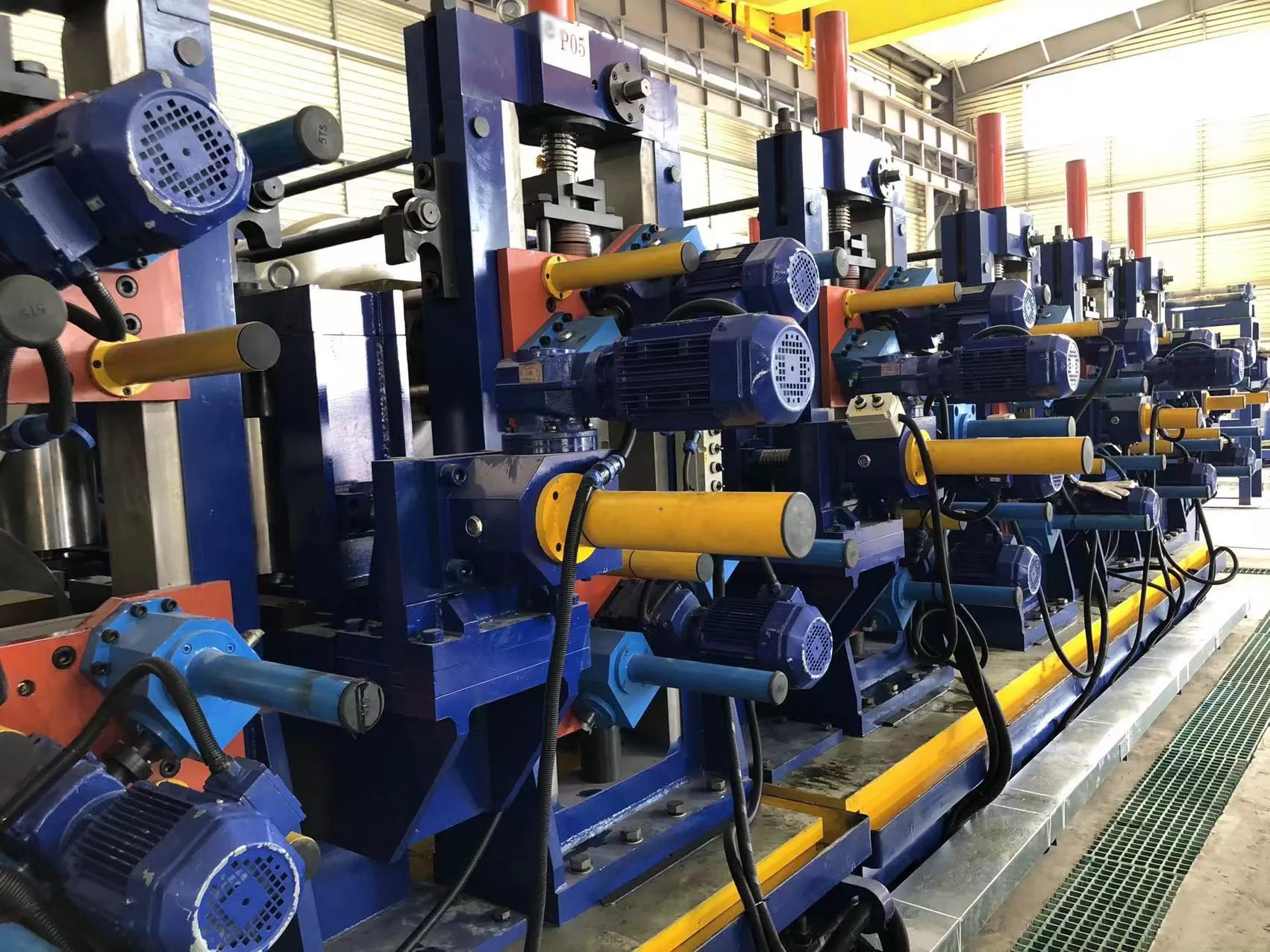
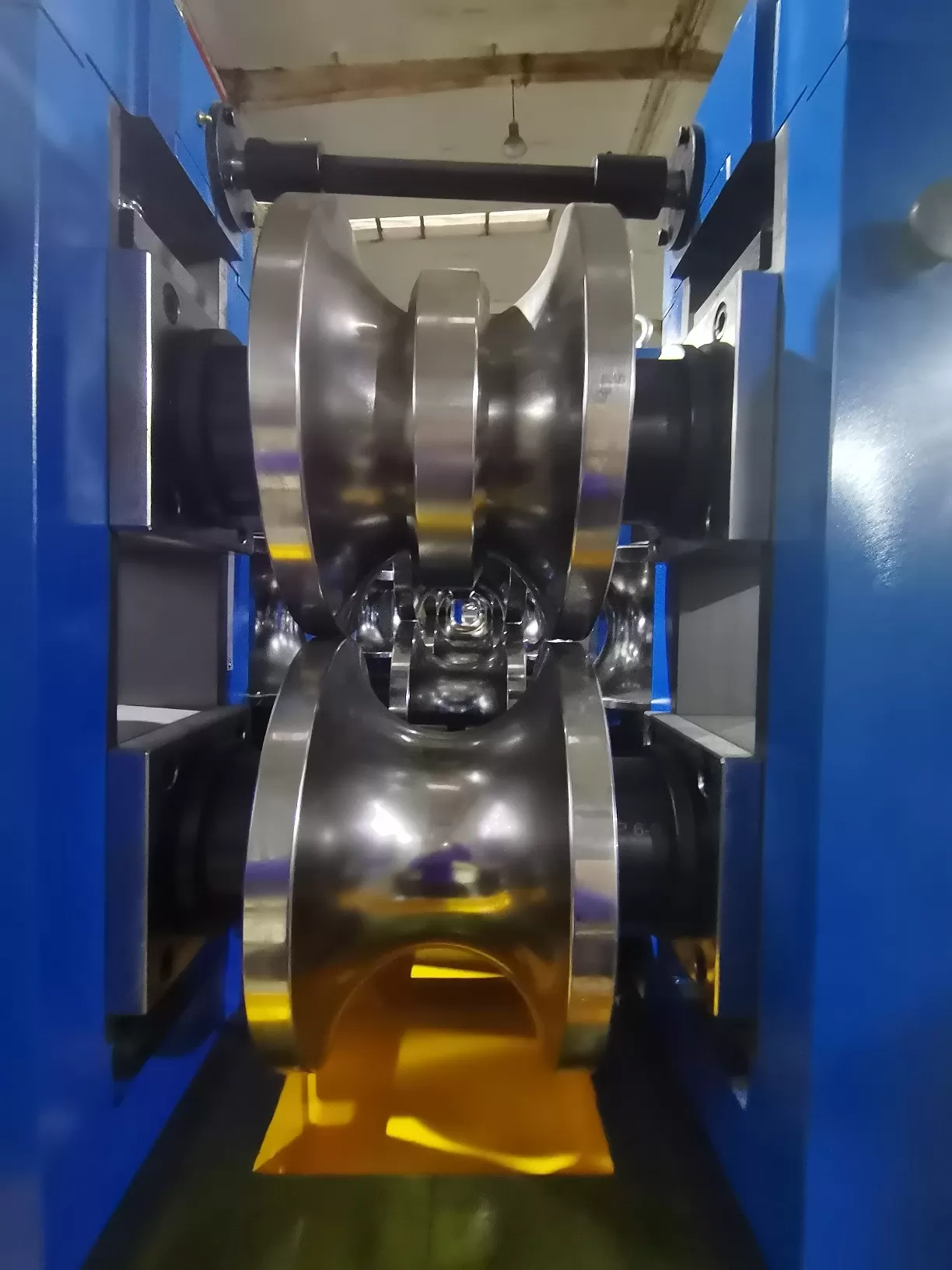
In modern steel tube manufacturing, the finishing stage determines the
operational throughput of the entire production plant. When high-frequency
welded tube mills run at high line speeds, the end-of-line processes must keep
pace. The integration of a reliable finishing system is vital for maintaining
continuous output. Many manufacturers experience severe bottlenecks during the
final phase of processing, where manual strapping and stacking fail to match
mill speeds. Utilizing an advanced, automated pipe packing
machine addresses these issues by transitioning raw output into
structured, ready-to-ship bundles. As an industry leader in tube mill
manufacturing, SANSO designs machinery that
bridges the gap between high-speed forming and safe, efficient packaging.
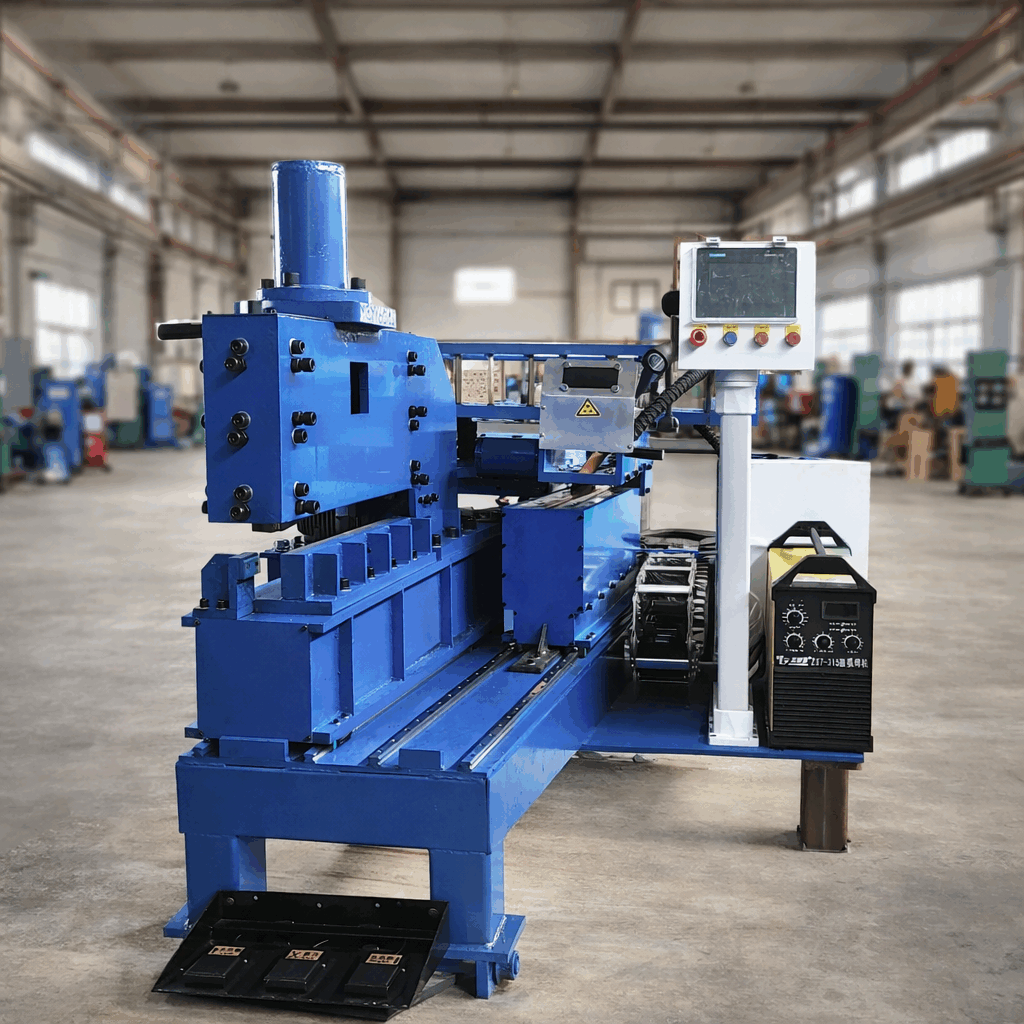
Operational Challenges in Heavy-Duty Pipe Handling
Finishing floor operations are often plagued by structural inefficiencies.
Manual pipe collection, alignment, and binding introduce variables that
compromise workshop productivity. Below are the key challenges faced by mills
relying on manual or semi-automated finishing lines:
Surface Marring and Mechanical Damage: For stainless steel,
galvanized, or high-precision automotive tubes, surface finish is a primary
quality indicator. Manual handling or poorly calibrated mechanical sorting can
scratch, dent, or deform the tube walls, leading to rejected batches.
Labor Inefficiencies: Bundling heavy metal profiles
requires significant physical labor. Manual banding using handheld tensioning
tools is slow and poses physical strain issues for operators, resulting in
variable throughput over multi-shift operations.
Inconsistent Bundle Geometry: Achieving tight, stable
hexagonal or square shapes manually is difficult. Loose bundles frequently shift
during crane transit or flatbed shipping, presenting major logistics challenges
and material damage during transport.
Production Floor Congestion: If the finishing system cannot
process completed tubes as fast as the sizing section ejects them, the entire
mill line must slow down or temporarily halt. This disrupts thermal equilibrium
in the welding section and reduces overall yield.
How Automated Systems Resolve Production Bottlenecks
To eliminate finishing-floor blockages, automated systems replace manual
sorting with programmed handling kinematics. The core objective is to receive
individual tubes from the run-out table, organize them into layers, form a
stable geometric bundle, and secure the bundle with high-strength strapping or
protective wrapping.
During this process, the tubes travel across a series of transfer chains and
magnetic or mechanical distributors. Programmed alignment mechanisms push the
tube ends against a squaring plate, ensuring uniform bundle ends. For round
profiles, the system utilizes a specialized nesting program to arrange the tubes
into a tight hexagonal pattern—the most spatially efficient and stable geometry
for cylindrical objects. For square and rectangular profiles, a parallel
layering method creates neat square or rectangular stacks. This automated
transition prevents structural shifting, eliminates manual lifting, and ensures
that every package leaving the factory floor conforms to strict dimensional
standards.
Key Engineering Components of an Industrial Packaging Line
An industrial packaging line is a multi-stage mechanical system that relies
on synchronized sub-assemblies. Understanding these core components is key to
selecting the appropriate configuration for specific mill lines. A complete,
high-capacity pipe packing
machine typically incorporates the following functional zones:
1. Infeed Conveyor and Separating Unit
This unit receives individual tubes from the cutting saw's run-out table.
Singulating devices ensure that only one tube enters the alignment station at a
time, preventing overlaps and feed jams on the conveyor line.
2. Pipe Squaring and Aligning Station
Alignment rollers or end-pushing plates align the front or rear edges of the
pipes. This ensures neat bundle profiles, which is particularly important when
the pipes are loaded into shipping containers or onto transport trucks.
3. Counting and Layering Mechanism
Electromagnetic lifting arms or mechanical forks count a precise number of
tubes to form a single layer. The system pre-arranges the nested row before
lowering it into the bundling cradle. For non-magnetic materials like stainless
steel, vacuum suction systems or mechanical grabbers are utilized.
4. Bundling Frame and Cradle Assembly
This is where the geometric shape is formed. Adjustments can be made to
accommodate different outer diameter (OD) sizes and bundle configurations. For
hexagonal bundling, side guides adjust dynamically to the specific angle of the
nested layers.
5. Automatic Strapping Head
Once the bundle is formed, an automatic strapping head applies steel or
polyester (PET) strapping bands around the bundle. The head exerts high tension,
seals the strap via welding or crimping, and cuts the band. Multiple strapping
stations can be installed to secure different parts of the bundle
simultaneously.
6. Outfeed Buffer and Wrapping Stations
Fully strapped bundles are ejected onto heavy-duty chain conveyors. From
here, they can be directed to a secondary wrapping system or transferred
directly to the warehouse using overhead cranes.
Material-Specific Handling and Surface Preservation Strategies
Different industries require specific handling methods depending on the pipe
application and material properties. A standard approach does not fit all
production requirements:
Structural and Construction Tubing: Heavy carbon steel
pipes demand robust mechanical components. The handling equipment must withstand
high impact forces when dropping tubes into the bundling pocket, using
heavy-duty steel chains and hydraulic dampers.
Precision Automotive and Heat Exchanger Tubes: These
applications often utilize stainless steel, brass, or copper. The packaging
system must employ protective polymer coatings, polyurethane rollers, and nylon
straps to prevent metal-to-metal contact and preserve surface integrity.
Galvanized and Corrosive-Resistant Pipes: Outdoor storage
requires additional protection. Here, the packaging line integrates an automatic
wrapping module that applies stretch film, woven plastic, or crepe paper around
the bundle to shield it from atmospheric moisture during shipping and
storage.
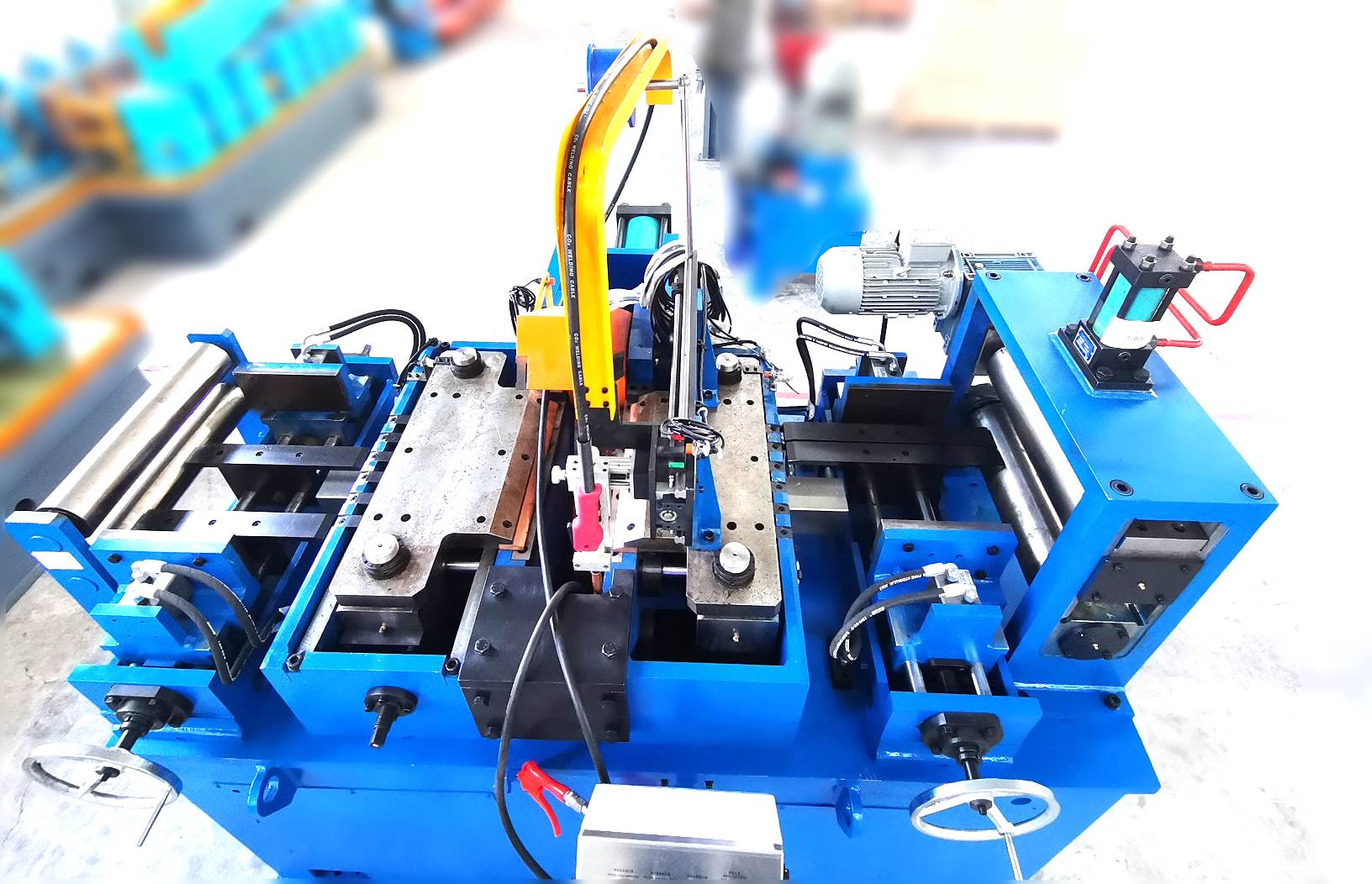
Synchronizing finishing automation with High-Speed Welded Tube Mills
A standalone packaging unit cannot operate at peak efficiency without
synchronized upstream control. Advanced machinery produced by manufacturers like
SANSO features
integrated Programmable Logic Controller (PLC) architectures that communicate
directly with the main tube mill's central computer.
When the mill adjusts its production speed or switches to a different tube
specification, the downstream pipe packing
machine automatically retrieves the recipe parameters. This
automated adjustment minimizes changeover times and coordinates speed matching,
ensuring that the finished product is managed continuously. Built-in sensors
monitor tube flow, detect potential misalignment, and provide real-time
diagnostic feedback, enabling maintenance teams to prevent unplanned
downtime.
Frequently Asked Questions
Q1: What pipe profiles can be processed by an automated packing
system?
A1: Modern automated systems can handle a wide variety of
profiles, including round, square, rectangular, and oval pipes. The machine's
control software adjusts the layering patterns and bundling cradle dimensions to
accommodate different geometries and outer diameters.
Q2: How does the packaging line prevent surface damage on sensitive
stainless steel or galvanized pipes?
A2: To protect high-finish surfaces, the systems utilize
non-marring contact points. This includes polyurethane-coated transfer rollers,
nylon lifting straps, and plastic-lined collection bins. Additionally, pneumatic
and hydraulic actuators are finely tuned to prevent hard impacts during the
sorting and layering stages.
Q3: What are the differences between steel strapping and PET
strapping for pipe bundles?
A3: Steel strapping offers extremely high tensile strength
and minimal elongation, making it suitable for very heavy, large-diameter steel
pipes. PET (Polyester) strapping is more flexible, resistant to rust, and safer
to cut during unpacking. It is widely used for light-to-medium weight tubes and
where surface scratching from metal bands must be avoided.
Q4: How does the packaging system handle varying pipe lengths within
the same production run?
A4: The aligning station uses adjustable end-stoppers and
sensor arrays to detect the actual length of each pipe. While standard bundles
require uniform lengths, the system can be programmed to align pipes to one side
or handle specific batch variations according to production requirements.
Q5: Can the automated bundling machine be retrofitted into an
existing manual tube mill line?
A5: Yes, automated packaging systems can be retrofitted into
existing mills. Engineers evaluate the layout of the existing run-out table,
available floor space, and the mill's maximum output speed to design a custom
integration plan that matches existing control systems and material flow.
B2B Project Collaboration and Inquiry
Selecting the correct post-mill packaging setup is an important decision for
steel tube manufacturers. Customization is necessary to match the machinery with
specific layout limits, product catalogs, and production outputs. As an
experienced manufacturer of high-precision tube mill equipment, SANSO provides tailored
engineering solutions to resolve finishing floor bottlenecks. If you are
planning to upgrade your finishing line or integrate a high-capacity pipe packing
machine into your current operations, contact our engineering team
to discuss your operational parameters and receive a detailed system
proposal.