Continuous welded tube production demands rigorous quality control. The rapid
speed of modern forming and welding operations requires instantaneous detection
of structural anomalies. In high-performance piping sectors—ranging from
automotive structural components to heat exchangers—the implementation of Eddy Current Testing
of Tubes has become a standard methodology for identifying surface
and near-surface imperfections. Heavy-duty manufacturing environments require
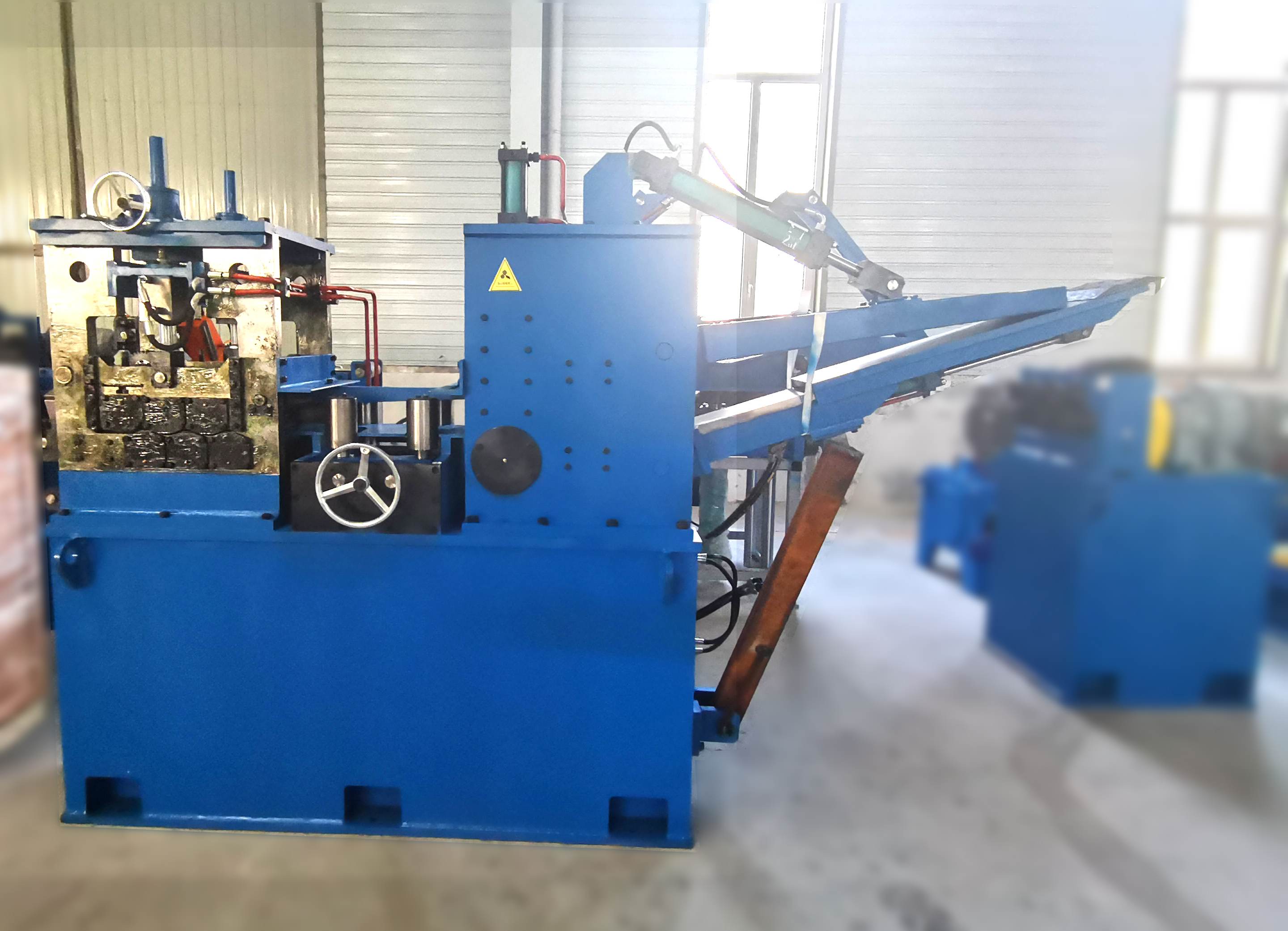
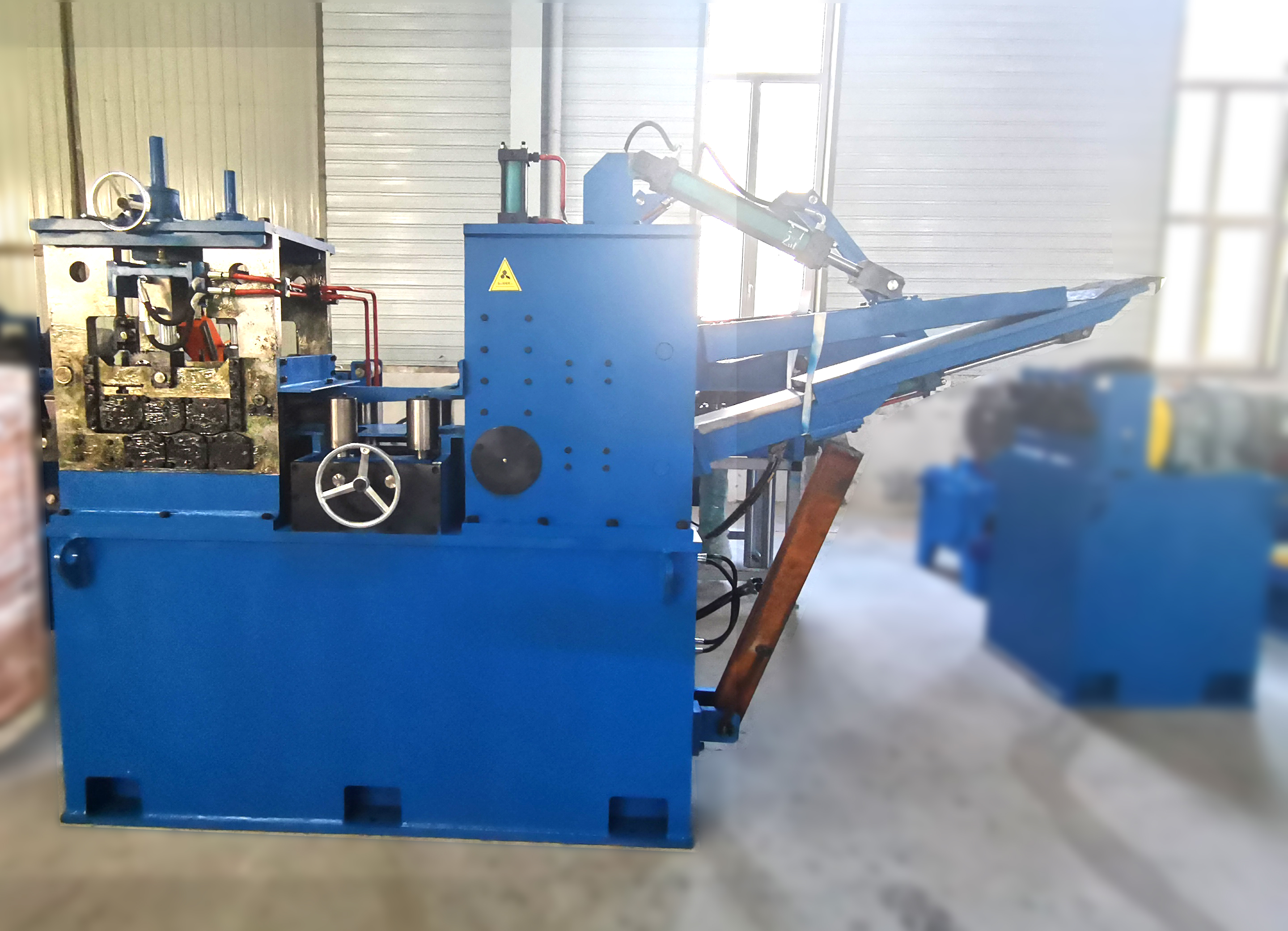
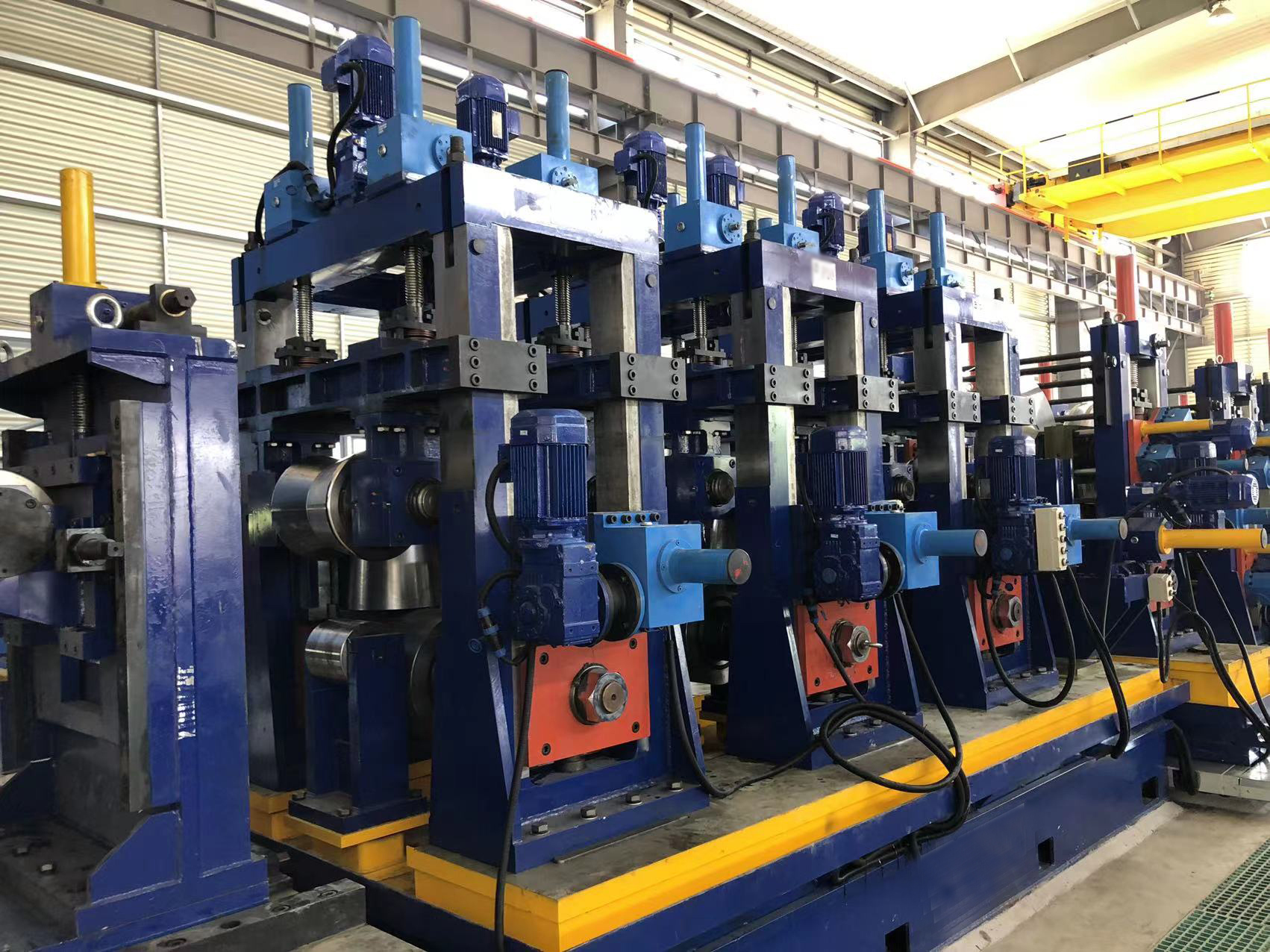
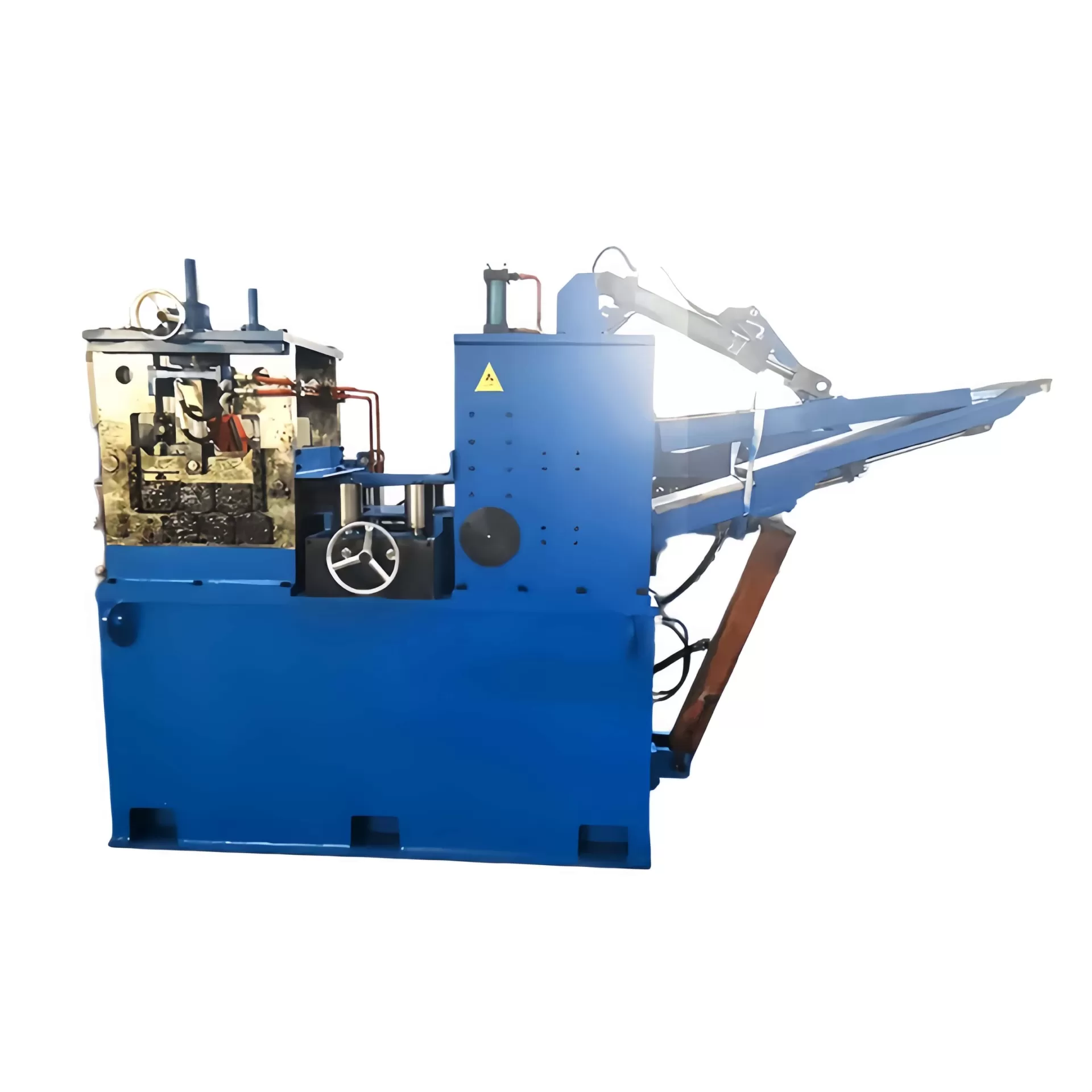
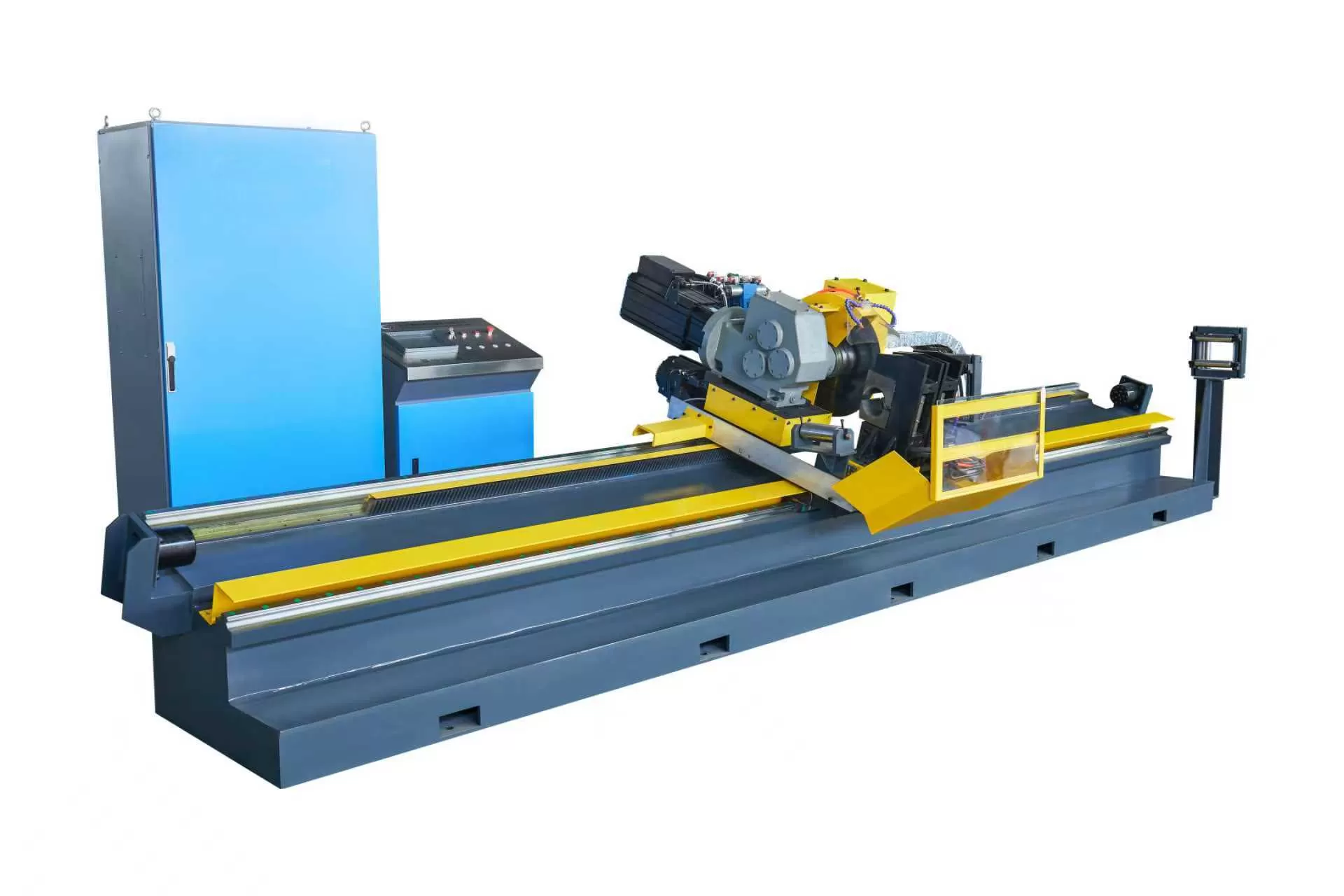
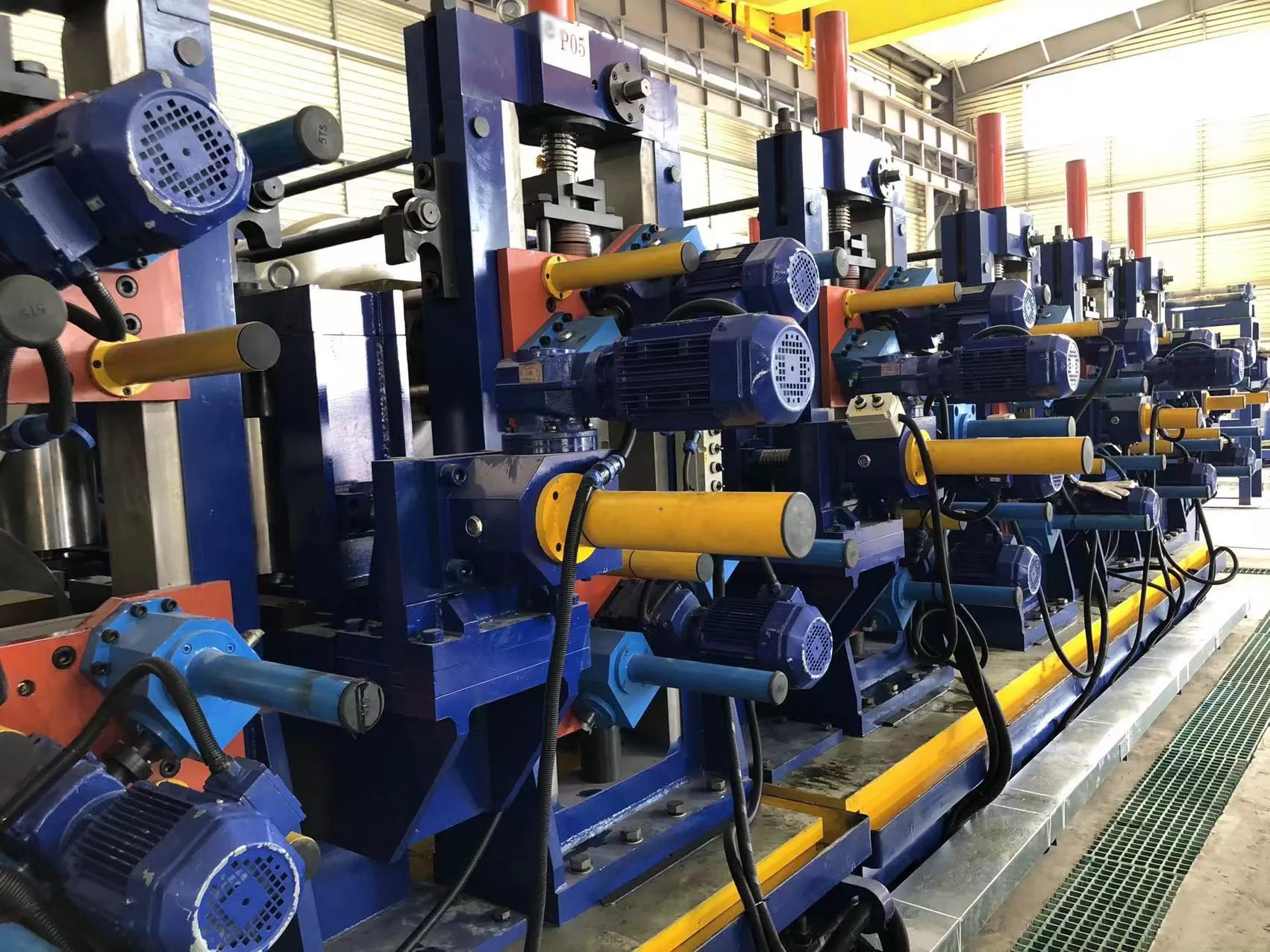
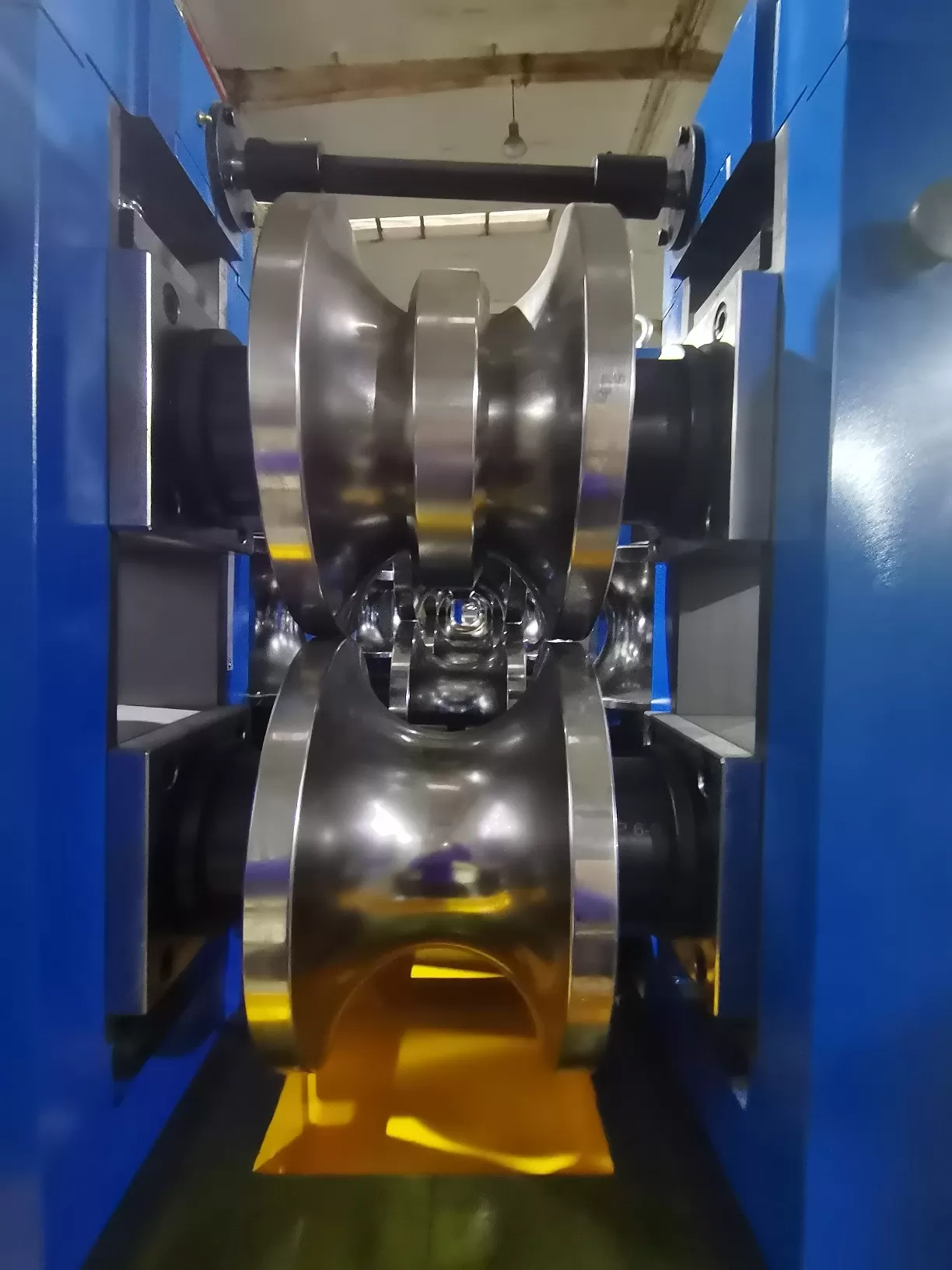
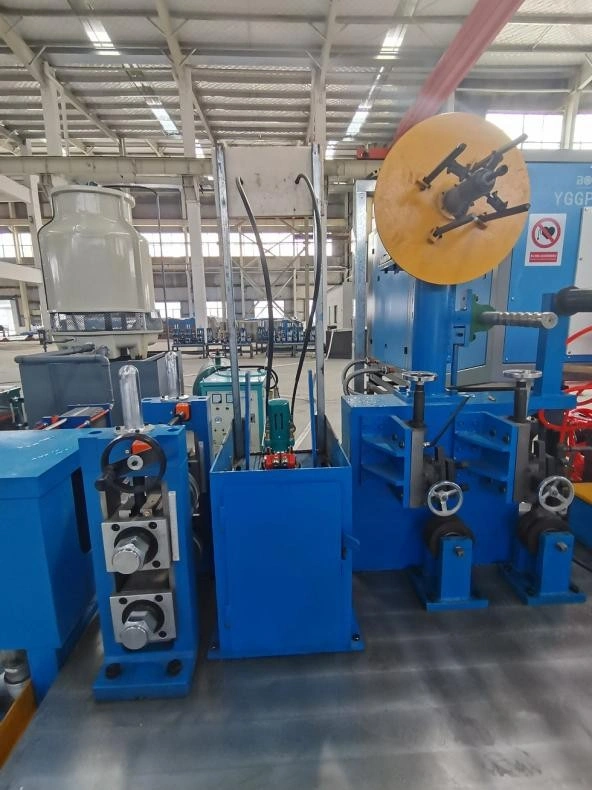
machinery that seamlessly integrates these inspection mechanisms. To achieve
this, machinery manufacturers like SANSO design tube
mills with robust mechanical foundations that minimize vibration and optimize
sensor alignment.
Implementing non-destructive testing (NDT) within a continuous manufacturing
line requires a balance of electromagnetic physics, mechanical precision, and
signal processing. By understanding the underlying mechanics of electromagnetic
induction and how different tube materials respond to induced currents,
manufacturers can significantly reduce scrap rates and maintain compliance with
international structural standards.
The Physics of Electromagnetic Induction in Tube Testing
How Eddy Currents are Generated
This electromagnetic inspection method operates on the principle of
electromagnetic induction. An alternating current flowing through an excitation
coil generates a primary magnetic field. When this field is brought near a
conductive material, such as a carbon steel or stainless steel tube, it induces
localized circular electrical currents known as eddy currents. These currents
generate their own secondary magnetic field, which opposes the primary field
generated by the coil.
The presence of structural variations, such as localized wall thinning,
pinholes, or weld seam discontinuities, disrupts the flow path of these induced
currents. This disruption alters the overall electrical impedance of the coil
system. By measuring these impedance variations, the testing equipment isolates
defect signals from background noise.
Impedance Plane Analysis and Signal Interpretation
Modern diagnostic systems display these impedance variations on a complex
impedance plane, characterized by phase angle and amplitude changes. The phase
angle is highly informative, as it allows operators to estimate the depth of a
detected defect. Surface defects yield different phase angles compared to
subsurface or internal flaws, enabling precise diagnostics during high-speed
production. By setting specific threshold gates on the impedance plane, the
system can automatically trigger sorting mechanisms or marking devices when an
anomaly exceeds acceptable limits.
Weld Seam Inconsistencies and Production Challenges
High-frequency induction (HFI) and laser welding processes operate at high
speeds, which can sometimes introduce microscopic variations in the weld zone.
Typical weld defects include:
Incomplete Weld Fusion: Occurs when the strip edges do not
reach the proper welding temperature or are subjected to insufficient squeeze
roll pressure.
Pinholes: Small gas pockets trapped during solidification,
often invisible to the naked eye.
Longitudinal Cracking: Stress-induced fractures occurring
along the heat-affected zone (HAZ) during the cooling phase.
Roll Marks and Mechanical Gouges: Caused by misaligned
tooling elements or damaged forming rolls.
Detecting these anomalies manually is practically impossible at production
speeds exceeding 50 meters per minute. Furthermore, delayed detection leads to
large volumes of non-conforming material, which compromises the efficiency of
the manufacturing facility. This is why automated inspection must occur
immediately downstream from the weld box and sizing sections.
Coil Architectures and Selection
Selecting the appropriate coil configuration is fundamental to the
performance of Eddy Current Testing
of Tubes. The choice depends on the specific geometry of the tube
and the suspected orientation of the defects.
Encircling Coils: These coils surround the entire
circumference of the tube. They are highly effective for detecting transverse
cracks, pinholes, and general wall thinning across the entire body. However,
they are less sensitive to tight longitudinal defects located specifically in
the weld seam.
Segment or Sector Probes: Positioned directly over the weld
seam area. These focus the magnetic flux precisely on the heat-affected zone,
providing superior sensitivity to longitudinal weld flaws without being
influenced by the properties of the parent metal.
Frequency Tuning and Penetration Depth
Frequency selection is dictated by the skin effect. The depth of penetration
of eddy currents is inversely proportional to the square root of the test
frequency, electrical conductivity, and magnetic permeability of the metal. For
non-magnetic stainless steel, higher frequencies are typically applied to
inspect thin walls with high sensitivity. Conversely, carbon steel requires
lower frequencies to overcome magnetic permeability barriers, or the use of
magnetic saturation units to temporarily render the material non-magnetic. This
ensures the eddy currents penetrate deeply enough to inspect the inner wall
surfaces.
Mechanical Integration on the Mill Line
The physical environment of a tube mill is characterized by vibrations,
thermal fluctuations, and the presence of cooling lubricants. These factors can
introduce significant signal noise, leading to false rejects. Integrating the
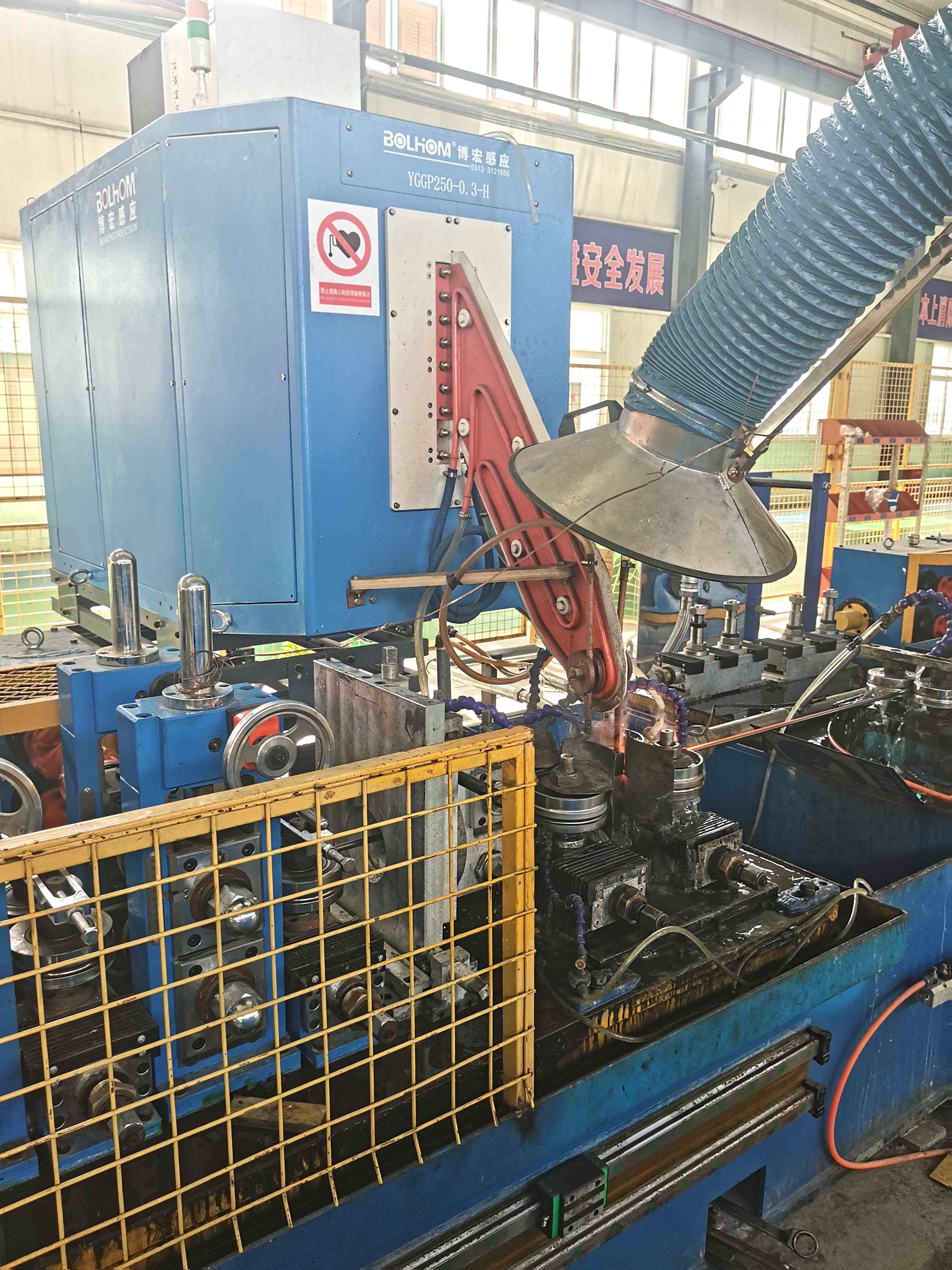
sensing heads requires a highly stable mechanical platform. This is why SANSO designs
customized, vibration-dampened mounting fixtures located directly after the
sizing stands. By maintaining a constant distance (known as lift-off) between
the probe and the moving tube, the system minimizes signal drift.
Additionally, downstream demagnetization is necessary when testing
ferromagnetic steels. Since the saturation yoke magnetizes the tube during
inspection, an alternating current demagnetization coil must be placed
immediately after the test head to restore the material's magnetic neutrality
before the cutting phase. This prevents issues during subsequent cutting,
chamfering, or welding operations in downstream processing.
Calibration Standards and Compliance Protocols
Reliable inspection relies on proper calibration. Standards such as ASTM E309
(for ferromagnetic tubes) and ASTM E426 (for non-magnetic alloys) govern the
standardized procedures for Eddy Current Testing
of Tubes to guarantee quality assurance. Calibration standards are
created using reference tubes of the same material, dimensions, and thermal
history as the production batch.
Drilled Holes: Thru-holes of precise diameters are drilled
to calibrate the system's sensitivity to volumetric defects like pinholes.
Longitudinal Notches: Electro-discharge machined (EDM)
notches are placed on both the outer and inner surfaces of the reference tube to
calibrate phase angle settings for depth evaluation.
Regular verification runs using these calibration standards ensure the
inspection system remains within acceptable tolerance limits throughout long
production shifts, providing stable and repeatable quality data.
Process Optimization and Operational Yield
A well-integrated inspection line does more than just reject bad material. It
provides real-time feedback to the mill operator. For instance, a progressive
increase in signal amplitude at a specific phase angle might indicate that the
welding electrodes are wearing down, or that the forming rolls are slowly losing
alignment. By identifying these trends early, operators can perform
micro-adjustments before major defects occur. Industry configurations from SANSO prioritize
continuous data logging, allowing quality control teams to correlate eddy
current signals with specific production parameters for complete batch
traceability.
Operational Consulting and System Integration
Selecting and configuring the correct non-destructive testing setup requires
a deep understanding of tube metallurgy, mill speed, and mechanical stability.
If you are planning to upgrade your existing production line or establish a new
high-speed tube mill facility, our engineering team can assist. We provide
customized configurations that integrate high-performance Eddy Current Testing
of Tubes into your production workflow. Contact our specialists
today to discuss your specific dimensional tolerances, material specifications,
and line speed requirements.
Frequently Asked Questions
Q1: How does magnetic permeability affect the inspection of carbon
steel tubes?
A1: Ferromagnetic materials like carbon steel possess high and variable
magnetic permeability, which severely limits the penetration depth of eddy
currents and creates massive background noise. To resolve this, a magnetic
saturation yoke is utilized to temporarily saturate the material, rendering its
relative permeability close to 1. This permits deeper field penetration and
clear defect detection.
Q2: What is "lift-off" and how does it influence testing
accuracy?
A2: Lift-off refers to the physical gap between the inspection coil and the
tube surface. Variations in this distance alter the electromagnetic coupling,
resulting in spurious signals that can mask actual defects. Stable mechanical
guiding systems are employed to maintain a constant lift-off during high-speed
tube transport.
Q3: Can this method detect defects on the inner wall of thick-walled
tubes?
A3: The capability depends heavily on the skin depth equation. For thicker
walls, lower testing frequencies must be applied to allow the eddy currents to
penetrate to the inner surface. However, lower frequencies reduce sensitivity to
small surface defects on the outer diameter. A balanced frequency strategy or
multi-frequency systems are often utilized for comprehensive coverage.
Q4: How does eddy current testing compare to ultrasonic testing for
welded tubes?
A4: Eddy current testing is highly suited for rapid, inline surface and
near-surface inspection, particularly for detecting weld seam surface cracks and
pinholes without requiring a liquid couplant. Ultrasonic testing, while suitable
for detecting deep sub-surface and volumetric defects in very thick walls,
typically requires water as a couplant and operates at lower line speeds.
Q5: Why is calibration with reference standards performed before
every production shift?
A5: Environmental variables such as temperature drifts, coil wear, and slight
changes in mill alignment can alter the system's baseline signals. Calibrating
with a reference tube containing known EDM notches and drilled holes ensures the
phase and amplitude settings are accurately mapped to actual defect geometries,
maintaining inspection reliability.