Pipe Tube Mill Systems: High-Frequency Welding Lines for ERW Pipe ProductionIn the metal forming industry, the pipe tube mill is the heart of any continuous welded tube production line. From small-diameter conduits to large structural pipes, these mills ensure precise forming, high-frequency welding, and consistent sizing. As a leading supplier, SANSO designs complete pipe tube mill systems that meet the demands of modern tube manufacturers.
What Is a Pipe Tube Mill and How Does It Operate?
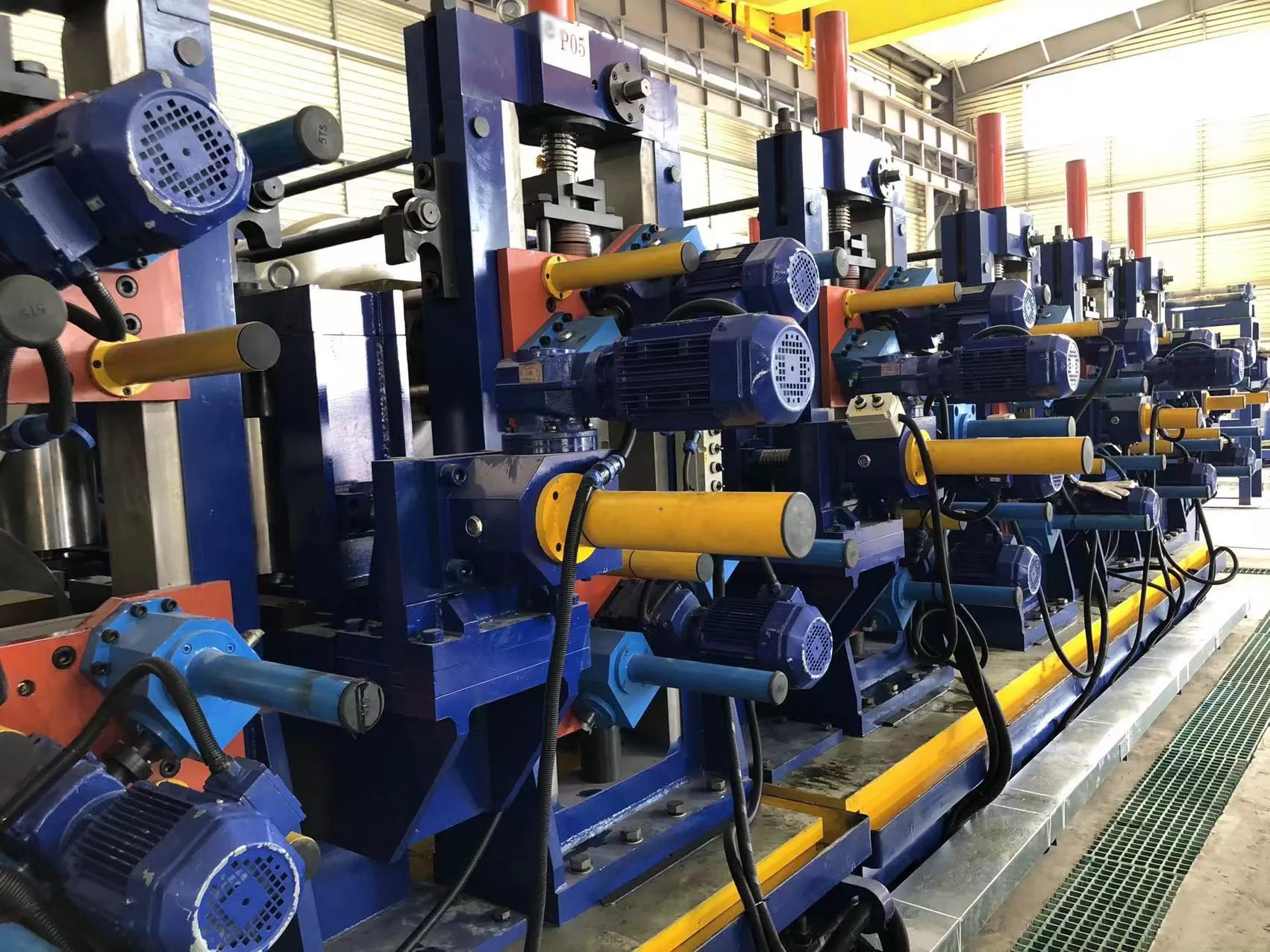
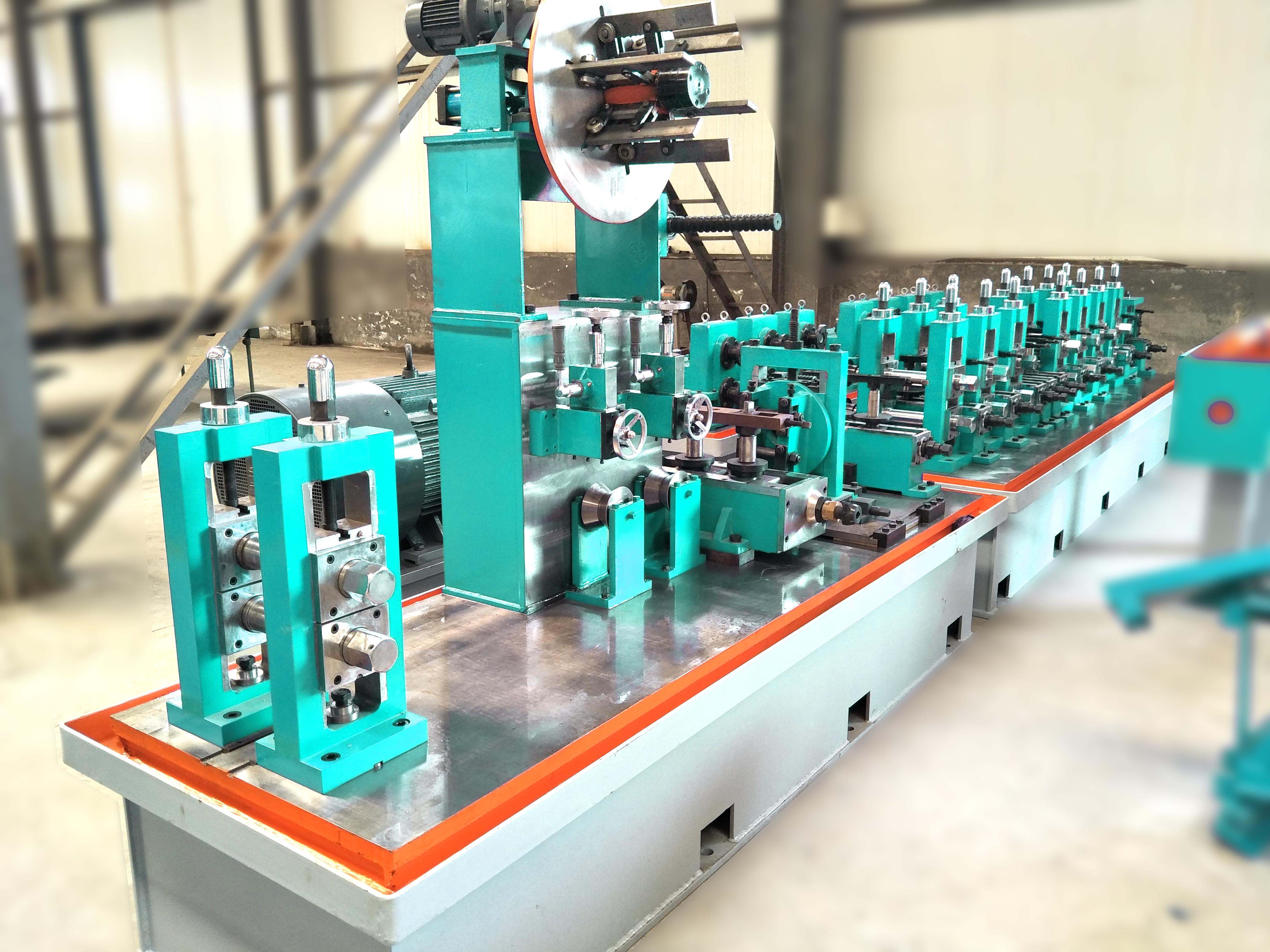
A pipe tube mill (often called an ERW tube mill) takes steel coil and transforms it into welded tubes through a continuous forming, welding, and sizing process. The operation starts with uncoiling the strip, then passing it through a series of forming rolls that gradually shape the strip into a cylindrical profile.
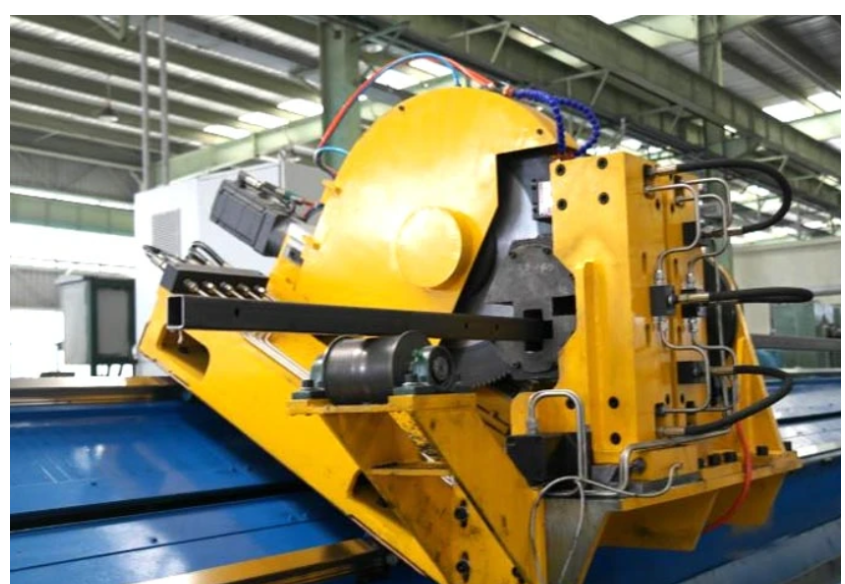
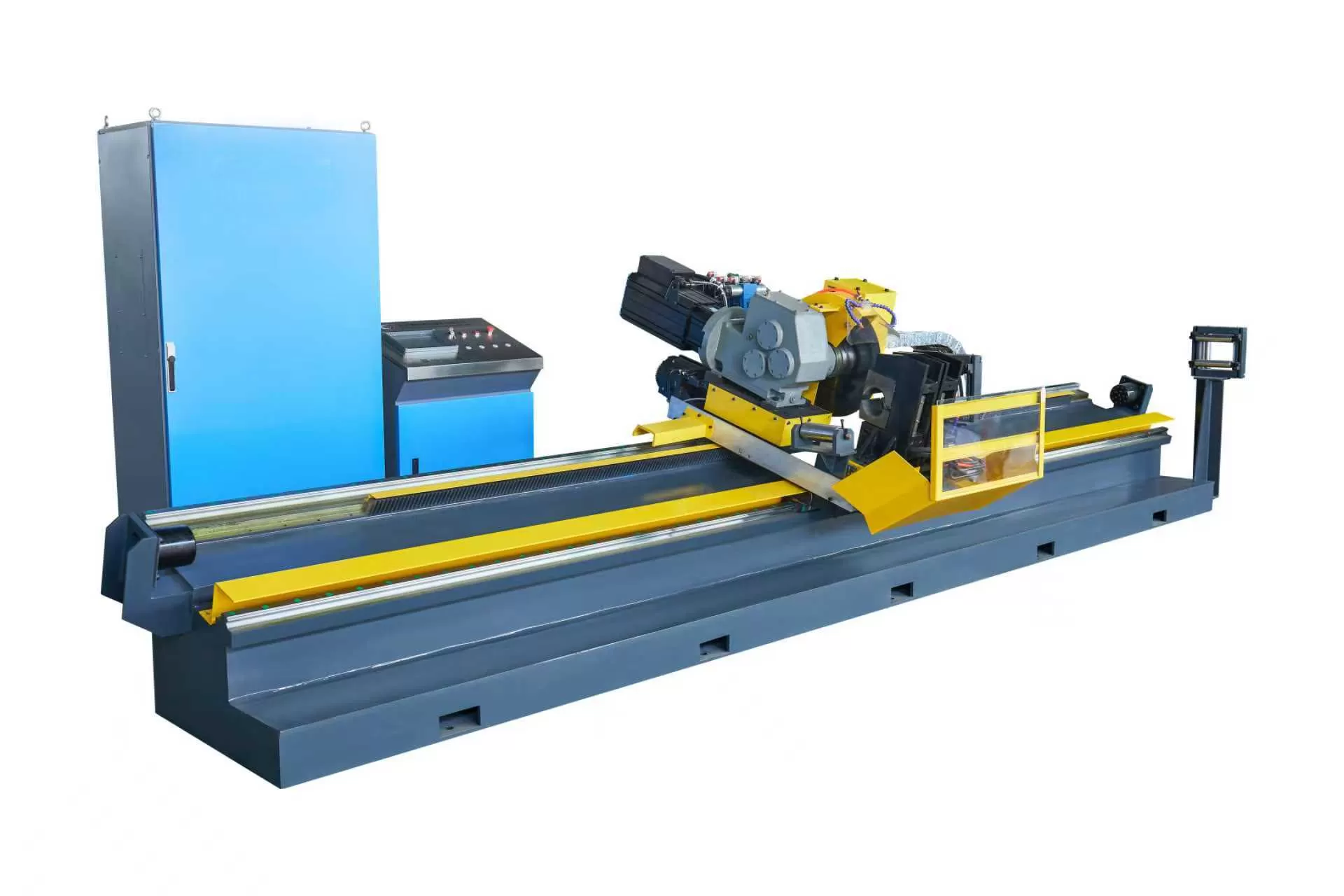
High-frequency induction or contact welding seals the edges, and the weld seam is immediately heat-treated and cooled. Finally, sizing rolls and a flying cut-off saw cut the tube to length. Modern lines run at speeds up to 120 m/min, maintaining tight tolerances.
Basic Working Principle of a Pipe Tube Mill
The coil is first accumulated to allow continuous operation. The strip edge is milled to prepare for welding. Forming cages (breakdown, fin-pass, and squeeze rolls) progressively shape the strip into an open pipe. The welding box applies high-frequency current to heat the edges to forging temperature, and squeeze rolls forge the seam.
After welding, the weld bead is removed (internal and external), and the tube passes through sizing and straightening stands. A flying saw cuts the pipe to programmed lengths without stopping the line.
Main Stages of a Tube Mill Process
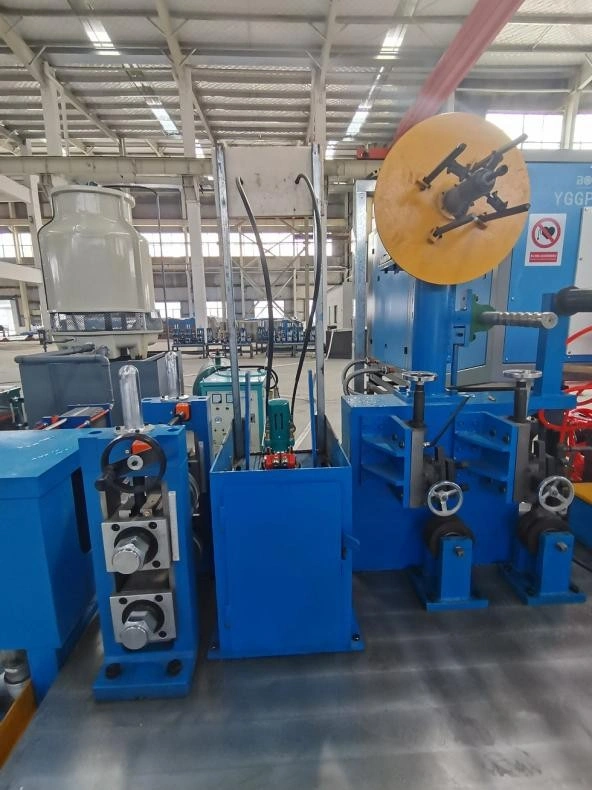
Uncoiling & Accumulation: Ensures continuous strip feed; loop accumulators store material during coil change.
Edge Milling: Prepares strip edges for defect-free welding.
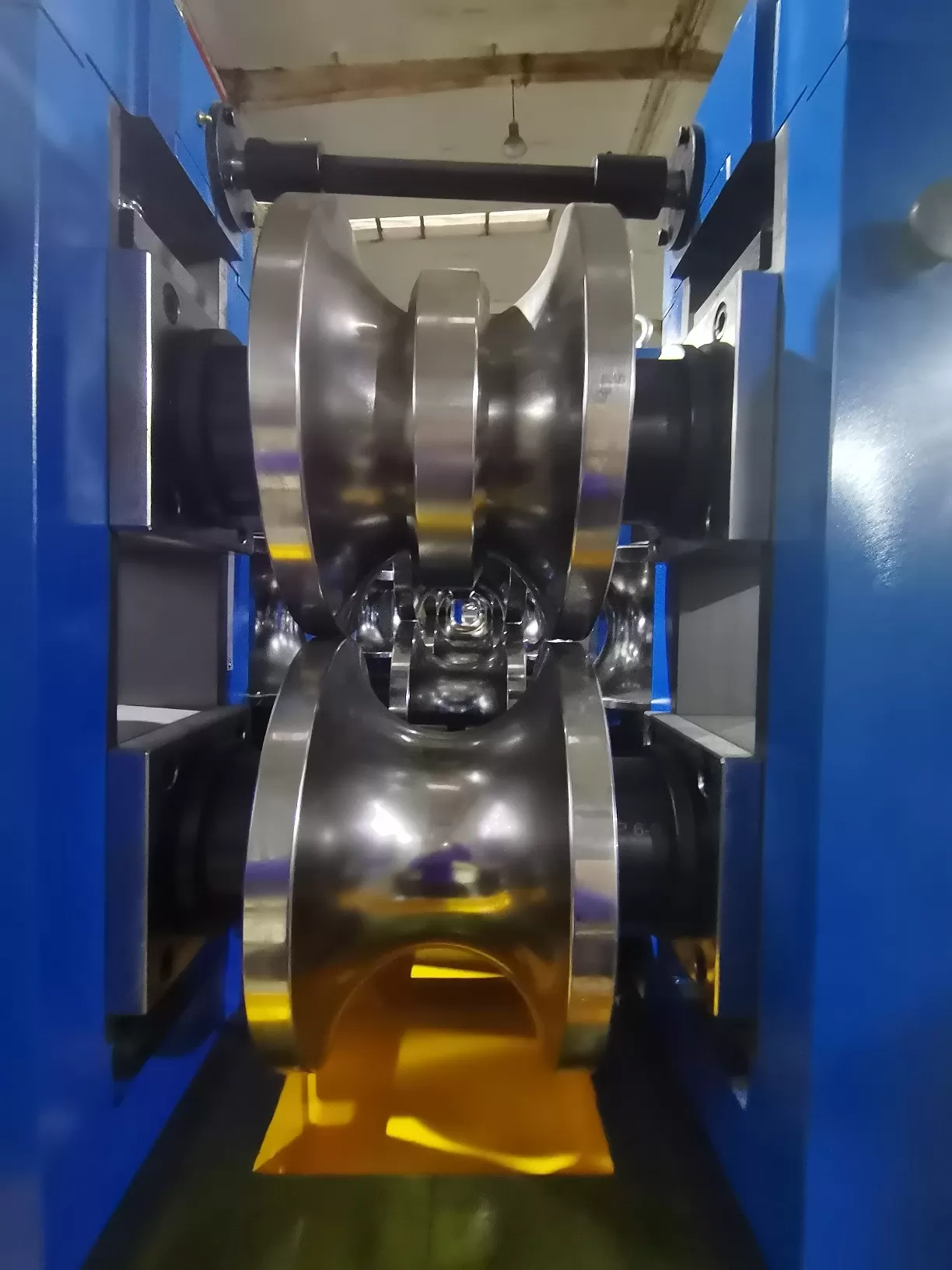
Forming Section: Breakdown rolls, fin-pass rolls, and squeeze boxes create the tubular shape.
High-Frequency Welding: Induction or contact welding melts the edges; squeeze rolls forge the seam.
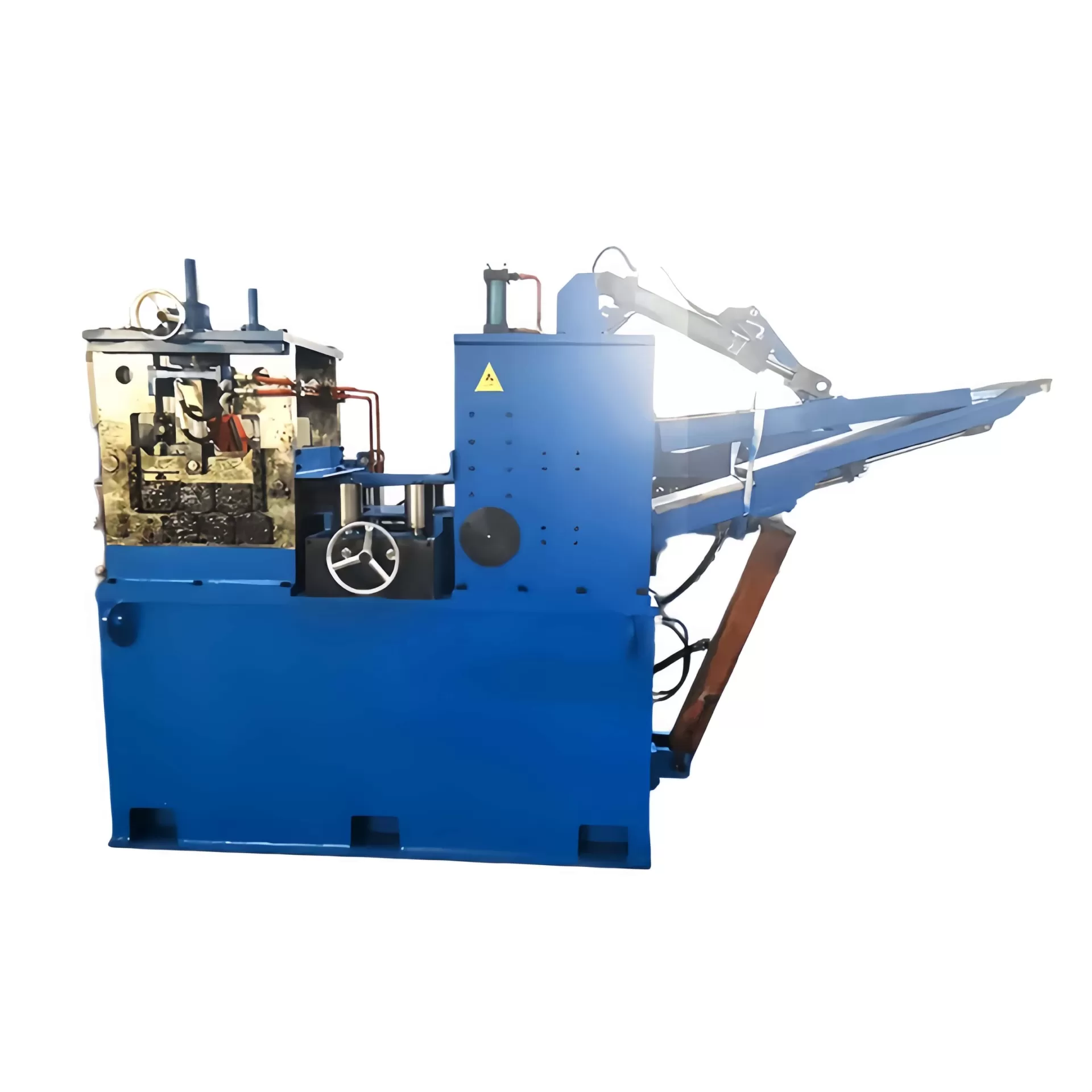
Weld Seam Treatment: Annealing, scarfing (internal/external), and cooling.
Sizing & Straightening: Precision rolls achieve final diameter and roundness.
Cut-off & Run-out: Flying saw cuts pipes; run-out table conveys finished tubes.
Core Components of a Modern Pipe Tube Mill Line
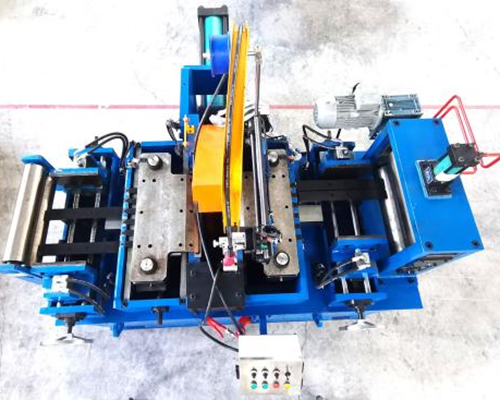
Every pipe tube mill consists of several critical modules. Among them, the accumulator plays a vital role in maintaining line speed during coil changes. SANSO’s tube mill accumulator is engineered for minimal tension variation and maximum strip storage, ensuring seamless operation.
Uncoiler, Breaker, and Accumulator
The uncoiler holds the mother coil. A breaker levels the strip before it enters the looper. The accumulator (horizontal or vertical) stores strip to bridge the gap during coil welding. SANSO accumulators feature low-maintenance rollers and precise tension control.
Forming and Welding Cage
Forming rolls are made from high-chromium steel and ground to tight profiles. Welding stations include induction coils or contact tips, impedance rods, and squeeze rolls. SANSO provides quick-change cartridges to reduce downtime.
Seam Annealing and Sizing
After welding, the seam is annealed with medium-frequency induction to refine the grain structure. Sizing stands (usually 4–6 stands) bring the tube to exact dimensions. Straightening rolls eliminate any curvature.
Why Invest in a High-Performance Pipe Tube Mill?
Upgrading your tube manufacturing line with a modern pipe tube mill brings measurable benefits in quality, throughput, and operating cost. Below are key advantages observed with SANOS lines.
Higher production speeds: Advanced forming and welding allow speeds above 80 m/min for thin-wall tubes.
Consistent weld quality: Digital HF generators and closed-loop squeeze control reduce defects.
Quick size changeovers: Cassette-type forming stands and CNC turret heads minimize downtime.
Energy efficiency: Optimized drive systems and induction welding consume less power per ton.
Reduced scrap: Automatic weld monitoring and real‑time diameter gauging cut material waste.
Industries Relying on Pipe Tube Mill Technology
The versatility of the pipe tube mill makes it indispensable across multiple sectors. SANSO machines produce tubes used in:
Oil & gas: Line pipes, casing, and conduit – API 5L grades.
Construction: Scaffolding tubes, structural hollow sections, and handrails.
Automotive: Exhaust systems, drive shafts, and roll cages.
Furniture & appliances: Chair frames, exercise equipment, and refrigerator components.
HVAC & refrigeration: Thin-wall copper or stainless steel tubes for heat exchangers.
Selecting a supplier for your next pipe tube mill involves evaluating experience, after-sales support, and technology. SANSO has supplied over 300 lines worldwide, with a focus on custom-engineered solutions. Consider these factors:
1. Production Requirements
Define your material (carbon steel, stainless, aluminum), diameter range, wall thickness, and desired speed. SANSO offers mills for tube OD from 8 mm to 610 mm.
2. Automation Level
Modern mills feature PLC-controlled roll gaps, automatic weld positioning, and MES connectivity. SANSO provides Industry 4.0 ready systems.
3. Spare Parts and Service
Check if the manufacturer stocks rolls, bearings, and welding consumables. SANSO has a global spare parts network and remote diagnostics.
Best Practices for Pipe Tube Mill Maintenance
To keep your pipe tube mill in top condition, follow a preventive schedule. Lubricate bearings daily, inspect forming rolls for wear, and calibrate weld boxes weekly. SANSO provides detailed manuals and training.
Regularly check the accumulator carriage rollers and strip tension sensors. Clean the induction coil from scale build-up. Replace worn squeeze rolls immediately to avoid seam defects.
Frequently Asked Questions (FAQ) – Pipe Tube Mill
Q1: What is the difference between a pipe mill and a tube mill?
A1: In industrial usage, “pipe mill” often refers to lines producing larger-diameter pipes for fluid transport, while “tube mill” is used for smaller diameters and structural tubes. However, the terms overlap; a pipe tube mill typically handles both categories.
Q2: What materials can be processed on a pipe tube mill?
A2: Most mills process carbon steel (ASTM A513, API 5L), stainless steel (304, 316), aluminum, and copper alloys. The forming rolls and welding system must be matched to the material’s mechanical properties.
Q3: How does the accumulator improve pipe tube mill efficiency?
A3: The accumulator stores strip while the entry section stops to weld a new coil. This allows the forming/welding section to run continuously. SANSO’s tube mill accumulator uses a servo-driven looper car for precise tension control.
Q4: What is the typical lifespan of forming rolls?
A4: With proper maintenance, forming rolls can produce 5,000–10,000 tons before needing regrinding. Factors include material grade, mill speed, and roll material. SANSO rolls are DLC-coated for extended life.
Q5: Can a pipe tube mill produce both ERW and seamless-like tubes?
A5: ERW mills produce welded tubes. To achieve seamless-like properties, manufacturers use in-line normalizing or full-body heat treatment after welding. Some mills integrate induction annealing units for this purpose.
Q6: How fast can modern pipe tube mills run?
A6: For small diameters (16–60 mm), speeds up to 150 m/min are achievable. Medium lines (up to 168 mm) run at 60–90 m/min, while large-diameter mills operate at 15–30 m/min. Speed depends on wall thickness and weld quality requirements.
Conclusion: Future-Proof Your Tube Production with SANSO
Investing in a high-quality pipe tube mill ensures consistent product quality, lower operating costs, and the flexibility to serve diverse markets. With decades of engineering experience, SANSO delivers turnkey lines tailored to your specific needs – from entry-level mills to fully automated high-speed systems. Contact SANSO today to discuss your next pipe tube mill project.