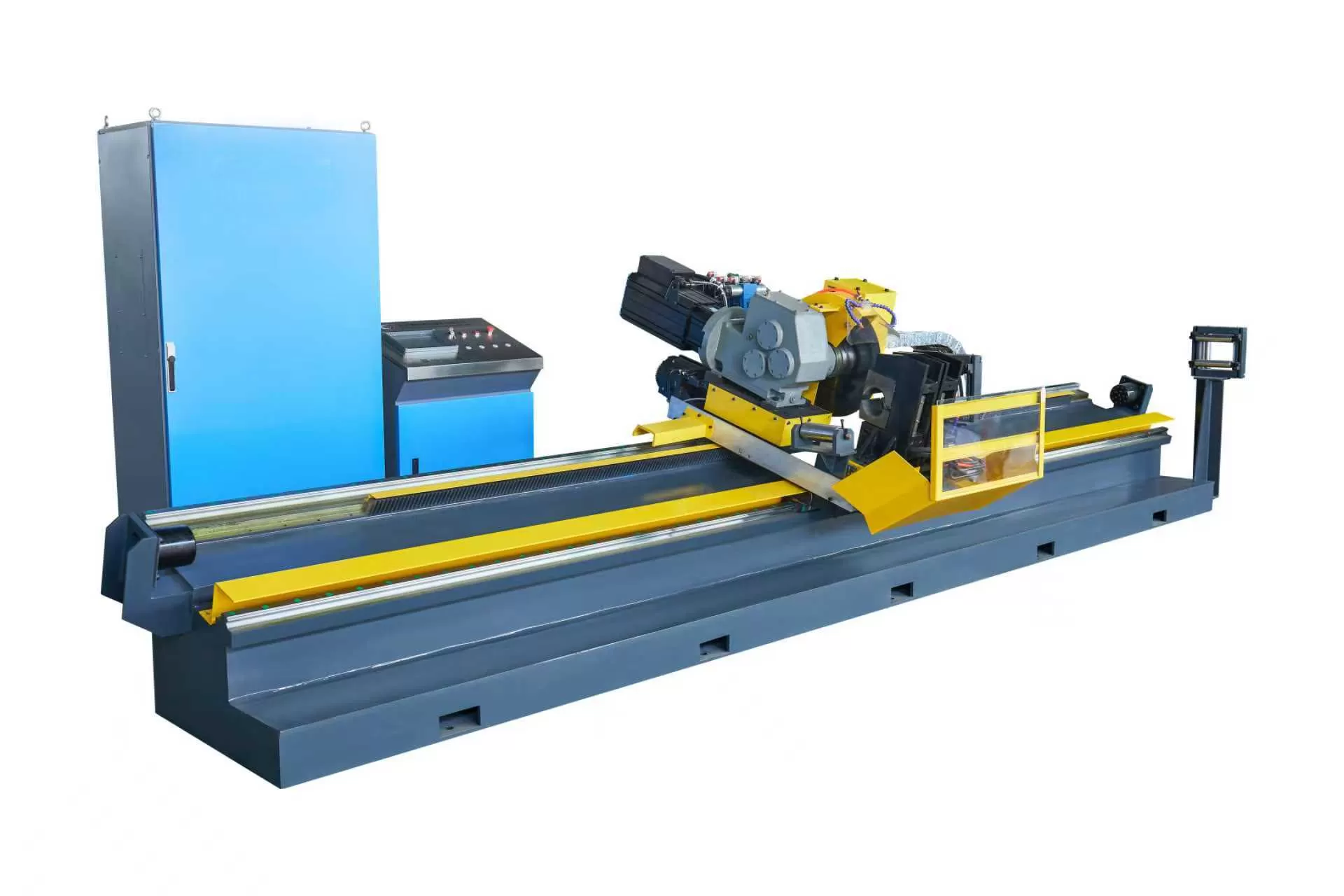
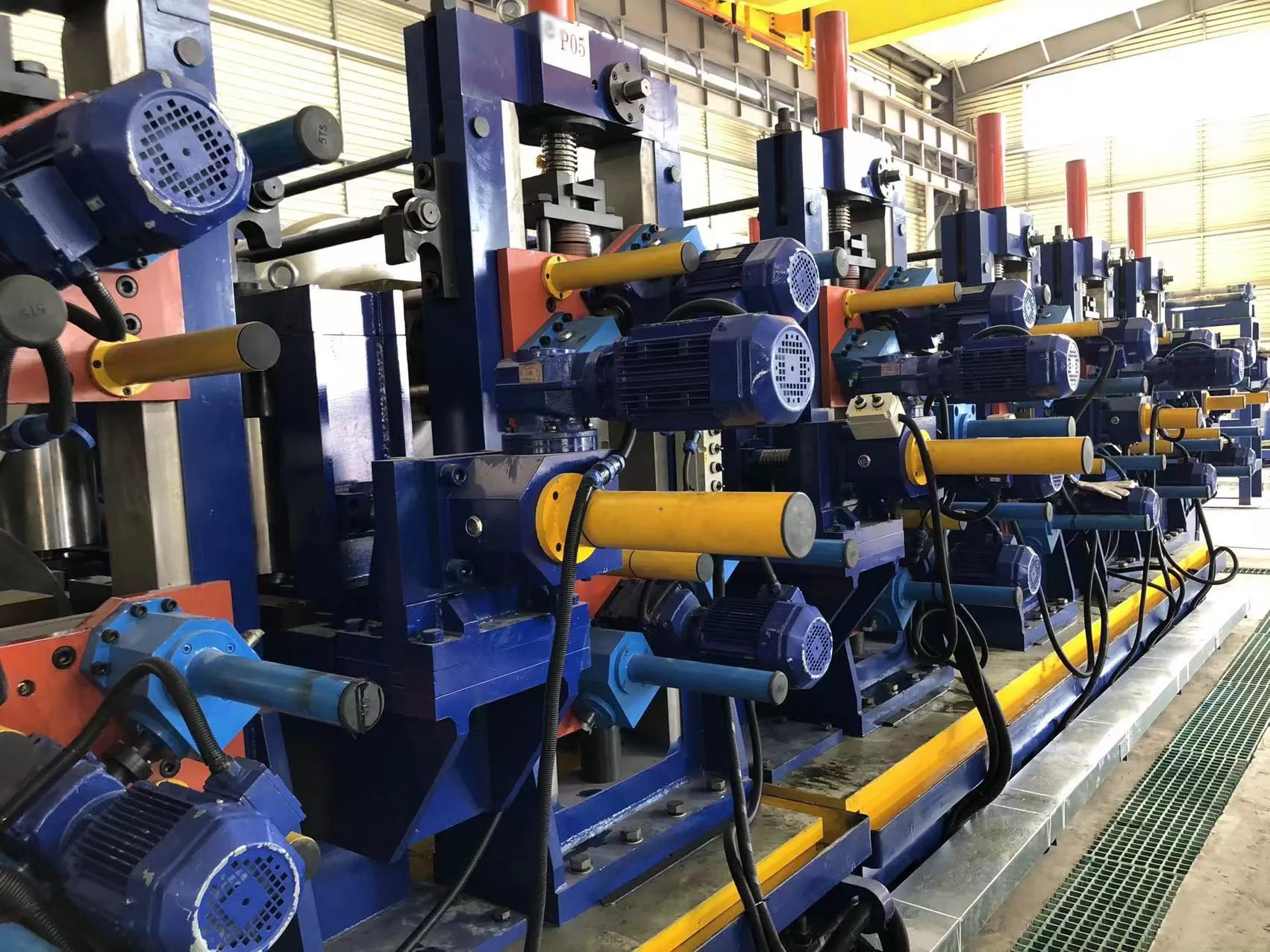
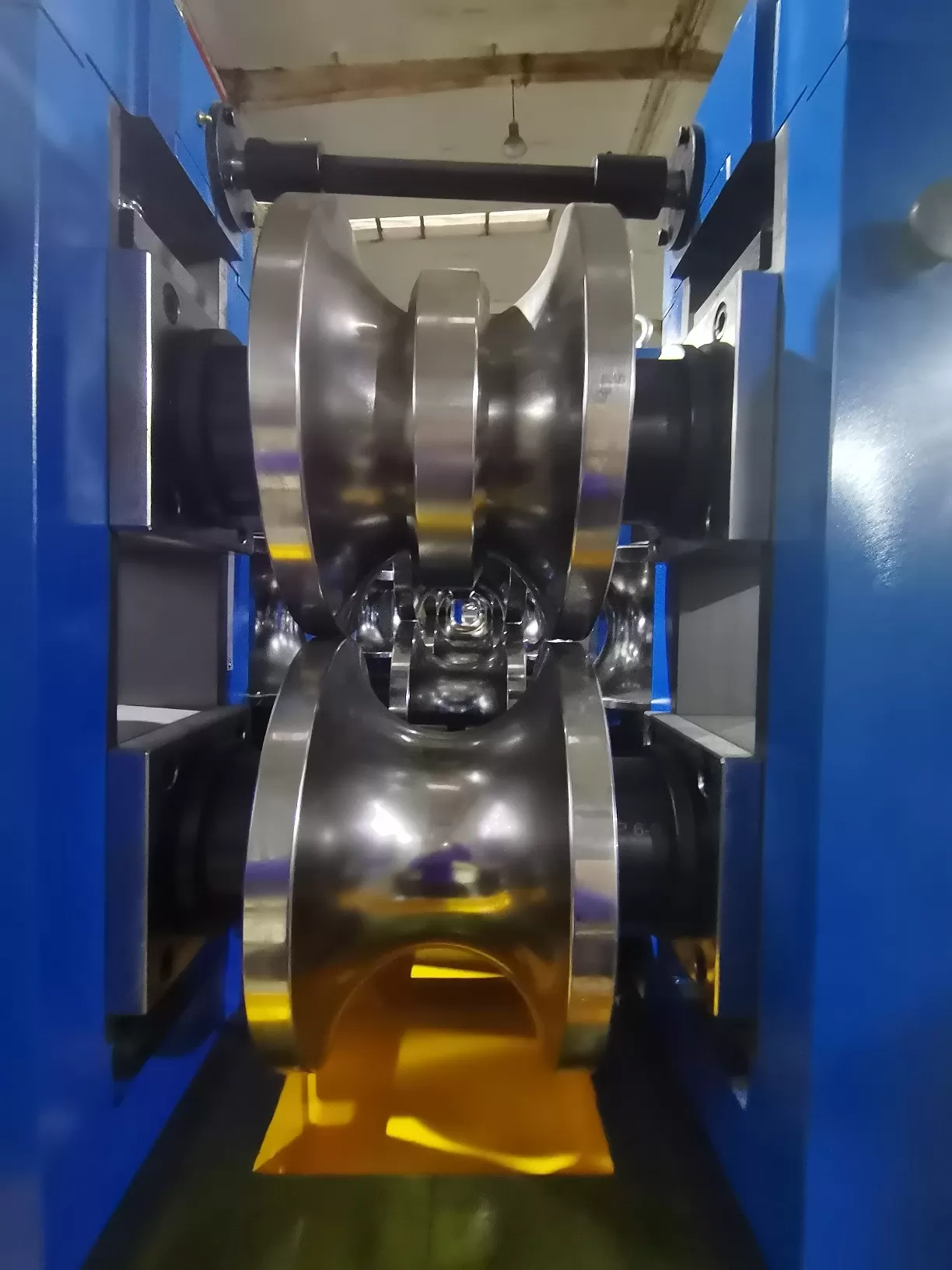
Roll Forming Tube Mill: Precision Tube Manufacturing SystemsThe roll forming tube mill is the backbone of modern tube and pipe production, enabling manufacturers to create precise, consistent profiles for automotive, construction, energy, and infrastructure projects. Industry leaders such as SANSO have set benchmarks in this field, delivering robust mills that combine speed, flexibility, and durability. This article provides a detailed overview of the technology, components, applications, and future trends of the roll forming tube mill, along with practical selection and maintenance advice.
What Is a Roll Forming Tube Mill?
A roll forming tube mill is a continuous metal forming machine that gradually shapes flat strip material—usually steel, aluminum, or stainless steel—into a tubular profile. The process involves passing the strip through a series of contoured rollers, each performing a incremental bend until the desired shape and dimensions are achieved. After forming, the edges are welded (often using high-frequency induction) to create a closed tube, then sized and cut to length.
Unlike extrusion or casting, roll forming is a cold-working process that preserves the mechanical properties of the base metal while offering exceptional dimensional accuracy. Modern mills integrate computerized controls to adjust roll stands on the fly, minimizing changeover time between profiles.
Key Stages in a Roll Forming Tube Mill
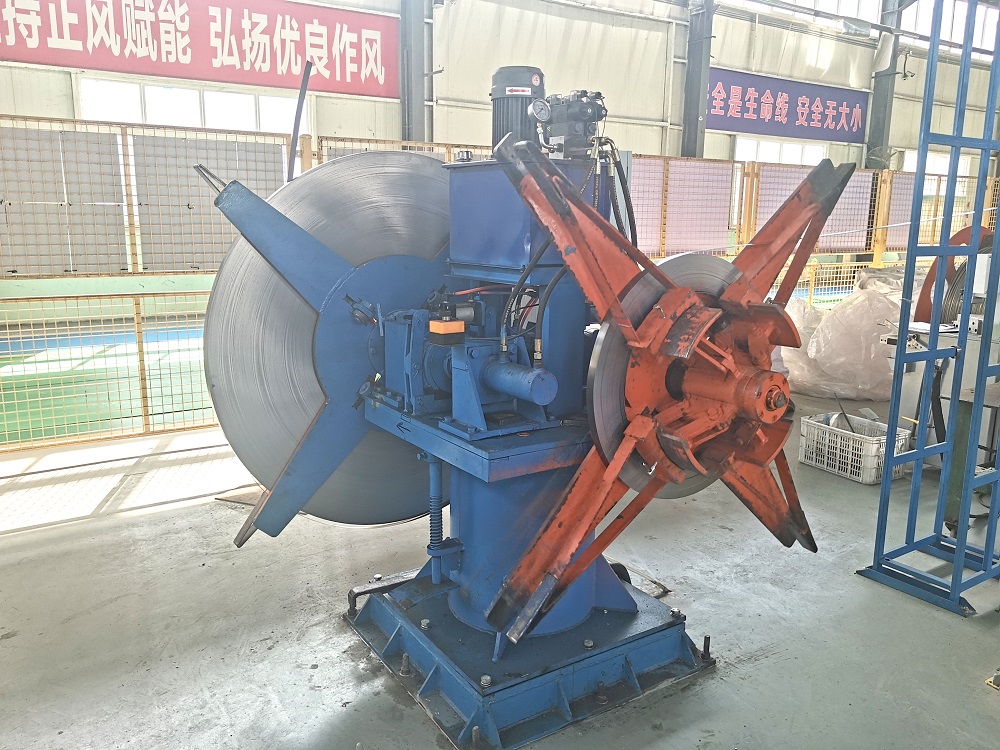
Uncoiling & Accumulation: Strip is fed from a coil through an accumulator to ensure continuous operation during coil changes.
Roll Forming Section: Progressive stands shape the strip into an open tube. Each stand contains top and bottom rolls customized for the profile.
Welding: High-frequency induction or contact welding fuses the heated edges under pressure. Common methods include ERW (electric resistance welding) and high-frequency welding.
Scarfing & Seam Treatment: Internal and external weld beads are removed to produce a smooth surface.
Sizing &> Shaping: The welded tube passes through sizing rolls to achieve exact dimensions and roundness.
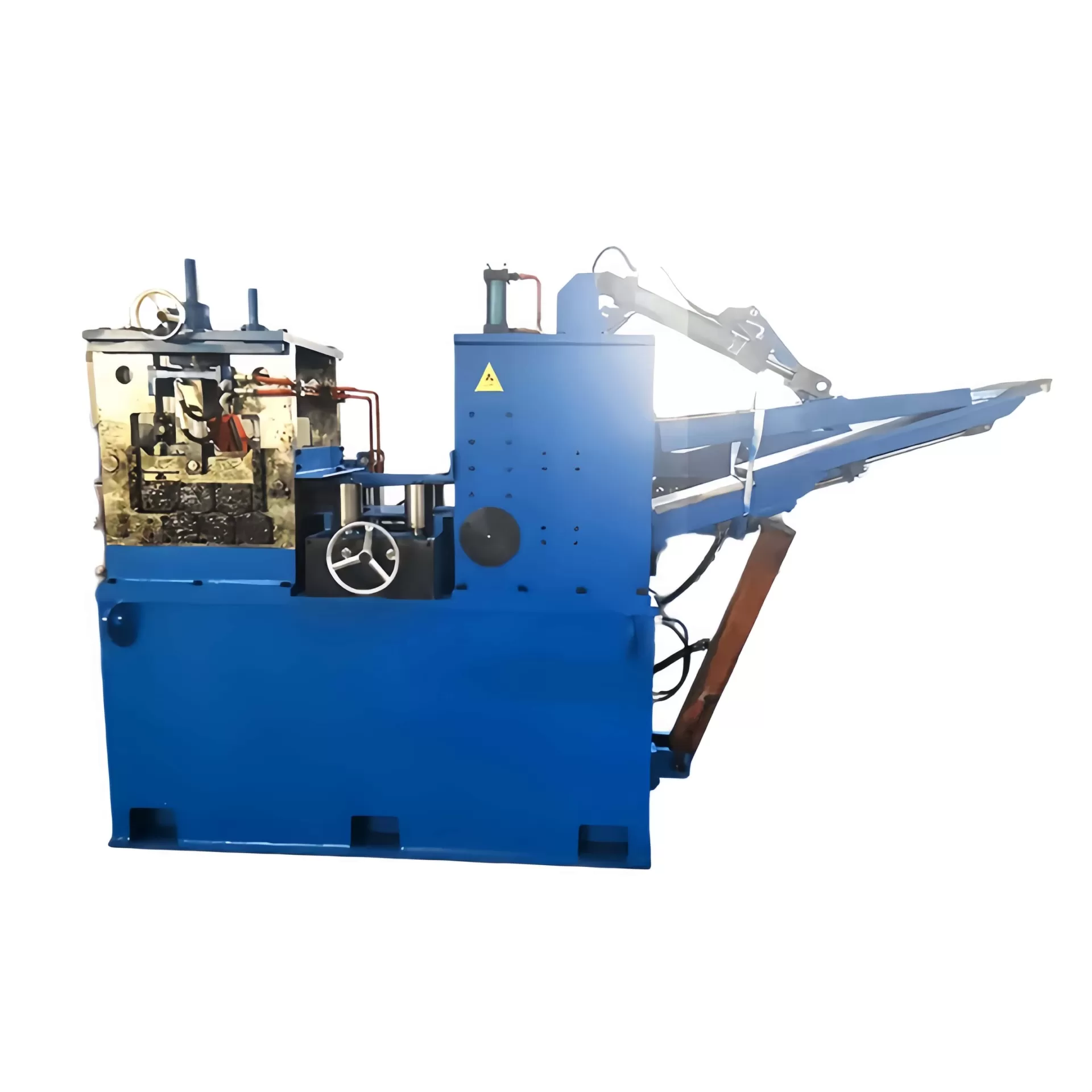
Cutting: Flying or stationary shears cut the tube to specified lengths without stopping the line.
Core Components of a Modern Roll Forming Tube Mill
Every high-performance roll forming tube mill relies on precision-engineered components. The quality of these parts directly affects output speed, product tolerances, and maintenance intervals.
Roll Stands and Roll Tooling
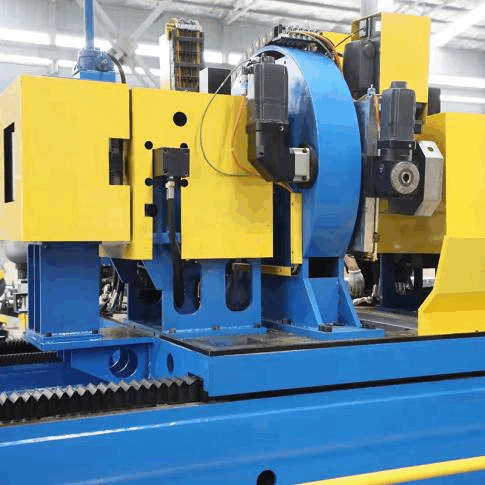
Roll stands house the shafts that carry the forming rolls. They are typically driven by gearboxes and motors synchronized for constant strip speed. Tooling is made from hardened tool steel or carbide, designed for specific diameters and wall thicknesses. SANSO offers custom-engineered roll sets that reduce setup time and extend tool life.
Welding System
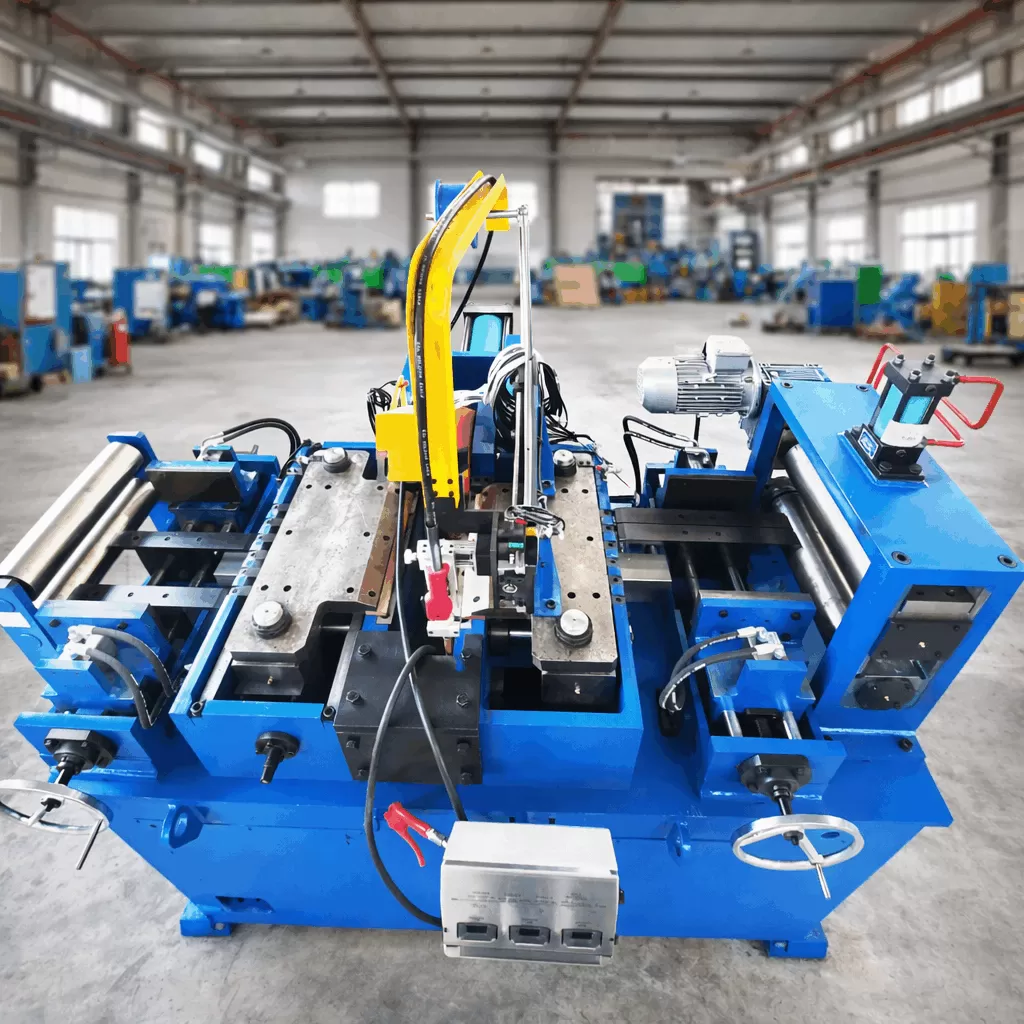
High-frequency induction welders are standard in modern mills. They provide clean, narrow weld zones and high energy efficiency. Welding power, impedance, and pressure are automatically regulated to maintain consistent seam quality.
Cooling and Calibration
After welding, the tube passes through a cooling section (water or air) and then into a calibration unit. Calibration rolls fine-tune the outer diameter and ensure straightness, critical for applications like structural tubing or hydraulic cylinders.
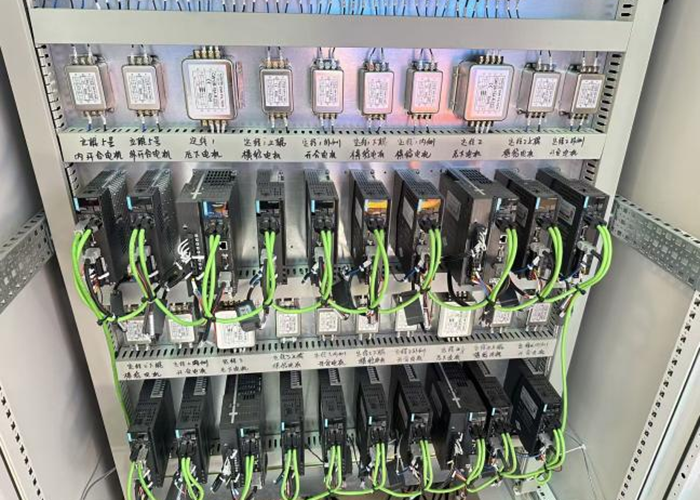
Control System
PLCs and HMI interfaces allow operators to monitor speeds, temperatures, and tolerances in real time. Advanced systems store recipes for hundreds of profiles, enabling quick changeovers with minimal scrap.
The versatility of the roll forming tube mill makes it indispensable across many sectors. Below are some of the primary industries relying on this technology:
Automotive: Exhaust systems, chassis components, drive shafts, and structural reinforcements.
Construction: Scaffolding, handrails, curtain walls, and roofing purlins.
Energy: Oil and gas line pipes, solar panel frames, and wind turbine towers.
Furniture & Appliances: Metal furniture frames, refrigerator handles, and shelving.
Agricultural: Irrigation pipes, greenhouse frames, and livestock equipment.
Advantages of Using Advanced Roll Forming Tube Mill Systems
Investing in a modern roll forming tube mill offers measurable operational and commercial benefits. Here are the key advantages:
High Production Speed: Continuous operation at speeds up to 100 m/min (depending on material and size) ensures large volumes are met efficiently.
Material Savings: Cold forming minimizes waste compared to machining or casting, and tight tolerances reduce over-specification.
Consistent Quality: Automated process control guarantees repeatable dimensions and weld integrity across long production runs.
Flexibility: Quick-change roll stands and programmable controls allow one mill to produce round, square, rectangular, and special-shaped tubes.
Lower Labor Costs: With modern automation, one operator can oversee multiple lines, reducing direct labor expenses.
When evaluating suppliers, look for proven experience in your industry. Manufacturers like SANSO provide complete lines with integrated tooling and after-sales support.
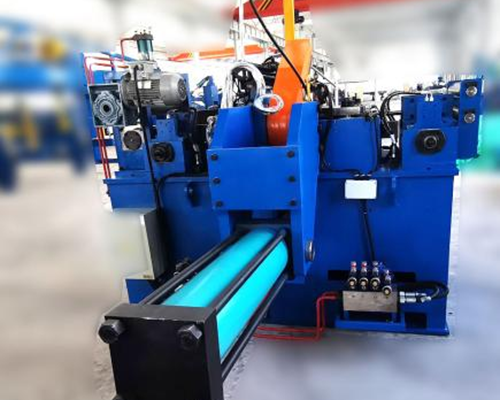
Selecting the Right Roll Forming Tube Mill for Your Production Needs
Choosing a roll forming tube mill requires careful analysis of your current products and future growth plans. Below are factors to consider during the selection process.
Material Types and Dimensions
Define the range of materials (carbon steel, stainless, aluminum) and thicknesses you will process. The mill’s roll stands, welding power, and drive torque must be sized accordingly.
Output Speed and Volume
Estimate your required annual tonnage. Higher speed mills with quick-change features may justify a larger upfront investment if you need to serve multiple markets.
Tooling Compatibility
Check whether the mill accepts standard or proprietary roll tooling. Some manufacturers offer quick-change cartridges that reduce downtime. For a wide range of square and rectangular profiles, consider the direct-forming square tube mill technology developed by SANSO. You can explore their dedicated solution here: roll forming tube mill designed for precision square and rectangular tubing.
Automation and Integration
Look for mills that can integrate with your plant’s MES or ERP system. Features like automatic diameter control, weld monitoring, and predictive maintenance alerts improve overall equipment effectiveness (OEE).
Proper maintenance extends the life of your roll forming tube mill and ensures consistent product quality. Adopt a preventive schedule based on operating hours and component wear.
Daily Checks: Inspect lubrication levels, coolant flow, and strip alignment. Clean debris from roll surfaces and guides.
Weekly Inspections: Verify belt tensions, check gearbox oil, and examine weld box contacts for pitting.
Monthly Tasks: Measure roll wear using profilometers; replace or regrind rolls as needed. Calibrate sensors and feedback loops.
Annual Overhaul: Replace bearings, seals, and worn electrical components. Update software and backup parameters.
Partnering with an experienced mill builder like SANSO ensures access to genuine spare parts and technical support, minimizing unplanned downtime.
The industry is moving toward smart factories, and roll forming tube mills are evolving to meet Industry 4.0 standards. Some trends include:
Digital Twins: Virtual models of the mill simulate production scenarios, helping to optimize roll design and detect bottlenecks before physical changeovers.
Servo-Electric Drives: Replacing hydraulic systems with servo motors improves energy efficiency and positional accuracy.
Inline Quality Monitoring: Laser sensors and eddy current testers inspect every tube for dimensional and surface defects in real time.
Quick-Change Tooling Systems: Robotic-assisted roll changing reduces setup time from hours to minutes.
These innovations make the roll forming tube mill even more attractive for high-mix, low-volume production as well as mass production.
Frequently Asked Questions (FAQ) about Roll Forming Tube Mills
Q1: What is the difference between a roll forming tube mill and an ERW tube mill?
A1: The terms are often used interchangeably because most modern roll forming tube mills use electric resistance welding (ERW) to close the tube. However, a roll forming tube mill specifically refers to the continuous forming process using roller dies, while ERW describes the welding method. In practice, a typical tube mill combines both roll forming and ERW welding.
Q2: What materials can be processed on a roll forming tube mill?
A2: Common materials include low-carbon steel, high-strength low-alloy (HSLA) steel, stainless steel (300 and 400 series), aluminum, copper, and brass. Material thickness can range from 0.3 mm to over 12 mm, depending on the mill’s power and roll configuration.
Q3: How long does it take to change rolls for a different tube size?
A3: With conventional mills, changeover can take 2–4 hours. Modern mills equipped with quick-change stands and automated setup can reduce this to 20–40 minutes. Some advanced systems with cassette tooling achieve changeovers in under 10 minutes.
Q4: What is the typical lifespan of roll tooling?
A4: Roll life varies based on material abrasiveness, production volume, and maintenance. For carbon steel, rolls often produce 500,000 to 2 million meters before requiring regrinding. Hard-chrome plating or carbide inserts can extend life significantly. Regular inspection and lubrication are key to maximizing tooling longevity.
Q5: Can a roll forming tube mill produce non-round shapes like squares and rectangles?
A5: Yes. After the initial round forming and welding, the tube passes through a series of turks heads or shaping stands that gradually form it into square, rectangular, or other custom profiles. Dedicated square tube mills, like the direct-forming square tube mill from SANSO, are optimized for such shapes and offer superior corner fill and dimensional control.
Q6: How do I decide between a new mill and upgrading my existing line?
A6: If your current mill has good structural integrity but outdated controls or drives, upgrading can be cost-effective. However, if you need higher speeds, tighter tolerances, or new shapes, a new roll forming tube mill with modern features may offer better long-term return. Consult with specialists like SANSO for a feasibility study.
Conclusion
The roll forming tube mill remains a vital asset for metal forming industries worldwide. Its ability to produce high-quality tubes at competitive costs, combined with advances in automation and tooling, ensures it will stay relevant for decades. Whether you are entering the tube market or expanding capacity, selecting the right equipment and partner is critical. With decades of engineering experience, SANSO provides turnkey solutions, from individual mills to complete production lines, backed by global support. Evaluate your production goals, consider future trends, and choose a mill that delivers precision, reliability, and efficiency for years to come.