High-Performance Steel Pipe Mill Solutions for Efficient Tube ProductionThe modern steel pipe mill represents a critical investment for manufacturers of welded tubes and pipes. Whether producing lines for oil & gas, construction, or automotive sectors, the performance of your steel pipe mill directly impacts product quality and operational costs. SANSO has established itself as a reliable partner in this field, offering machinery that balances throughput with precision engineering. This article explores the core aspects of modern pipe milling, helping you understand what makes a production line truly efficient.
1. Core Modules of a Modern Steel Pipe Mill
A complete steel pipe mill integrates several stations, each designed for a specific transformation stage. Understanding these modules helps in selecting the right configuration for your product mix.
Forming Section and Accumulator
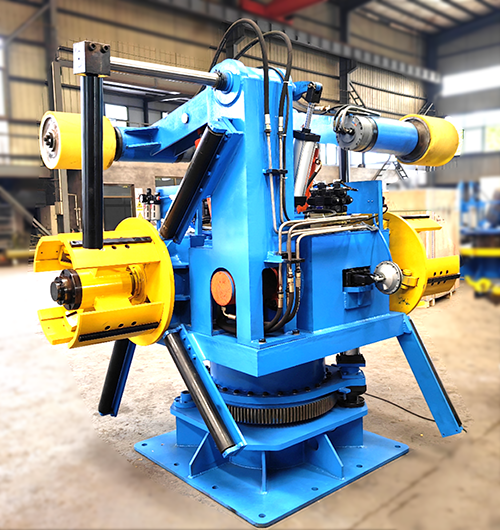
The process begins with coil preparation. A steel pipe mill uses an uncoiler and an accumulator to ensure continuous operation. The steel pipe mill accumulator stores material, allowing for coil changes without stopping the line. This is essential for high-volume production.
Uncoiler: Holds and rotates the steel coil.
Accumulator: Provides material buffer during strip splicing.
Leveler: Flattens the strip before forming.
Forming and Welding Stations
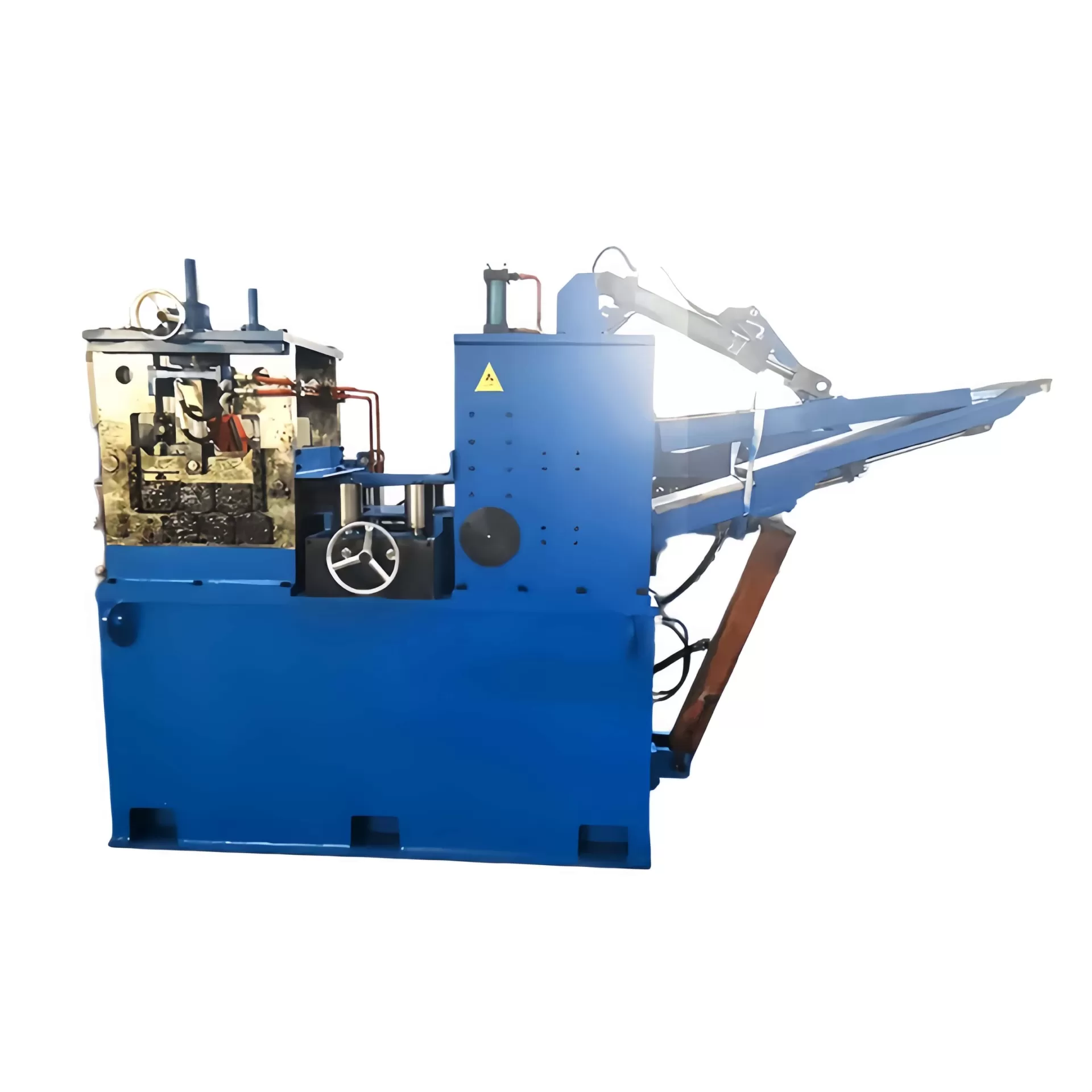
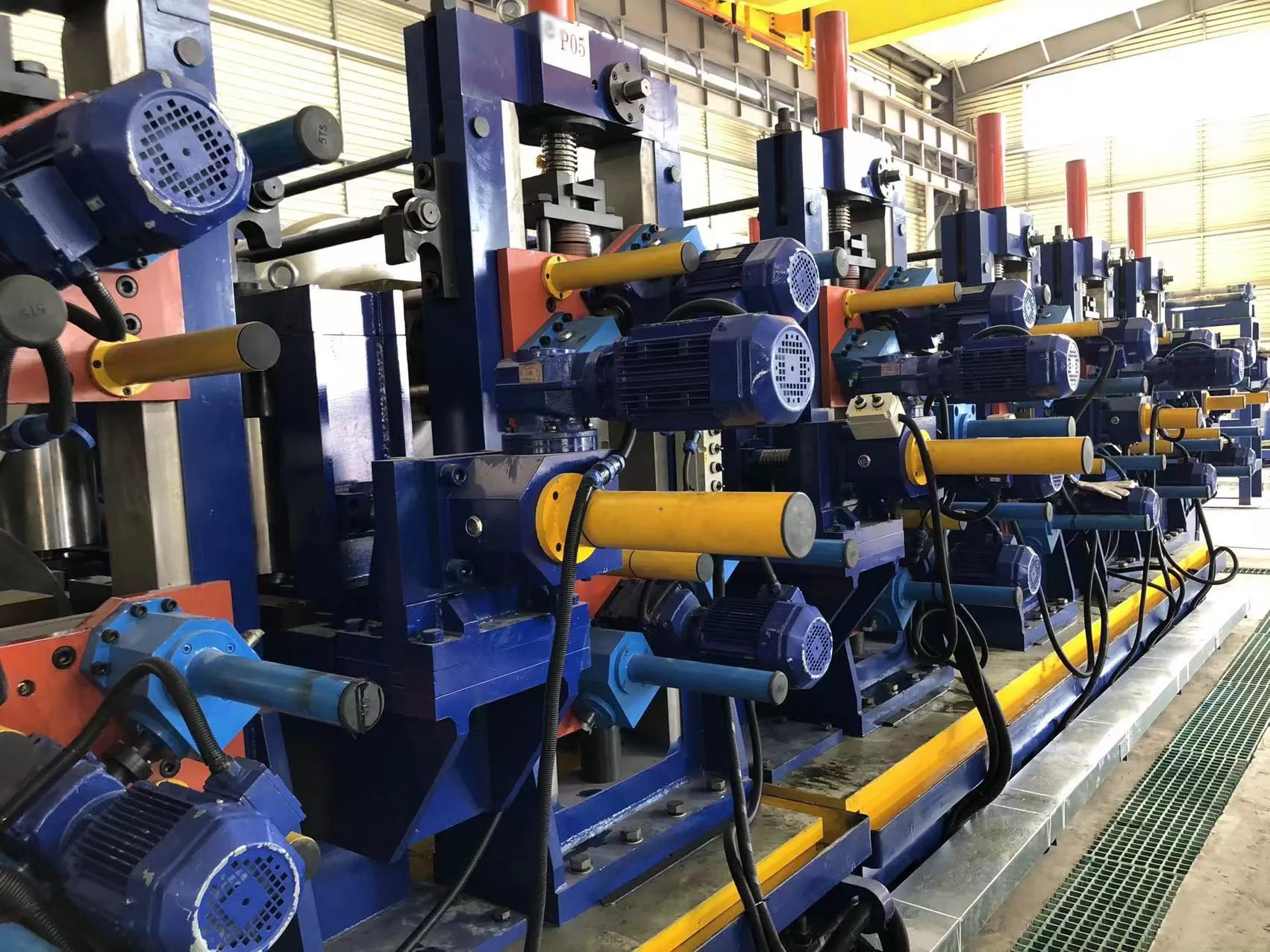
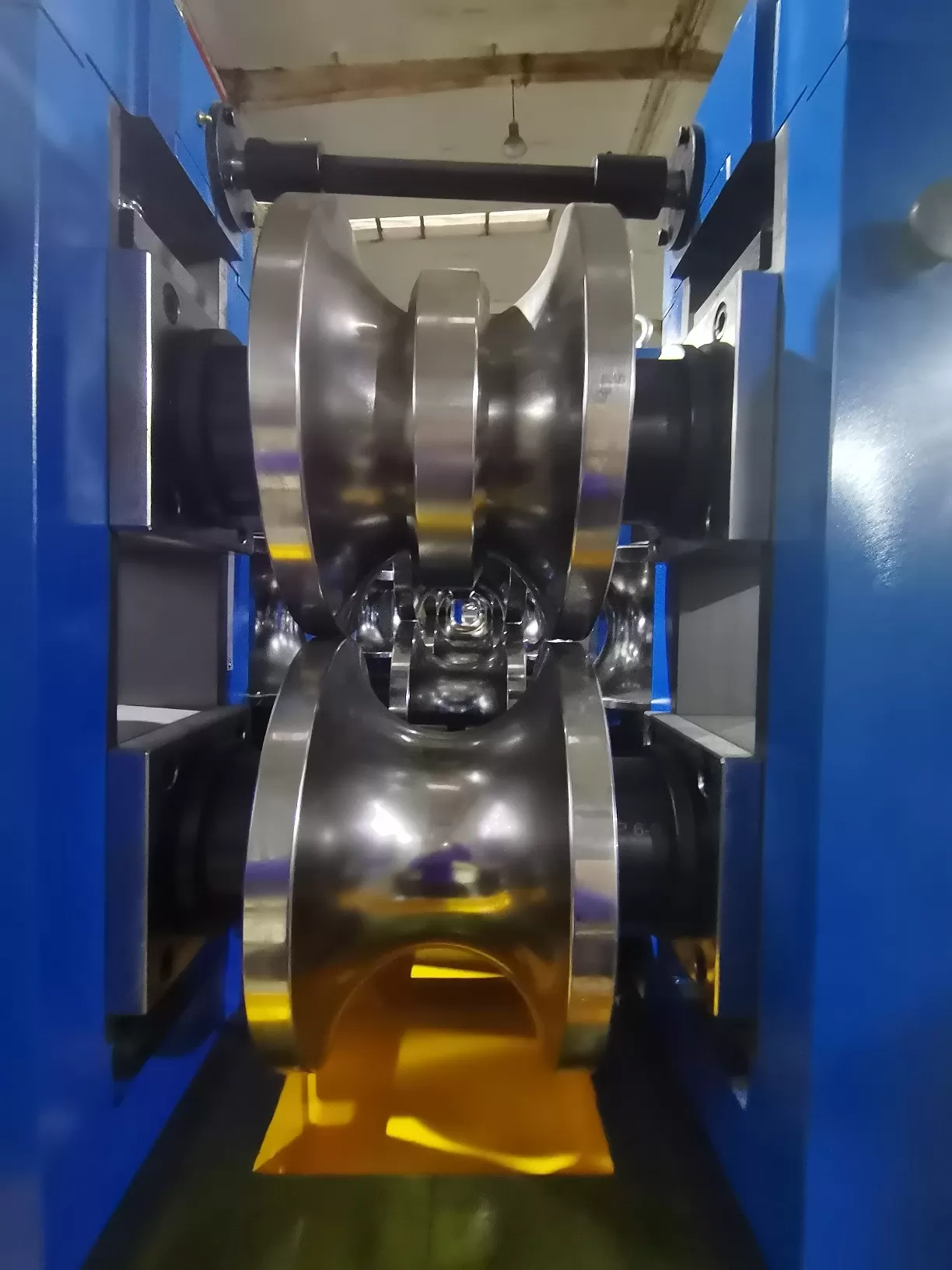
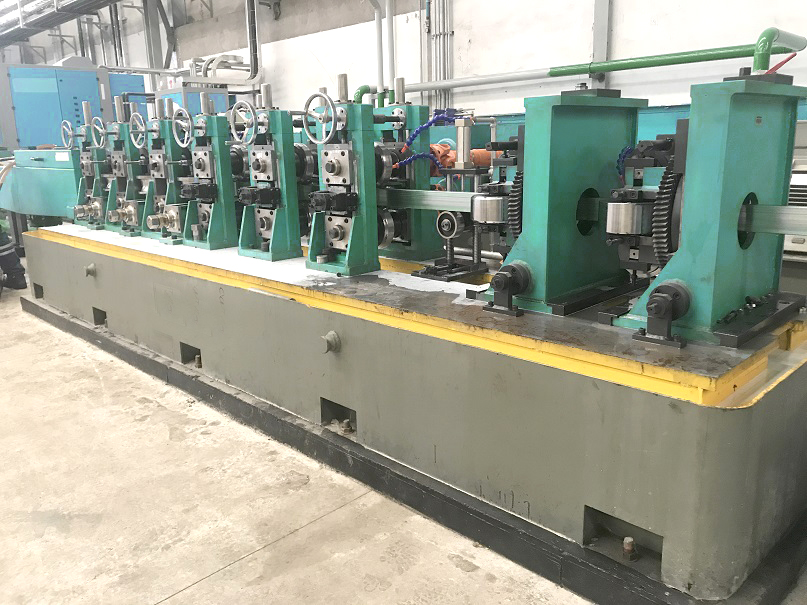
Progressive roll forming shapes the flat strip into a tubular shape. The welding section—often high-frequency induction (HFI)—fuses the edges. Modern steel pipe mill designs from SANSO focus on precise seam tracking to minimize weld defects. After welding, scarfing removes external flash.
Sizing and Cutting Sections
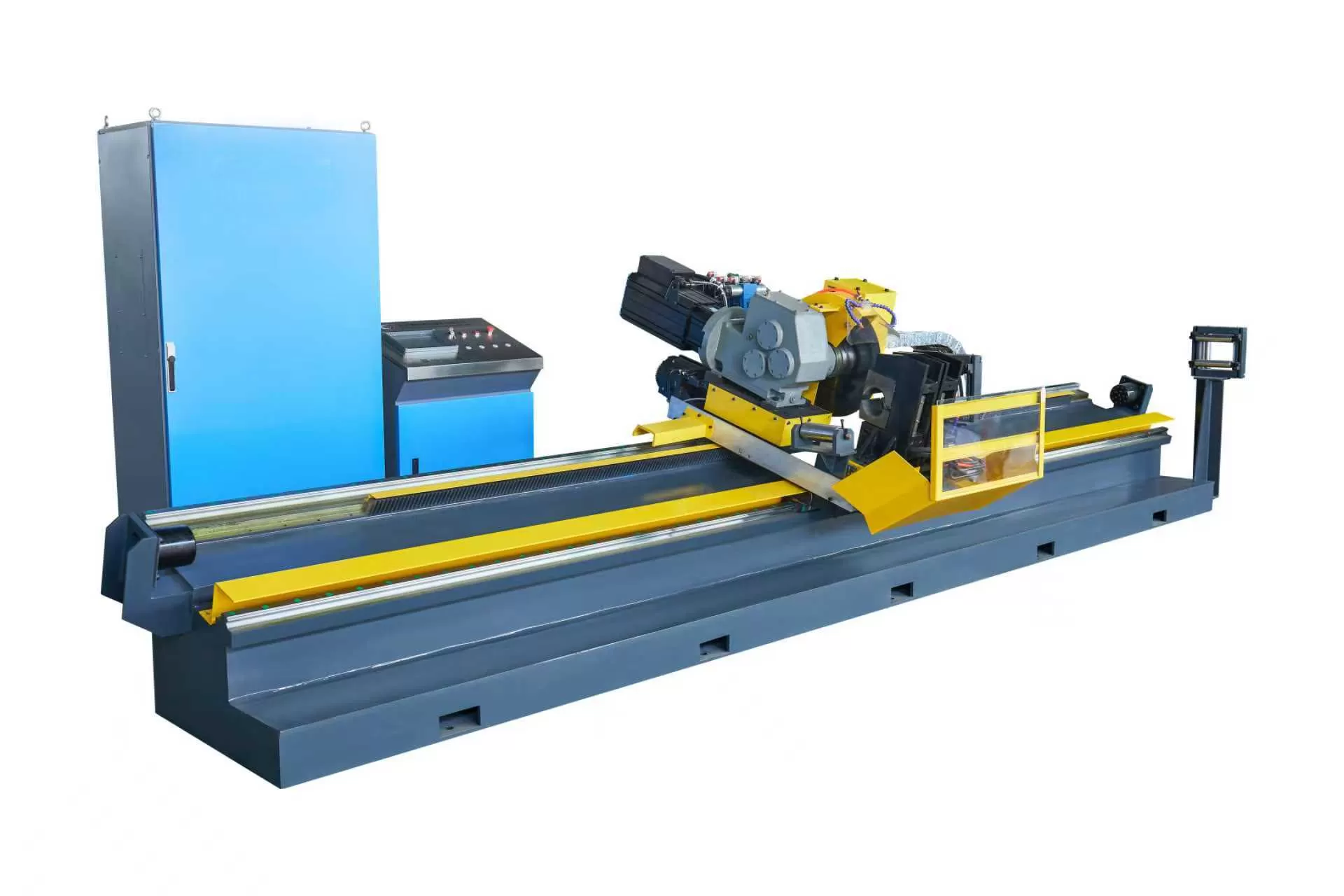
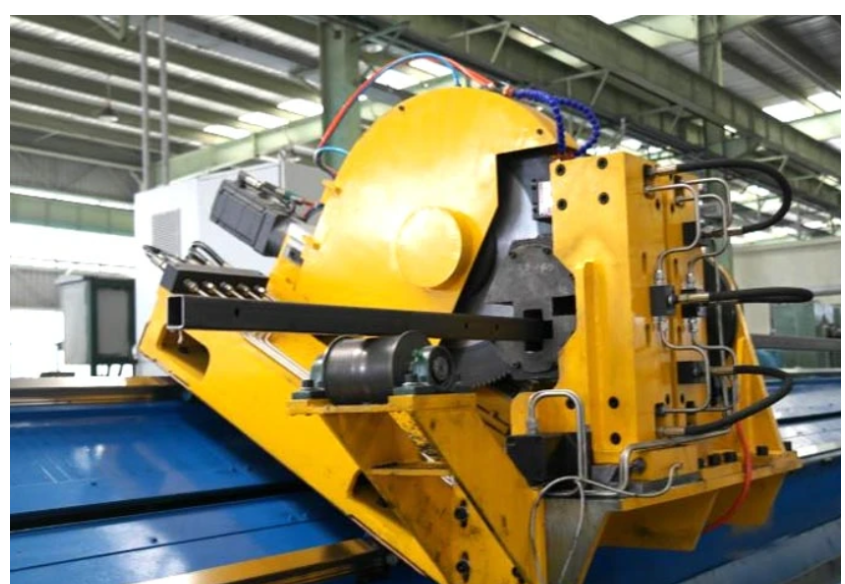
The sized pipe passes through a cooling section before being cut to length. A flying cut-off saw or rotary cutter ensures precise lengths without stopping the line. This part of the steel pipe mill determines the final dimensional accuracy.
2. Performance Advantages of Upgrading Your Steel Pipe Mill
Investing in modern technology for your steel pipe mill brings measurable gains. Below are key benefits observed in facilities using advanced equipment.
Higher production speeds: New drives and controls allow for faster forming and welding, increasing daily output.
Improved yield: Better edge preparation and seam tracking reduce scrap rates significantly.
Energy efficiency: Servo-driven systems and optimized welding generators lower electricity consumption per ton.
Quick changeover: Automated tooling adjustments reduce downtime between product size changes.
Many of these improvements are evident in lines designed by SANSO, where modular construction allows for future upgrades without replacing the entire mill.
3. Critical Factors in Steel Pipe Mill Selection
Choosing the right steel pipe mill requires a clear assessment of your production goals. Not all mills are built for the same range of diameters or wall thicknesses.
Material Compatibility
Consider the grades you will process: carbon steel, stainless, or high-strength alloys. The roll tooling and welding power of your steel pipe mill must match the material's properties. A mill suited for mild steel may not handle advanced high-strength steels without modification.
Production Speed vs. Quality
While speed is important, the steel pipe mill must maintain consistent weld integrity. Look for lines with integrated non-destructive testing (NDT) such as eddy current or ultrasonic inspection. Steel pipe mill automation now allows real-time adjustments to keep quality high even at maximum speed.
After-Sales Support and Spare Parts
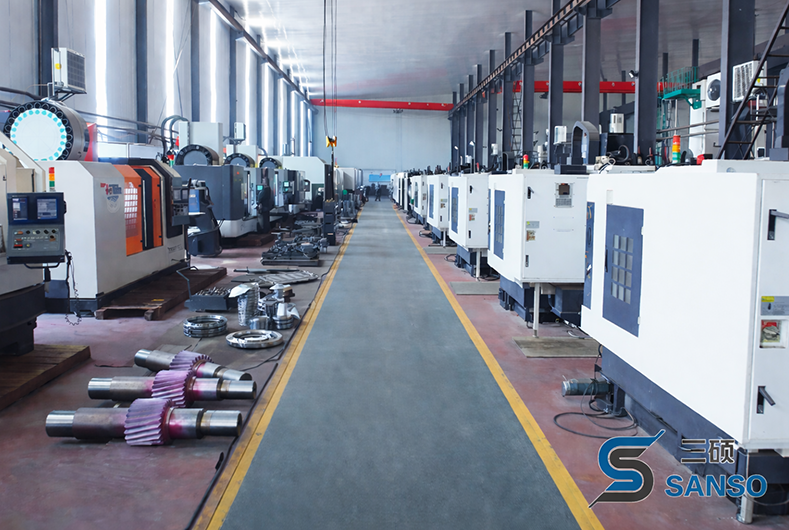
Reliability extends beyond the machine itself. Ensure the manufacturer offers prompt technical support. SANSO provides comprehensive service packages, from installation to operator training, ensuring your steel pipe mill runs with minimal interruptions.
4. Innovations in Steel Pipe Mill Automation
Industry 4.0 has transformed the steel pipe mill into a data-rich environment. Smart sensors and control loops optimize every stage.
AI-Based Quality Control
Camera systems and laser sensors monitor the forming process. If a deviation is detected, the steel pipe mill controller can adjust roll pressures or weld power automatically, reducing human error and ensuring consistent quality.
Remote Monitoring and Diagnostics
Modern mills allow operators to monitor production from a central control room or even via mobile devices. This capability helps in identifying bottlenecks and scheduling maintenance before breakdowns occur. For a steel pipe mill, this means higher overall equipment effectiveness (OEE).
5. Maintenance Best Practices for Long Steel Pipe Mill Life
Regular upkeep of your steel pipe mill prevents costly downtime. A well-maintained mill also produces better quality pipe.
Lubrication schedules: Follow manufacturer recommendations for gearboxes and bearings. Over-greasing can be as harmful as under-greasing.
Roll inspection: Worn rolls affect the forming accuracy. Inspect and recondition rolls at planned intervals.
Weld box maintenance: Check impedance rods and contacts regularly. Clean scale buildup that can affect weld consistency.
Alignment checks: Vibrations can misalign the mill over time. Perform laser alignment annually on critical sections of the steel pipe mill.
Partnering with experienced technicians, such as those from SANSO, ensures that your maintenance team follows proven procedures tailored to your specific mill configuration.
6. Environmental Considerations in Steel Pipe Mill Operations
Sustainability is becoming a priority. Modern steel pipe mill designs incorporate features to reduce environmental impact. Closed-loop cooling systems minimize water waste. Efficient induction welding reduces energy consumption. Additionally, newer mills are designed to handle lighter-gauge materials, which lowers the carbon footprint of the final product. When evaluating a new steel pipe mill, consider its energy profile and waste management integration.
The evolution of the steel pipe mill continues with developments in material handling and data integration. Companies that invest in advanced lines gain a competitive edge through higher flexibility and lower operating costs. SANSO remains a key player in this space, offering customized solutions that address both current production needs and future industry trends. Whether you are setting up a new facility or upgrading an existing steel pipe mill, focusing on modular design, automation, and reliable support will ensure long-term success.
Frequently Asked Questions (FAQ)
Q1: What exactly is a steel pipe mill?
A1: A steel pipe mill is a production line that transforms flat steel coils into welded pipes or tubes. It typically includes uncoilers, forming rolls, a welding unit (often high-frequency), a sizing section, and cutting equipment. Some mills also integrate testing and straightening stations.
Q2: What is the role of an accumulator in a steel pipe mill?
A2: The accumulator stores a loop of steel strip, allowing the steel pipe mill to continue running while the end of one coil is joined to the beginning of the next. This ensures continuous production and significantly increases the mill's efficiency.
Q3: How do I determine the right steel pipe mill for my product range?
A3: You need to consider the outer diameter (OD) and wall thickness (WT) of the pipes you plan to produce. Also, evaluate the material grades (carbon, stainless, etc.). Consult with manufacturers like SANSO to match your requirements with the appropriate mill configuration and tooling.
Q4: What maintenance is critical for a high-frequency welding steel pipe mill?
A4: Key maintenance tasks include checking the impedance rod condition, cleaning the contacts, monitoring the cooling water quality, and ensuring the welding pressure is consistent. Regular inspection of the weld seam quality is also essential to catch issues early in the steel pipe mill process.
Q5: Can a steel pipe mill be automated to reduce labor costs?
A5: Yes, modern steel pipe mills feature high levels of automation, including automatic roll positioning, weld parameter control, and real-time quality monitoring. This reduces manual intervention and allows one operator to oversee multiple mill sections, lowering labor costs and improving consistency.
Q6: What safety features should a modern steel pipe mill include?
A6: Look for enclosed guards around rotating parts, emergency stop systems along the line, light curtains at entry points, and fume extraction for the welding area. A safe steel pipe mill protects operators from hot surfaces, moving machinery, and potential weld flash.
Q7: How does SANSO support customers after purchasing a steel pipe mill?
A7: SANSO provides comprehensive after-sales support including installation supervision, operator training, spare parts supply, and remote troubleshooting. They also offer mill audits to optimize performance, ensuring your steel pipe mill operates at peak efficiency for years.