In tube and pipe manufacturing, the slitting operation directly determines
edge quality, burr height, and downstream welding consistency. HSS slitting saws (high-speed steel slitting
cutters) remain the industry standard for longitudinal slitting of steel coils
before forming. Selecting the wrong saw geometry or operating parameters results
in premature wear, excessive burr, and frequent tool changes—downtime that
reduces mill productivity. This article examines the metallurgical properties of
HSS grades, tooth design principles, and lubrication strategies for slitting
applications. SANSO manufactures precision slitting saws
and complete tube mill tooling, offering technical support to optimize blade
life for carbon steel, stainless, and high-strength low-alloy (HSLA) strips.
1. Why HSS Slitting Saws for Coil Slitting Lines?
Compared to carbide-tipped or solid carbide slitters, HSS slitting saws provide superior toughness
and resistance to chipping under shock loads, particularly when slitting
hot-rolled or pickled coils with uneven edges. High-speed steel (M2, M35, M42,
or PM grades) offers a balance of red hardness (maintaining hardness at elevated
temperatures up to 600°C) and fracture toughness. For tube mills running at line
speeds of 30–80 m/min, HSS slitting saws deliver consistent cut quality for
strip thicknesses from 0.8 mm to 6 mm. Key advantages include:
Resistance to thermal cracking – HSS matrix dissipates heat
better than carbide, reducing edge microchipping.
Re-sharpenability – A single HSS blade can be reground 8–12
times, lowering cost per linear meter.
Stability in interrupted cuts – Where coil ends or welds
pass through the slitter, HSS withstands impact.
However, proper selection of HSS grade, tooth count, and coating (TiN, TiCN,
or AlTiN) is mandatory to match the specific strip material. Precision slitting tools from SANSO are
available with custom tooth geometries for stainless steel, DP600, or mild steel
strips.
2. Metallurgical Composition of HSS Slitting Saws
The performance of any HSS slitting saw depends on its
alloying elements and heat treatment. Below are common grades used in tube mill
slitting:
M2 (6-5-2) : Tungsten 6%, molybdenum 5%, vanadium 2%. Good
toughness, wear resistance, and affordability. Suitable for carbon steel up to
400 MPa tensile strength.
M35 (6-5-2-5 Co) : Addition of 5% cobalt improves red
hardness. Recommended for slitting stainless steel (304, 316) or high-strength
low-alloy (HSLA) materials.
M42 (8-2-8 Co) : Higher cobalt (8%) and vanadium (1.5–2%) –
excellent wear resistance for abrasive materials like galvanized or aluminized
steel.
Powder metallurgy (PM) HSS : Finer carbide distribution,
superior edge retention. Used for slitting advanced high-strength steels (AHSS)
with tensile >800 MPa.
Heat treatment to 64–66 HRC for M2, or 66–68 HRC for M42, optimizes hardness
without reducing impact strength. Sub-zero cryogenic treatment (−120°C) converts
retained austenite to martensite, increasing tool life by 30–40% in demanding
applications.
3. Tooth Geometry and Grinding Parameters
Tooth design directly affects cutting forces, chip formation, and burr
height. For hss slitting saws used in tube mills, the following
geometric variables are critical:
Number of teeth (Z) : Fine tooth pitch (Z=120–200 for 200mm
diameter) reduces burr but requires more power. Coarse pitch (Z=60–100) for
thick strips >4 mm.
Rake angle (γ) : Positive rake (+8° to +12°) for soft
carbon steel; neutral or slightly negative (0° to -5°) for stainless or
high-tensile materials to strengthen the cutting edge.
Relief angle (α) : 8°–10° primary relief; secondary relief
to reduce friction.
Gullet depth : Must accommodate chip volume without
packing. For strip thickness t, gullet depth = 1.5–2.0 × t.
Grinding quality is equally important. A surface roughness of Ra ≤0.2 µm on
the tooth face reduces adhesion and built-up edge. HSS slitting saws from SANSO are CNC-ground
with runout ≤0.02 mm, ensuring uniform load distribution across all teeth.
4. Cutting Parameters for Extended Tool Life
Optimizing feed per tooth (fz) and cutting speed (vc) prevents premature wear
modes—flank wear, crater wear, or tooth breakage. For slitting coils, the
following starting parameters are recommended:
Cutting speed (vc) : For M2 on mild steel, vc = 25–35
m/min; for M42 on stainless, vc = 18–22 m/min. Reduce speed by 20% when slitting
material with scale (hot-rolled).
Feed per tooth (fz) : 0.03–0.08 mm/tooth. Lower fz for thin
strips (0.8–2 mm) to minimize burr; higher fz for thick strips to avoid
rubbing.
Radial depth of cut : Full width slitting (through cut) is
standard; for partial slitting, ensure at least 3 teeth in contact.
Coolant application : Flood coolant with 5–8% soluble oil
(chlorine-free for stainless) to reduce thermal shock. Minimum flow 15 L/min per
nozzle directed at the cutting zone.
Monitoring spindle load and surface finish every shift allows early detection
of wear. A 15% increase in spindle load indicates the need for re-sharpening.
Without proper coolant, HSS slitting saws lose hardness above 600°C, leading to
rapid dulling.
5. Common Failure Modes and Solutions
Field data from tube mills show that premature failure of HSS slitting saws often results from
incorrect operation rather than material defects. Below are typical issues and
corrective actions:
Excessive burr height (>0.15 mm) – Causes: worn teeth,
too high feed per tooth, or insufficient radial clearance. Solution: regrind
saw, reduce fz by 20%, or increase side clearance angle by 2°.
Chipped teeth – Causes: welding spatter on coil surface,
excessive runout, or negative rake angle too aggressive. Solution: inspect
incoming coil edges, reduce runout to ≤0.03 mm, use neutral rake for hard
materials.
Premature flank wear (VB >0.3 mm after short run) –
Causes: low cutting speed (rubbing instead of shearing), no coating on HSS.
Solution: increase vc by 10–15%, apply TiCN or AlTiN coating (available from
SANSO).
Built-up edge (BUE) – Causes: low speed, high friction,
insufficient coolant. Solution: increase cutting speed, improve lubricity with
high-sulfur oil (for carbon steel only).
6. Re-sharpening and Tool Life Management
To maximize the number of regrinds, follow a strict re-sharpening
protocol:
Grinding wheel : Use aluminum oxide or CBN wheel (46–60
grit) for HSS. Avoid burning the tooth surface (discoloration indicates
tempering).
Stock removal : Minimum 0.05–0.10 mm per grind to reach
fresh material. After 8–10 regrinds, the saw diameter reduces by 2–3 mm,
requiring adjustments to arbor spacing.
Inspection after each regrind : Check tooth radial runout
using a dial indicator; rebalance saw if needed (unbalance causes vibration and
poor cut quality).
Record keeping of regrind cycles and cumulative meters slit allows predictive
replacement. Many mills partner with a supplier like SANSO to maintain a regrind exchange program,
ensuring sharp saws are always available.
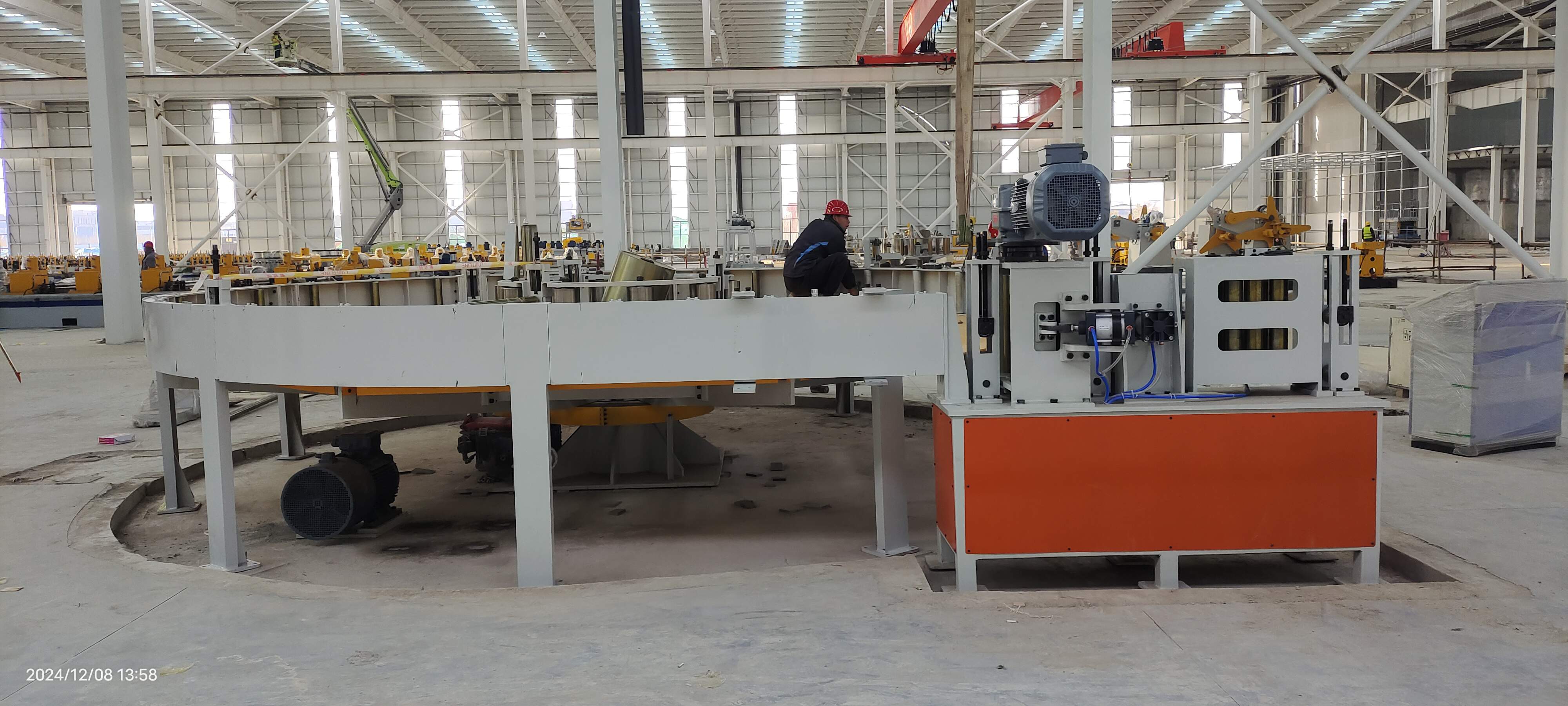
7. Application Examples: Tube Mill Slitting Lines
Case A – ERW tube mill processing 2.5 mm thick mild steel coil (ASTM A36).
Original HSS slitting saws (M2, 200 mm dia, 160 teeth) lasted only 40,000 m
before burr exceeded 0.2 mm. After switching to M35 grade with TiCN coating and
reducing feed from 0.07 to 0.05 mm/tooth, tool life increased to 110,000 m per
sharpening. Coolant concentration was increased from 3% to 7%.
Case B – Stainless steel tube (304, 1.5 mm thick). Standard M2 saws chipped
after 15,000 m. Solution: Use M42 saw with cobalt (68 HRC), negative rake angle
(-3°), and chlorine-free synthetic coolant. Achieved 65,000 m per regrind.
8. Frequently Asked Questions (FAQ) – HSS Slitting Saws
Q1: What is the difference between HSS slitting saws and carbide
slitting cutters for tube mills?
A1: HSS slitting saws offer higher
toughness and shock resistance, making them suitable for slitting hot-rolled
coils with scale or when weld splices pass through the slitter. Carbide slitters
have higher wear resistance but are brittle and prone to chipping on interrupted
cuts. For high-volume slitting of clean, pickled coil (thickness ≤3 mm), carbide
may provide longer life, but HSS remains the preferred choice for most carbon
steel tube mills due to lower cost per meter when regrinding is factored.
Q2: How often should HSS slitting saws be sharpened?
A2:
Sharpening frequency depends on material and line speed. A general rule: regrind
when flank wear reaches 0.2–0.25 mm or when burr height exceeds 0.15 mm. For
mild steel (2–3 mm thick), expect 80,000–120,000 linear meters between regrinds.
For stainless or HSLA, reduce to 30,000–50,000 meters. HSS slitting saws from SANSO are supplied
with wear indicators to assist scheduling.
Q3: Can HSS slitting saws be used for slitting high-strength steel
(DP800 or martensitic)?
A3: Yes, but with restrictions. Use powder
metallurgy HSS (e.g., ASP 2052 or M4) with hardness >65 HRC and apply AlTiN
coating. Reduce cutting speed by 30–40% compared to mild steel. For AHSS grades
above 1000 MPa tensile strength, solid carbide slitters may be more efficient,
though the risk of chipping is higher. Always consult the tooling supplier; SANSO offers customized geometries for
advanced high-strength steels.
Q4: What coolant is recommended for slitting stainless steel with HSS
saws?
A4: For austenitic stainless (304, 316), use a semi-synthetic
or synthetic coolant with extreme pressure (EP) additives that are chlorine-free
(to avoid stress corrosion cracking). Concentration 6–10%. For carbon steel, a
soluble oil with active sulfur/chlorine provides better lubricity. Avoid
straight oils in high-speed slitting as they lack cooling. Flood coolant at
20–30 L/min per nozzle is recommended to flush chips and prevent work hardening
of the strip edge.
Q5: How to reduce burr on slitted edges for precision tube
welding?
A5: Burr is minimized by: (1) using fine-tooth HSS slitting
saws (higher tooth count); (2) reducing feed per tooth to 0.03–0.04 mm; (3)
ensuring the saw has proper side clearance (0.2–0.5° taper per side); (4)
maintaining sharp cutting edges (regrind every 80,000 m). Additionally,
installing a deburring unit (rotary brush or scraper) after the slitter can
remove residual burr before forming. For tube mills welding high-quality
products (e.g., automotive hydraulic lines), specify a maximum burr height of
0.05 mm.
9. Tool Life Optimization and Cost Analysis
For a typical tube mill slitting 2.5 mm × 200 mm coil at 40 m/min, an M2 HSS slitting saw costs approximately $120–180
per blade. With 10 regrinds at $15 each, total tooling cost per blade = $270. If
each regrind yields 80,000 m, total meters per blade = 800,000 m, resulting in
$0.00034 per meter. Switching to a premium M42-coated blade ($220 + 10×$18
regrind = $400) with 120,000 m per regrind gives 1,200,000 m per blade, or
$0.00033 per meter – similar cost but with reduced changeover downtime. Thus,
investing in higher-grade HSS with coatings is justified when uptime is
prioritized.
To obtain a customized slitting recommendation for your tube mill (strip
width, thickness, material grade, line speed), contact the engineering team at
SANSO. Our technical staff can propose tooth
geometry, HSS grade, and coolant strategy to maximize tool life and edge
quality.
Request
a slitting optimization study for your tube millSubmit your coil
specifications (material, thickness, width, tensile strength) via the
SANSO inquiry form. Receive a proposal including recommended
HSS slitting saw grade, tooth geometry, grinding tolerances, and expected tool
life within 3 business days. Free sample testing available for qualified mills.