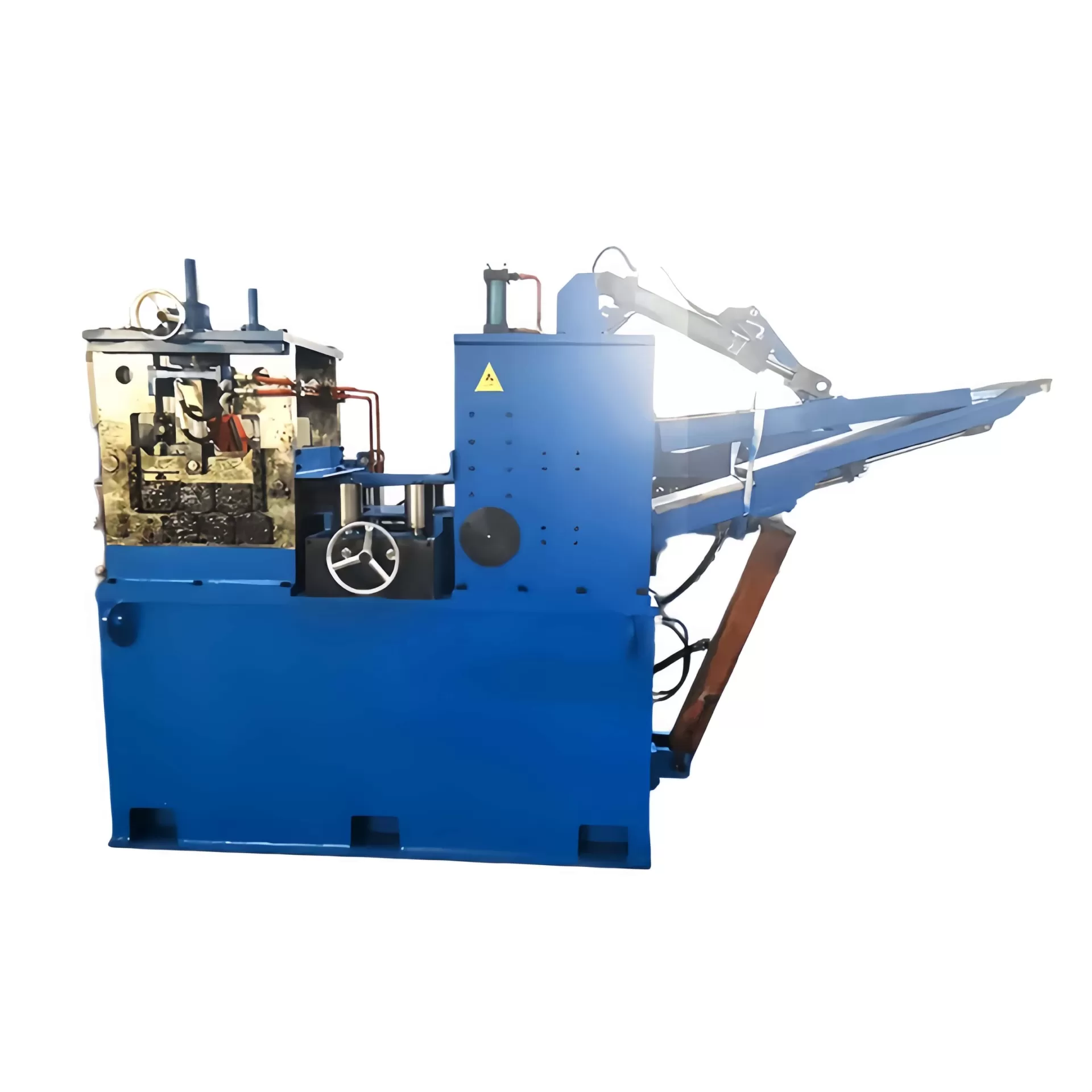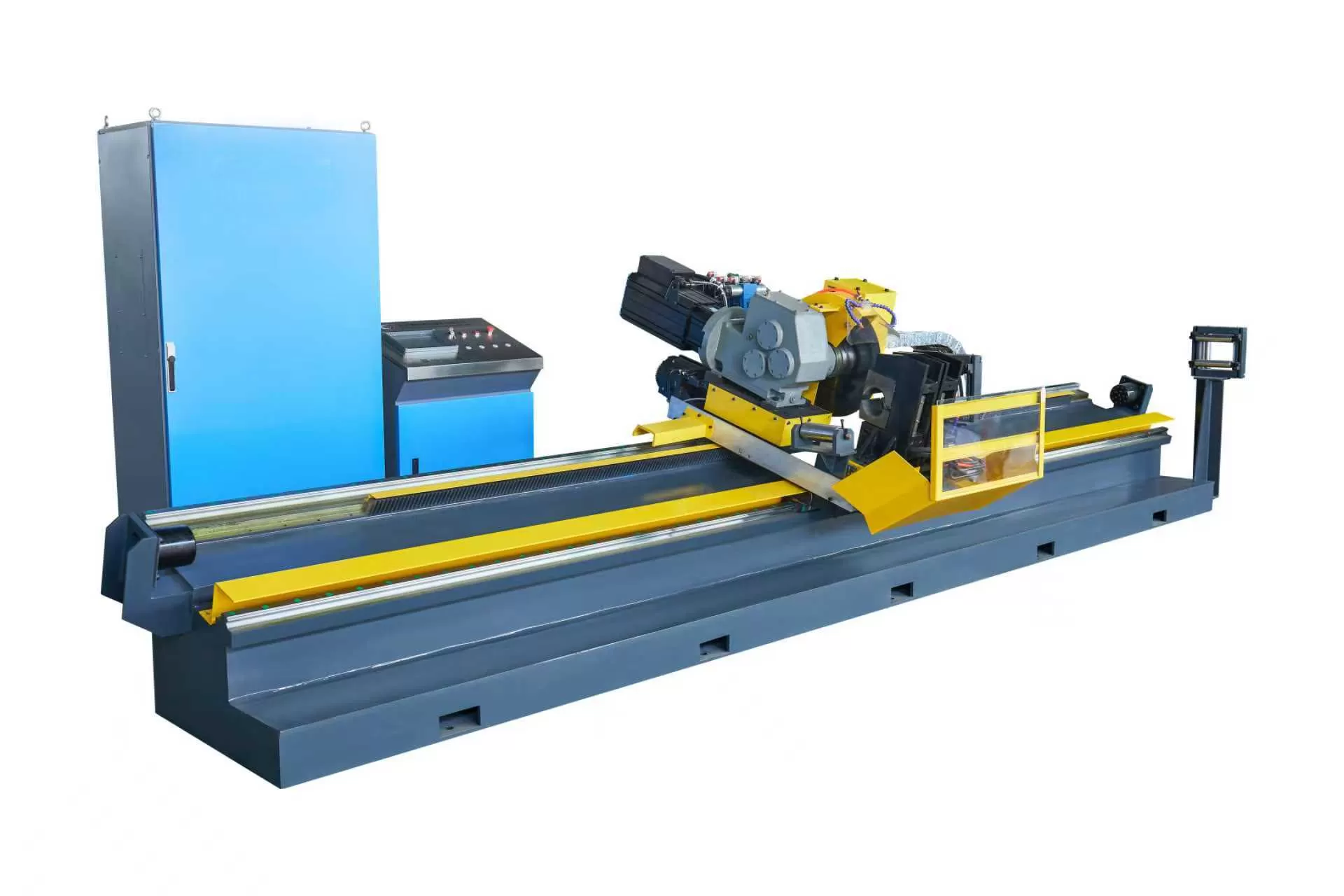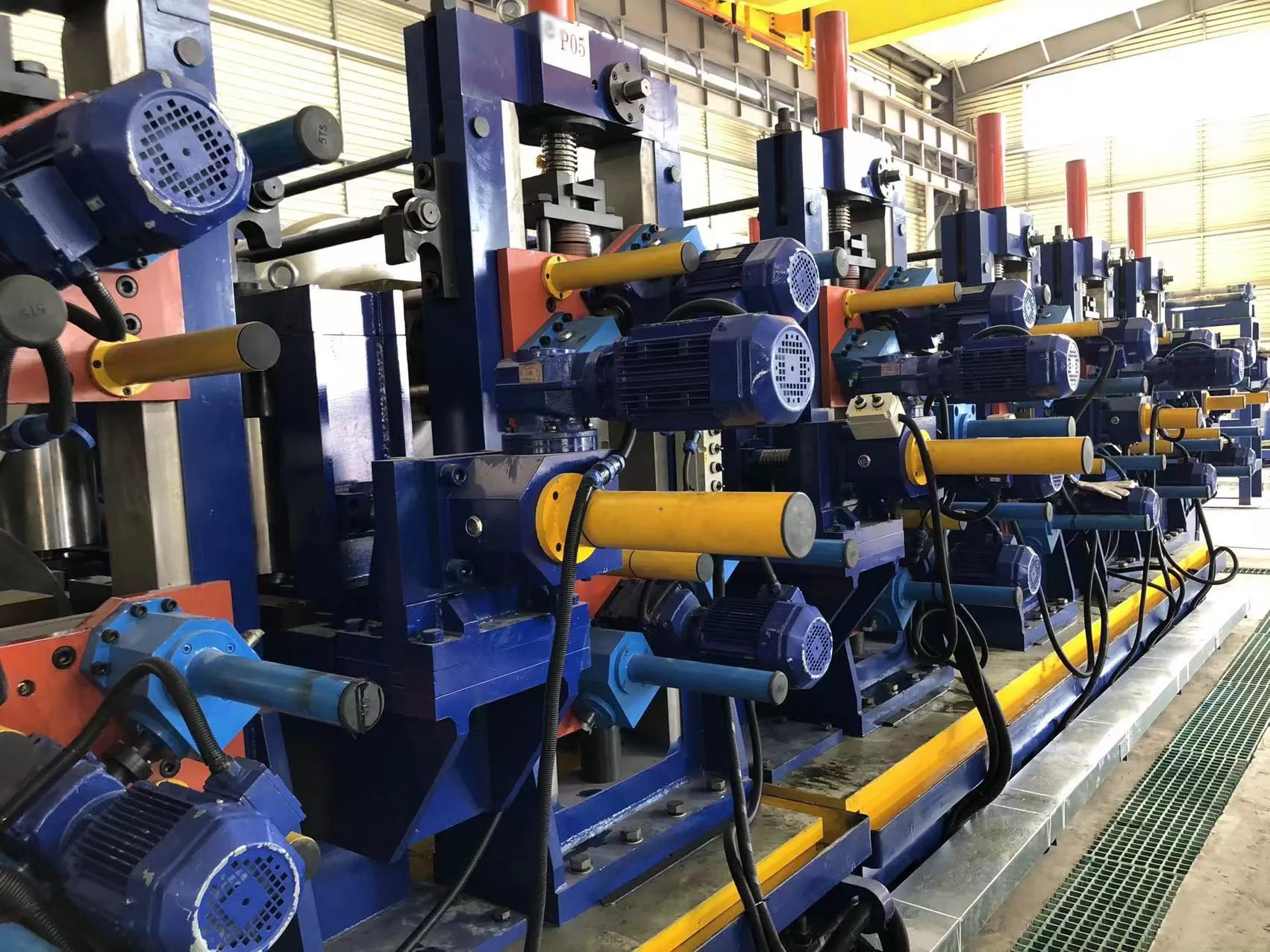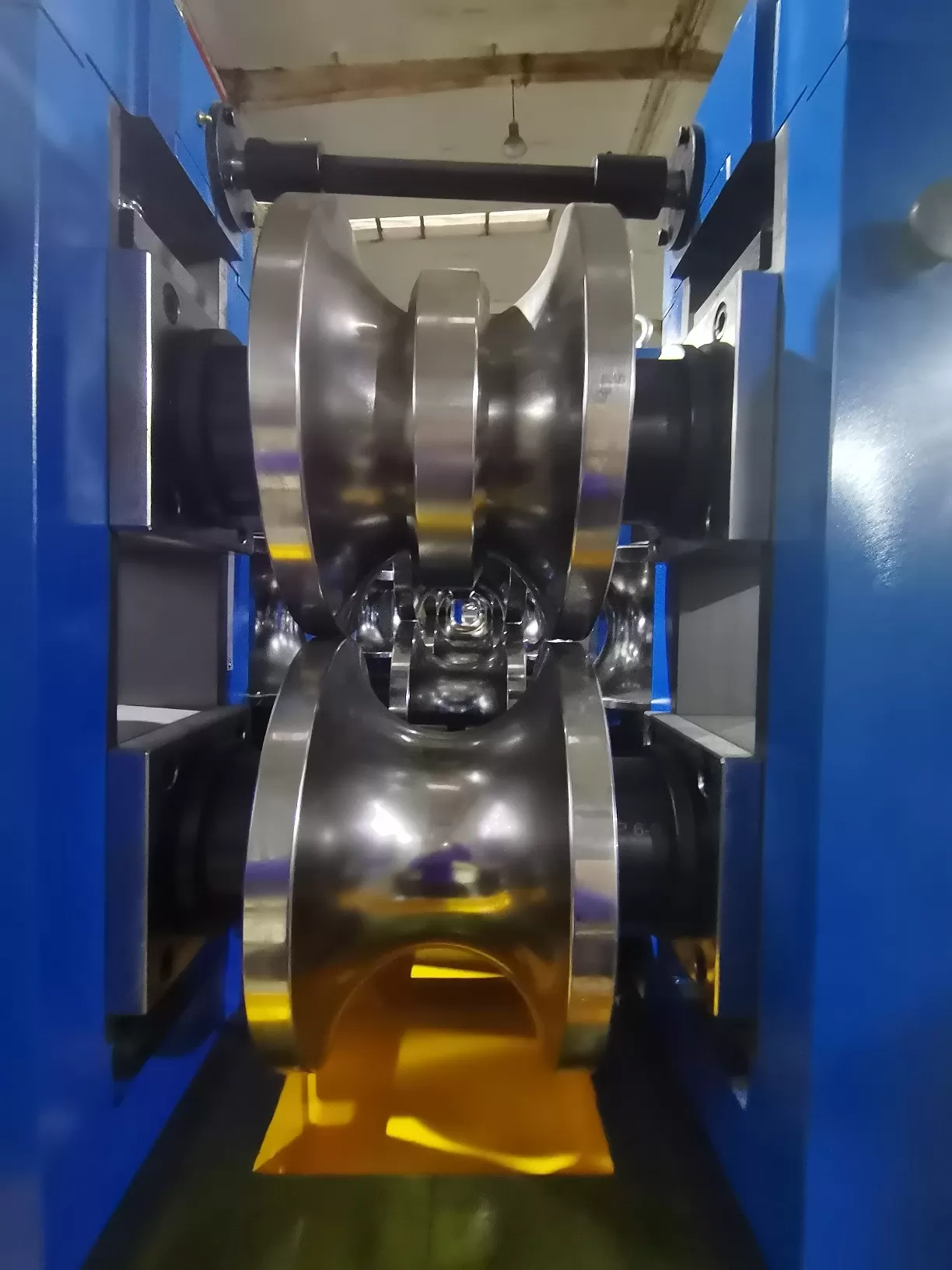
Cold circular sawing is a precision metal cutting process used in tube mills, structural fabrication, and steel service centers. The hss circular saw is a high-speed steel blade designed for clean, square cuts on ferrous and non-ferrous materials. Unlike carbide-tipped blades, HSS circular saws offer superior toughness and the ability to be reground many times. SANSO has supplied tube mill equipment and cutting tools to over 250 factories worldwide. This guide details eight technical parameters that determine cutting performance and blade longevity.
1. Material Grade and Hardness (HRC)
The base material of a hss circular saw directly affects cutting speed and tool life. Common HSS grades include M2, M35, and M42, with varying cobalt content and red hardness.
M2 (Co 0%): Hardness 62–64 HRC. Suitable for mild steel and aluminum. Lower cost, shorter life in continuous operation.
M35 (Co 5%): Hardness 64–66 HRC. Improved wear resistance. Best for general structural steel and tube cutting.
M42 (Co 8%): Hardness 66–68 HRC. Maximum heat resistance. Recommended for stainless steel, alloy steels, and high-volume production.
For tube mills cutting 1,000+ tons per month, SANSO recommends M42 blades with TiAlN coating. The higher initial cost is offset by extended regrind intervals and fewer blade changes.
2. Tooth Geometry and Pitch Selection
Tooth design determines chip load, surface finish, and cutting stability. When specifying a hss circular saw, evaluate these geometry factors:
Tooth pitch (mm): Fine pitch (2–3mm) for thin-walled tubes (≤3mm). Coarse pitch (6–10mm) for solid bars or thick walls (>8mm).
Rake angle: Positive rake (5–10°) for soft materials; negative rake (-3 to 0°) for stainless and high-strength alloys to reduce tooth chipping.
Gullet depth: Must accommodate chip volume. Shallow gullet causes chip packing and blade cracking.
Tooth form: Alternating top bevel (ATB) for clean cuts on tubes; triple-chip grind (TCG) for tubing with internal weld seam or heavy scale.
Rule of thumb: at least 3 teeth in contact with the workpiece. For 60mm diameter tube with 8mm pitch, 7 teeth engaged – optimal.
3. Coatings for Heat and Friction Reduction
Uncoated HSS blades suffer from galling and rapid wear in dry or semi-dry cutting. Coatings extend tool life by 200–500%. Common coatings on hss circular saw blades:
TiN (Titanium Nitride): Gold color, hardness 2,300 HV. Reduces friction coefficient from 0.6 to 0.4. Best for general carbon steel.
TiCN (Titanium Carbo-Nitride): Gray color, hardness 3,000 HV. Resists abrasive wear. Recommended for tubes with mill scale or rust.
TiAlN (Titanium Aluminum Nitride): Violet-gray, hardness 3,500 HV. Withstands 800°C. For stainless, duplex, and high-alloy steel.
AlCrN (Aluminum Chromium Nitride): Dark gray, excellent for dry cutting and high-speed machining.
SANSO stocks TiCN-coated blades as standard for carbon steel tubes. For stainless tube mills, we offer TiAlN-coated blades that last 4x longer than uncoated alternatives.
4. Blade Diameter, Thickness, and Arbor Fit
Physical dimensions must match your cold saw machine. Standard parameters for a hss circular saw:
Diameter: 250mm, 315mm, 350mm, 425mm, 500mm, 630mm. Larger diameter cuts bigger tubes but requires more torque and power.
Thickness: 1.6mm to 5.0mm. Thinner blades reduce kerf waste (less material loss) but are more prone to deflection. For tube wall thickness up to 6mm, use 2.5mm blade.
Arbor hole: 32mm, 40mm, 50mm, or 80mm with keyway or H7 fit. Runout must be ≤0.02mm.
Tension rings: Some blades require stepped or recessed rings for proper clamping.
Incorrect blade thickness causes overheating (too thin) or excessive material loss (too thick). SANSO provides a blade dimension chart for every major cold saw brand (Kaltenbach, Behringer, Doringer, Eisele).
5. Cutting Speeds and Feed Rates
Even a premium hss circular saw fails if speeds and feeds are not optimized. Recommended cutting speeds (surface feet per minute – SFM) for HSS:
Mild steel (A36, S235, S355): 120–180 SFM (36–55 m/min).
Carbon steel (C45, 1045): 100–150 SFM (30–45 m/min).
Stainless steel (304, 316, 430): 60–90 SFM (18–27 m/min).
Alloy steel (4140, 4340, 8620): 50–80 SFM (15–24 m/min).
Aluminum: 400–600 SFM (120–180 m/min).
Feed rate per tooth: 0.03–0.08mm for tubes; 0.05–0.12mm for solid bars. Too low feed causes work hardening and rubbing; too high feed breaks teeth. SANSO's technical team can calculate optimum parameters for your tube size, material, and machine power.
6. Regrinding Intervals and Service Life
HSS circular saws can be reground 5–12 times before reaching minimum diameter. Signs that a hss circular saw needs regrinding:
Burr height exceeding 0.2mm.
Burn marks or blue discoloration on cut surface.
Cutting time increased by 25%.
Vibration or chatter noise.
Proper regrinding maintains tooth geometry, clearance angles, and chip breaker shape. Use a CNC tool grinder with coolant and diamond wheel. Avoid removing more than 0.2mm per tooth face. SANSO offers a regrinding service with original tooth geometry restoration. Clients using our service report 50% longer blade life compared to local grinders.
7. Common Failure Modes and Corrective Actions
Even high-quality HSS circular saws encounter problems. Here are frequent issues with hss circular saw blades and their solutions:
Tooth chipping (micro-breakage): Cause – excessive feed or dull blade. Solution – reduce feed by 30%, increase coolant flow, use coarser pitch blade.
Burr on tube ID or OD: Cause – worn blade or insufficient clamping pressure. Solution – regrind blade; check vise pressure (minimum 50 bar for 60mm tube).
Blade cracking from arbor: Cause – loose clamping or arbor runout >0.02mm. Solution – measure runout with dial indicator; replace arbor bushings.
Blue color on blade face: Cause – overheating (speed too high or no coolant). Solution – reduce SFM by 20%; ensure flood coolant ≥6 L/min directed at cutting zone.
SANSO provides a troubleshooting checklist with every blade shipment. We also offer on-site training for saw operators.
8. Coolant Selection and Application
Proper coolant extends blade life significantly. For hss circular saw applications, use:
Emulsion (semi-synthetic): 6–8% concentration for carbon steel; 8–10% for stainless. Provides both cooling and lubrication.
Straight cutting oil: For low-speed heavy cuts (e.g., large solid bars). Better lubricity but poor cooling.
MQL (minimum quantity lubrication): For dry cutting with compressed oil mist. Reduces fluid disposal costs.
Key parameters: flow rate 5–10 L/min, nozzle position 10mm from cutting zone, pressure 2–4 bar. Avoid chlorinated extreme-pressure additives with HSS – they cause stress corrosion cracking. SANSO recommends Castrol Hysol MB 50 or Fuchs Ecocool 68.
Why SANSO Is a Trusted Supplier of HSS Circular Saws
SANSO has manufactured tube mills and cutting equipment for 22 years. Our hss circular saw blades are made from premium M42 steel with TiAlN coating. Advantages include:
100% laser-inspected tooth geometry (tolerance ±0.01mm).
Vacuum heat treatment for uniform hardness (±1 HRC across blade).
Custom blades for non-standard diameters (up to 800mm).
Express regrinding service with 48-hour turnaround.
Performance guarantee: If blade life does not meet our projection, we replace it at no cost.
Frequently Asked Questions (FAQ)
Q1: What is the difference between an HSS circular saw and a
carbide-tipped circular saw?
A1: HSS blades are tougher, can be
reground many times, and are ideal for cutting ferrous materials at moderate
speeds (≤180 SFM). Carbide-tipped blades are harder and faster (≤600 SFM) but
more brittle and cannot be reground easily. For tube mills cutting carbon steel,
HSS is more economical.
Q2: How often should I replace an HSS circular saw in a
high-production tube mill?
A2: For cutting 800 tons per month of
carbon steel tube (50mm OD, 3mm wall), expect 4–8 months of life with regrinding
every 2–3 weeks. SANSO recommends tracking cuts per regrind – typical range:
3,000–8,000 cuts depending on material and coolant.
Q3: Can an HSS circular saw cut stainless steel
tubes?
A3: Yes, but use M42 grade with TiAlN coating. Reduce cutting
speed to 60–90 SFM. Use heavy-duty emulsion (8–10% concentration). Expect blade
life 40–60% of carbon steel cutting. SANSO offers a dedicated stainless steel
series with modified tooth geometry.
Q4: What causes vibration during cutting and how to fix
it?
A4: Vibration typically results from uneven tooth wear,
insufficient clamping, or incorrect pitch. Solution: regrind the blade, increase
vise pressure (minimum 40 bar), and use a finer pitch (more teeth engaged).
SANSO's blade selection tool can recommend the correct pitch for your tube
size.
Q5: What is the maximum wall thickness an HSS circular saw can
cut?
A5: For solid bars, up to 120mm diameter. For tubes, wall
thickness up to 15mm for M42 blades. Above 15mm wall, use a bandsaw or
carbide-tipped blade. SANSO's largest blade (800mm) cuts 350mm diameter solid
bar.
Request a Blade Sample or Cutting Test
Selecting the right hss circular saw reduces downtime and improves cut quality. SANSO offers a free cutting test on your tube sample. We will recommend blade diameter, pitch, coating, and cutting parameters. We also provide a 30-day performance guarantee.
Contact SANSO's cutting tools
division:
Website: https://www.sansotubemill.com/
Email:
info@sansohftubemill.com
Phone: +86 13303118751/+86 311 8668 5003
Send your tube material, outer diameter, wall thickness, and daily cutting quantity. SANSO will reply with a blade specification sheet and quotation within 24 hours.