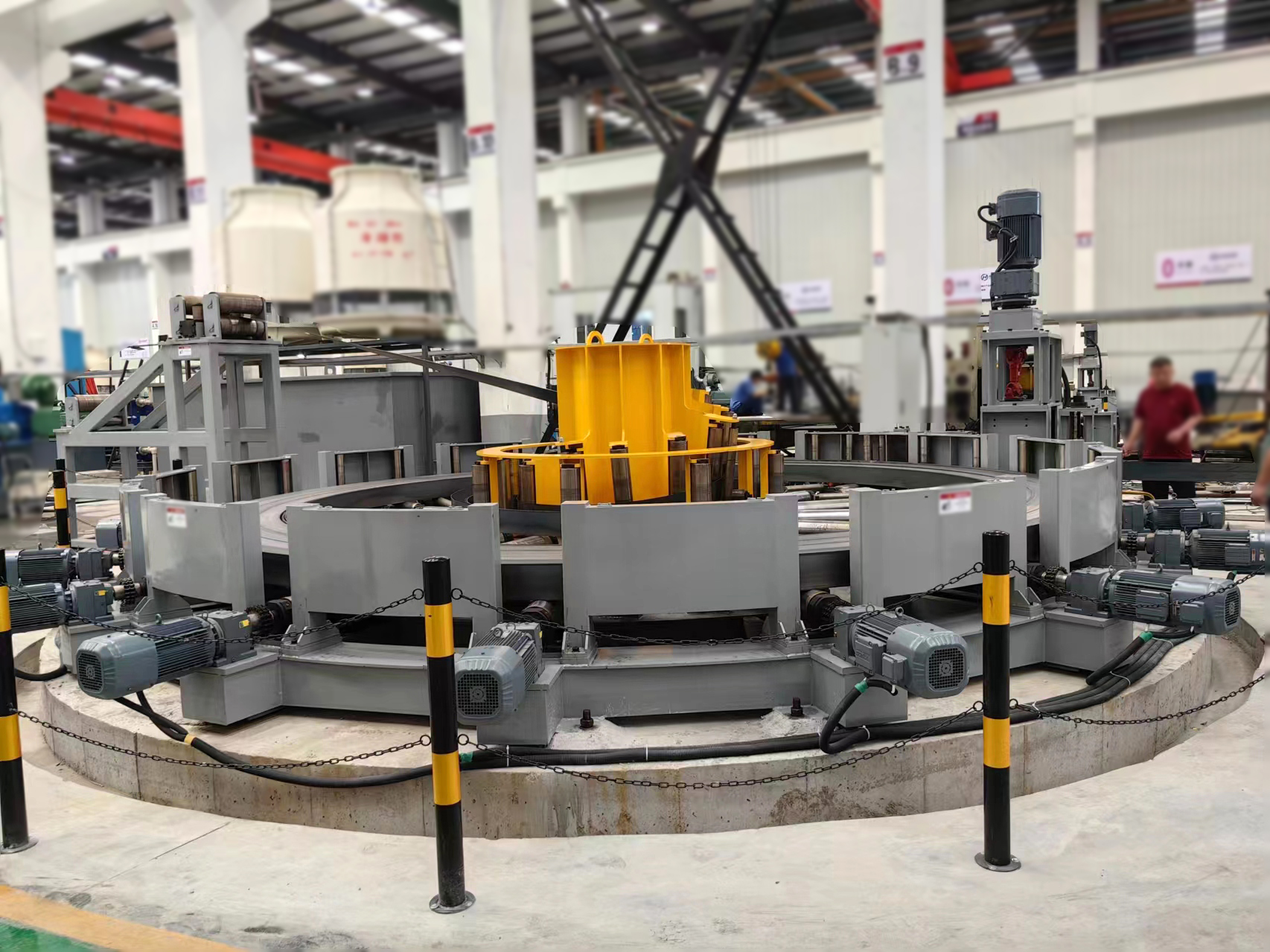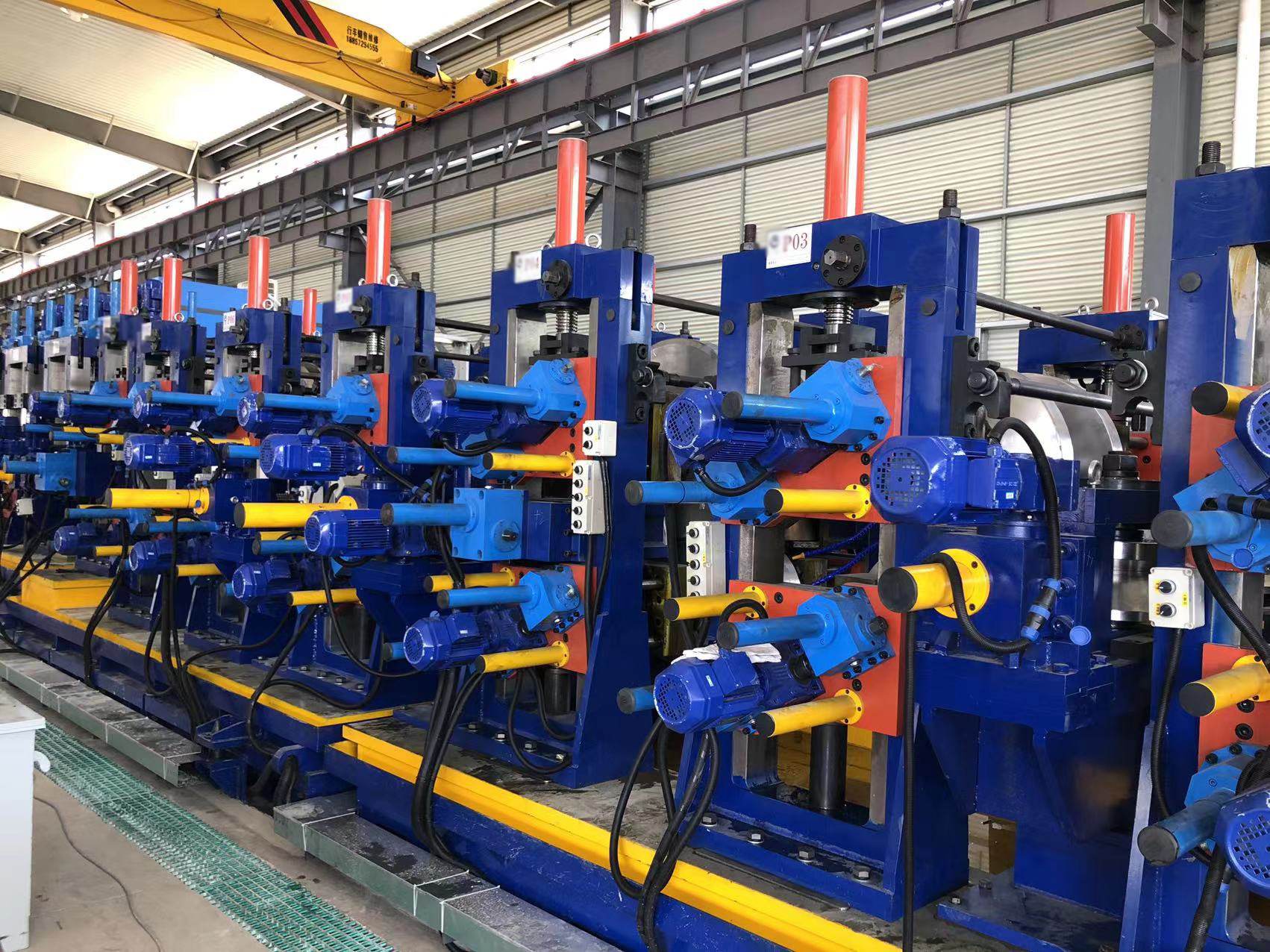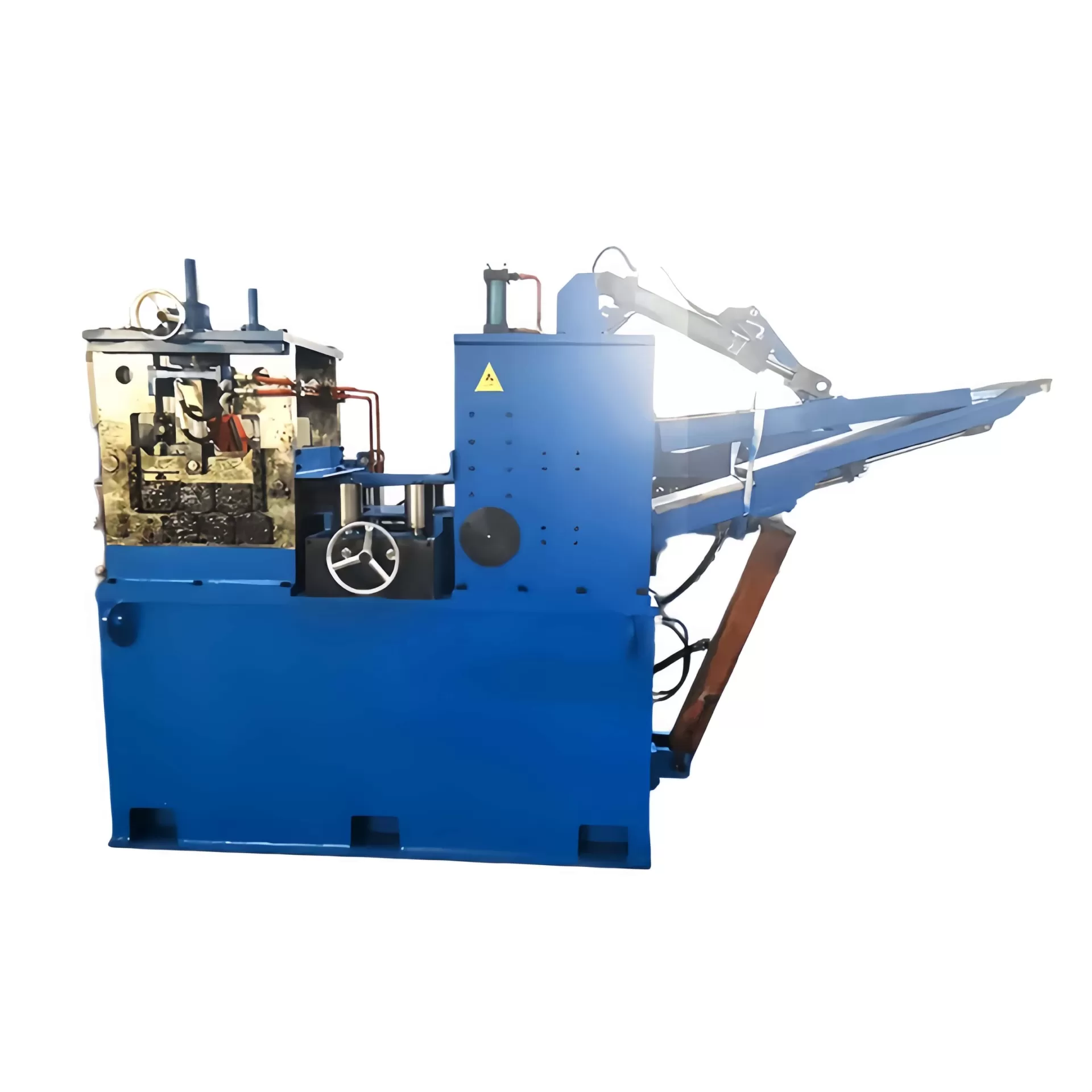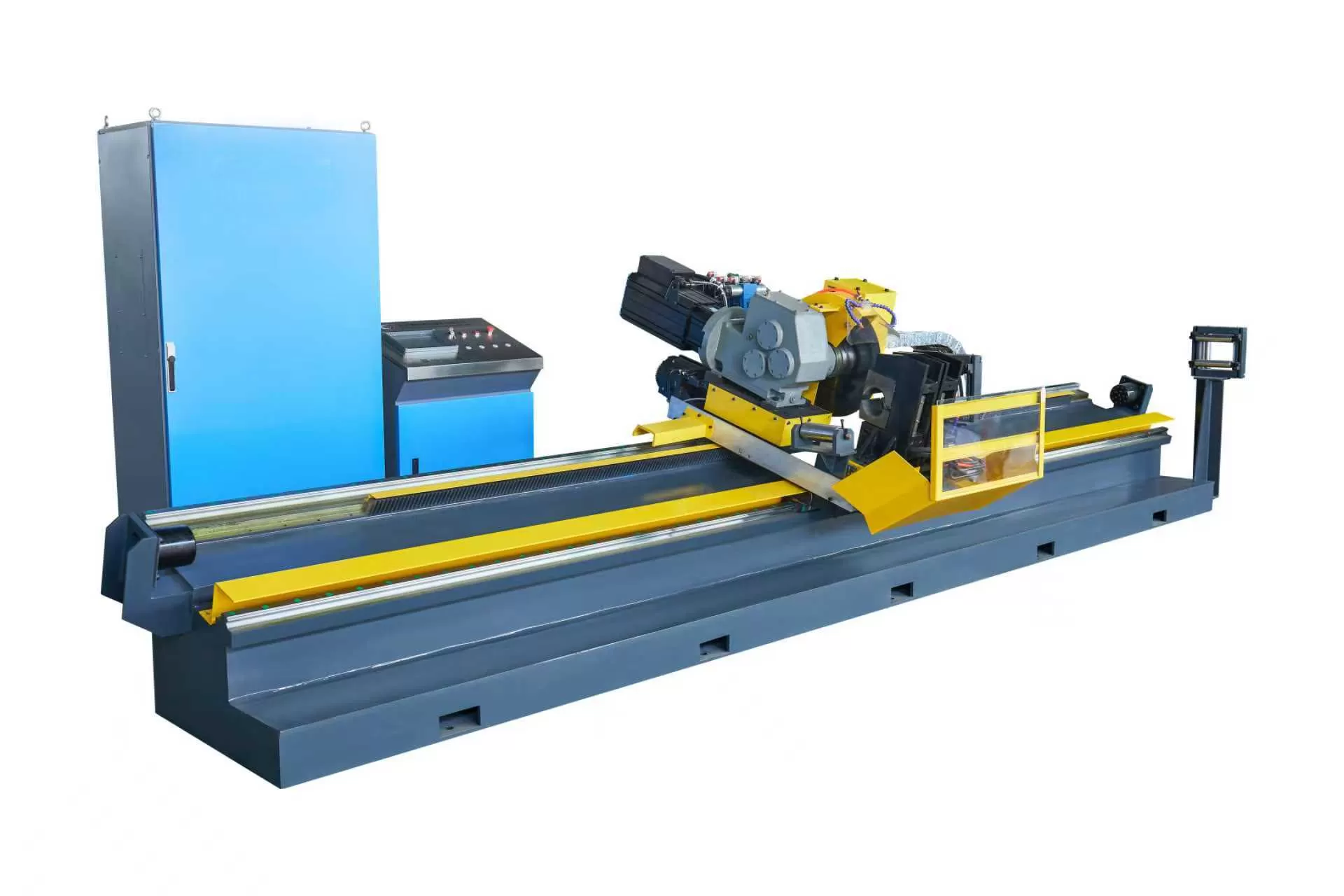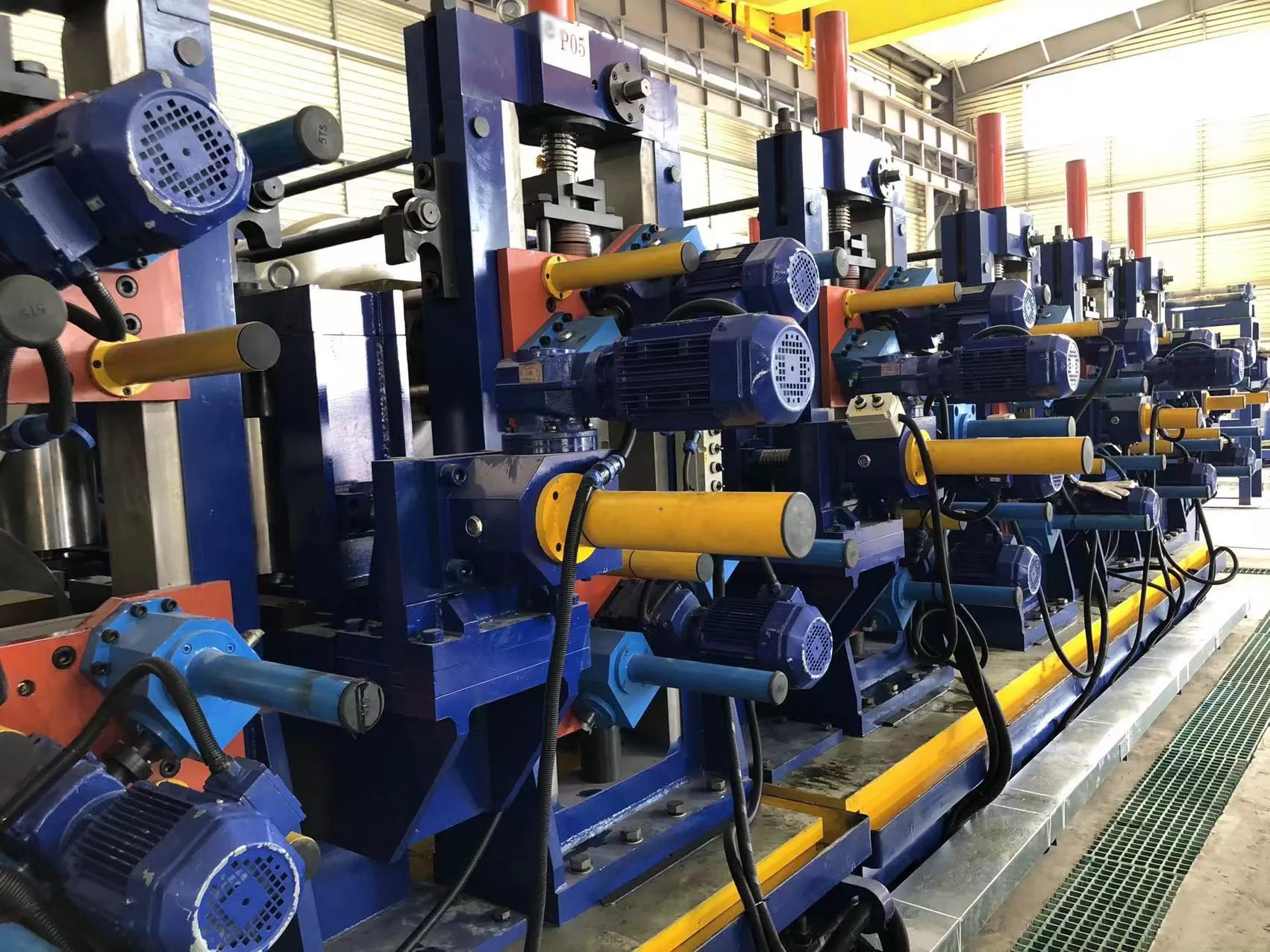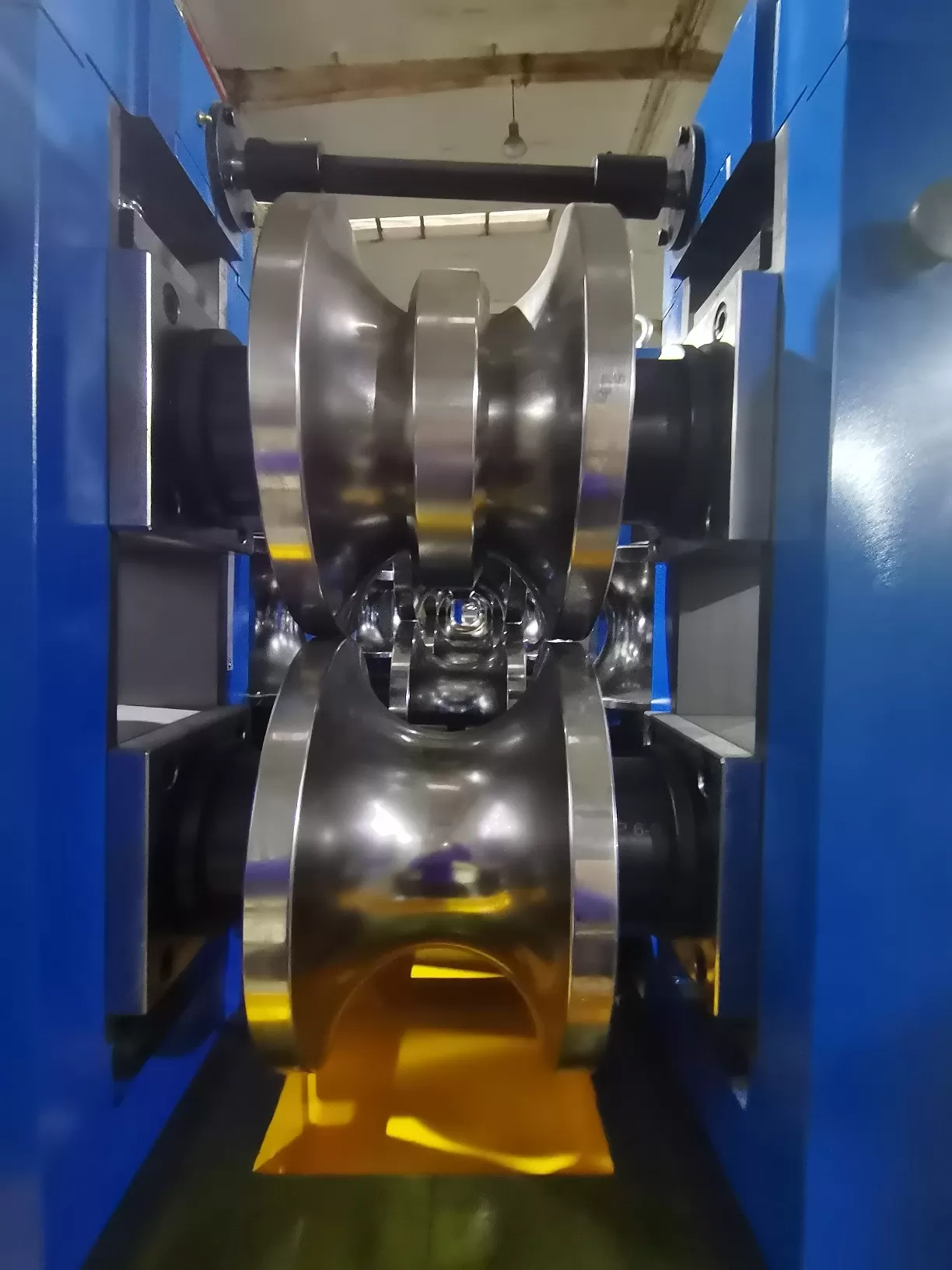
In any continuous tube or pipe mill, the End Welder is the gatekeeper of operational continuity. It joins the trailing end of one coil to the leading end of the next, enabling hours of uninterrupted forming and welding. A single failure at this junction can cause a mill-wide stoppage, with downtime costs often exceeding $5,000 per minute. Selecting and operating the right End Welder directly impacts overall equipment effectiveness (OEE), material yield, and final tube quality. Below, we dissect the eight parameters that separate a world-class end-welding station from a bottleneck.
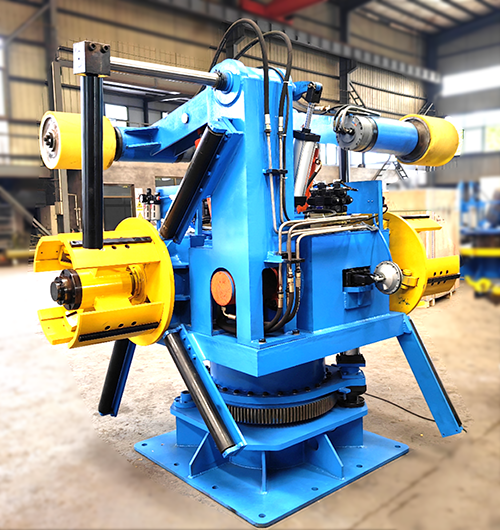
Parameter #1: Welding Technology – Solid-State High Frequency vs. Conventional Flash Butt
Traditional flash butt welding relies on resistance heating followed by an upsetting force. While robust, it often produces a wide heat-affected zone (HAZ) and requires extensive post-weld flash trimming. Modern solid-state high-frequency (HF) technology, such as that integrated into SANSO’s End Welder, uses induction or conduction to deliver energy precisely at the strip edges. The result is a narrower HAZ (often <2 mm), faster thermal cycles, and significantly reduced grain coarsening. Data from field installations show that solid-state HF end welders can achieve a 40% reduction in cycle time compared to conventional flash butt machines, while maintaining a weld strength coefficient above 0.95 relative to the base metal.
Parameter #2: Clamping and Alignment Precision
Even the most advanced power supply cannot compensate for misaligned strip ends. Clamping systems must provide repeatable, high-force clamping with zero slippage. Optical or laser-based edge detectors feed real-time position data to the programmable logic controller (PLC), ensuring that the strip ends are aligned within ±0.1 mm before the welding sequence begins. Any deviation can lead to cold laps, incomplete fusion, or excessive upset—defects that propagate into the tube forming section. Modern End Welder designs incorporate servo-hydraulic or fully electric clamping with integrated load cells to monitor and adjust the gripping force according to material thickness and width.
Parameter #3: Post-Weld Heat Treatment (PWHT) Integration
For high-strength steels (e.g., API X70, X80) or materials with stringent hardness requirements, an as-welded joint may exhibit unacceptable hardness peaks or martensitic microstructures. A modern end-welding station often includes an in-line induction or resistance annealer that normalizes the weld zone immediately after upsetting. By controlling the heating and cooling rates, the HAZ hardness can be reduced to below 250 HV, matching the parent coil properties. SANSO offers integrated PWHT modules that communicate with the welder’s control system, adjusting temperature profiles based on material grade and thickness without operator intervention.
Parameter #4: Real-Time Weld Monitoring and NDT
Destructive testing of every end weld is impractical in a high-throughput mill. Instead, leading End Welder systems incorporate non-destructive testing (NDT) methods such as phased-array ultrasonics or eddy current arrays that scan the weld immediately after annealing. These systems detect lack of fusion, inclusions, or cracks with a resolution down to 0.5 mm. When combined with statistical process control (SPC) software, the mill can track weld quality trends and schedule maintenance before defects occur. Compliance with API 5L and EN 10219 standards is often verified through this integrated NDT step.
Parameter #5: Flash Trimming and Edge Smoothing
After welding and upsetting, a raised flash or burr remains on both surfaces. If not removed, this flash can damage forming rolls or cause marking inside the pipe. Automated flash trimmers—often using carbide cutters or shearing blades—remove the excess material while the strip is still clamped. The trimming force and depth must be precisely controlled to avoid gouging the base metal. Some advanced end welders also include edge milling stations that create a smooth, radiused transition, which is especially critical for thick-wall pipes where the weld area will later pass through reducing/sizing sections.
Parameter #6: Automation and Recipe Management
A modern tube mill processes dozens of material grades, thicknesses, and widths per shift. Manually adjusting welding parameters for each changeover invites errors and variability. High-end End Welder controllers feature recipe libraries that store hundreds of parameter sets: preheat time, welding power, upset force, annealing temperature, and flash trim depth. When the coil data is scanned (via barcode or RFID), the machine automatically configures itself. This reduces changeover time to under two minutes and ensures repeatable weld quality regardless of operator skill.
Parameter #7: Cycle Time and Overall Equipment Effectiveness (OEE)
The end welder’s cycle time directly affects the mill’s utilization. A typical sequence—deceleration of the strip, clamping, welding, annealing, trimming, and re-acceleration—should ideally take 60 seconds or less. Advanced solid-state HF systems can complete the entire process in 45 seconds for medium-gauge material. By minimizing the “dead time” at the end of each coil, the mill gains several hours of productive runtime per week. Calculating the OEE contribution of the end welder requires tracking both the mean time between failures (MTBF) and the mean time to weld (MTTW).
Parameter #8: Maintenance and Consumables Life
Electrode life, clamp jaw wear, and flash trimmer blade longevity are often overlooked but critical cost drivers. Copper-based electrodes in a solid-state End Welder can last for 10,000 welds or more if proper cooling and anti‑spatter coatings are used. Clamp jaws with tungsten carbide inserts resist deformation even under high clamping forces. Predictive maintenance systems, such as those offered by SANSO, monitor welding current patterns and jaw temperature to alert operators when cleaning or replacement is imminent, preventing unscheduled downtime.
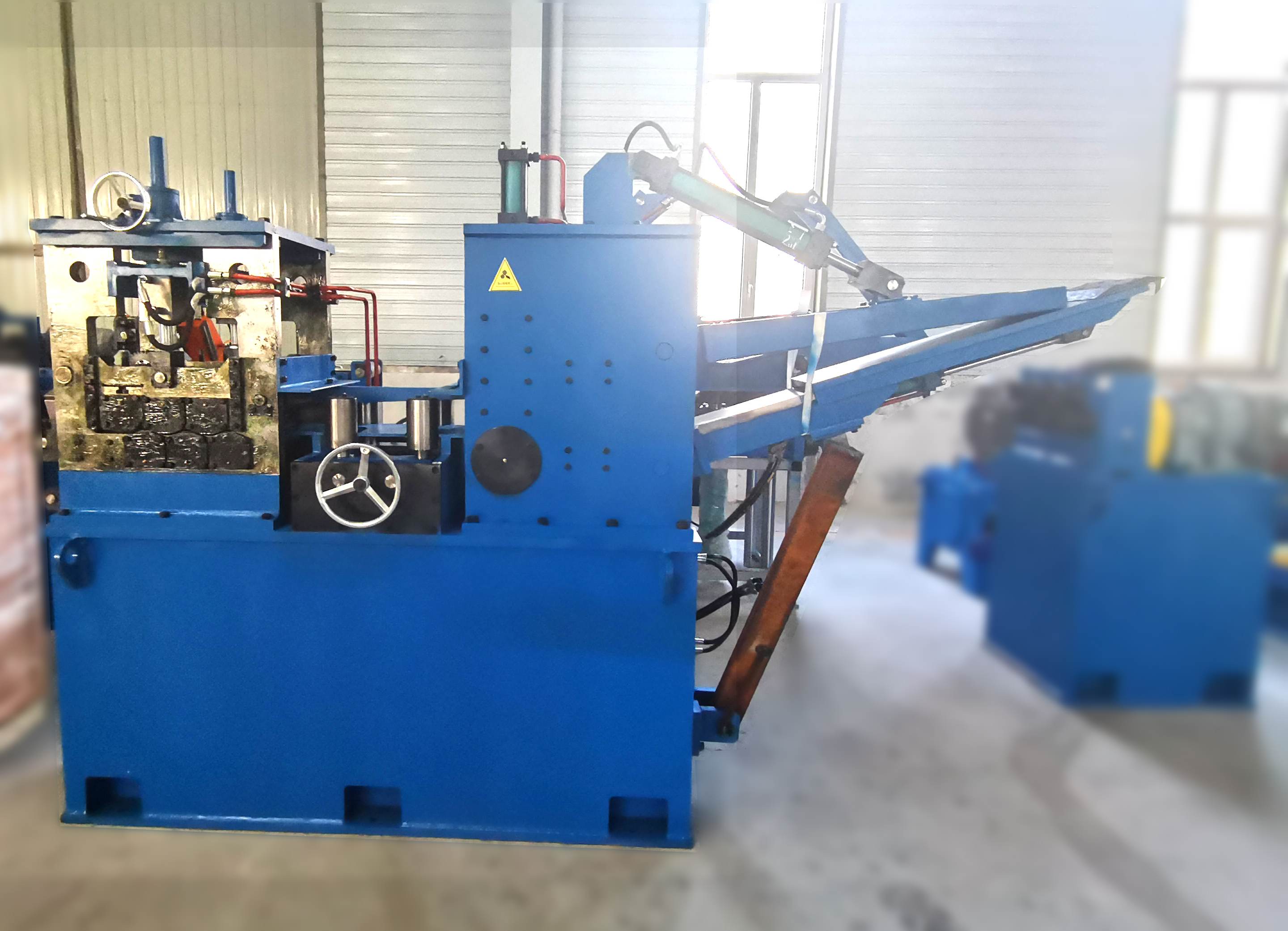
Case Study: SANSO Solid-State HF End Welder at a Large-Diameter Pipe Mill
A North American pipe producer specializing in 24” to 48” OD line pipe upgraded from an aging flash butt end welder to a SANSO solid-state HF End Welder. The mill processes API 5L grades from X42 to X80, with thicknesses ranging from 6.4 mm to 19 mm. Over six months, the new system recorded a 72% reduction in end-weld failures (from an average of 4.2% to 1.2%) and a 30% decrease in changeover time due to automated recipe selection. The narrower HAZ also eliminated a downstream annealing step, saving an estimated $180,000 annually in energy costs. The integrated ultrasonic NDT system provided full traceability for each weld, satisfying the mill’s stringent quality assurance requirements.
Frequently Asked Questions (FAQ) about End Welders
Q1: What is the primary function of an end welder in a tube
mill?
A1: The end welder joins the tail of one steel coil to the
head of the next coil, creating a continuous strip that feeds into the tube
forming mill. This eliminates the need to stop the line for each coil change,
maximizing productivity.
Q2: How does solid-state high-frequency technology improve end
welding results compared to traditional methods?
A2: Solid-state HF
welding delivers concentrated energy directly to the strip edges, producing a
much narrower heat-affected zone (often <2 mm) and finer grain structure.
This results in stronger, more ductile welds with lower hardness, and typically
shortens the overall welding cycle by 30–40%.
Q3: What types of materials can a modern end welder
handle?
A3: Advanced end welders are designed for a wide range of
ferrous and non-ferrous materials, including carbon steel, stainless steel
(austenitic, ferritic, duplex), and high-strength low-alloy (HSLA) grades such
as API X42 through X80. With appropriate parameter settings, they can also
process aluminum and titanium alloys.
Q4: How often do clamping dies or electrodes need to be
replaced?
A4: The service life depends on the number of welds and
the materials processed. Typically, copper-alloy electrodes can last 5,000 to
10,000 welds with proper cooling and maintenance. Clamp jaws with carbide
inserts may exceed 15,000 welds before requiring refurbishment. Regular
inspection intervals (every 500–1000 welds) are recommended.
Q5: Can an existing tube mill be retrofitted with a modern
solid-state end welder?
A5: Yes. Most modern end welders, including
those from SANSO, are designed as modular units that can be integrated into
existing lines. Retrofitting typically involves adapting the entry loop control,
updating the PLC interface, and installing the necessary cooling and power
supplies. Many mills achieve a positive ROI within 12–18 months after
retrofitting.
Q6: What safety features are standard on today’s end
welders?
A6: Modern end welders include light curtains that halt
operation if the safety zone is breached, enclosed welding areas with fume
extraction, emergency stop circuits, and thermal overload protection on all
power components. Some systems also incorporate remote diagnostics to minimize
the need for personnel to approach the machine during operation.
Conclusion: Future Trends in End Welding Technology
The end welder is evolving from a simple joining station into a fully connected quality hub. With Industry 4.0, we see the integration of artificial intelligence for adaptive parameter optimization, digital twins that simulate the weld before execution, and advanced sensors that monitor microstructure in real time. As tube mills push for higher speeds and thinner walls, the reliability of the End Welder becomes even more critical. Partnering with an experienced manufacturer like SANSO ensures access to cutting-edge solid-state HF technology, comprehensive support, and a roadmap for continuous improvement—transforming the end welder from a potential bottleneck into a competitive advantage.