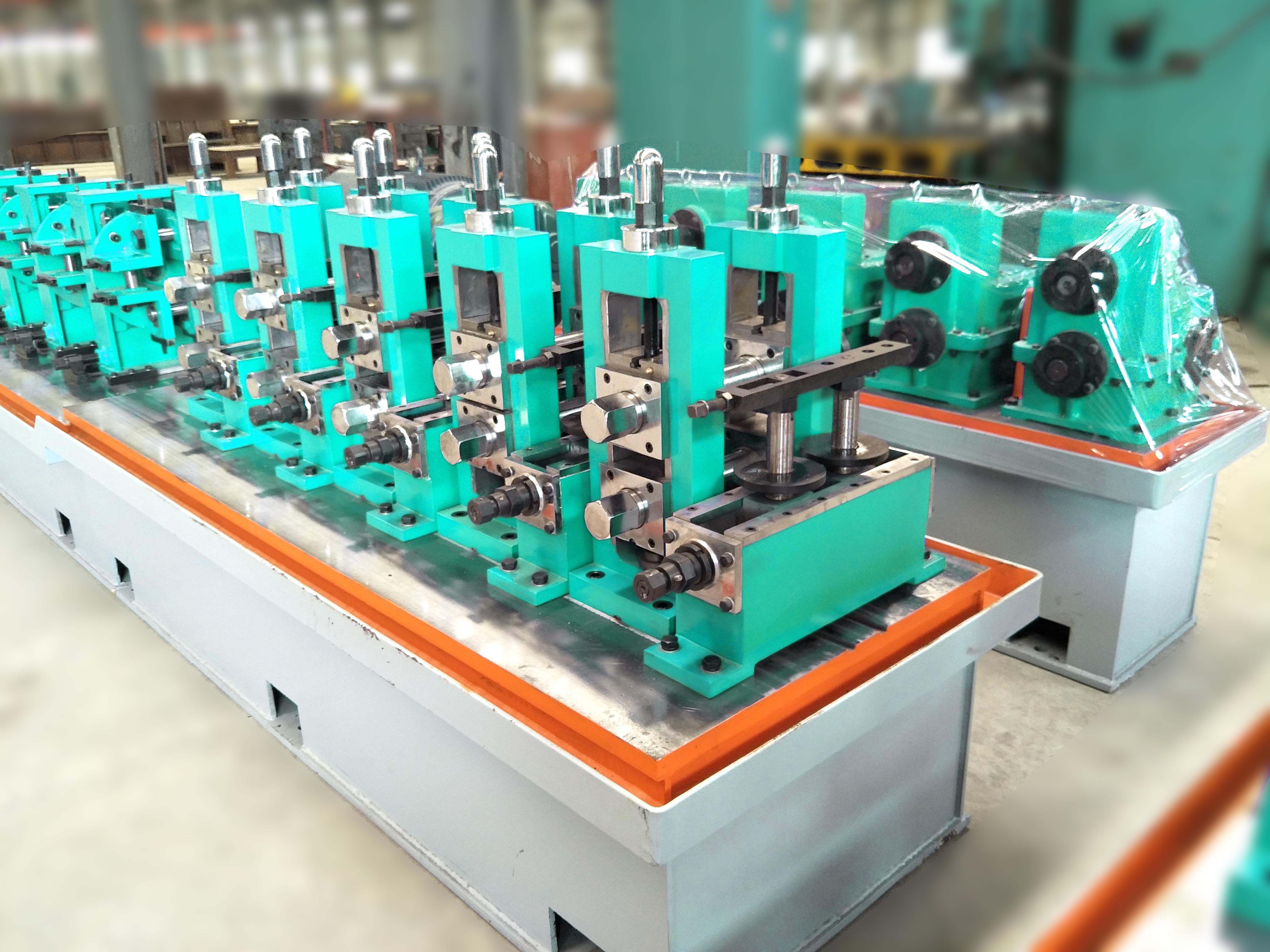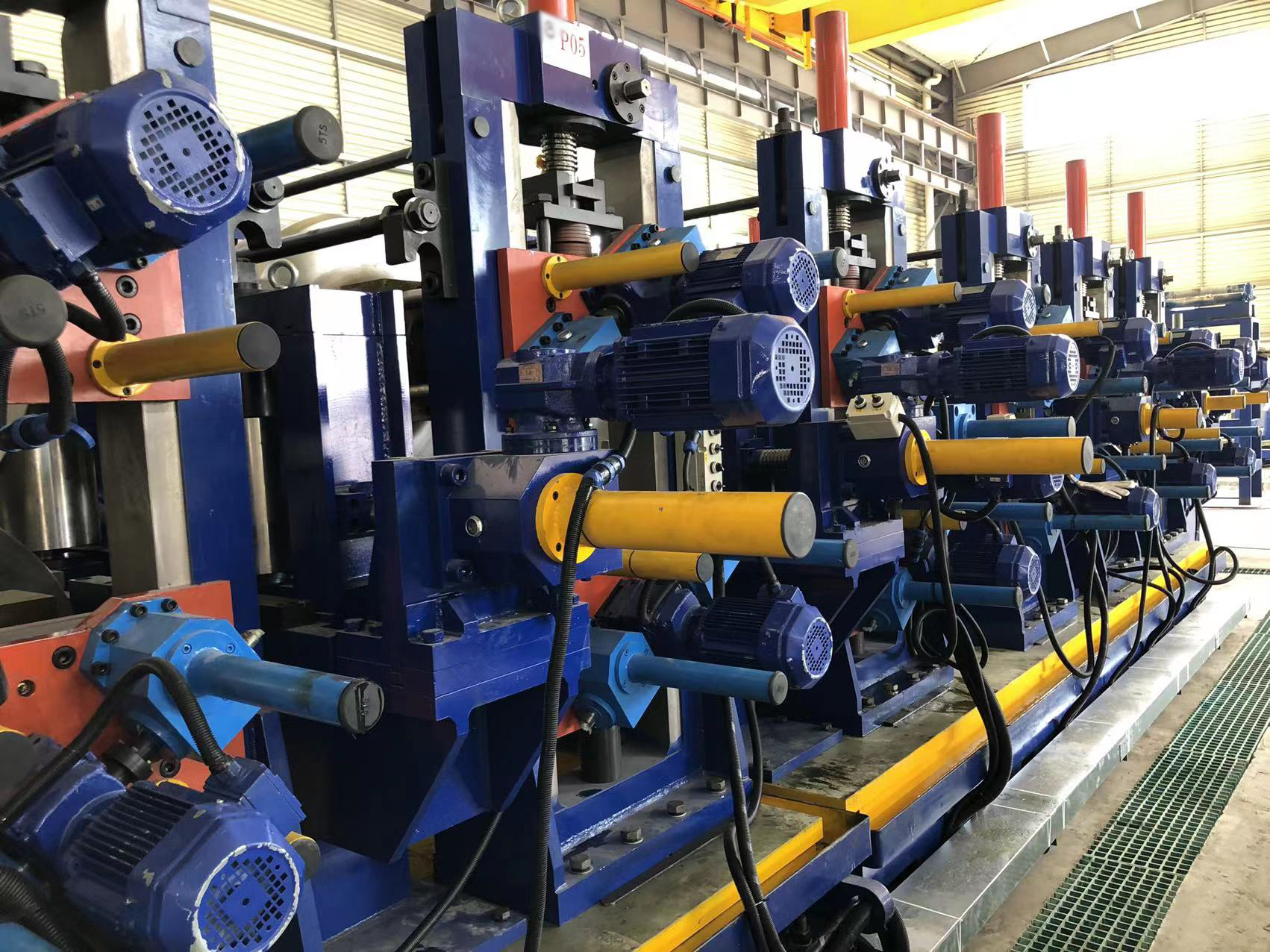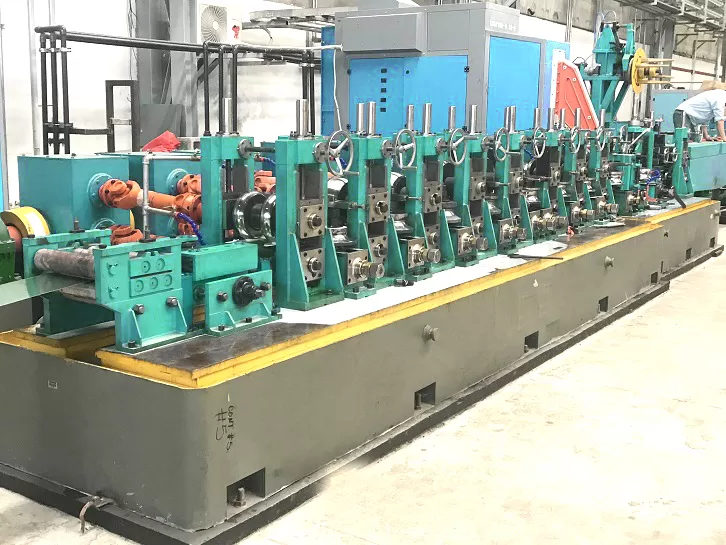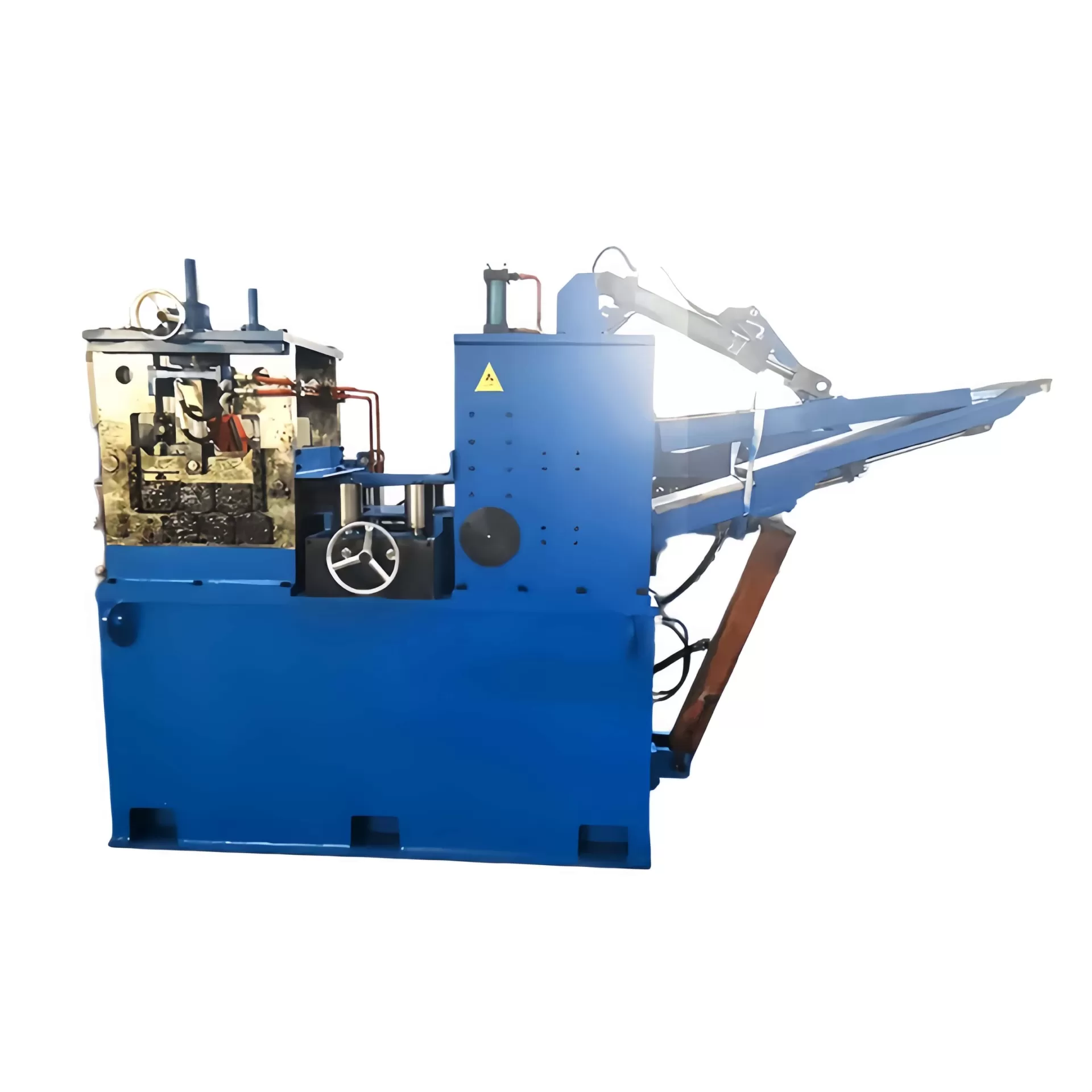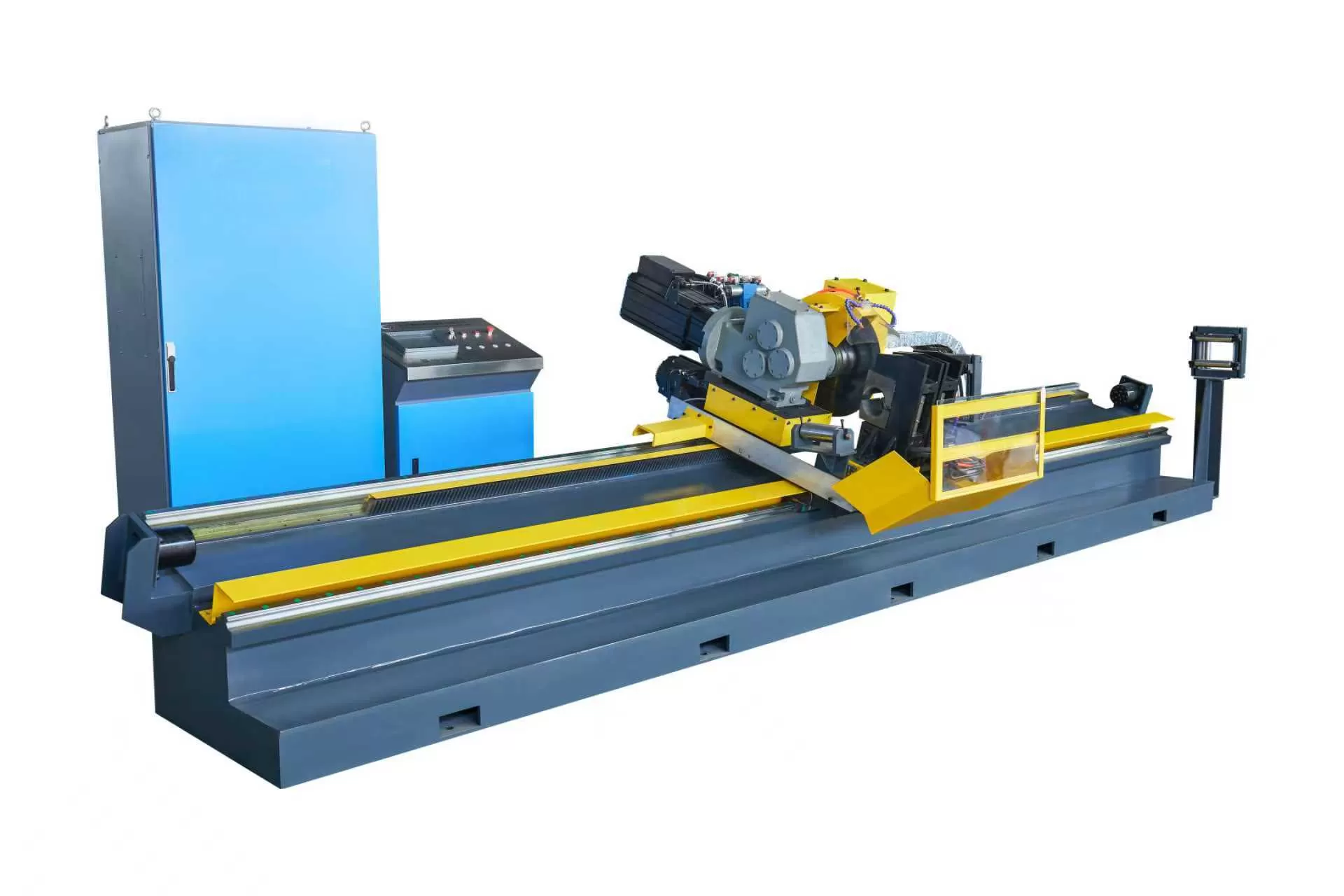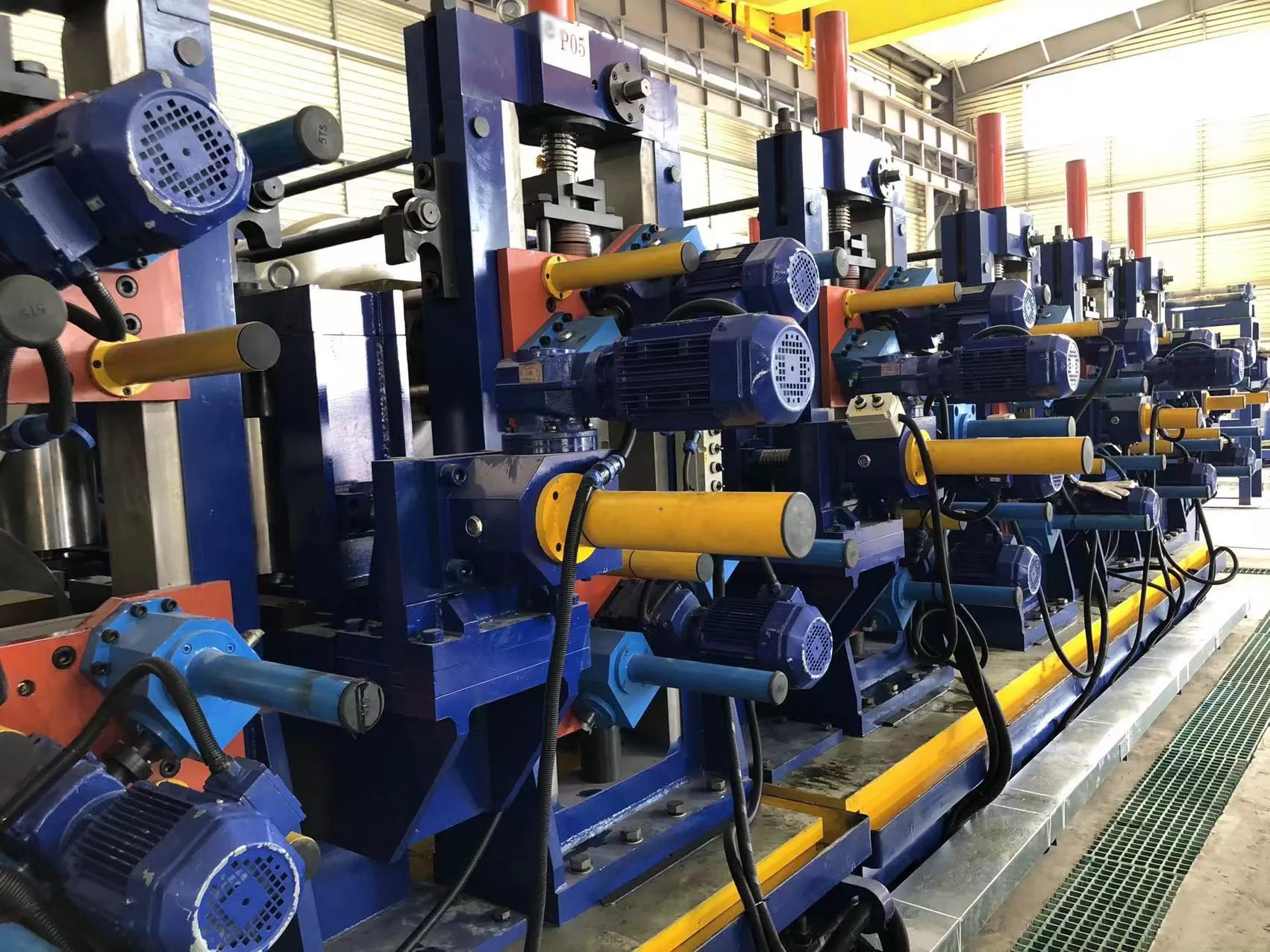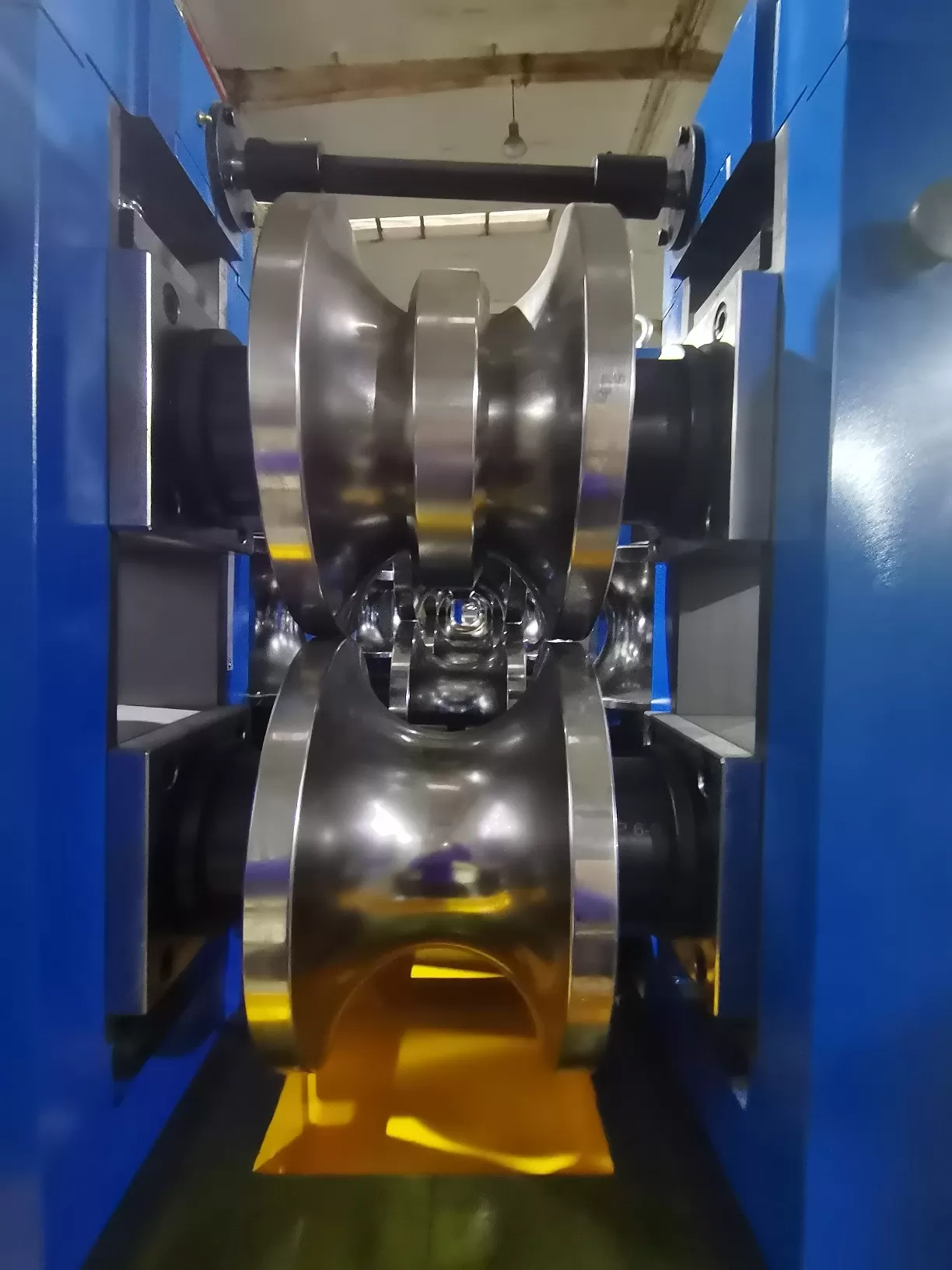
The transition from traditional vacuum tube oscillators to modern Solid state HF welder systems represents one of the most significant advancements in high-frequency (HF) pipe and tube welding over the past two decades. While older technologies relied on fragile glass tubes requiring frequent replacement and high-voltage stabilization, solid-state designs use insulated-gate bipolar transistors (IGBTs) or metal-oxide-semiconductor field-effect transistors (MOSFETs) to generate welding frequencies (typically 100–500 kHz) with far greater reliability. For mills producing API line pipe, mechanical tubing, or precision profiles, the choice of a Solid state HF welder directly influences edge heating consistency, energy efficiency, and overall equipment uptime.
Advantage #1: Superior Energy Efficiency and Power Factor Correction
Conventional vacuum tube welders often operate at overall efficiencies between 45% and 55%, with substantial energy lost as heat in the tank circuits and tube anodes. A modern Solid state HF welder achieves electrical efficiencies exceeding 85% across its operating range. This improvement stems from direct AC-to-DC-to-HF conversion with minimal reactive losses. Integrated power factor correction (PFC) circuits maintain a near-unity power factor, reducing reactive power charges on the plant’s utility bill. Data from retrofit projects indicates that switching to a solid-state system can reduce welding energy costs by 25% to 35% for the same production tonnage. SANSO incorporates resonant converter topologies in their Solid state HF welder designs, which minimize switching losses even when welding heavy-wall pipes or stainless steel grades.
Advantage #2: Consistent Heat Input and Weld Quality
Heat input variability is a primary cause of weld defects such as cold welds, penetrators, or lack of fusion. Solid-state generators deliver stable output power regardless of line voltage fluctuations (typically within ±0.5% of setpoint). This stability ensures that the strip edges reach the forging temperature consistently along the entire seam length. Furthermore, advanced Solid state HF welder systems include closed-loop controls that monitor welding current, voltage, and frequency in real time, adjusting parameters within milliseconds to compensate for variations in strip thickness or impedance changes. Mills producing tubes for automotive hydroforming or boiler applications rely on this consistency to meet strict non-destructive testing (NDT) acceptance criteria.
Advantage #3: Reduced Maintenance and Higher Uptime
Vacuum tubes have a finite lifespan—typically 2,000 to 5,000 operating hours—and their replacement involves costly downtime and tube procurement. Solid-state components, when properly cooled and protected, can operate for 50,000 hours or more without failure. Additionally, there are no high-voltage anodes or filament transformers that require periodic conditioning. The elimination of water-cooled tank capacitors and variable inductors simplifies the overall system. Many operators report that after migrating to a Solid state HF welder, unscheduled maintenance drops by more than 60%, and the mean time between failures (MTBF) exceeds 20,000 hours. SANSO offers remote diagnostic tools that allow service engineers to monitor internal bus voltages, cooling water conductivity, and IGBT junction temperatures, predicting failures before they interrupt production.
Advantage #4: Flexible Frequency Control for Diverse Materials
Different materials and wall thicknesses require optimal welding frequencies to achieve proper penetration and heat distribution. Thicker walls (above 8 mm) benefit from lower frequencies (100–200 kHz) that provide deeper current penetration, while thin walls or stainless steels often perform better at higher frequencies (300–400 kHz) that concentrate heat at the extreme edges. A Solid state HF welder can adjust its operating frequency dynamically, either through manual selection or automated recipes. This capability is especially valuable in job shops that run a mix of carbon steel, ferritic stainless, and austenitic stainless tubes without changing the welding head. The ability to tune the frequency also helps control the width of the heat-affected zone (HAZ), reducing the need for post-weld heat treatment in some applications.
Advantage #5: Compact Footprint and Modular Scalability
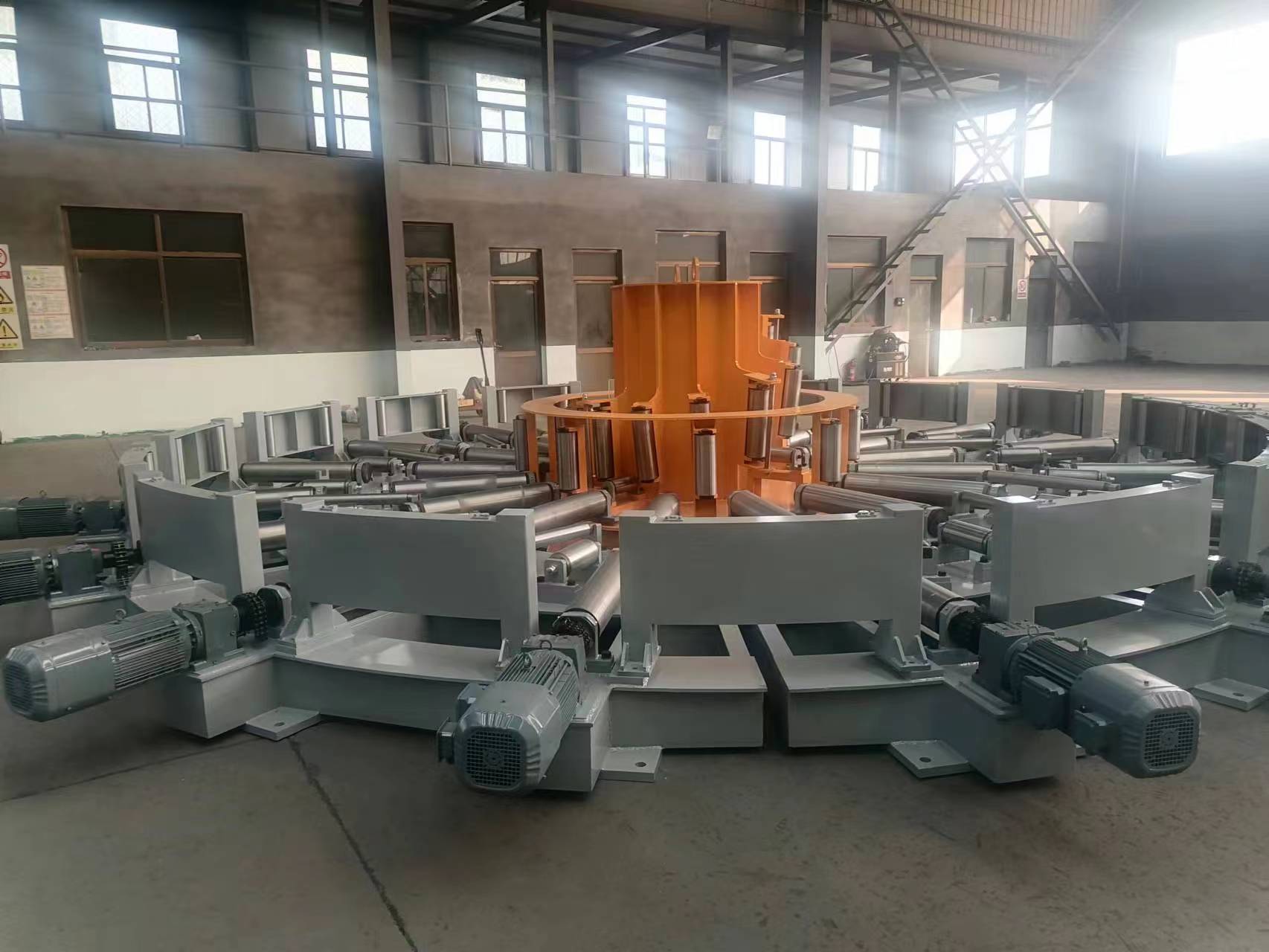
Solid-state welders occupy roughly half the floor space of equivalent tube-oscillator-based systems. The absence of large tank circuits, high-voltage transformers, and tube enclosures allows for a more streamlined layout near the mill stand. This compactness simplifies integration with existing forming lines and leaves room for additional quality assurance equipment, such as eddy current testers or seam annealers. Moreover, modular designs enable mills to start with a lower power rating and later add parallel inverter modules to increase output. For example, a 400 kW Solid state HF welder can be upgraded to 600 kW by adding a second inverter cabinet, avoiding the cost of a complete replacement. This scalability aligns with the growing trend of tube mills expanding into larger diameters or thicker walls.
Integration with Modern Mill Control Systems
Industry 4.0 initiatives demand that every production asset communicate with the mill’s manufacturing execution system (MES). Solid-state HF welders come equipped with Ethernet/IP, Profinet, or OPC-UA interfaces, streaming welding data—power, frequency, fault logs, and cumulative energy—to central dashboards. Operators can correlate welding parameters with downstream non-destructive test results to fine-tune the process. SANSO provides a welding data management package that archives every weld’s signature, enabling full traceability for critical applications such as line pipe for sour service or heat exchanger tubing. This data layer transforms the Solid state HF welder from a simple power source into a process optimization tool.
Case Study: SANSO Solid State HF Welder in an OCTG Facility
A prominent Chinese oil country tubular goods (OCTG) manufacturer replaced four aging vacuum tube welders with SANSO solid-state HF welders across its production lines. The facility produces J55 and N80 grade casing from 4½" to 13⅜". Over a twelve-month period, the plant documented a 28% reduction in electrical consumption per ton of finished pipe. The improved consistency of the Solid state HF welder reduced the frequency of weld-related splits during flaring and flattening tests by 63%. Maintenance records showed that the solid-state units required only 12 hours of unscheduled downtime combined—compared to an average of 180 hours per year for the previous tube oscillators. The plant manager attributed the rapid return on investment (less than 14 months) to both energy savings and increased production throughput.
Frequently Asked Questions about Solid State HF Welders
Q1: What exactly is a solid state HF welder, and how does it differ from a traditional tube welder?
A1: A solid state HF welder uses semiconductor devices (IGBTs or MOSFETs) to generate high-frequency welding current, whereas a traditional welder relies on a vacuum tube oscillator. Solid-state designs offer higher efficiency, better frequency stability, lower maintenance, and a smaller footprint.
Q2: Can a solid state HF welder handle both carbon steel and stainless steel tubes?
A2: Yes. Modern solid-state systems can weld a wide range of materials, including carbon steel, alloy steel, stainless steels (austenitic, ferritic, duplex), and even non-ferrous metals like copper and aluminum. The ability to adjust frequency and power profiles makes them adaptable to different material properties.
Q3: What is the typical lifespan of a solid state HF welder’s power components?
A3: With proper cooling and routine maintenance, IGBT modules in a solid state HF welder typically last 15 to 20 years in continuous industrial operation. Many manufacturers offer modular replacement of individual components, extending the overall system life beyond 25 years.
Q4: Do solid state HF welders require special cooling systems?
A4: Most solid state HF welders use deionized water cooling loops for the inverters and output stages, similar to tube oscillators. However, the cooling requirements are often lower because solid-state devices operate at higher efficiencies, reducing waste heat. Closed-loop chillers with deionizing cartridges are standard for maintaining water conductivity below specified levels (typically<5>
Q5: How does frequency affect weld quality in high-frequency tube welding?
A5: Frequency determines the depth of current penetration (skin effect) and the proximity effect. Lower frequencies penetrate deeper, which is beneficial for thick walls, while higher frequencies concentrate heat at the extreme edges for thin walls or materials with high thermal conductivity. Solid state HF welders allow precise frequency selection to match the product.
Q6: What safety features are built into modern solid state HF welders?
A6: Advanced systems include shielded enclosures to contain RF emissions, emergency stop circuits, ground fault monitoring, over-temperature protection for semiconductors, and interlocks that prevent operation when access panels are open. Some also feature arc detection that shuts down power within microseconds if a flashover occurs.
Conclusion: Selecting the Right Solid State HF Welder for Your Mill
Investing in a Solid state HF welder is a strategic decision that affects energy consumption, product quality, and long-term competitiveness. Mills must evaluate not only the power rating but also the control features, frequency range, diagnostic capabilities, and compatibility with existing forming equipment. Partnering with an experienced supplier like SANSO ensures access to robust solid-state technology, comprehensive training, and after-sales support. As the industry moves toward thinner walls, higher strengths, and stricter quality standards, the solid state HF welder stands as the foundation of a reliable, efficient, and future-ready tube welding operation.