5 decisive advantages of upgrading to a solid state high frequency welder for tube & pipe productionIn the competitive landscape of Electric Resistance Welding (ERW) tube and pipe production, the welding generator is the heart of the mill. For decades, vacuum tube oscillators dominated this space. However, the paradigm has shifted decisively toward semiconductor-based solutions. The solid state high frequency welder is no longer a novelty but a critical differentiator for mills aiming for superior throughput, energy efficiency, and metallurgical consistency. This technical deep dive quantifies the advantages, addresses integration challenges, and provides a roadmap for engineers and decision-makers navigating this essential upgrade.
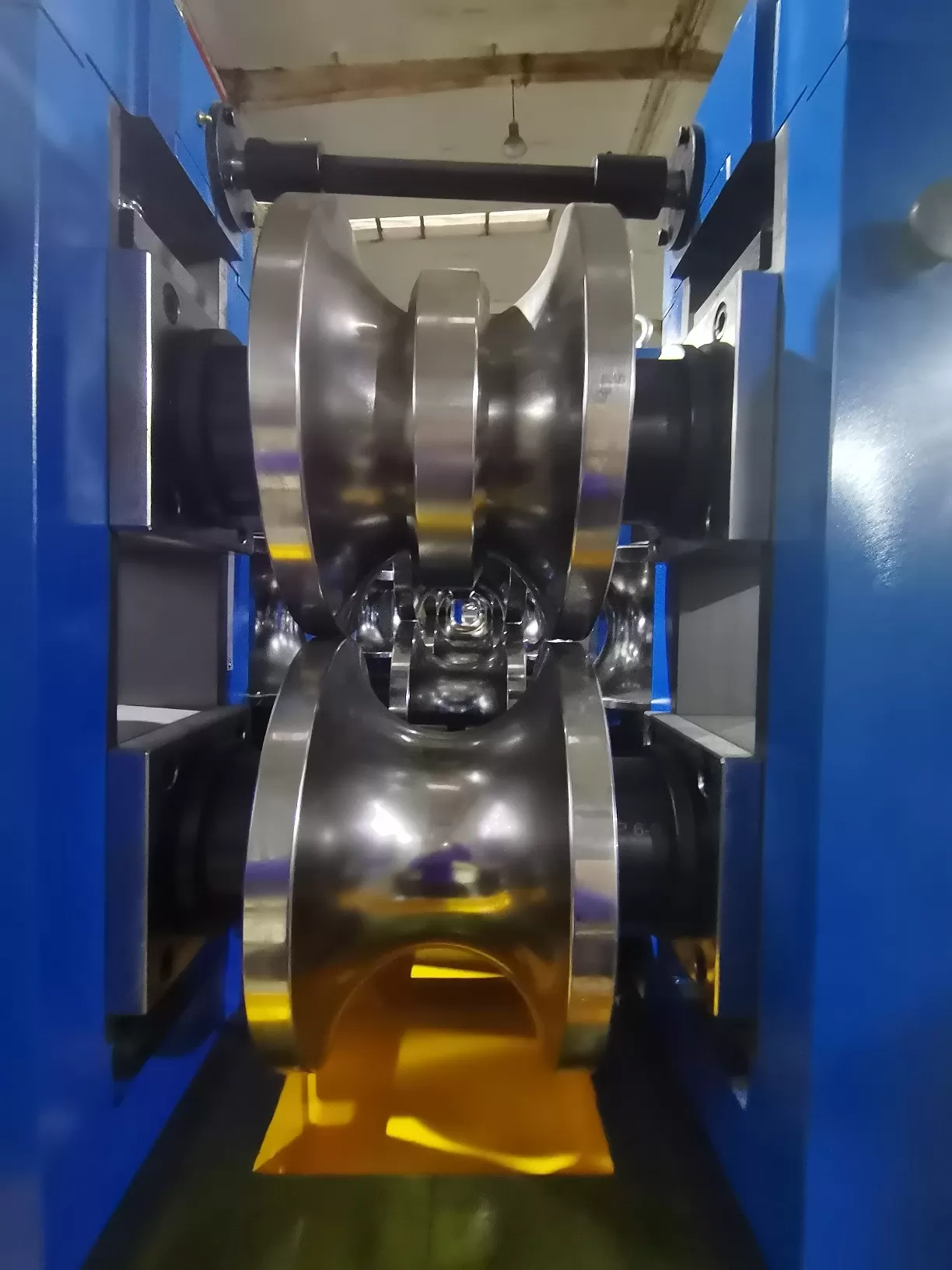
To appreciate the impact, one must understand the physics and the electronic architecture. In HF welding, a current at high frequency (typically 100–400 kHz) is induced into the edges of the strip just before the squeeze roll. The skin effect confines the current to the material's surface, while the proximity effect concentrates it precisely along the "V" of the open seam. This generates intense, localized heat, bringing the edges to forging temperature almost instantaneously.
1.1 From Vacuum Tube to Transistor: The Efficiency Leap
Traditional vacuum tube oscillators function by creating an oscillating circuit using a glass-enclosed tube. While functional, this technology suffers from inherent inefficiencies: typical power conversion efficiency hovers between 50% and 60%. A significant portion of energy is lost as heat, necessitating extensive cooling and driving up operational costs. In contrast, a modern solid state high frequency welder utilizes MOSFET (Metal-Oxide-Semiconductor Field-Effect Transistor) or IGBT (Insulated-Gate Bipolar Transistor) inverter technology. By switching DC power at high frequencies through precision-controlled transistors, these units achieve conversion efficiencies consistently exceeding 85%, with top-tier models reaching 90–92%.
1.2 Precision and Stability in the Weld Zone
Beyond efficiency, the control architecture is fundamentally different. Vacuum tube systems are analog and prone to frequency drift as components age and heat up. A solid-state system generates its frequency via a crystal oscillator and digital signal processing (DSP). This results in frequency stability within ±0.5% of the set point, regardless of line voltage fluctuations or load variations. This stability directly translates to a narrower heat-affected zone (HAZ) and more consistent weld penetration—critical factors for meeting API, ASTM, and other stringent industry standards.
When evaluating capital equipment, operations managers focus on measurable outcomes. Here is how the solid state high frequency welder shifts the needle on five key performance indicators.
2.1 Energy Efficiency and Power Consumption: The jump from 55% to 90% efficiency is not trivial. For a 600 kW welder operating at 80% capacity, this represents annual energy savings in the range of 1,200,000–1,500,000 kWh. With industrial power rates, the payback period on the premium for a solid-state system can be under 18 months, purely from electricity savings. Furthermore, the improved power factor (often >0.95) reduces reactive power penalties from utilities.
2.2 Weld Quality and Consistency: Solid-state systems employ closed-loop control of weld power, current, or voltage. Sensors monitor the welding conditions in real-time (e.g., strip edge temperature via pyrometers), and the DSP adjusts the inverter's output thousands of times per second. This eliminates the "wandering" weld line quality seen with older systems, drastically reducing the incidence of weld line defects like cold welds, penetrators, or preferential corrosion paths.
2.3 Production Speed and Throughput: The ability to deliver full rated power instantly and maintain it under varying load conditions (e.g., strip gauge changes, strip speed variations) allows mills to push line speeds to the mechanical limits of the forming section. Mills equipped with a solid state high frequency welder often report a 10–15% increase in maximum achievable welding speed for a given material and wall thickness, directly boosting OEE (Overall Equipment Effectiveness).
2.4 Flexibility and Quick Changeover: Modern mills must handle diverse product mixes—from thin-walled tubing to heavy-wall casing, in materials ranging from low-carbon steel to stainless and even aluminum. Solid-state welders feature programmable recipes. Operators can store parameters (frequency, power profile, impedance matching) for dozens of products. Changeovers that once required manual tuning and test cuts can now be executed in minutes, reducing scrap during transitions.
2.5 Advanced Process Control and Industry 4.0 Integration: The digital nature of the welder facilitates seamless integration with mill management systems. Data logs of weld parameters, alarms, and maintenance intervals can be exported for analysis. This predictive maintenance capability, combined with remote diagnostics, minimizes unplanned downtime—a crucial advantage in high-volume production environments.
3. Addressing Critical Industry Challenges with Solid State HF Welding
The push for lighter, stronger materials and higher production efficiency presents three primary challenges that the solid state high frequency welder is uniquely positioned to solve.
3.1 The Challenge of High-Strength Low-Alloy (HSLA) Steels
HSLA steels used in automotive and structural applications require precise thermal cycles to maintain mechanical properties. Excessive heat input can coarsen the grain structure in the HAZ. Solid-state welders, with their instantaneous power control and stable frequency, minimize heat input. This results in a finer, tougher grain structure in the weld zone, often eliminating the need for post-weld heat treatment for certain grades.
3.2 Mitigating the "Eddy Current" Effect on Thin Walls
When welding thin-walled tubing (e.g., wall thickness < 1.0 mm), the impedance mismatch can cause power transfer issues. Advanced solid-state units feature automatic impedance matching networks. These systems dynamically adjust the tank circuit to ensure maximum power is transferred to the work coil and strip edges, preventing arcing and ensuring a consistent forge weld even at high line speeds.
3.3 Reducing Maintenance Complexity and Downtime
Vacuum tubes are consumable items with a finite lifespan (typically 2,000–5,000 hours) and are expensive to replace. They also require high-voltage anode supplies, which pose safety risks and component stress. Solid-state systems eliminate the tube and its high-voltage transformer. The modular nature of inverter boards allows for rapid troubleshooting and replacement—often under an hour—compared to the half-day required to replace and re-tune a vacuum tube oscillator.
4. Integration of Solid State HF Welders in the Complete Tube Mill Line
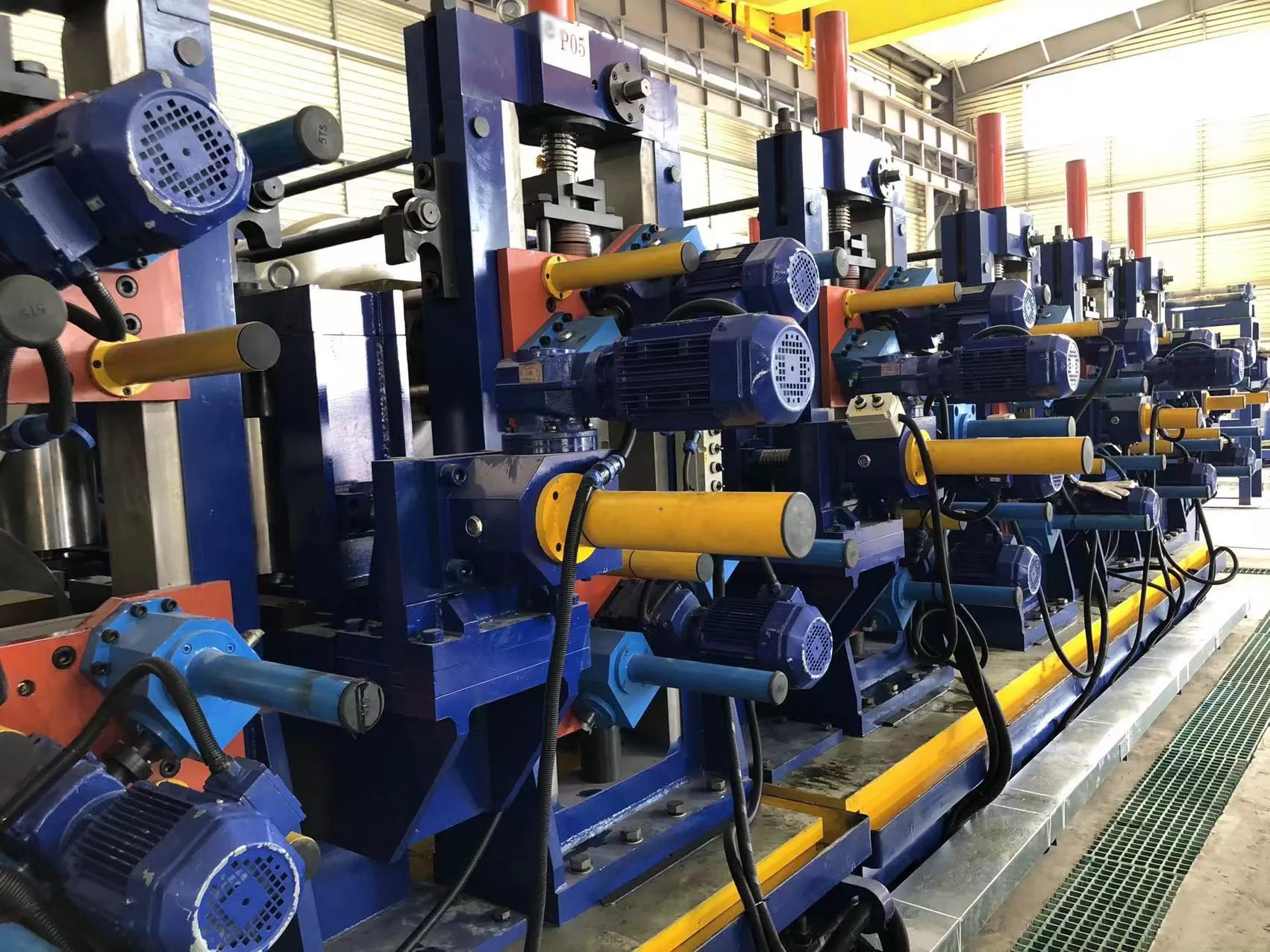
The performance of the welder cannot be viewed in isolation. It is a node in a complex production network. A world-class solid state high frequency welder must be paired with upstream and downstream equipment that matches its capability. This is where the expertise of a full-line supplier like SANSO becomes invaluable.
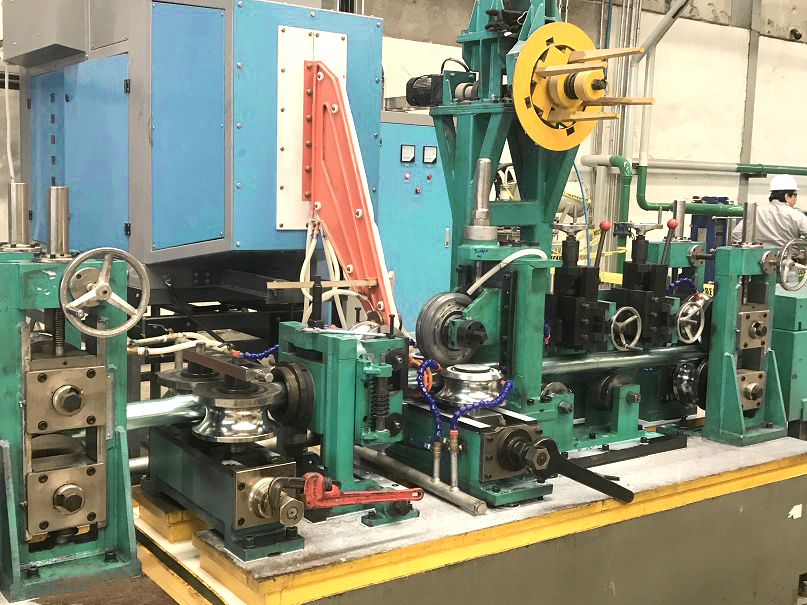
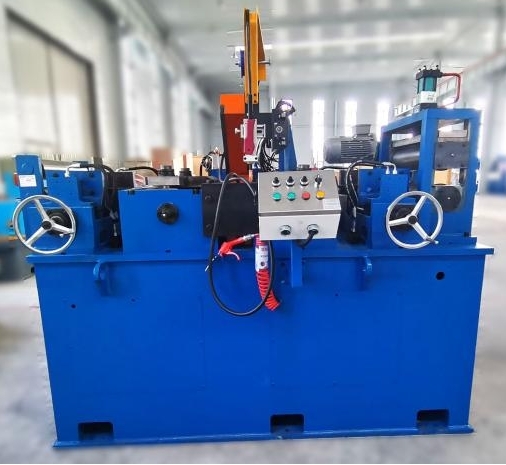
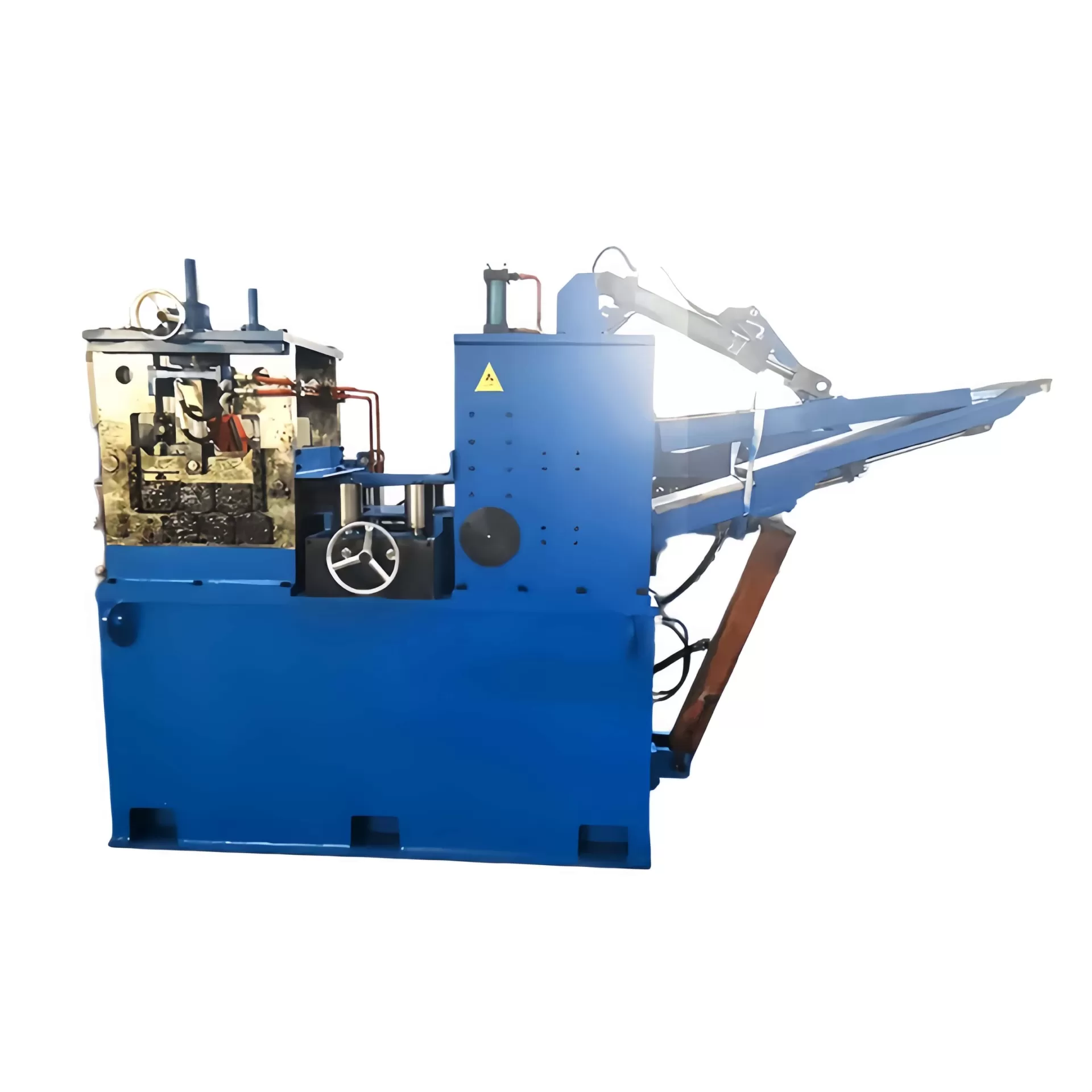
A typical high-performance ERW line designed around a solid-state welder includes:
Precision Forming Mills: Ensuring consistent strip edge condition before the welder.
Accumulators and Loop Systems: Maintaining constant line speed during coil changes.
Impeders and Coils: Optimized for the high-frequency field to focus energy.
Seam Annealing (optional): For post-weld heat treatment, often controlled by the same PLC network.
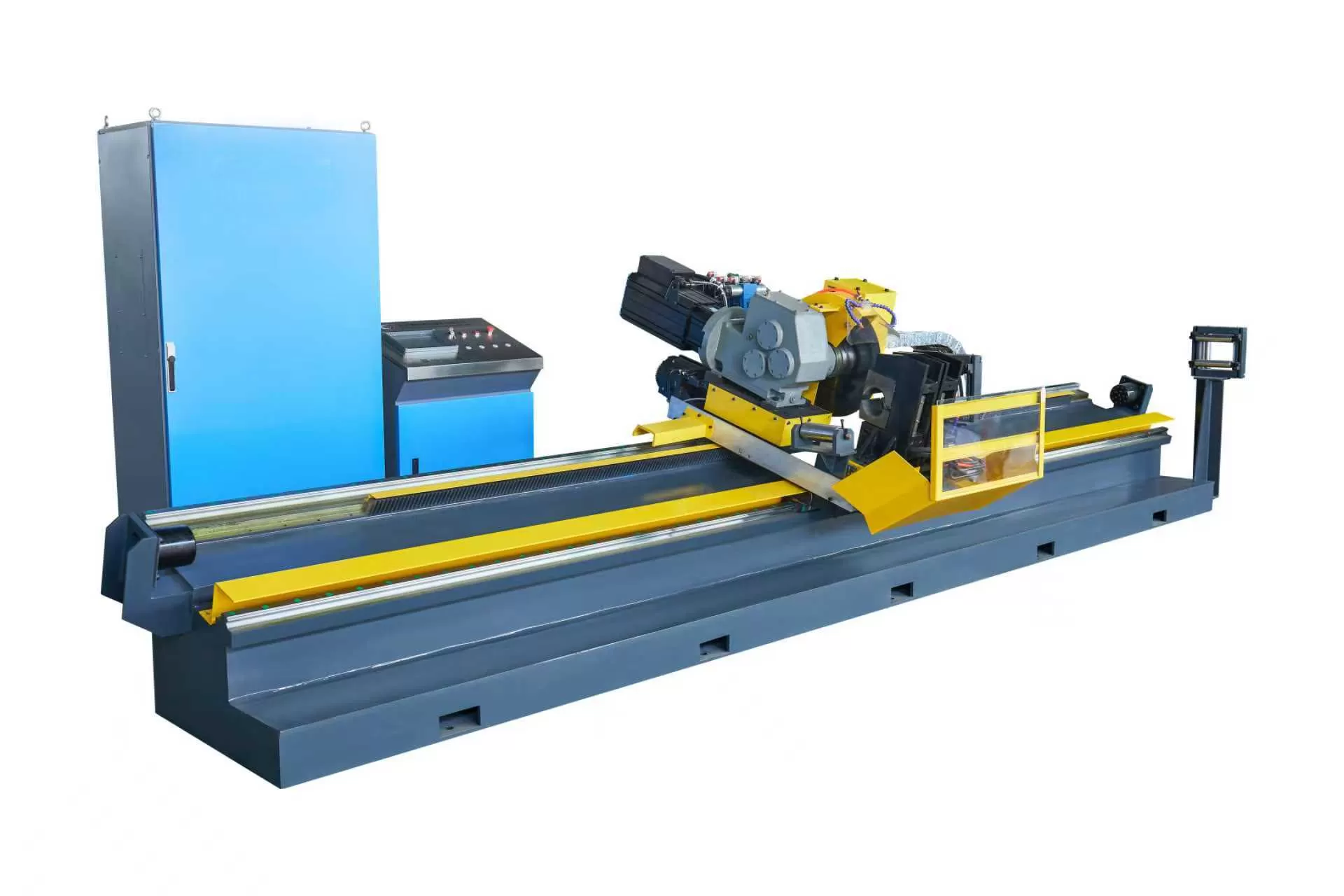
Flying Saws and Cooling Beds: Capable of handling the increased throughput.
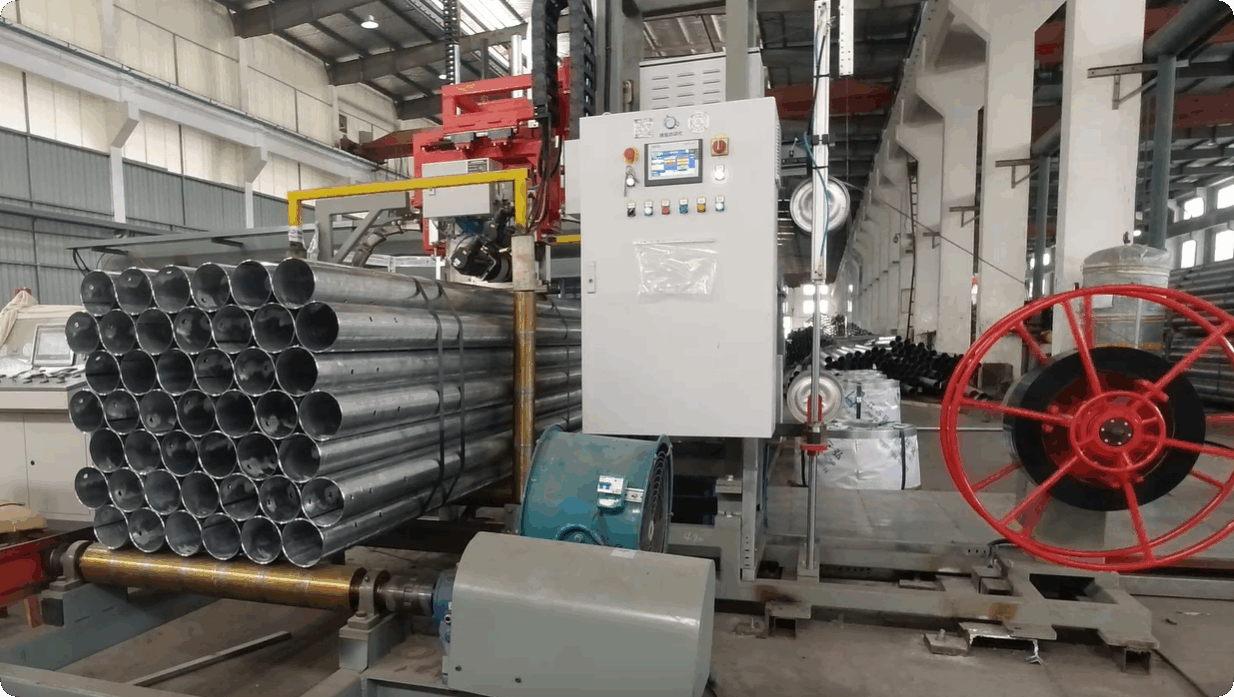
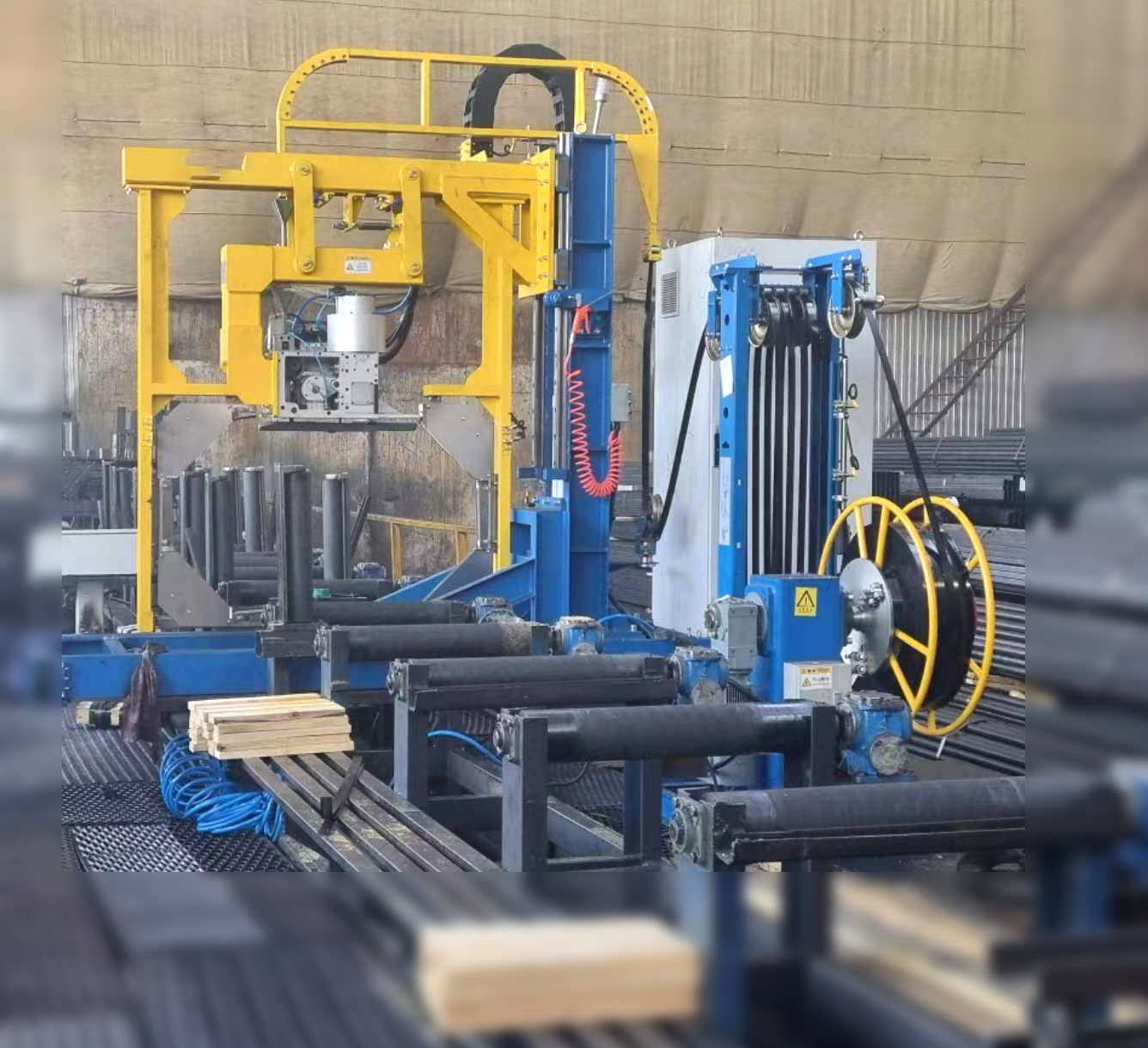
Downstream Handling: Such as the Pipe Packing Machine from SANSO, which efficiently bundles and straps finished pipes, ensuring that the high output from the welder doesn't create a bottleneck at the end of the line.
5. Selecting the Right Solid State High Frequency Welder: Key Considerations for Mill Operators
Choosing a supplier involves more than comparing kW ratings. Based on field experience and technical audits, here are the critical specifications to evaluate:
Frequency Range and Adaptability: Ensure the unit can operate effectively across the range needed for your products (e.g., lower frequencies for thick walls, higher frequencies for thin walls and non-ferrous).
Cooling System: Closed-loop deionized water cooling systems with ambient temperature compensation are essential for reliable 24/7 operation.
Control Interface and HMI: Look for intuitive touchscreen interfaces with multi-language support, trend logging, and recipe management. The system should allow for remote expert access for diagnostics—a service offered by engineering-focused firms like SANSO.
Harmonic Distortion: Verify the welder's design includes input harmonic filtering to comply with local grid requirements and avoid disturbing other plant equipment.
Q1: What is the typical frequency range of a solid state high frequency welder?
A1: Most industrial units operate within a range of 100 kHz to 400 kHz. The specific frequency is chosen based on the material, wall thickness, and production speed. Some specialized systems can go up to 600 kHz for ultra-thin materials or specific non-ferrous applications.
Q2: How does a solid state welder improve energy efficiency compared to older tube welders?
A2: The primary gain comes from replacing the inefficient vacuum tube oscillator (≈50-60% efficiency) with high-frequency MOSFET/IGBT inverters (85-92% efficiency). This drastically reduces waste heat. Additionally, advanced power factor correction circuits ensure that the welder draws current with minimal reactive component, further optimizing the electrical load.
Q3: Can a solid state high frequency welder handle non-ferrous materials like aluminum or copper?
A3: Yes. The precise frequency control and fast power regulation of a solid-state system are actually advantageous for non-ferrous materials, which have different resistivity and thermal conductivity compared to steel. By tuning the frequency and power profile, clean, strong welds can be achieved in aluminum, copper, and their alloys, although specialized tooling and impeders are often required.
Q4: What maintenance does a solid state HF welder require?
A4: Maintenance is significantly less intensive than for tube-type welders. Primary tasks include periodic cleaning or replacement of air filters, checking coolant levels and conductivity in the closed-loop system, inspecting high-voltage connections for tightness, and monitoring the health of DC bus capacitors according to the manufacturer's schedule. The absence of a consumable vacuum tube eliminates the most costly and frequent replacement part.
Q5: How does the impedance matching system work in modern solid state welders?
A5: Modern welders use an automatic tuning system. A controller senses the reflected power or the phase angle between voltage and current at the work coil. It then adjusts a variable capacitor or inductor (often via servo motors or switching capacitor banks) in the output tank circuit to maintain a 1:1 match. This ensures maximum power transfer to the strip edges, regardless of changes in strip size, speed, or material properties during production.
Q6: Why is the integration of downstream equipment, like a pipe packing machine, critical to realizing the welder's benefits?
A6: A high-output solid state high frequency welder can easily produce more pipe per hour than an outdated handling and packaging section can process. If the finished pipes cannot be bundled, strapped, and cleared from the cooling bed quickly enough, the entire mill must slow down. Therefore, a holistic approach—supplying the welder alongside efficient material handling equipment like those from SANSO—ensures that the upstream productivity gains are fully realized as finished, shippable goods.
The transition to a solid state high frequency welder is a strategic investment in operational excellence. It delivers quantifiable returns through energy savings, improved weld integrity, reduced maintenance, and enhanced production flexibility. For mill operators looking to remain competitive, understanding the nuances of this technology and partnering with an experienced integrator like SANSO—who can provide a seamlessly integrated line from uncoiler to pipe packing machine—is the surest path to maximizing ROI and achieving world-class manufacturing status.