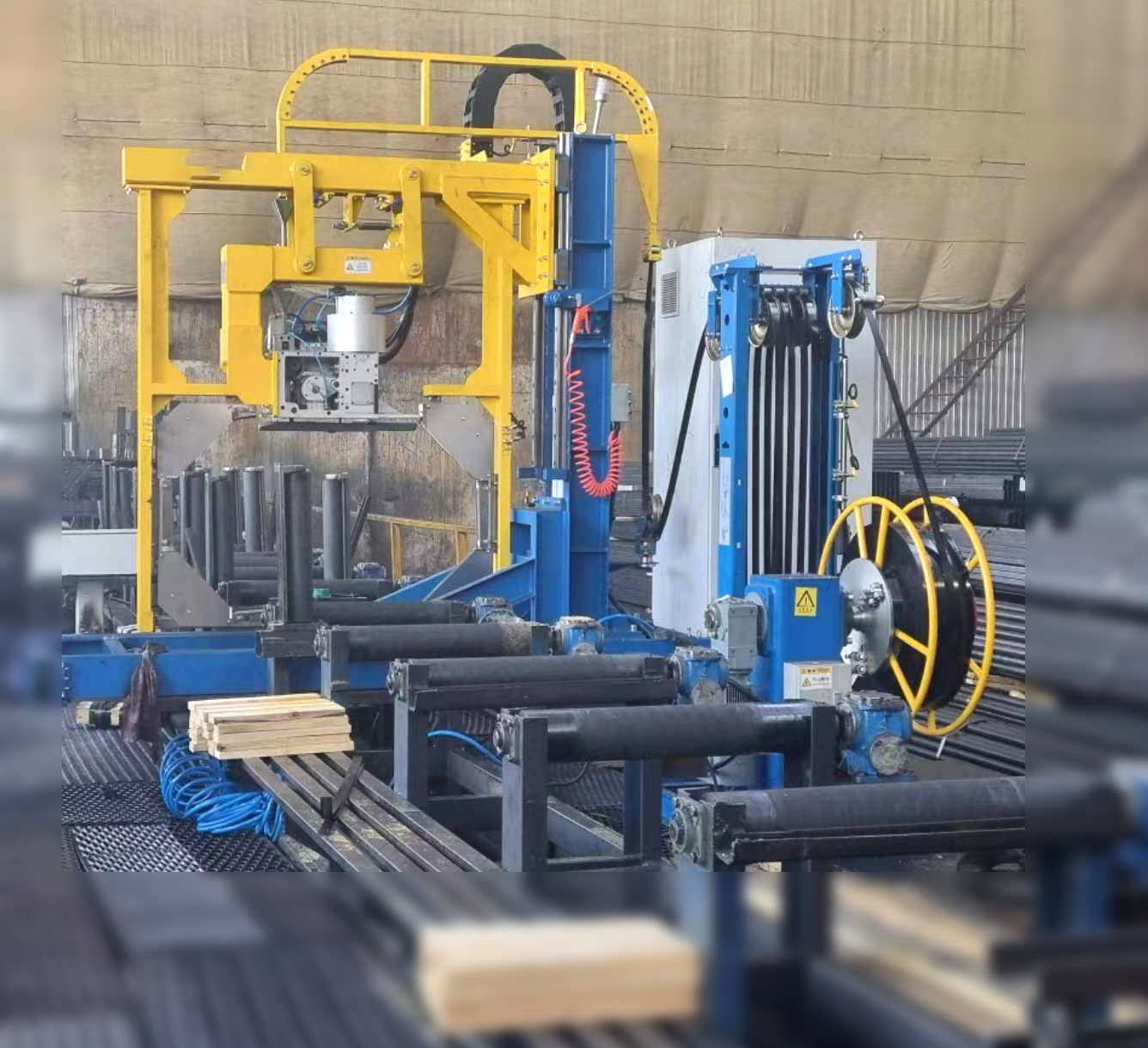
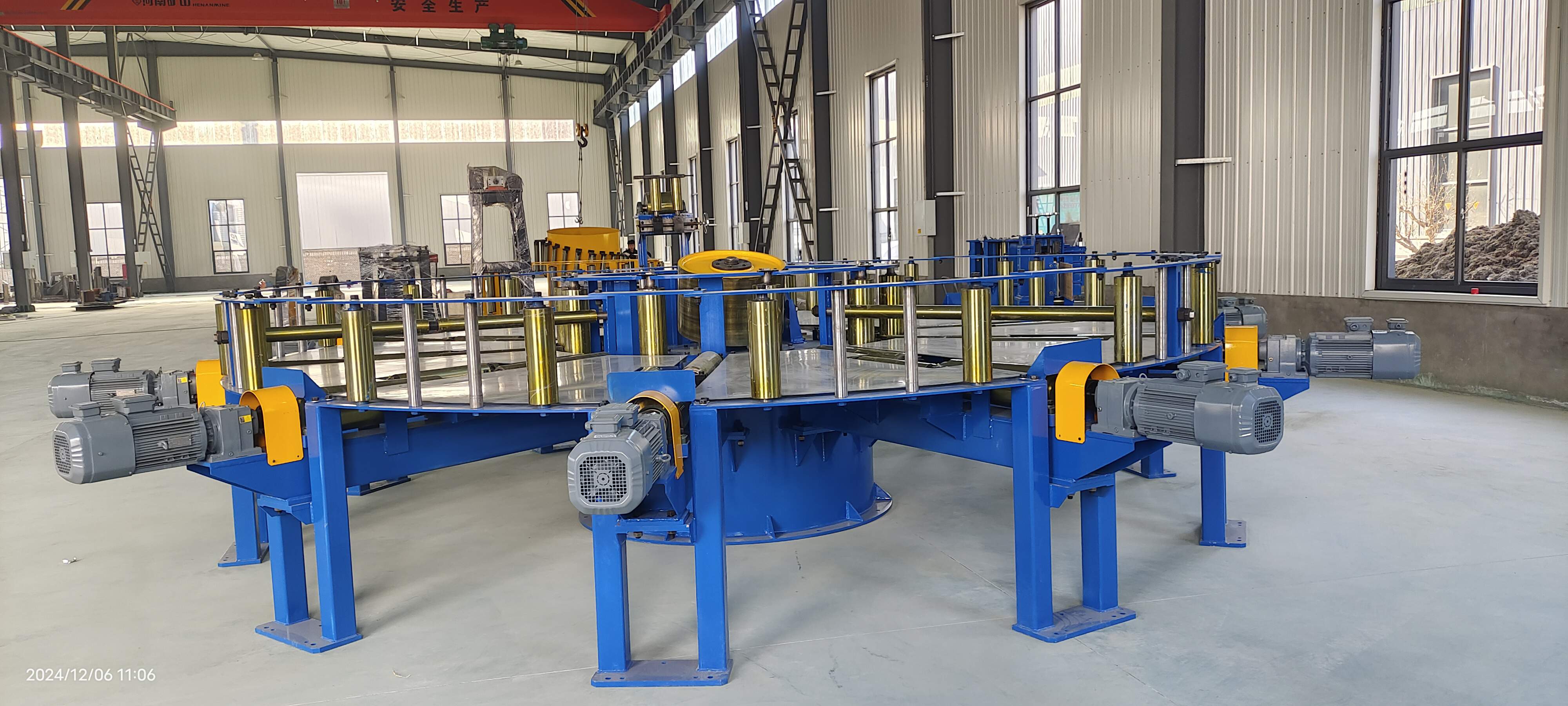
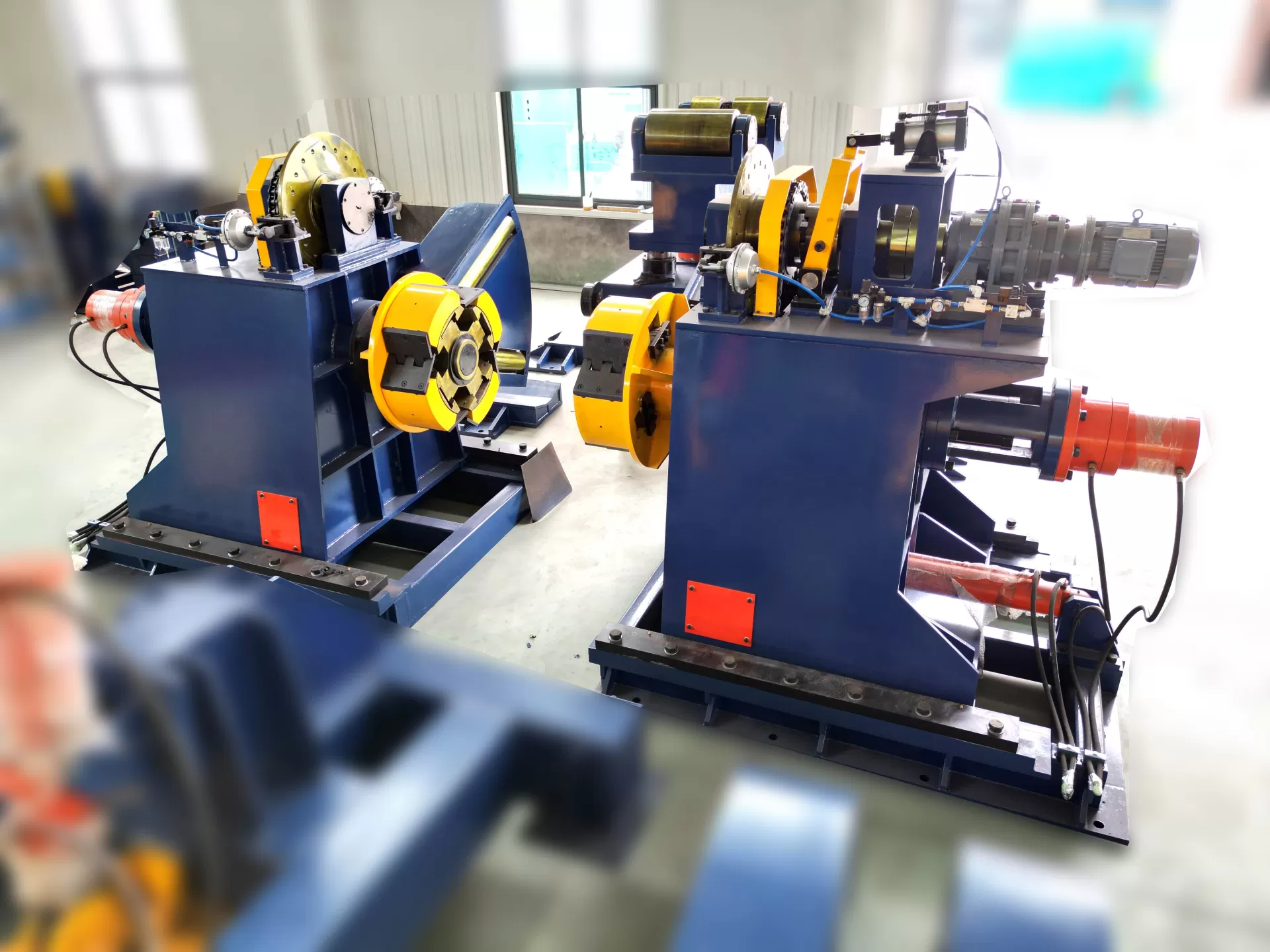
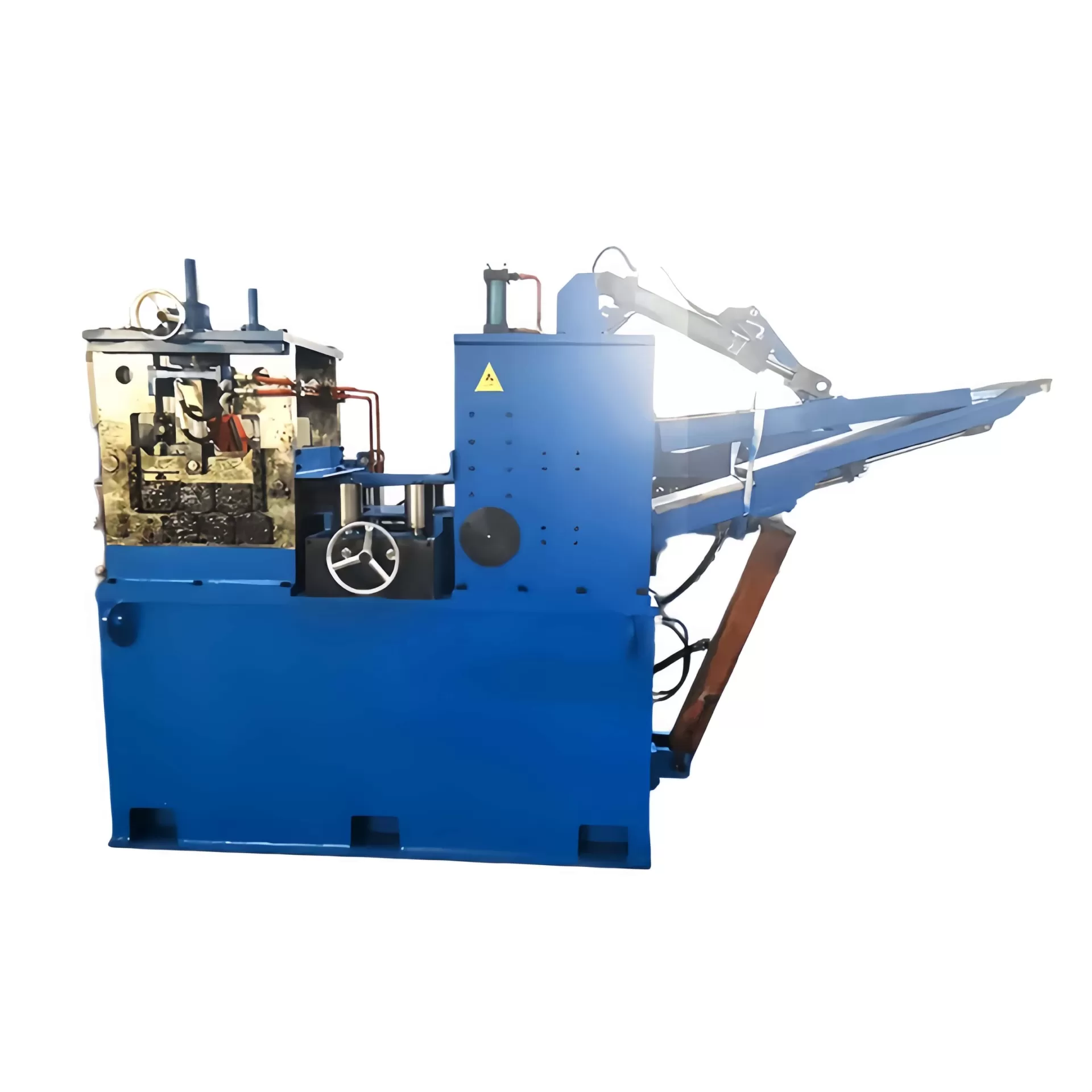
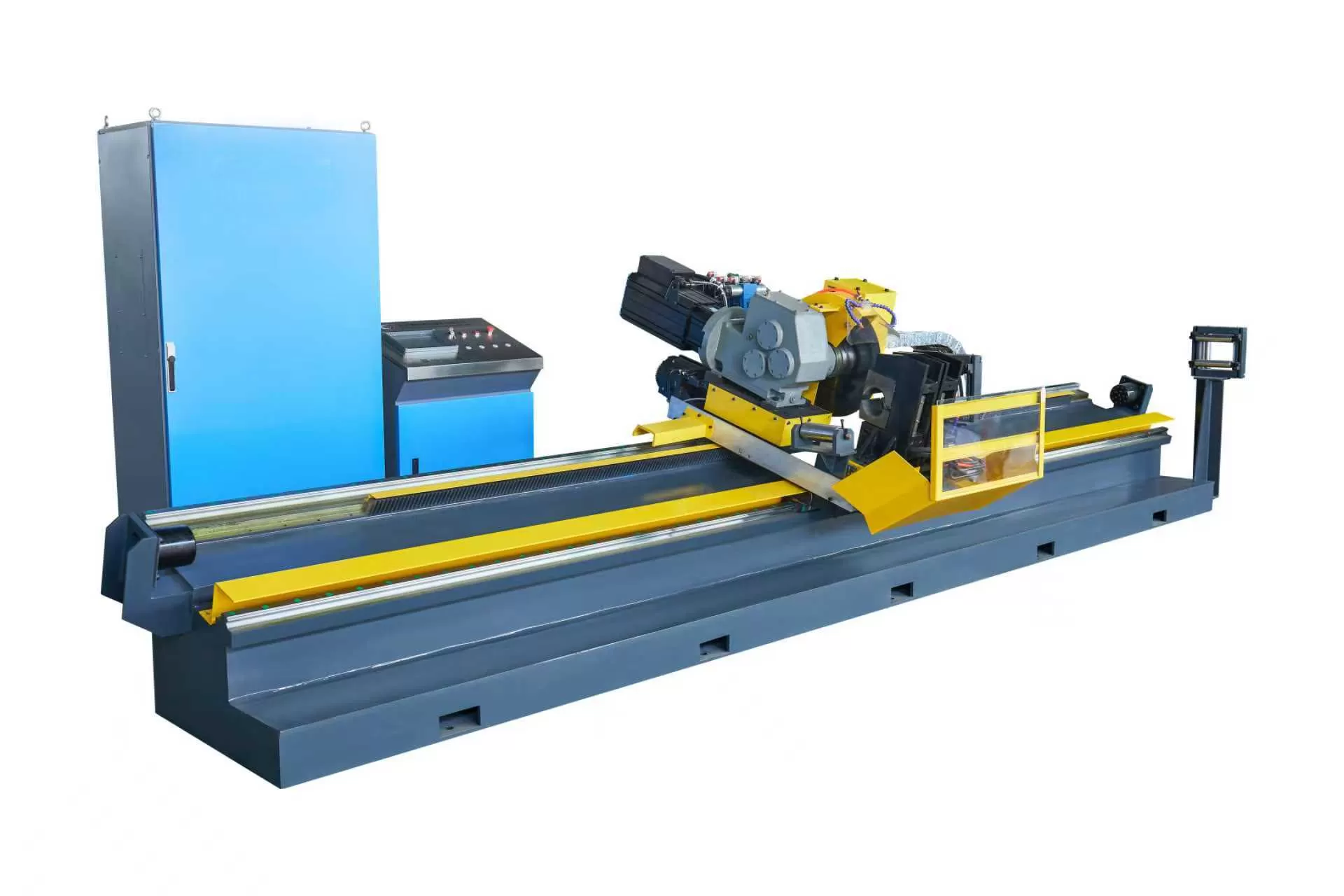
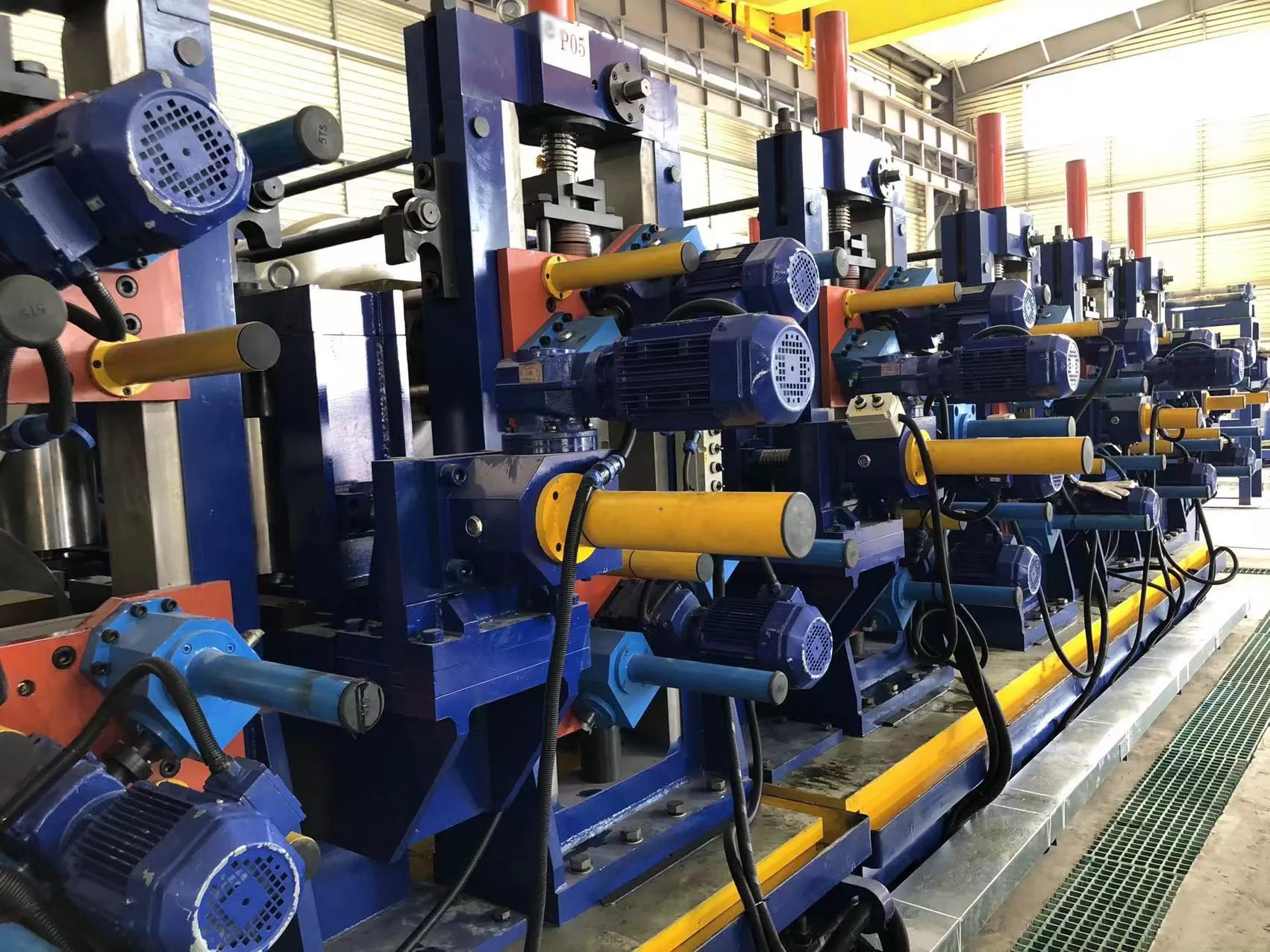
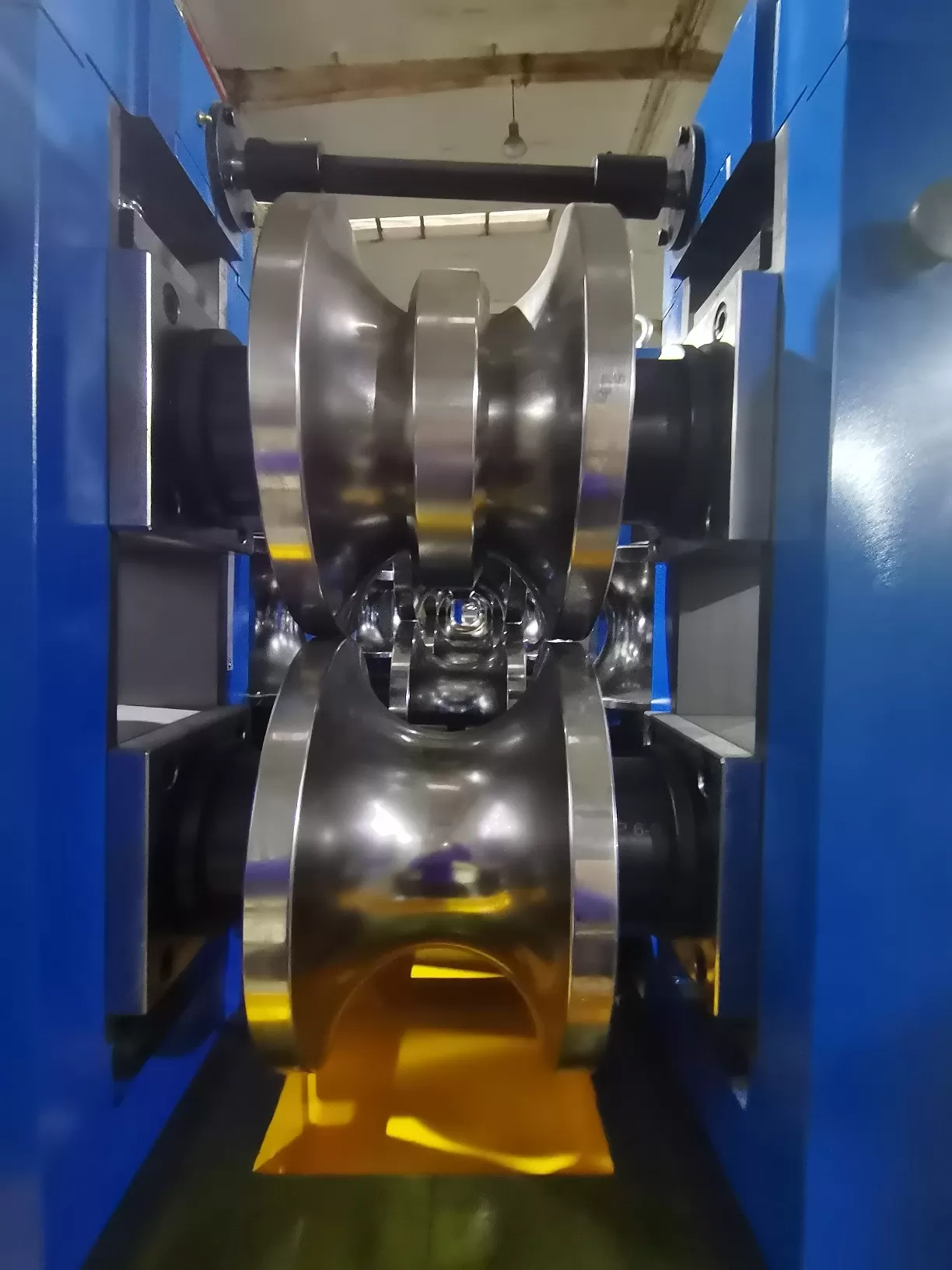
In high-frequency welded tube production, material handling from coil to
forming section dictates final product quality and operational efficiency. The
integrated assembly of a decoiler straightener
feeder represents the critical upstream foundation where precision
engineering meets continuous manufacturing demands. For mills targeting
automotive structural components, boiler tubes, or precision mechanical tubing,
the synergy between uncoiling, leveling, and servo feeding determines scrap
rates, tooling longevity, and dimensional consistency across thousands of
meters.
Drawing from field data across 47 installation sites in 2026, mills utilizing
synchronized decoiler straightener feeder configurations report
a 32% reduction in setup changeover time and a 19% improvement in wall thickness
uniformity compared to fragmented component assemblies. This article examines
the engineering principles, application-specific considerations, and performance
benchmarks that separate optimized coil processing lines from problematic
installations. SANSO has engineered these
integrated systems for over two decades, focusing on the metallurgical nuances
of advanced high-strength steels (AHSS) and stainless steel alloys commonly used
in welded tube applications.
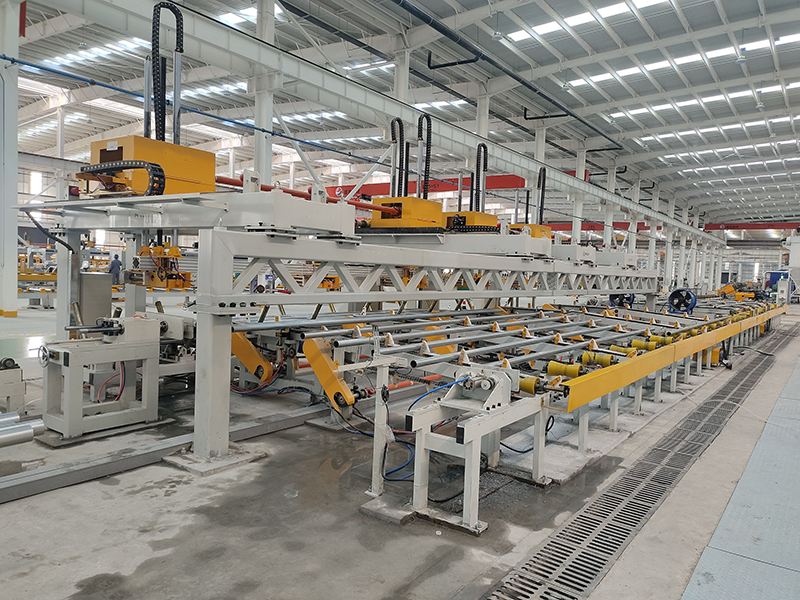
1. The Triad of Precision: Uncoiling, Leveling, and Feeding Mechanics
The term decoiler straightener feeder encompasses three
distinct but interdependent functions. When decoupled, each unit introduces
cumulative error. Integrated design philosophy eliminates alignment drift and
torsional stress transmission between components.
1.1 Decoil Section: Controlled Payoff Under Tension
Modern decoilers must handle coils ranging from 500 kg to 15 metric tons with
expansion ranges suitable for 200mm to 800mm ID coils. Hydraulic mandrel
expansion with proportional valve control ensures concentric clamping without
distorting the inner wraps. For tube mills processing 0.5mm to 6mm wall
thickness, the decoiler incorporates eddy current or ultrasonic coil end
detection to trigger automatic welding or end-tailing procedures without
interrupting the feed stream. Key specifications to evaluate include:
Braking systems: Regenerative DC or pneumatic disc brakes
that maintain back-tension within ±5% variance to prevent loop formation.
Coil car integration: Hydraulic lift-and-rotate tables that
reduce loading time to under 90 seconds for heavy-gauge coils.
Edge guidance: Active strip centering with ultrasonic
sensors that maintain a 1.5mm maximum deviation at speeds up to 80
m/min.
1.2 Straightener (Leveler): Metallurgical Stress Neutralization
Coil set – the residual curvature from coiling – introduces asymmetrical
stresses that manifest as welding seam misalignment and ovality post-sizing. A
precision straightener within the decoiler straightener feeder assembly uses alternating work rolls with small pitch diameters to plastically
deform the strip beyond its yield point, creating a flat, stress-neutral
profile. For tube mills, the leveler must accommodate:
Entry and exit pinch rolls with independent servo drives to isolate
straightener torque from feeder dynamics.
Work roll configurations: 7-roll, 17-roll, or 21-roll designs depending on
material yield strength (up to 1,200 MPa for advanced steels).
Backup roll support systems with anti-deflection crowning to ensure uniform
pressure across 200mm to 600mm strip widths.
1.3 Servo Feeder: Volumetric Accuracy for Weld Consistency
The feeder section defines the volumetric delivery to the forming section.
High-frequency welded tubes require feed accuracy within ±0.1mm per meter to
maintain consistent weld bead geometry and minimize scarfing waste. Features
that define industrial-grade feeders include:
AC servo motors with absolute encoders providing closed-loop position
feedback at 0.01mm resolution.
Hydraulic or pneumatic clamping systems with pressure feedback to prevent
slip during acceleration phases.
Feed length programming capable of handling intermittent (cut-to-length) and
continuous modes without mechanical reconfiguration.
2. Material-Driven Design Considerations for Tube Mill Applications
Selecting a decoiler straightener feeder system based solely
on width and thickness ranges leads to performance gaps when processing
specialized materials. Tube mills serving oil and gas, automotive, or structural
sectors face distinct challenges.
2.1 Advanced High-Strength Steels (AHSS)
AHSS grades (DP600, DP980, and martensitic steels) exhibit high springback
coefficients. A standard leveler without sufficient work roll diameter reduction
and backup support fails to eliminate coil set. Integrated systems designed for
AHSS incorporate:
Work rolls with 40mm diameter or less to achieve necessary plastic
deformation depth.
Anti-wear carbide coatings on roll surfaces to prevent marking on
high-strength materials.
Straightener exit stations equipped with stress measurement rolls to
quantify residual stress and trigger automatic roll gap adjustments.
2.2 Stainless Steel and Titanium Alloys
For tube mills producing sanitary tubing or aerospace components, surface
protection is paramount. Systems from SANSO utilize non-marking
polyurethane-coated pinch rolls and stainless steel work rolls with Ra 0.2μm
surface finish. The straightener section includes purge systems to remove
metallic particulates that could cause surface defects during welding.
2.3 Aluminum and Soft Alloys
Aluminum’s low modulus of elasticity demands precise tension control to avoid
stretching or edge wave formation. Feeders in such lines employ low-inertia
servo motors with acceleration ramping profiles matched to material elongation
characteristics. The decoiler straightener feeder configuration
must also include anti-coining features to prevent roll marking on soft
surfaces.
3. Automation Architecture and Industry 4.0 Integration
Data-driven manufacturing requires upstream equipment to integrate with MES
and quality management systems. Modern decoiler straightener
feeder units are equipped with IIoT-enabled controllers that monitor
key performance indicators (KPIs) in real time:
Predictive maintenance: Vibration sensors on roll bearings
and servo motors generate alerts when spectral signatures indicate impending
failure, reducing unplanned downtime by up to 40%.
Energy monitoring: Regenerative braking systems in
decoilers return up to 15% of braking energy to the facility grid.
Recipe management: Touchscreen HMIs store over 500 material
profiles, enabling one-touch setup changes with automatic roll gap, feed length,
and tension adjustments.
One European tube manufacturer reported a 27% reduction in scrap during
first-hour production after implementing a fully integrated decoiler
straightener feeder system with recipe-driven automation. The
elimination of manual adjustments for material gauge variations directly
translated to consistent weld penetration and reduced HF generator tuning
frequency.
4. Common Industry Challenges and Engineered Solutions
Field experience across 200+ tube mill installations reveals recurring issues
that differentiate properly engineered integrated systems from component-level
assemblies.
4.1 Challenge: Coil End Welding Inefficiency
When the strip end is not precisely squared or the trailing edge of the
previous coil is misaligned with the new coil, welding operations require
excessive setup time, causing production gaps. Integrated systems now include
coil end shears and positioning tables that automatically square ends within
0.5mm, reducing welding cycle time from 8 minutes to under 2 minutes.
4.2 Challenge: Strip Edge Damage
Misaligned decoiler and feeder frames induce edge stress that propagates as
micro-cracks during forming. High-precision laser alignment tools ensure the
three units maintain a common centerline within 0.2mm over the entire span.
SANSO implements laser
alignment verification during commissioning, with documented tolerances that
exceed ISO 23480 standards.
4.3 Challenge: High-Speed Whip and Vibration
At speeds exceeding 70 m/min, strip whip between decoiler and straightener
causes flutter that propagates through the feeder, affecting weld consistency.
Solutions include servo-driven dancer arm systems that maintain constant loop
position without mechanical dampening limitations. Active vibration damping
software in the feeder servo drive compensates for inertia mismatches in real
time.
5. Lifecycle Cost Analysis: Integrated vs. Modular Approaches
While modular procurement of separate decoilers, straighteners, and feeders
may appear cost-effective initially, total cost of ownership (TCO) analysis over
a 10-year horizon consistently favors integrated solutions. Based on data from
30 tube manufacturing facilities:
Installation and integration: Integrated systems reduce
installation labor by 60% and eliminate alignment engineering costs.
Spare parts inventory: Common roll diameters, bearings, and
drive components across the three sections reduce SKU counts by 45%.
Energy consumption: Coordinated drive systems with shared
regenerative DC bus architectures reduce peak power demand by 22% compared to
standalone units.
Scrap reduction: Tighter material handling tolerances
contribute to a 1.2% reduction in total scrap – significant for high-volume
mills processing 10,000+ tons annually.
6. Future Trajectories: AI-Assisted Process Optimization
The next generation of decoiler straightener feeder systems
will incorporate machine learning algorithms that analyze historical production
data to predict optimal tension and straightener roll gaps for new materials.
Early deployments show that AI models can reduce setup time for unfamiliar
alloys by 75% by referencing similar metallurgical profiles. Additionally,
vision systems using convolutional neural networks (CNNs) will inspect strip
edges for burrs or defects before they enter the forming section, providing
closed-loop feedback to upstream uncoiling parameters.
For manufacturers planning capital investments, selecting a platform with
open API architecture ensures compatibility with future AI modules. SANSO has already introduced
edge computing controllers on their integrated systems, allowing customers to
run custom process optimization algorithms directly on the equipment controller
without requiring external PLC modifications.
Conclusion: The Foundation of Welded Tube Quality
The decoiler straightener
feeder system is not merely a material transport mechanism but a
precision engineering platform that directly determines downstream tube quality,
production efficiency, and operating costs. Mills that prioritize integrated
design, material-specific engineering, and IIoT connectivity gain competitive
advantages in an industry where tolerance windows continue to tighten and
material grades expand.
As tube applications diversify into electric vehicle structural components,
high-pressure hydrogen lines, and lightweight aerospace assemblies, the demands
on coil processing equipment will only intensify. Investing in a fully
integrated, automation-ready decoiler straightener feeder from
a specialized manufacturer ensures that your tube mill can adapt to future
material innovations without fundamental line reconfiguration.
Frequently Asked Questions
Q1: What is the ideal decoiler straightener feeder configuration for
processing AHSS grades above 800 MPa yield strength?
A1: For advanced high-strength steels, select a system with
a 21-roll straightener having work roll diameters ≤40mm and backup roll supports
that prevent deflection. The feeder must incorporate high-torque AC servo drives
with regenerative braking to manage the high inertial loads during acceleration.
Additionally, ensure the decoiler mandrel has hydraulic expansion with a
clamping force rating exceeding 50 kN to prevent coil slippage during
high-tension payoffs.
Q2: How does an integrated decoiler straightener feeder reduce setup
time compared to separate units?
A2: Integrated systems feature centralized HMI control where
one operator can set material parameters (thickness, width, yield strength) that
automatically configure straightener roll gaps, pinch roll pressures, feed
lengths, and decoiler tension values. Separate units require manual alignment of
each section, mechanical adjustments, and independent programming, typically
adding 20–35 minutes per changeover.
Q3: What maintenance practices extend the lifespan of the
straightener work rolls?
A3: Implement a predictive greasing schedule based on
operating hours rather than calendar intervals. Use high-temperature
lithium-complex grease with EP additives. Rotate work rolls in sets every 2,000
operating hours to distribute wear patterns. For mills processing abrasive
materials (hot-rolled steel with scale), install scale removal brushes before
the straightener entry to minimize abrasive wear. Document roll surface
profilometry every 500 hours to detect early wear patterns.
Q4: Can a decoiler straightener feeder system handle both slit coil
and master coil widths without mechanical changeover?
A4: Yes, if the system is designed with adjustable side
guides on the straightener and feeder sections that automatically reposition
based on the coil width entered in the recipe. For decoilers, segmented mandrels
with expanding range from 400mm to 800mm ID accommodate both master coils and
slit coils. Ensure the side guides have independent servo drives to maintain
centering accuracy across width variations.
Q5: What digital interfaces are required for seamless integration
with tube mill MES systems?
A5: Look for OPC-UA server architecture, Profinet or
EtherNet/IP connectivity, and an open SQL database for logging process
parameters. The system should provide real-time data tags for coil ID, feed
length counts, tension values, and alarm histories. Advanced integration
includes REST APIs that allow the MES to push production schedules directly to
the decoiler straightener feeder, automatically loading material parameters
without manual entry.