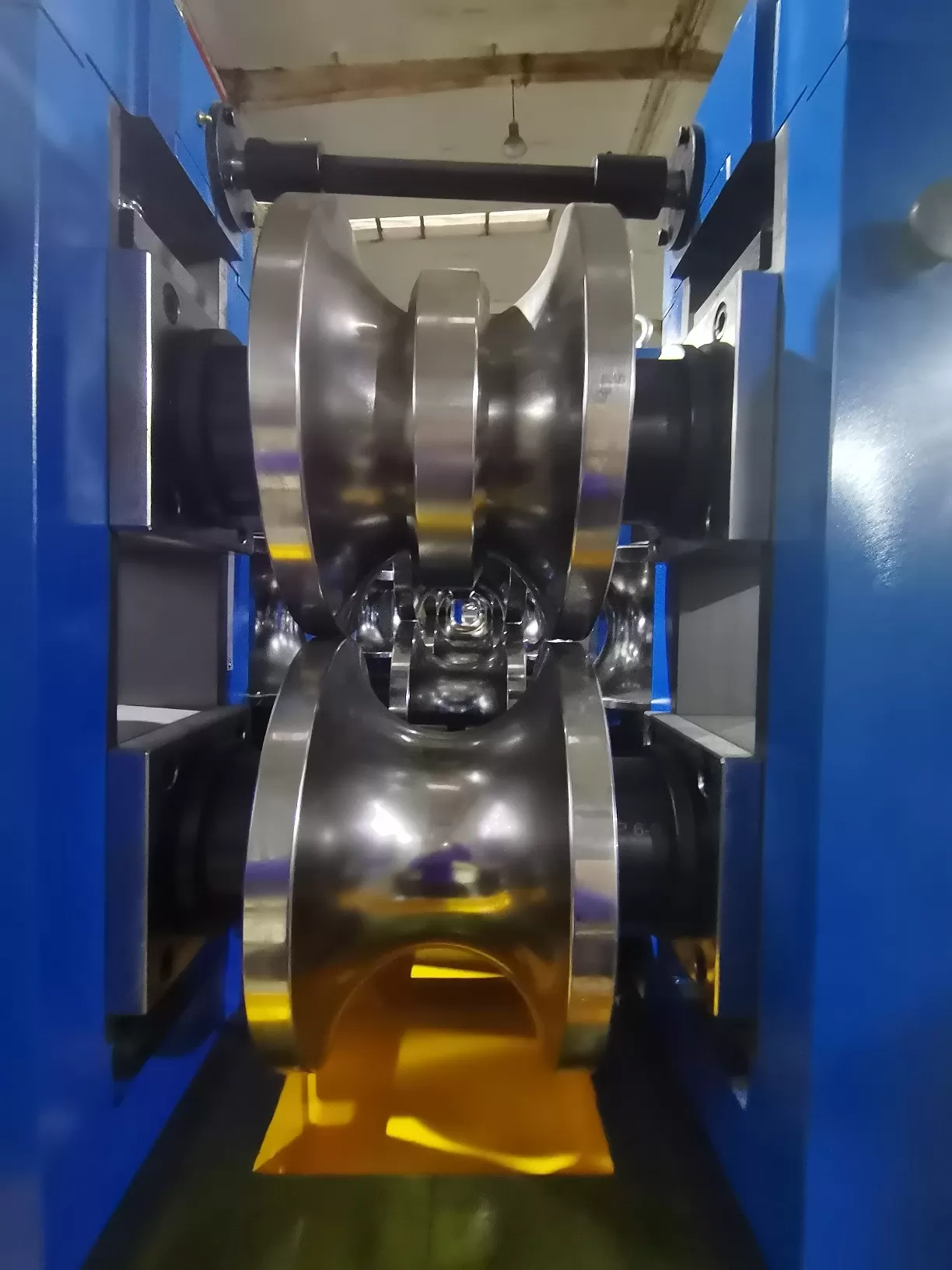
In modern welded tube manufacturing, the quality of the incoming coil
directly determines the stability of the forming, welding, and sizing processes.
A high-performance decoiler straightener is not merely a
material handling accessory—it is the first critical stage of metallurgical
conditioning. This technical article provides a component-level analysis of
decoiler straightener systems, explores
their role in eliminating strip defects, and offers data-driven solutions for
common production bottlenecks. Drawing on field experience from heavy tube mills
and precision automotive tubing lines, we examine how advanced coil processing
directly correlates with weld integrity, dimensional accuracy, and overall
equipment effectiveness (OEE).
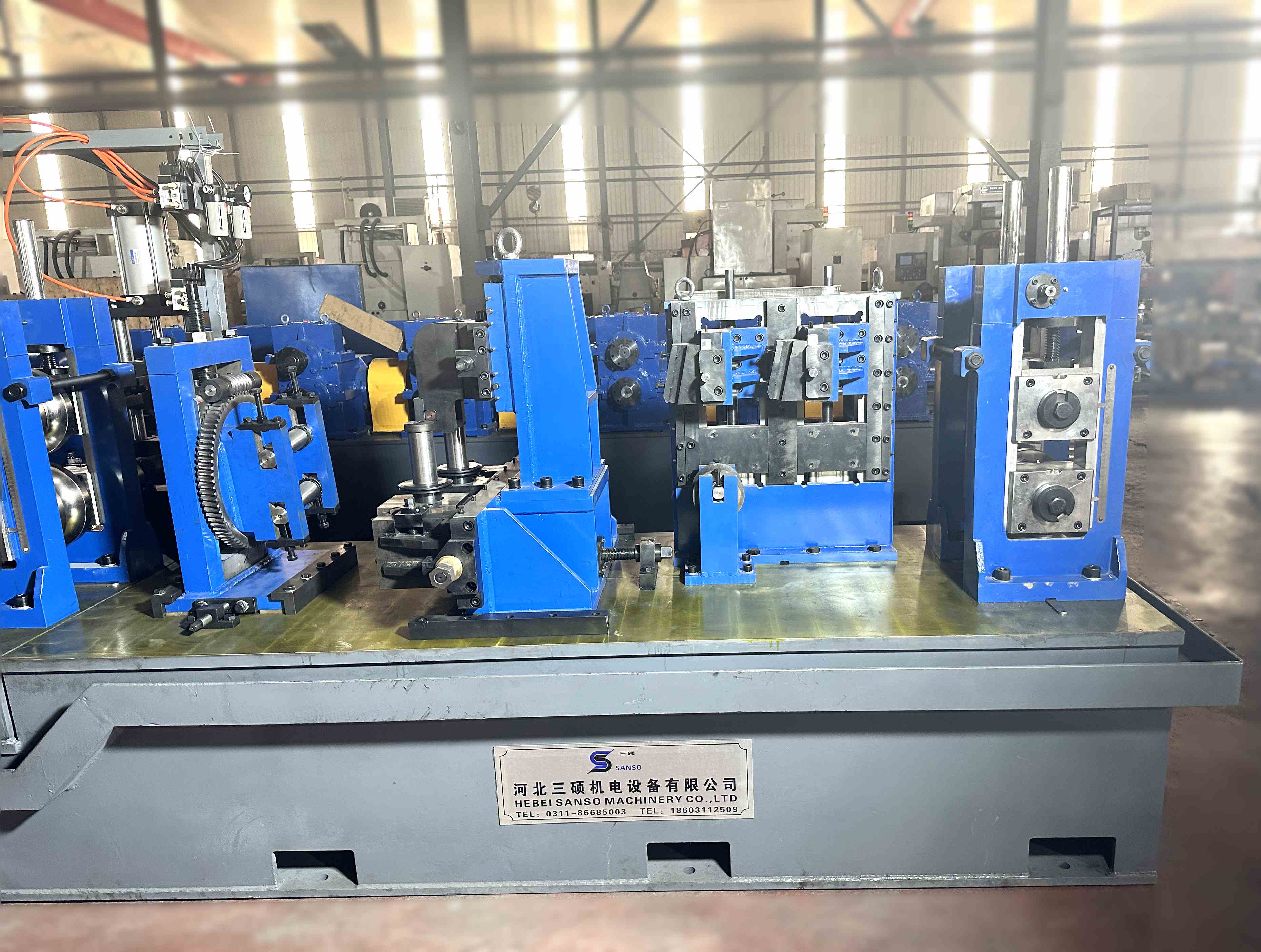
Before any strip enters the roll forming section, it must be free of coil
set, crossbow, edge wave, and residual longitudinal curvature. A decoiler straightener combines two
essential functions: controlled uncoiling of tightly wound strip stock, followed
by multi-roller leveling that plastically deforms the material to achieve a
flat, stress-relieved profile. For ERW (electric resistance welding) and laser
welded tubes, flatness tolerances below 0.5 mm per meter are required to prevent
impedance variations and seam misalignment. Without proper straightening, edge
waviness causes uneven heating during welding, leading to hook cracks or cold
welds. Statistical data from tube mill audits indicate that over 40% of welding
defects originate from poor strip flatness prior to the forming section.
Consequently, investing in a robust decoiler straightener reduces scrap rates
by an average of 18-25% and extends forming roll life by 30%.
2. Core Technical Architecture: From Uncoiler to Precision Straightener
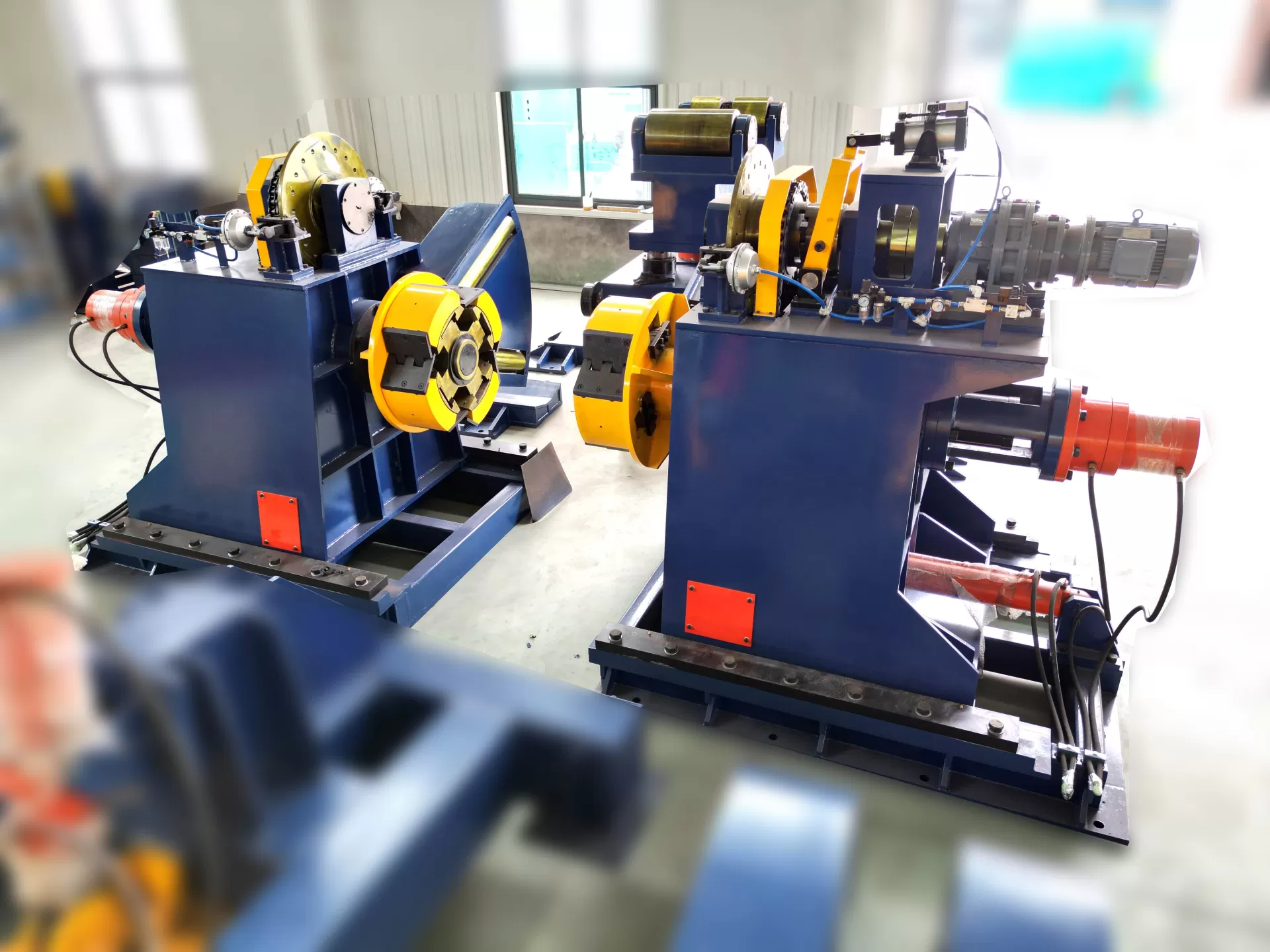
2.1 Heavy-Duty Decoiler Section – Handling Coil Variations
The uncoiling segment must manage wide ranges of coil ID/OD, strip thickness
(0.8 mm to 12.7 mm for structural tubes), and material grades from mild steel to
API X80. Key engineering parameters include:
Hydraulic expansion mandrel: Segmented design with a
gripping range of 450–610 mm ID, preventing slippage at tensions up to 12
kN.
Coil brake system: Pneumatic or regenerative DC braking to
maintain constant back tension, avoiding overrun and telescoping.
Auto-centering & edge guide: Photoelectric sensors with
servo-driven lateral adjustment, ensuring strip centerline deviation < ±2 mm
at speeds up to 80 m/min.
Pay-off arm & coil lifter: Hydraulic coil carriages for
safe loading of 15–25 ton coils, reducing downtime between coil
changes.
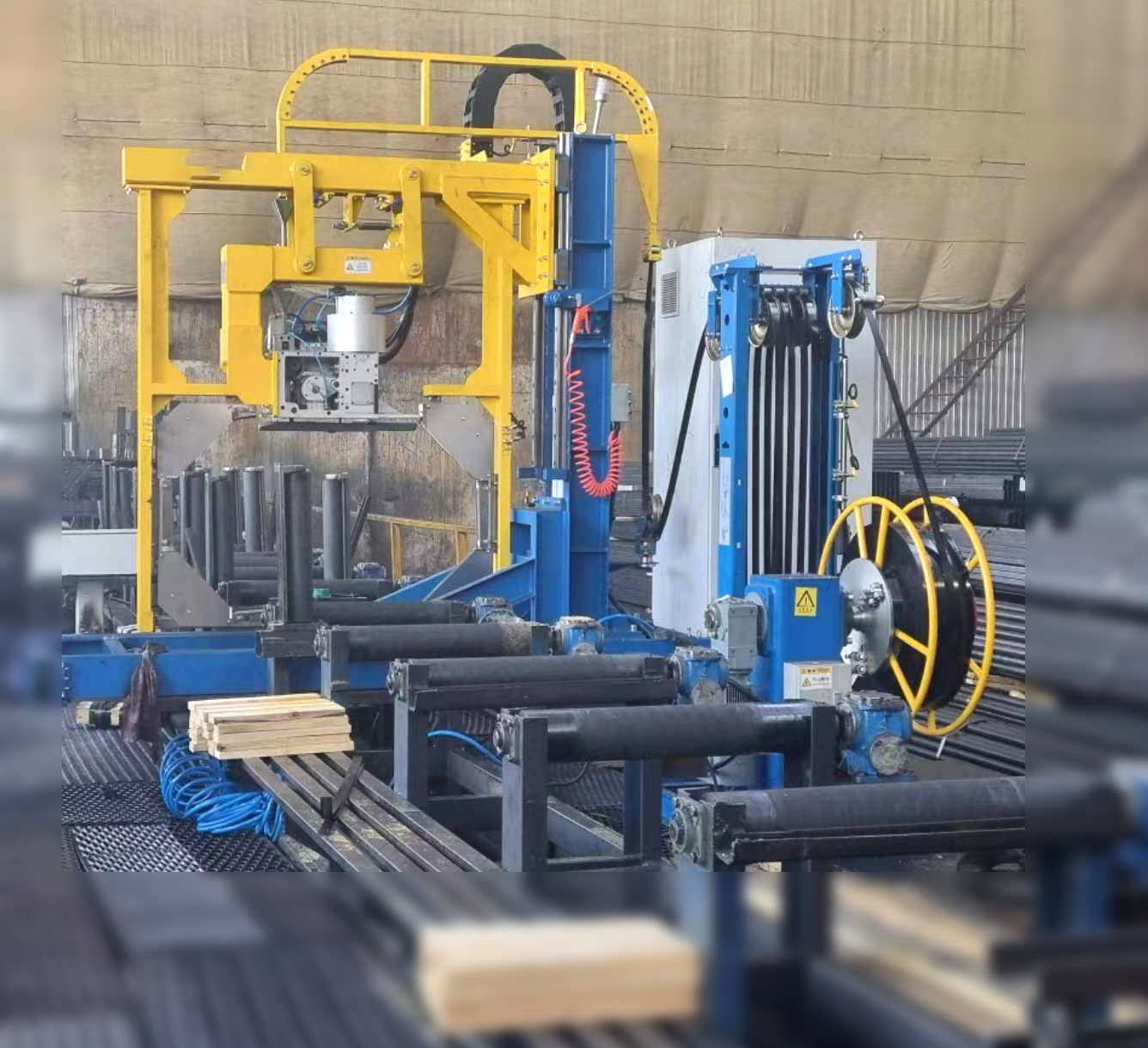
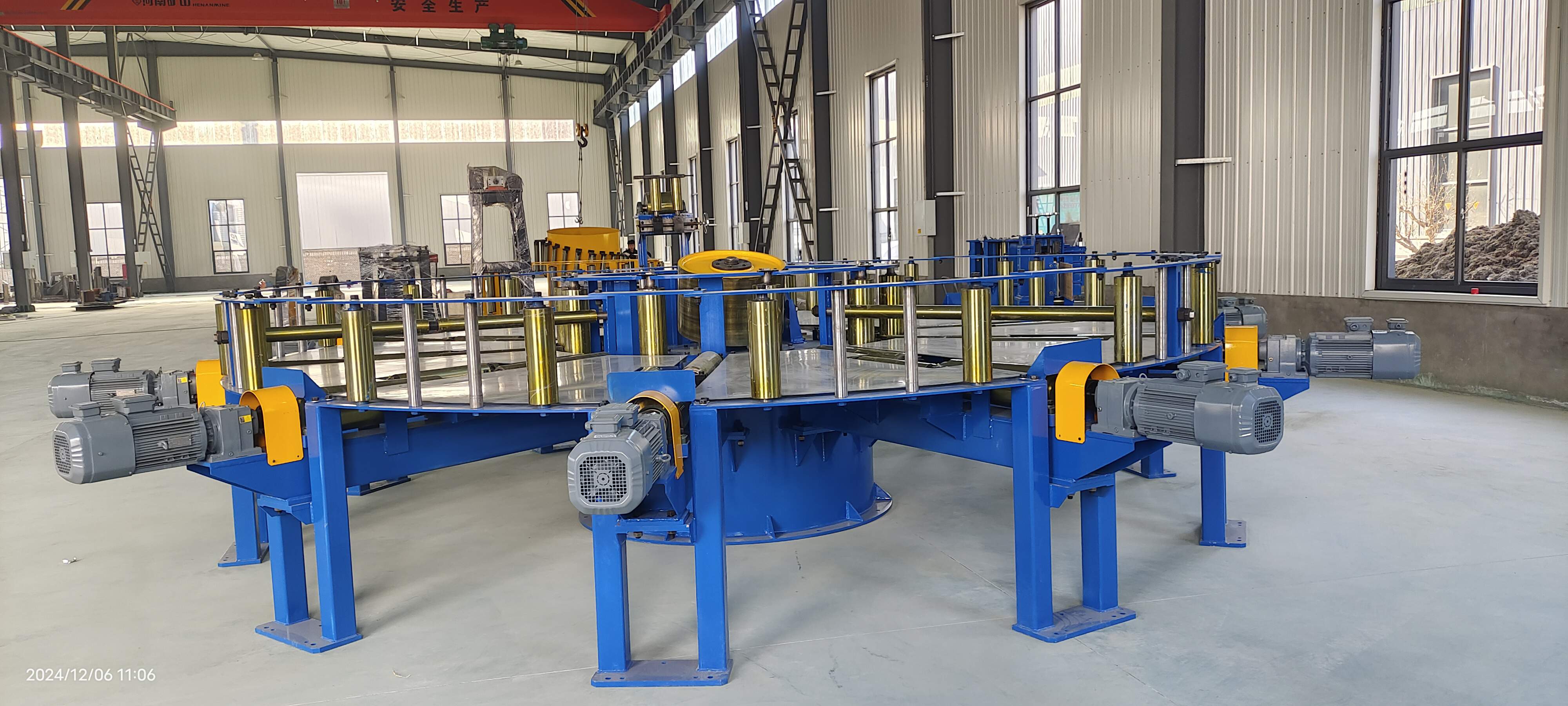
Integrated decoiler straightener configurations from SANSO feature a dual-mandrel design for
overlapping coil changeovers, eliminating strip threading delays in continuous
tube mills. This design improves line utilization by up to 12% compared to
single-mandrel units.
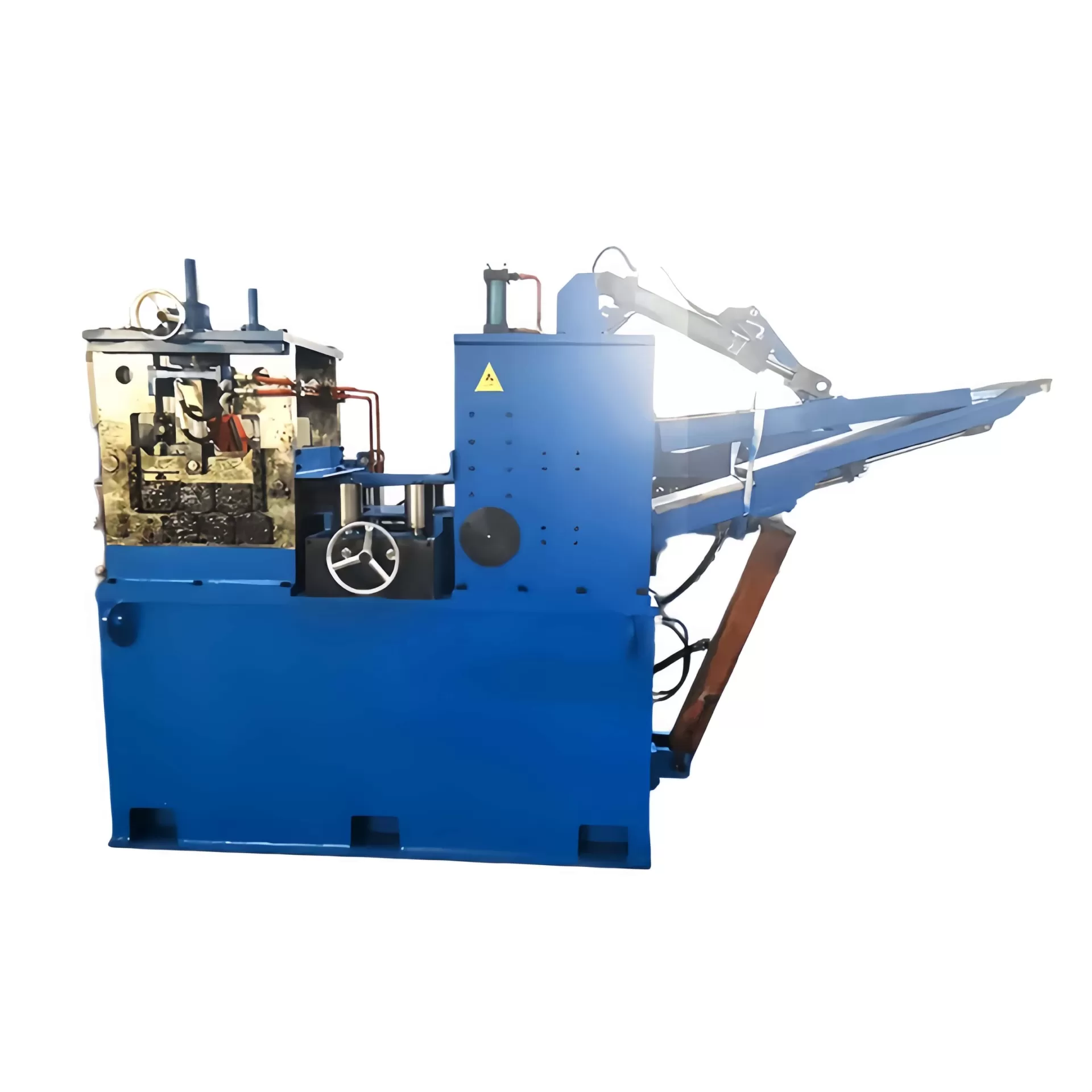
2.2 Straightener Section – Achieving Superior Flatness and Residual Stress
Relief
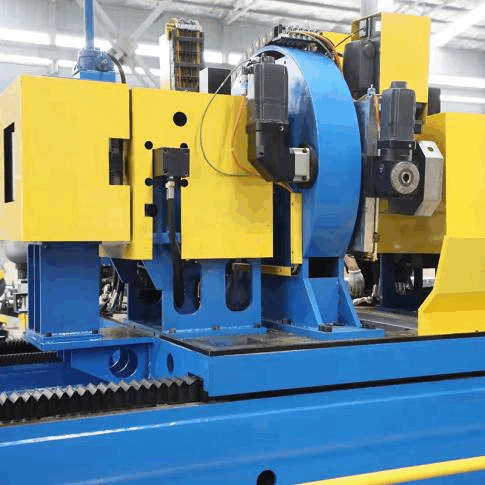
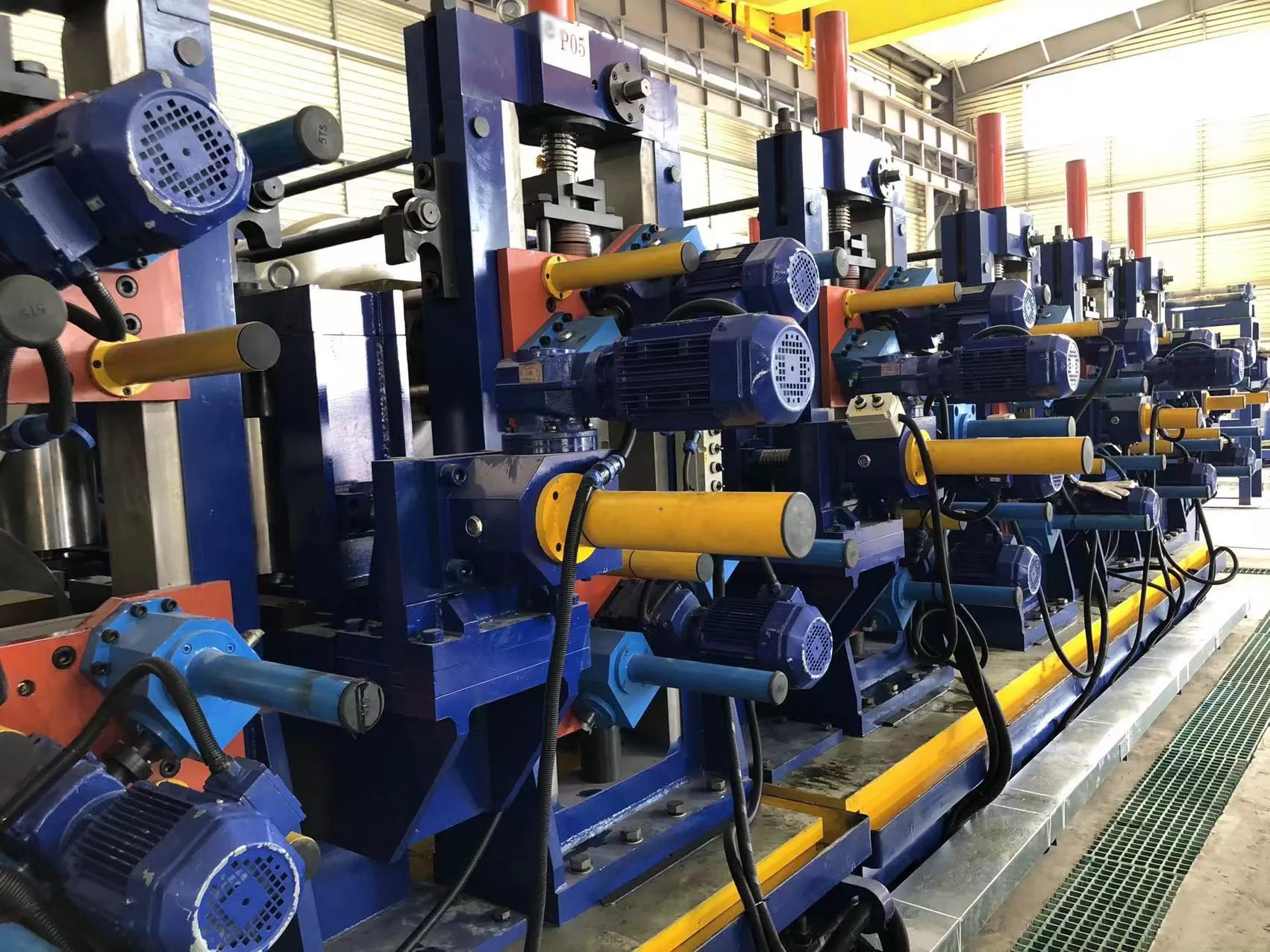
Modern straighteners employ a 7-roll, 11-roll, or 21-roll configuration
depending on material yield strength and thickness. The straightening theory
relies on alternating flexural bending: strip passes through offset upper and
lower rollers, undergoing elastic-plastic deformation that equalizes internal
fiber stresses. Critical design factors include:
Roller diameter & pitch: Smaller diameter (50–90 mm)
allows tighter pitch for thin-gauge strips (0.5–3 mm), while larger diameters
(120–180 mm) are used for heavy plates to prevent roll deflection.
Individual roll adjustment: Servo-driven or manual
screw-down mechanisms with position feedback (resolution ±0.01 mm) to correct
localized flatness defects.
Drive configuration: Entry pinch rolls plus auxiliary
driven straightener rolls reduce drag and prevent surface scratching—essential
for stainless steel or pre-coated material.
Straightening accuracy: Typical residual curvature ≤ 0.3
mm/m for mild steel; for AHSS (advanced high-strength steel) grades up to 780
MPa, additional work rolls and increased roll overlap are required.
Field tests using a laser flatness sensor show that a properly tuned 11-roll
decoiler straightener reduces center
buckle from 8 mm per meter to less than 0.6 mm, directly improving weld seam
consistency. For tube mills producing automotive structural components, this
translates to a 90% reduction in post-weld straightening rejects.
3. Application-Specific Challenges and Technical Solutions
3.1 Challenge: Coil Memory and Crossbow in High-Strength Steels
High-strength low-alloy (HSLA) and dual-phase steels exhibit pronounced coil
memory after uncoiling, causing crossbow (transverse curvature) that
destabilizes strip guidance. Standard straighteners often fail to fully
eliminate crossbow due to insufficient work roll penetration.
Solution: A decoiler straightener with a pre-leveling
roller cassette and increased back-tension control (up to 18 kN) can reduce
crossbow to ≤0.8 mm across 1500 mm width. Additionally, using a 2-stage
straightener where the first stage applies coarse correction and the second
stage fine-tunes flatness yields optimal results for yield strengths above 550
MPa.
3.2 Challenge: Strip Edge Waviness and Its Impact on Weld Integrity
Edge wave (longitudinal elongation on strip edges) leads to uneven edge
heating and flashing during HF welding. The root cause is often improper
straightener roll crowning or worn bearings. Solution: Implement condition monitoring on straightener roll bearings (vibration sensors)
and schedule roll re-grinding after every 800 operating hours. SANSO supplies decoiler straightener
units with quick-change roll cassettes, reducing maintenance downtime to under
45 minutes. Furthermore, integrating a non-contact flatness measurement system
(e.g., laser array) before the forming section provides closed-loop feedback to
adjust straightener roll gaps in real time—reducing edge wave amplitude by
70%.
3.3 Challenge: Speed Synchronization Between Decoiler Straightener and
Forming Mill
Discrepancies between the decoiler straightener’s pay-off speed and the
mill’s forming speed cause tension variations, leading to strip buckling or
overstretching. Solution: A dancer arm or loop pit with a PID
controller provides buffering and speed matching. Modern decoiler
straightener drives use AC vector motors with encoder feedback,
maintaining speed regulation within ±0.5%. For high-speed mills (>100 m/min),
a servo-driven loop control system integrated with the mill’s main PLC ensures
seamless acceleration and deceleration, reducing cobbles and strip breaks by
over 60%.
4. Advanced Controls and Automation for Industry 4.0 Integration
Today’s tube manufacturing demands full traceability and adaptive process
control. High-end decoiler straightener systems are equipped
with IIoT-ready controllers, allowing remote monitoring of straightening torque,
roller wear prediction, and coil consumption tracking. SANSO has developed a proprietary “Smart
Straightening” module that automatically calculates optimum roll insertion
depths based on strip thickness, yield strength, and incoming curvature profile
scanned via laser triangulation. Case studies from a 2.5” ERW tube mill show
that this automation reduces setup time from 25 minutes to under 6 minutes per
coil change, and maintains flatness within ±0.2 mm/m across entire coil lengths,
regardless of material property variations.
Other advanced features include:
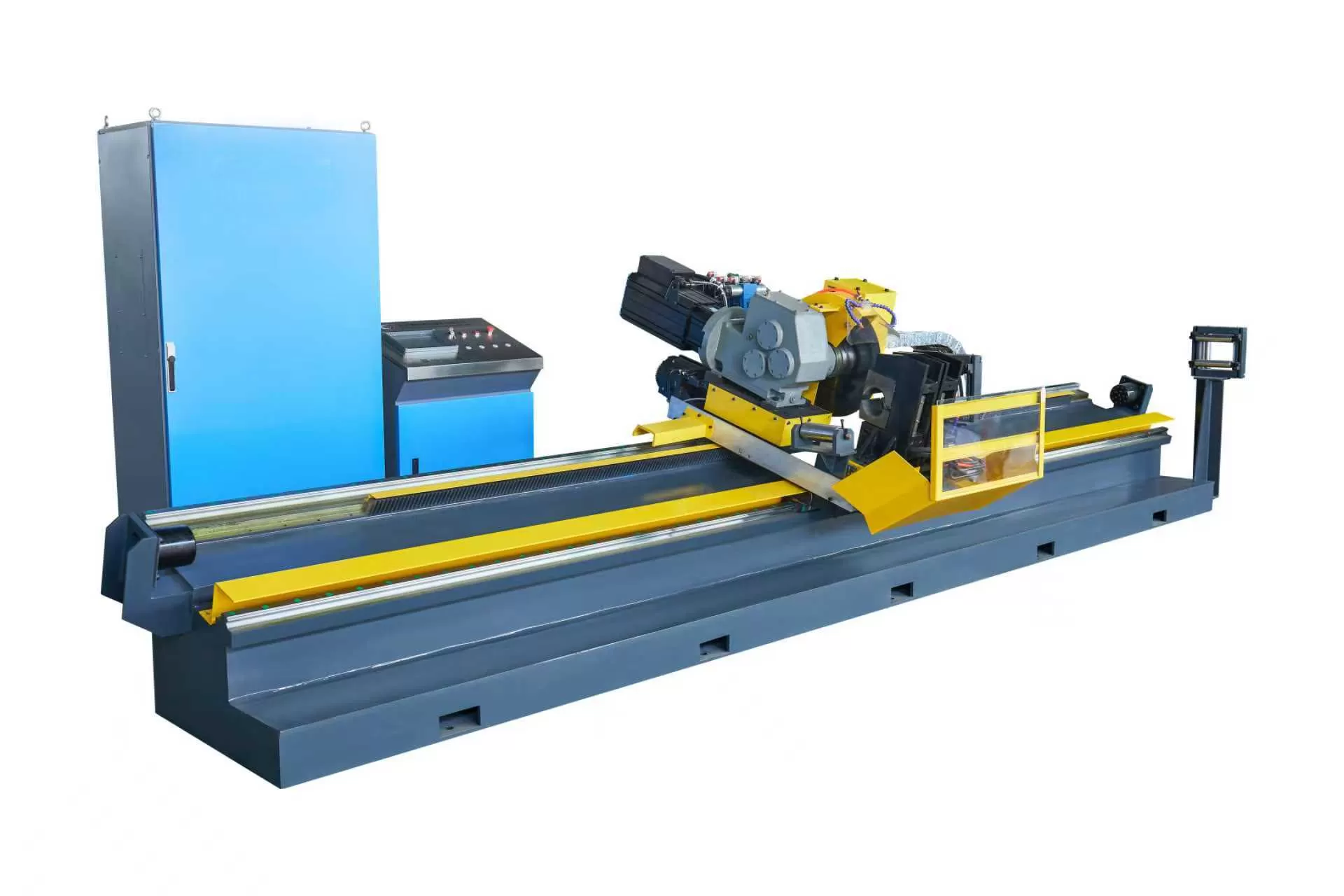
Automatic coil end welding preparation: integrated shear
and butt-welding preparation station for continuous operation.
Strip lubrication unit: controlled oil film application to
reduce straightener roll friction and prevent galling on soft materials (e.g.,
copper, aluminum).
Energy recovery braking: regenerative drives that feed
braking energy back into the mill’s DC bus, lowering power consumption by
15–20%.
5. Performance Metrics and Maintenance Best Practices
To achieve consistent output, tube mill operators must track key performance
indicators (KPIs) specific to the decoiler straightener:
Strip flatness deviation (mm/m): measured every 500 meters
using a contact or non-contact profilometer.
Straightener roll wear rate: micrometers per 1000 tons
processed – trigger regrinding when wear exceeds 0.15 mm.
Coil changeover time: target below 3 minutes for automatic
systems, under 7 minutes for semi-automatic.
Downtime attributable to coil handling: should be <4% of
total production time.
Preventive maintenance schedules should include monthly inspection of mandrel
expansion segments, biweekly greasing of straightener roll bearings (using
high-temperature lithium grease), and quarterly alignment checks using laser
shaft alignment tools. SANSO provides a digital maintenance log
integrated with the HMI, which alerts operators when roll torque exceeds
historical thresholds, indicating possible bearing seizure or material
jamming.
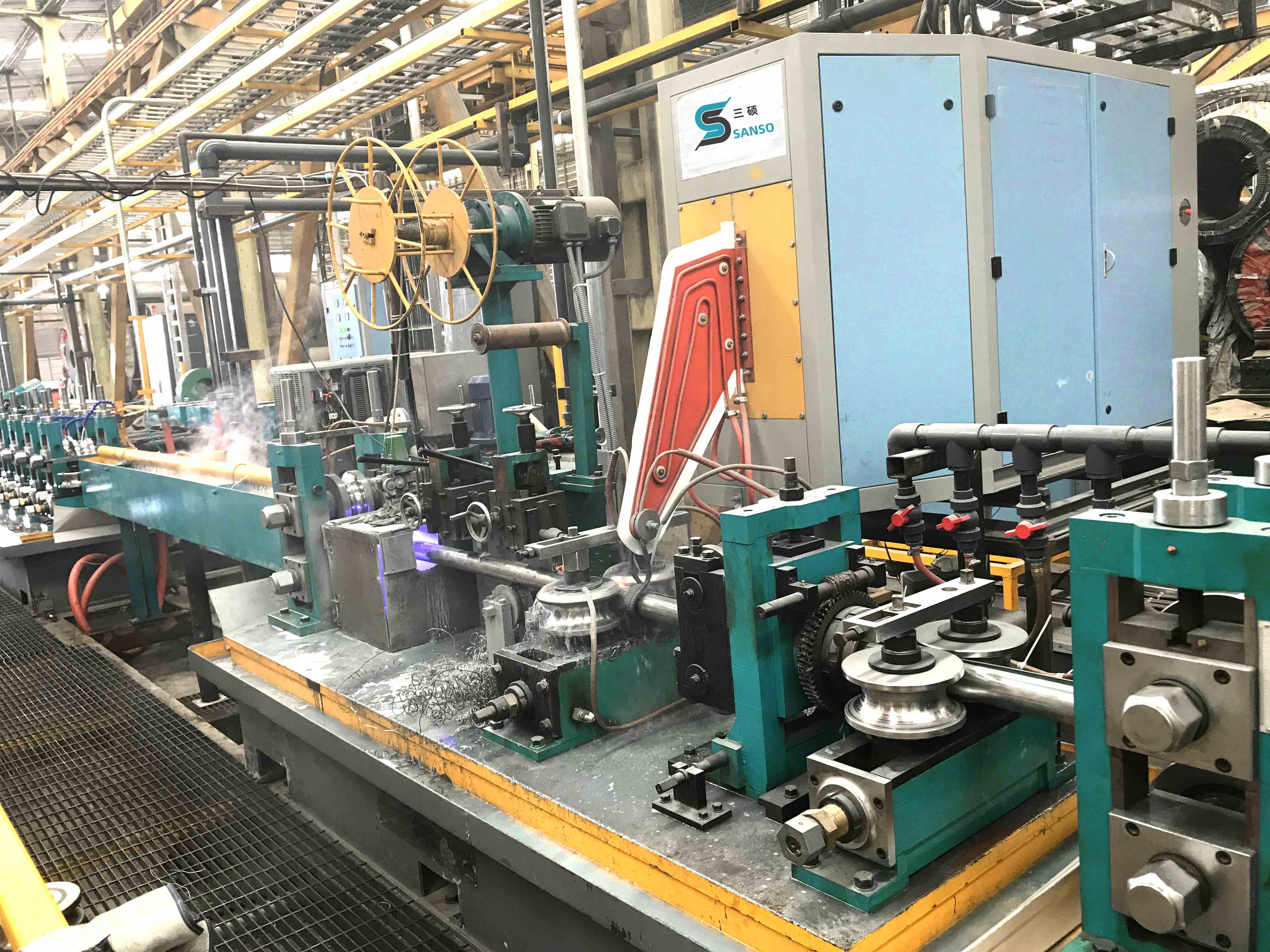
6.Maximizing ROI Through Precision Decoiler Straightening
The decoiler straightener is no longer a peripheral
component but a strategic asset that dictates downstream quality and throughput.
By selecting a system engineered for your specific strip width range, material
grades, and line speed, tube manufacturers can reduce material waste, lower
energy consumption, and achieve higher weld integrity. Advanced features such as
closed-loop flatness control, automatic roll gap adjustment, and Industry 4.0
connectivity transform the decoiler straightener into a profit center. Whether
you are producing API line pipes, automotive precision tubes, or structural
hollow sections, investing in a high-rigidity, servo-controlled decoiler
straightener yields payback periods of less than 12 months through scrap
reduction alone.
For turnkey integration and custom engineering solutions, SANSO offers a complete range of decoiler
straightener systems designed to interface seamlessly with any tube mill brand.
Their engineering team provides on-site commissioning, flatness optimization
training, and remote diagnostics to ensure your coil processing line operates at
peak efficiency.
Frequently Asked Questions (FAQ) – Decoiler Straightener in Tube Mill
Applications
Q1: What is the difference between a standalone straightener and a
combined decoiler straightener?
A1: A standalone straightener requires a separate uncoiler
and is typically used in cut-to-length lines or when floor space is ample. A
combined decoiler straightener integrates both functions into a
compact frame, reducing footprint by 30-40% and simplifying strip threading.
Combined units also enable better tension control because the straightener’s
pinch rolls directly manage back tension from the uncoiler. For tube mills where
space is at a premium and fast coil changes are required, integrated decoiler
straightener configurations are the industry standard.
Q2: How does material yield strength affect straightener roller
configuration?
A2: Higher yield strength (e.g., 700 MPa vs. 250 MPa)
requires more plastic deformation to relieve residual stresses. To achieve this,
the straightener must have a smaller roller pitch and larger roll overlap.
Typically, for HSLA or AHSS, an 11-roll or 15-roll straightener with hardened
steel rolls (58–62 HRC) is necessary. The decoiler straightener must also have higher motor torque and a reinforced frame to prevent deflection
under load. For mild steel (≤350 MPa), a 7-roll unit suffices for most tube
applications.
Q3: What maintenance schedule is recommended for decoiler
straightener bearings and rollers?
A3: Bearings in the straightener section should be greased
every 200 operating hours or weekly for continuous 24/7 operations. Rollers
should be inspected for wear marks every 500 hours; regrinding is recommended
when surface roughness exceeds Ra 1.6 µm or when flatness tolerance drifts
beyond ±0.5 mm/m. For the uncoiler mandrel, clean and inspect the sliding
segments every 1,500 tons of processed coils. SANSO offers predictive maintenance kits
that include vibration sensors and temperature probes to alert operators before
bearing failure occurs.
Q4: Can a decoiler straightener handle advanced high-strength steels
(AHSS) for tube production?
A4: Yes, but with specific upgrades. Standard decoiler
straighteners are designed for up to 600 MPa yield strength. For AHSS grades
(780–1180 MPa), you need a heavy-duty model with increased roll diameter (min.
130 mm), carbide-coated rollers to resist abrasive wear, and a hydraulic
overload protection system. Also, the straightening speed must be reduced by
20-30% to allow sufficient material relaxation between roller passes. Many mills
processing AHSS for automotive roll-formed tubes use a dual-stage
decoiler straightener with preheating (150–200°C) to lower the
effective yield point.
Q5: What is the typical pay-off speed range for an integrated
decoiler straightener in a 2-inch tube mill?
A5: For a standard 2-inch (60 mm) ERW tube mill producing at
40–60 m/min, the decoiler straightener should support continuous pay-off speeds
of 0–80 m/min to allow for acceleration reserve. Heavy-wall tube production (3–6
mm wall thickness) typically runs at 20–35 m/min due to forming forces, so the
decoiler straightener must maintain stable straightening at low speeds without
stick-slip effects. Premium units from SANSO offer a wide speed range (5–120
m/min) with constant back tension, ensuring consistent flatness from coil start
to end regardless of line speed fluctuations.
Q6: How does strip edge wave affect welding, and can a decoiler
straightener fully eliminate it?
A6: Edge wave creates variable gap geometry at the welding
point, causing arc instability in plasma welding or uneven current density in HF
welding. This leads to periodic weld porosity or lack of fusion. While a
high-quality decoiler straightener with individually adjustable
rolls can reduce edge wave by 80-90%, complete elimination may require
additional edge conditioning (e.g., edge milling or a dedicated edge
straightening cassette). For most tube specifications, reducing edge wave to
<0.3 mm amplitude over 100 mm length is sufficient to produce a consistent
weld bead. Regular calibration of straightener roll crowning is essential to
avoid creating new edge waves.
Q7: What is the typical payback period for upgrading to a
servo-controlled decoiler straightener?
A7: Based on data from 12 tube mill retrofits, the average
payback period is 8–14 months. Savings come from three main areas: (1) scrap
reduction (3–5% of total output) due to fewer flatness-related rejects; (2)
reduced setup time (15–20 minutes per coil change) saving 1–2 hours of labor per
shift; (3) extended roll life (forming and straightening rolls last 25-30%
longer). For mills processing specialty alloys or automotive tubes, the ROI is
even faster due to lower warranty claims. Many operators consider the
decoiler straightener upgrade as one of the highest-return
investments in the tube mill line.