In high-speed ERW tube and pipe production, every second of unplanned
downtime translates directly into lost revenue and increased per-unit cost. The
traditional single-head uncoiler forces a complete line stop whenever a coil
expires, creating a recurring bottleneck that undermines overall equipment
effectiveness (OEE). For mills processing API 5L, ASTM A500, or stainless steel
tubes, the solution is a double head
decoiler—a purpose-engineered system that enables true continuous
strip feeding. This article provides a component-level breakdown, application
data, and integration strategies for production managers and plant engineers
aiming to achieve zero-downtime coil changeovers.
1. The Coil Change Bottleneck: Why Single-Head Systems Limit Throughput
Conventional uncoilers operate with a single mandrel. When the coil runs out,
operators must stop the entire tube mill, release the remaining strip tail,
remove the empty coil core, load a new coil, thread the strip through the pinch
rolls and flattener, and then restart the welding line. This process typically
takes 8 to 15 minutes depending on coil weight and strip width. For a mill
running 24/7 at 40 meters per minute, a single 10-minute coil change reduces
output by 400 meters of tube. Over three shifts and multiple coil changes daily,
the cumulative loss easily exceeds 10-12% of potential capacity.
Additional hidden costs include:
Thermal weld disturbances – Line stops cause temperature
fluctuations in the high-frequency welder, leading to inconsistent weld
penetration and higher rejection rates.
Increased scrap from strip tails – Each change leaves 1.5–2
meters of untensioned strip that cannot be used.
Operator fatigue and safety risks – Manual coil centering
and threading near rotating mandrels increase exposure to pinch
points.
These challenges have driven the adoption of double head
decoiler systems in modern tube mills, where two independent
mandrels allow one coil to feed the line while the second is loaded and prepared
for splicing.
2. Technical Architecture of a High-Performance Double Head Decoiler
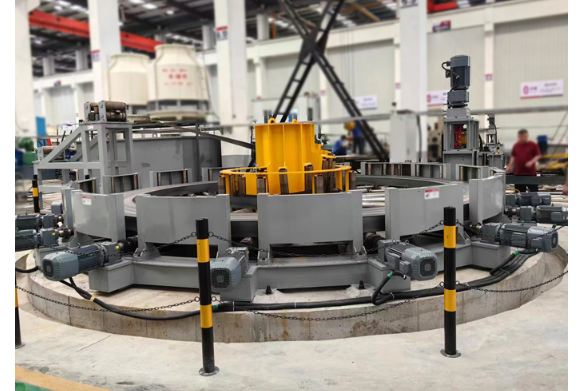
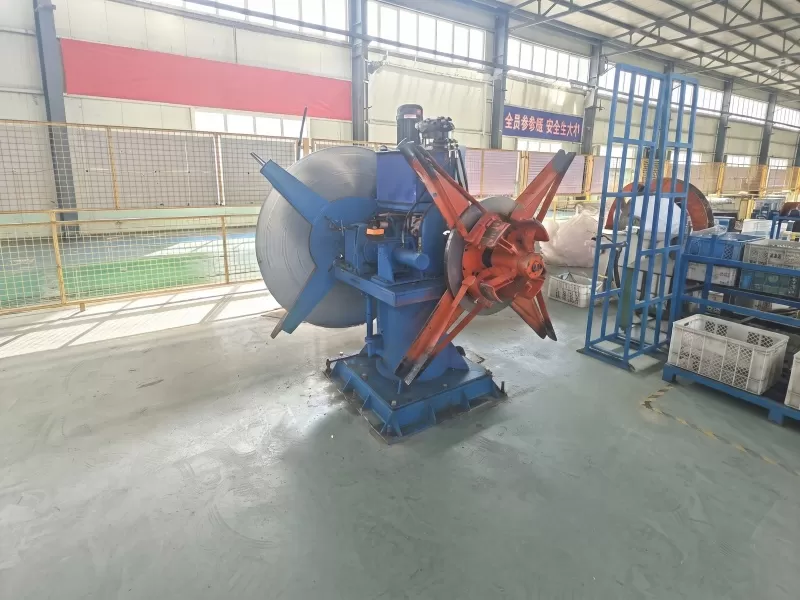
A professional-grade double head
decoiler is far more than two spindles on a common base. It
integrates heavy-duty rotary indexing, hydraulic expansion, closed-loop strip
tension control, and automatic edge guiding. Below is a breakdown of the core
subsystems.
2.1 Dual Mandrel Design and 180° Rotation Mechanism
The system consists of two independently supported mandrels mounted on a
rotating turret or sliding carriage design. Heavy-duty tube mills typically
employ a turret-type indexer with a slewing ring bearing rated for 30–50 tons of
coil weight. A hydraulic motor or electric servo drive rotates the turret 180°
in 15–25 seconds, positioning the second mandrel into the payoff line while the
first mandrel is unloaded. This rotational speed is critical for maintaining
strip feed continuity when combined with a downstream strip accumulator.
2.2 Hydraulic Expansion and Coil Loading Systems
Each mandrel features segmented expansion plates operated by a high-pressure
hydraulic cylinder (typically 250–350 bar). The expansion range accommodates
inner coil diameters from 508 mm to 610 mm (20–24 inches) for heavy-gauge steel
or up to 760 mm for lighter coils. A coil car with V-rollers and a hydraulic
lift table automatically loads coils onto the idle mandrel. double head
decoiler units from established suppliers include integrated coil
centering sensors that reduce operator intervention by 80%.
2.3 Strip Tension and Braking Control
To prevent strip looping or over-tension that would stretch the material, the
decoiler employs a regenerative braking system or pneumatic disc brakes on the
mandrel shaft. A dancer arm or load cell feedback loop maintains constant
back-tension (typically 3–8 kN depending on strip thickness). This tension
stability directly affects the edge alignment before the forming section—poor
tension control leads to meandering strip and uneven weld seam.
3. Quantifiable Benefits: From Downtime Reduction to Weld Consistency
Data collected from multiple tube mill retrofits show that migrating from
single-head to double head
decoiler configuration delivers measurable improvements:
Coil change downtime reduced by 92% – From 12 minutes to
under 55 seconds (including splicing time).
Strip waste per coil change lowered by 85% – Because the
new coil is spliced before the previous one ends, no tail is discarded.
Weld consistency improved by 18–22% – Continuous strip feed
eliminates thermal cycles in the welder.
Annual production gain – For a mill processing 150 coils
per month (each 8 tons), a 10-minute saving per coil adds 25 additional
production hours monthly.
Furthermore, the ability to pre-load and pre-expand the next coil while the
line is running drastically reduces the physical demands on operators, lowering
musculoskeletal injury claims by an average of 35% in reported case studies.
4. Application Scenarios in Tube and Pipe Welding Mills
The double head
decoiler is not a one-size-fits-all device. Depending on the tube
mill’s product mix, different configurations are required.
ERW structural tube lines (OD 20–200 mm): Medium-duty
double head decoilers with hydraulic expansion and coil weights up to 15 tons.
Strip width typically 200–800 mm, thickness 1.5–6 mm.
Heavy API line pipe mills (OD 219–660 mm): Heavy-duty
decoilers with 40-ton capacity, dual hydraulic mandrels, and reinforced turret
bearings. These lines often pair the decoiler with a shear welder for coil-end
joining.
Stainless steel or precision tube lines: Here, strip edge
damage is a primary concern. A double head decoiler with polyurethane-lined
pinch rolls and low-inertia braking prevents scratching and edge
burrs.
Leading mills also integrate the decoiler with a strip accumulator
(horizontal or vertical) to provide a buffer of 60–120 meters of strip, enabling
the operator to complete a full coil splice without any speed reduction
downstream.
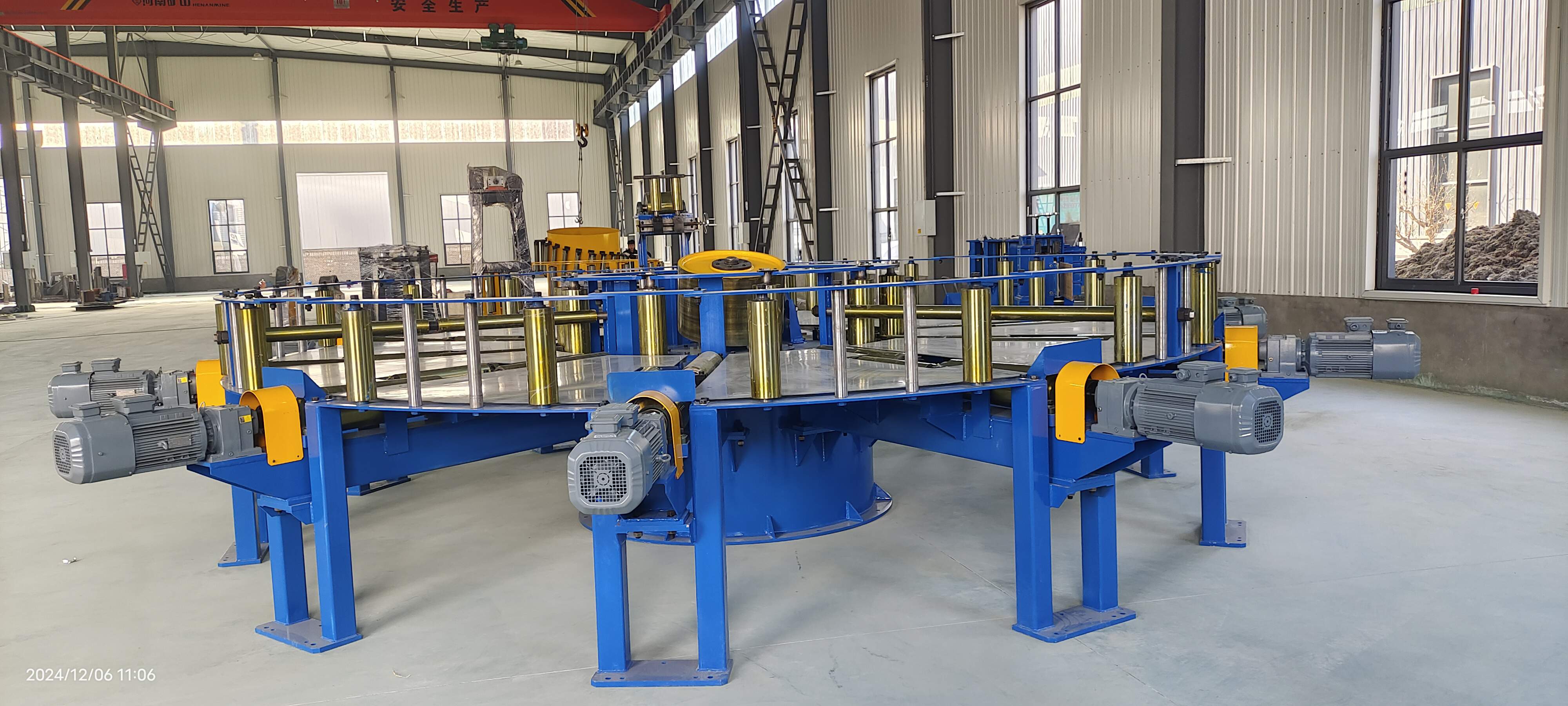
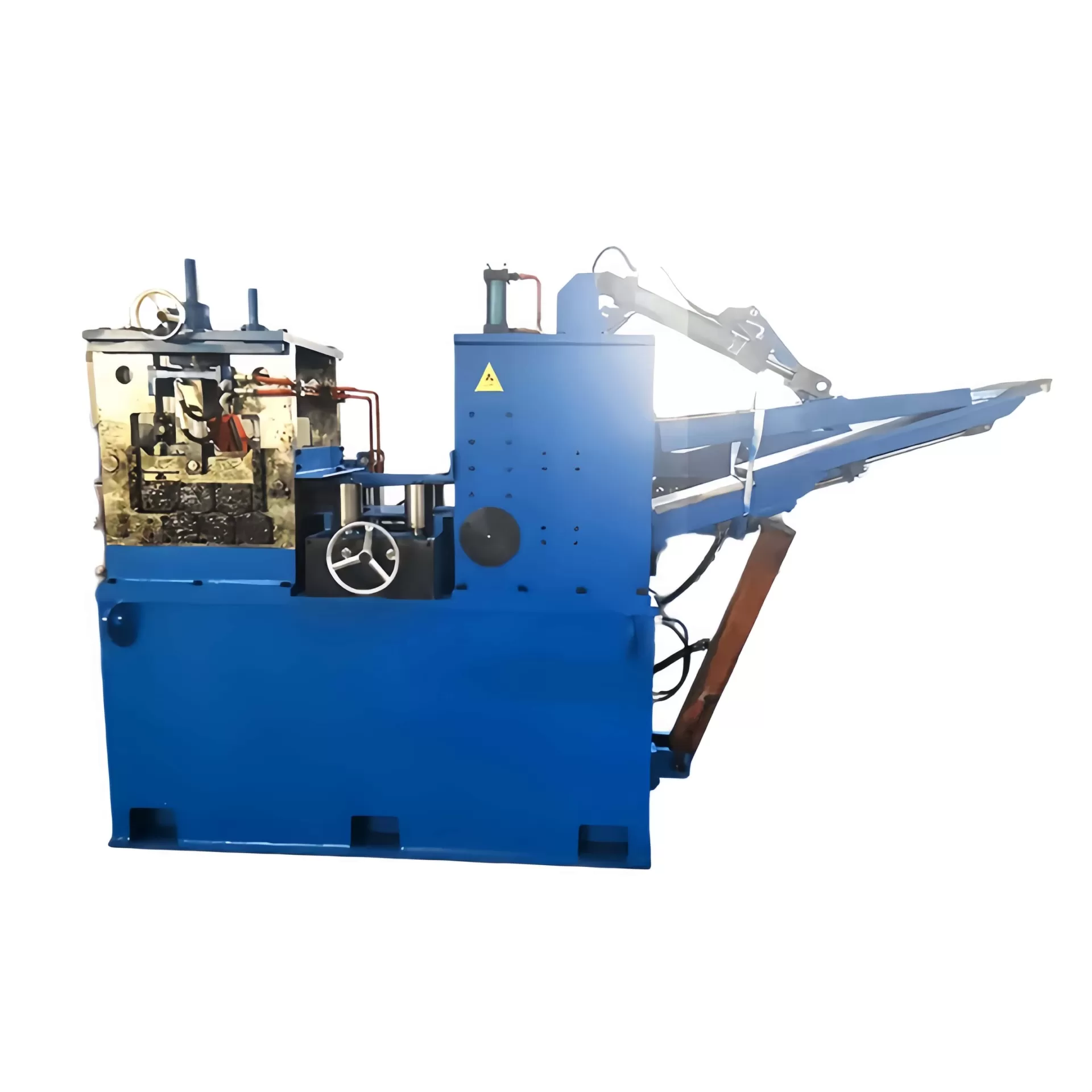
5. Integration with Downstream Equipment: Shear Welder and Accumulator
To achieve true uninterrupted production, the double head
decoiler must coordinate with a strip end preparation station and a
shear welder. The workflow is as follows:
The active coil runs down to a pre-set remaining diameter (e.g., 500 mm). An
optical sensor triggers the preparation sequence.
The operator or automated carriage shears the trailing end of the active
coil and the leading end of the new pre-loaded coil.
A resistance or TIG welder joins both ends, and the weld bead is flattened
by a bead roller.
The strip accumulator releases stored material to maintain line speed during
the 45-second splicing operation.
This closed-loop integration relies on precise speed matching between the
decoiler’s payoff speed and the forming mill’s consumption rate. Advanced
control systems from companies like SANSO provide PLC-based
synchronization with Profibus or EtherCAT interfaces, ensuring seamless
communication even at line speeds exceeding 80 m/min.
6. Addressing Industry Pain Points: Material Waste, Edge Damage, and
Safety
Beyond downtime, three chronic issues plague coil-fed tube mills: excessive
waste from coil tails, edge damage during loading, and pinch-point hazards. A
well-designed double head
decoiler addresses each systematically.
Material waste: With single-head decoilers, the final 2–3
meters of strip often cannot be fed because tension drops below the required
threshold. Double head systems allow full consumption of the coil down to the
last 200 mm because the new coil is already pulling the strip. Some mills report
a reduction in annual strip waste from 3.2% to 0.4%.
Edge damage: Manual coil centering frequently results in the
strip rubbing against the uncoiler’s side guides. Automatic hydraulic centering,
combined with laser edge detection, maintains the strip’s centerline within ±1
mm, eliminating edge burrs that could cause weld porosity.
Safety: The rotating turret design keeps the operator away
from live mandrels. All coil loading and expansion operations are controlled
from a remote pendant or HMI. Modern double head decoilers also include light
curtains and interlocks that stop rotation if a person enters the danger
zone.
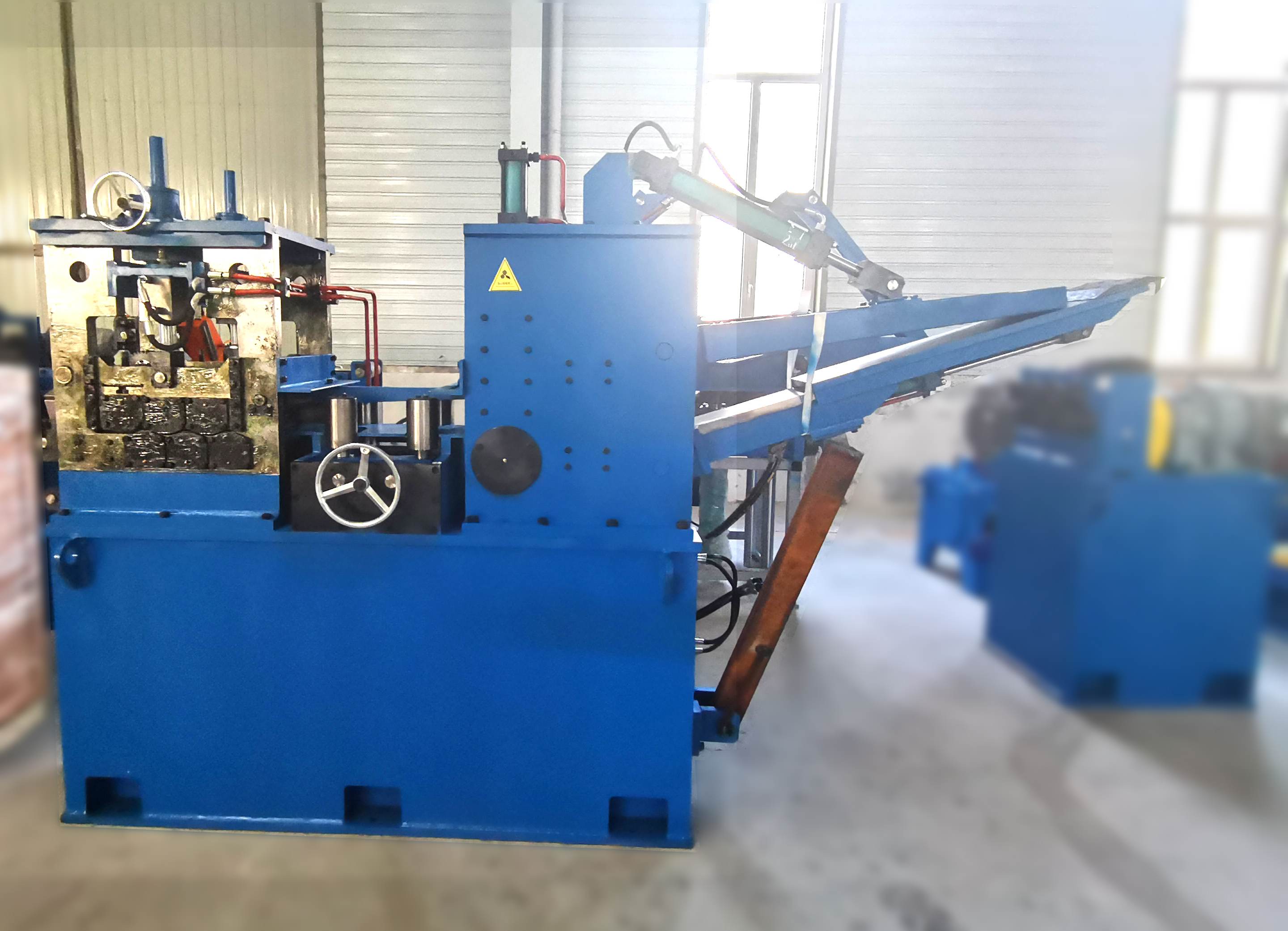
7. Why SANSO Provides Reliable Double Head Decoiler Solutions for Global
Tube Mills
For over two decades, SANSO has engineered coil
handling systems specifically for the demands of high-frequency tube welding and
pipe forming. Their double head decoiler platforms are built with oversized
bearings, induction-hardened mandrel surfaces, and IP65-rated hydraulic
components to withstand mill environments with high levels of scale and
moisture. SANSO offers custom
configurations including:
Coil weight capacities from 10 to 50 metric tons
Strip widths from 150 mm to 1,250 mm
Thickness ranges: 0.8 mm – 16 mm (mild steel) and 0.5 mm – 8 mm
(stainless)
Integration with automatic coil storage and retrieval systems
(ASRS)
Every double head
decoiler supplied by SANSO undergoes a 12-step FAT
(Factory Acceptance Test) including dynamic tension simulation, turret indexing
cycle tests, and 150% overload validation. This rigorous protocol ensures that
when the equipment arrives at your facility, it delivers the promised 99.5%
uptime in continuous operation.
8. Maintenance Best Practices for Long Service Life
To maintain peak performance of a double head decoiler, follow a preventive
maintenance schedule that focuses on:
Hydraulic oil analysis every 1,000 hours – Check for water
ingress and particle contamination (ISO 4406 code 18/16/13 or better).
Mandrel lubrication – Use high-EP grease with molybdenum
disulfide on the expansion slide surfaces every 40 operating hours.
Brake pad inspection – Regenerative braking systems require
checking the clearance between the caliper and disc every 500 hours. Replace
pads when thickness falls below 6 mm.
Turret bearing preload – Annually measure radial runout; if
exceeding 0.3 mm, adjust the slewing ring’s set screws.
Additionally, train operators to never index the turret unless both mandrels
are fully retracted and coils are clamped. For mills running advanced
high-strength steel (AHSS) with tensile strengths above 800 MPa, consider
upgrading to carbide-faced mandrel segments to prevent surface galling.
9. Frequently Asked Questions (FAQs)
Q1: What is the typical payback period for replacing a single-head
decoiler with a double head decoiler?
A1: Based on
production data from 12 tube mills (ERW and stainless lines), the average
payback period ranges from 5 to 9 months. This calculation includes increased
output (12-15% more meters per shift), reduced scrap (saving 1.2–1.8 tons of
steel per month), and lower labor costs for coil changes. For mills running
three shifts, payback is often under 6 months.
Q2: Can a double head decoiler handle both hot-rolled and cold-rolled
coils without changing components?
A2: Yes,
provided the mandrel expansion range matches the inner coil diameter of both
material types. However, hot-rolled strip (scale-covered) requires heavier-duty
pinch rolls and increased braking torque due to higher friction. Many modern
double head decoilers, including those from SANSO, offer quick-change
roll cassettes and adjustable braking profiles stored in the PLC for different
material grades.
Q3: What safety certifications should a double head decoiler comply
with?
A3: For international mills, look for CE
marking (Machinery Directive 2006/42/EC) and compliance with ISO 12100 for risk
assessment. Additional certifications include OSHA 1910.212 for guarding and
ANSI B11.19 for presence-sensing devices. A reputable supplier will provide a
full risk assessment and lockout/tagout (LOTO) procedure manual for the
decoiler.
Q4: How does a double head decoiler affect the required floor space
compared to two separate single-head uncoilers?
A4: A double head decoiler typically occupies 30–40% less floor space than two
independent single-head units because it shares a common base, hydraulic power
unit, and control cabinet. For a 20-ton capacity system, the footprint is
roughly 4.5 m (length) × 2.2 m (width) versus 7 m × 2.2 m for two separate
decoilers. This space saving is critical when retrofitting into existing mill
buildings.
Q5: Can a double head decoiler be integrated with an existing strip
accumulator and shear welder from another
brand?
A5: Yes, provided the control interfaces are
compatible (analog 4-20 mA signals, digital I/O, or industrial Ethernet
protocols like Profinet or EtherNet/IP). Most modern double head decoilers
include programmable logic controllers with open communication ports. However,
for seamless splicing synchronization, it is advisable to have the decoiler,
accumulator, and welder share a common PLC platform or a high-speed fieldbus.
SANSO offers turnkey
integration engineering for multi-vendor lines.
Q6: What is the maximum strip speed supported by a hydraulic double
head decoiler?
A6: High-performance double head
decoilers can sustain payoff speeds up to 120 m/min for lighter coils (≤10 tons)
and 80 m/min for heavy coils (30–40 tons). The limiting factor is the dynamic
response of the brake system to prevent overrun. For ultra-high-speed lines (150
m/min and above), a servo-driven active unwind decoiler with regenerative
electric braking is recommended instead of pure hydraulic or pneumatic friction
brakes.