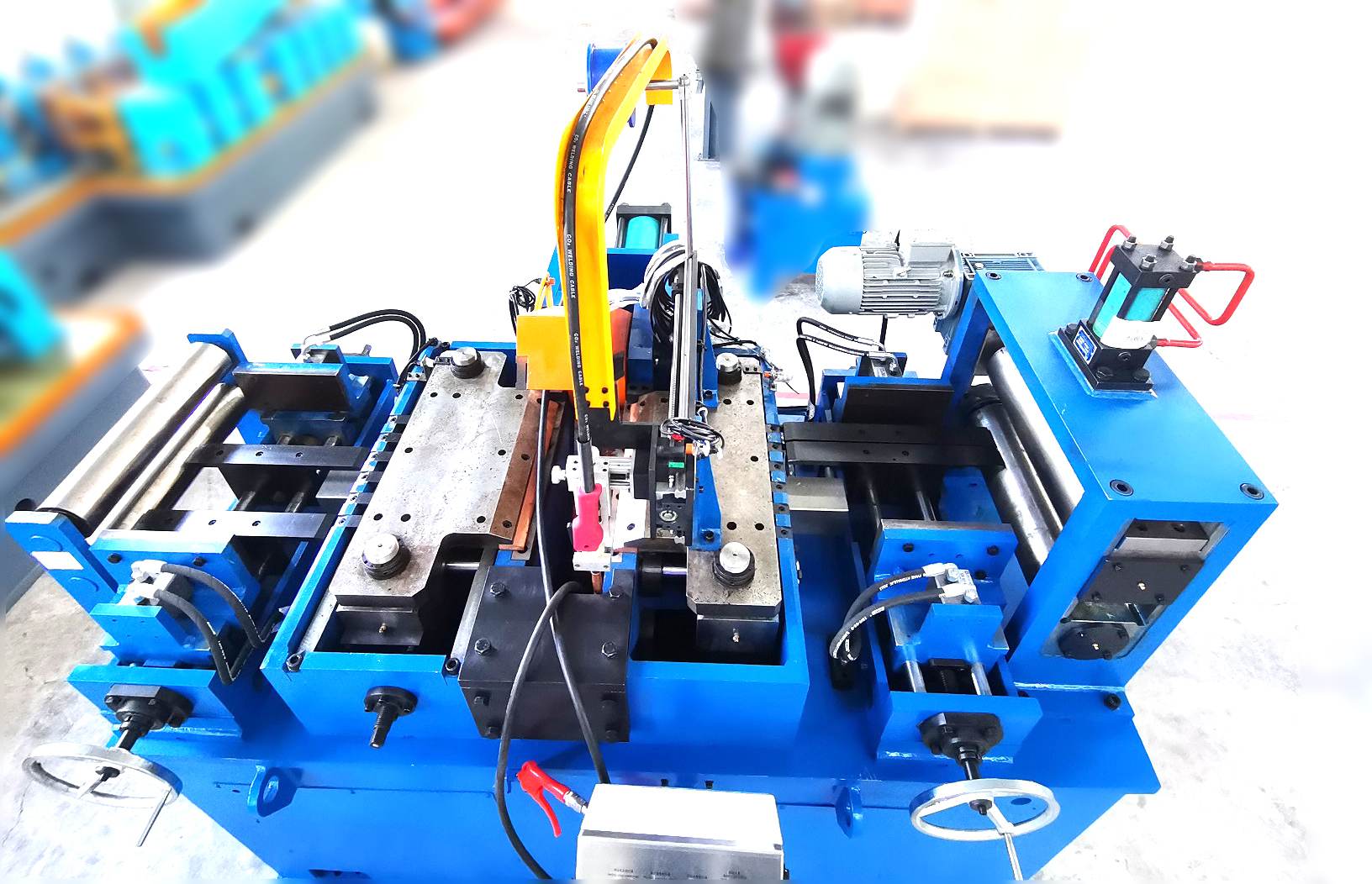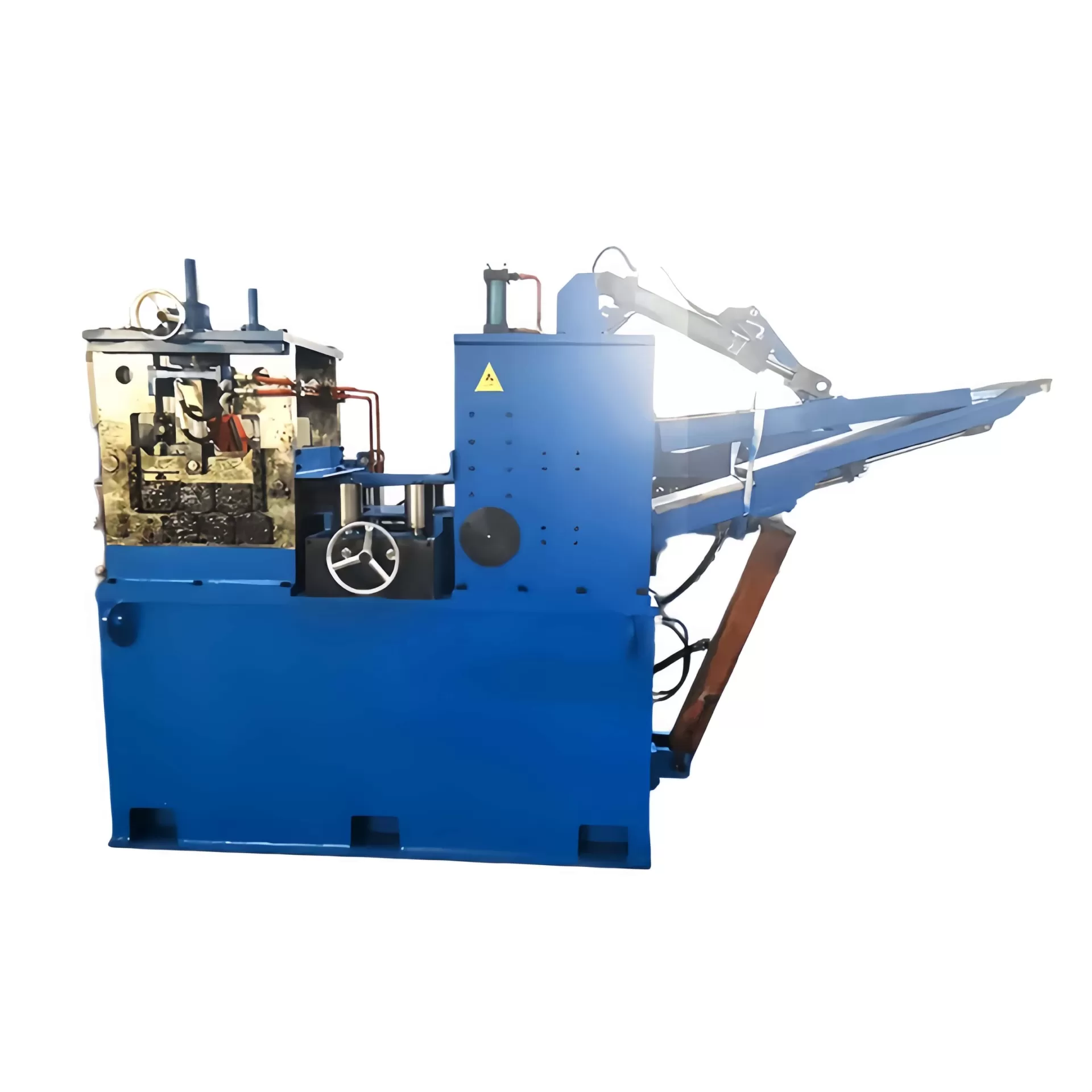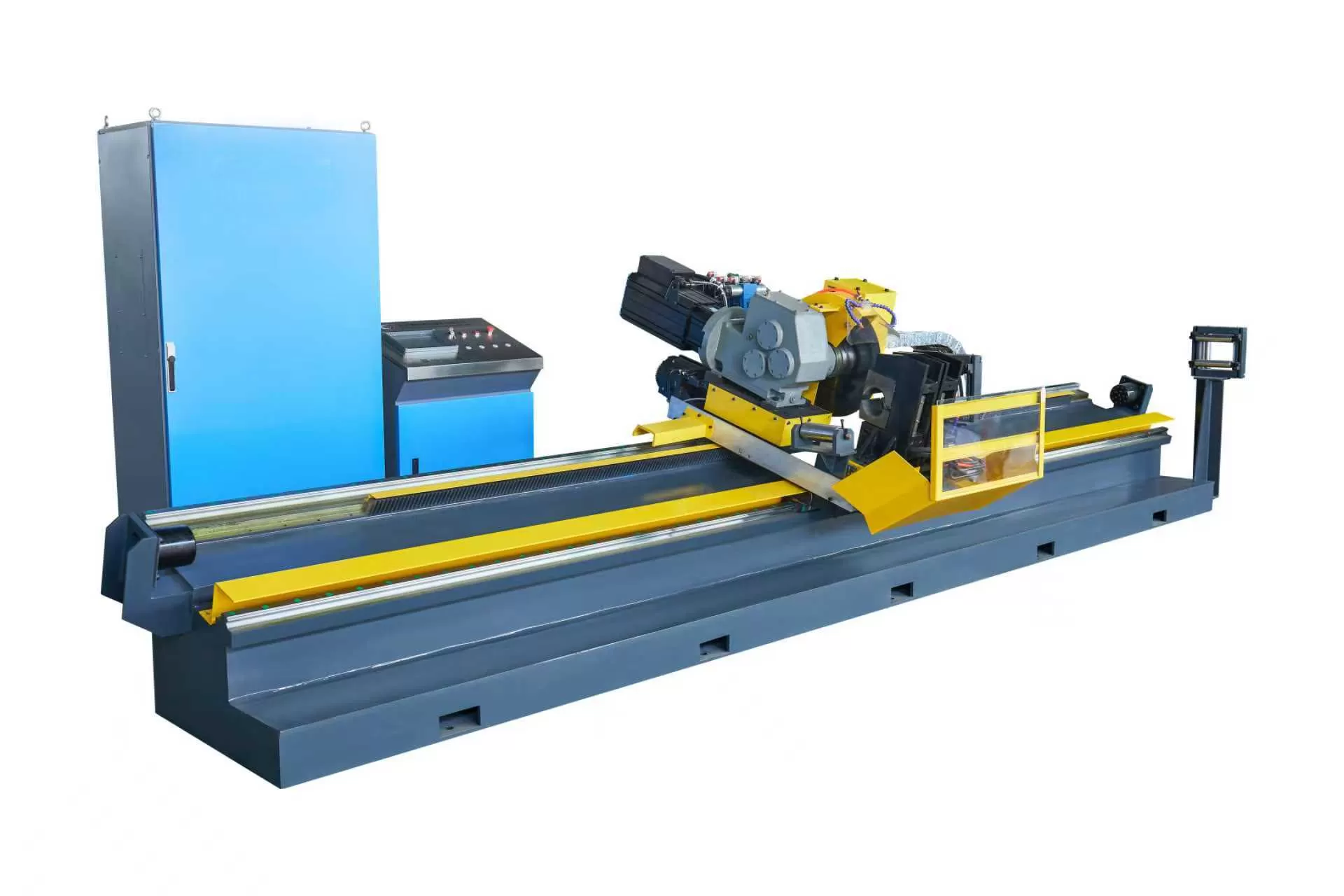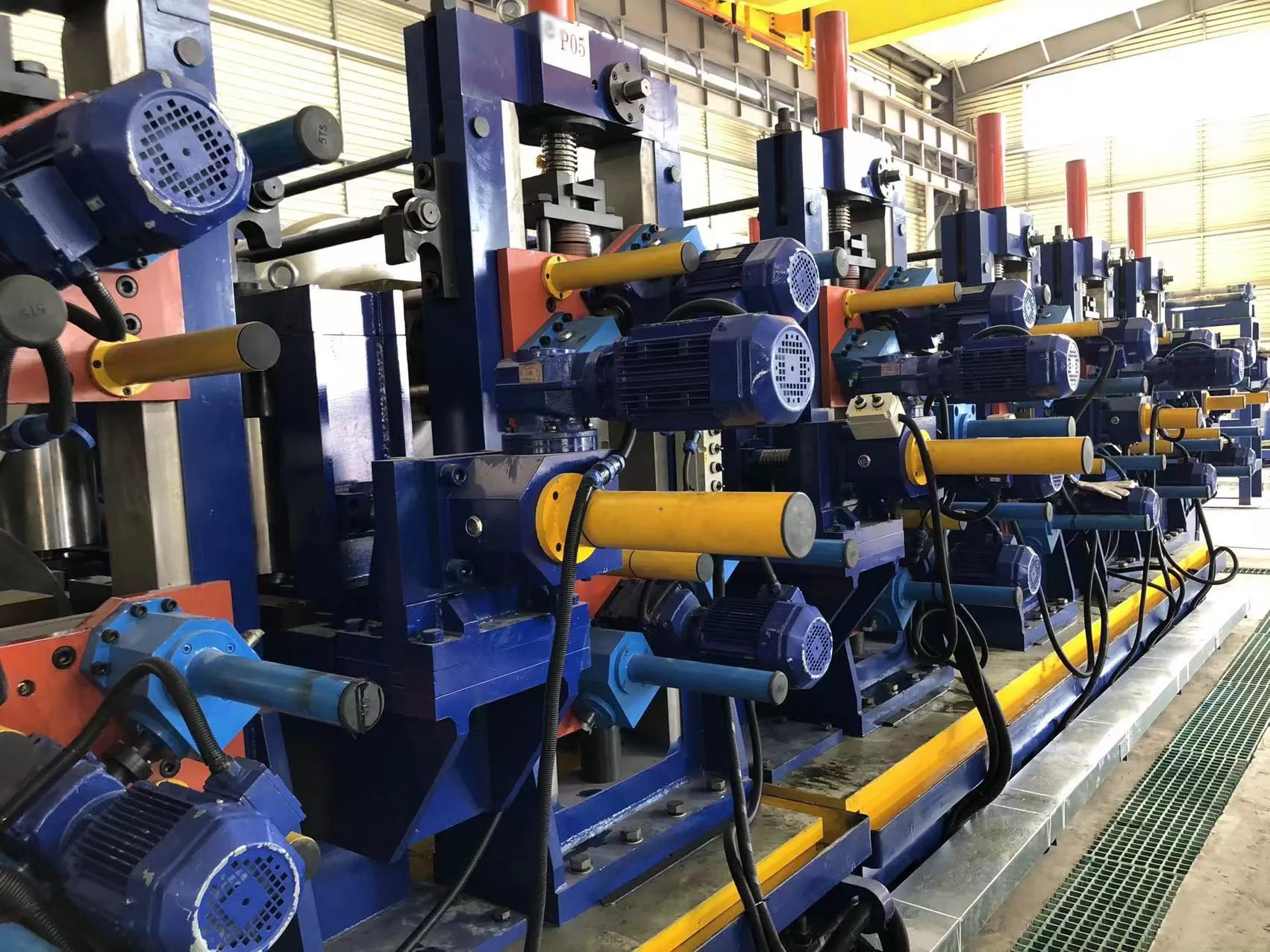
In welded tube manufacturing, the length cutting machine represents the final frontier of dimensional accuracy before finished tubes proceed to packaging or further processing. Whether operating as a flying cut-off synchronized with a continuous tube mill or as a stand-alone shearing station for pre-cut blanks, the performance of this equipment directly determines product quality, material yield, and overall line efficiency. As a specialist in tube mill machinery, I have observed how advances in servo-hydraulic control, blade metallurgy, and real-time feedback systems have transformed the length cutting machine from a simple shear into a precision instrument capable of maintaining tolerances within hundredths of a millimeter at line speeds exceeding 100 meters per minute. This article provides an in-depth technical examination of modern cutting systems, addressing the engineering principles, application-specific configurations, and operational strategies that maximize ROI.
1. Defining the Modern Length Cutting Machine: Beyond Conventional Shears
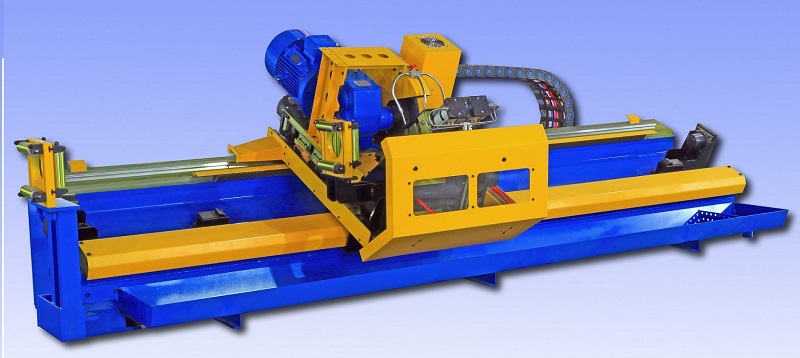
A length cutting machine in the context of tube and pipe production is a high-performance device designed to cut continuously moving or stationary tubes, pipes, or flat strips to precise lengths. Two primary architectures dominate the industry: the flying cut-off (used inline with tube mills) and the stationary shear (used in cut-to-length lines for blanks). Each requires distinct engineering approaches to balance speed, accuracy, and cut quality.
Flying Cut-Off Systems: Synchronized with the tube mill’s extrusion speed, these machines accelerate with the moving tube, execute the cut, and return to the home position—all within milliseconds. Critical components include linear guideways, servo-controlled carriages, and high-frequency hydraulic or electric shear actuators.
Stationary Cut-to-Length Shears: Used in coil processing lines where the strip is stopped or indexed before cutting. These machines prioritize heavy-duty hydraulic power and rigid frames to handle thick-wall materials and advanced high-strength steels (AHSS).
Beyond the basic classification, the modern length cutting machine integrates sensors, programmable logic controllers (PLCs), and human-machine interfaces (HMIs) that store hundreds of product recipes, enabling rapid changeovers between diameters, wall thicknesses, and cut lengths.
2. Technical Architecture: Key Subsystems and Performance Parameters
To achieve the stringent tolerances demanded by automotive, structural, and precision tube applications, a high-end length cutting machine must excel in four core subsystems: drive and synchronization, shear actuation, blade technology, and control logic.
2.1 Servo-Driven Synchronization and Positioning
In flying cut-off applications, the machine carriage must match the tube mill exit speed with minimal acceleration error. Traditional mechanical flywheel systems have largely been replaced by AC servo motors with absolute encoders, achieving synchronization accuracy within ±0.2% of line speed. This precision ensures that the cut occurs at the exact programmed length, even during mill speed fluctuations. For stationary systems, servo-driven feed rolls with closed-loop feedback provide length measurement accuracies of ±0.3 mm over lengths up to 12 meters.
2.2 Shear Actuation: Hydraulic vs. Electric
Hydraulic shears remain dominant for heavy-wall tube cutting (≥6 mm wall thickness) due to their high force density and robust construction. However, electric servo-mechanical shears are gaining ground for light-to-medium wall applications (≤5 mm) because they offer faster cycle times (up to 80 cuts per minute), lower energy consumption, and reduced maintenance (no hydraulic fluid management). Hybrid systems, combining hydraulic power with servo-controlled blade gap, provide the best of both worlds for mills processing a wide material range.
2.3 Blade Technology and Edge Quality
Cut quality is defined by burr height, squareness, and deformation at the cut end. For welded tubes, the cut end often becomes the finished product edge; excessive burr can injure operators or interfere with subsequent end-forming operations. Premium length cutting machine designs incorporate:
Rotor-style or guillotine blade geometry tailored to tube diameter and wall thickness.
Automatic blade gap adjustment that maintains optimal clearance (typically 5–8% of wall thickness) across blade wear cycles.
Powder metallurgy tool steels with titanium-based coatings (TiCN, TiAlN) to extend blade life when cutting AHSS or stainless grades.
Field data from tube mills processing 200 tons per week show that advanced blade coatings extend regrind intervals from 2 weeks to over 8 weeks, reducing downtime by 40%.
3. Application-Specific Configurations: Matching the Machine to the Mill
The optimal specification of a length cutting machine varies significantly based on the tube mill’s product mix, material grades, and production volume. Below are three common scenarios with corresponding technical requirements.
High-Speed Automotive Tube Lines: Require flying cut-off machines with acceleration rates exceeding 5 m/s², cut lengths from 300 mm to 6,000 mm, and length tolerances of ±0.5 mm. These systems often integrate with downstream end-forming equipment, necessitating precise cut-end squareness (≤0.5° deviation).
Structural and Heavy-Wall Tube Mills: Process diameters from 50 mm to 400 mm with wall thicknesses up to 16 mm. Here, the priority is shear force capacity (often exceeding 300 tons) and robust blade support to prevent deflection. Stationary or traveling cut-off systems with heavy-duty hydraulic cylinders are standard.
Stainless Steel and Sanitary Tube Production: Demands non-marring blade materials, polished blade surfaces to prevent adhesion, and often a chip evacuation system to avoid surface scratching. Flying cut-off machines in these lines frequently incorporate a dual-blade rotary shear to achieve burr-free cuts critical for hygienic applications.
Leading manufacturers like SANSO offer modular length cutting machine platforms where the shear type, drive system, and control architecture can be configured to match specific mill requirements, ensuring that capital investment aligns precisely with production goals.
4. Industry Pain Points and Engineering Solutions
Despite advances in cutting technology, tube manufacturers frequently encounter operational challenges that compromise quality and throughput. Addressing these issues requires both proper machine selection and disciplined operating protocols.
4.1 Variable Cut Length Accuracy Across Production Runs
Length drift often occurs due to encoder slippage, temperature variations affecting material expansion, or mechanical wear in feed rolls. Solutions include:
Dual measurement systems: Combining a measuring roll encoder with a non-contact laser sensor just before the shear, allowing the PLC to apply dynamic compensation.
Temperature compensation algorithms: Automatically adjust cut length targets based on tube temperature measured at the shear entry.
4.2 Rapid Blade Wear on Advanced High-Strength Steels
Processing DP600, DP980, or martensitic grades can reduce blade life by 60–70% compared to mild steel. Engineered solutions involve:
Carbide-tipped or powder metallurgy blades with specialized heat treatments.
Motorized blade gap adjustment that maintains optimal clearance as blades wear, reducing friction and edge work hardening.
Automatic lubrication systems that apply high-pressure lubricant directly to the shear interface, lowering cutting forces and heat generation.
4.3 Noise and Vibration in High-Speed Flying Cut-Offs
Excessive vibration during carriage acceleration and deceleration can lead to chatter marks on the cut end and premature wear on linear guides. Modern machines incorporate:
Linear motor drives instead of ball screws to eliminate backlash and provide smoother acceleration profiles.
Active damping systems using accelerometers that feed real-time vibration data to the servo controller, which adjusts motion profiles to cancel resonant frequencies.
5. Integration with Tube Mill Automation and Quality Systems
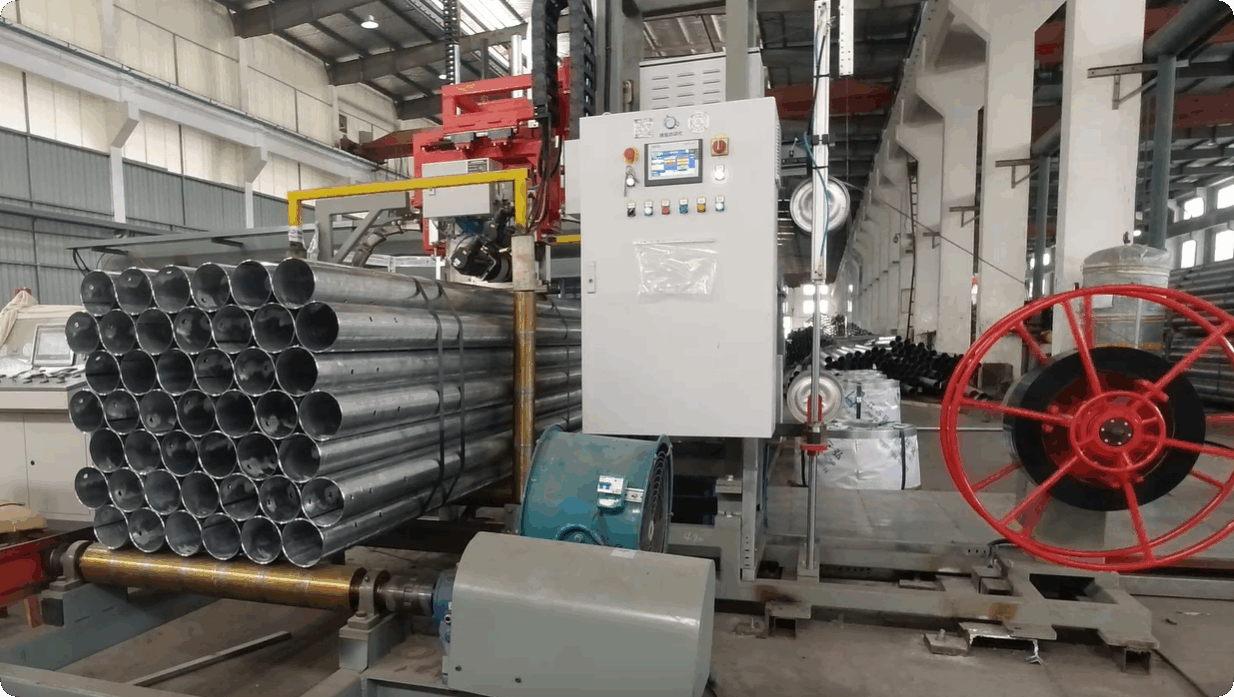
A length cutting machine operating in isolation cannot achieve maximum efficiency. Full integration with the tube mill’s control network enables synchronized operation, data traceability, and predictive maintenance. Key integration features include:
Centralized production management: All product parameters (tube OD, wall thickness, cut length, batch size) are stored in a single database; operators initiate production runs from a unified HMI, reducing setup errors.
In-line quality feedback loops: Laser micrometers and length measurement systems downstream of the cutter feed data back to the shear controller, enabling closed-loop correction of subsequent cuts.
Predictive maintenance modules: Monitoring blade stroke counts, hydraulic fluid temperature, and servo motor torque trends to alert maintenance teams before failure occurs.
Suppliers such as SANSO specialize in delivering fully integrated tube mill lines where the length cutting machine, forming section, welding station, and sizing units are designed as a synchronized system, minimizing commissioning time and ensuring seamless data exchange.
6. Quantifying the Return on Investment: Performance Metrics
Investing in a high-performance length cutting machine yields measurable returns across multiple operational dimensions. While the initial capital outlay is substantial, the total cost of ownership (TCO) analysis consistently favors advanced systems in high-volume operations.
Scrap reduction: Accurate cutting reduces end scrap by 1–2% compared to conventional systems. For a mill producing 30,000 tons annually, this translates to 300–600 tons of saved material—equivalent to significant cost avoidance.
Changeover time: Quick-change blade cartridges and recipe-driven setup can reduce changeover times from 45 minutes to under 10 minutes, enabling profitable small-batch production.
Blade life extension: Automatic gap adjustment and optimized lubrication can increase blade life by 50–100%, directly reducing consumable costs and downtime.
Reduced rework: Consistent cut squareness and burr control lower the reject rate for end-forming operations. A 0.5% reduction in final tube rejects can improve gross margin by 1–2% in competitive markets.
7. Precision Cutting as a Competitive Differentiator
In the welded tube industry, the length cutting machine is no longer a commodity component but a strategic asset that influences material yield, production flexibility, and final product quality. As end-user requirements tighten—whether for automotive structural components with sub-millimeter tolerances or for architectural tubes with flawless cut ends—the capability of the cutting system becomes a decisive factor in market positioning. By selecting a machine engineered for high-speed precision, robust material handling, and seamless integration, tube manufacturers can achieve lower operating costs, higher throughput, and the agility to respond to evolving customer demands. The investment in advanced cutting technology pays dividends not only in direct savings but also in the enhanced reputation for quality that defines industry leaders.
Frequently Asked Questions (FAQ)
Q1: What is the typical length tolerance achievable with a modern length cutting machine for tube mills?
A1: For flying cut-off systems integrated with tube mills, length tolerances of ±0.5 mm to ±1.0 mm are standard for lengths up to 12 meters. Stationary cut-to-length systems with servo feed can achieve tolerances as tight as ±0.2 mm. High-precision applications such as automotive drive shafts may require dedicated fine-tuning and temperature compensation to maintain ±0.1 mm.
Q2: How does material strength affect the selection of a length cutting machine?
A2: Material yield strength directly dictates shear force requirements. For advanced high-strength steels (AHSS) with yield strengths above 700 MPa, the shear tonnage must be 2–3 times higher than for mild steel of the same thickness. Additionally, blade materials must be harder (e.g., powder metallurgy or carbide-tipped) to withstand accelerated wear. The machine frame and blade guides must also have increased rigidity to prevent deflection under higher loads.
Q3: What is the difference between a flying cut-off and a stationary shear?
A3: A flying cut-off machine moves synchronously with the tube as it exits the mill, allowing continuous production without stopping. It is used for inline cutting of tubes in continuous processes. A stationary shear, typically used in cut-to-length lines, stops or indexes the material before cutting. Flying cut-offs require more sophisticated servo synchronization but enable higher overall line speeds.
Q4: How can I maximize blade life when cutting stainless or AHSS tubes?
A4: Key practices include: maintaining precise blade gap (typically 5–7% of wall thickness); using blades with appropriate coatings (TiCN for stainless, TiAlN for AHSS); ensuring consistent lubrication at the shear interface; and implementing a scheduled rotation/regrinding program. Automatic blade gap adjustment systems, available on advanced machines like those from SANSO, help preserve optimal geometry throughout the blade’s life.
Q5: Can a length cutting machine be retrofitted to an existing tube mill?
A5: Yes, many modern cut-off machines are designed for retrofit applications. However, integration requires careful assessment of existing mill speed, available space, and control system compatibility. Retrofitting with a new servo-driven flying cut-off can significantly upgrade an older mill’s accuracy and speed without replacing the entire line. A site audit by the manufacturer is recommended to ensure proper fit and synchronization.
Q6: What maintenance intervals are recommended for a high-speed length cutting machine?
A6: Daily checks include blade gap verification and lubrication system levels. Weekly inspections should cover shear blade wear, guide rail alignment, and hydraulic fluid cleanliness. For servo-driven systems, encoder feedback and drive tuning should be verified quarterly. Blade regrind intervals vary by material—typically every 200–500 tons for mild steel, 50–150 tons for AHSS. Manufacturers provide specific schedules based on the machine configuration.