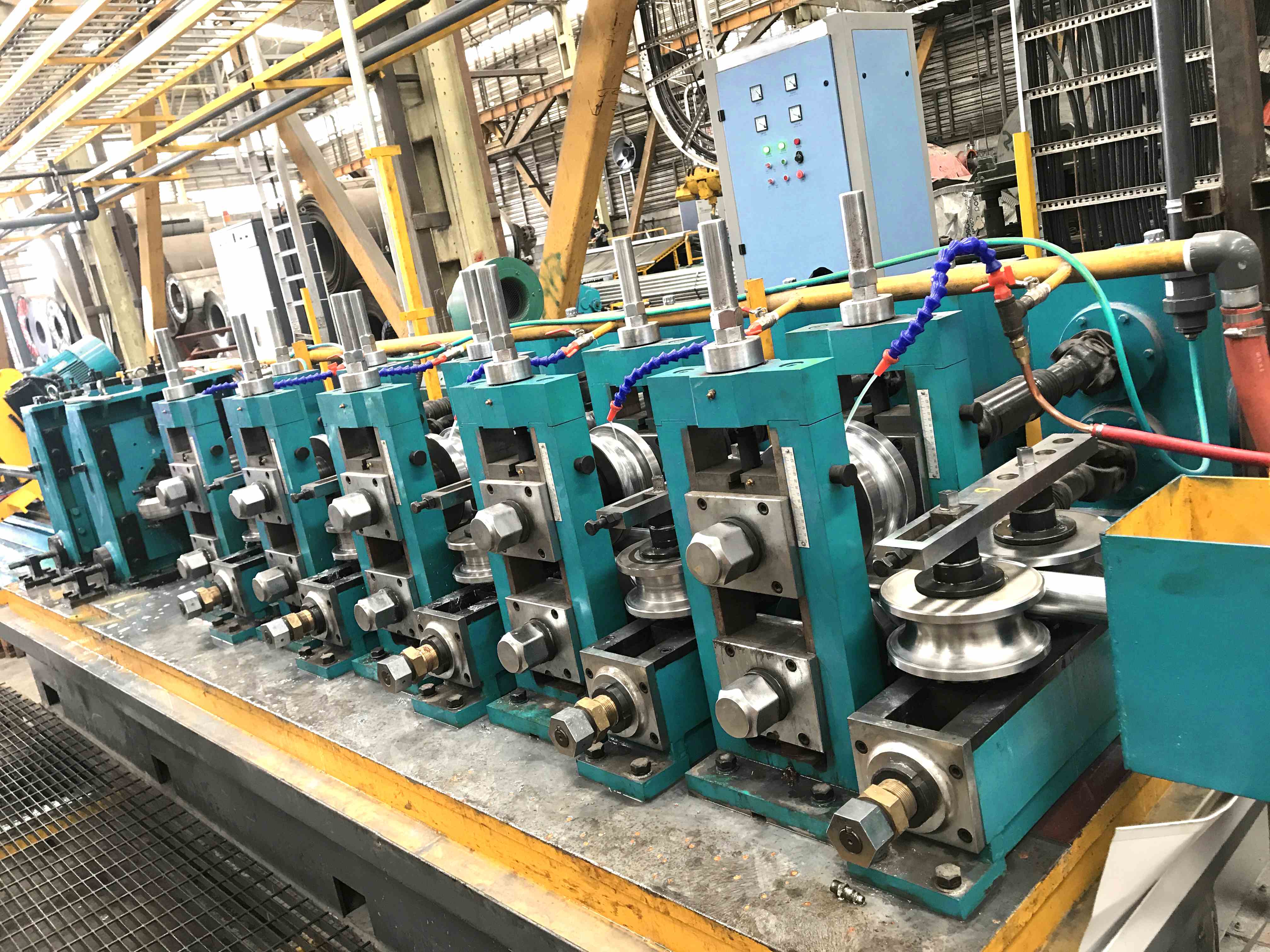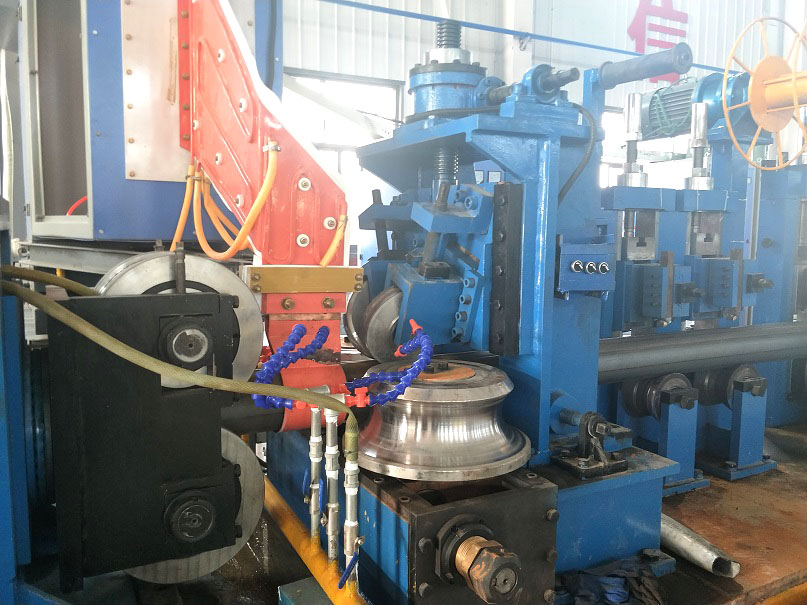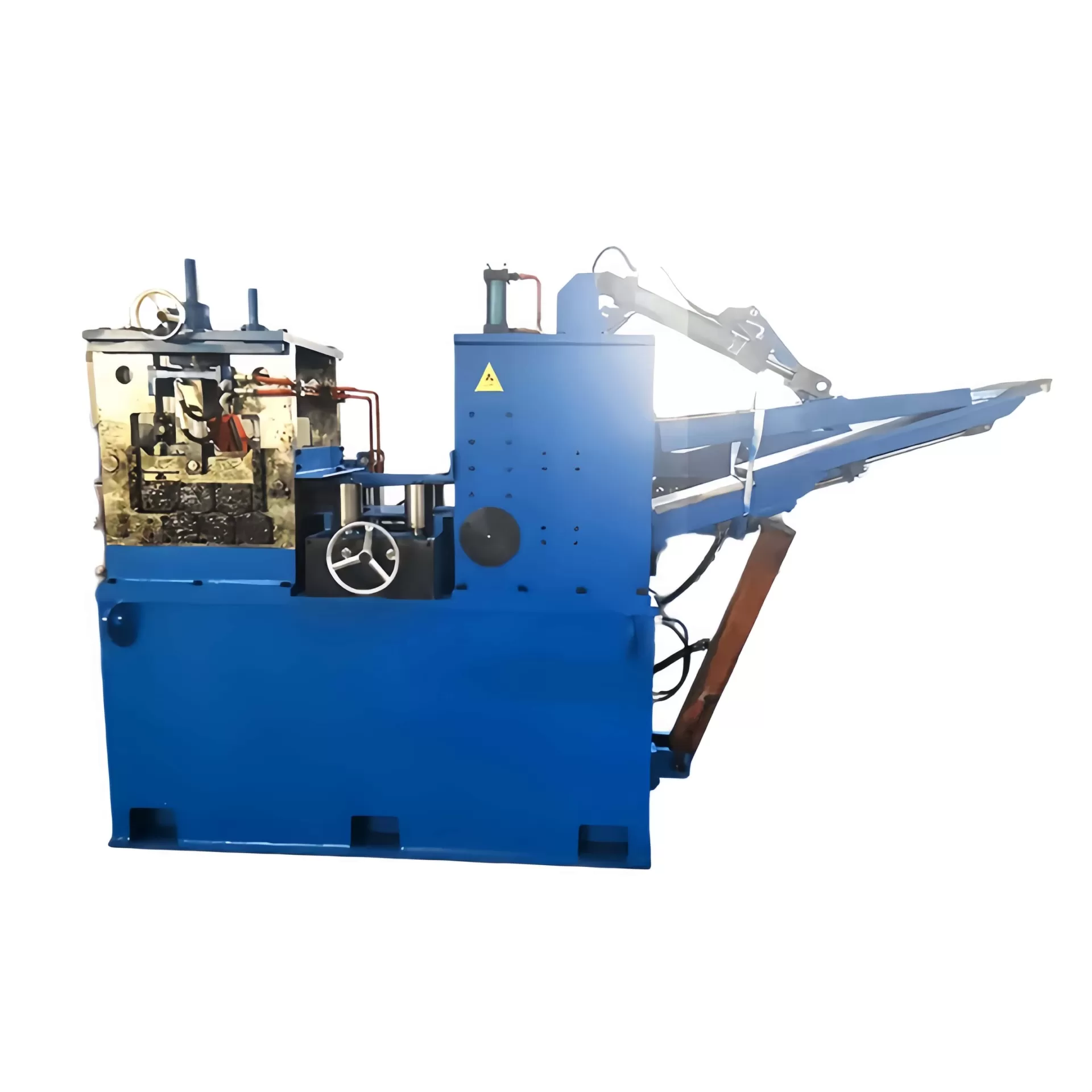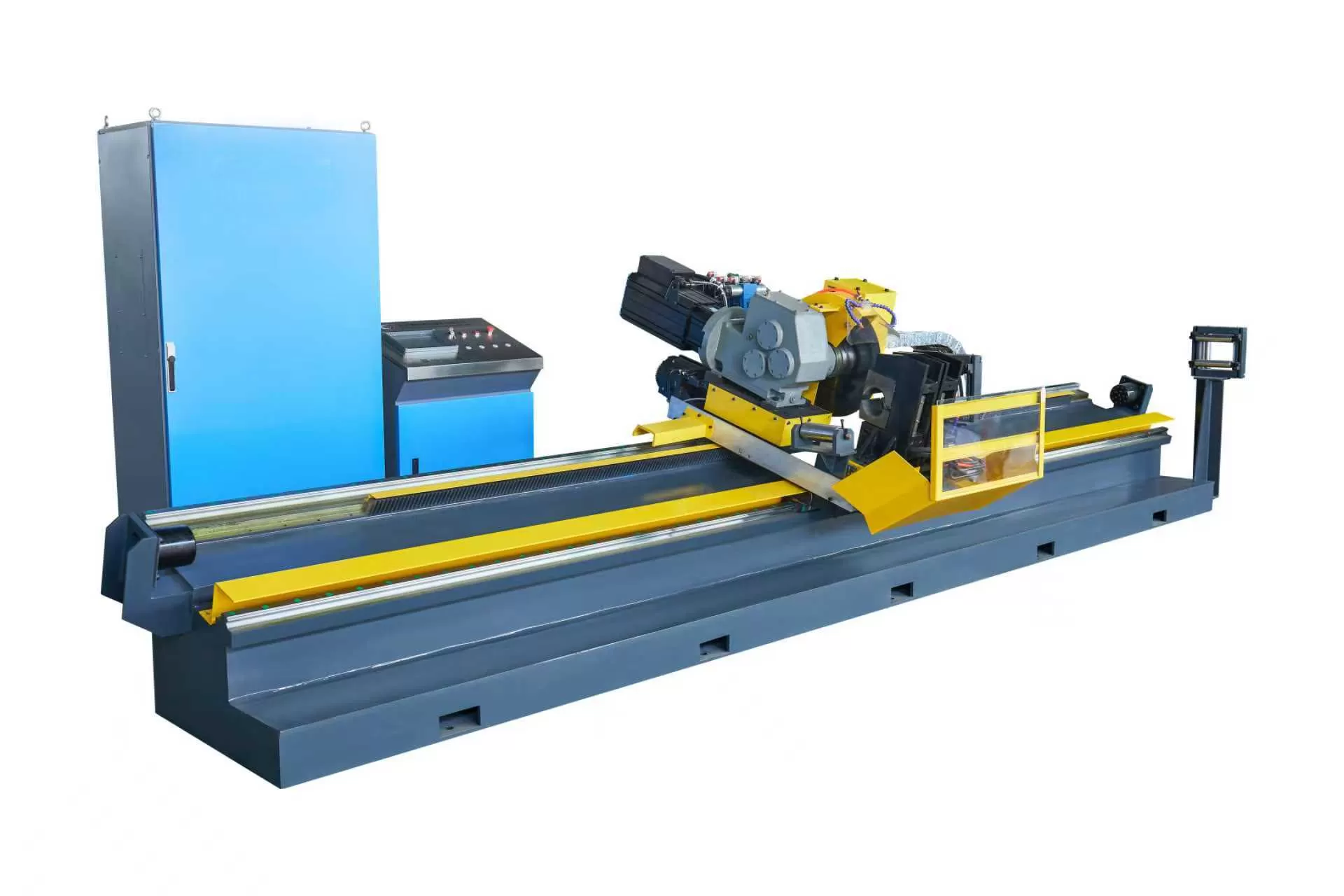
In the competitive landscape of welded tube manufacturing, the efficiency and precision of your coil processing equipment directly determine production throughput, material yield, and final product quality. At the heart of this operation lies the cut to length line—a sophisticated system that transforms master coils into precisely dimensioned blanks for downstream forming and welding. While often viewed as a preparatory step, modern high-speed cut to length lines have evolved into critical profit centers, integrating servo-driven feeding, hydraulic shearing, and advanced flatness control. Drawing from decades of experience in tube mill machinery, this article provides a technical examination of the components, performance metrics, and engineering considerations that separate a basic slitting operation from a truly optimized processing line.
1. Defining the Modern Cut to Length Line: Beyond Simple Shearing
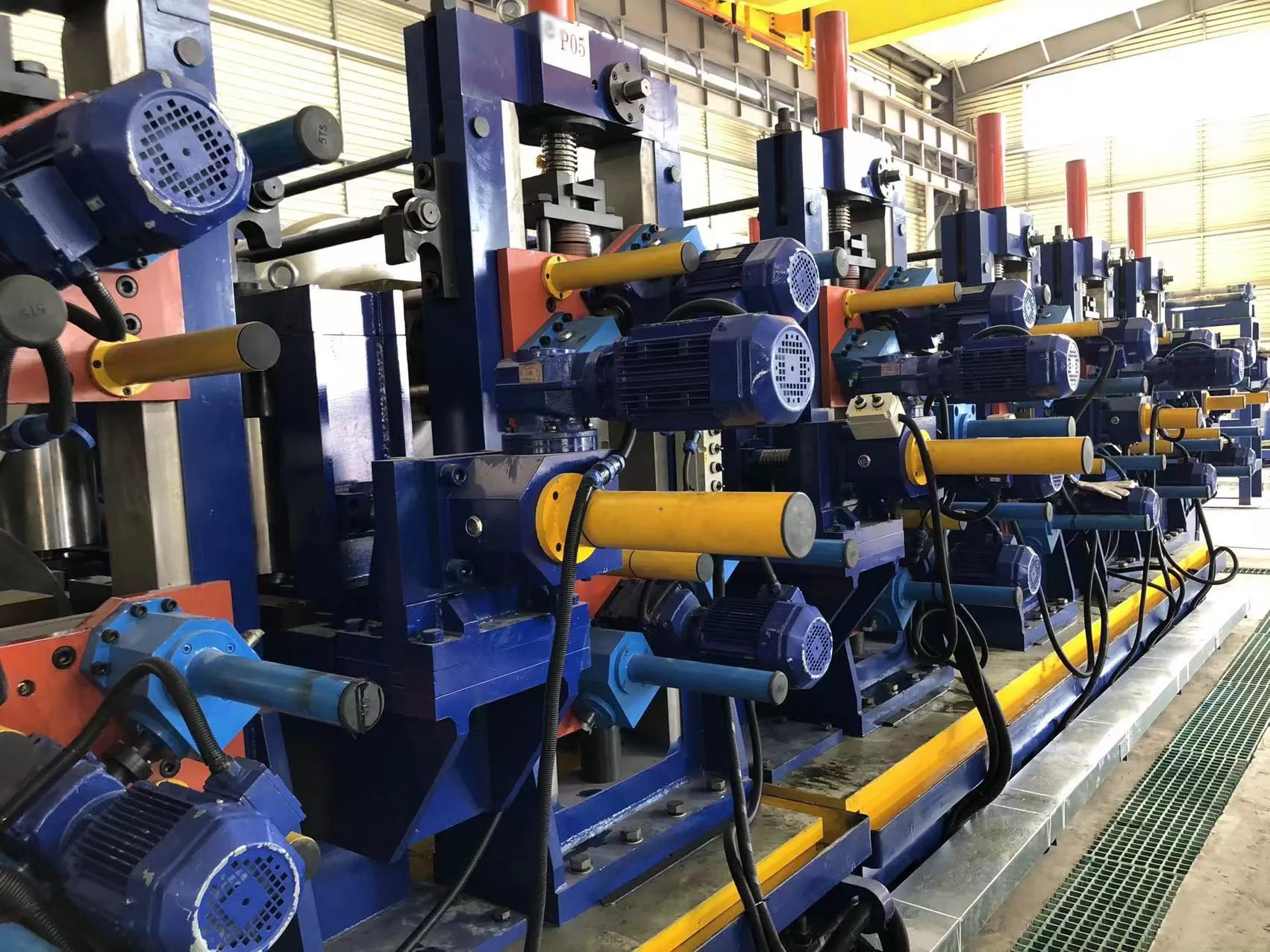
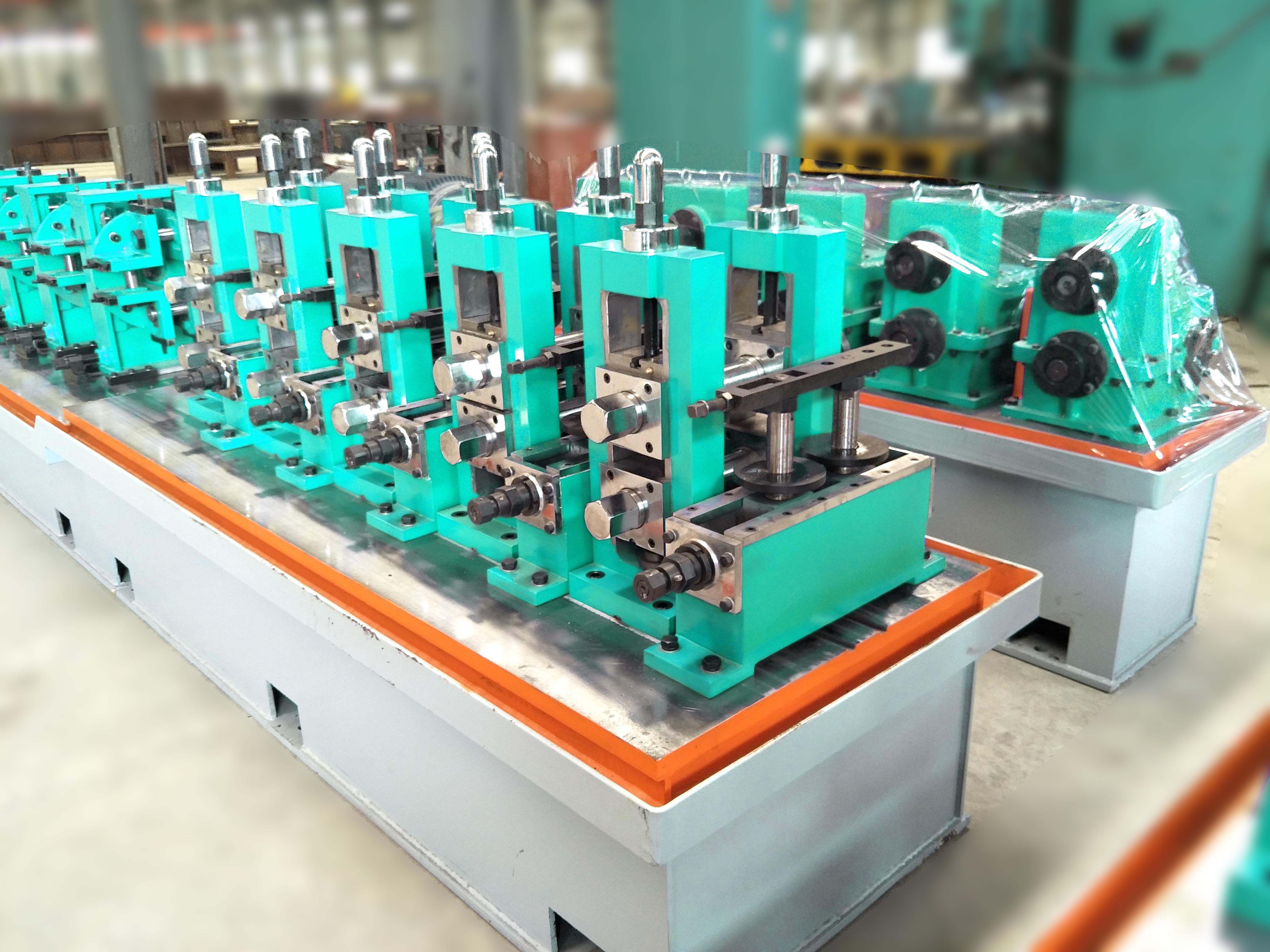
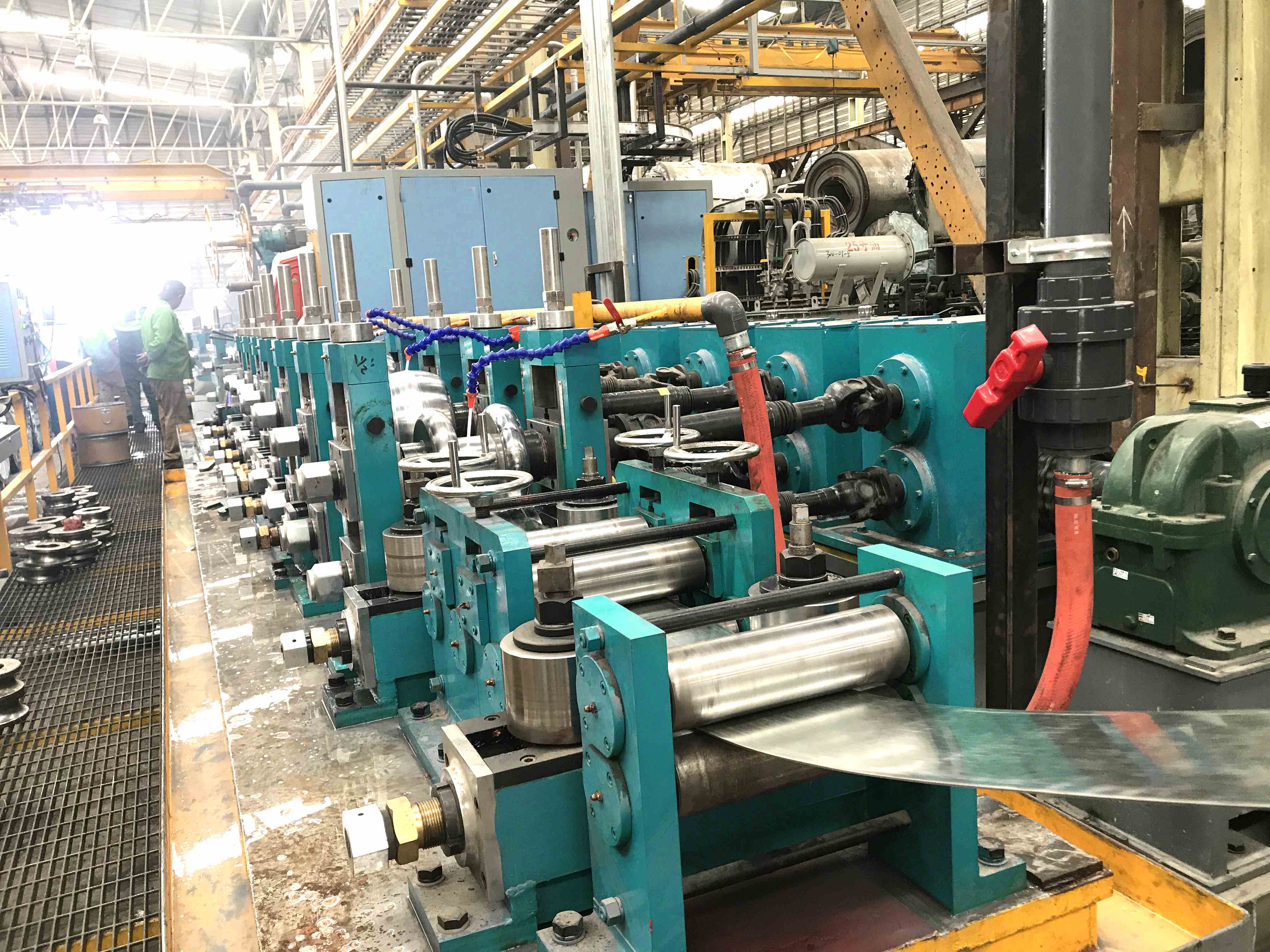
A cut to length line is a fully integrated system designed to uncoil, level, measure, and cut metal coils into flat sheets or blanks with exceptional length accuracy. However, in the context of high-frequency welded (HFW) tube production, the line must also accommodate advanced high-strength steels (AHSS), stainless grades, and varying strip widths without compromising edge quality or geometric consistency. Key subsystems that define a high-performance line include:
Uncoiler with hydraulic expansion: Provides controlled tension release and coil loading for heavy-gauge materials up to 25 tons.
Peeler and flattener: Initial straightening to remove coil set and crossbow.
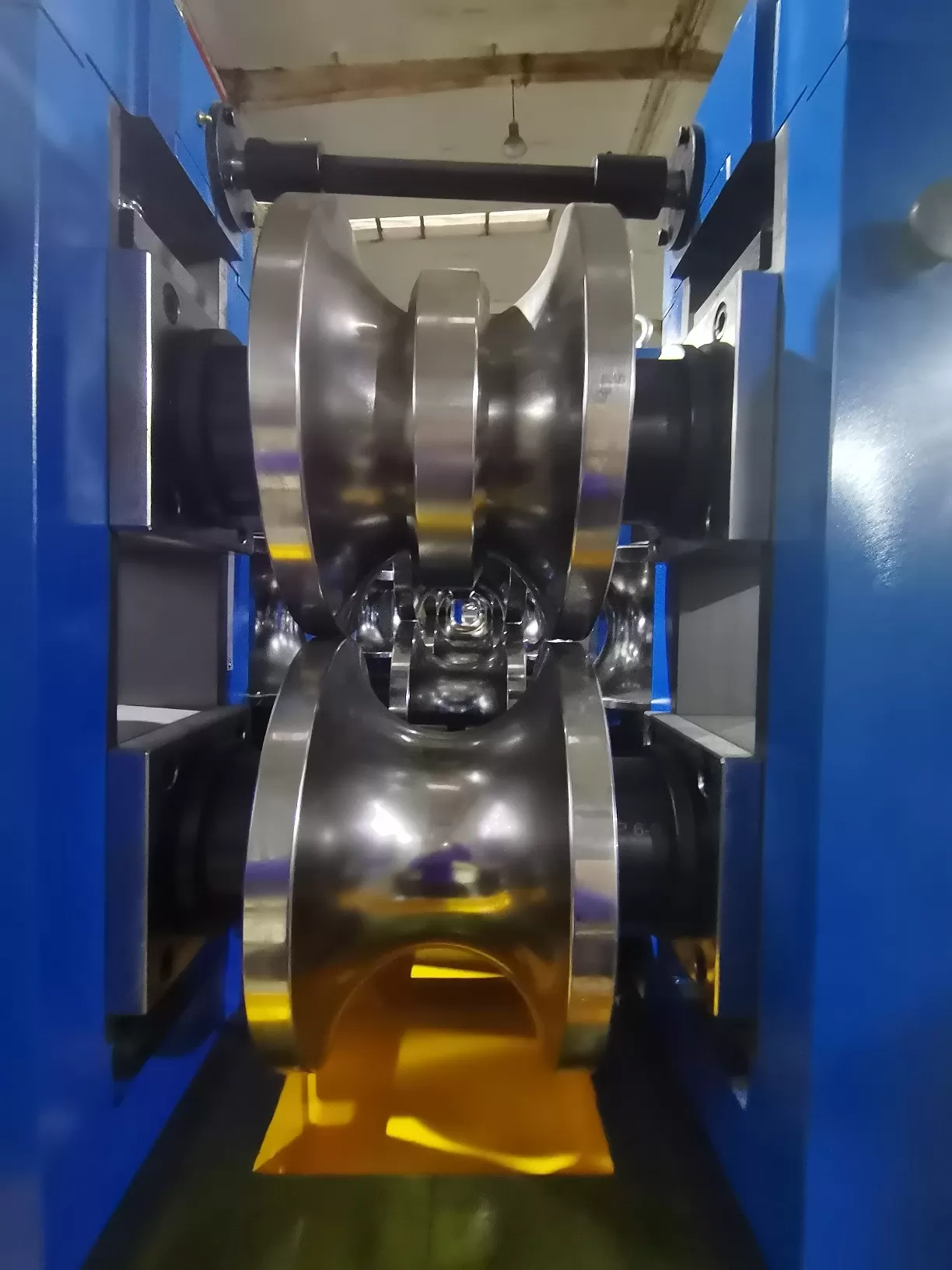
Precision leveler: Multi-roller leveler with backup rolls to achieve residual stress equalization—essential for maintaining tube roundness after forming.
Servo-driven feed system: High-torque AC servo motors with closed-loop encoder feedback ensuring length accuracy within ±0.5 mm.
High-speed hydraulic shear: Guillotine or swing-type shear with rapid cycle times (typically 30–40 strokes per minute) to match tube mill speeds.
Stacking and conveying section: Automated stacking systems that prevent surface marring and optimize downstream handling.
Each component must be engineered for the specific strip dimensions, yield strengths, and production cadence of the tube mill. A mismatch in feed rate or shear capacity can create bottlenecks, nullifying the benefits of high-speed welding equipment.
2. Technical Deep Dive: Accuracy, Speed, and Material Integrity
The primary performance indicators for any cut to length line are length tolerance, cut squareness, burr height, and production rate. For welded tube applications, these parameters directly impact weld seam integrity and subsequent sizing operations.
2.1 Length Accuracy and Servo Feed Dynamics
Traditional mechanical clutch-brake systems have largely been replaced by AC servo-driven feed rolls. The servo system provides real-time position feedback, allowing acceleration and deceleration profiles that maintain accuracy even at speeds exceeding 60 meters per minute. High-end lines achieve length tolerances of ±0.3 mm on lengths up to 12 meters. This precision is critical when blanks are destined for tube mills with tight forming parameters; any variance introduces camber or edge misalignment, leading to weld defects or scrap.
2.2 Shear Quality and Edge Preparation
The hydraulic shear must deliver a clean cut with minimal burr (typically ≤0.1 mm for thicknesses under 6 mm) and absolute squareness. For welded tube, the sheared edge becomes the longitudinal weld seam. A rough or uneven shear can trap contaminants or cause uneven heat distribution during high-frequency welding. Advanced shear designs incorporate automatic blade gap adjustment based on material thickness and yield strength, preserving blade life and cut quality across a range of steel grades.
2.3 Flatness and Stress Equalization
Coil memory—residual stresses from the rolling and coiling process—can manifest as crossbow, edge wave, or center buckle in the cut blank. If not corrected, these stresses translate directly into tube ovality and dimensional instability after welding. A heavy-duty leveler with backup rolls and adjustable roll penetration is essential. The leveler’s work rolls must be individually driven to prevent surface marking, particularly on coated or polished materials used in automotive or structural applications.
3. Application-Specific Configurations: From Automotive to Structural Tube
The ideal configuration of a cut to length line varies significantly based on the end-use of the welded tube. Below are three common scenarios and the corresponding technical requirements.
Automotive Precision Tube: Requires ultra-tight length tolerances (±0.2 mm), low burr, and surface protection. Lines often incorporate servo stackers with plastic-coated grippers and inline edge inspection cameras. Materials range from DP600 to martensitic steels up to 1200 MPa yield strength, demanding robust leveling and shear capacity.
Structural and Mechanical Tube: Focuses on high throughput and versatility. These lines process a wide range of thicknesses (2 mm to 12 mm) and widths. Quick-change tooling for the shear blades and adjustable leveler settings are critical to minimize changeover downtime.
Stainless Steel and Specialty Alloys: Requires non-marring feed rolls, corrosion-resistant components, and shear blade geometries optimized for work-hardening materials. Stainless processing lines often include a film applicator to protect the surface during stacking.
Leading machinery manufacturers, such as SANSO, provide modular cut to length lines that can be tailored to these specific requirements, integrating features like automatic coil ID expansion, PLC-based recipe management, and remote diagnostic connectivity.
4. Industry Pain Points and Engineering Solutions
Despite the maturity of coil processing technology, tube manufacturers frequently encounter operational challenges that erode profitability. These issues often stem from suboptimal line design, insufficient maintenance protocols, or mismatched component selection. Below we examine three common pain points and the engineered solutions.
4.1 Chatter Marks and Surface Defects
Chatter marks—oscillating patterns on the strip surface—originate from resonance in the leveler rolls or feed system. This is particularly problematic for tubes destined for visible applications or high-cycle fatigue environments. Solutions include: using hardened and ground work rolls with optimal roll diameters to dampen vibration; implementing AC vector drives with smooth acceleration curves; and adding a rubber-covered pinch roll at the entry to isolate tension fluctuations.
4.2 Inconsistent Length After High-Speed Operation
As lines push toward 80–100 meters per minute, inertia and slippage can introduce length drift. Closed-loop servo systems with absolute encoders eliminate this by continuously comparing commanded position to actual feed roll rotation. Additionally, a measuring roll with a pulse generator installed immediately before the shear provides independent verification, allowing the PLC to apply real-time correction.
4.3 Rapid Blade Wear on Advanced High-Strength Steels
Processing AHSS and martensitic grades accelerates shear blade wear, leading to increased burr and frequent downtime for blade changes. Solutions include: utilizing powder metallurgy tool steel blades with specialized coatings (TiN or TiCN); incorporating a motorized blade gap adjustment that compensates for blade wear; and installing a automatic lubrication system that reduces friction and heat at the shear interface.
5. Integrating the Cut to Length Line with Modern Tube Mill Operations
For maximum efficiency, the cut to length line should not operate in isolation. Modern tube mills benefit from fully synchronized coil-to-tube lines where the blanking process is seamlessly integrated with forming and welding. This integration requires centralized control architecture, real-time data exchange, and coordinated line speeds.
Key integration features include:
Centralized HMI/PLC: A single operator interface managing both the cut to length line and the tube mill, with recipe-based setup for different product dimensions.
Buffer storage systems: Accumulators between the shear and the forming section to decouple processes, allowing continuous tube production even during coil changeovers.
Inline quality feedback: Laser sensors at the tube mill entry can measure blank dimensions and feed back corrections to the cut to length line's servo system, closing the quality loop.
Suppliers like SANSO specialize in designing integrated production lines where the cut to length system, forming section, welding station, and sizing unit are engineered as a unified whole, eliminating compatibility issues and reducing commissioning time.
6. Return on Investment: Quantifying the Value of a High-Spec Line
Investing in a premium cut to length line yields measurable returns across several operational metrics. While initial capital expenditure is higher, the total cost of ownership over 10 years typically favors advanced systems due to reduced scrap, lower maintenance, and higher OEE (Overall Equipment Effectiveness).
Material yield improvement: Accurate length control reduces end scrap by 1–3%, which for a high-volume mill processing 50,000 tons annually can represent hundreds of thousands of dollars in savings.
Downtime reduction: Quick-change tooling and automated setups reduce changeover times from 2 hours to under 30 minutes, enabling smaller batch runs and just-in-time production.
Energy efficiency: Servo-driven feed systems consume up to 30% less energy compared to hydraulic or clutch-brake systems, with regenerative drives capturing braking energy.
Lower reject rates: Improved flatness and edge quality directly reduce tube mill rejects due to weld defects or dimensional nonconformity. A 1% reduction in reject rate can improve gross margin by 2–3% for thin-walled tube products.
7. Precision as the Foundation for Tube Mill Excellence
In the domain of welded tube production, the cut to length line is far more than a material preparation step—it is the foundation upon which product quality and production efficiency are built. From the initial uncoiling to the final stacking, each component must be engineered for accuracy, durability, and seamless integration with downstream processes. As material grades advance and customer tolerances tighten, the ability to deliver consistent, perfectly dimensioned blanks becomes a decisive competitive advantage. By selecting a cut to length line from an experienced manufacturer with a track record of integrated solutions, tube mills can achieve higher yields, lower operational costs, and the flexibility to respond to evolving market demands. The investment in precision processing equipment pays dividends not only in reduced scrap but also in the enhanced reputation for quality that defines industry leaders.
Frequently Asked Questions (FAQ)
Q1: What is the typical length tolerance achievable with a modern cut to length line?
A1: Modern servo-driven cut to length lines achieve length tolerances of ±0.3 mm to ±0.5 mm for standard lengths up to 12 meters. For shorter blanks or ultra-precision applications, tolerances as tight as ±0.1 mm can be maintained with high-resolution encoder feedback and rigid machine construction.
Q2: How does material thickness affect the selection of a cut to length line?
A2: Thickness directly influences the leveler design (number of work rolls and backup support), shear capacity (tonnage required), and feed roll pressure. Heavy-gauge lines (6–16 mm) require robust hydraulic systems and large-diameter rolls, while light-gauge lines (0.3–3 mm) prioritize high speed and surface protection.
Q3: Can a cut to length line handle advanced high-strength steels (AHSS) for automotive tube applications?
A3: Yes, provided the line is specifically engineered for AHSS. This requires heavy-duty levelers with high roll stiffness, shear blades designed for high-strength materials (up to 1500 MPa), and servo feed systems with adequate torque to overcome material resistance. Many manufacturers, including SANSO, offer AHSS-ready configurations.
Q4: What maintenance practices are critical to ensuring shear blade longevity?
A4: Key practices include: maintaining proper blade gap (typically 5–10% of material thickness); using appropriate blade materials for the steel grade; ensuring consistent lubrication; and implementing a scheduled blade rotation and regrinding program. Automatic blade gap adjustment systems help maintain optimal settings across different materials.
Q5: How does a cut to length line integrate with a tube mill to minimize changeover time?
A5: Integration is achieved through a centralized control system that stores recipes for each product (coil width, thickness, length, batch quantity). The line uses automated width adjustment on the entry guide, motorized roll positioning, and recipe-driven servo feed parameters. Changeover times can be reduced to under 10 minutes when the cut to length line and tube mill share the same control architecture.
Q6: What is the role of a leveler in a cut to length line for tube applications?
A6: The leveler eliminates coil set, crossbow, and residual stresses from the strip. For tube mills, a perfectly flat strip ensures uniform forming, reduces springback in the roll forming section, and minimizes weld seam distortion. Without effective leveling, tube roundness and straightness can be compromised.