In the competitive field of tube and pipe production, selecting the right
equipment is critical. A high-performance pipe
rolling mill forms the backbone of any efficient manufacturing line. As
industry demands shift toward tighter tolerances and higher speeds, innovations
from leading manufacturers like SANSO are setting new benchmarks.
This article explores seven essential advantages that modern pipe rolling
mill systems offer, helping you make informed investment decisions.
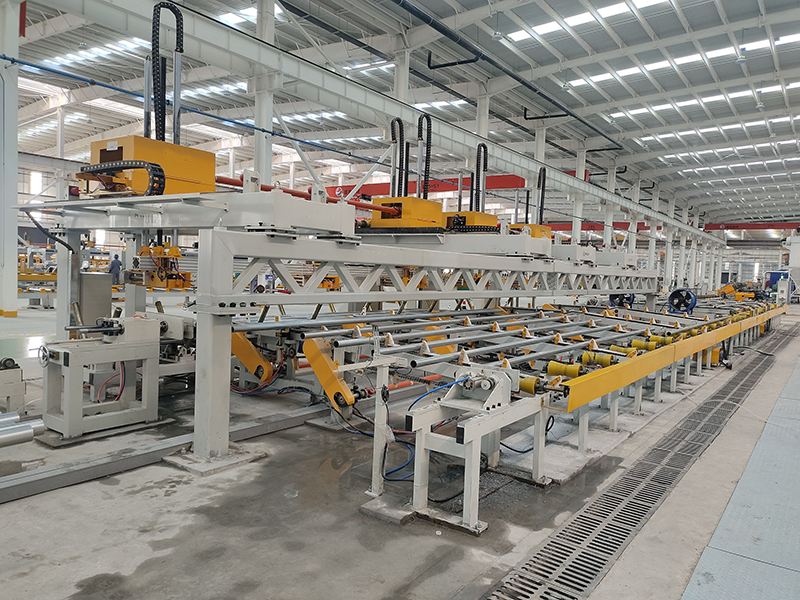
1. Superior Precision with Direct Forming Technology
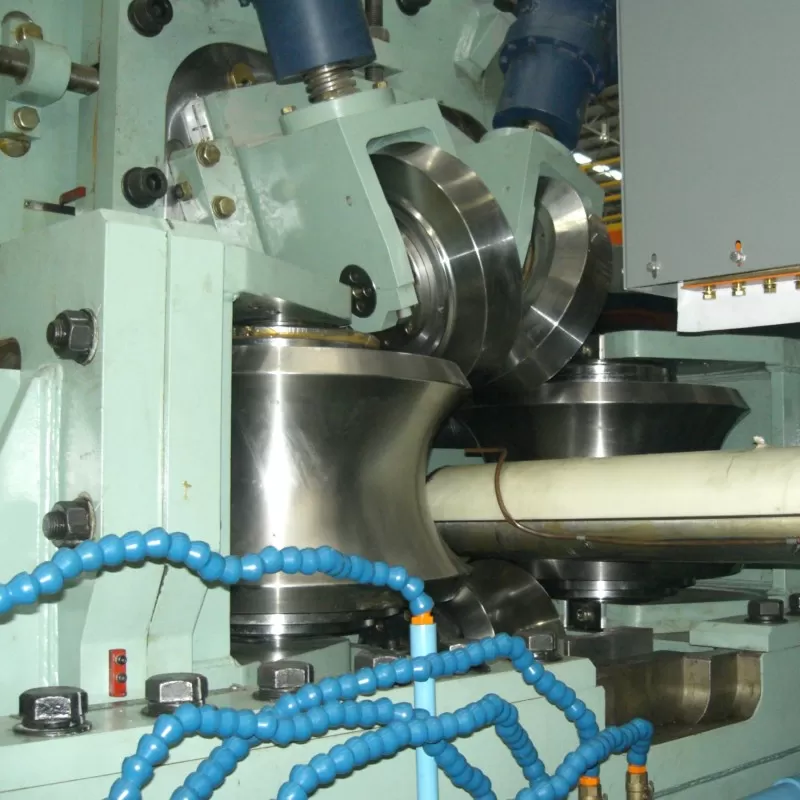
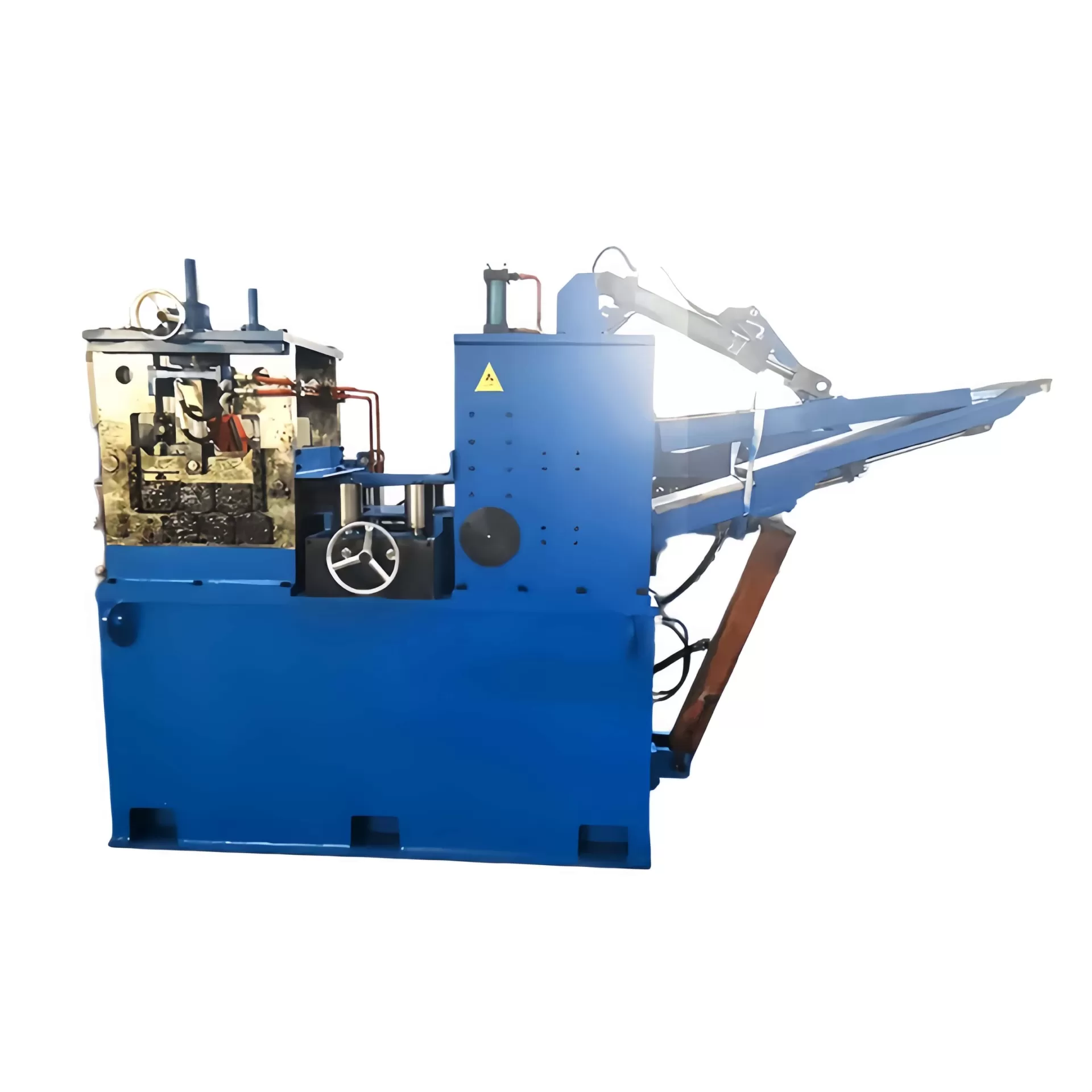
Today’s best-in-class pipe rolling mill designs incorporate direct
forming techniques that minimize material stress. This approach, exemplified by
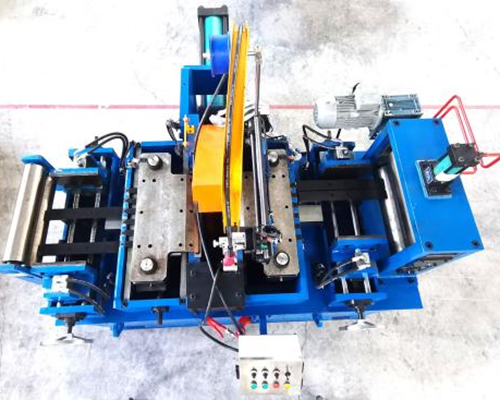
equipment such as the pipe
rolling mill with integrated square tube capabilities, ensures uniform
wall thickness and exact dimensional control.
Benefits of direct forming
Reduced edge buckling and spring-back.
Excellent surface finish without scratches.
Ability to handle high-strength materials.
Manufacturers like SANSO have refined these rollers to achieve consistent results across thousands of
production cycles.
2. Energy Efficiency and Lower Operating Costs
A modern pipe rolling mill integrates solid-state HF welders and
servo-driven accumulators that drastically cut power consumption. Compared to
older hydraulic systems, energy savings can exceed 30%.
Advanced AC drives reduce idle power use.
Precise heat control minimizes waste.
Quick start-up sequences save time and electricity.
When evaluating a pipe
rolling mill, always check the specific energy consumption per ton of
finished product.
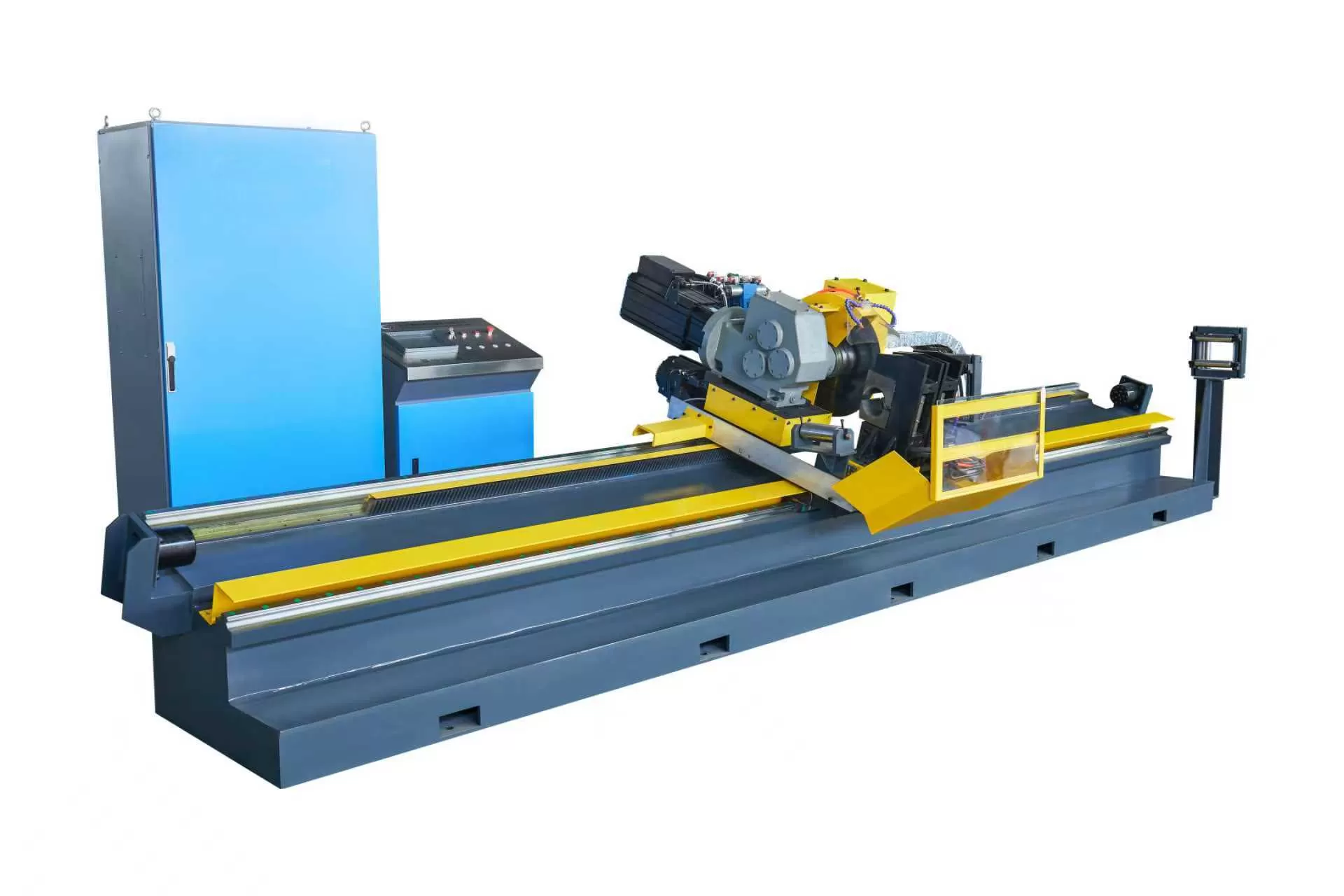
3. Versatility: From Round to Square Profiles
One of the standout features of contemporary lines is the ability to switch
between round, square, and rectangular profiles without extensive roller
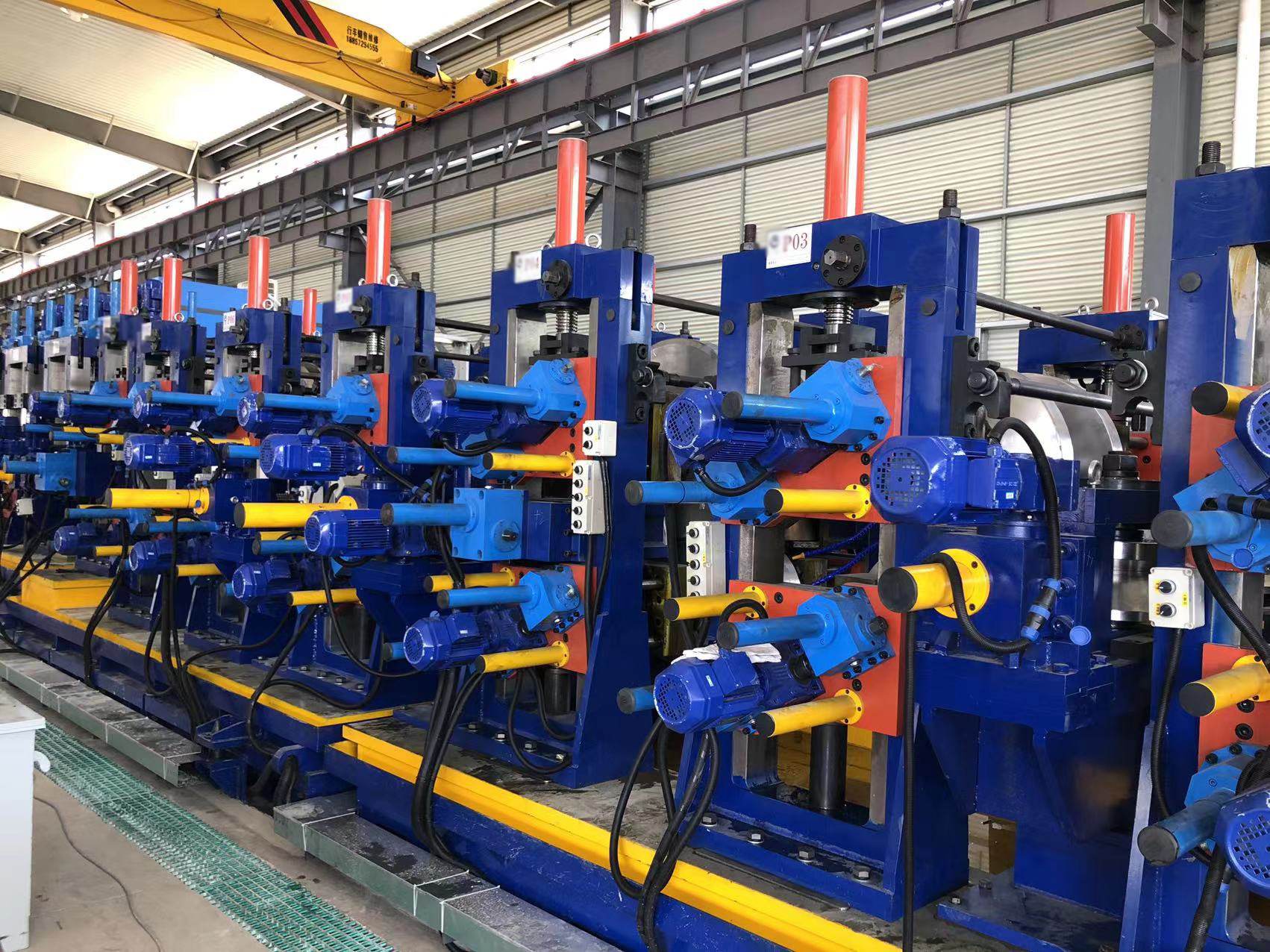
changes. The direct forming square tube mill from SANSO is a prime example of this
flexibility.
Common applications
Structural tubes for construction.
Automotive chassis components.
Furniture and architectural frames.
A versatile pipe rolling mill maximizes equipment utilization and
opens new market opportunities.
4. Advanced Automation and Industry 4.0 Readiness
Modern control systems on a pipe rolling mill allow real‑time
monitoring of weld temperature, speed, and roller alignment. Data collection
enables predictive maintenance and quality traceability.
Touchscreen HMI with recipe storage for quick changeovers.
Remote diagnostics via industrial IoT.
Automatic wall thickness adjustment.
By investing in an automated pipe
rolling mill, producers reduce human error and increase overall
equipment effectiveness (OEE).
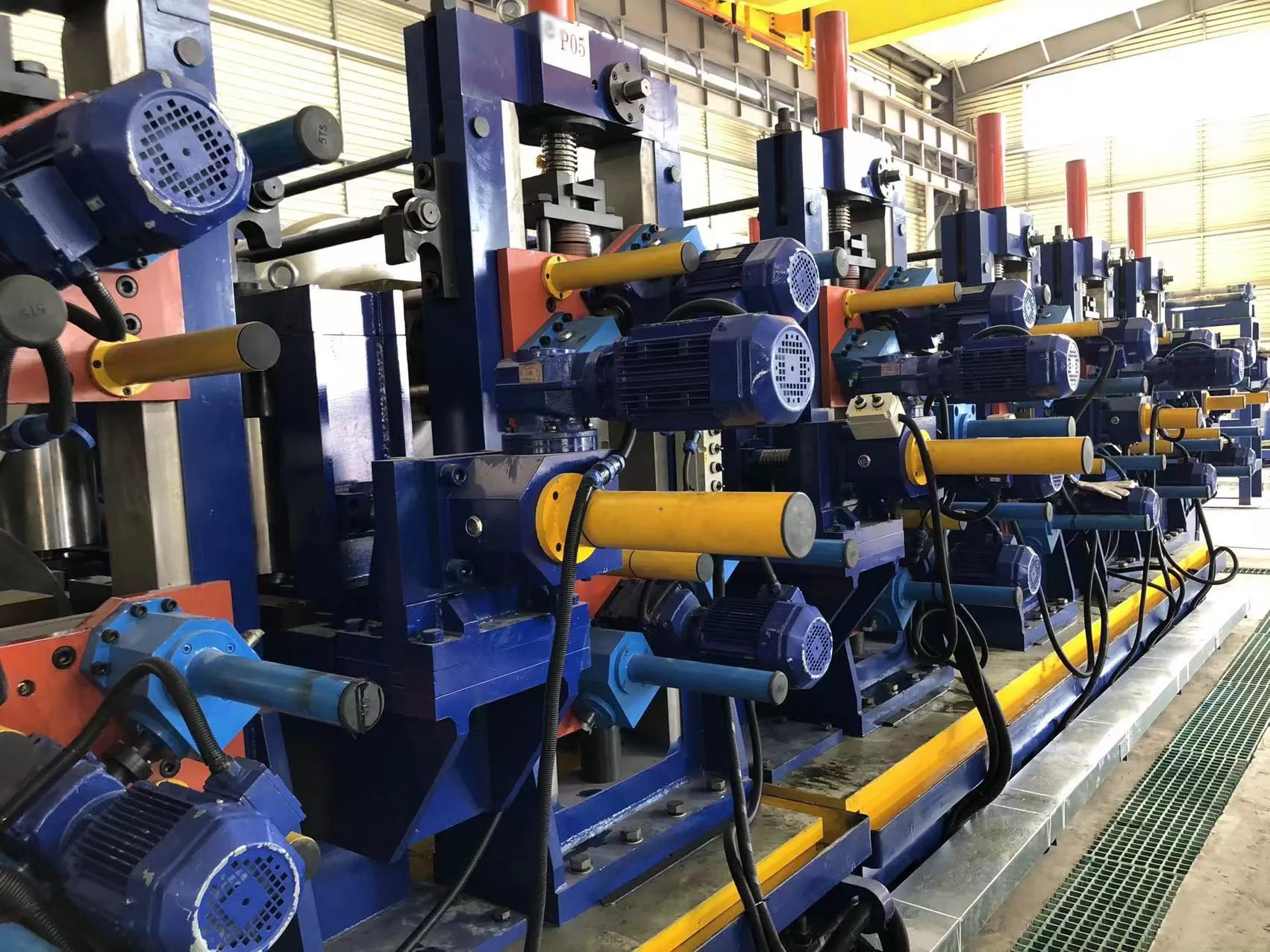
5. Robust Construction and Low Maintenance
Heavy‑duty cast iron frames and hardened chromium‑plated rolls extend the
service life of a pipe rolling mill. Manufacturers like SANSO design their stands to
withstand continuous high‑torque operation.
Centralized lubrication systems reduce daily grease points.
Quick‑release couplings simplify roller changes.
Modular construction allows easy spare part replacement.
Downtime is minimized, and maintenance intervals are lengthened with these
engineering choices.
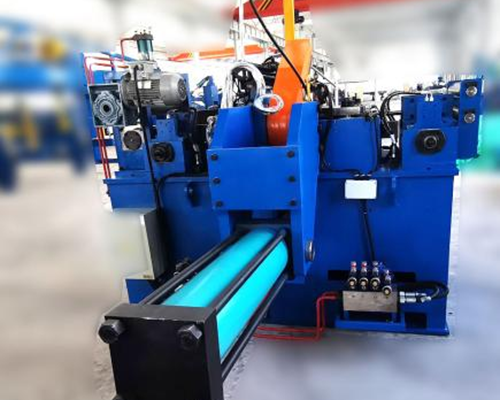
6. Quick Changeover for Small Batch Production
As markets demand more customized tube lengths and sizes, the ability to
perform rapid changeovers becomes a competitive advantage. A modern pipe
rolling mill features cassette‑type stands and automated size
adjustments.
Changeover times reduced from hours to under 30 minutes.
Reduced inventory of semi‑finished goods.
Responsiveness to just‑in‑time orders.
This agility is especially valuable for tube mills serving diverse
industries.
7. Global Expertise and Customization from SANSO
Partnering with an experienced manufacturer ensures that your pipe rolling
mill is tailored to your specific raw materials, output goals, and plant
layout. SANSO provides
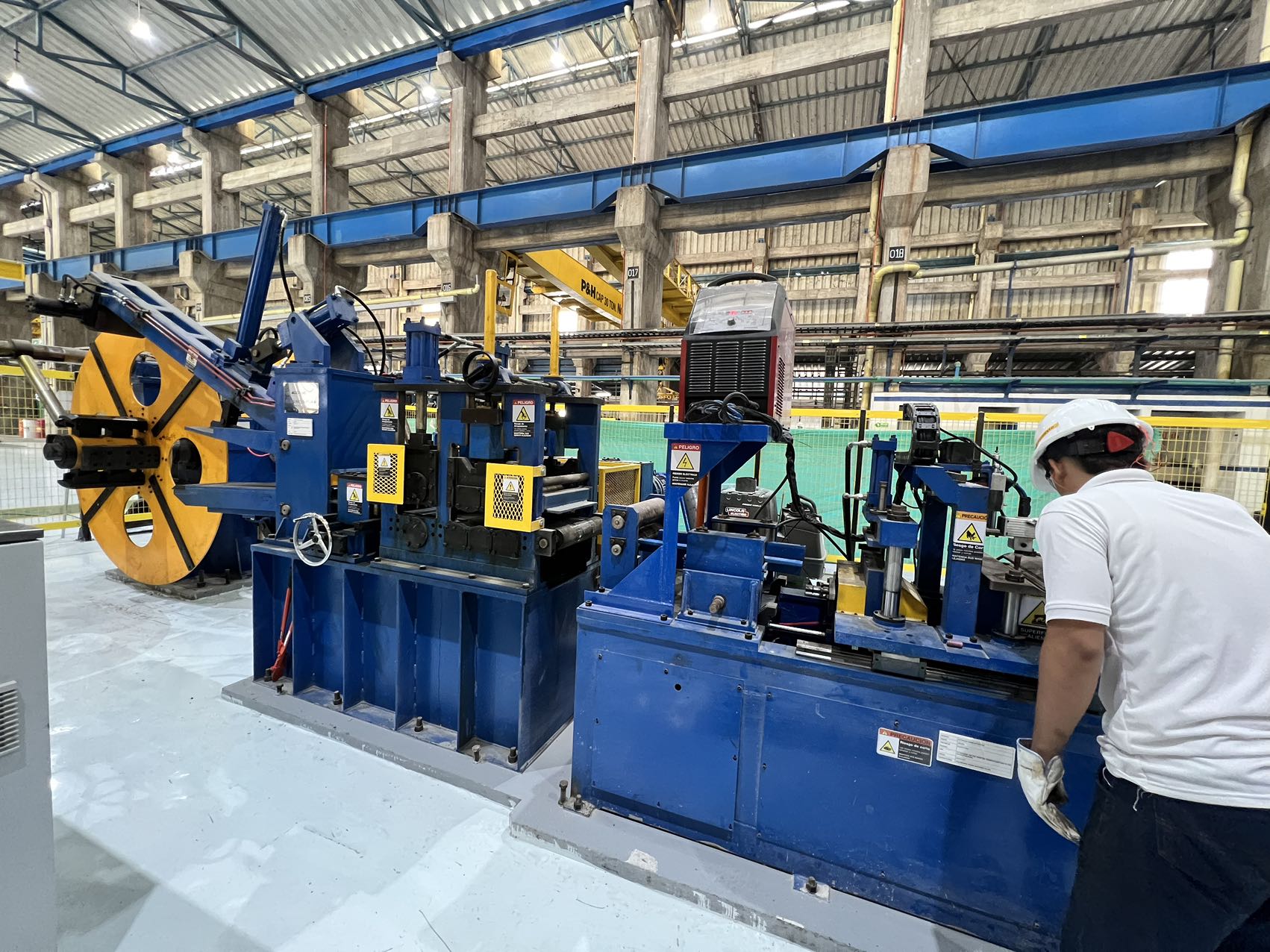
complete line engineering, from uncoilers to packers, including the advanced
direct forming square tube mill. Their team supports installation, training, and
ongoing service.
A well‑designed pipe
rolling mill from a trusted partner like SANSO becomes a long‑term asset
that adapts to future production needs.
Selecting the right pipe rolling mill is a strategic decision that
impacts product quality, operational cost, and market competitiveness. With the
advancements discussed—precision, energy savings, versatility, automation,
durability, quick changeover, and expert support—manufacturers can achieve
sustainable growth. To explore how a modern pipe rolling mill can
transform your production, consider the solutions offered by SANSO and their dedicated
team.
Frequently Asked Questions About Pipe Rolling Mill
Q1: What types of materials can be processed on a typical pipe
rolling mill?
A1: Most mills handle carbon steel, stainless steel,
aluminum, and copper alloys. The specific roller profiles and welding power
sources are adapted to the material’s strength and conductivity. A modern
pipe rolling mill can be configured for high‑strength low‑alloy (HSLA)
steels as well.
Q2: How does a direct forming square tube mill differ from a
conventional round mill?
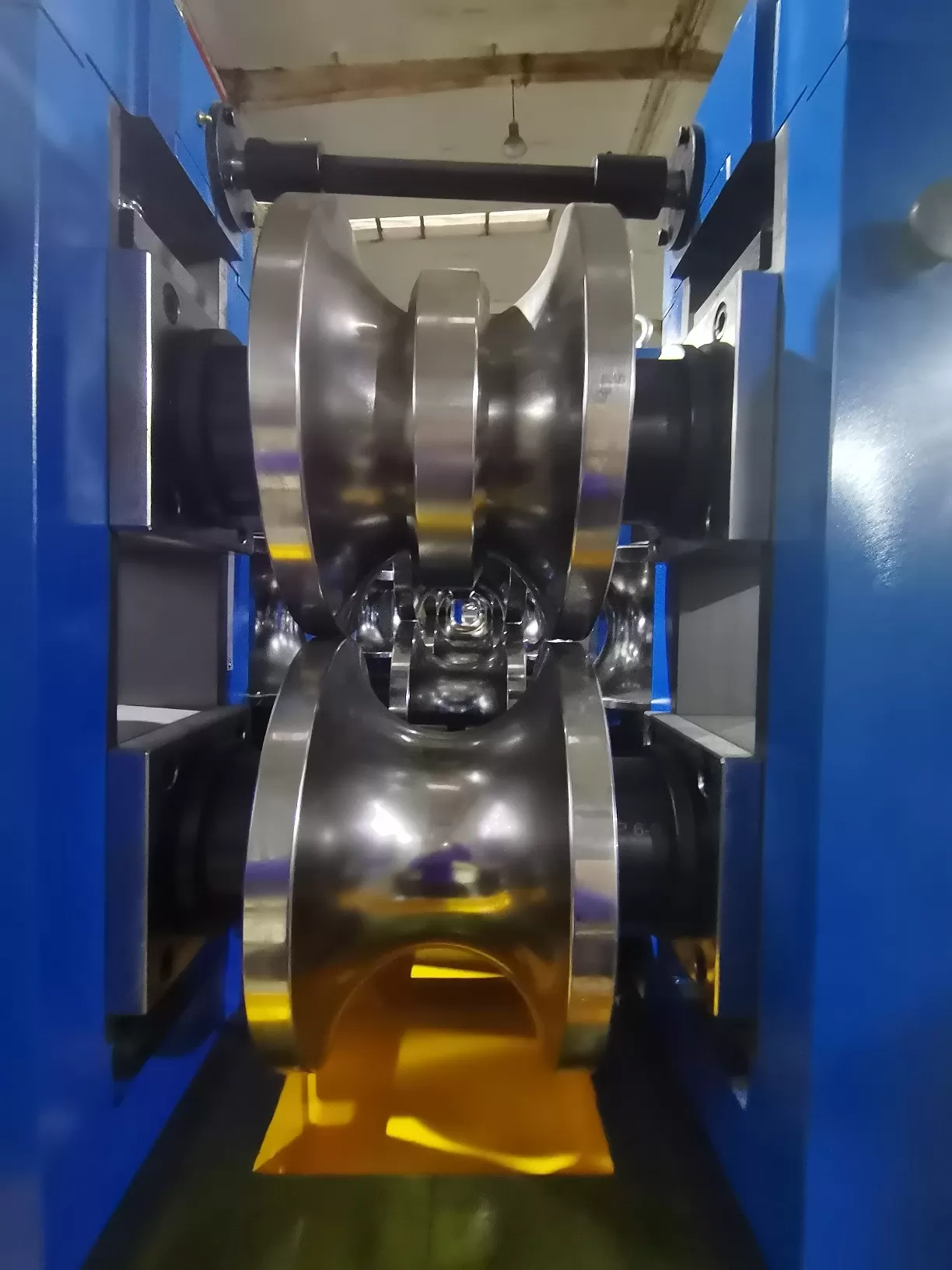
A2: A direct forming square tube mill uses
a series of turks head rollers and sizing stands to shape the tube from round
into a precise square or rectangular profile without intermediate annealing.
This method, featured in SANSO's
direct forming mill, ensures corner strength and dimensional
consistency.
Q3: What maintenance is required daily on a pipe rolling
mill?
A3: Daily tasks typically include checking lubricant levels,
inspecting weld scarf condition, cleaning scale from rolls, and verifying
alignment sensors. Following the manufacturer’s schedule—like the one provided
with a SANSO line—prevents
unexpected breakdowns.
Q4: Can a pipe rolling mill produce both ERW and seamless‑type
quality tubes?
A4: Standard ERW mills produce welded tubes; however,
with precise heat treatment and scarfing, the weld seam can be virtually
undetectable. For applications requiring seamless appearance, a high‑quality
pipe rolling mill with solid‑state welders and controlled forming stands
achieves excellent results.
Q5: What is the typical lead time for a custom pipe rolling mill line
from SANSO?
A5: Lead times vary based on line complexity and current
order books. Generally, a complete pipe rolling mill including entry
equipment, forming section, welder, and cutting system can be delivered within
6–9 months. SANSO provides detailed project timelines during the quotation
stage.
Q6: How do I calculate the return on investment for a new pipe
rolling mill?
A6: ROI depends on factors like production volume,
energy savings, labor reduction, and scrap minimization. A modern pipe
rolling mill often pays for itself within 2–3 years through increased
throughput and lower operating costs. Manufacturers like SANSO can provide a detailed
cost‑benefit analysis based on your parameters.
Q7: What after‑sales support does SANSO offer for their pipe rolling
mills?
A7: SANSO provides installation supervision, operator
training, spare parts availability, and remote technical assistance. Their
service team helps optimize the pipe rolling mill performance over the
entire lifecycle, ensuring maximum uptime.