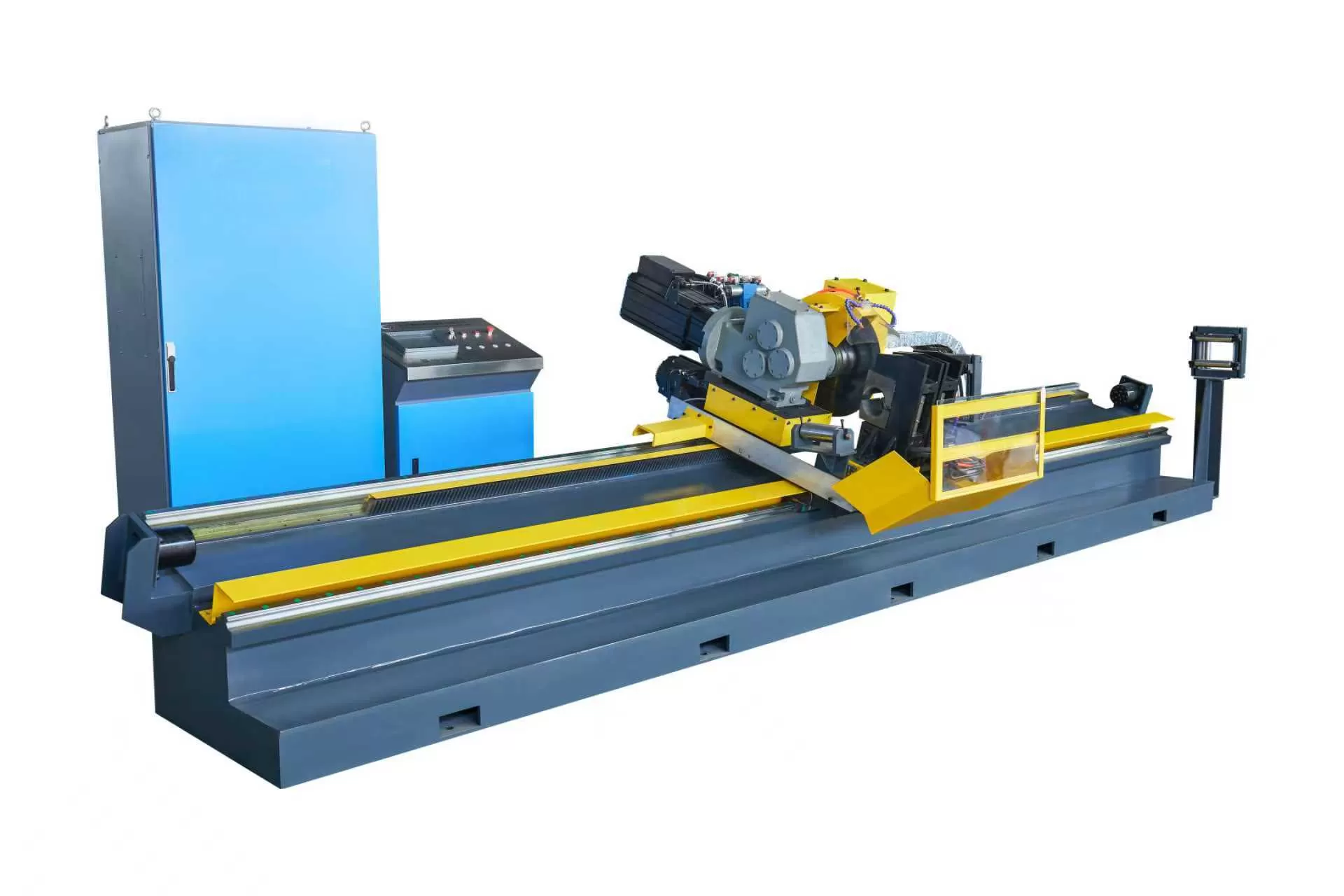
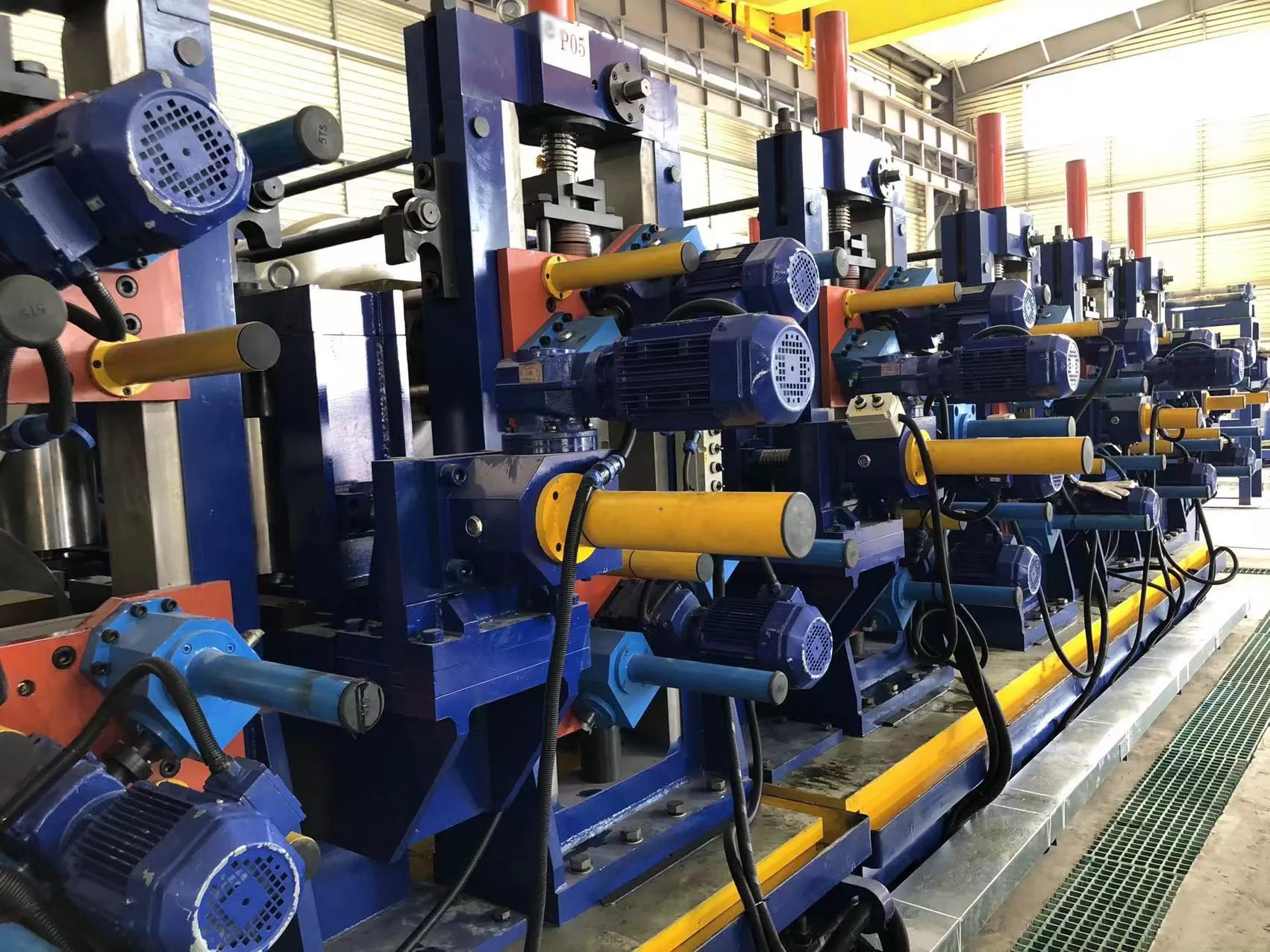
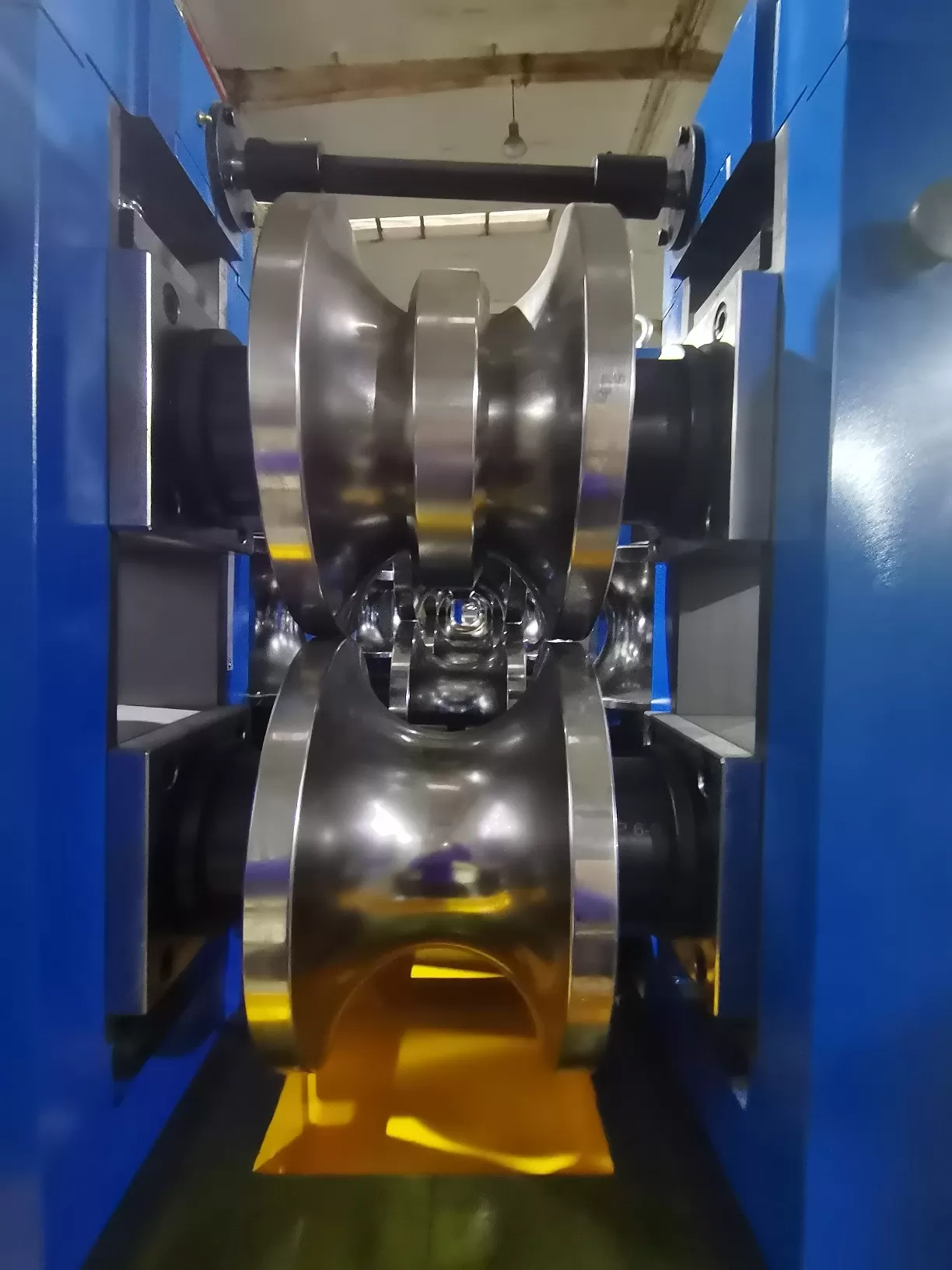
Selecting the right pipe tube mill is a foundational decision for manufacturers of welded pipes and tubes. The equipment must balance speed, precision, and durability to meet modern project demands. Industry leaders like SANSO have engineered systems that address these needs, incorporating advanced components such as high-efficiency accumulators. This article outlines five critical factors to evaluate before investing in a pipe tube mill for your production line.
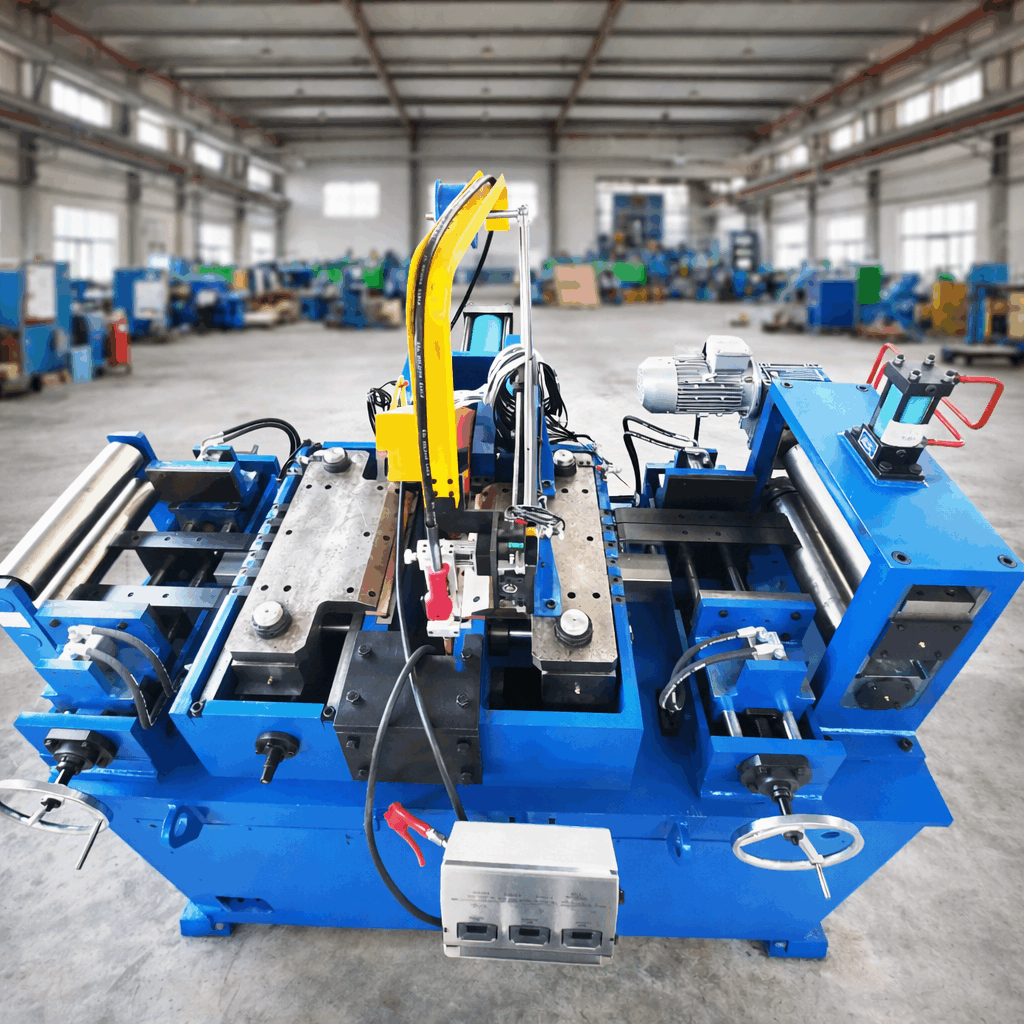
1. Production Efficiency and Continuous Operation
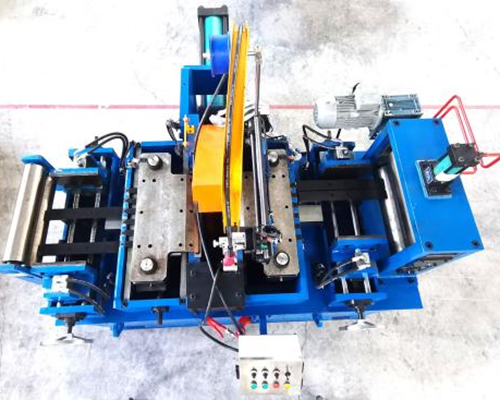
A modern pipe tube mill is designed for uninterrupted operation. Key to this is the inclusion of a tube mill accumulator, which stores material during coil changes, allowing the forming section to run continuously. This eliminates stop-and-go cycles that waste time and energy.
Core components for efficiency
Horizontal or cage accumulators that handle strip speeds up to 120 m/min.
Quick-response strip joining systems (shear end welders).
Synchronized drives between uncoiler and mill entry.
Without a properly sized accumulator, a pipe tube mill cannot achieve true high-speed production.
2. Flexibility in Output: Diameter and Wall Thickness
Markets demand a wide range of tube sizes. A versatile pipe tube mill should accommodate quick changes in diameter (OD) and wall thickness (WT) without extensive roller replacement. Cassette-type stands and adjustable turks heads facilitate this.
Typical OD ranges: from 16 mm to 273 mm on medium-sized mills.
Wall thickness capabilities: 0.5 mm to 8.0 mm, depending on material.
Square and rectangular section possibilities with turks head adjustment.
Manufacturers like SANSO offer mills with pre-stressed stands for consistent quality across size changes.
3. Quality of Weld and Post-Weld Treatment
The heart of any pipe tube mill is its welding section. Solid-state HF welders provide precise control over heat input, ensuring a clean, strong seam. Post-weld scarfing removes internal and external flash smoothly.
Factors affecting weld quality
Stabilized impedance and coil design for consistent power.
Precise squeeze roll adjustment.
In-line NDT (non-destructive testing) integration.
A reliable pipe tube mill from a trusted builder guarantees weld integrity that meets API or ASTM standards.
4. Durability and Maintenance Requirements
Heavy-duty construction extends the life of a pipe tube mill. Look for hardened gears, chromium-plated rolls, and robust bearing housings. Low-maintenance features reduce downtime and total cost of ownership.
Centralized lubrication systems that service all bearings automatically.
Easy-access panels for roll change and cleaning.
Modular design allowing fast replacement of wear parts.
Equipment from SANSO is known for its rugged build, ensuring decades of service in demanding environments.
5. Automation and Data Integration
Today’s pipe tube mill relies on advanced controls for consistency. Programmable logic controllers (PLCs) manage speed synchronization, weld power, and cut length. Data collection enables process optimization and traceability.
Touchscreen HMI with recipe storage for 100+ profiles.
Remote monitoring capabilities for line diagnostics.
Integration with MES (Manufacturing Execution Systems).
Automated features reduce operator fatigue and material waste, making the pipe tube mill a smart long-term investment.
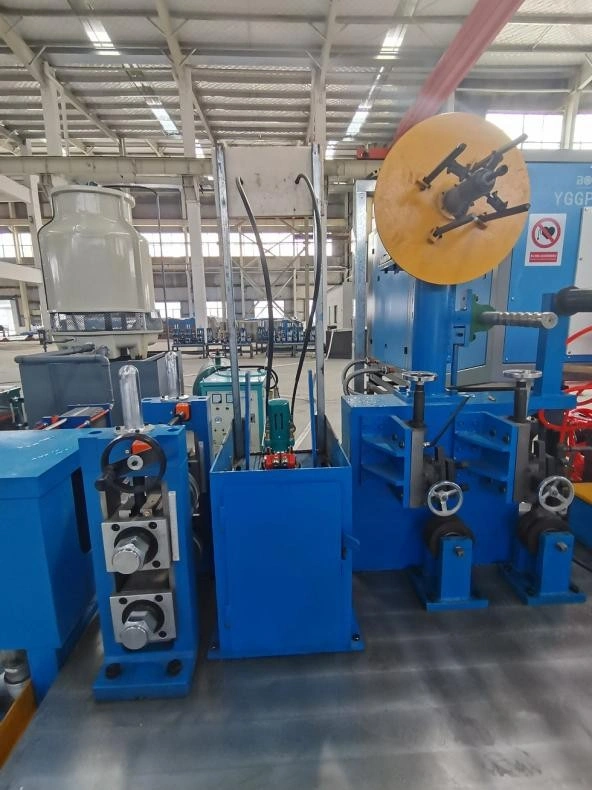
When evaluating suppliers, consider the complete ecosystem. SANSO provides not only the core pipe tube mill but also upstream and downstream equipment like uncoilers, accumulators, and packers. Their tube mill accumulator designs, for instance, are optimized for minimal strip marking and tension control, directly improving final tube quality. Partnering with such a holistic manufacturer ensures all line components work in harmony.
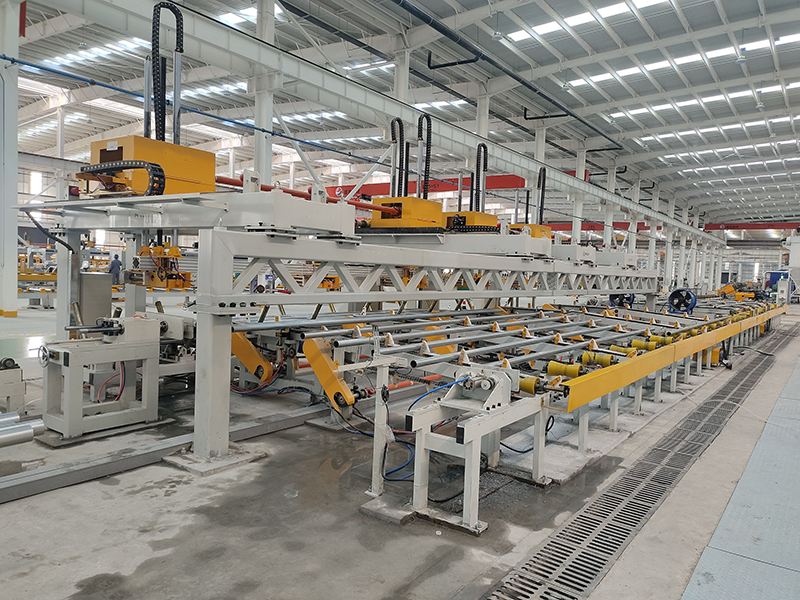
Conclusion: Investing in the Right Pipe Tube Mill
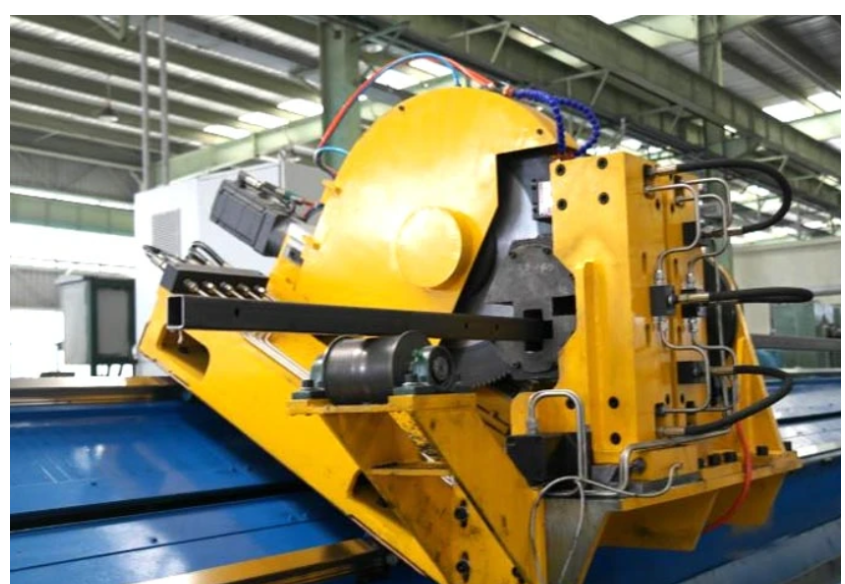
The choice of a pipe tube mill shapes your production capability for years. Prioritize efficiency through continuous operation, flexibility for market shifts, superior weld quality, durable construction, and smart automation. Manufacturers like SANSO have demonstrated how integrated design—from the accumulator to the flying saw—elevates performance. By focusing on these five critical factors, you can select a pipe tube mill that delivers consistent, profitable output.
Frequently Asked Questions About Pipe Tube Mill
Q1: What is the main purpose of a tube mill accumulator in a pipe tube mill line?
A1: The accumulator stores a loop of strip material, allowing the forming and welding section of the pipe tube mill to run continuously while the entry section stops to weld coil ends. This boosts overall efficiency and reduces scrap.
Q2: What materials can be processed on a standard pipe tube mill?
A2: Most pipe tube mill lines process carbon steel, stainless steel (300 and 400 series), galvanized steel, aluminum, and copper alloys. Special roll materials may be needed for abrasive or soft metals.
Q3: How do I determine the right pipe tube mill size for my needs?
A3: Consider your target outside diameter (OD) range and maximum wall thickness. A common rule is to choose a pipe tube mill that can handle 20% larger OD than your current maximum to allow for future growth. Consult manufacturers like SANSO for sizing based on your product mix.
Q4: What maintenance is critical on a pipe tube mill?
A4: Daily checks include lubrication of bearings and gears, inspection of roll surfaces for wear, cleaning of scale from the weld box, and verification of alignment sensors. Following the OEM manual, such as the one provided with SANSO mills, is essential.
Q5: Can a pipe tube mill produce both round and square tubes?
A5: Yes, many modern pipe tube mill lines are equipped with quick-change turks head and sizing sections that allow switching between round and square/rectangular profiles. This requires additional stands but offers great production flexibility.
Q6: How does automation improve pipe tube mill operation?
A6: Automation ensures precise speed matching between mill sections, consistent weld power delivery, and accurate cut lengths. It reduces human error and allows for fast changeovers using stored recipes, directly boosting the pipe tube mill’s productivity.
Q7: What after-sales support does SANSO offer for its pipe tube mill equipment?
A7: SANSO provides comprehensive support including installation supervision, operator training, a full catalog of spare parts (like accumulator components), and remote technical assistance to ensure optimal line performance.