In the competitive landscape of Electric Resistance Welded (ERW) pipe
production, the precision and reliability of each downstream component directly
impact overall productivity and final product quality. Among these critical
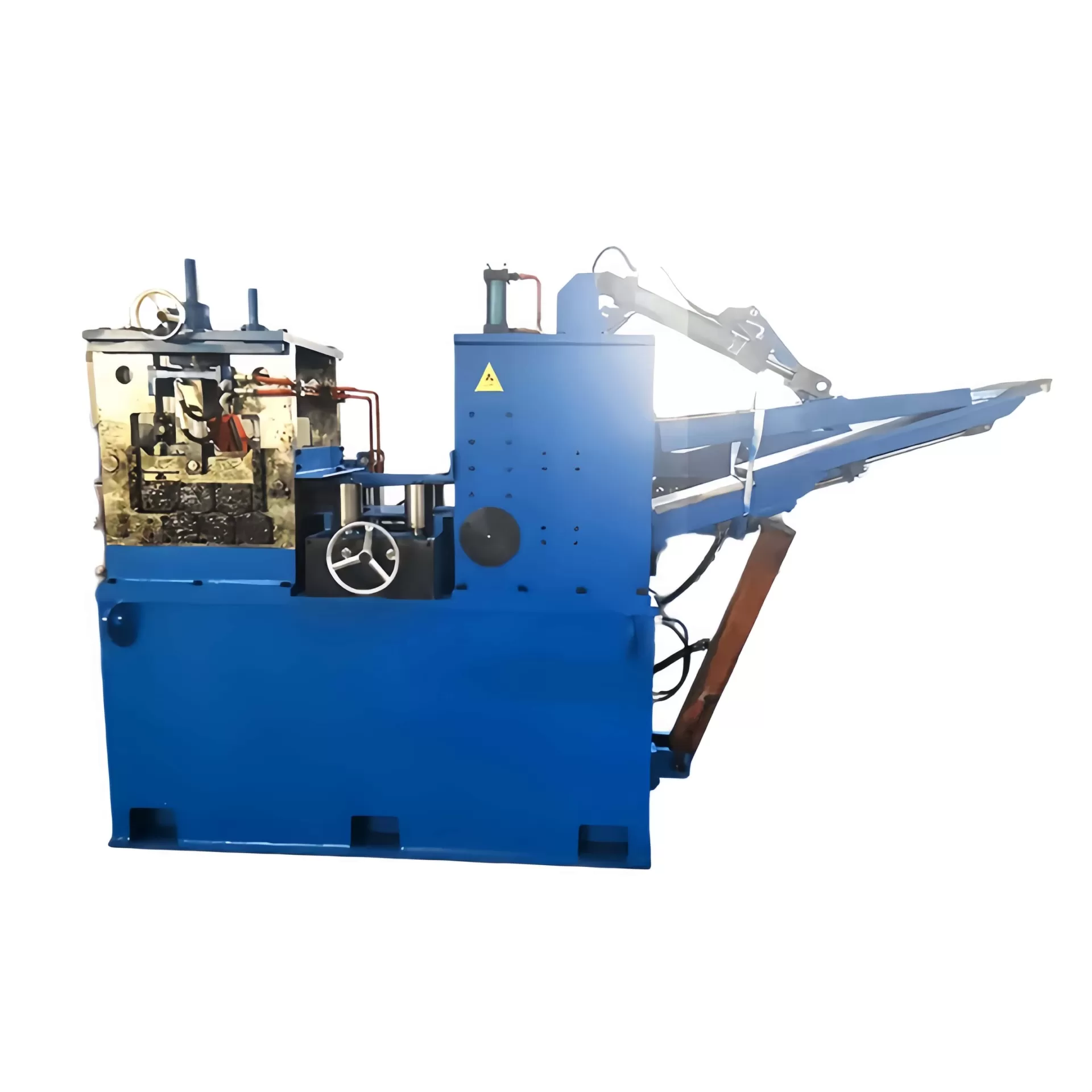
systems, the buckle making
machine—often referred to as the forming section—stands as the gateway to
successful tube manufacturing. This article provides a technical deep dive into
the intricacies of modern buckle making machines, addressing industry challenges
and presenting engineered solutions for manufacturers aiming for operational
excellence.
The Foundational Role of the Buckle Making Machine in ERW Pipe
Production
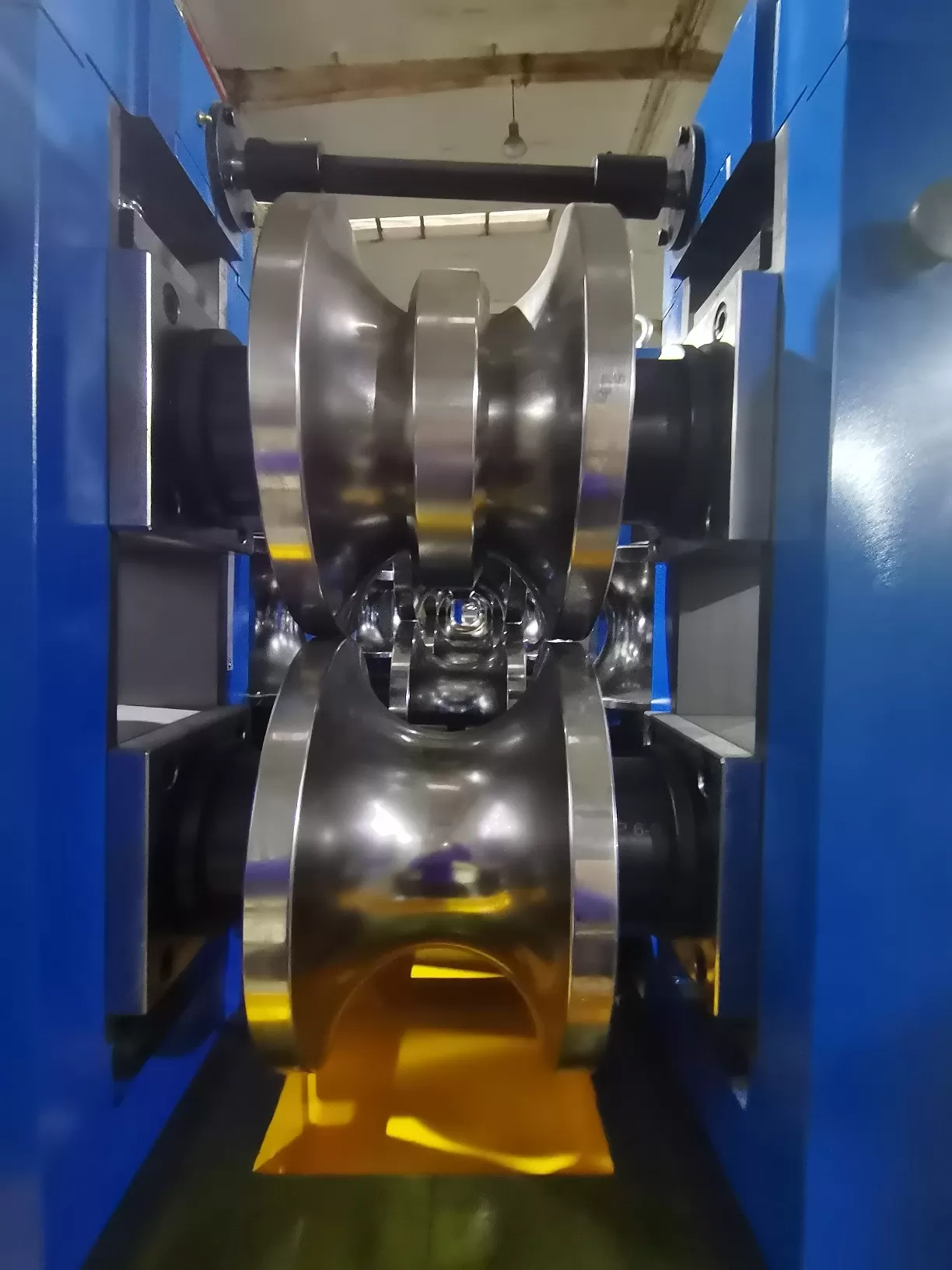
The journey from a flat steel coil to a welded tube begins at the buckle making machine.
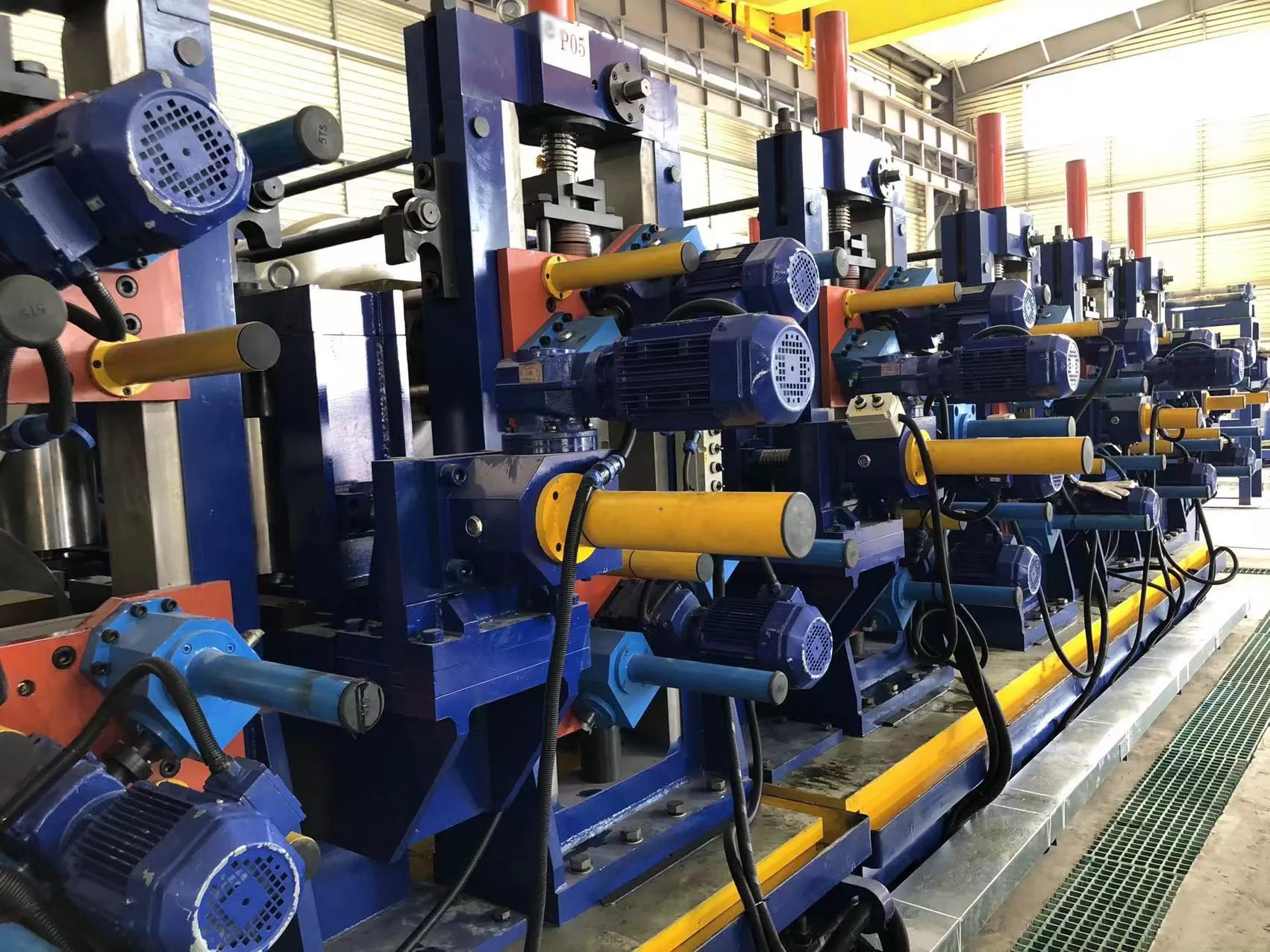
This system, comprising a series of forming rolls and stands, progressively
shapes the flat strip into an open pipe (buckle) ready for welding. The
precision of this initial forming stage dictates the consistency of the weld
seam and the dimensional accuracy of the final product. An improperly set up or
poorly designed forming section can lead to a cascade of issues, including edge
mismatch (known as "skelp edge" condition), weld defects, and excessive tooling
wear.
From Coil to Cylinder: The Progressive Forming Process
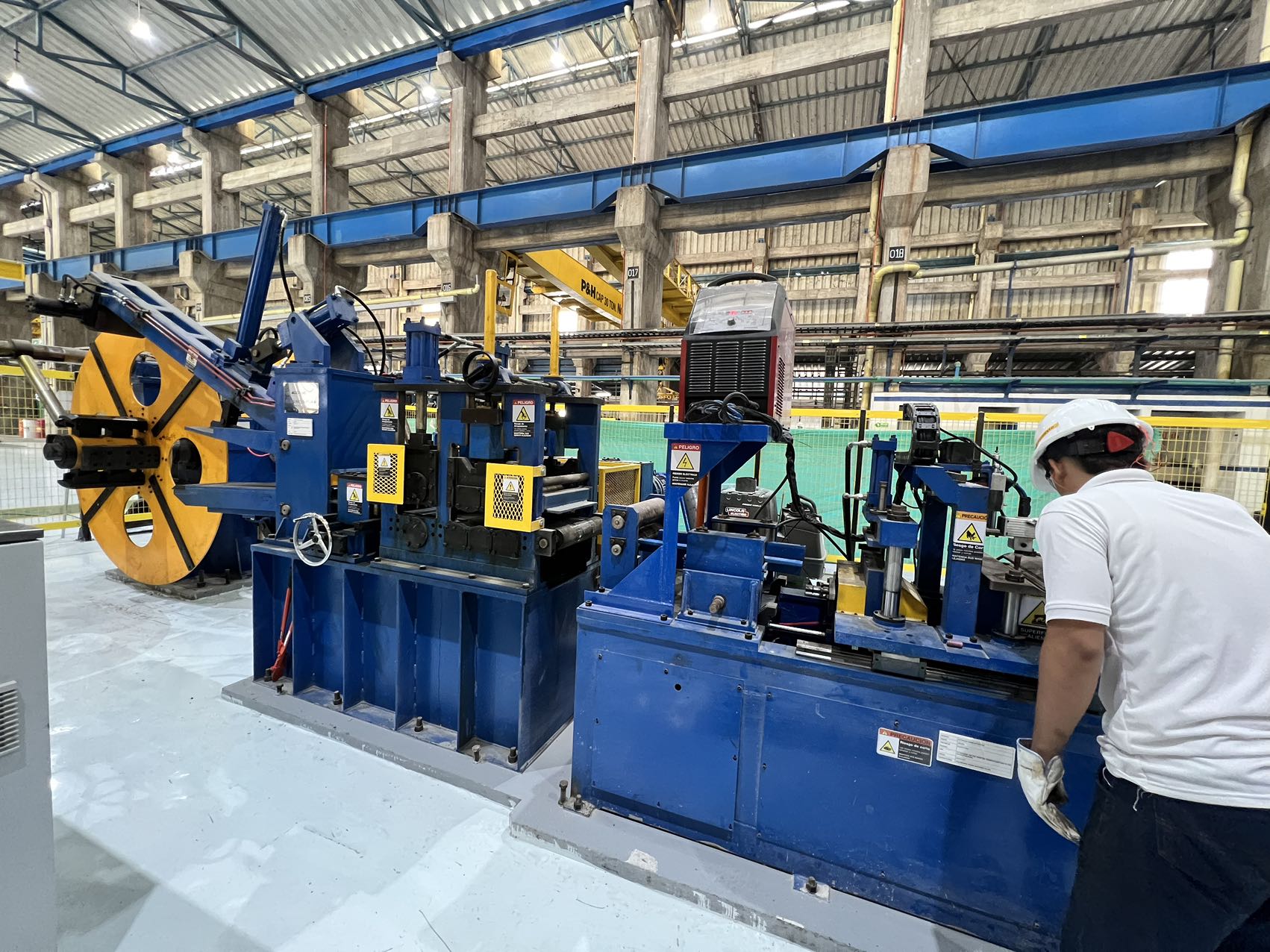
Modern ERW tube mills, such as those engineered by SANSO for diameters ranging from 8 mm
to 508 mm, utilize a series of driven and idle stands. Each stand incrementally
bends the strip. Key stages include:
Initial Forming (Bending Zone): The initial rolls break the
flat strip's edges and begin the curvature. This stage is critical for
preventing "edge wave" or uneven stretching.
Intermediate Forming: The material is gradually shaped into
a "U" profile. Precise control here ensures the material is not overworked,
preventing work hardening.
Fin Pass Forming: The final rolls close the strip into an
open pipe (the buckle), bringing the two edges parallel and aligned for the
welding process. The concentricity and straightness achieved here are
paramount.
Technical Deep Dive: Mechanics and Material Science in Buckle Making
Understanding the physics of metal deformation is essential for optimizing a
buckle making machine.
The process involves complex stresses—bending, compression, and tension. Key
technical considerations include:
Roll Tooling Design and Material Selection
The roll sets are the heart of the buckle making machine. Their geometry must
be meticulously calculated based on the final tube diameter, wall thickness, and
material grade (e.g., API 5L, ASTM A513). Key design parameters include:
Flower Pattern Design: The "flower" pattern is the
graphical representation of the strip's cross-section at each forming stand.
Modern CAD/CAE software allows engineers to simulate the flower pattern to
minimize strain on the material's edges.
Roll Material and Hardness: Rolls are typically made from
high-wear-resistant tool steels like D2 or M2, often with a hardness of 58-62
HRC. For high-volume production of specific sizes, carbide-inserted rolls offer
extended life.
Lubrication Strategy: Proper lubrication at the roll-strip
interface reduces friction, prevents galling, and cools the tooling.
Water-soluble synthetic lubricants are common for clean post-weld
processing.
Troubleshooting Common Forming Defects
Even minor misalignments in the buckle making machine can
result in significant production issues. Expert diagnosis relies on
understanding cause-and-effect relationships:
Edge Wave (Tight/ Loose Edge): Caused by differential
stretching between the center and edges of the strip. This often indicates
excessive or insufficient roll pressure in intermediate stands.
Crossbow: A curvature across the strip's width after
forming, typically due to improper side roll alignment or uneven roll gap.
Weld Seam Tracking Issues: If the "seam guide" cannot keep
the edges aligned for welding, the root cause is often poor geometry exiting the
buckle making machine—the edges may not be parallel or the tube may have a
spiral.
Industry Solutions: Integrating High-Precision Buckle Making Systems
Leading manufacturers address these challenges through integrated system
design and advanced control strategies. With over 20 years of experience, SANSO provides complete ERW tube mill
lines where the buckle making machine is designed in harmony with upstream and
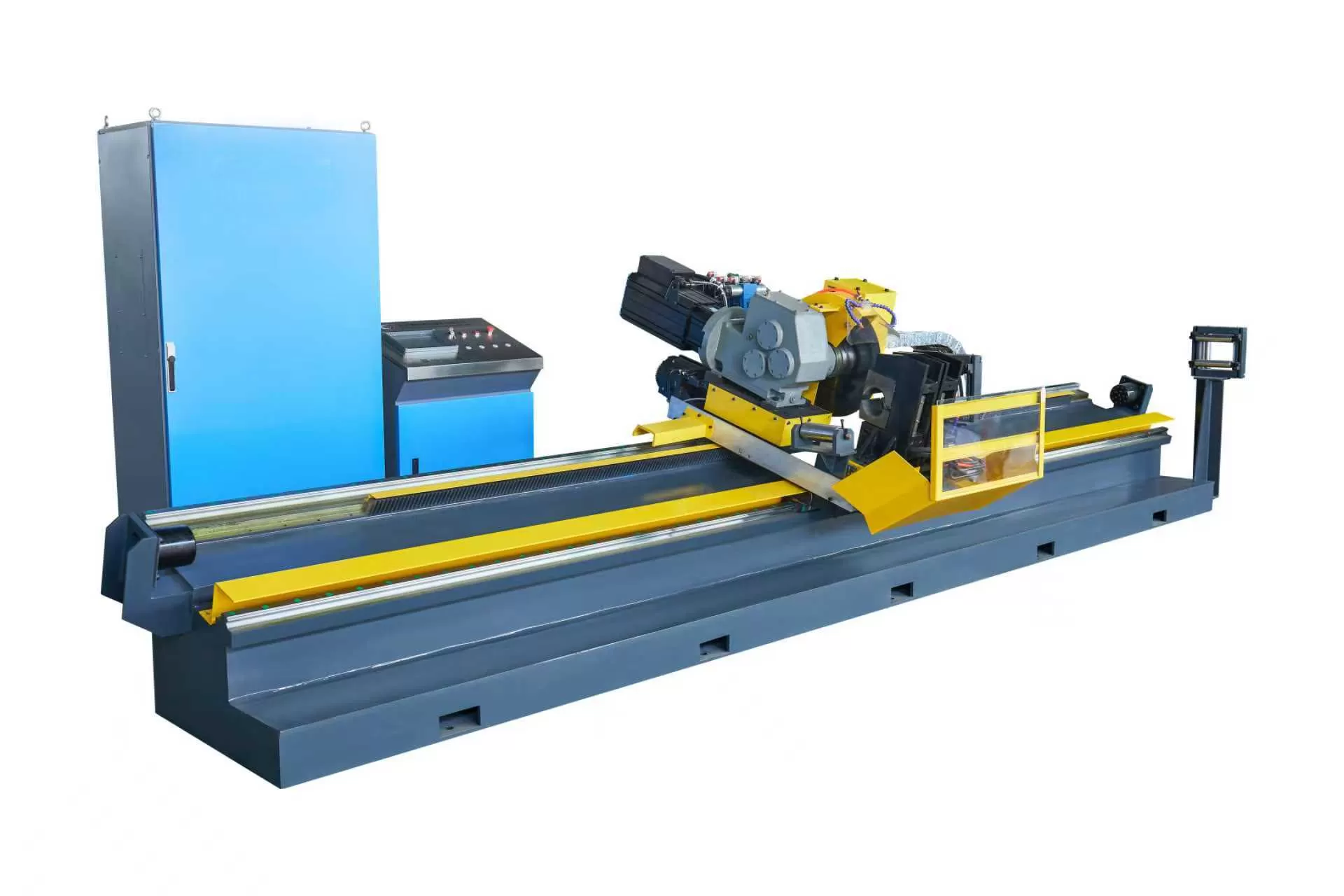
downstream equipment like uncoilers, accumulators, and flying saws.
Cage Forming vs. Conventional Roll Forming
A significant advancement in buckle making technology for certain
applications is the cage forming system. Unlike conventional discrete roll
stands, a cage former uses a series of small rolls arranged on curved
tracks.
Conventional Forming: Offers high flexibility for changing
product sizes (rapid roll change systems). Ideal for job shops with varied
production runs.
Cage Forming: Provides superior surface quality and reduced
scratch marks, as the strip is supported by many small rolls. It's often used
for high-quality structural and line pipes where internal surface smoothness is
critical.
Automation and Closed-Loop Control
Modern buckle making machines are no longer mechanical-only systems. They are
integrated with sensors and PLCs for real-time monitoring. Features like
automatic roll gap adjustment and edge position sensors can feed data back to
the forming stands, allowing for micro-adjustments during operation. This
reduces setup times and ensures consistency across long production runs. For
example, integrating a solid-state HF welder from the product line with a
precision buckle making machine ensures that the formed edges arrive at the weld
point under optimal condition, minimizing scrap.
Case Study: Achieving Sub-Millimeter Accuracy in Tube Production
Consider a manufacturer needing to produce precision line pipe for the
automotive industry, with strict tolerances on outer diameter (OD) and wall
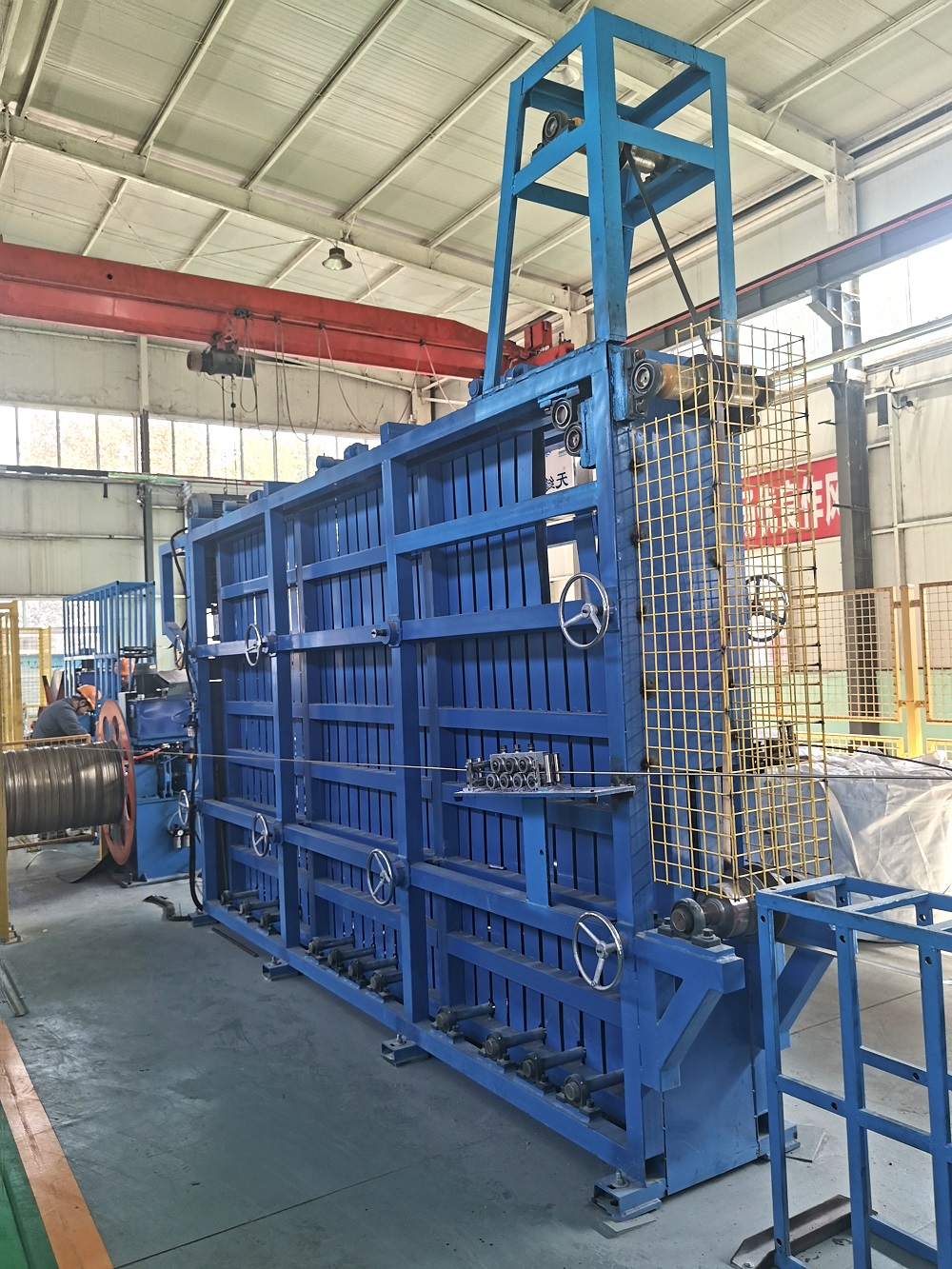
thickness concentricity. By utilizing a fully integrated mill, starting from a
precision leveling machine and ending with a high-rigidity buckle making machine
from SANSO, they can achieve:
OD Tolerance: ±0.1 mm for diameters up to 100 mm.
Weld Seam Quality: Consistent, defect-free welds with
minimal internal flash (flash height < 0.2 mm).
Production Speed: Stable operation at speeds up to 60
m/min, maximizing throughput without sacrificing quality.
Conclusion: Precision as a Competitive Advantage
The buckle making machine is
a pivotal element in the ERW tube manufacturing process. Its design, setup, and
maintenance directly correlate with profitability through reduced material
waste, higher uptime, and superior product quality. By investing in
precision-engineered forming solutions from reputable manufacturers like SANSO, and by applying the technical
principles of roll design and material science, tube producers can transform
their forming section from a potential bottleneck into a source of competitive
advantage. Whether producing standard pipes or specialty shapes, the quest for
perfection begins at the buckle.
Frequently Asked Questions (FAQ)
Q1: What is the primary function of a buckle making machine in an ERW tube
mill?
A1: Its primary function is to progressively form a flat
metal strip into a cylindrical open pipe (the "buckle") with the two edges
aligned perfectly parallel. This pre-welded shape is essential for the
subsequent high-frequency welding process to create a strong, consistent
seam.
Q2: How often should the roll tooling on a buckle making machine be
replaced?
A2: There is no fixed schedule; it depends on the total
linear footage produced and the materials being formed. However, operators
should inspect rolls regularly for signs of wear like scoring, chipping, or loss
of profile. A common practice is to measure the product's OD and check for
surface defects. If tolerances drift or surface quality degrades, it's time for
re-grinding or replacement. High-volume production of abrasive materials like
galvanized steel may require more frequent changes.
Q3: What causes "edge wave" and how can it be fixed?
A3: Edge wave (a wavy or scalloped pattern on the strip edge
after forming) is typically caused by uneven longitudinal stretching—the edges
are being stretched more than the center. This often results from excessive
pressure in the breakdown passes or improper roll gap alignment. The solution
involves checking and re-aligning the roll stands, ensuring the correct roll
diameters are used, and potentially adjusting the "flower" design to better
control edge stress.
Q4: Can the same buckle making machine produce tubes of different diameters
and wall thicknesses?
A4: Yes, most modern machines are designed for flexibility.
For significant size changes (e.g., from 50mm to 200mm), you typically need to
change the roll sets. This is known as a "roll change." Some machines use a
cartridge or "cluster" design to facilitate faster changeovers. For smaller
variations within a range, adjustable stands can provide some flexibility, but
dedicated roll sets are required for optimal precision and efficiency.
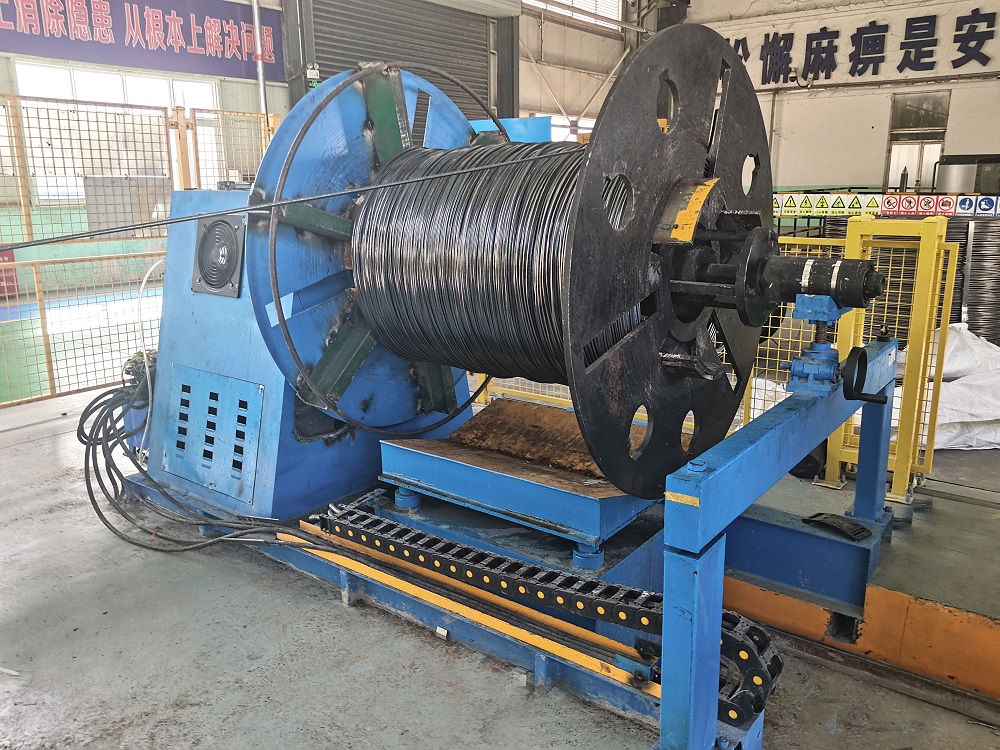
Q5: What is the relationship between the uncoiler/leveler and the buckle
making machine?
A5: They are directly linked. The uncoiler and pinch
roll/leveling machine must deliver a perfectly flat, stress-free strip to the
buckle making machine. If the incoming strip has coil set, crossbow, or camber,
the buckle making machine cannot correct these flaws. Poor strip condition
entering the forming section will inevitably lead to forming defects, weld
misalignment, and poor tube straightness. A high-quality leveler is therefore a
prerequisite for optimal buckle making performance.