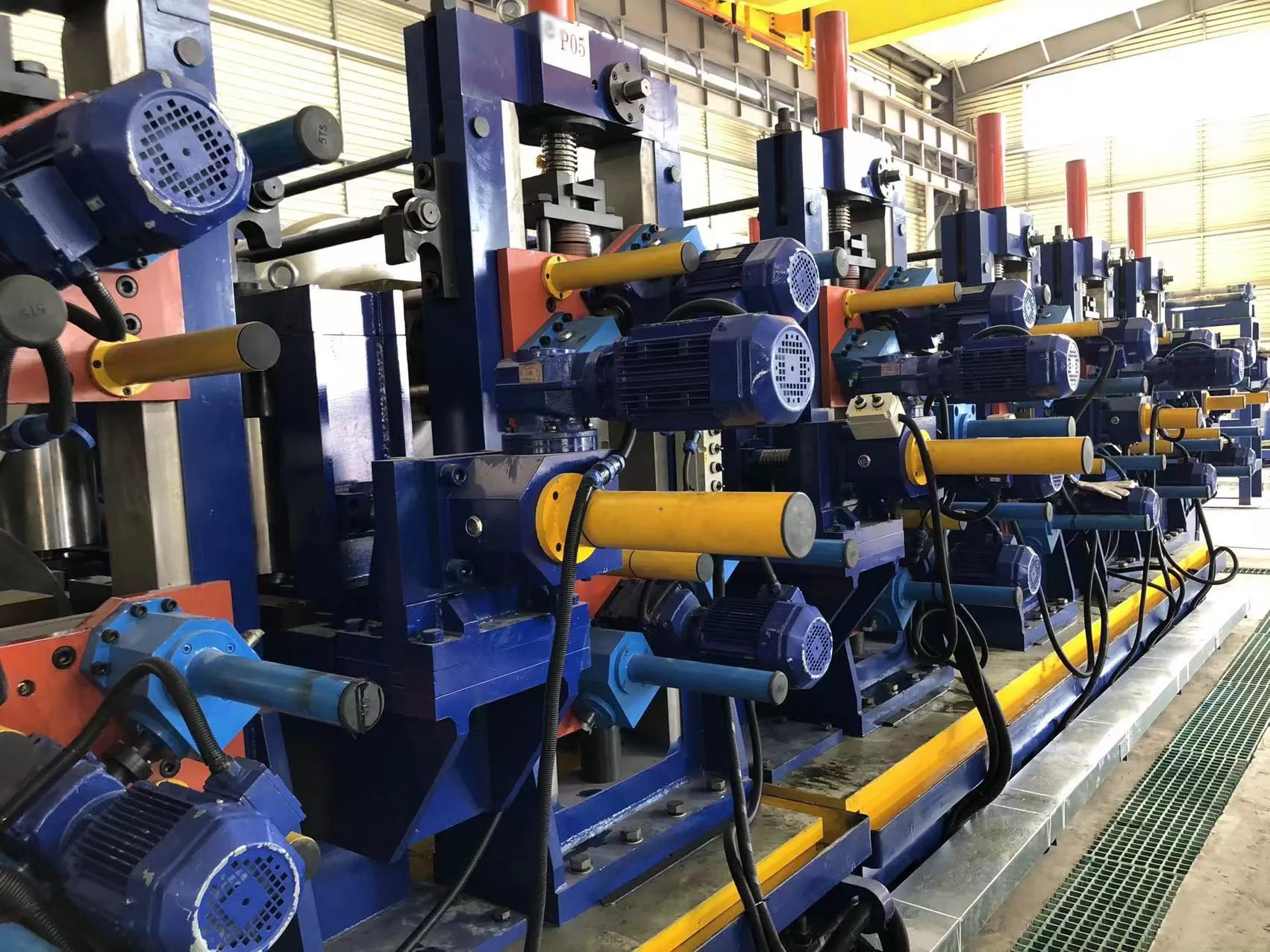
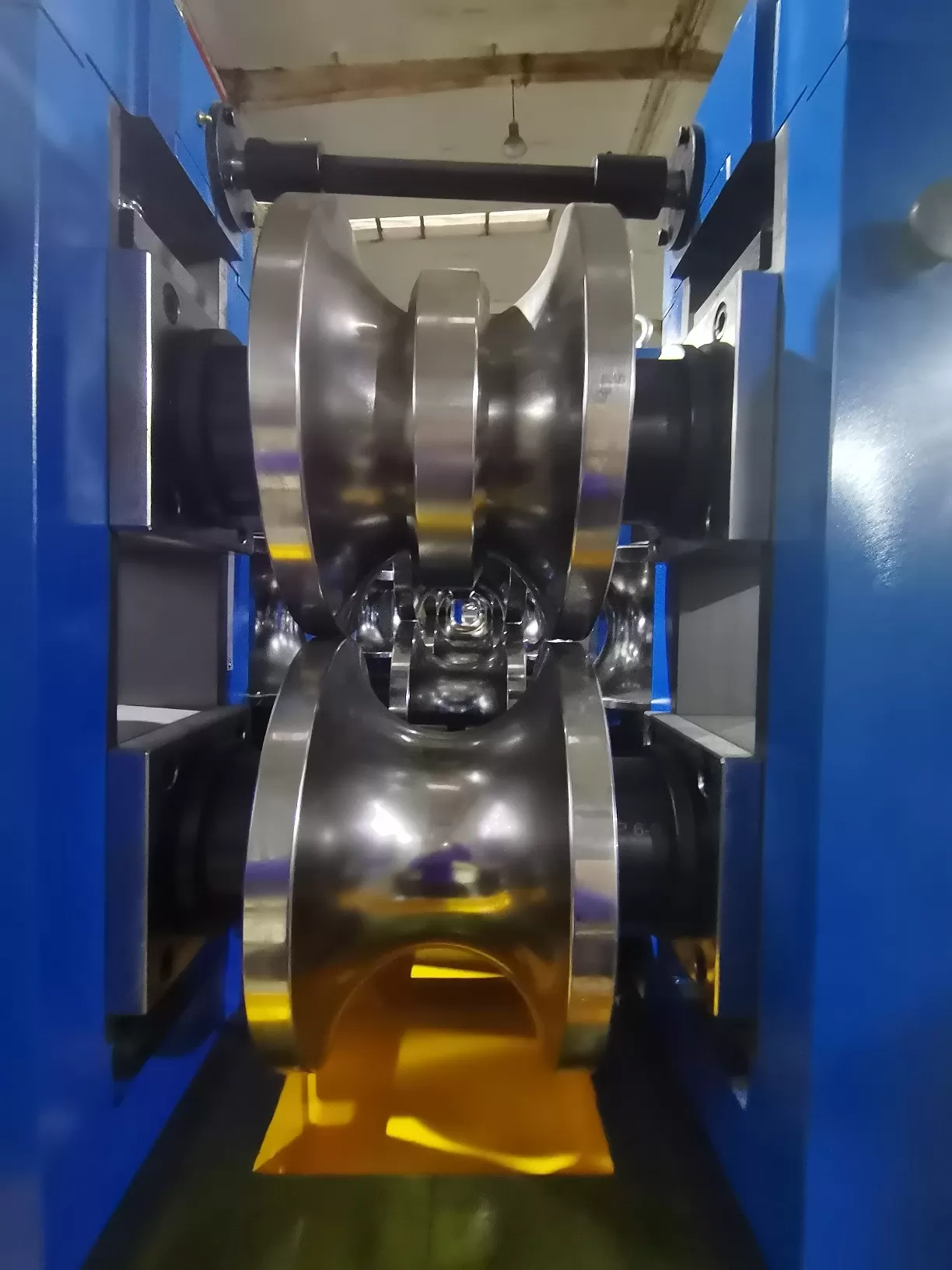
In high-volume metal processing environments—such as tube and pipe mills,
automotive parts manufacturing, and structural steel fabrication—the selection
of cutting tools directly dictates throughput, edge quality, and operational
costs. Among the most widely used tools, HSS circular saw blades for
metal cutting offer a combination of toughness, red hardness, and
re-sharpenability that cemented carbide or bi-metal blades cannot always match.
This article provides a detailed engineering perspective on how high-speed steel
(HSS) circular saw blades perform under industrial conditions, covering
metallurgical grades, tooth geometries, cooling strategies, and integration with
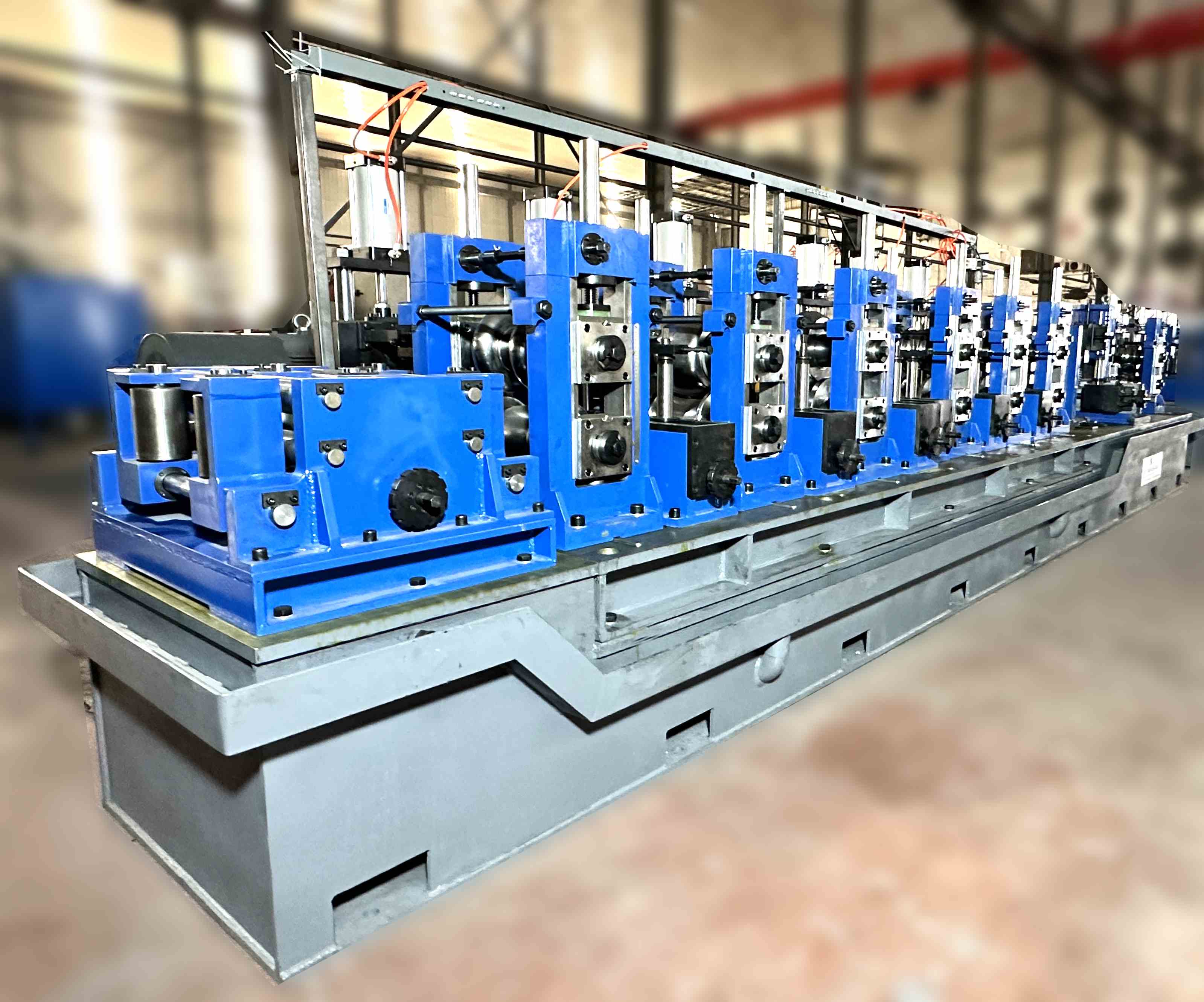
automated sawing systems—including those found on modern tube mills from
SANSO.
1. Metallurgical Foundation: HSS Grades for Circular Saw Blades
The performance of HSS circular saw blades for
metal cutting begins with the correct material grade. Unlike
standard tool steels, HSS contains tungsten (W), molybdenum (Mo), vanadium (V),
and cobalt (Co) to maintain hardness at elevated temperatures (red hardness up
to 600°C). For demanding ferrous applications, M2 (6-5-2) is the baseline grade,
offering a good balance of wear resistance and toughness. However, for
high-strength alloys or stainless steel, M35 (5% cobalt) or M42 (8% cobalt)
grades provide superior hot hardness and edge retention.
Key property targets for industrial HSS saw blades:
Hardness after heat treatment: 64–67 HRC (M2), 66–69 HRC
(M42).
Transverse rupture strength: >3500 N/mm² to resist tooth
chipping.
Grain size: ASTM 10–12 (fine microstructure) for consistent
wear patterns.
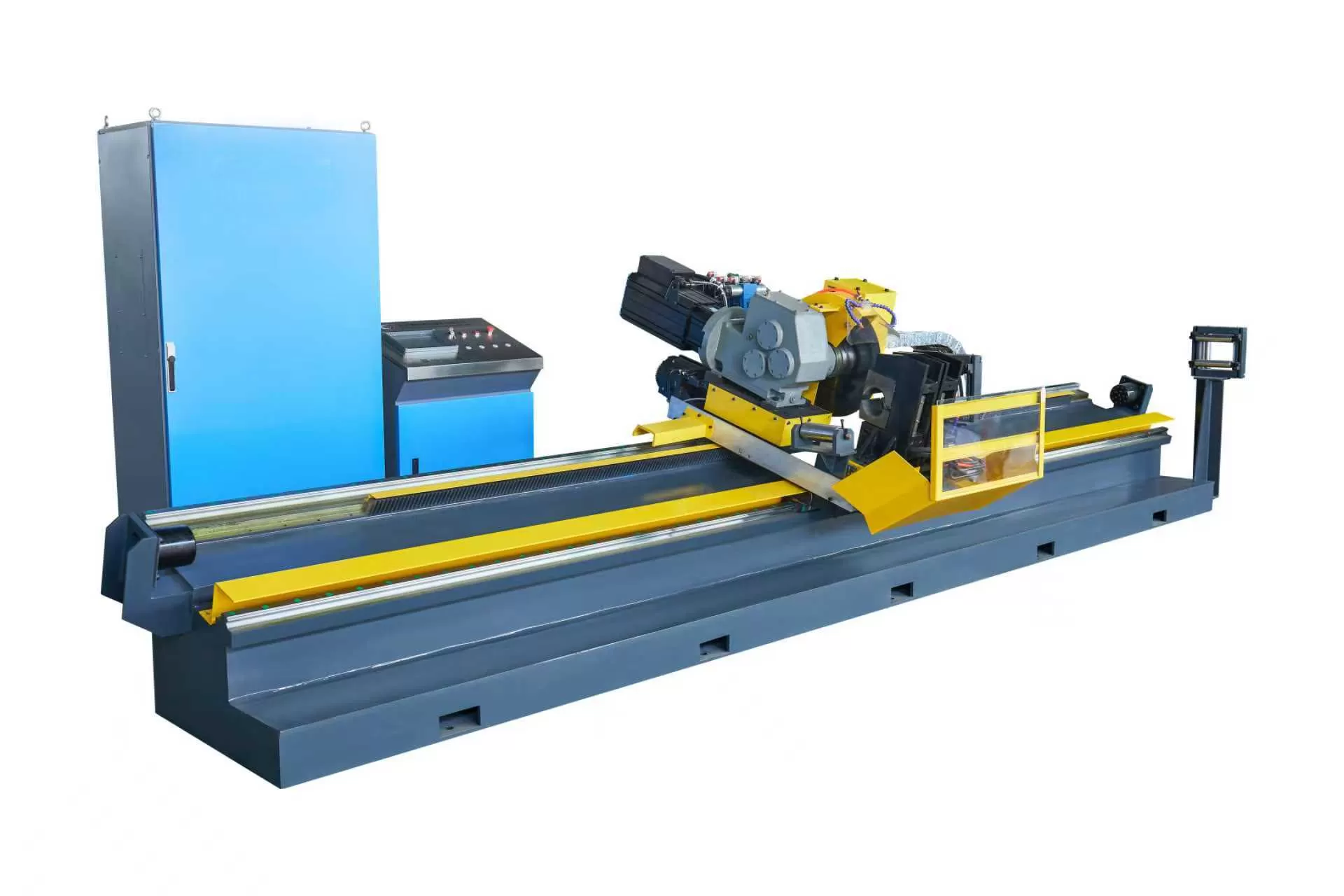
Manufacturers like SANSO integrate high-precision sawing
stations into their tube mill lines, and they specify that HSS
circular saw blades for metal cutting must meet these hardness criteria
to maintain cut squareness within ±0.5 mm on tube diameters up to 150 mm.
2. Tooth Geometry and Its Effect on Cut Quality
2.1 Tooth Pitch and Form
For a given material and wall thickness, the tooth pitch (distance between
cutting edges) determines chip load and vibration. In tube cutting, a variable
pitch design (e.g., 8/10/12 mm) disrupts harmonic resonance, reducing noise and
increasing blade life. The tooth form—triangular (standard), trapezoidal (for
thin walls), or alternate top bevel (ATB)—must match the application. For
structural steel tubes with wall thickness >5 mm, a positive rake angle
(10°–15°) combined with a reinforced back edge prevents tooth fracture during
high-feed operations.
2.2 Coatings and Surface Treatments
While HSS blades are often used uncoated in low-cost applications, advanced
coatings significantly improve performance of HSS
circular saw blades for metal cutting. TiN (titanium nitride)
reduces friction coefficient from 0.6 to 0.4, lowering cutting heat. TiAlN
(titanium aluminum nitride) withstands intermittent cutting temperatures up to
800°C, ideal for stainless steel tube bundles. For abrasive materials like
high-silicon aluminum, CrN coatings prevent built-up edge (BUE).
3. Industrial Applications: From Tube Mills to Structural Fabrication
The versatility of HSS circular saw blades for
metal cutting spans multiple industries. Below are typical
scenarios with specific technical requirements:
ERW tube mills (carbon steel): Flying saw applications
require blades that can cut on-the-fly at line speeds of 40–80 m/min. Blade
diameter 350–450 mm, thickness 2.5–3.5 mm, with 180–220 teeth. Coolant: flood
emulsion (5–8% concentration).
Stainless steel tube cutting (304/316): Lower cutting
speeds (15–25 m/min) but higher torque. M42 grade blades with TiAlN coating and
coarse pitch (12–14 mm) reduce work hardening. Chip breakers on the tooth face
are mandatory.
Non-ferrous metals (copper, brass, aluminum): Triple-chip
grind (TCG) tooth geometry prevents grabbing. Uncoated M2 blades with polished
gullets avoid aluminum adhesion.
Structural steel (I-beams, angles): Large-diameter blades
(600–1000 mm) with tungsten-tipped HSS segments for interrupted cuts. Wet
cutting with high-pressure mist.
Leading mill integrators such as SANSO offer customized saw arbors and
drive systems that maintain constant surface speed (CSS) as the blade
diameter shrinks due to repeated sharpening—a crucial feature for maximizing the
life of HSS circular saw blades for metal cutting.
4. Industry Pain Points and Engineering Solutions
4.1 Premature Tooth Chipping
Symptom: Chipped teeth after less than 500 cuts on mild
steel tube. Root causes: Excessive feed rate, incorrect tooth
pitch (too fine for wall thickness), or lack of chip brushing.
Solution: Calculate feed per tooth (FPT) formula: FPT = table
feed (mm/min) / (RPM × number of teeth). Target FPT for HSS: 0.03–0.08 mm/tooth
for steel. Install a wire brush wheel to clear chips from gullets before
re-entry.
4.2 Burn Marks on Cut Surface
Symptom: Blue or brown discoloration along the cut edge.
Root causes: Overheating due to insufficient coolant flow or
worn blade (dulling). Solution: Verify coolant nozzle
alignment—both flood and through-spindle coolant must reach the cutting zone.
Reduce RPM by 15–20% and increase feed slightly (lowering chip thinning).
Replace blade when back clearance angle exceeds 2°.
4.3 Blade Runout and Vibration
Symptom: Wavy cut surface, excessive noise. Root
causes: Arbor flange contamination, bent blade body, or worn spindle
bearings. Solution: Check flange runout with dial indicator
(<0.02 mm). For blades with more than 0.05 mm lateral runout, send for
re-tensioning. Use anti-vibration slots (laser-cut slots in the blade body)
which are available on premium HSS circular saw blades for
metal cutting designs.
5. Process Optimization: Speeds, Feeds, and Coolant
To achieve consistent tool life, operators must base cutting parameters on
the blade diameter and material group. A conservative starting point for carbon
steel (450–650 N/mm² tensile) with a 400 mm diameter M2 blade: cutting speed
60–80 m/min, feed rate 80–120 mm/min, tooth load 0.05 mm. For stainless steel,
reduce speed to 25–35 m/min but increase feed per tooth to 0.07 mm to avoid
rubbing. Use a chlorinated extreme-pressure (EP) coolant for austenitic
grades.
Advanced SANSO tube mill lines feature
automatic speed/feed
control that reads motor current and adjusts parameters in real time,
preventing overload on the HSS circular saw blades for metal
cutting when cutting hard spots or weld seams.
6. Re-sharpening Economics: Maximizing Blade Life
Unlike carbide-tipped blades, HSS circular saws can be re-sharpened 8–12
times before the blade body reaches minimum thickness. Each re-sharpening
removes 0.1–0.2 mm from the tooth face and top. However, incorrect grinding
burns the tooth edge, reducing tool life. Use a CBN (cubic boron nitride) wheel
with a flood coolant, and maintain a relief angle of 5°–8°. After every three
re-sharpenings, inspect the blade body for cracks (dye penetrant test). A
well-maintained blade costs 40–60% less per cut compared to a replacement
blade.
Frequently Asked Questions (FAQ) – HSS Circular Saw Blades for Metal
Cutting
Q1: When should I choose HSS circular saw blades over carbide-tipped
blades?
A1: Choose HSS circular saw blades for metal
cutting when cutting ferrous materials with tensile strength below 1000
N/mm², especially in high-volume applications where re-sharpening is economical.
HSS handles interrupted cuts better than carbide (less chipping) and costs
50–70% less per blade. Carbide is preferred for hardened steels (>45 HRC) or
non-ferrous alloys with high abrasiveness (e.g., cast iron with graphite).
Q2: How do I know if my HSS blade is dull?
A2: Signs
include increased cutting noise, burr height >0.3 mm on tube ends, rising
motor current (10–15% above normal), and a dull gray appearance on tooth tips
rather than shiny metal. A simple test: cut a standard sample; if the cut
surface shows prominent feed marks, re-sharpen immediately.
Q3: Can I cut stacked tubes with HSS circular saw
blades?
A3: Yes, but with restrictions. Maximum stack height should
not exceed blade diameter/6. Use a coarse tooth pitch (e.g., 5/7 mm variable) to
avoid chip packing between tubes. Clamp the bundle tightly and reduce feed rate
by 30–40% compared to single tube cutting. Stainless steel bundles are not
recommended due to galling risk.
Q4: What coolant is best for HSS sawing of carbon
steel?
A4: A semi-synthetic emulsion (5–8% concentration) with
extreme pressure (EP) additives—sulfur and chlorine—works best. The EP additives
form a lubricating film at high temperatures. Avoid straight oils because they
generate mist and are less effective at cooling. For high-speed sawing (>100
m/min), use a high-pressure coolant (20–30 bar) directed into the tooth
gullets.
Q5: How does blade diameter affect cutting capacity on a tube
mill?
A5: The maximum tube diameter that can be cut is approximately
1/3 of the blade diameter for a flying saw (e.g., a 450 mm blade cuts up to 150
mm tube). Larger blades allow larger tubes but require more power and produce
more deflection. For HSS circular saw blades for
metal cutting, a 350–450 mm diameter is the sweet spot for tube
mills handling 20–160 mm OD tubes. Always consult your mill builder’s
specification—SANSO provides clear charts
for blade sizing.
Precision Cutting as a Competitive Advantage
Selecting and operating HSS circular saw blades for metal
cutting is a balance of metallurgy, geometry, and process parameters.
By understanding the interaction between blade grade, tooth design, and
workpiece material, manufacturers can reduce cost per cut by over 30%, improve
cut surface quality, and minimize downtime for blade changes. Modern tube
mills—like those engineered by SANSO—incorporate intelligent
sawing modules that monitor blade condition and automatically adjust feed rates,
ensuring that the sawing process never becomes a bottleneck.
Need to upgrade your tube mill’s
cutting station or source industrial HSS blades with guaranteed performance?
Contact the SANSO engineering team today.
We provide complete cutting solutions, including blade selection guides, arbor
design, and automated saw feeders.
Send your inquiry now – include your tube diameter range,
material grades, and desired cutting speed. Our specialists will respond within
24 hours with a detailed proposal and ROI analysis for your specific
application.