In the welded pipe manufacturing sector, the tube mill machine is the central asset where
metallurgical science meets mechanical precision. For operations targeting
high-strength materials, tight dimensional tolerances, and first-pass yields
above 96%, the selection and configuration of this equipment determine both
variable cost structure and market competitiveness. Based on field data from
over 400 integrated lines across five continents, this technical overview
dissects the subsystems that separate high-performance mills from those plagued
by weld defects, geometric deviations, and excessive downtime. SANSO engineers these systems with a focus on
closed-loop process control, ensuring that each tube mill machine delivers measurable gains in OEE
(Overall Equipment Effectiveness) while meeting API, ASTM, and ISO criteria.
1. Structural Architecture of a High-Performance Tube Mill Machine
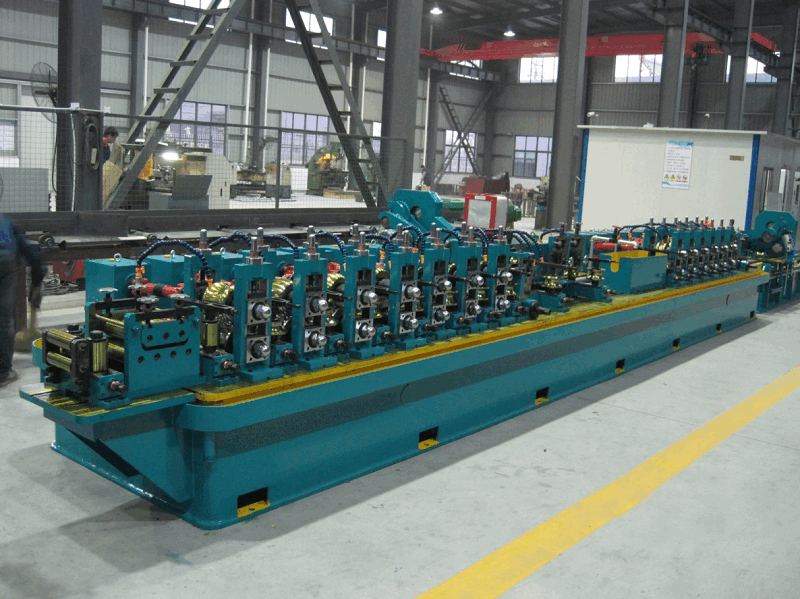
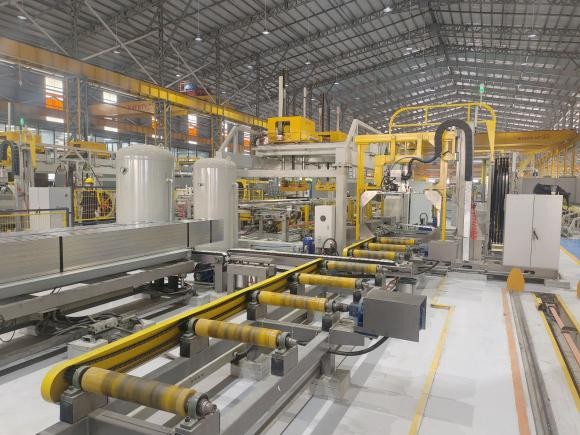
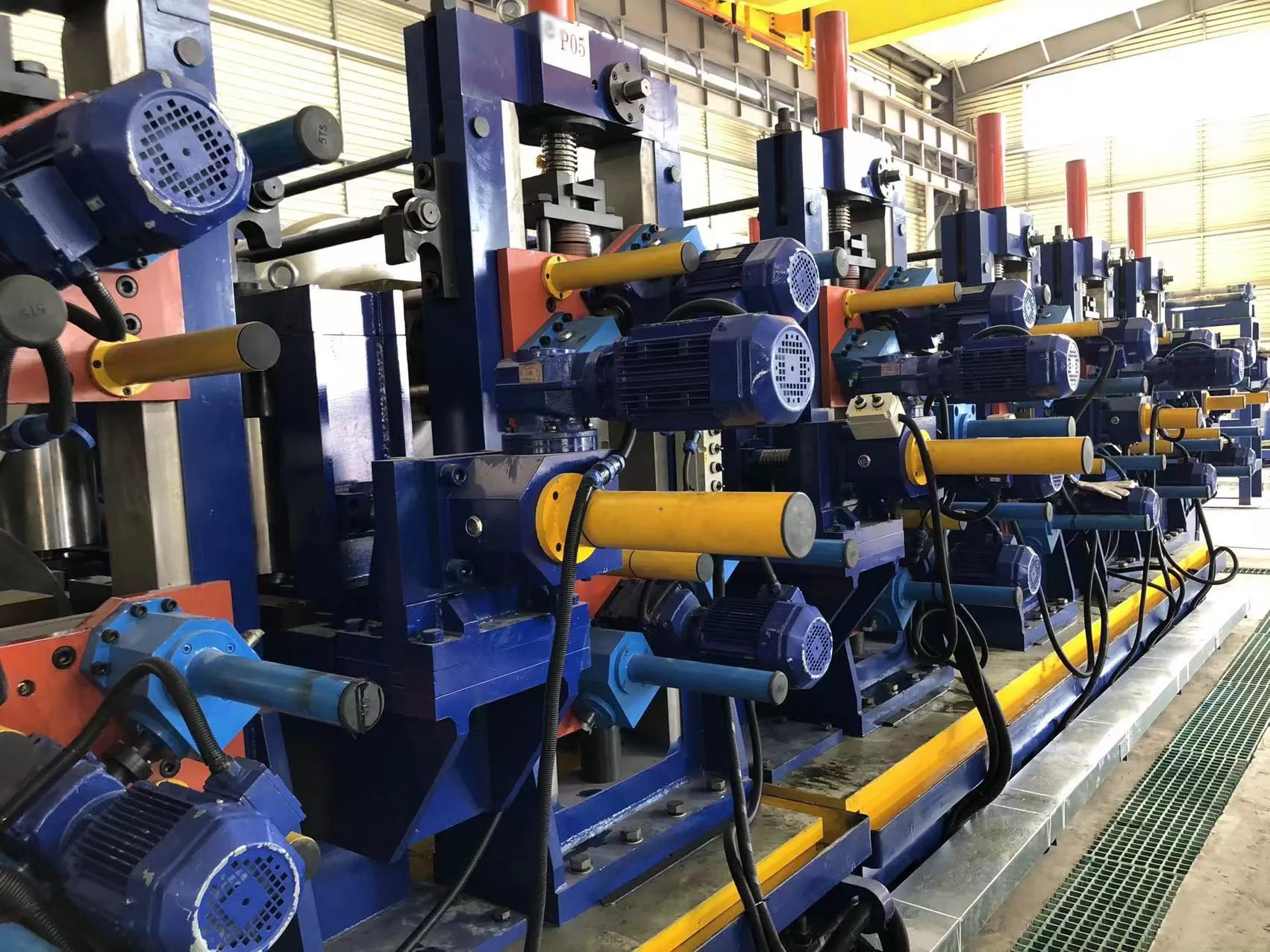
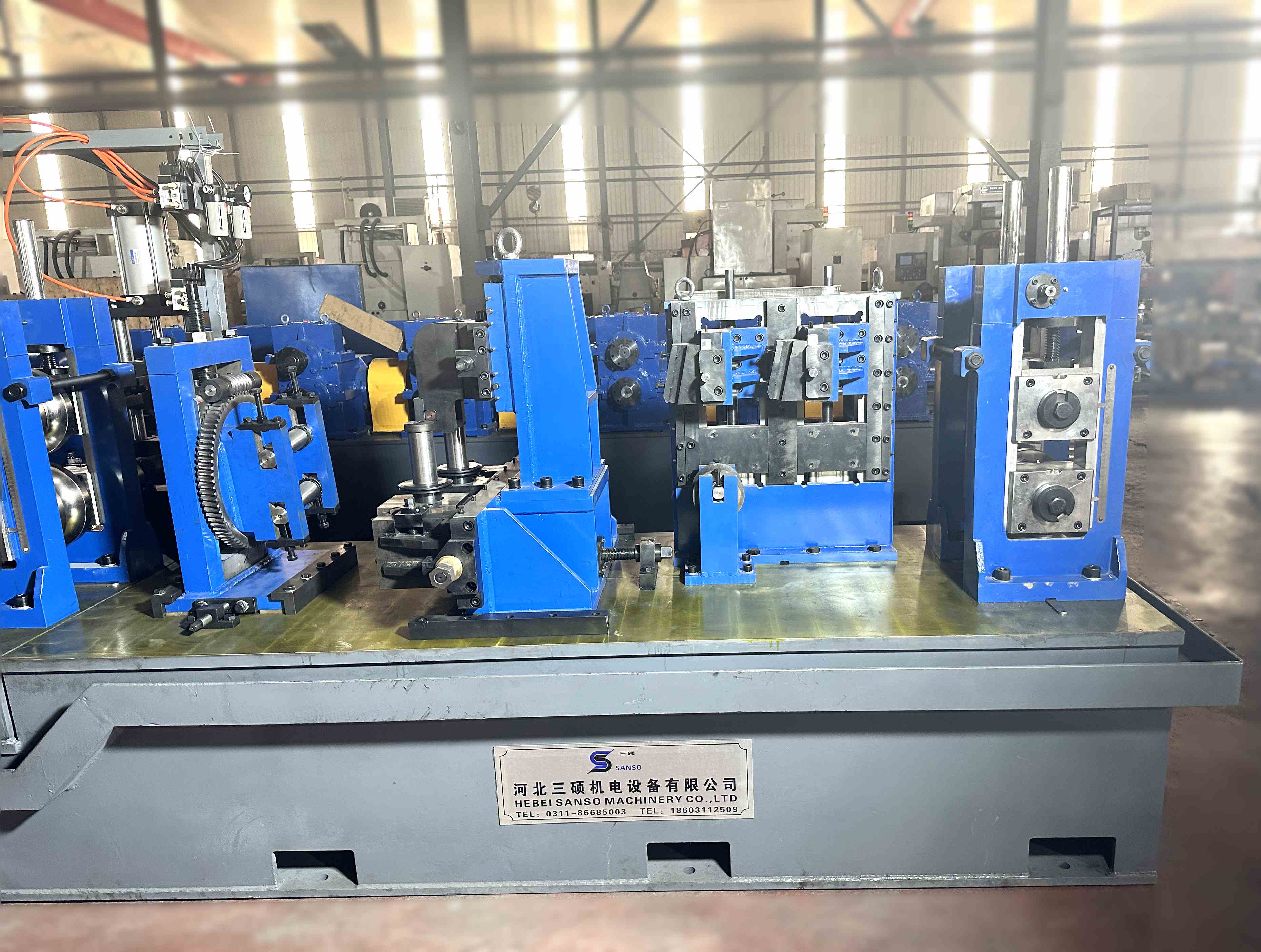
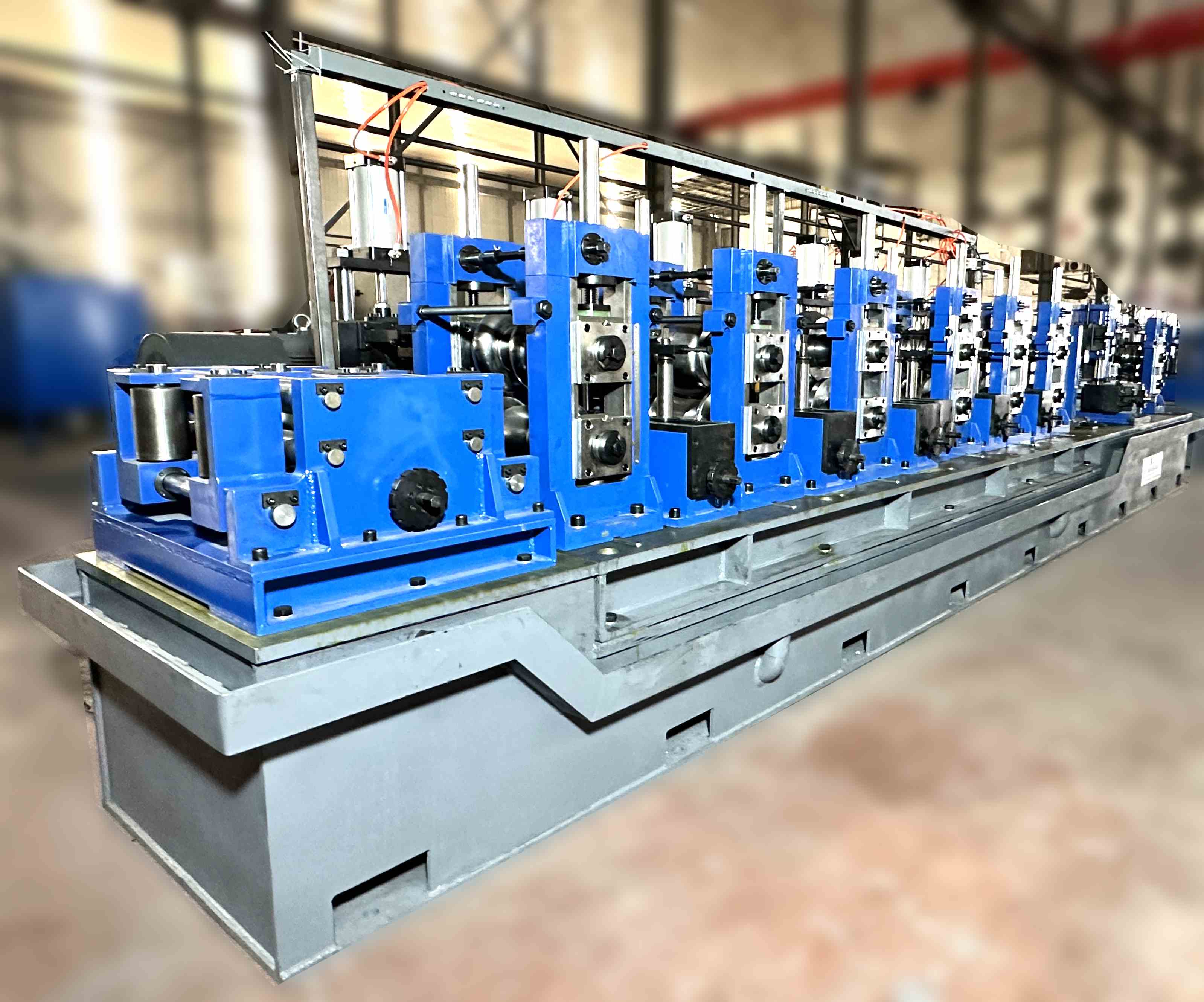
A modern tube mill machine is not a single unit but an
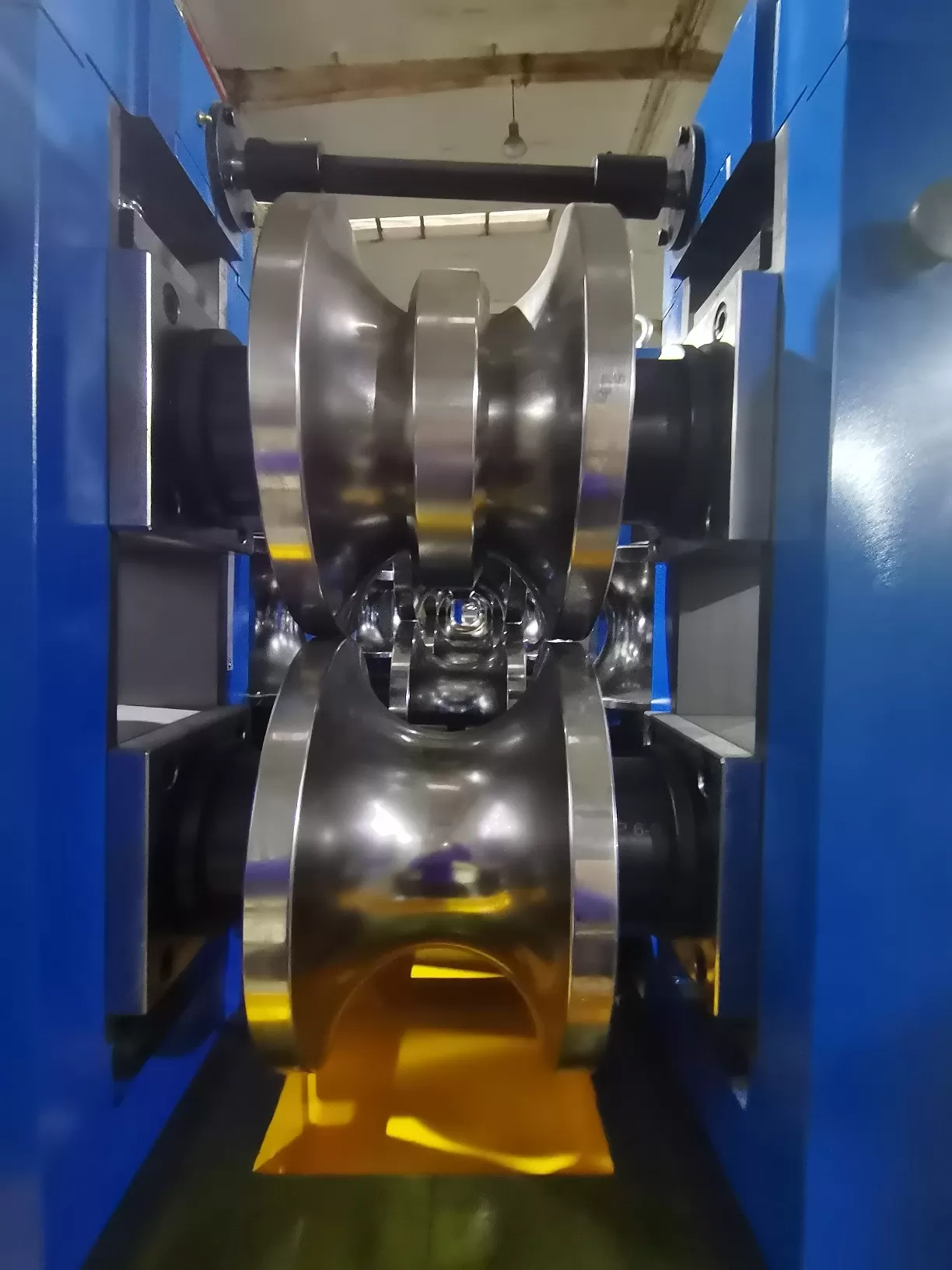
integrated series of stations, each contributing to final product quality. The
interaction between these stations dictates the machine’s ability to handle
varied materials—from low-carbon steel to advanced high-strength steel (AHSS)
and stainless alloys.
1.1 Uncoiling, Strip Preparation, and Edge Conditioning
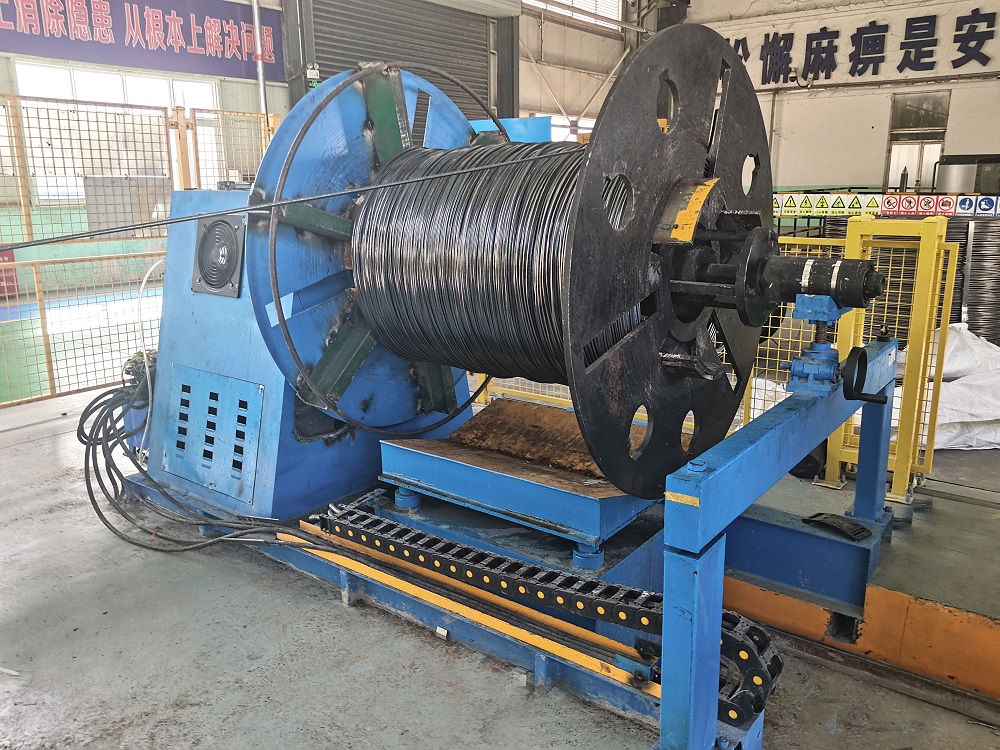
The process begins with dual-mandrel uncoilers designed for continuous
operation. Edge milling units with servo-driven positioning remove work-hardened
edges and ensure a burr-free strip. For ERW (electric resistance welding) lines,
edge geometry directly affects weld integrity; deviations beyond ±0.1 mm result
in weld porosity or incomplete fusion. Modern tube mill machine configurations integrate
laser-based edge detection to automate milling adjustments, reducing scrap
during material transitions by up to 30%.
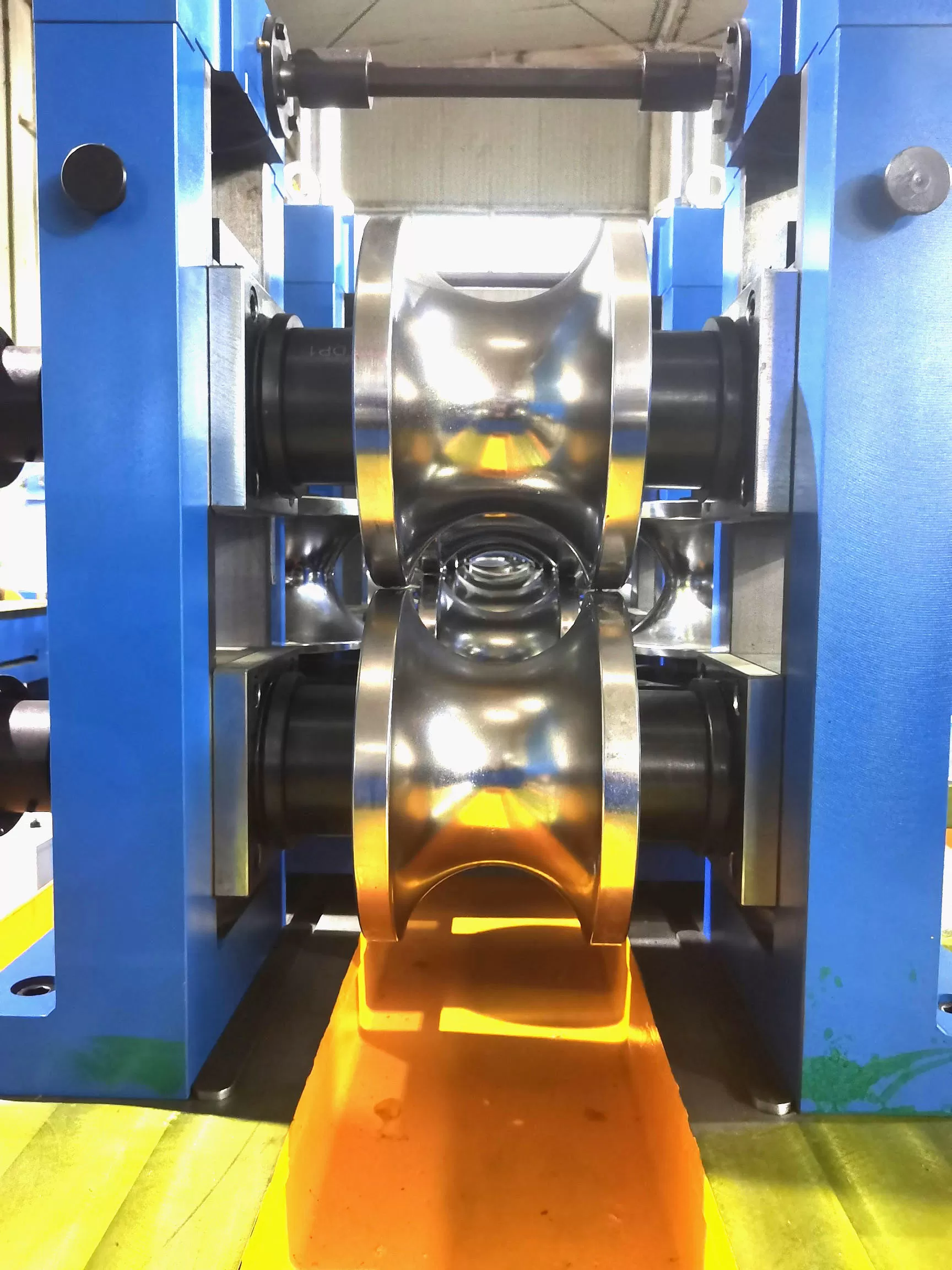
1.2 Forming Section: Roll Pass Design and Material Flow Control
Forming stands apply progressive bending to transform flat strip into an open
seam tube. The challenge lies in managing springback, especially with AHSS
grades like DP600 or CP800. Finite element analysis (FEA) is now standard for
roll tooling design, ensuring that strain distribution remains uniform across
the strip width. Quick-change cassette systems allow full roll set replacement
in under 20 minutes—a critical factor for manufacturers operating just-in-time
(JIT) inventory models. When the forming section is properly engineered, edge
buckling and weld misalignment are virtually eliminated.
1.3 Welding Zone: HF Induction and Contact Technologies
High-frequency welding remains dominant due to its speed and energy
efficiency. However, weld quality depends on precise control of impedance
placement, strip edge temperature, and squeeze pressure. Advanced tube mill machine platforms employ closed-loop weld
temperature monitoring via dual-wavelength pyrometers, coupled with automatic
weld position controllers. Post-weld seam annealing—inline induction or
external—is mandatory for applications requiring high ductility, such as
automotive hydroformed components or heat exchanger tubing.
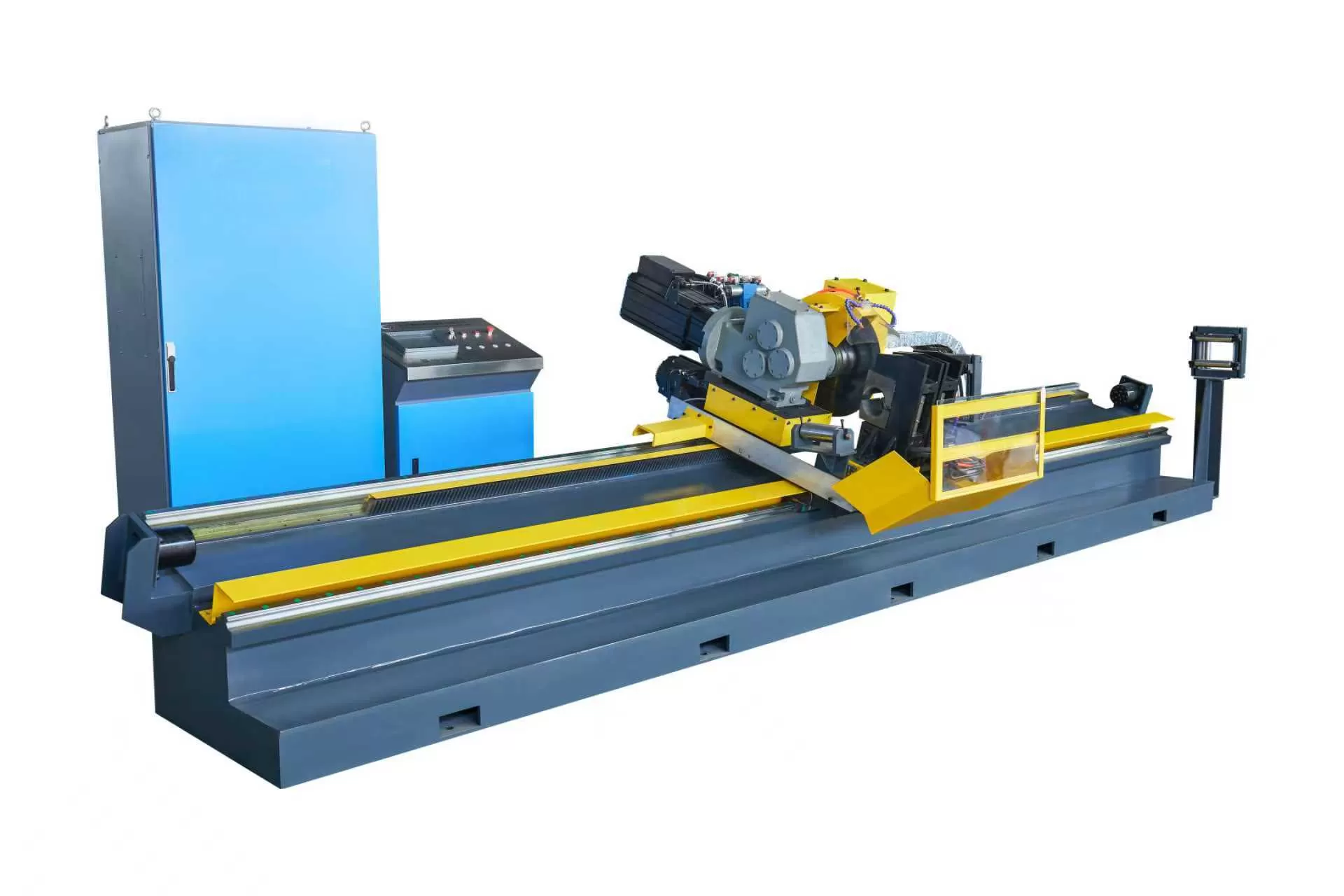
1.4 Sizing, Straightening, and Flying Cut-Off
After welding, the tube passes through sizing stands to achieve final OD
tolerance, typically ±0.2% for structural pipes. Rotary straighteners correct
residual bending stresses, while a servo-driven flying cut-off ensures length
accuracy within ±1.5 mm at line speeds exceeding 120 m/min. The integration of
digital servo drives and high-speed PLC synchronization eliminates the
mechanical backlash common in older mechanical mills.
2. Addressing Chronic Industry Pain Points with Engineered Solutions
Field data from 120 tube mill installations reveal that the most persistent
production losses stem from weld seam defects, dimensional drift, and
unscheduled downtime. Below are the root causes and countermeasures validated in
high-volume operations.
Pain Point: Internal Weld Bead Protrusion
Root
Cause: Inadequate squeeze roll pressure or improper weld roll
geometry.
Solution: Hydraulic servo-controlled squeeze stands with
load cell feedback. By maintaining consistent weld pressure independent of
material thickness variations, the tube mill machine produces a near-flush internal
bead, eliminating secondary scarfing operations in precision applications.
Pain Point: Weld Porosity and Cold Welds
Root
Cause: Inconsistent strip edge condition or variable
impedance.
Solution: Dual-axis seam tracking with ultrasonic weld
monitoring. Real-time feedback adjusts weld power and impedance position,
reducing NDT rejection rates by 45% in API 5L line pipe production.
Pain Point: Chatter Marks and Surface Defects
Root
Cause: Roll bearing wear or misalignment in forming
stands.
Solution: Condition monitoring systems with vibration
sensors and lubrication analytics. Predictive maintenance alerts prevent
unplanned stoppages and maintain surface quality compliant with ASTM A513
specifications.
Pain Point: Excessive Scrap During Coil
Changeover
Root Cause: Manual or poorly synchronized
accumulator control.
Solution: High-ratio accumulators with
tension-controlled dancer arms. Decoupling strip feed from mill speed allows
continuous operation during coil joining, slashing start-up scrap by up to
70%.
3. Application-Driven Configurations: Oil & Gas, Automotive, and
Structural Segments
Market demands dictate specific machine architectures. A tube mill machine designed for line pipe differs
substantially from one intended for automotive precision tubes.
3.1 Oil and Gas: Line Pipe and Casing
API Q1 compliance requires heavy-duty forming stands with rigidity to handle
wall thicknesses up to 16 mm. These machines integrate hydrostatic testing and
automated ultrasonic testing (AUT) stations. For sour service applications, weld
heat input must be tightly controlled to prevent hydrogen-induced cracking
(HIC). SANSO’s configurations in this sector employ adaptive weld power
controllers that adjust frequency based on real-time hardness readings.
3.2 Automotive Precision Tubes
Drive shafts, chassis components, and fuel lines demand diameter tolerances
as tight as ±0.05 mm and flawless surface finish. Here, the tube mill machine incorporates multi-stand Turk’s
head sizing units and in-line eddy current testing. Laser micrometers positioned
after each critical stand provide immediate feedback, enabling corrections
before defective tubing reaches the cut-off station.
3.3 Structural and Mechanical Tubes (HSS, Rectangular)
For hollow structural sections (HSS), achieving squareness and consistent
corner radii is the primary challenge. Mills equipped with high-torque AC drives
and adaptive roll pass designs maintain uniform wall thickness distribution even
during complex shape transitions. SANSO’s engineering approach prioritizes roll
pass optimization to minimize material strain while ensuring consistent
mechanical properties across the section.
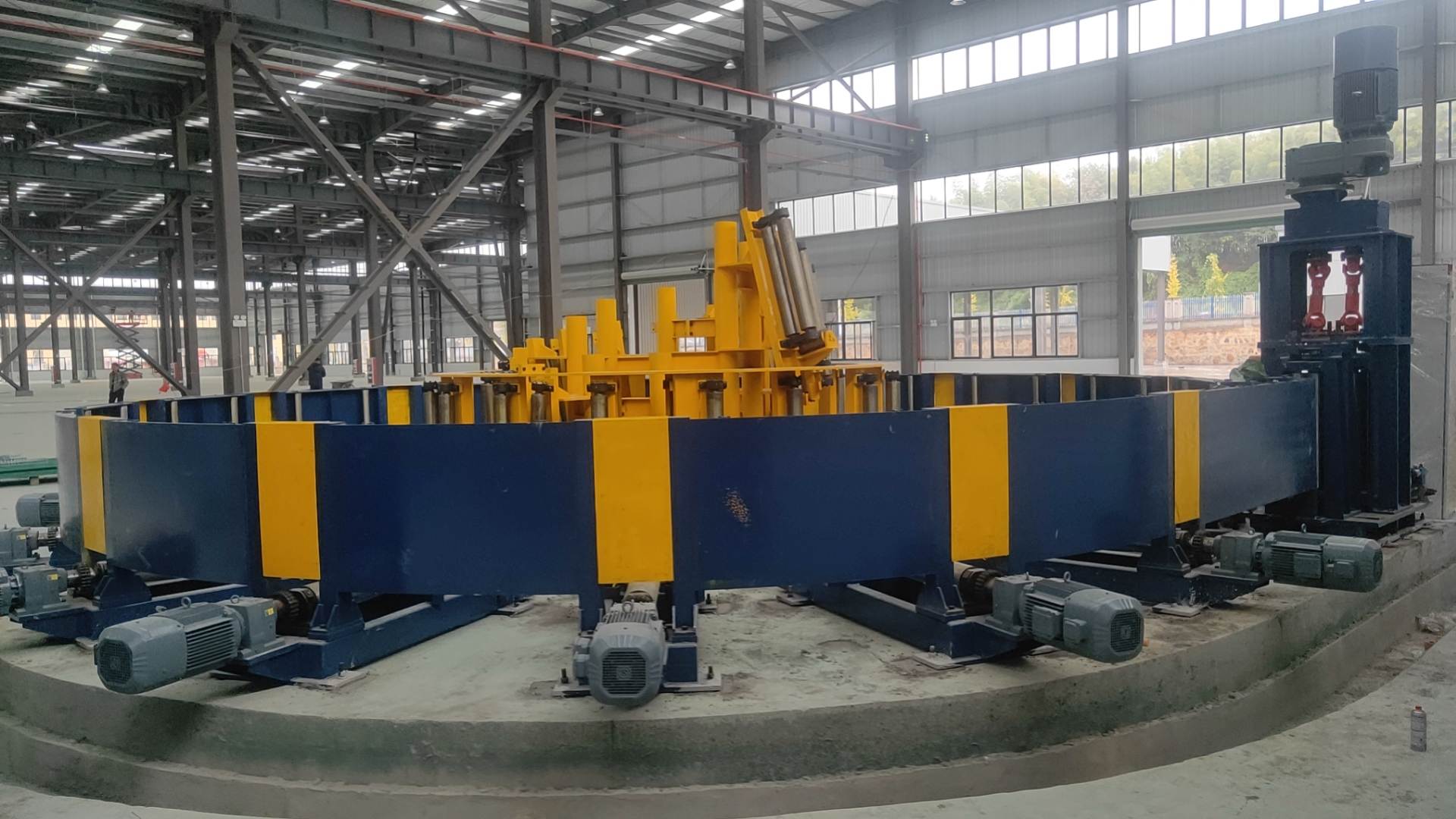
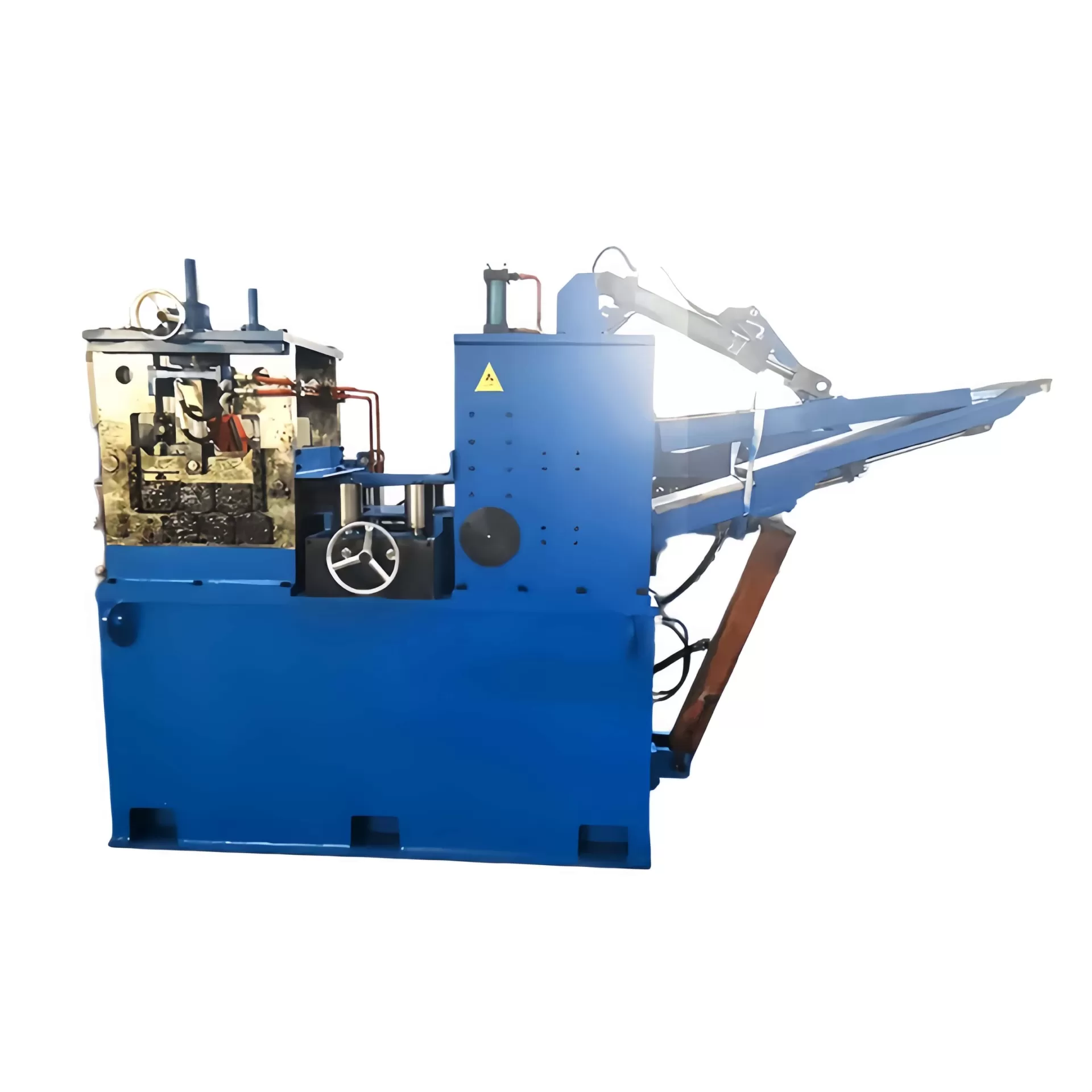
4. The Accumulator’s Role in Maximizing Tube Mill Machine Efficiency
Often underestimated, the accumulator is a strategic component that directly
influences scrap rates, energy consumption, and weld consistency. A properly
integrated accumulator decouples the strip preparation section from the
high-speed forming and welding zones, allowing the mill to operate at a constant
speed regardless of coil changes. SANSO’s accumulator systems utilize vertical
loop designs with servo-driven dancer arms, maintaining constant back tension
even during acceleration and deceleration phases.
Data from recent installations show that mills equipped with high-ratio
accumulators achieve a 22% reduction in energy consumption per ton due to
minimized acceleration cycles. Furthermore, the ability to perform coil end
welding offline eliminates the most common cause of weld defects: speed
variations during the joining process. For 24/7 operations, this translates to
300–400 additional productive hours annually.
5. Industry 4.0 Integration and Predictive Maintenance Strategies
The modern tube mill machine is a data-generating asset.
Leveraging that data transforms maintenance from reactive to predictive,
reducing unplanned downtime by over 50%.
Digital Twins: Virtual replicas of the mill allow operators
to simulate roll changes and parameter adjustments offline, reducing
commissioning time by up to 60%.
Predictive Analytics: Machine learning models analyze motor
torque, vibration spectra, and weld power signatures to forecast roll wear and
bearing failure with 95% accuracy.
Energy Optimization: Regenerative drives capture energy
during deceleration, while optimized forming geometry reduces mechanical power
requirements by 15–20%.
Conclusion: Engineering ROI Through Precision and Reliability
Investing in a tube mill machine is a strategic decision that
affects production agility, quality compliance, and operational costs. By
prioritizing closed-loop process control, robust mechanical design, and
data-driven automation, manufacturers can achieve first-pass yields above 97%
while minimizing waste and energy consumption. SANSO has engineered over 400 integrated lines
globally, delivering systems that adapt to evolving material specifications and
market demands. Each tube mill machine is configured to operate as a
profit center—maximizing uptime, ensuring dimensional consistency, and providing
the flexibility required in today’s competitive landscape.
Frequently Asked Questions (FAQ)
Q1: What are the critical parameters that determine the forming capacity of
a tube mill machine?
A1: Forming capacity is primarily defined by the material yield strength,
wall thickness, and finished tube diameter. Key parameters include the number of
breakdown passes, roll material hardness (typically D2 or PM steel for
high-strength grades), and the rigidity of the forming stand housings. For AHSS
grades, machines must incorporate additional stands to manage springback, and
roll passes must be designed using FEA to prevent edge buckling.
Q2: How does the accumulator system influence weld quality in high-speed
tube mills?
A2: The accumulator allows the forming and welding sections to maintain a
constant line speed independent of the strip feed. Weld heat input per unit
length is directly proportional to line speed; any variation creates
inconsistencies in the heat-affected zone. A high-ratio accumulator eliminates
speed fluctuations during coil joining and acceleration, ensuring stable weld
temperature profiles and reducing porosity risks.
Q3: What real-time monitoring technologies are essential for achieving API
5L compliance?
A3: For API 5L line pipe, essential real-time systems include: (1)
dual-wavelength infrared pyrometers for weld temperature control; (2) automated
ultrasonic testing (AUT) for seam integrity; (3) laser-based OD and wall
thickness gauges positioned after sizing stands; and (4) hydraulic pressure
monitoring on squeeze stands to maintain consistent weld upset. These systems
must be integrated into a centralized PLC with data logging for
traceability.
Q4: What maintenance practices extend the lifespan of roll shafts and
bearings in a tube mill machine?
A4: A predictive maintenance regimen is critical. Key practices include:
weekly vibration analysis on all main drive bearings;
quarterly laser alignment of the entire pass line (from entry
guide to cut-off); and lubrication interval monitoring using
oil analysis for particle count and water content. Bearings in high-load forming
stands typically require replacement after 8,000–12,000 production hours, but
condition-based monitoring can extend this by 30%.
Q5: Can a single tube mill machine efficiently produce both round and
rectangular profiles without major re-tooling?
A5: Yes, with the integration of a turks-head (sizing) section after the
round-to-shape conversion. For diameter ranges from 20 mm to 150 mm, universal
breakdown sections with adjustable side rolls enable changeover between round
and rectangular profiles. However, to maintain efficiency and tooling life, many
manufacturers dedicate specific lines to either round or shape production when
volumes exceed 10,000 tons per year per profile family. Quick-change cassette
systems reduce changeover time to under 90 minutes.
Q6: How does the choice of welding technology (HF contact vs. induction)
affect tube mill machine configuration?
A6: HF contact welding uses sliding contacts that directly energize the strip
edges; it offers higher efficiency for smaller diameters and thicker walls but
requires precise impedance setup. Induction welding uses a coil that surrounds
the tube, providing cleaner operation and easier setup for larger diameters.
Induction systems require additional floor space for the coil and cooling
systems. The choice influences mill layout, power supply sizing, and the
complexity of the weld control system.