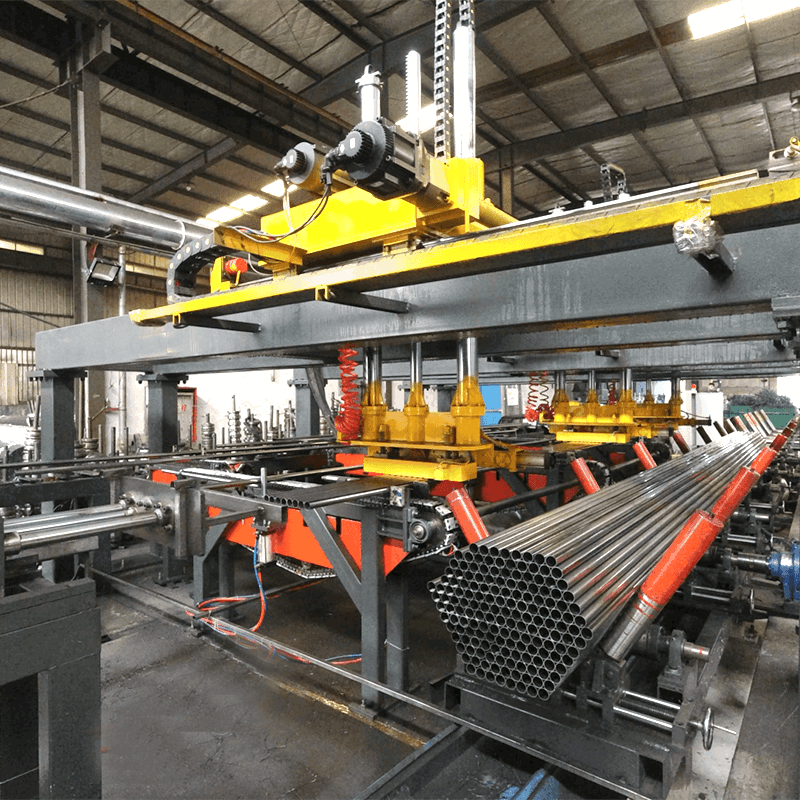
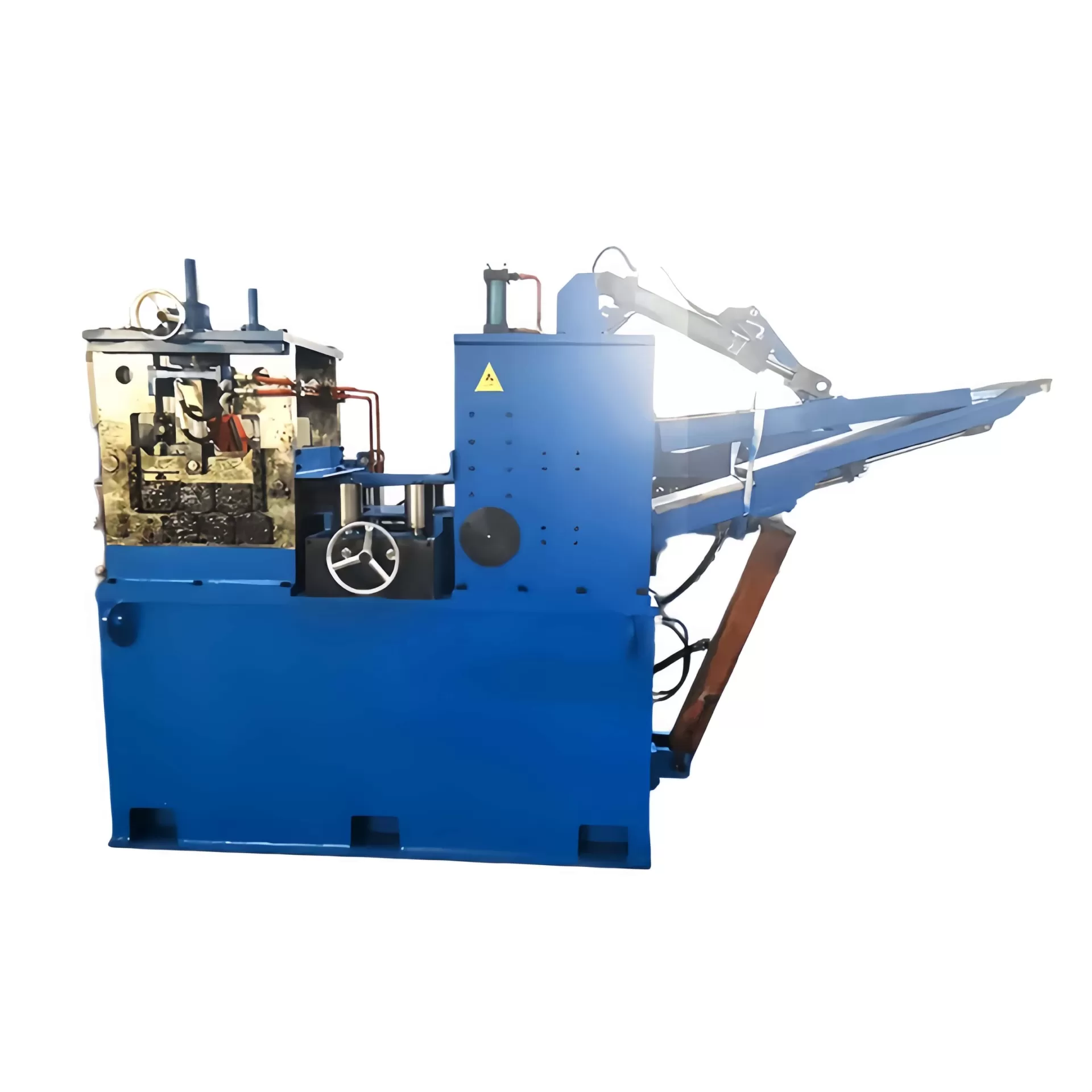
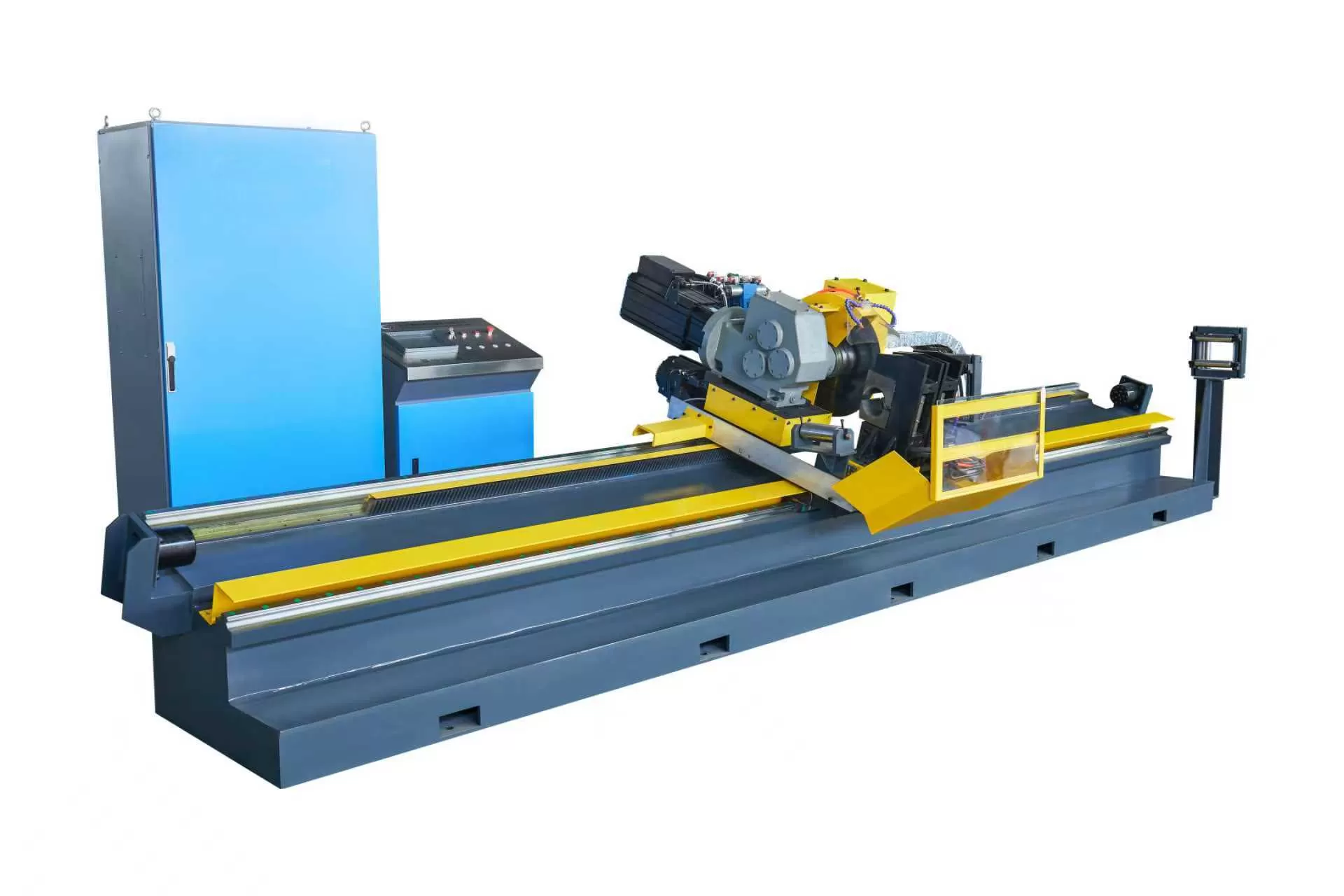
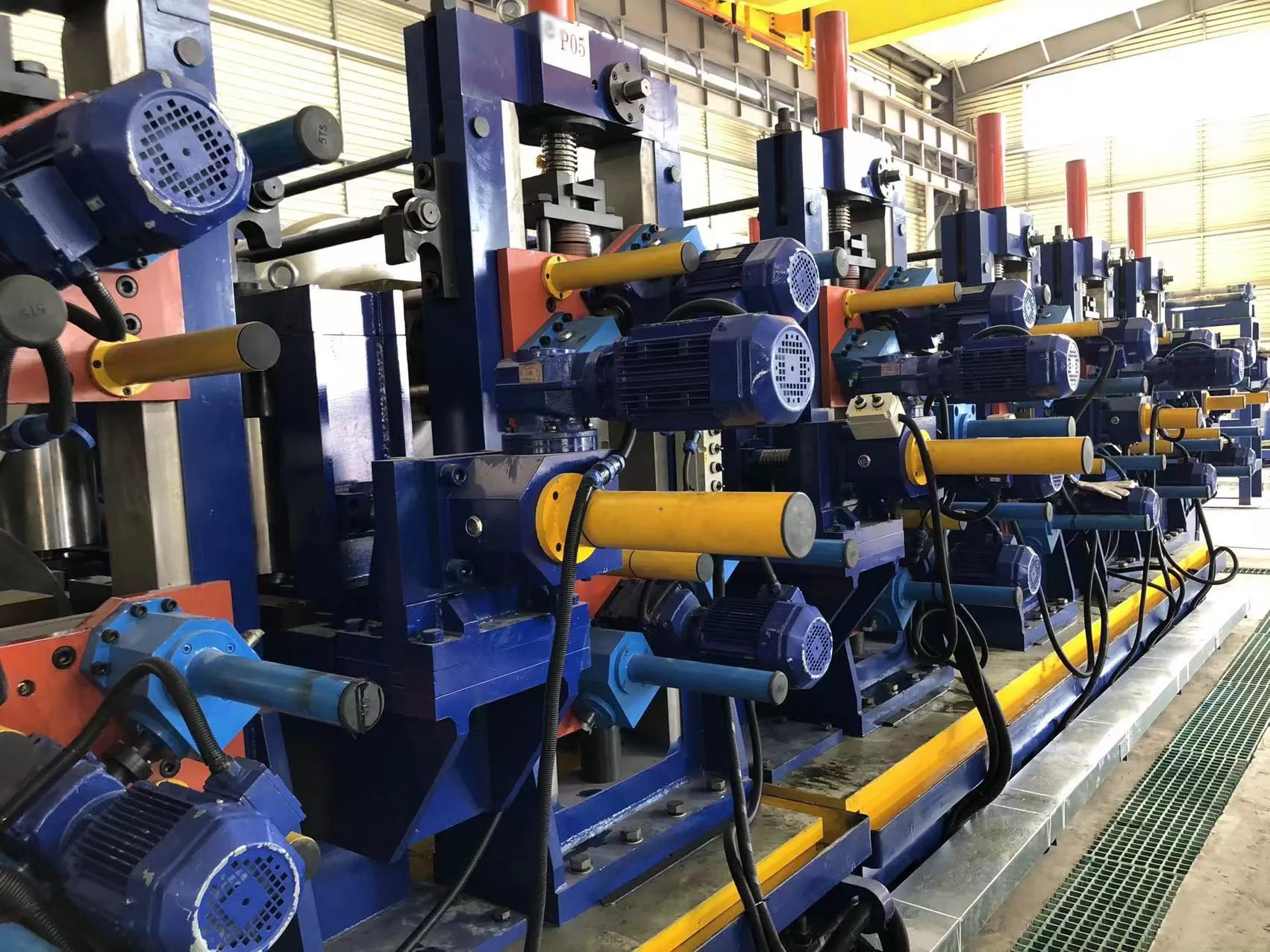
In the landscape of industrial manufacturing, the production of welded tubing has evolved from a simple forming process into a highly sophisticated discipline governed by material science, automation precision, and strict quality assurance protocols. For manufacturers seeking to supply sectors such as automotive structural components, hydraulic systems, aerospace frameworks, or high-pressure boiler applications, the performance of the mill tube equipment is not merely a production factor—it is the definitive variable determining product viability, cost efficiency, and market reputation.
This article provides a technical examination of modern welded tube production lines, focusing on the critical interplay between roll forming geometry, high-frequency induction welding parameters, and inline quality control systems. Drawing from decades of field data and metallurgical principles, we will analyze the operational challenges that plague conventional systems and outline the engineering solutions that define industry-leading throughput and yield rates.
1. The Metallurgical and Mechanical Demands on Modern Mill Tube Systems
The global demand for welded precision tubes is projected to exceed 50 million metric tons annually by 2027, driven by lightweighting initiatives in automotive and renewable energy infrastructure. However, the real metric of success lies not in volume but in the ability to maintain dimensional tolerances within ±0.05mm and achieve consistent weld zone properties that match or exceed the base metal strength. A high-performance mill tube line must integrate several core technologies:
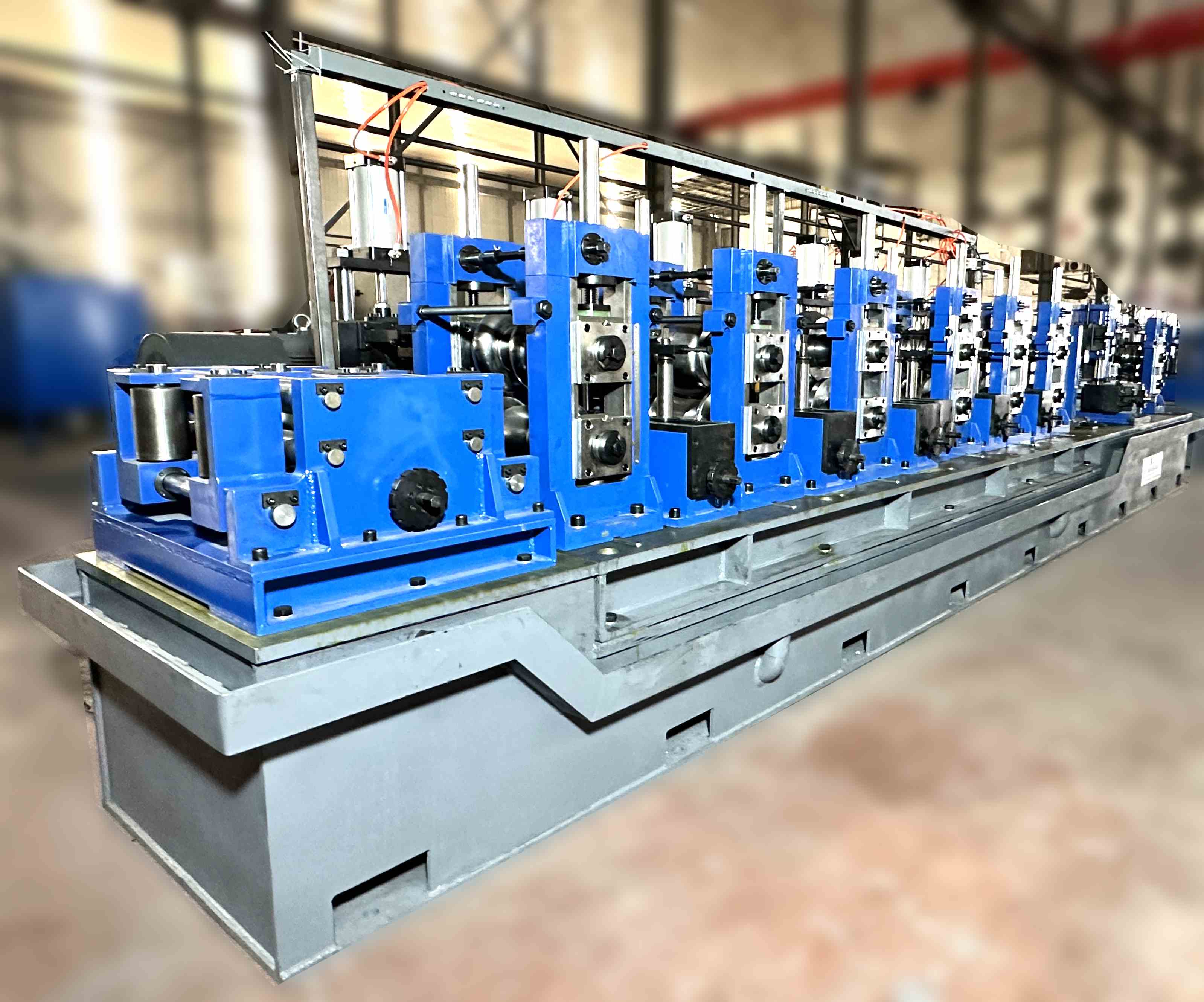
Roll Forming Stations: Precision-ground roller tooling with progressive forming angles to minimize residual stress and edge buckling.
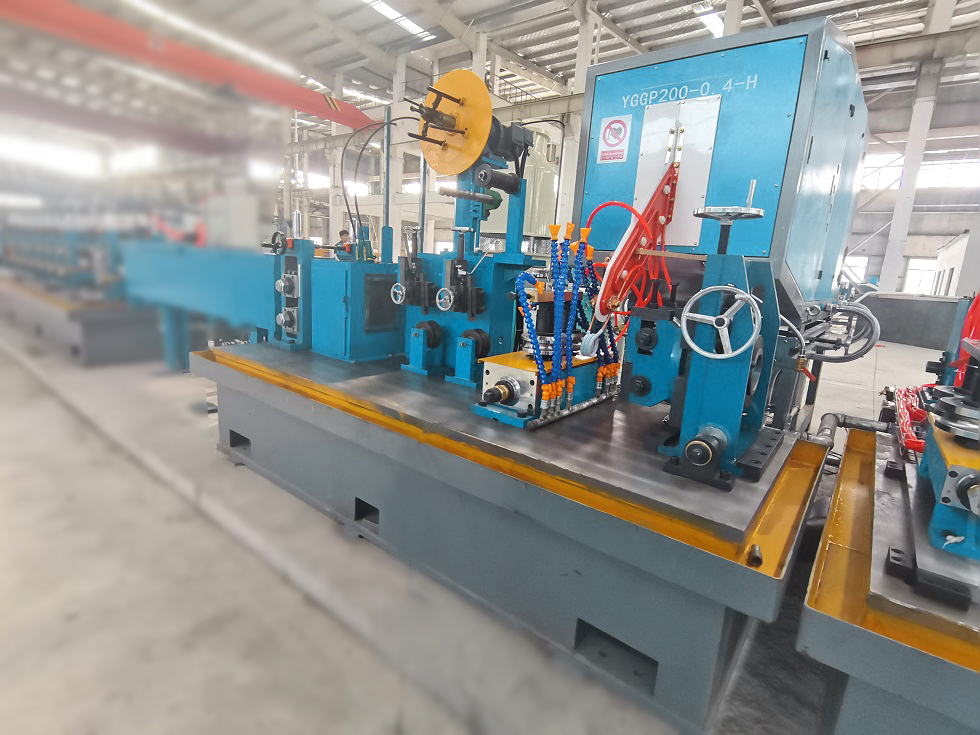
High-Frequency Induction Welding (HFIW): Solid-state power supplies delivering 200–800 kW with closed-loop impedance control.
Weld Seam Normalization: Inline heat treatment systems to refine the martensitic structure in high-carbon steels.
Ultrasonic and Eddy Current Testing: Non-destructive evaluation (NDE) stations operating at sampling rates above 10 kHz for real-time flaw detection.
For manufacturers sourcing such lines, the technical specification must go beyond line speed. Parameters such as forming station rigidity (measured in kN/mm), weld box stability, and data acquisition granularity directly correlate with first-pass yield—a key financial metric where top-tier systems achieve 97-98% compared to industry averages of 90-92%.
2. Technical Deep Dive: From Coil to Precision Tube
Understanding the process chain allows manufacturing engineers to pinpoint inefficiencies. A modern mill tube operation follows a tightly controlled sequence, each step presenting distinct challenges that require targeted engineering.
2.1 Uncoiling and Strip Preparation
Surface defects or edge burrs are the primary initiators of weld line defects. Advanced lines incorporate edge milling units with carbide cutters capable of maintaining a 0.1mm edge squareness tolerance. Furthermore, strip guiding systems using laser edge sensors with ±0.2mm accuracy prevent meandering through the forming section.
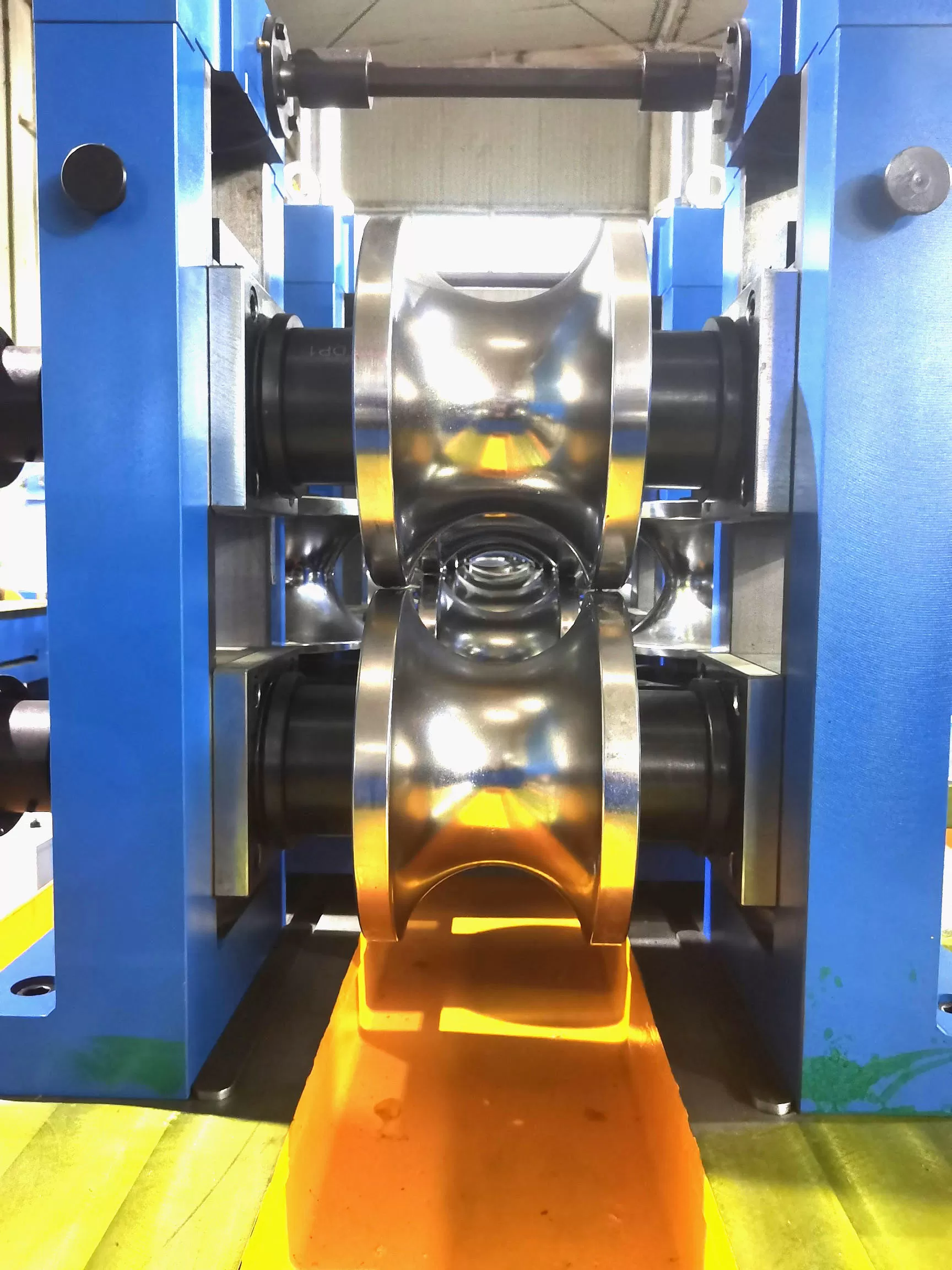
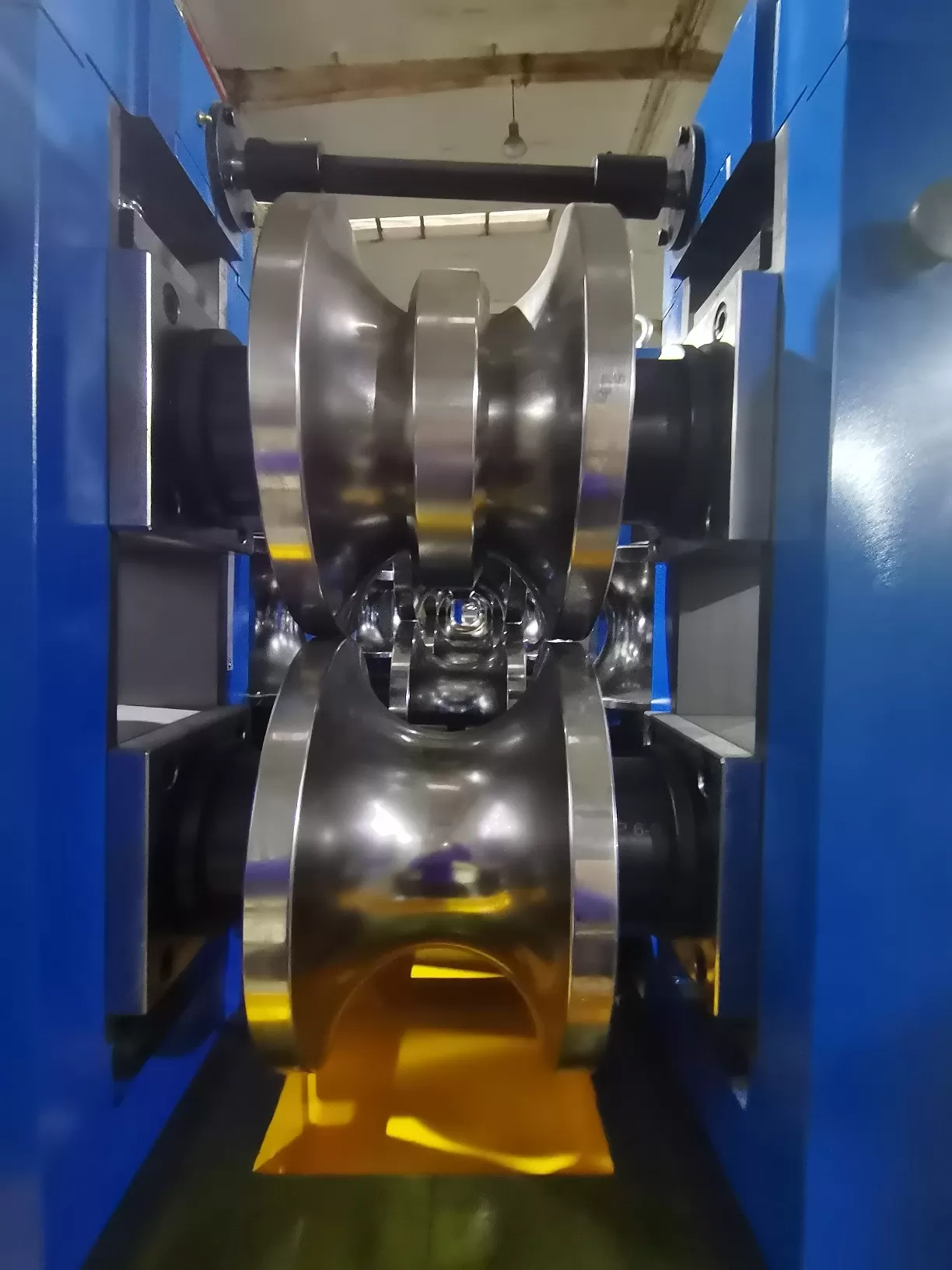
2.2 Forming Section: The Science of Roll Tooling
The forming section is where the flat strip transitions into an open tube. The common pitfall here is uneven deformation leading to “welding fin” inconsistencies. Leading manufacturers like SANSO utilize finite element analysis (FEA) to design roller stations that distribute strain evenly. Key design principles include:
Employing a “W” forming method for thin-walled tubes to prevent edge stretch.
Utilizing turk’s head stands with independent vertical/horizontal adjustment to control springback in high-strength steels.
Implementing quick-change cassette systems to reduce changeover time from hours to under 45 minutes.
2.3 Welding Zone Dynamics
High-frequency welding (100-400 kHz) relies on precise convergence of the strip edges. The weld V-angle, typically maintained at 4-7 degrees, and the impedance position are critical. Advanced lines use servo-controlled weld boxes that automatically adjust based on wall thickness variations. For high-OD (outer diameter) tubes, the integration of a forging stand post-weld is essential to consolidate the weld structure and eliminate porosity.
2.4 Sizing and Straightening
After welding and scarfing, the tube undergoes sizing through a series of roller stands to achieve final dimensions. Modern lines employ turks-head straighteners with multi-axis adjustments to correct camber and bow. The precision here determines the tube’s suitability for downstream processes like CNC bending or hydroforming.
3. Solving Critical Industry Pain Points with Data-Driven Engineering
Through field service data collected from over 200 production lines globally, three recurring failure modes consistently impact profitability. Addressing these requires not just component upgrades but a holistic system approach.
Pain Point 1: Inconsistent Weld Penetration and Cold Welds
Root Cause analysis often points to variable impedance or unstable coil-to-coil material properties. The solution lies in adaptive welding controls. Systems equipped with real-time weld temperature monitoring (pyrometers) and closed-loop power modulation can maintain fusion line consistency even with 5-7% variation in incoming material tensile strength. For instance, integrating a high-frequency welder with PLC feedback that adjusts power output every 2 milliseconds reduces scrap rates in the welding section by 1.8-2.5%.
Pain Point 2: High Roll Tooling Wear and Maintenance Costs
Conventional D2 steel rollers typically require re-profiling after 800-1000 hours of production. However, for mills processing advanced high-strength steels (AHSS) with tensile strengths above 780 MPa, tooling life reduces drastically. A cost-effective strategy is the implementation of tungsten carbide (WC) roll rings on critical stands. While initial investment is 30% higher, the total cost of ownership decreases by 40% over three years due to reduced downtime and extended regrinding intervals. SANSO integrates such metallurgical insights into their tooling packages, offering customers wear-resistant solutions tailored to specific material portfolios.
Pain Point 3: Inefficient Changeovers on Multi-Size Lines
In job-shop environments, changeover time is a direct cost. Traditional lines require manual adjustment of 20-30 stands, averaging 3-4 hours. Modern lines with servo-electric adjustment, centralized lubrication systems, and pre-programmed recipe storage can reduce changeover to under 45 minutes. This agility allows manufacturers to economically run smaller batches (500-1000 meters) without sacrificing margin, directly responding to just-in-time inventory demands.
4. The Role of Industry 4.0 in Mill Tube Manufacturing
Data is the new currency in metal forming. A contemporary mill tube line is a network of sensors, actuators, and predictive algorithms. The integration of an MES (Manufacturing Execution System) with the mill’s PLC enables:
Predictive maintenance alerts based on vibration analysis and motor load trends.
100% traceability linking each tube batch to coil heat number, weld parameters, and NDE results.
AI-driven wall thickness prediction, adjusting roll gaps proactively to compensate for incoming strip thickness variations.
These capabilities not only reduce scrap but also allow manufacturers to certify their products for critical applications like automotive airbag inflators or structural chassis components, where certification requires statistical process control (SPC) data for every production lot.
5. Application-Specific Design Considerations
Different end-use markets impose unique requirements on tube geometry and material properties. A generic mill tube line cannot serve all sectors equally. Therefore, the line configuration must be aligned with target applications:
Automotive (Chassis & EV Battery Trays): Requires high-strength steel (HSS) forming capabilities, tight twist tolerance (
<0.5mm>Hydraulic & Pneumatic Cylinders: Demands cold-drawn or honed tube quality. The mill must incorporate heavy-duty sizing stands with high rigidity to achieve internal surface roughness (Ra) below 0.8μm directly from the mill, eliminating secondary finishing.
Structural Tubing (ASTM A500 / EN 10219): Focuses on corner radius consistency and uniform wall distribution. This requires a forming section with significant reduction forces and a sizing section designed to manage the springback of structural steel.
6. Future-Proofing Your Production Line: Investment Considerations
Capital equipment decisions in this sector have a 15-20 year horizon. When evaluating a new line or upgrading existing assets, technical leaders should prioritize modularity and energy efficiency. High-efficiency AC motors with regenerative drives, for instance, can reduce energy consumption per ton by 18-22%. Additionally, the ability to integrate future technologies—such as laser welding modules for dissimilar metals or inline coating systems—depends on the mill’s structural capacity and control architecture.
Leading engineering firms like SANSO provide turnkey solutions that address these long-term factors, offering not only the mechanical hardware but also the digital infrastructure to support evolving manufacturing standards. Their approach to the mill tube ecosystem emphasizes process transparency and scalable automation.
Precision, Consistency, and Total Cost of Ownership
The selection and optimization of a welded tube production line is a strategic decision that influences operational efficiency for decades. The market no longer accepts a simple trade-off between speed and quality; modern manufacturing demands both, supported by intelligent automation and robust mechanical engineering. By focusing on the critical factors of forming precision, weld zone integrity, and data-driven process control, manufacturers can achieve the holy grail of high yield, low downtime, and superior product performance.
Investing in a purpose-built system, designed with the specific material portfolio and end-application in mind, transforms the mill tube line from a cost center into a competitive advantage.
Frequently Asked Questions (FAQs)
Q1: What is the typical lifespan of high-frequency welding rolls in a mill tube line, and how can it be extended?
A1: The lifespan varies significantly based on material and maintenance. For mild steel applications, D2 steel rolls may last 800-1,200 production hours before requiring regrinding. For advanced high-strength steels (AHSS), using tungsten carbide (WC) coated or solid carbide rolls extends life to 2,500+ hours. Regular lubrication, proper roll gap alignment (checked via laser alignment systems), and adherence to recommended forming radii are critical for maximizing roll life.
Q2: How does the choice of welding frequency (HF vs. solid-state) affect weld quality and energy consumption?
A2: Solid-state high-frequency welders (operating at 200-400 kHz) provide superior power control, faster response to material variations, and typically 8-12% better energy efficiency compared to older vacuum tube-based systems. The higher frequency also concentrates heat more precisely at the weld edges, reducing the heat-affected zone (HAZ) and preserving the mechanical properties of the base metal, which is crucial for subsequent cold-forming operations.
Q3: What are the key parameters to monitor during the sizing section to ensure dimensional accuracy?
A3: Key parameters include: (1) inter-stand tension, which should be maintained within ±2% of setpoint to avoid wall thinning; (2) roll force distribution across the turks-head stands to prevent ovality; (3) real-time OD (outside diameter) measurement using laser micrometers with feedback to the last sizing stands. A well-tuned sizing section should achieve a Cpk (process capability index) of 1.33 or higher for OD and wall thickness.
Q4: Can a standard mill tube line be retrofitted to handle aluminum tube production?
A4: While possible, it is complex. Aluminum requires different roll materials (usually tool steel with specialized coatings to prevent galling), a different welding system (typically tungsten inert gas (TIG) or laser due to aluminum’s high thermal conductivity and oxide layer), and lower line speeds. Additionally, the forming section may require redesign to accommodate aluminum’s lower modulus of elasticity and higher springback. A dedicated aluminum line is often more cost-effective in the long run.
Q5: What specific Industry 4.0 features should I prioritize when investing in a new mill tube line?
A5: Prioritize: (1) a unified PLC/HMI architecture with open protocol (OPC-UA) for seamless data integration; (2) vibration monitoring sensors on all critical rolling stands and the weld box for predictive maintenance; (3) digital recipe management that automatically sets all roll positions and welding parameters for specific tube sizes; and (4) a comprehensive data logging system that links coil data, process parameters, and final tube inspection results into a single traceable record, which is essential for ISO 9001 and automotive (IATF 16949) certifications.
For more detailed specifications on high-performance tube forming systems and roller tooling, visit SANSO to explore solutions engineered for precision manufacturing.