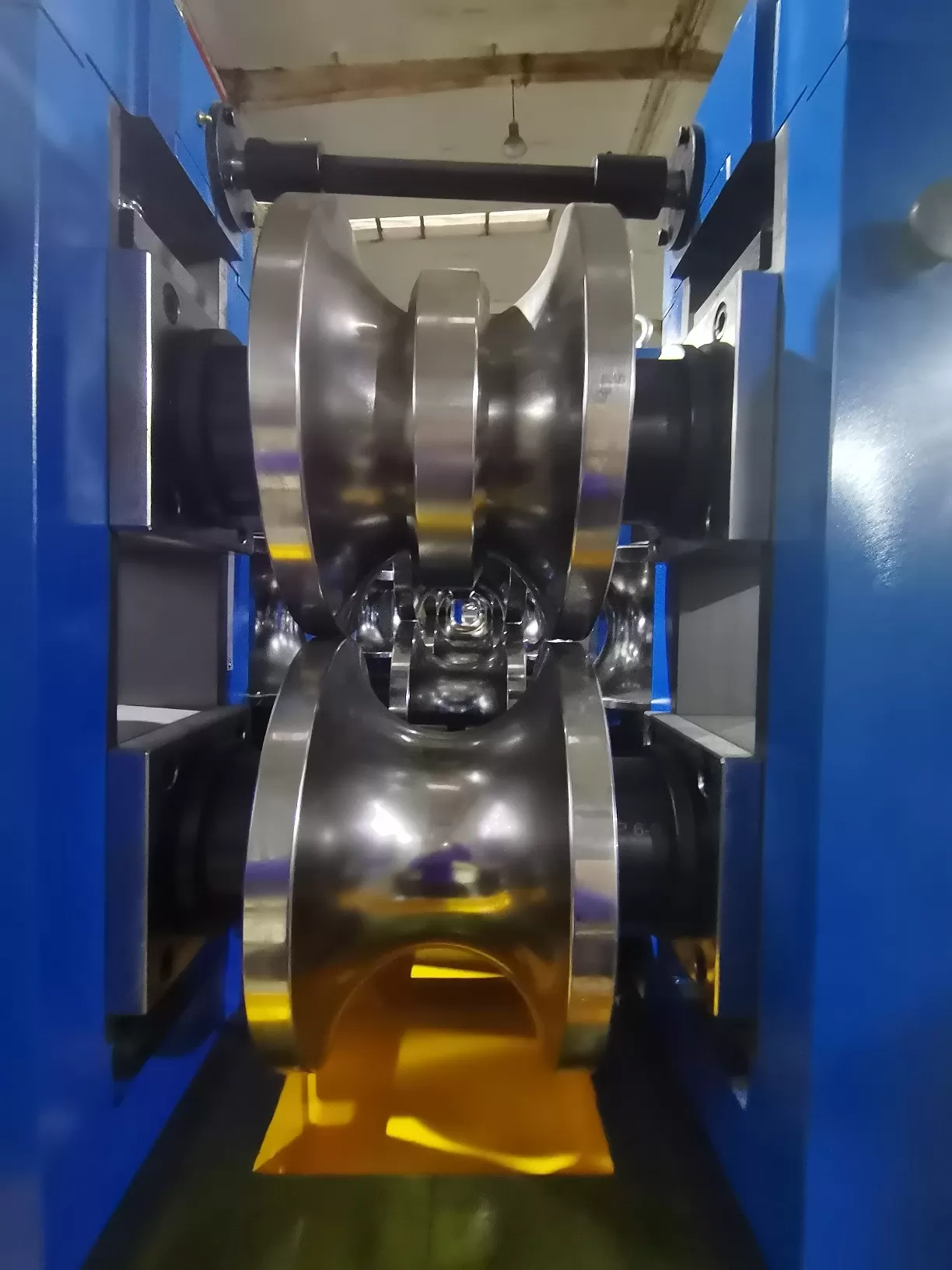
Tube inspection eddy current is a vital non-destructive testing method in the welded tube manufacturing industry. It helps detect flaws and ensure product integrity. Companies like SANSO provide advanced systems for this purpose.
This technique is widely used in tube mills to maintain high standards. It aligns with international requirements for safety and performance.
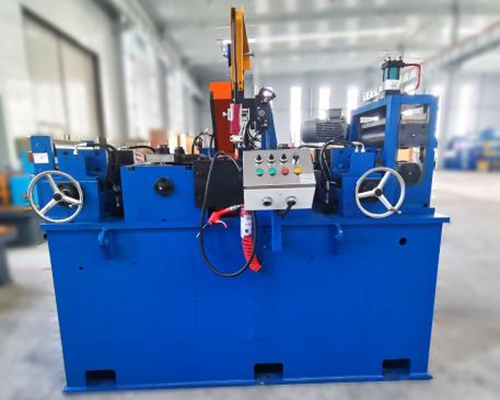
Understanding Eddy Current Testing for Tubes
Eddy current testing uses electromagnetic induction to inspect conductive materials. In tube inspection eddy current, a coil generates a magnetic field around the tube.
This induces circular currents, called eddy currents, in the tube wall. Changes in material properties affect these currents.
Basic Principles of Operation
The system measures variations in the eddy currents. These variations indicate defects such as cracks or corrosion.
Key factors include frequency, coil design, and material conductivity. Proper setup is crucial for accurate results.
Essential Components in Systems
A typical tube inspection eddy current system includes:
Modern systems often integrate with automation for efficiency. SANSO offers reliable components for seamless operation.
Applications in Welded Tube Manufacturing
In welded tube production, tube inspection eddy current plays a key role. It ensures that tubes meet quality specifications before shipment.
This method is applied at various stages, from raw material to final product. It helps reduce waste and improve reliability.
Detecting Weld Defects
Welds are prone to issues like lack of fusion or porosity. Eddy current testing identifies these defects quickly.
It scans the weld seam without damaging the tube. This is critical for high-pressure applications in industries.
Monitoring Dimensional Accuracy
Tube inspection eddy current can assess wall thickness and diameter. Variations might indicate manufacturing errors.
Consistent dimensions are essential for fitting and performance. Regular inspection maintains product uniformity.
Benefits of Eddy Current Inspection
Using tube inspection eddy current offers several advantages. It is a preferred method in tube milling due to its efficiency.
Non-Destructive Nature
This technique does not harm the tube being tested. It allows for 100% inspection without scrapping products.
It saves time and resources compared to destructive methods. Quality checks become more sustainable.
High-Speed Testing Capabilities
Eddy current systems can inspect tubes at production line speeds. This minimizes downtime in manufacturing.
Real-time data enables immediate corrective actions. It supports continuous improvement in processes.
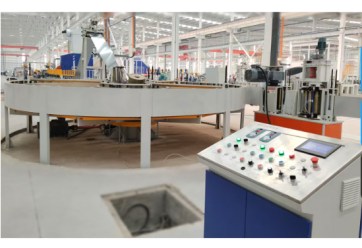
Implementing Eddy Current Systems in Tube Mills
Integrating tube inspection eddy current requires careful planning. It involves technical and operational considerations.
Integration with Tube Milling Machines
Systems are often mounted inline with tube mills. They synchronize with cutting and finishing stages.
Proper alignment ensures accurate defect detection. SANSO's solutions are designed for easy integration.
Calibration and Compliance with Standards
Regular calibration maintains system accuracy. Standards like ISO or ASTM provide guidelines for tube inspection eddy current.
Adherence to these standards ensures global acceptance. It builds trust with customers and regulators.
Future Trends in Tube Inspection
Advancements in technology are shaping tube inspection eddy current. Digitalization and AI enhance data analysis.
These trends lead to smarter, more reliable inspection methods. They help manufacturers stay competitive.
In summary, tube inspection eddy current is essential for quality control in welded tube manufacturing. It detects defects and ensures compliance efficiently.
Brands like SANSO contribute by offering robust systems. As technology evolves, this method will remain a cornerstone in the industry.
Frequently Asked Questions (FAQ)
Q1: What is tube inspection eddy current used for?
A1: Tube inspection eddy current is used to detect flaws like cracks or corrosion in conductive tubes. It is common in welded tube manufacturing for quality assurance.
Q2: How does eddy current testing work on tubes?
A2: It uses electromagnetic induction. A coil generates eddy currents in the tube wall, and changes in these currents reveal defects without damaging the tube.
Q3: What are the main advantages of this method?
A3: Key advantages include non-destructive testing, high speed, and real-time results. It helps reduce waste and improve safety in tube production.
Q4: Can eddy current inspection be automated?
A4: Yes, it is often automated and integrated into tube milling lines. Systems from providers like SANSO support automation for consistent inspections.
Q5: What standards apply to tube inspection eddy current?
A5: International standards such as ISO 15549 or ASTM E309 provide guidelines. Compliance ensures reliable and accepted inspection outcomes.