In the world of welded tube and pipe production, efficiency and precision are vital. A steel coil slitter plays a critical role in processing raw materials into usable strips. This machine helps manufacturers streamline operations and reduce waste. Brands like SANSO offer reliable solutions in this field.
This article explores the steel coil slitter in detail. We will cover its functions, types, and applications. You will gain insights into selecting and maintaining this equipment for optimal performance.
What is a Steel Coil Slitter?
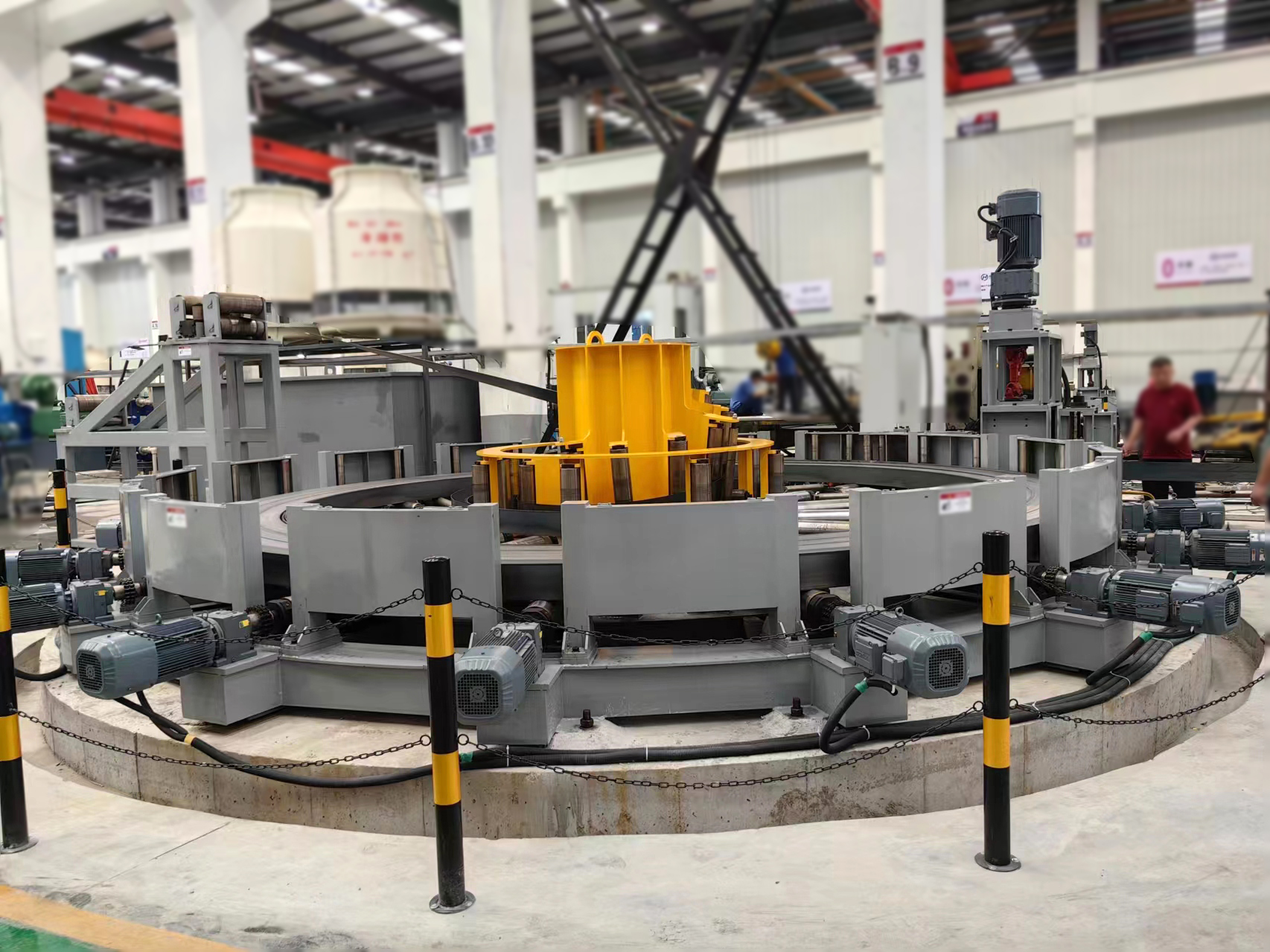
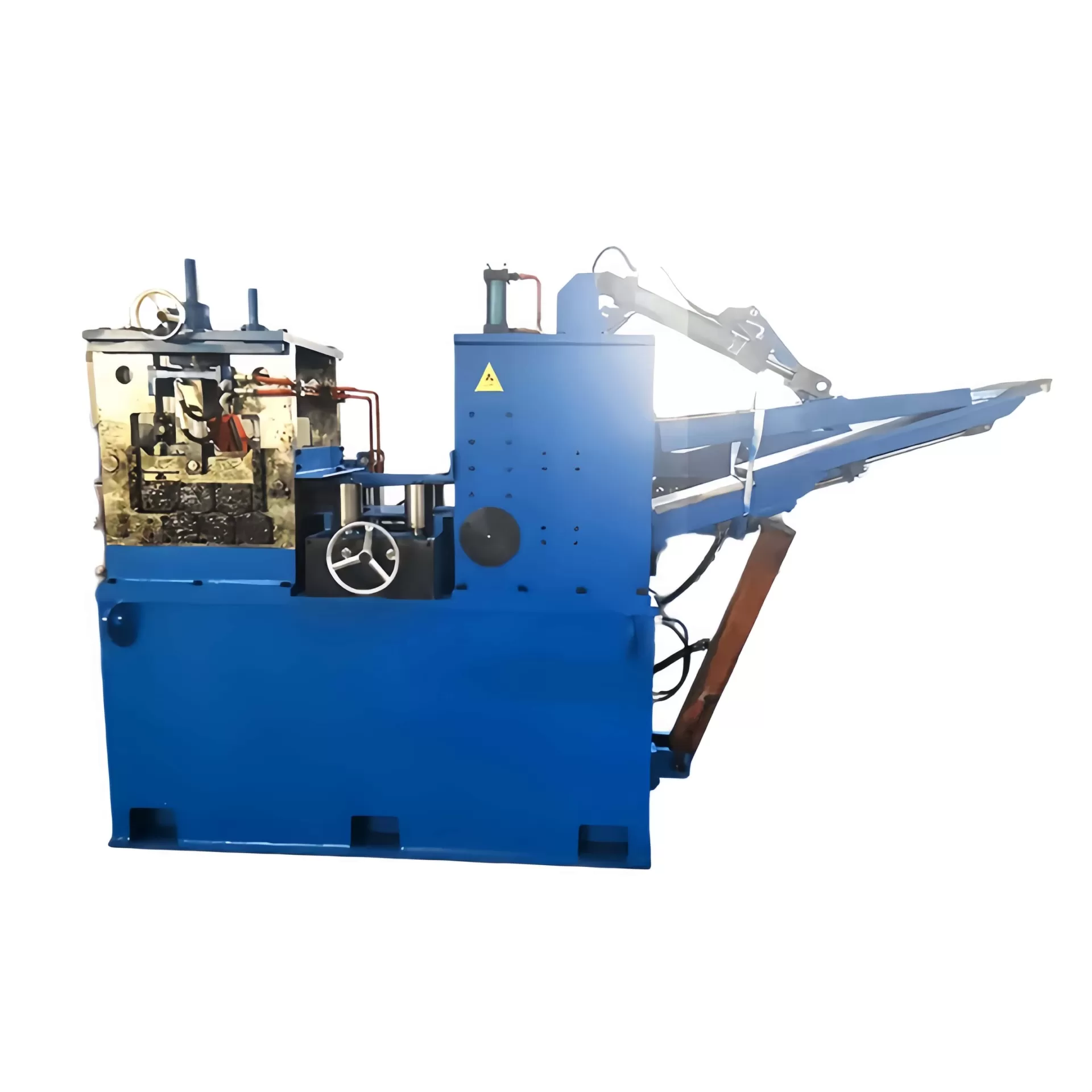
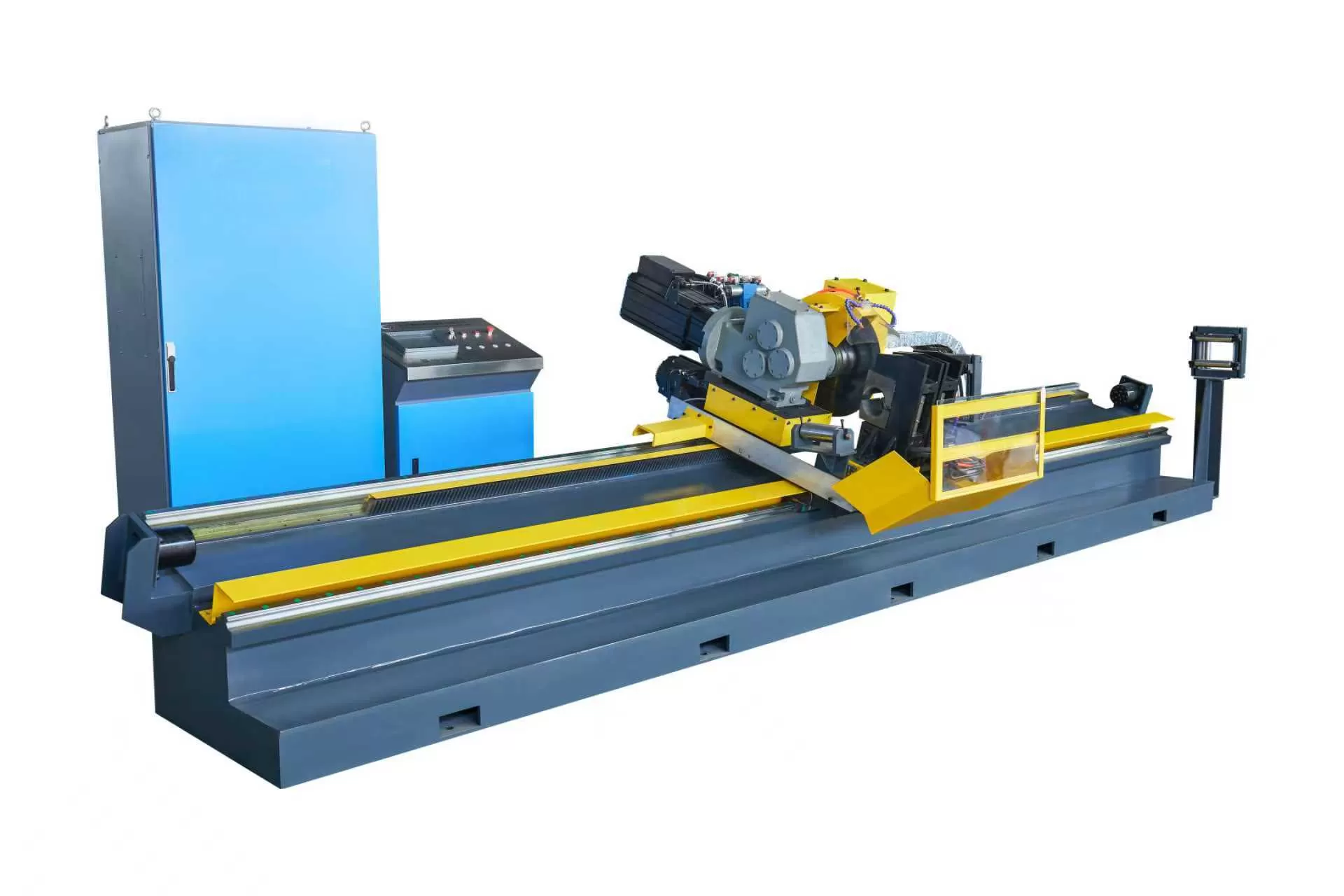
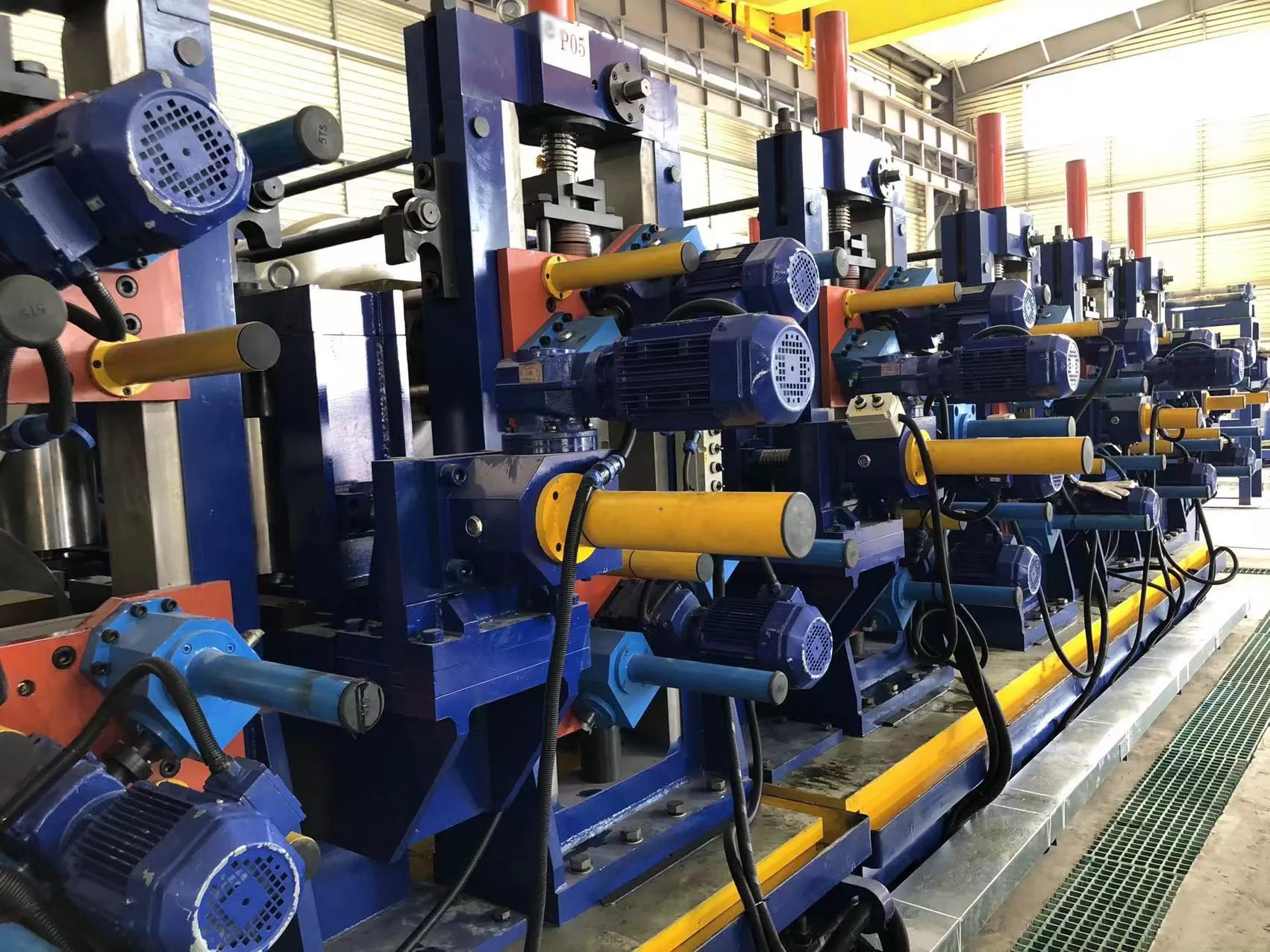
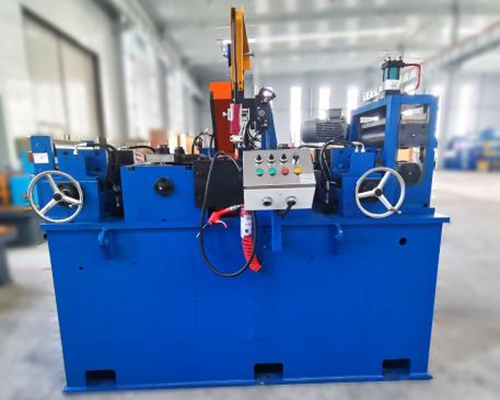
A steel coil slitter is a machine used to cut wide coils of steel into narrower strips. These strips are then fed into tube mills for forming welded pipes. It is a core component in metal processing lines.
Basic Components and Function
The slitter consists of several key parts. These include uncoilers, slitter heads, and recoilers. Each part works together to ensure accurate cutting.
Uncoiler: Holds the master coil and feeds it into the machine.
Slitter Head: Contains circular blades that cut the steel.
Recoiler: Winds the slit strips into smaller coils for further use.
This process allows for high-speed production with minimal material loss. The steel coil slitter is designed to handle various thicknesses and widths.
How Does a Steel Coil Slitter Work?
The operation involves a series of steps. First, the steel coil is loaded onto the uncoiler. Then, it passes through leveling devices to remove curls.
Step-by-Step Process
The cutting phase uses sharp blades mounted on arbors. These blades slice the coil into multiple strips. The strips are then separated and wound onto recoilers.
Loading: Place the master coil on the uncoiler.
Feeding: Guide the steel through the slitter head.
Cutting: Blades trim the coil to desired widths.
Winding: Collect strips on recoilers for storage or transport.
This method ensures consistent strip quality. It is essential for downstream tube forming processes. A well-functioning steel coil slitter boosts overall productivity.
Types of Steel Coil Slitters
Different models cater to varied production needs. The choice depends on material type, thickness, and output speed.
Loop Type Slitters
These slitters create a loop of material during cutting. This reduces tension and improves accuracy. They are suitable for thin to medium gauge steel.
Loop systems help prevent scratches and distortions. They are common in high-precision applications.
Pull-Through Slitters
Pull-through slitters use a linear feeding mechanism. The coil is pulled through the blades without looping. This design is ideal for thicker materials.
It offers robust performance for heavy-duty operations. Many manufacturers prefer this type for its simplicity.
Multi-Blade Configurations
Some slitters feature multiple blade sets. This allows simultaneous cutting of various widths. It enhances flexibility in production scheduling.
Adjustable arbors let operators change blade positions quickly. This adaptability is key in custom tube manufacturing.
Applications in Welded Tube and Pipe Manufacturing
The steel coil slitter is integral to tube mills. It prepares strips that are formed into pipes through welding.
Precision Strip Preparation
Accurate strips ensure seamless tube formation. The slitter provides uniform edges for better welding joints. This reduces defects in the final product.
Industries like construction and automotive rely on this precision. Consistent strip quality leads to stronger pipes.
Integration with Tube Mills
Slitters are often part of automated lines. They feed strips directly into tube forming machines. This integration speeds up production cycles.
Reduces handling time between processes.
Minimizes material waste through precise cuts.
Supports continuous operation for high-volume output.
Brands like SANSO provide systems that enhance this integration. Their equipment is known for durability and efficiency.
Benefits of Using a Steel Coil Slitter
Investing in a quality slitter brings multiple advantages. It impacts cost, productivity, and product quality.
Increased Efficiency
Slitters enable rapid processing of large coils. This reduces downtime and labor costs. Automated features further boost output rates.
Manufacturers can meet tight deadlines without compromising on standards.
Material Savings
Precise cutting minimizes scrap generation. This leads to better resource utilization. Over time, savings on raw materials add up significantly.
The steel coil slitter helps achieve near-zero waste in ideal setups.
Improved Product Quality
Consistent strip dimensions enhance tube integrity. This results in fewer rejects and higher customer satisfaction. Reliable slitters maintain tolerances across batches.
High-quality strips contribute to the longevity of welded pipes.
How to Choose the Right Steel Coil Slitter
Selecting a slitter requires careful evaluation. Consider your production goals and material specifications.
Assess Material Requirements
Determine the steel grades, thicknesses, and widths you handle. This guides the choice of slitter type and blade hardness.
For example, harder blades are needed for high-strength alloys.
Evaluate Production Capacity
Look at your desired output speed and volume. Heavy-duty slitters suit large-scale operations. Smaller units may suffice for niche applications.
Check maximum coil weight and width capacity.
Consider automation levels for labor reduction.
Ensure compatibility with existing tube mill equipment.
A steel coil slitter from reputable suppliers like SANSO can offer tailored solutions.
Consider Maintenance and Support
Choose machines with easy access for servicing. Reliable technical support minimizes downtime. Look for warranties and spare part availability.
Regular maintenance extends the slitter's lifespan and performance.
Maintenance Tips for Steel Coil Slitters
Proper upkeep ensures consistent operation. Follow a routine schedule to avoid breakdowns.
Regular Cleaning and Inspection
Remove dust and metal debris from blades and guides. Inspect for wear or damage. Replace worn components promptly to prevent quality issues.
Cleanliness reduces the risk of scratches on steel surfaces.
Lubrication of Moving Parts
Apply lubricants to arbors, bearings, and gears. This reduces friction and heat buildup. Use manufacturer-recommended oils for best results.
Proper lubrication smooths the slitting process and cuts energy costs.
Blade Sharpening and Alignment
Dull blades cause uneven cuts and burrs. Sharpen or replace blades as needed. Ensure precise alignment to maintain strip accuracy.
A well-maintained steel coil slitter delivers reliable performance over years.
The steel coil slitter is a cornerstone in welded tube and pipe manufacturing. It enables efficient material processing and high-quality output.
By understanding its types, applications, and maintenance, manufacturers can optimize their production lines. Investing in robust equipment pays off in the long run.
Brands like SANSO contribute to this field with innovative solutions. Their expertise supports global industries in achieving precision and productivity.
For those in the market, a reliable steel coil slitter is key to staying competitive. It transforms raw steel into valuable components for various applications.
Frequently Asked Questions (FAQs)
Q1: What is a steel coil slitter used for in tube manufacturing?
A1: A steel coil slitter cuts wide steel coils into narrow strips. These strips are then formed and welded into pipes. It is a crucial step in preparing material for tube mills.
Q2: How do I determine the right slitter type for my needs?
A2: Consider factors like material thickness, production speed, and strip widths. Loop slitters suit thinner gauges, while pull-through models handle thicker steel. Consult with suppliers for tailored advice.
Q3: What maintenance is required for a steel coil slitter?
A3: Regular cleaning, lubrication, and blade inspection are essential. Sharpen or replace blades when dull, and check alignments periodically. This prevents downtime and ensures consistent cuts.
Q4: Can a steel coil slitter handle materials other than steel?
A4: Yes, many slitters can process aluminum, copper, and other metals. However, blade selection and machine settings may need adjustment. Always verify compatibility with your specific materials.
Q5: How does a steel coil slitter improve production efficiency?
A5: It automates the cutting process, reducing manual labor and time. Precise cuts minimize waste, and integration with tube mills speeds up overall workflow. This leads to higher output and cost savings.