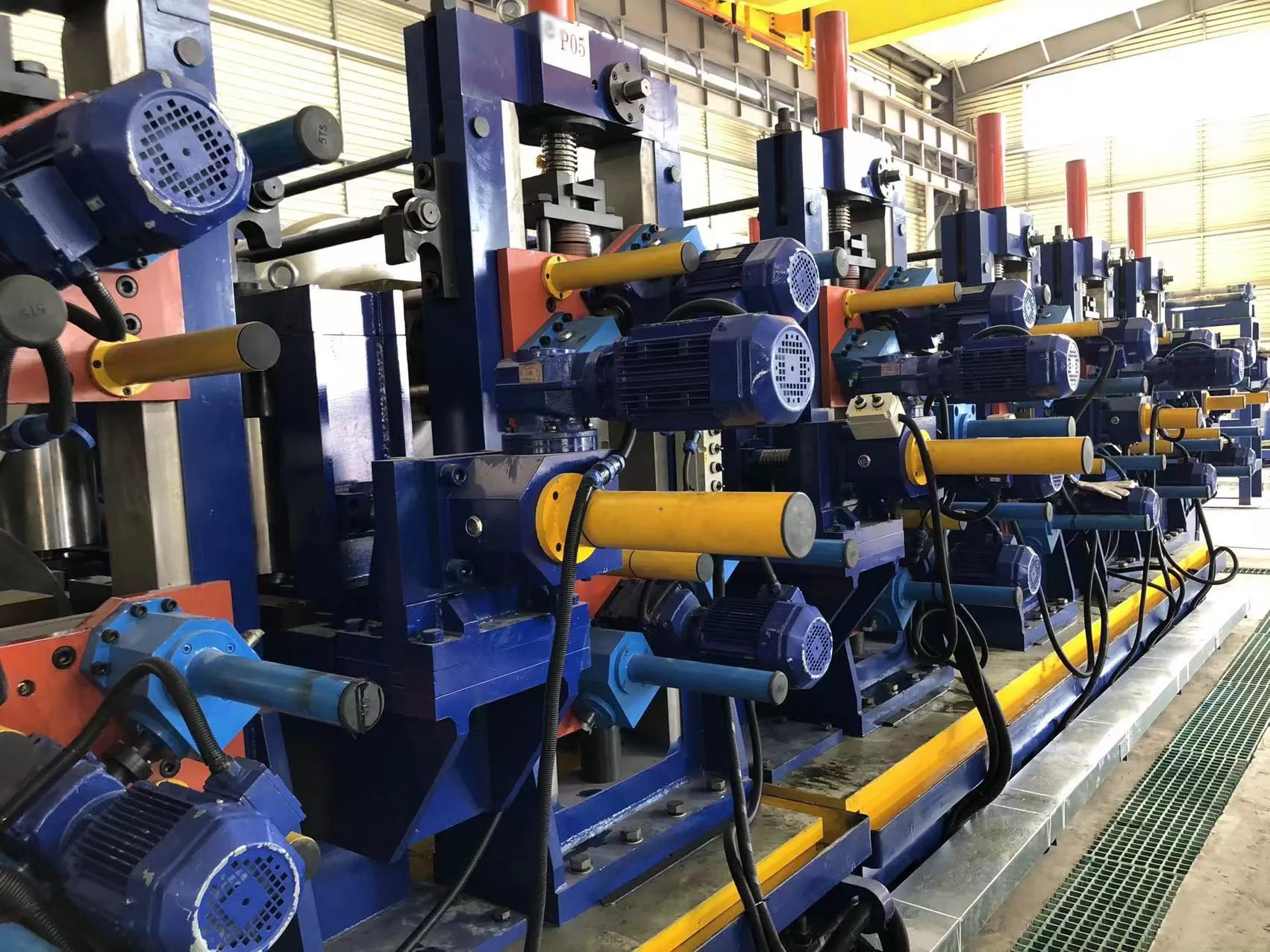
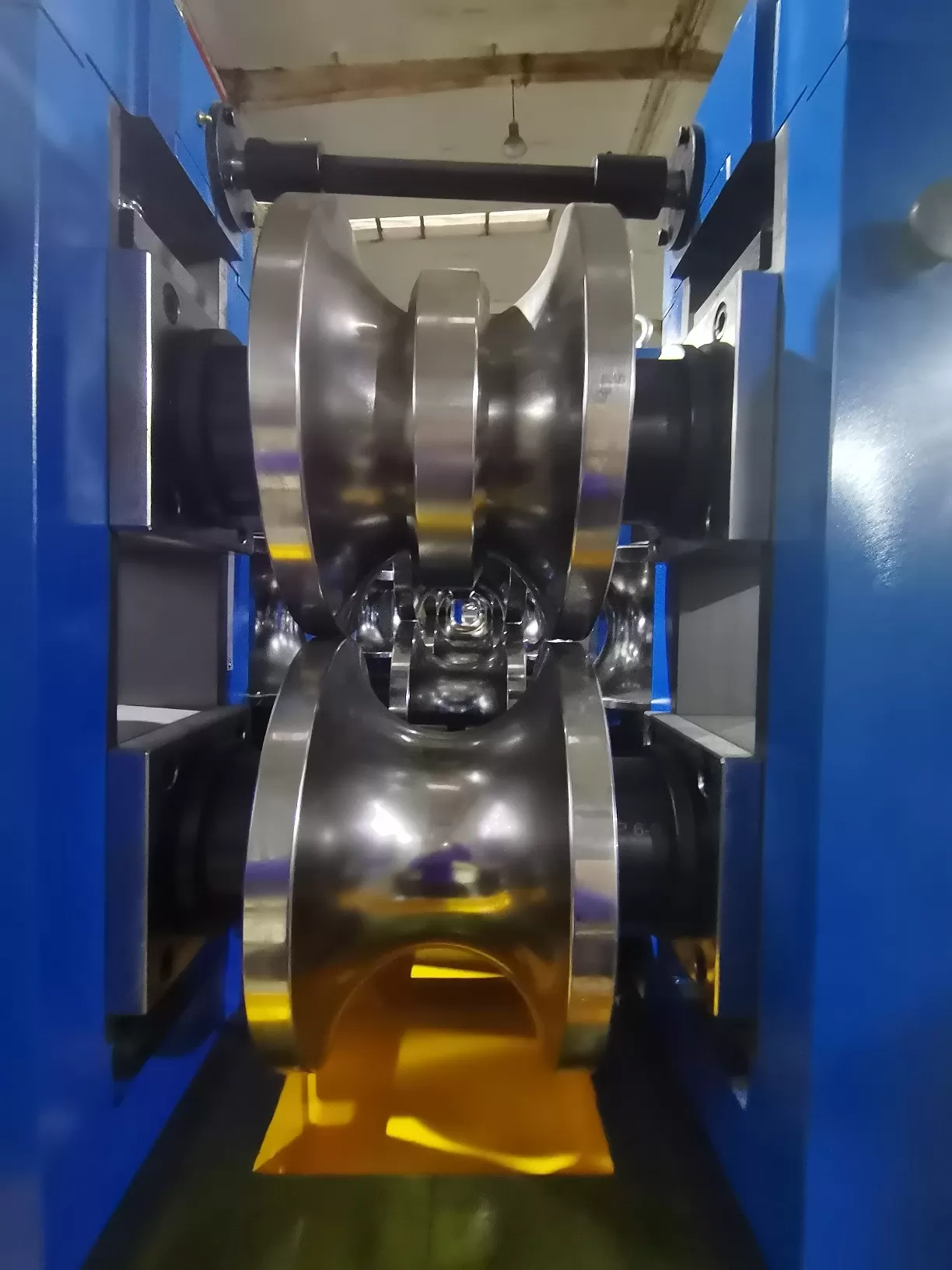
In the international welded tube and pipe manufacturing sector, processing raw materials efficiently is key. A steel slitting line is a critical system that cuts wide steel coils into narrow strips. These strips are then formed into pipes through welding processes.
This equipment enhances precision and reduces material waste. Manufacturers rely on it to meet high production demands. Brands like SANSO provide advanced steel slitting lines for various applications.
This article covers the fundamentals of steel slitting lines. We will discuss their components, types, and uses in tube mills.
What is a Steel Slitting Line?
A steel slitting line is an integrated machine system. It processes large steel coils into multiple narrower strips. These strips are used as feedstock for tube forming and welding.
The system ensures consistent strip dimensions and edge quality. This is vital for downstream operations in pipe manufacturing.
Key Components of a Steel Slitting Line
A typical line includes several main parts. Each part plays a specific role in the slitting process.
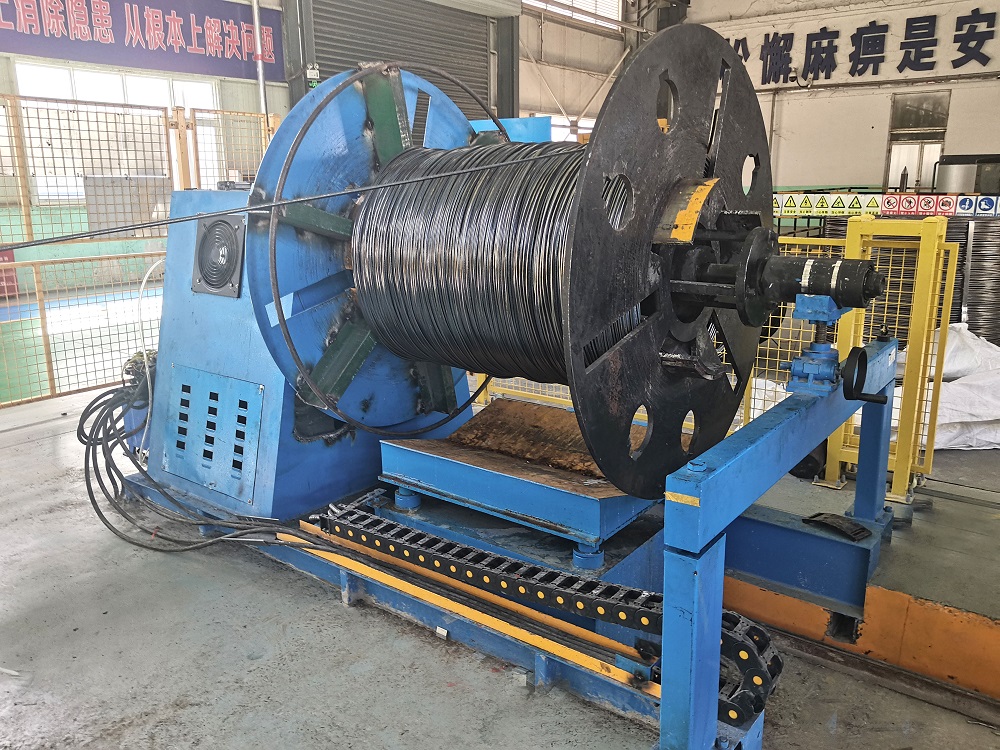
Uncoiler: Holds and feeds the master steel coil into the line.
Leveling Unit: Flattens the steel to remove curls and defects.
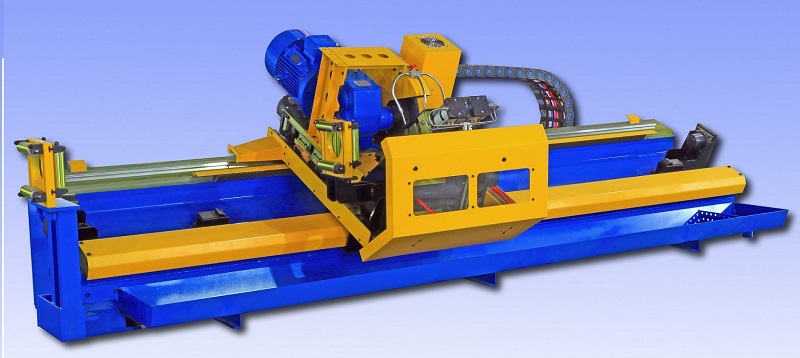
Slitter Head: Contains rotating blades that cut the coil into strips.
Separator: Keeps slit strips apart to prevent tangling.
Recoiler: Winds the finished strips into smaller coils for storage.
These components work together seamlessly. A well-designed steel slitting line improves overall productivity.
How Does a Steel Slitting Line Work?
The operation follows a sequential flow. It starts with coil loading and ends with strip recoiling. Automation is often used to speed up the process.
Understanding the steps helps in optimizing performance. This is important for welded tube producers.
The Slitting Process Step by Step
First, the master coil is placed on the uncoiler. It is then fed through the leveler for flattening.
Next, the steel passes through the slitter head. Sharp blades cut it into desired widths.
Step 1: Coil loading and alignment on the uncoiler.
Step 2: Material flattening in the leveling unit.
Step 3: Precision cutting using the slitter head blades.
Step 4: Strip separation to avoid contact.
Step 5: Rewinding strips onto recoilers for further use.
This process ensures high accuracy and minimal scrap. A reliable steel slitting line supports continuous production.
Types of Steel Slitting Lines
Different designs cater to varied production needs. The choice depends on material specs and output goals.
Common types include loop, pull-through, and multi-strand lines. Each has its advantages.
Loop Slitting Lines
Loop slitting lines use a looping pit or mechanism. This allows material to form a loop during cutting.
It reduces tension on the steel, preventing distortion. This type suits thin to medium gauge materials.
Loop systems are known for high precision. They are popular in precision tube manufacturing.
Pull-Through Slitting Lines
Pull-through lines pull the steel directly through the slitter. No looping pit is needed.
This design is robust and handles thicker materials well. It is ideal for heavy-duty applications.
Pull-through lines offer simplicity and ease of maintenance. Many industries prefer them for durability.
Multi-Strand Slitting Lines
Multi-strand lines can produce multiple strip widths simultaneously. They use several slitter heads or adjustable blades.
This increases flexibility and output variety. It is useful for custom pipe production runs.
Such lines enhance efficiency by reducing changeover times. They are a smart choice for diverse product ranges.
Applications in Welded Tube and Pipe Manufacturing
The steel slitting line is fundamental in tube mills. It prepares strips that are formed into pipes.
These strips serve as the primary material for ERW (Electric Resistance Welding) and other welding methods.
Integration with Tube Mills
Slitting lines are often connected directly to tube forming machines. This creates a seamless production flow.
Strips from the slitter feed into the tube mill for rolling and welding. This integration minimizes handling.
Ensures consistent strip quality for better weld integrity.
Reduces inventory needs by enabling just-in-time production.
Supports high-speed manufacturing of various pipe diameters.
Brands like SANSO offer integrated solutions. Their equipment helps streamline tube production lines globally.
Material Preparation for High-Strength Pipes
Slitting lines handle high-strength low-alloy (HSLA) steels. These are common in structural and pressure pipes.
Precise cutting ensures strips meet tight tolerances. This is critical for pipe performance in demanding applications.
Proper slitting reduces edge burrs and defects. This leads to stronger welded joints in final products.
Benefits of Using a Steel Slitting Line
Investing in a modern slitting line brings multiple advantages. It impacts cost, quality, and operational efficiency.
These benefits are essential for competitive welded tube manufacturing.
Improved Efficiency and Productivity
Slitting lines automate the coil processing step. This speeds up production and reduces labor costs.
High-speed lines can process coils quickly. This helps meet large order deadlines without delay.
Automated features like coil handling and threading save time. A steel slitting line maximizes output per shift.
Material Cost Savings
Precise cutting minimizes scrap generation. The narrow kerf of blades reduces material loss.
Optimized strip widths lead to better coil utilization. This lowers raw material expenses over time.
Less waste also means reduced disposal costs. These savings improve overall profitability.
Enhanced Product Quality
Consistent strip dimensions ensure uniform tube formation. This results in fewer rejects and reworks.
Good edge quality from slitting improves weld strength. Pipes made from such strips are more reliable.
High-quality strips contribute to the durability of welded pipes. This meets international standards for tube manufacturing.
How to Choose the Right Steel Slitting Line
Selecting the appropriate line requires careful analysis. Consider your production needs and future growth.
Key factors include material type, thickness range, and desired output.
Factors to Consider
First, assess the steel grades you process. Different grades may require specific blade types or line configurations.
Next, determine the coil dimensions you handle. This includes maximum width, thickness, and weight.
Material specs: Grade, thickness, and width variability.
Production volume: Required strips per hour or day.
Strip widths: Number of widths needed and changeover frequency.
Automation level: Manual, semi-automatic, or fully automatic controls.
Space constraints: Footprint of the slitting line in your facility.
Consulting with suppliers like SANSO can help. They offer tailored steel slitting line solutions for various needs.
Evaluating Supplier Reliability
Choose a supplier with a strong track record. Look for experience in welded tube industry equipment.
Check for after-sales support and spare part availability. This ensures minimal downtime during maintenance.
Warranties and training options are also important. They protect your investment and smooth operation.
Maintenance Tips for Steel Slitting Lines
Regular maintenance keeps the line running smoothly. It extends equipment life and prevents costly breakdowns.
A proactive approach is better than reactive repairs.
Routine Checks and Servicing
Inspect blades regularly for wear or damage. Dull blades cause poor cuts and increase burrs.
Clean the line to remove dust and metal chips. Buildup can affect precision and cause jams.
Daily: Check lubrication levels and clean key surfaces.
Weekly: Inspect blades, guides, and alignment systems.
Monthly: Lubricate moving parts and test safety features.
Annually: Perform comprehensive overhauls and part replacements.
Proper maintenance ensures consistent performance. A well-kept steel slitting line delivers reliable results.
Blade Care and Replacement
Blades are critical components. Sharpen them as needed or replace when worn out.
Store spare blades properly to avoid corrosion. Use manufacturer guidelines for blade handling.
Correct blade alignment prevents strip edge defects. This is crucial for high-quality tube production.
The steel slitting line is indispensable in welded tube and pipe manufacturing. It enables efficient material processing and high-quality strip production.
By understanding its types, applications, and maintenance, manufacturers can optimize their operations. Choosing the right equipment boosts productivity and reduces costs.
Brands like SANSO contribute to this field with robust solutions. Their expertise supports global tube mills in achieving precision and efficiency.
For those seeking to enhance their production, a reliable steel slitting line is a valuable investment. It transforms raw steel into precise strips for durable welded pipes.
Frequently Asked Questions (FAQs)
Q1: What is the primary function of a steel slitting line in tube manufacturing?
A1: A steel slitting line cuts wide steel coils into narrow strips. These strips are then fed into tube mills for forming and welding into pipes. It prepares material efficiently for downstream processes.
Q2: What are the main types of steel slitting lines available?
A2: The main types include loop slitting lines, pull-through slitting lines, and multi-strand lines. Loop lines suit thinner materials, pull-through lines handle thicker steels, and multi-strand lines offer flexibility for multiple widths.
Q3: How often should I maintain my steel slitting line?
A3: Perform daily checks for cleanliness and lubrication. Weekly inspections of blades and guides are recommended. Monthly servicing and annual overhauls help prevent major issues and extend equipment life.
Q4: Can a steel slitting line process materials other than steel?
A4: Yes, many slitting lines can handle aluminum, copper, and other metals. However, blade selection and machine settings may need adjustment based on material hardness and properties.
Q5: What factors should I consider when choosing a steel slitting line?
A5: Consider material specifications, production volume, strip width requirements, automation level, and space constraints. Also, evaluate supplier reliability, after-sales support, and maintenance needs for long-term value.