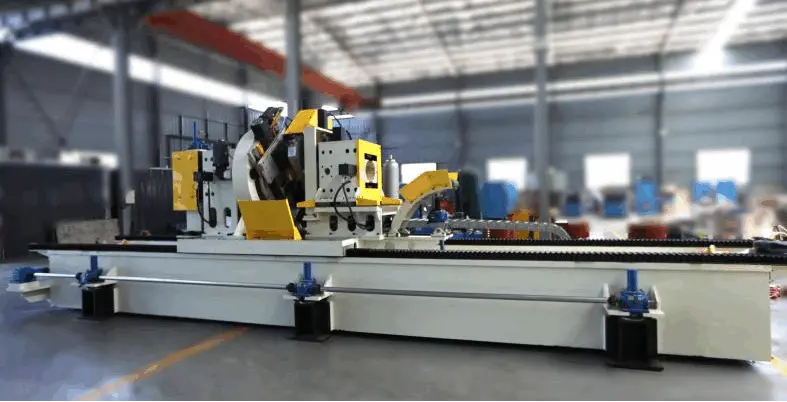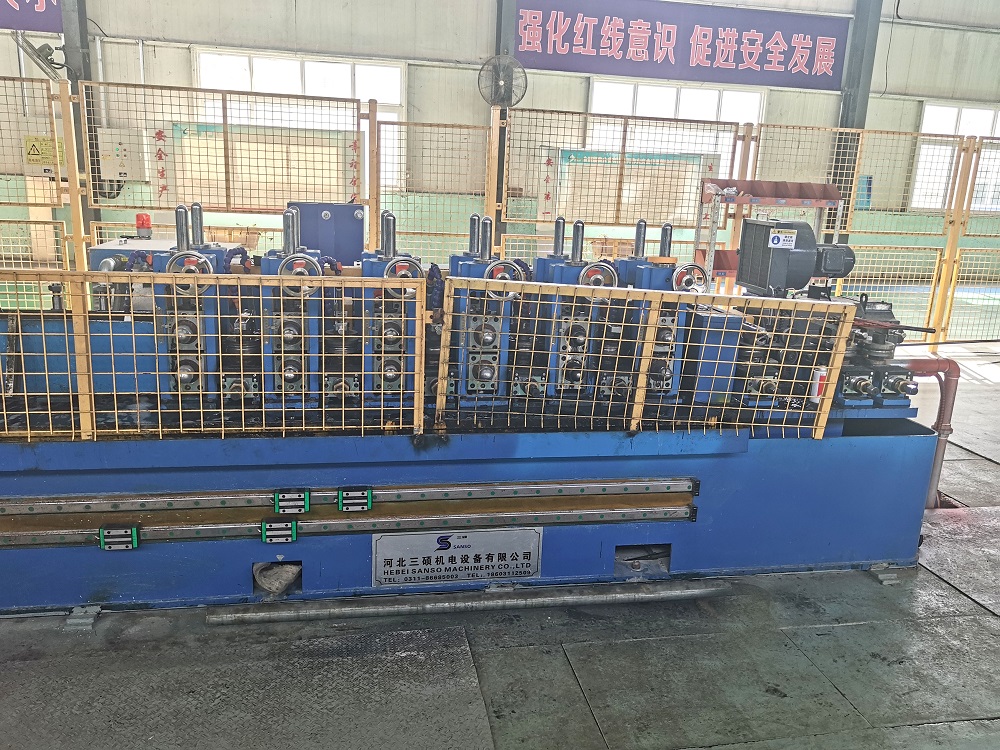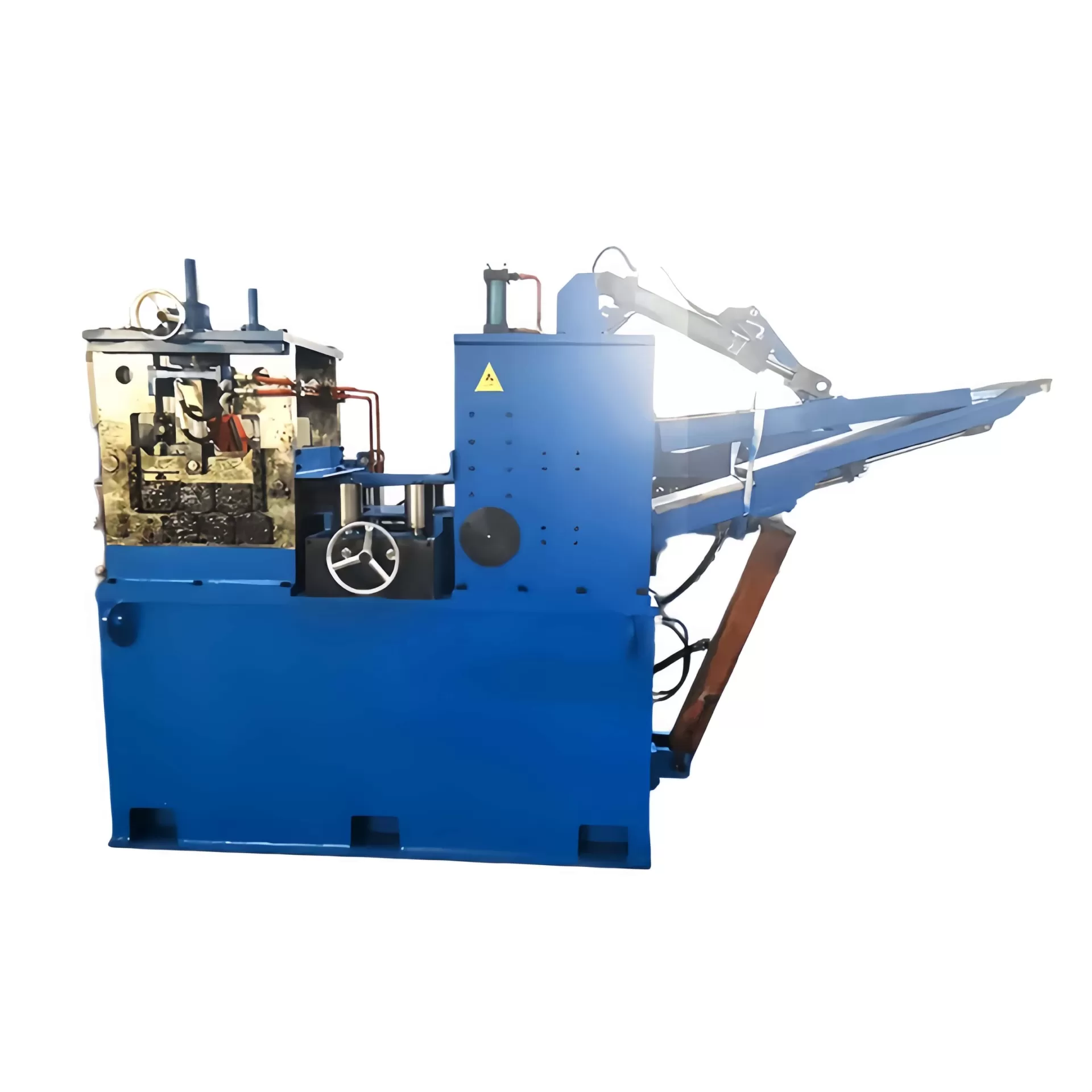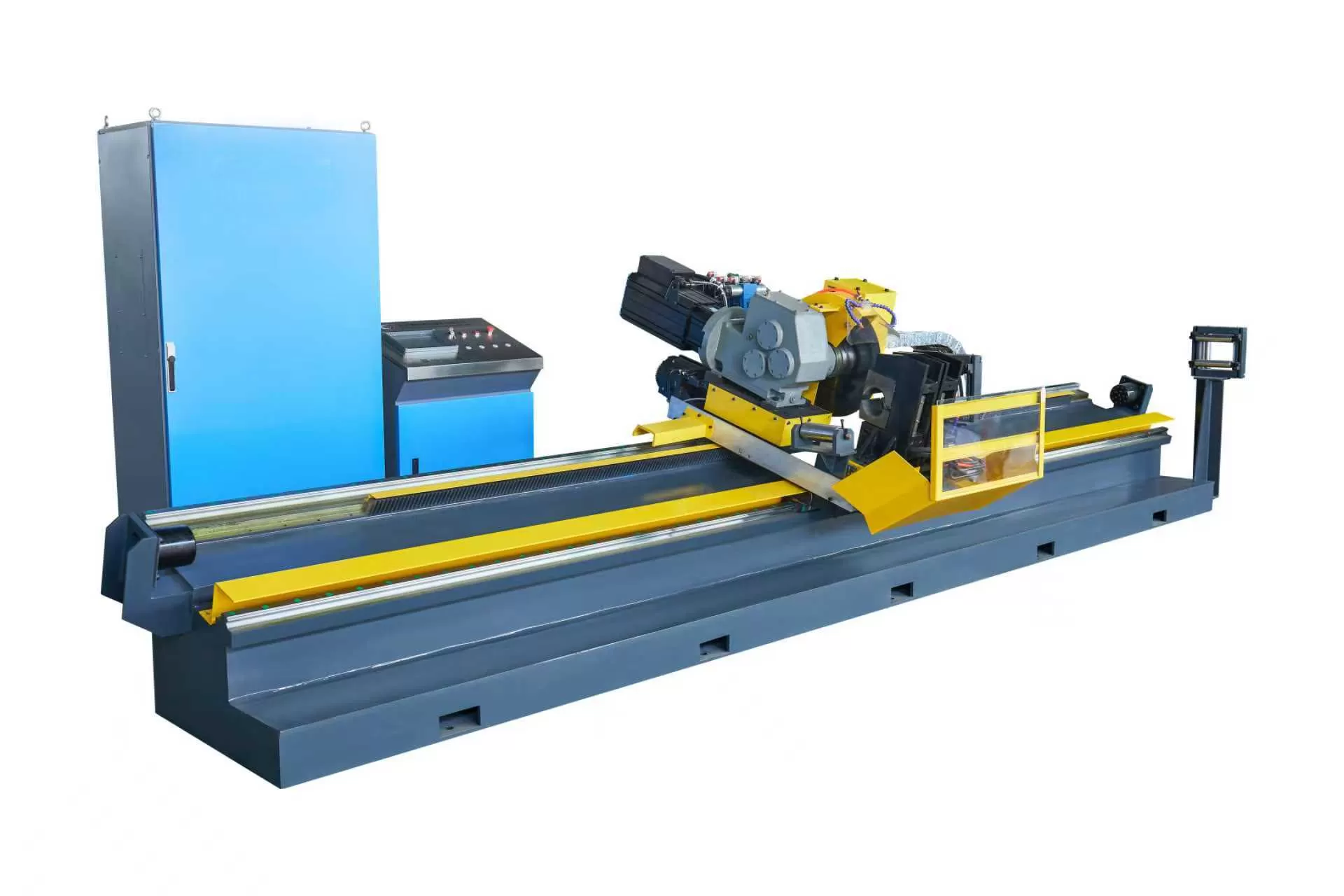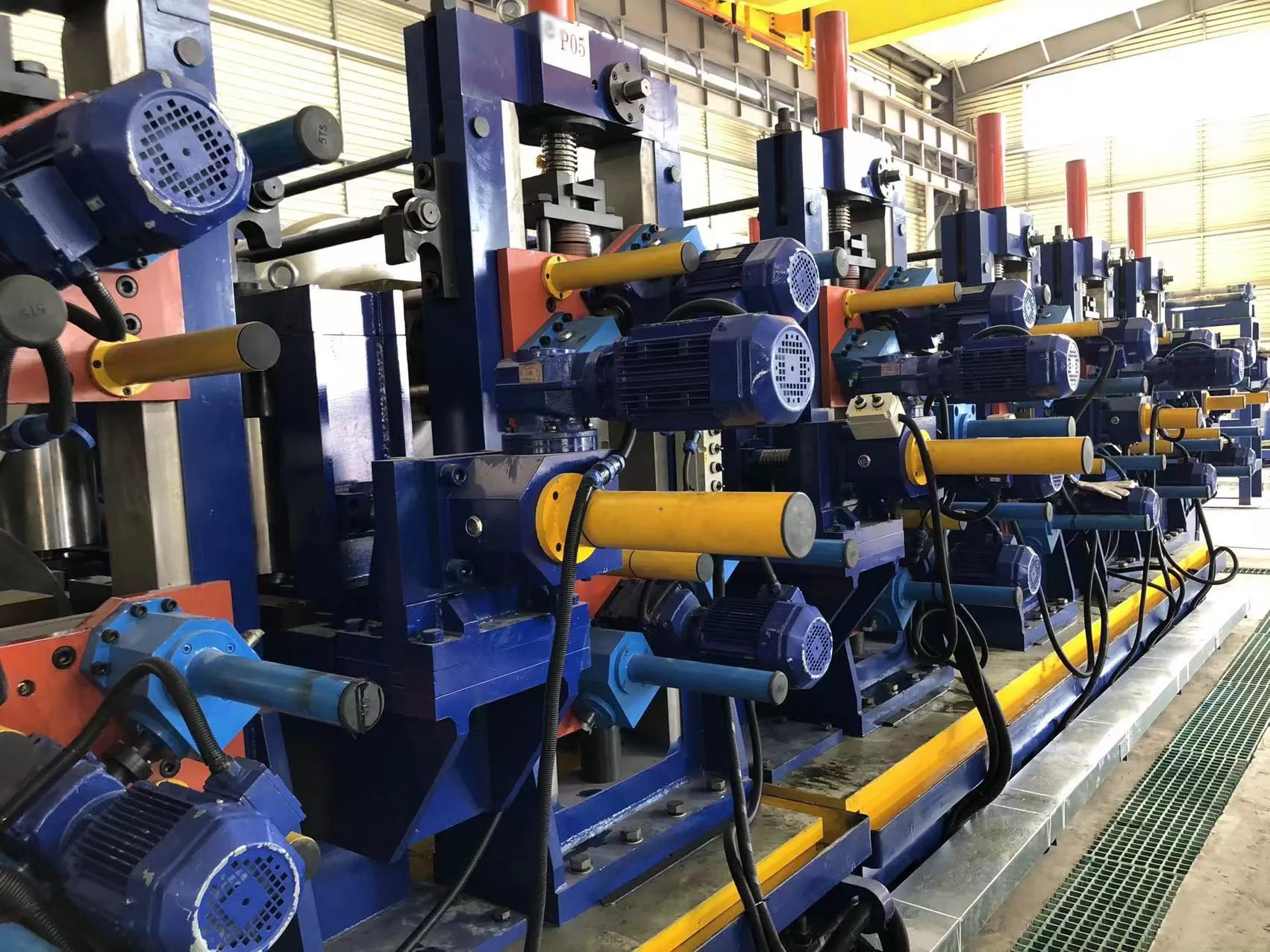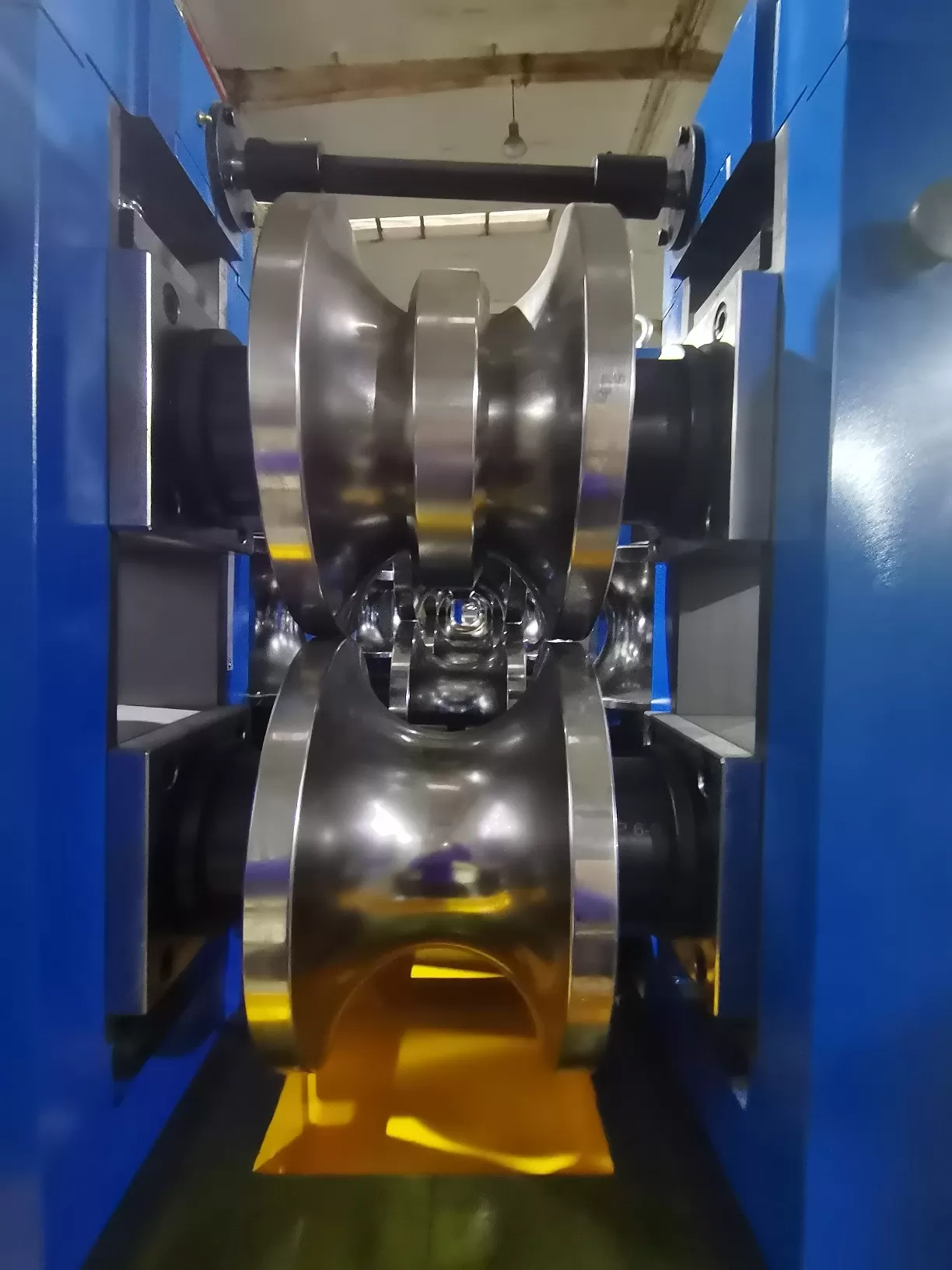
Selecting the right equipment supplier is a critical decision for any metal fabrication business. For companies in welded tube and pipe production, finding reputable slitting line manufacturers is essential. These manufacturers provide the machinery that processes raw steel coil into precise strips. The quality of this equipment directly impacts product consistency and operational efficiency.
This guide outlines important factors to consider. It aims to help you make an informed choice for your mill's needs. Established brands in this sector, like SANSO, have built their reputation on durable and precise machinery.
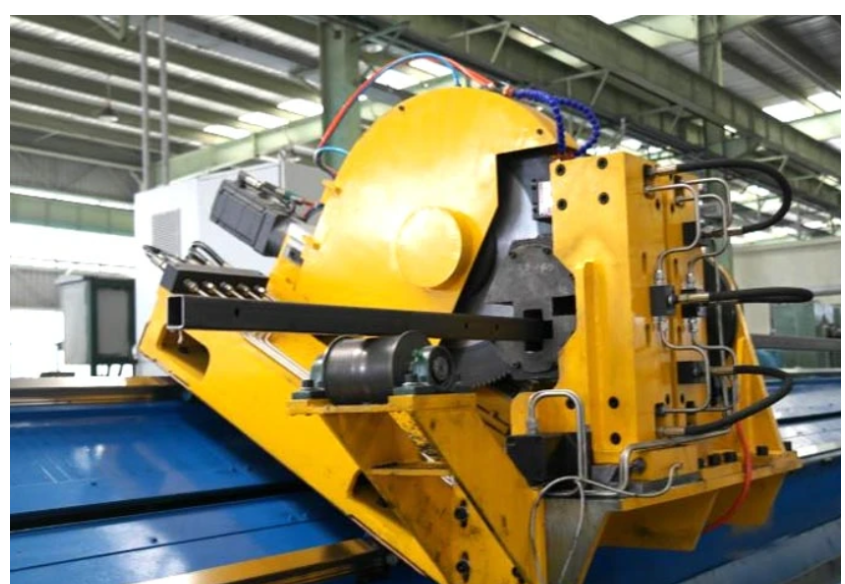
Why the Choice of Manufacturer Matters
Not all slitting line manufacturers offer the same level of quality or support. The manufacturer you choose influences your production for years. A reliable partner ensures you get a machine built for your specific materials and output goals.
Poorly designed or constructed lines lead to frequent breakdowns. This results in costly downtime and inconsistent strip quality. These issues can disrupt your entire tube-making process.
Long-term Reliability: High-quality components last longer and perform consistently.
Technical Support: Access to expert advice for setup and troubleshooting is vital.
Return on Investment: A well-made machine improves yield and reduces waste, paying for itself over time.
Key Factors to Evaluate Slitting Line Manufacturers
When researching potential suppliers, several core areas require careful examination. A thorough evaluation helps avoid future problems.
Industry Experience and Reputation
Look for manufacturers with a proven track record. Experience in serving the welded tube and pipe sector is a significant advantage. They will understand the specific tolerances and requirements for strip that will be formed and welded.
Check for customer testimonials, case studies, and the company's history. A manufacturer like SANSO benefits from deep industry knowledge. This experience translates into more practical and effective machine designs.
Technology and Engineering Capabilities
The technical design of the slitting line is paramount. Inquire about the engineering principles, control systems, and key components used.
Precision: How is strip width and edge quality ensured? Look for features like digital servo positioning for knives.
Automation Level: Modern lines often include PLC controls for speed, tension, and coil handling.
Robustness: The frame and critical parts must withstand continuous operation under heavy loads.
Leading slitting line manufacturers invest in R&D to incorporate these advancements.
Customization and Flexibility
Standard machines may not suit every application. Your coil material, thickness, width, and desired output speed are unique.
Quality manufacturers offer a degree of customization. They can adapt their base designs to meet your specific production parameters. This ensures the line integrates smoothly into your existing workflow.
Services Offered Beyond the Machine
The relationship with a manufacturer should not end at the point of sale. Comprehensive after-sales service is a hallmark of a good partner.
Installation and Commissioning
Professional installation is crucial for optimal performance. Many top-tier slitting line manufacturers provide supervised installation and commissioning services. Their technicians ensure the machine is set up correctly and operators are trained on basic functions.
Training and Technical Support
Operators and maintenance staff need proper training. This covers safe operation, routine maintenance, and basic troubleshooting.
Reliable technical support should be accessible. Look for manufacturers that offer prompt assistance via phone, email, or remote diagnostics. This minimizes potential downtime.
Spare Parts Availability
Wear parts, like slitting knives and bearings, will need replacement. A good manufacturer maintains an inventory of critical spare parts.
Fast parts supply keeps your line running. It is a key factor in evaluating the long-term cost of ownership.
Global Standards and Certifications
International tube mills must often adhere to strict quality and safety standards. The equipment itself should be built to recognized norms.
Reputable slitting line manufacturers design their machines following international engineering and safety standards. Relevant certifications for the machinery or its components add a layer of trust and ensure easier integration into global supply chains.
The Role in Welded Tube and Pipe Manufacturing
In this specific industry, the slitting line is the first critical step. It prepares the raw material for the tube mill. The precision of the slit strip affects every subsequent stage.
Accurate strip width and clean edges are necessary for proper forming. They ensure a consistent weld seam and final tube dimensions. Therefore, partnering with specialized slitting line manufacturers who understand these downstream effects is vital.
These manufacturers design lines that deliver the specific strip characteristics required for high-frequency welding (HFW) or other tube forming processes.
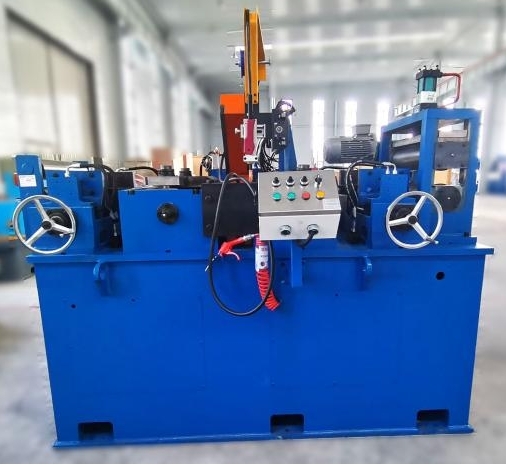
Making the Final Decision
After shortlisting potential slitting line manufacturers, a final comparison is needed. Consider creating a checklist.
Compare detailed technical proposals and specifications.
Request references and contact existing customers.
Evaluate the total cost, including shipping, installation, and training.
Assess the clarity and terms of the warranty.
Consider the ease of future communication and support.
Choosing a partner like SANSO often brings together many of these positive attributes—experience, engineering, and support.
Conclusion
Selecting from among the many slitting line manufacturers is a significant investment in your factory's future. A careful, factor-based evaluation leads to a more reliable and productive partnership. Focus on manufacturers with proven expertise in the welded tube sector, strong technical capabilities, and a commitment to full customer support.
By prioritizing these aspects, you secure a slitting line that enhances your mill's efficiency and product quality for the long term.
Frequently Asked Questions (FAQ)
Q1: What is the main difference between standard and custom slitting line manufacturers?
A1: Standard manufacturers offer pre-designed models with fixed specifications. Custom manufacturers, like many leading suppliers, work with clients to modify designs. They adjust parameters like coil weight capacity, slitting width range, and automation features to fit specific production needs.
Q2: How long does it typically take to receive a slitting line after ordering?
A2: Lead times vary significantly. They depend on the machine's complexity, customization level, and the manufacturer's production schedule. It can range from a few months for a standard line to over six months for a highly customized system. A reliable manufacturer provides a clear timeline.
Q3: What kind of after-sales service should I expect from quality slitting line manufacturers?
A3: You should expect comprehensive after-sales service. This includes detailed installation guidance or on-site commissioning, thorough operator and maintenance training, a clear warranty period covering parts and workmanship, and accessible technical support for troubleshooting.
Q4: Are there key certifications I should look for when evaluating a manufacturer?
A4: While machine-specific certifications vary, look for manufacturers with a quality management system certification like ISO 9001. Also, check if the electrical components carry CE, UL, or other regional safety marks. This indicates adherence to international manufacturing and safety standards.
Q5: Can a manufacturer help with integrating a new slitting line into my existing tube mill?
A5: Yes, experienced manufacturers often provide integration consulting. They can advise on material flow, interface with existing decoilers or recoilers, and even recommend ancillary equipment. Their goal is to ensure the new line works seamlessly with your current setup.
Q6: What are the most common maintenance issues, and how do good manufacturers support them?
A6: Common issues involve knife wear, alignment, and tension system calibration. Good manufacturers support this by providing clear maintenance manuals, supplying high-quality wear parts, and offering remote or on-site service to help resolve complex mechanical or electrical faults efficiently.