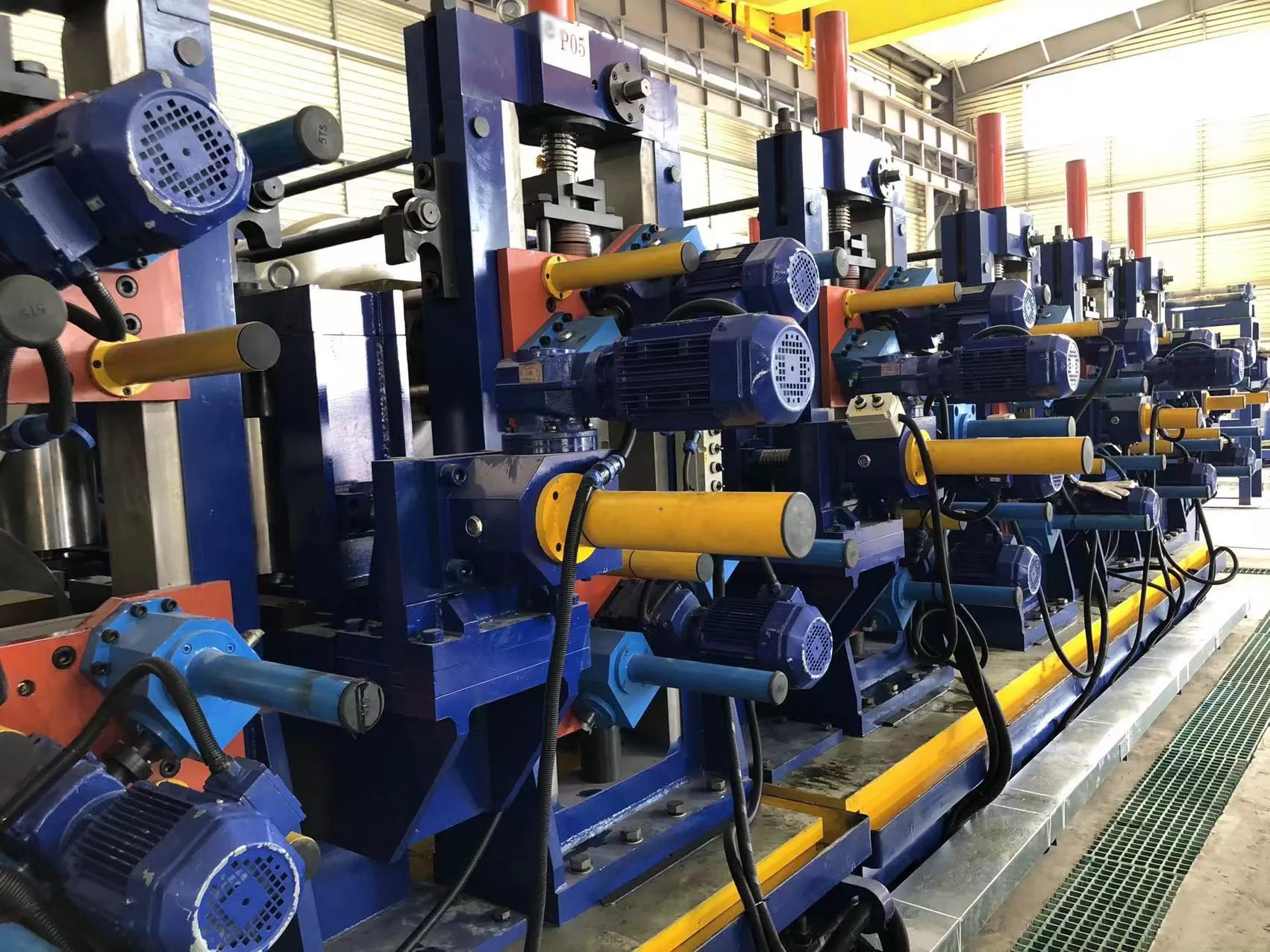
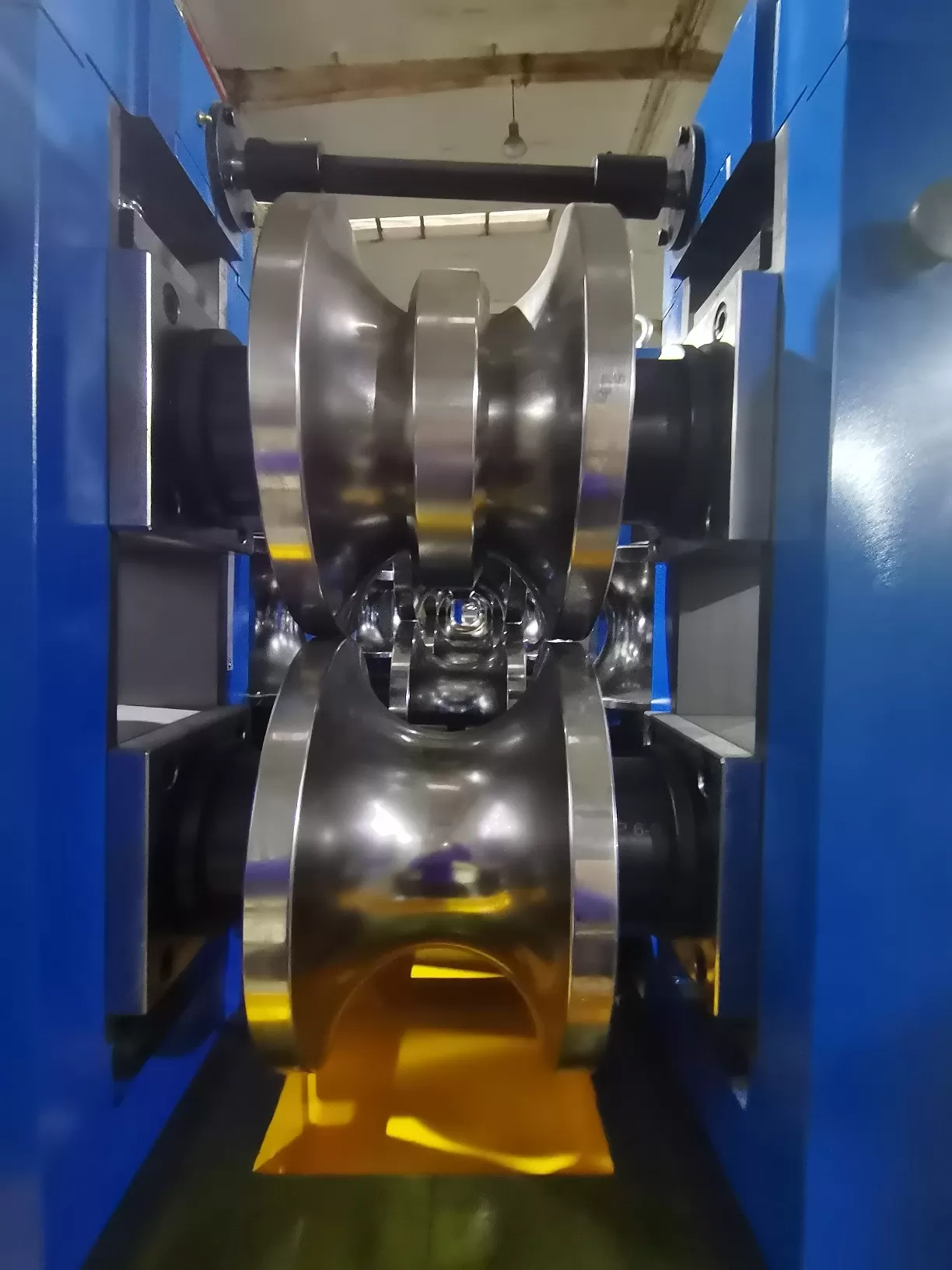
In the international welded tube and pipe industry, efficiency begins with the raw material. A coil processing machine is the cornerstone of modern production lines, transforming metal coils into prepared strips. This initial stage is critical for ensuring the quality and consistency of the final tube products. Leading manufacturers, such as SANSO, specialize in engineering robust systems that meet the rigorous demands of global tube mills.
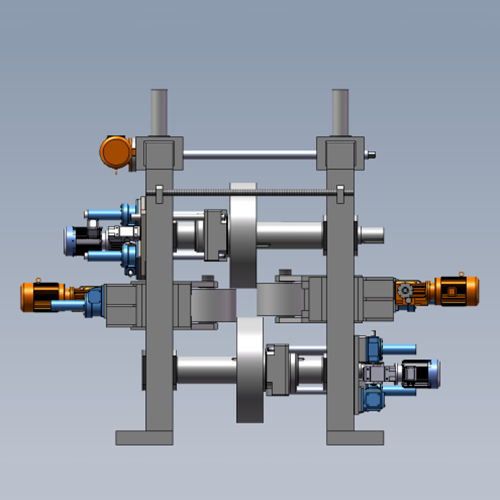
What is a Coil Processing Machine and Its Role in Tube Mills?
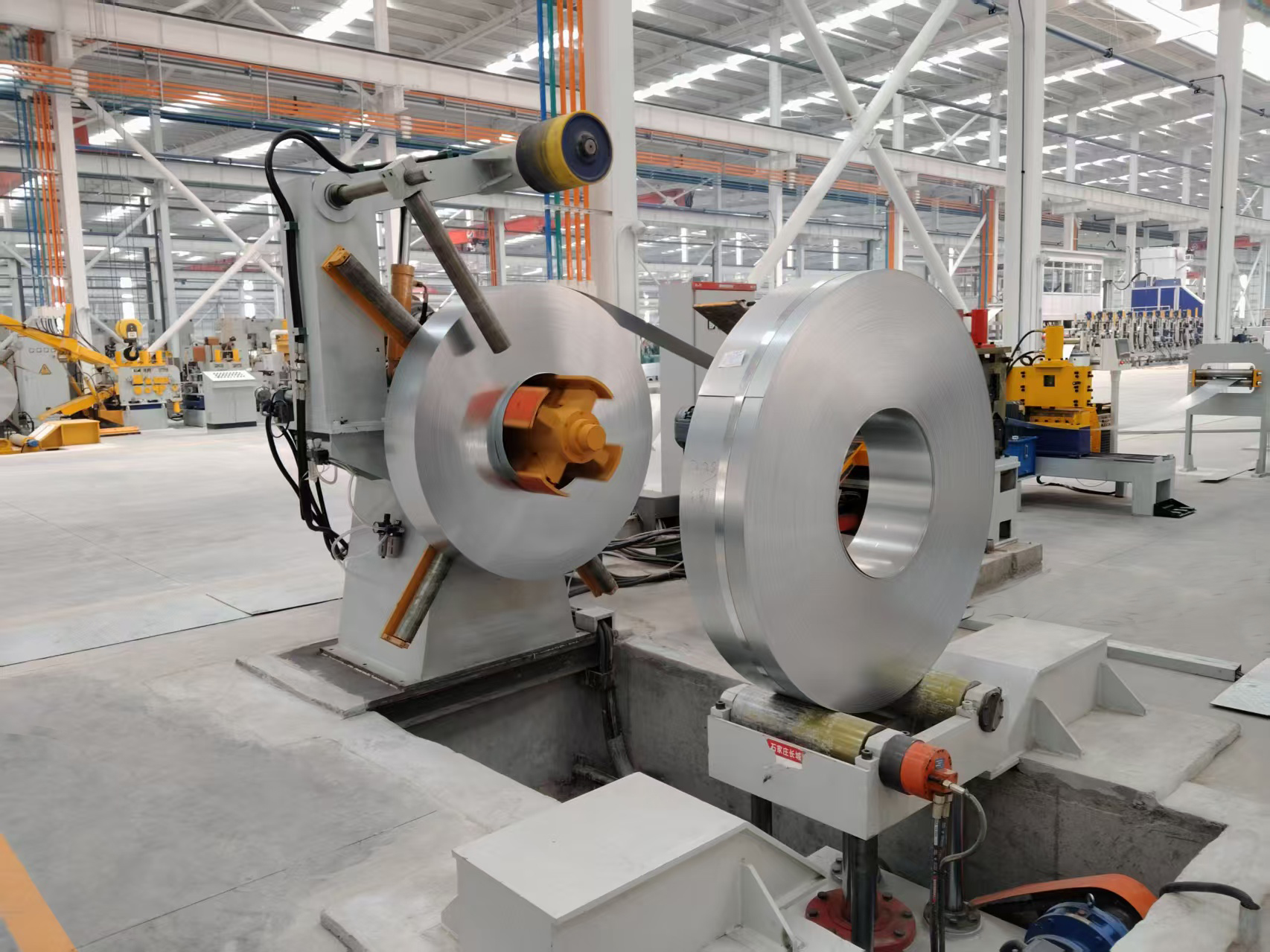
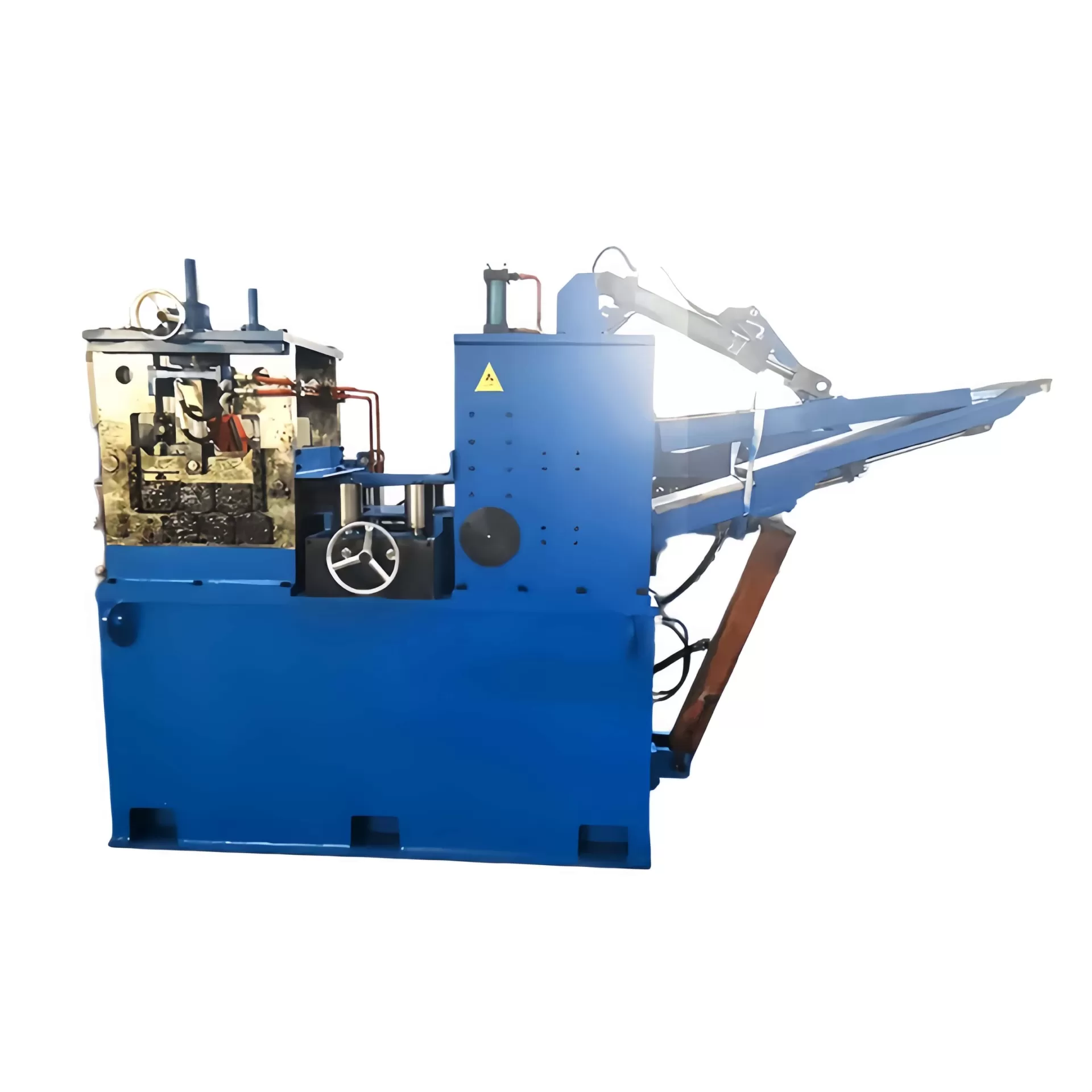
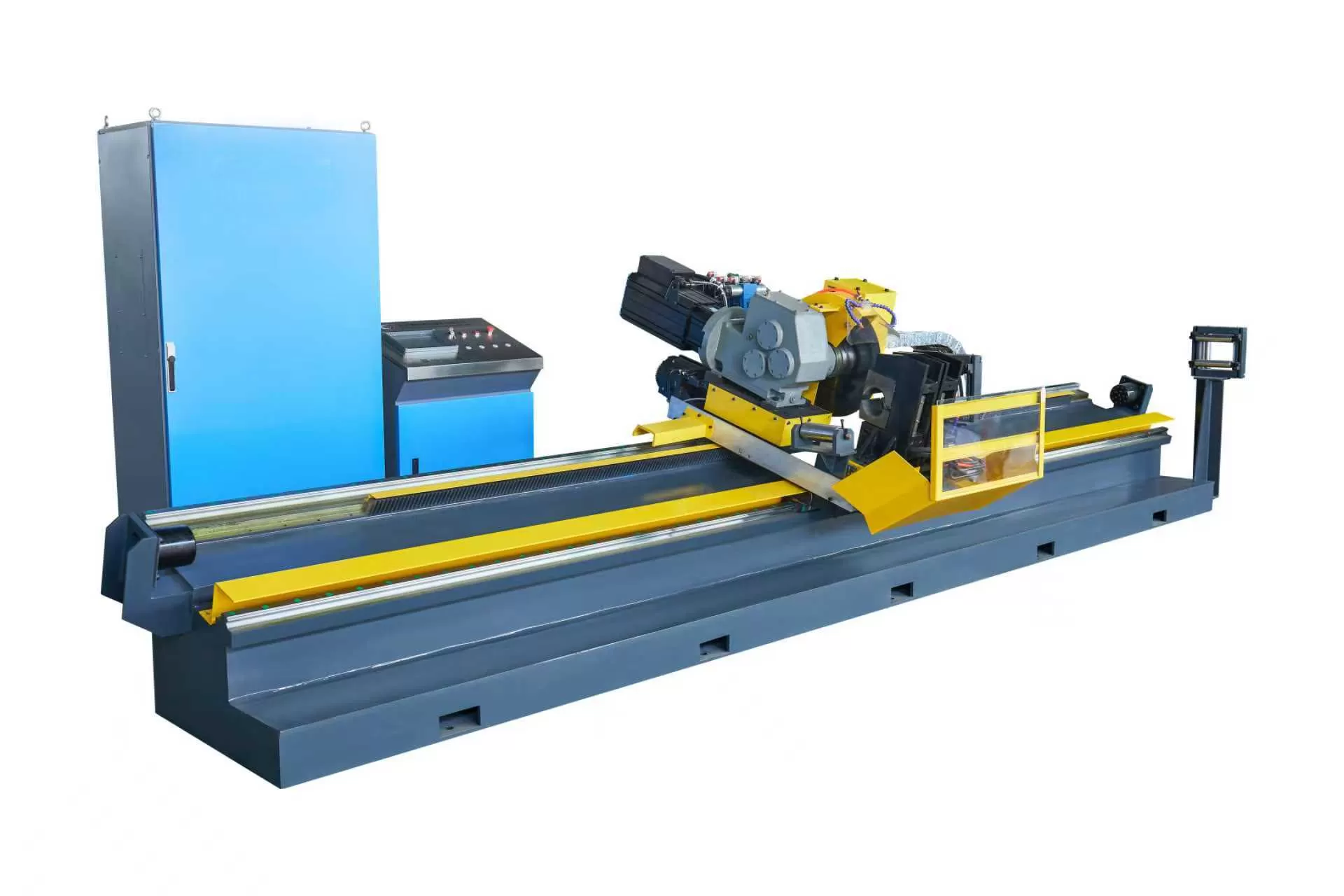
A coil processing machine is a collective term for equipment that prepares metal coils for further fabrication. In tube manufacturing, this primarily involves slitting, leveling, and edge conditioning. The prepared strip is then fed into the tube mill for forming and welding.
Core Functions in the Production Line
These machines perform several vital functions to ensure tube mill efficiency.
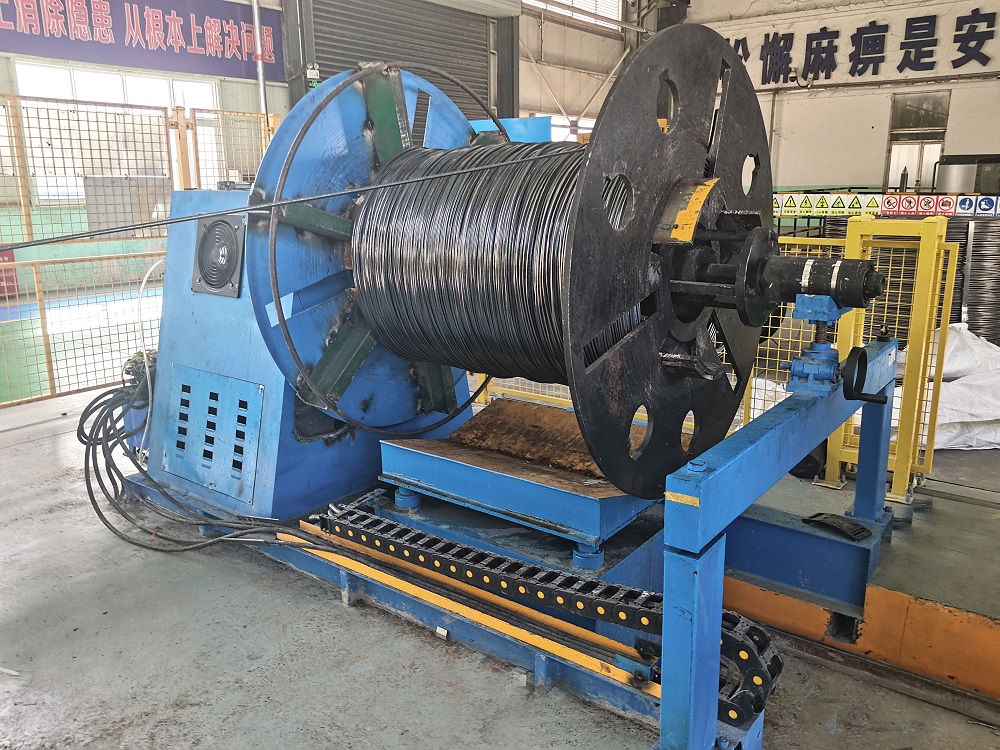
Decoiling: Unwinding the master coil under controlled tension.
Leveling: Flattening the material to remove coil set and crossbow.
Slitting: Cutting the wide coil into multiple, narrower strips of precise width.
Edging: Trimming or conditioning strip edges for optimal weld quality.
Recoiling: Rewinding the processed strips for storage or direct feeding.
An efficient coil processing machine directly impacts material yield, line speed, and the final tube's dimensional accuracy. This makes it a fundamental investment for any competitive tube producer.
5 Key Types of Coil Processing Equipment
Different stages of production require specialized machinery. Understanding the options helps in planning a complete and effective processing line.
1. Slitting Lines
This is the most common type. A slitting line uses rotary knives to cut a coil longitudinally into several strands. Precision here determines strip width consistency.
2. Cut-to-Length Lines
These lines flatten the coil and shear it into individual sheets or blanks. They are essential for producing feedstock for certain structural tube formats.
3. Combination Lines
Advanced systems combine slitting and cut-to-length functions. They offer high flexibility for mills that produce both coiled strip and sheet-based products.
4. Tension Leveling Lines
These specialized lines use a combination of bending and tension to achieve superior flatness. They are crucial for processing high-strength steels or sensitive materials.
Selecting the right configuration, like those offered by SANSO, depends on your material mix and final product requirements. A well-chosen coil processing machine maximizes throughput and quality.
How Coil Processing Machines Improve Welded Tube Quality
The quality of the input strip directly dictates the quality of the welded tube. Inconsistent or poorly prepared strip leads to defects in the tube mill.
Ensuring Weld Integrity
The welding process in a tube mill is highly sensitive to strip edge condition and geometry.
Clean, burr-free edges from proper slitting allow for a consistent weld bead.
Accurate strip width prevents overlap or gapping at the weld point.
Flat, level strip ensures uniform pressure through the forming rolls.
Investing in a high-performance coil processing machine is a proactive step to reduce weld seam defects, improve structural integrity, and minimize scrap rates.
Meeting Tight Dimensional Tolerances
International standards for welded tube demand precise outer diameter and wall thickness. Variation in the input strip can cause dimensional drift in the final product.
Modern processing equipment with digital controls and servo-driven adjustments maintains strip tolerances within fractions of a millimeter. This precision is non-negotiable for suppliers to automotive, construction, and energy sectors.
4 Critical Factors When Selecting a Coil Processing Machine
Choosing the right equipment requires a detailed analysis of your current and future production needs. Here are the main factors to consider.
Material Specifications
The machine must be built to handle your specific materials.
Material type (mild steel, stainless, aluminum, etc.).
Yield strength and hardness range.
Maximum and minimum coil width and thickness.
Coil weight and inner diameter.
Production Volume and Speed
The required output dictates the machine's design and power.
Line speed measured in meters per minute (MPM).
Annual tonnage requirements.
Desired uptime and quick-changeover features.
Consulting with an experienced provider like SANSO can help match these technical factors with a reliable coil processing machine that fits your budget and floor space.
Maintenance and Safety Best Practices
Regular upkeep is essential for sustained performance and operator safety. A proactive maintenance plan prevents costly unscheduled downtime.
Routine Maintenance Checklist
Daily inspection of knives, blades, and shear edges for wear.
Regular lubrication of all bearings, gears, and guide components.
Checking hydraulic and pneumatic systems for leaks and pressure stability.
Verifying the alignment of uncoiler, rollers, and recoiler.
Safety should always be paramount. Ensure all guards are in place and functional. Provide comprehensive training for all operators on emergency stops and safe handling procedures for heavy coils.
A modern coil processing machine is not just auxiliary equipment; it is a strategic asset for any welded tube manufacturing facility. It establishes the foundation for product quality, operational efficiency, and overall profitability. As tube specifications become more demanding, the role of precise coil preparation grows in importance. By partnering with established technology leaders such as SANSO, manufacturers can access durable and advanced solutions tailored to their specific challenges. Investing in the right coil processing machine is a decisive step toward securing a competitive edge in the international market.
Frequently Asked Questions (FAQ)
Q1: What is the main difference between a slitting line and a cut-to-length line?
A1: A slitting line cuts a wide coil into multiple narrow coils (strips). A cut-to-length line flattens a coil and cuts it into discrete sheets or blanks of specific lengths. Some combination lines perform both functions.
Q2: Can one coil processing machine handle different metals like steel and aluminum?
A2: It is possible, but it requires careful configuration. Key considerations include knife material and angle for different hardness, tension control settings, and roller surfaces to avoid marking softer metals like aluminum.
Q3: How does coil processing affect the efficiency of my tube mill?
A3: Efficient processing provides a steady, consistent supply of high-quality strip. This minimizes stoppages in the tube mill for width adjustments, reduces weld seam issues, and allows the mill to run at its optimal designed speed.
Q4: What are the signs that our coil processing machine needs an upgrade?
A4: Common signs include increasing strip width variation, excessive edge burr, high levels of scrap, frequent mechanical breakdowns, and an inability to process newer, higher-strength materials your customers require.
Q5: Why is tension control so important in coil processing?
A5: Precise tension control prevents material stretching, buckling, or slipping during processing. Consistent tension is vital for achieving accurate slitting, proper flatness after leveling, and tightly wound, stable output coils.