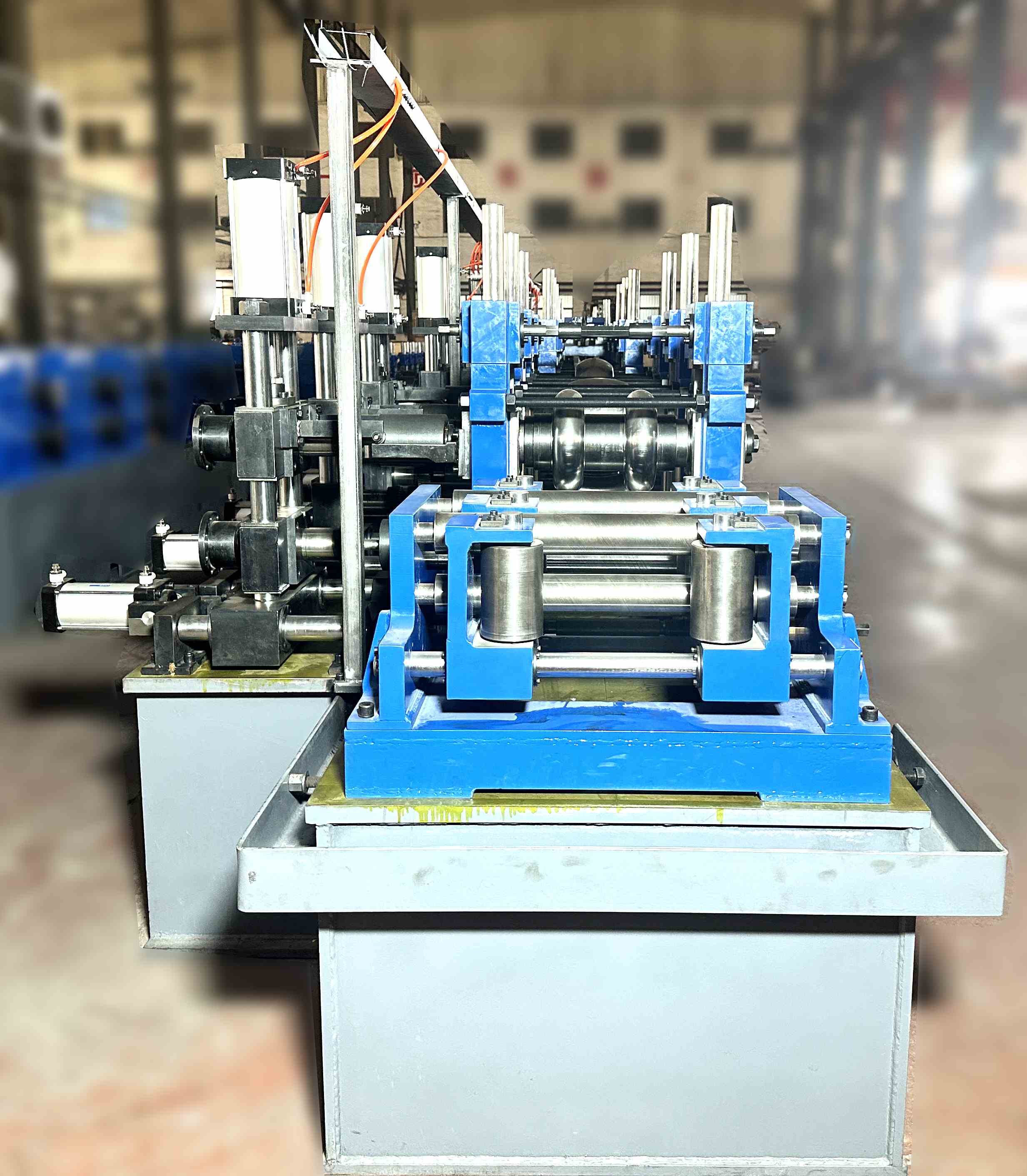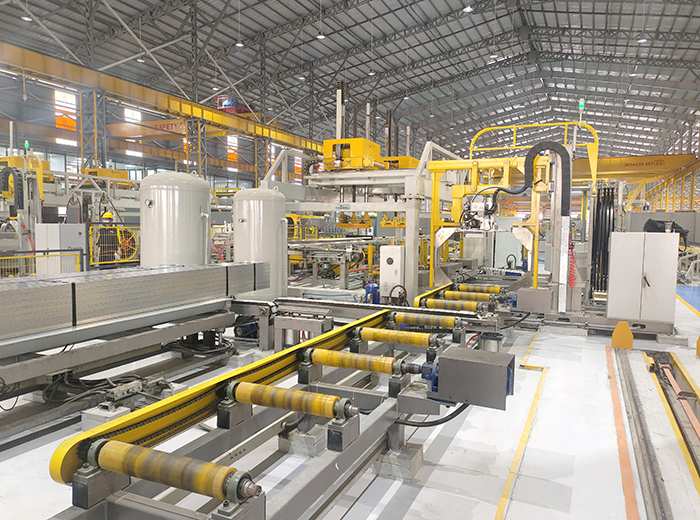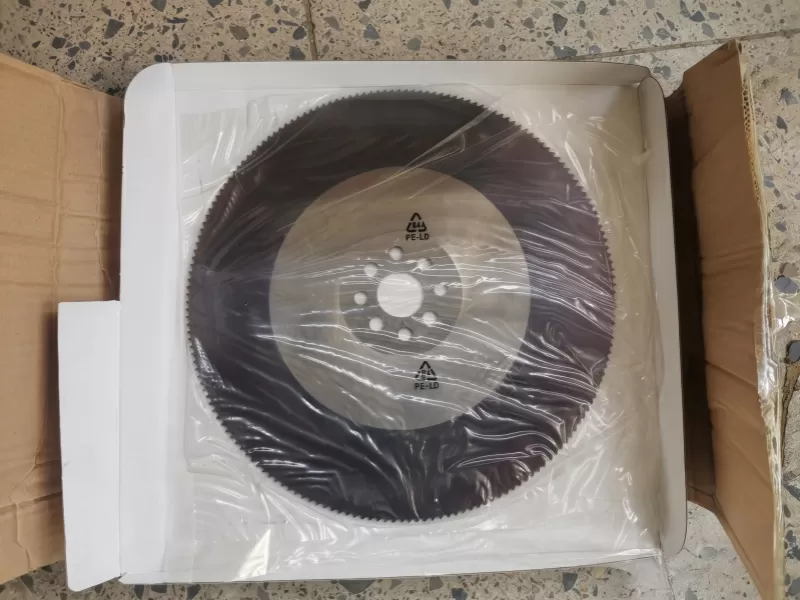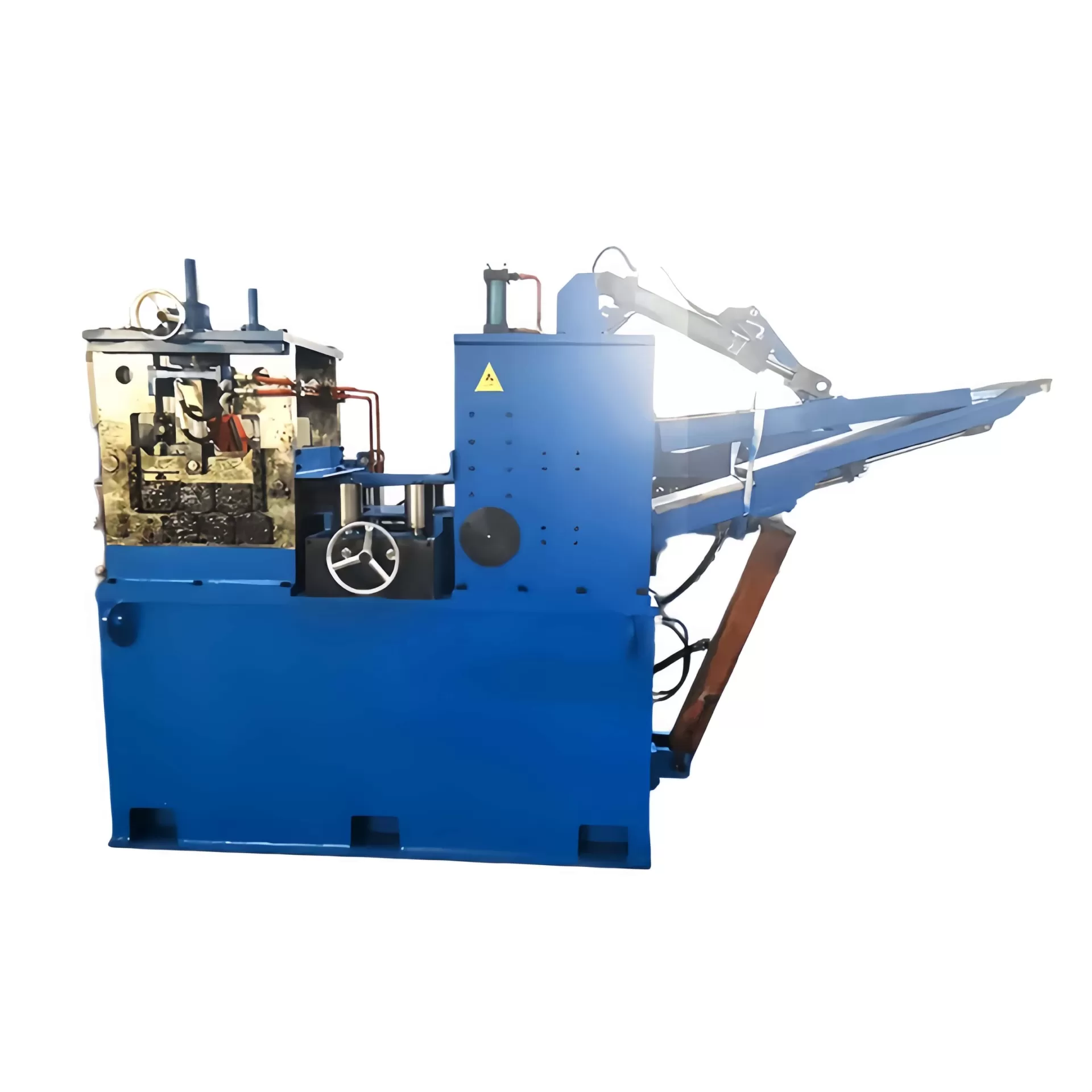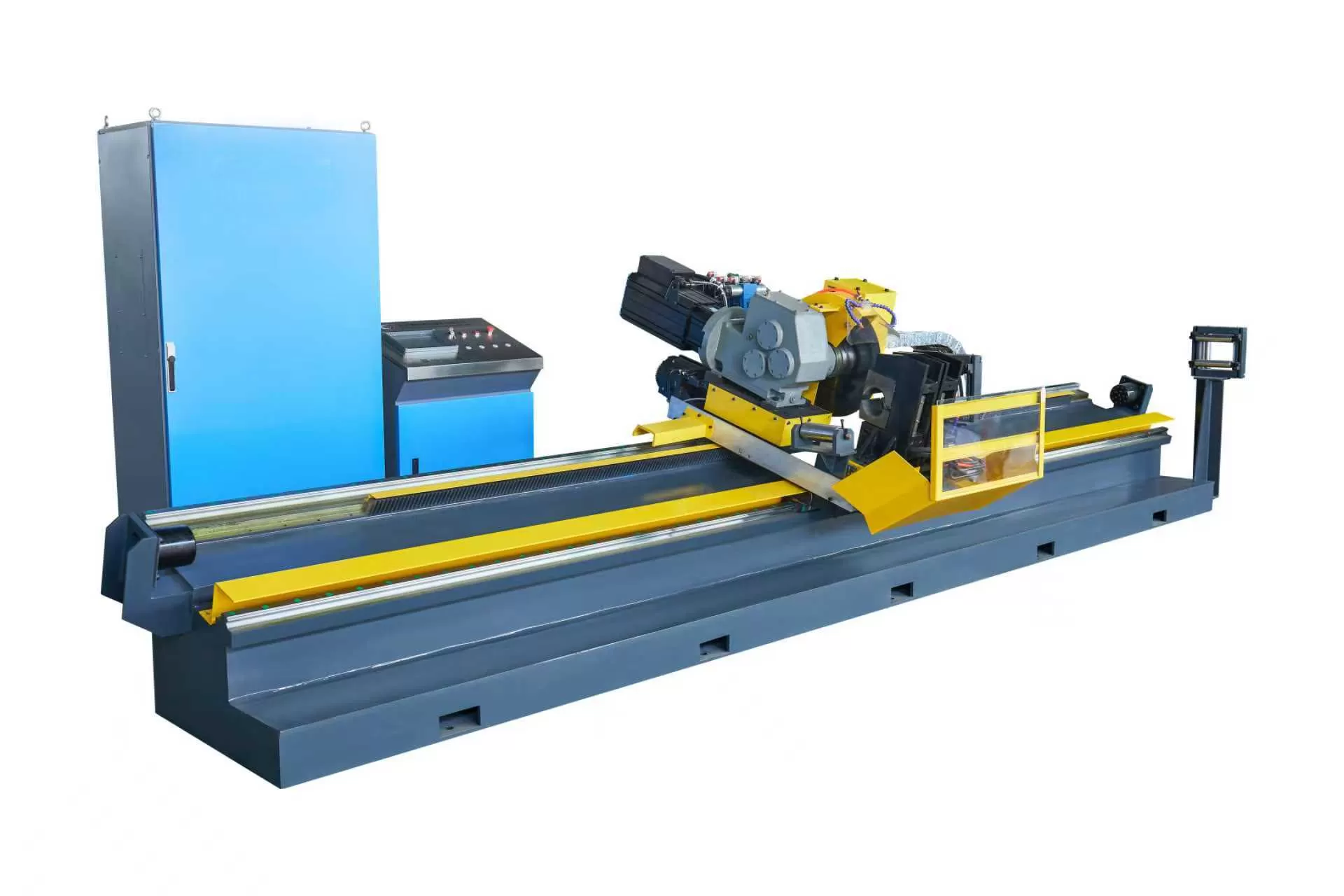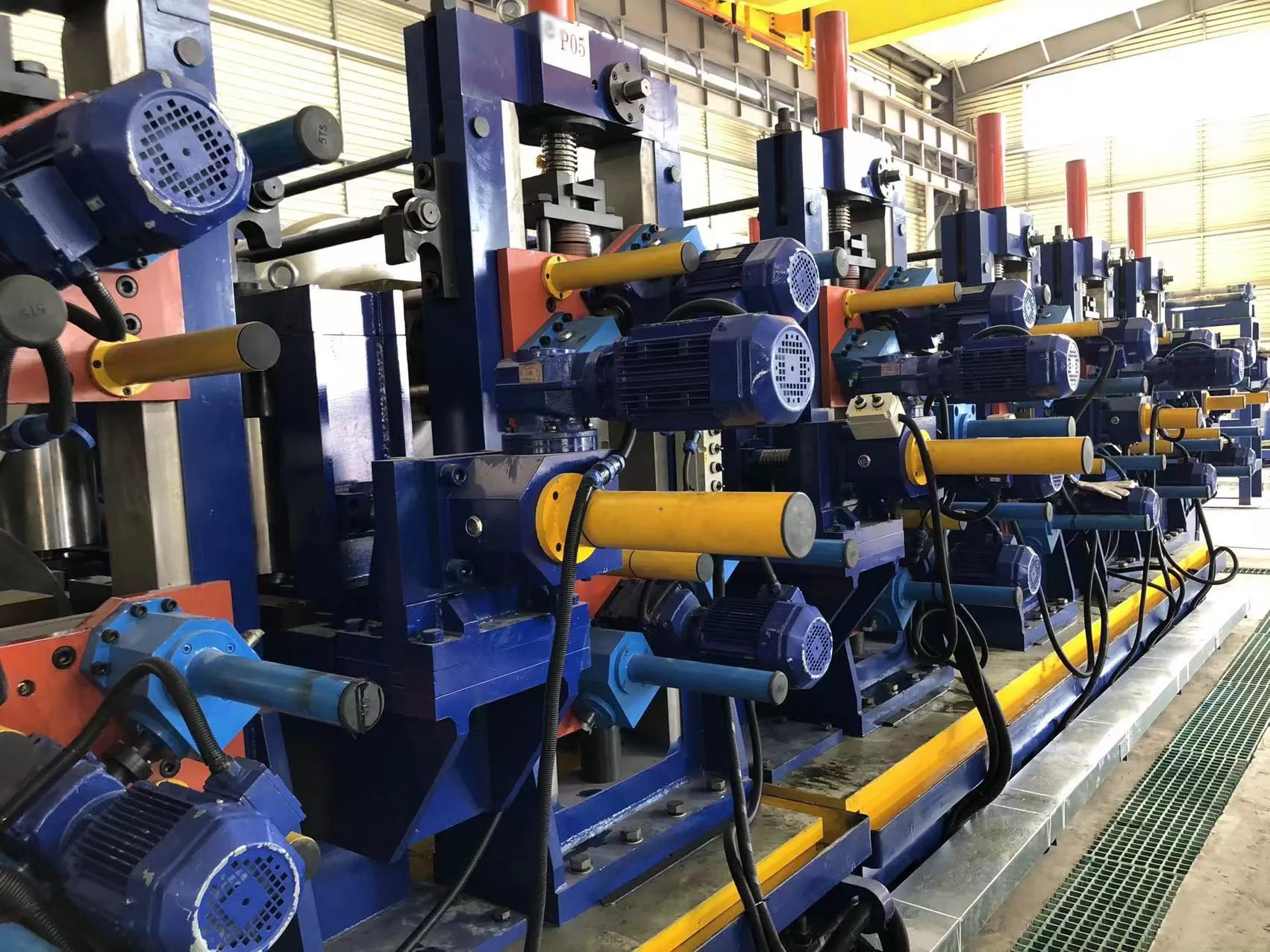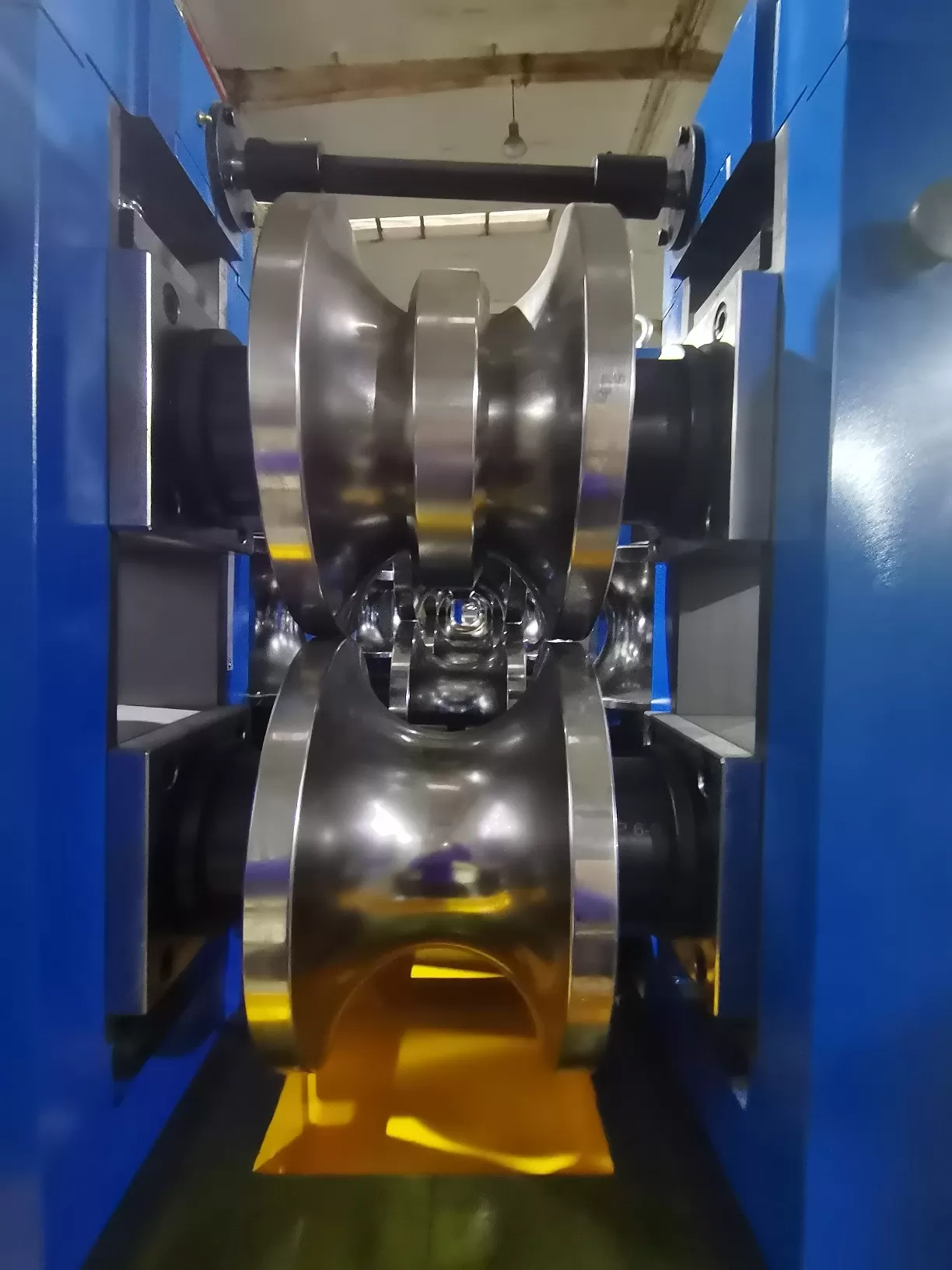
With over two decades of experience in designing and manufacturing tube mill lines, I have witnessed first-hand how cutting operations directly impact overall productivity and edge quality. The saw blade hss remains the primary tool for cutoff operations in tube mills producing diameters from a few millimeters to several inches. This article provides a detailed examination of high-speed steel saw blades—their metallurgy, geometry, application parameters, and the common pitfalls that lead to premature failure. Drawing on field data and metallurgical analysis, we present actionable insights to optimize your cutting processes. Throughout this discussion, we reference the expertise of SANSO, a leader in tube mill machinery and cutting tool integration.
Metallurgical Foundation of HSS Saw Blades
The performance of any saw blade hss begins with its chemical composition and heat treatment. High-speed steel is a family of tool steels designed to maintain hardness at elevated temperatures—a critical property when cutting metals at surface speeds that generate significant frictional heat.
Key Alloying Elements and Their Roles
Tungsten (W) and Molybdenum (Mo): These elements form hard carbides that provide wear resistance and retain hardness at temperatures up to 600 °C. Common grades like M2 (6% W, 5% Mo) balance toughness and wear resistance for general tube cutting.
Vanadium (V): Increases wear resistance by forming extremely hard vanadium carbides. High-vanadium grades such as M3 or M4 are specified for abrasive materials like stainless steel or for long production runs.
Cobalt (Co): Added in grades like M35 or M42 to further enhance red hardness, allowing higher cutting speeds. Cobalt-bearing HSS is often chosen for cutting tougher alloys.
Carbon (C): Typically 0.8–1.2%, carbon content determines the maximum attainable hardness and carbide volume.
Heat treatment involves austenitizing at 1180–1230 °C, followed by quenching and multiple tempering cycles to achieve a final hardness of 64–66 HRC. The resulting microstructure consists of tempered martensite with a dispersion of undissolved carbides—this combination delivers the necessary balance of hardness and toughness for interrupted cutting.
Common HSS Grades for Saw Blades
M2 (1.3343): The workhorse grade for carbon steel and low-alloy tube cutting. Good toughness and moderate wear resistance.
M35 (1.3243): Contains 5% cobalt; used for stainless steel and higher-strength materials where edge retention is critical.
M42 (1.3247): 8% cobalt and higher vanadium; recommended for superalloys and high-production environments.
SANSO integrates blades made from these grades into their tube mill cutoff systems, ensuring that the cutting tool matches the material being processed.
Tooth Geometry and Grinding Parameters
Beyond metallurgy, the geometry of the saw blade hss dictates its cutting efficiency, chip formation, and surface finish. Four primary angles define the tooth profile:
Radial rake angle: Typically 5° to 15° positive for HSS blades cutting tube. A positive rake reduces cutting forces but may weaken the tooth tip; the optimal value depends on tube wall thickness and material.
Clearance angle: Usually 8° to 12°. Sufficient clearance prevents rubbing between the tooth flank and the freshly cut surface.
Hook angle: In the case of segmental or tipped HSS blades, the hook angle influences chip flow. For tube cutting, a moderate hook (10°–15°) helps evacuate chips from the kerf.
Tooth pitch: Variable pitch designs (e.g., 4/6 teeth per inch) are common to reduce vibration and resonance during the cut. For thin-wall tube, finer pitches (8–10 TPI) are preferred; for heavy-wall pipe, coarser pitches (3–4 TPI) provide better chip clearance.
Grinding quality is equally critical. A properly sharpened saw blade hss exhibits a consistent tooth profile, no grinding burns (which can soften the cutting edge), and a surface finish of 0.2 µm Ra or better on the flank faces. Many tube mills, including those built by SANSO, employ CNC blade grinders to maintain repeatability across batches.
Application Parameters and Cutting Performance
Selecting the correct operating parameters for a saw blade hss is essential to achieve acceptable tool life and cut quality. Three interrelated variables must be optimized:
Cutting Speed (Vc)
Expressed in meters per minute, cutting speed for HSS blades typically ranges from 30 to 80 m/min, depending on the workpiece material:
Carbon steel (up to 600 N/mm²): 50–70 m/min
Stainless steel (austenitic): 25–40 m/min
Aluminum alloys: 200–400 m/min (but carbide or PCD may be more economical)
Operating below the recommended speed increases cutting forces and can cause work hardening in stainless steels; operating too high accelerates flank wear and may soften the cutting edge due to excessive heat.
Feed Rate (Tooth Load)
Feed per tooth (fz) should be maintained between 0.02 and 0.10 mm/tooth for most tube cutting applications. Too low a feed causes rubbing and rapid wear; too high a feed can chip the teeth or cause excessive burr formation. The ideal tooth load ensures that each tooth removes a chip thick enough to carry heat away from the cutting edge.
Coolant Application
Flood coolant with a concentration of 5–8% semi-synthetic or soluble oil is standard for HSS blades cutting steel. The coolant serves three functions: lubricating the tooth/workpiece interface, cooling the blade, and flushing chips from the gullet. Inadequate coolant flow leads to built-up edge (BUE) on the teeth, deteriorating surface finish and increasing power consumption.
Industry Pain Points and Corrective Actions
Despite proper selection and setup, tube mills frequently encounter blade-related problems. The following are the most common failure modes observed in the field, along with metallurgical explanations and corrective measures.
Premature Flank Wear
Characterized by a wear land exceeding 0.3 mm on the clearance face before expected tool life. This is often caused by abrasive inclusions in the tube material (e.g., scale on hot-rolled steel) or cutting speeds that are too low, leading to rubbing rather than shearing. Solutions include switching to a cobalt-enriched HSS grade (e.g., M42), increasing cutting speed to the proper range, and ensuring effective coolant delivery to the cutting zone.
Tooth Chipping or Breakage
Chipping typically results from excessive feed per tooth, unstable clamping of the tube, or encountering a weld seam with inconsistent hardness. In tube mills, the weld seam area is often harder than the base metal; if the blade does not have sufficient edge toughness, micro-chipping occurs. Mitigation involves reducing feed rate when the seam is cut (using adaptive control if available), verifying that the blade’s tooth pitch is appropriate for the wall thickness, and selecting a tougher HSS grade such as M2 rather than M42 if chipping persists.
Vibration and Chatter Marks
Chatter on the cut surface indicates resonance between the blade, the tube, and the machine structure. This can be caused by incorrect tooth pitch (fixed pitch blades are more prone to harmonic vibration), worn spindle bearings, or insufficient rigidity of the tube support. Using variable-pitch blades, stiffening the work support, and checking the blade tension (if a band saw) or flange clamping (if a circular saw) are typical remedies. SANSO tube mills incorporate rigid cutoff stations and precision blade guides to minimize vibration.
Burr Formation
Excessive burr on the cut ends—both inside and outside the tube—often indicates dull teeth or incorrect clearance angles. A sharp saw blade hss with proper hook and clearance produces a minimal burr that can be removed by a subsequent deburring unit. If burrs become excessive, it is time to inspect the blade for wear and verify that the tooth geometry matches the tube material. For stainless steel, increasing the rake angle slightly can help shear the material more cleanly.
Short Tool Life (Blade Not Lasting Expected Shifts)
When a blade fails to complete an expected production run, the cause may be a combination of factors: incorrect grade for the material, poor coolant concentration, or aggressive feed rates. A systematic approach involves collecting data on the number of cuts per blade, the material being cut, and the operating parameters. Comparing these against known benchmarks helps identify the root cause. SANSO provides customers with tool life tracking software and on-site optimization services to address such issues.
Selection Guide for HSS Saw Blades in Tube Mills
Choosing the optimal saw blade hss for a specific tube mill application requires evaluation of several factors:
Tube material: For carbon steels, M2 is generally sufficient; for stainless and alloys, consider M35 or M42.
Wall thickness: Thin walls (0.5–2 mm) require finer tooth pitch (8–10 TPI) to ensure at least three teeth in the cut at all times. Thick walls (over 6 mm) demand coarser pitch (3–4 TPI) for chip evacuation.
Tube diameter: Larger diameters may require wider blades or segmented blades to maintain rigidity.
Production volume: High-volume runs justify premium grades and tighter quality control on grinding.
Machine type: Flying cut-off saws impose different dynamics than stationary cut-offs; consult with the machine builder for blade recommendations.
SANSO offers a comprehensive range of HSS blades tailored to these variables, ensuring that each blade is matched to the specific tube mill configuration.
Frequently Asked Questions (FAQs) about HSS Saw Blades
Q1: What is the difference between HSS and carbide-tipped saw blades for tube cutting?
A1: HSS blades are tougher and less brittle than carbide-tipped blades, making them more resistant to shock and vibration—common in tube mills with intermittent cutting. Carbide blades offer higher wear resistance and can run at faster speeds, but they are more expensive and susceptible to chipping if the cut is not stable. HSS remains the standard for general tube mill applications.
Q2: How often should I resharpen my HSS saw blade?
A2: Resharpening frequency depends on the material and cutting conditions. A typical rule is to resharpen when the wear land on the tooth flank reaches 0.2–0.3 mm, or when burr height exceeds acceptable limits. Many tube mills schedule resharpening after a fixed number of cuts (e.g., every 10,000 cuts) based on historical data.
Q3: Can I use the same HSS blade for different tube materials?
A3: It is possible but not optimal. A blade set up for carbon steel may experience rapid wear or chipping when switched to stainless steel due to different cutting forces and work-hardening characteristics. For best results, dedicate blades to specific material families and adjust cutting parameters accordingly.
Q4: What coolant is recommended for HSS blades cutting stainless steel?
A4: For stainless steel, a high‑performance semi‑synthetic coolant with extreme pressure (EP) additives is recommended. Concentration should be maintained at 8–10% to ensure adequate lubrication and heat removal. Chlorinated or sulfurized oils can also be used but may require proper handling and disposal.
Q5: Why does my HSS blade produce rough cuts on the weld seam?
A5: The weld seam is often harder and may have a different microstructure than the base tube. If the blade is not optimized for this variation, it can deflect or wear locally. Solutions include using a blade with a slightly coarser pitch to engage fewer teeth in the seam, or employing a variable-speed drive to momentarily reduce feed rate as the seam passes the blade. SANSO tube mills offer adaptive cutting controls to handle such transitions seamlessly.
Q6: What is the typical lifespan of an HSS saw blade in a tube mill?
A6: Lifespan varies widely based on material, speeds, and maintenance. In a well‑optimized carbon steel tube mill, an M2 blade may produce 20,000–50,000 cuts between sharpenings. With proper resharpening, a blade can be reused 10–15 times before it is worn out (reduced diameter below minimum). Tracking blade usage is key to predicting replacement cycles.
In summary, the saw blade hss remains a technically sound and economically attractive choice for tube mill cutoff operations. By understanding its metallurgy, geometry, and application parameters—and by partnering with experienced manufacturers like SANSO—tube producers can achieve consistent cut quality, maximize blade life, and minimize unplanned downtime.