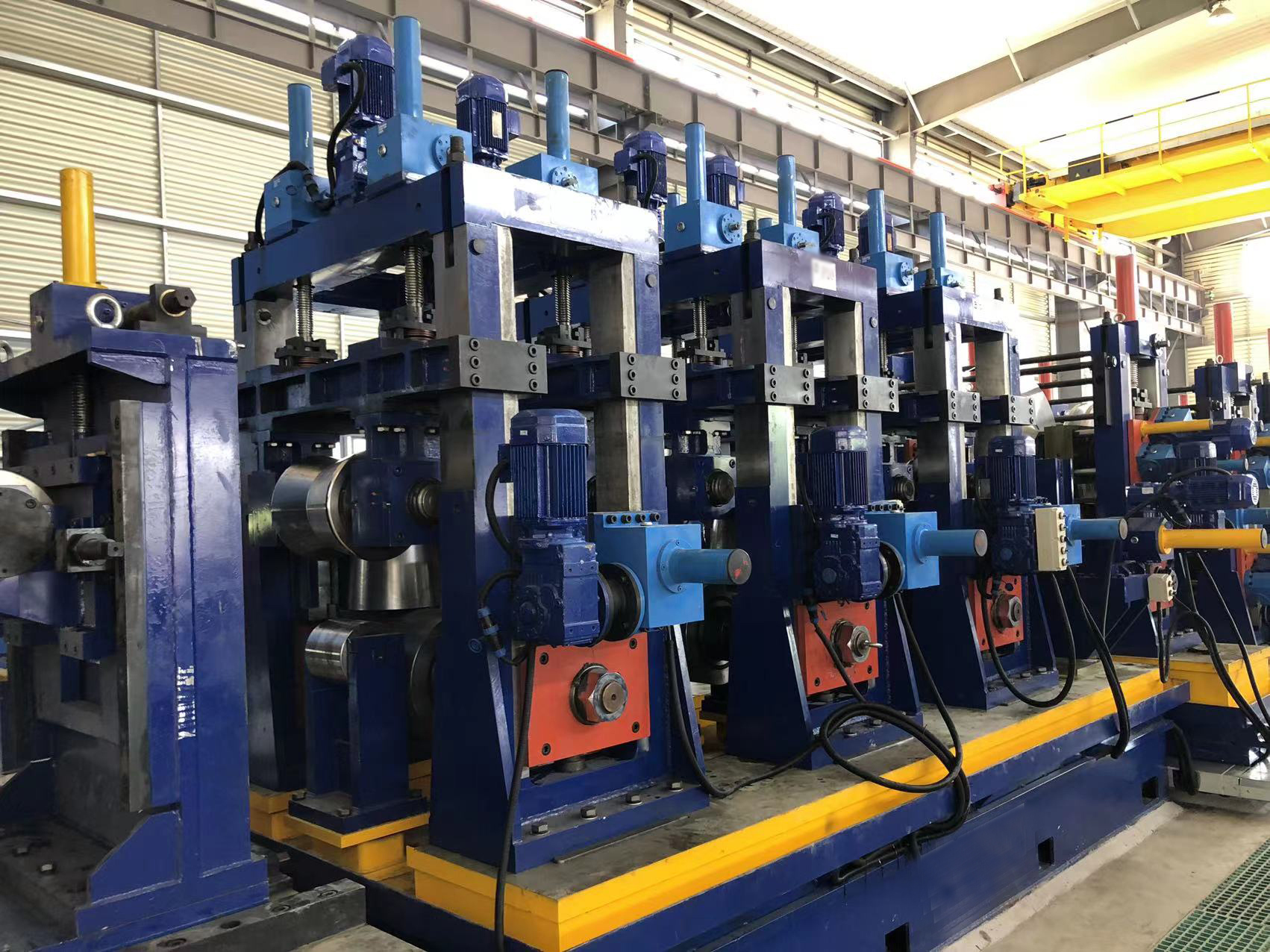
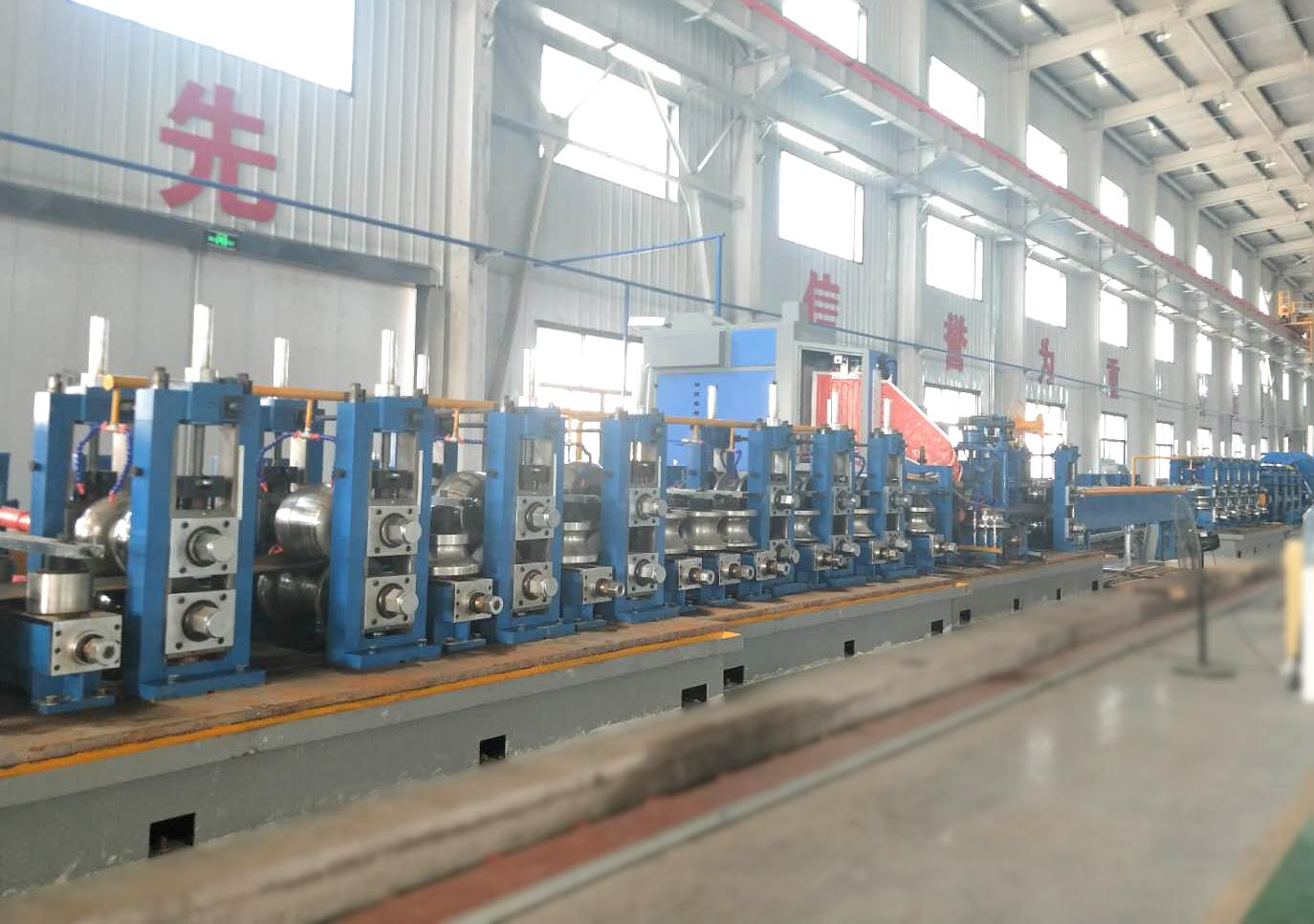
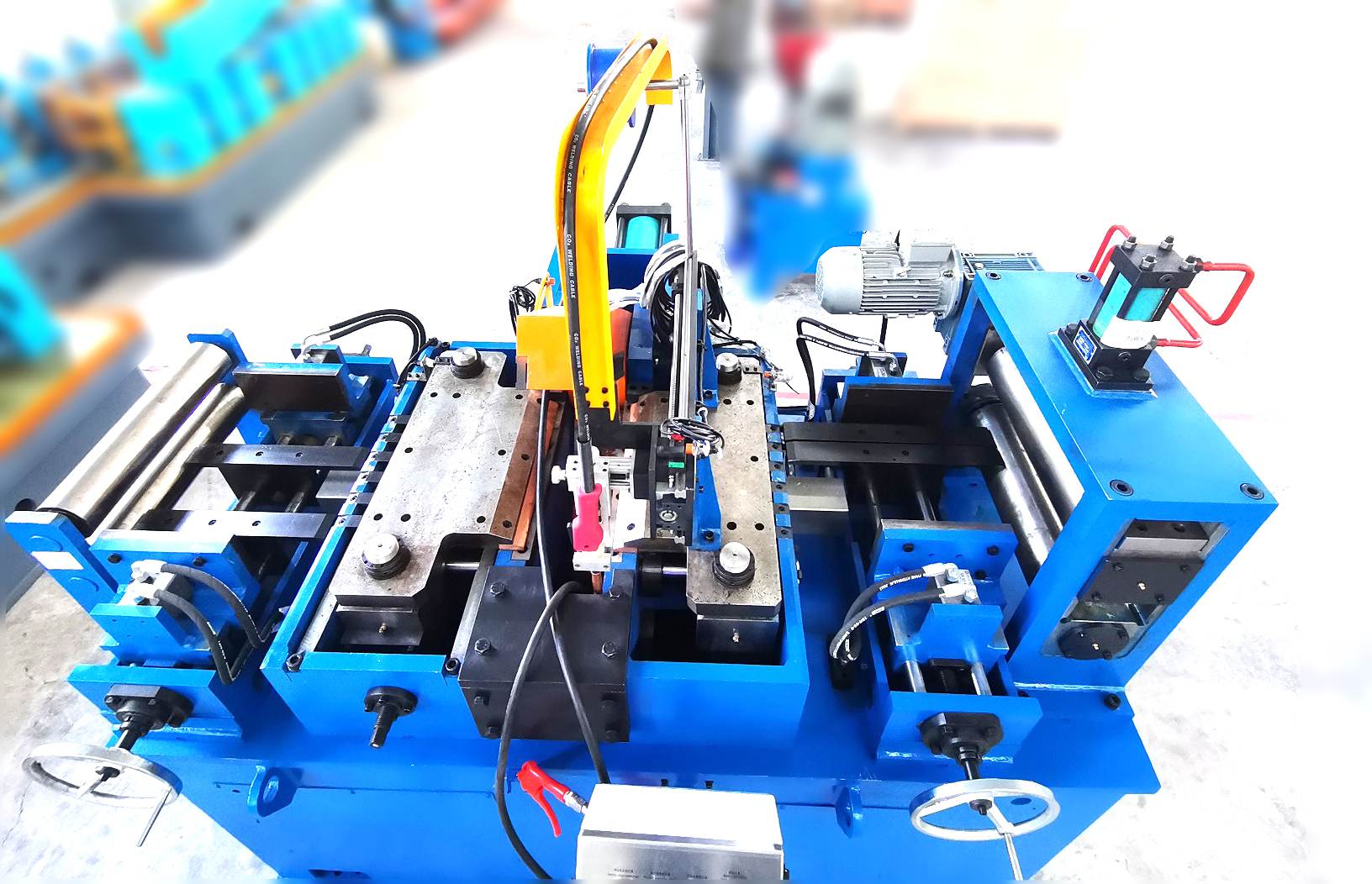
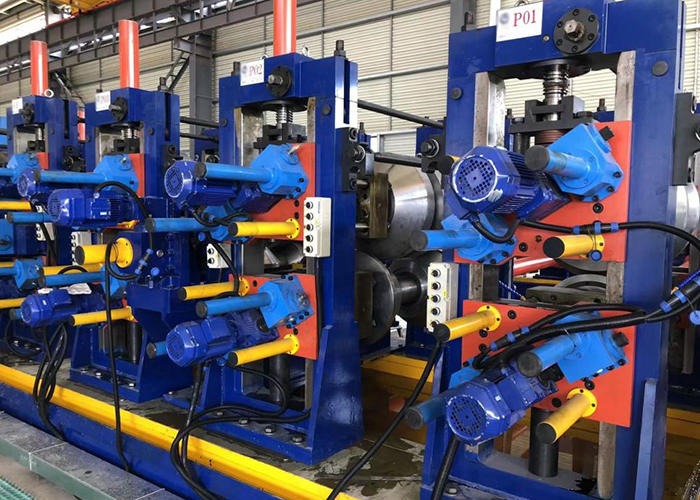
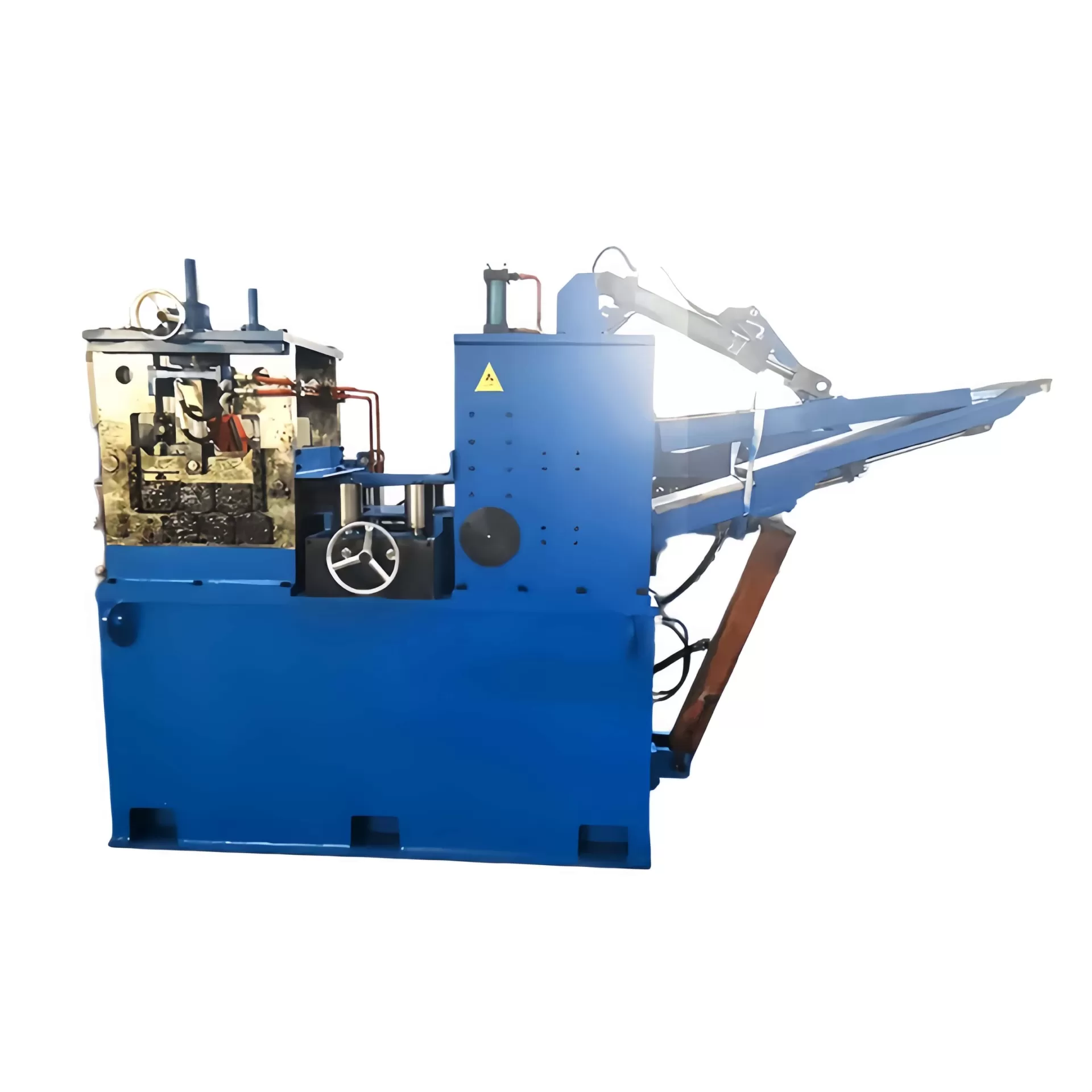
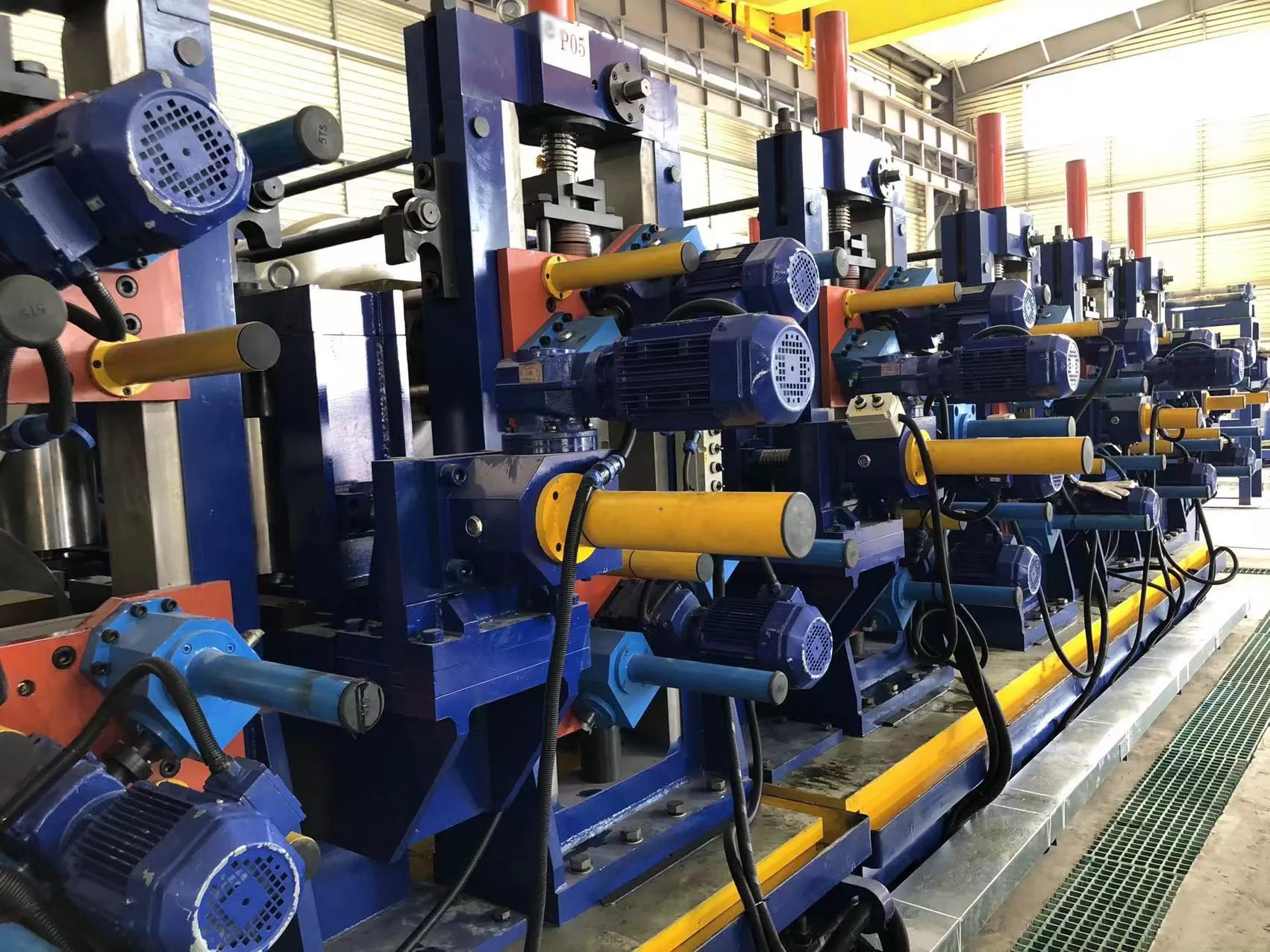
In the world of metal fabrication and tube production, coil processing equipment forms the essential first step. This machinery transforms large metal coils into the precise strips or blanks needed for further manufacturing.
Efficient coil processing directly impacts the quality, cost, and speed of producing welded tubes and pipes. A reliable line ensures consistent material feed into an ERW mill, minimizing defects and downtime. Leading manufacturers like SANSO integrate advanced coil processing solutions into their production systems.
This article explores the various types of coil processing equipment, their critical functions, and factors to consider for optimal operation in tube manufacturing.
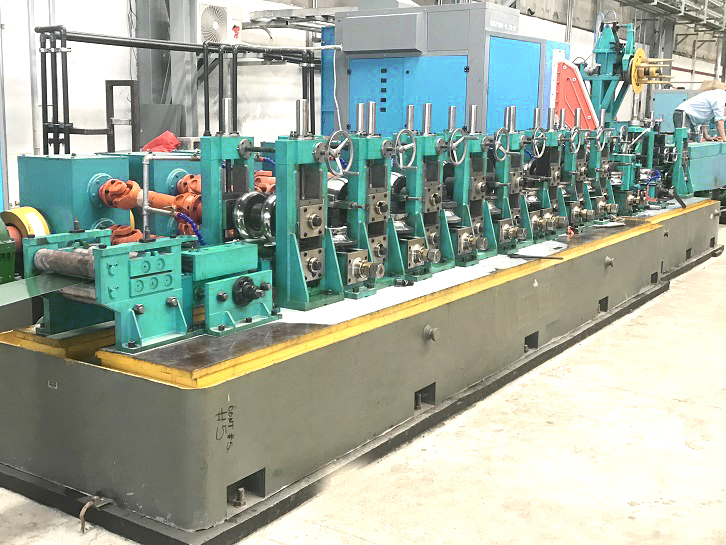
The Role of Coil Processing Equipment in Tube Manufacturing
Coil processing equipment prepares raw metal coils for the tube forming and welding process. It handles heavy coils, removes imperfections, and shapes the metal to exact specifications.
Without proper processing, a tube mill cannot operate efficiently. Inconsistent strip width, thickness, or surface quality can lead to welding problems and poor final product quality.
Therefore, investing in robust coil processing equipment is a strategic decision for any tube producer. It sets the foundation for a smooth and profitable production line.
From Raw Coil to Precision Strip
The journey begins with a heavy metal coil. The processing line must safely load, straighten, and clean the material.
Key steps in this preparatory phase include:
Coil Loading & Unwinding: A crane or mandrel handles the heavy coil, feeding it into the line.
Edge Trimming: Removes irregular coil edges to ensure uniform width and prevent edge cracks.
Leveling: Flattens the metal strip to eliminate coil set and camber for a uniform feed.
Surface Cleaning: Brushes or wipes the strip to remove dirt, oil, or scale that could interfere with welding.
This preparation is crucial for the performance of downstream SANSO tube mills and other forming machinery.
Main Types of Coil Processing Lines
There are two primary categories of coil processing equipment, each serving a distinct purpose in material preparation. The choice depends on the required final product for tube mill feeding.
Slitting Lines
Slitting lines are designed to cut a wide master coil into multiple narrower strips. This is a common requirement for tube mills that produce several smaller-diameter tubes simultaneously.
The process involves a set of rotary knives mounted on arbors. The configuration of these knives determines the number and width of the output strips.
Precision Slitting: Achieves tight width tolerances for consistent tube forming.
Scrap Management: Efficiently handles edge trim and separates the slit strands.
Re-coiling: Rewinds the multiple narrow strips into individual, manageable coils for storage or direct feeding.
A high-quality slitting line is a vital piece of coil processing equipment for operations with diverse product ranges.
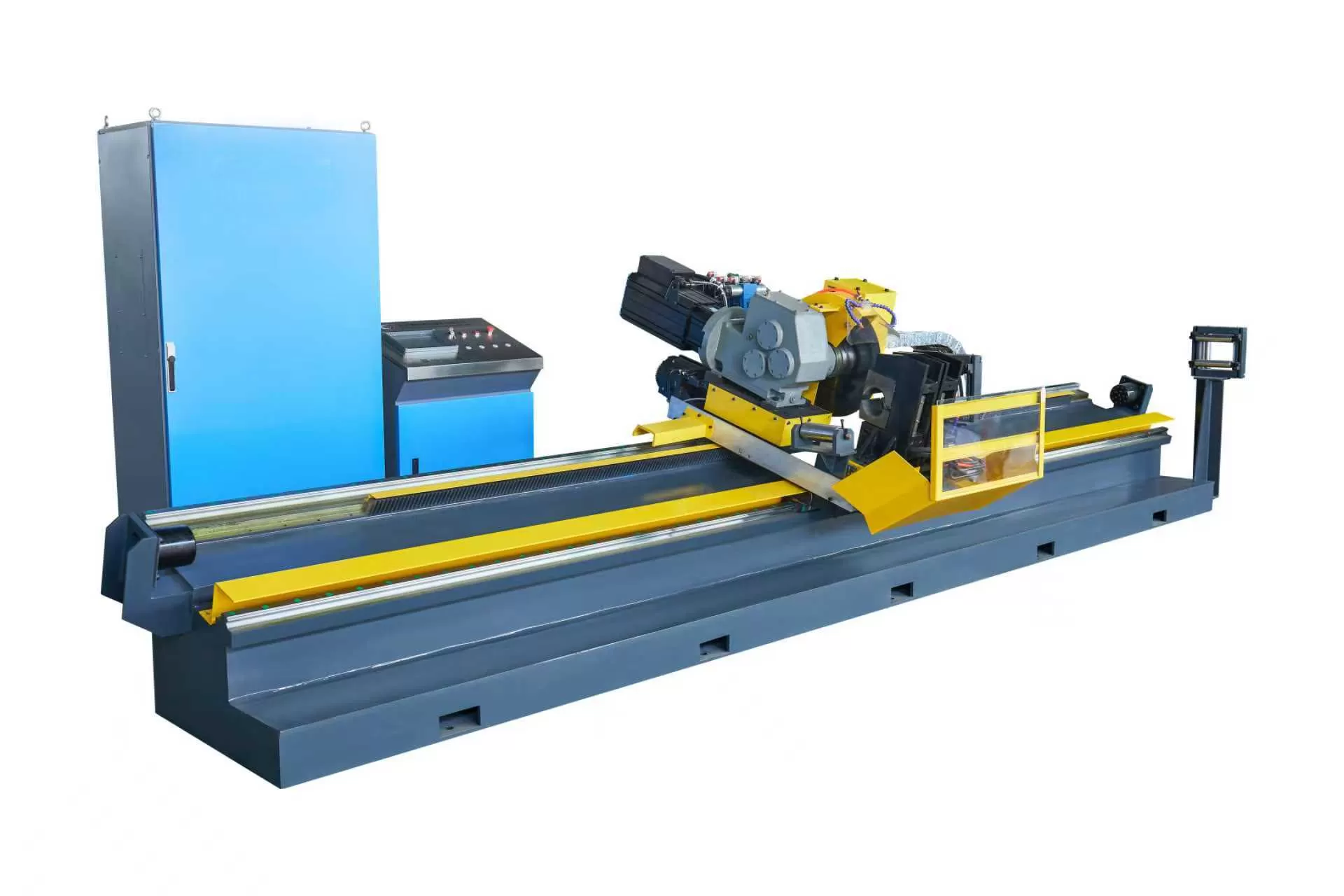
Cut-to-Length (CTL) Lines
Cut-to-length lines process a metal coil and shear it into flat sheets or blanks of predetermined lengths. These blanks are often used for making larger diameter pipes or specific structural sections.
The line straightens the coil and feeds it accurately into a flying shear or press. The shear cuts the moving strip without stopping the line, ensuring high productivity.
Key features of a CTL line include:
Precision Feeding: Servo-driven systems ensure accurate cut lengths.
Stacking: Automatically stacks the finished blanks for easy handling.
Versatility: Can handle various material grades and thicknesses with quick changeovers.
Key Components of a Coil Processing Line
Understanding the major components helps in selecting and maintaining effective coil processing equipment. Each part has a specific role in the material transformation sequence.
This is the starting point. The uncoiler holds the master coil and controls its unwinding. It applies back tension to prevent the coil from unraveling uncontrollably.
Modern uncoilers are often motorized and can handle coils of significant weight and diameter. Proper coil loading mechanisms are critical for safety and efficiency.
Leveling and Straightening Units
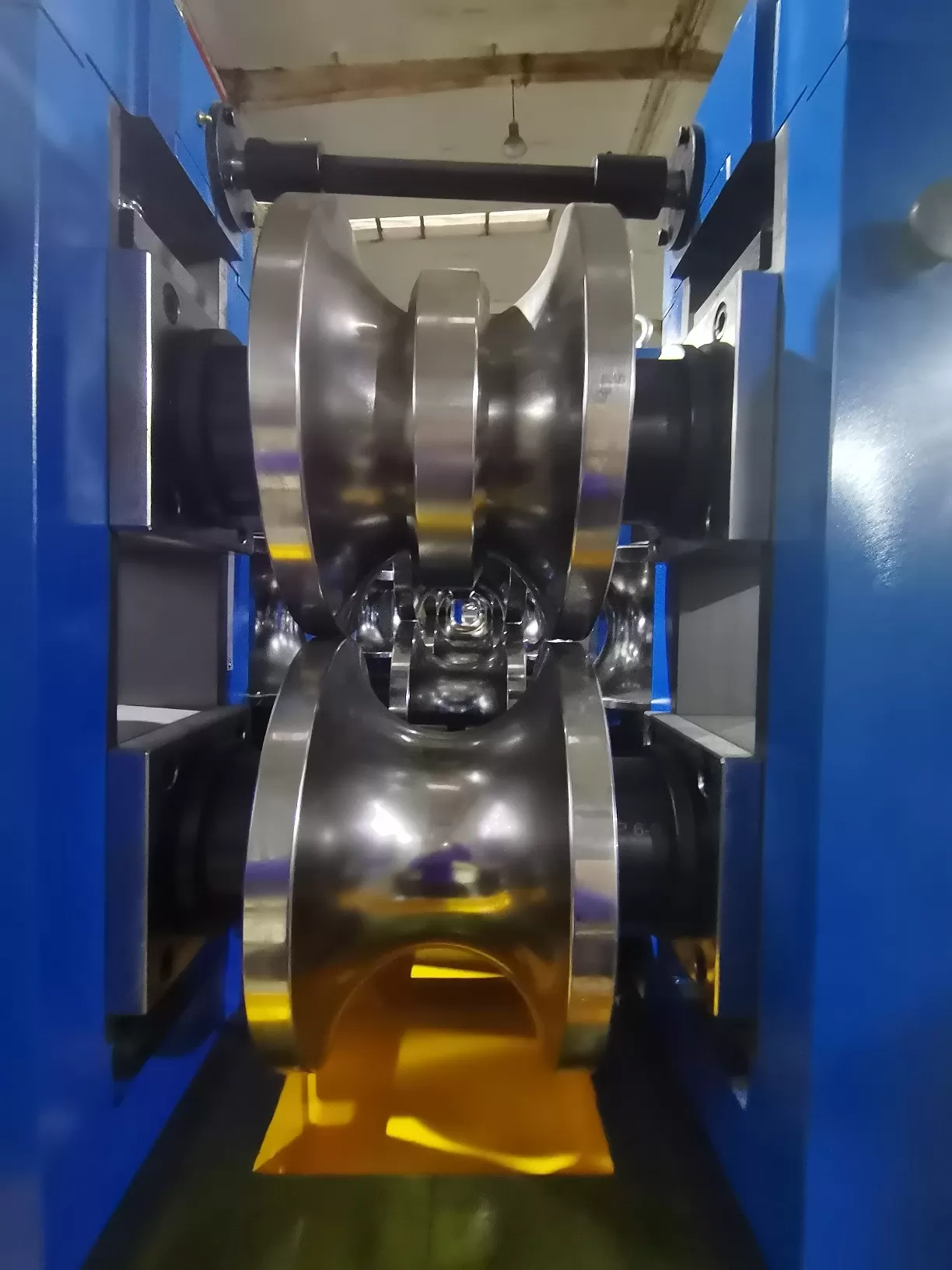
Levelers are perhaps the most important component for quality. They use a series of rolls to bend the metal back and forth, removing any curvature or twists from the coiling process.
A perfectly flat strip is non-negotiable for high-speed tube forming and welding. The number and diameter of leveling rolls depend on the material thickness and strength.
Processing Module: Slitter or Shear
This is the heart of the operation where the actual cutting occurs. In a slitting line, this module houses the slitter head with its precisely spaced knives.
In a CTL line, this module is a high-speed shear. The accuracy and durability of the cutting tools directly affect edge quality and maintenance costs.
Regular inspection and sharpening of these tools are essential for any coil processing equipment maintenance schedule.
Recoiler and Downstream Handling
After slitting, a recoiler winds the narrow strips onto separate mandrels. Tension control is vital here to produce tight, even coils.
In CTL lines, downstream handling involves conveying, stacking, and bundling the cut blanks. Automation in this stage reduces labor and minimizes sheet damage.
Selecting the Right Coil Processing Equipment
Choosing suitable coil processing equipment requires careful analysis of your production needs. A mismatch can create bottlenecks and limit product capabilities.
Key Selection Factors
Consider these critical parameters before investing:
Material Specifications: Maximum coil weight, width, thickness, and material grade (e.g., mild steel, stainless, aluminum).
Production Speed: Required processing speed (meters per minute) to match or exceed your tube mill's capacity.
Output Requirements: Do you need slit coils or cut blanks? What are the required width tolerances and cut length accuracy?
Automation Level: Consider automatic coil loading, tool change systems, and digital controls to reduce manual intervention.
Space and Layout: Ensure your facility can accommodate the length and auxiliary services of the processing line.
Partnering with an experienced supplier like SANSO can provide valuable guidance in this selection process.
Integration with Tube Mill Operations
The coil processing line should not be an island. It must integrate seamlessly with your existing or planned tube mill.
Consider factors like strip guiding, looping pits, and synchronization controls. An integrated line from a single supplier, such as coil processing equipment paired with a compatible tube mill, often ensures better communication and performance.
This holistic approach minimizes interface issues and optimizes overall material flow from coil to finished tube.
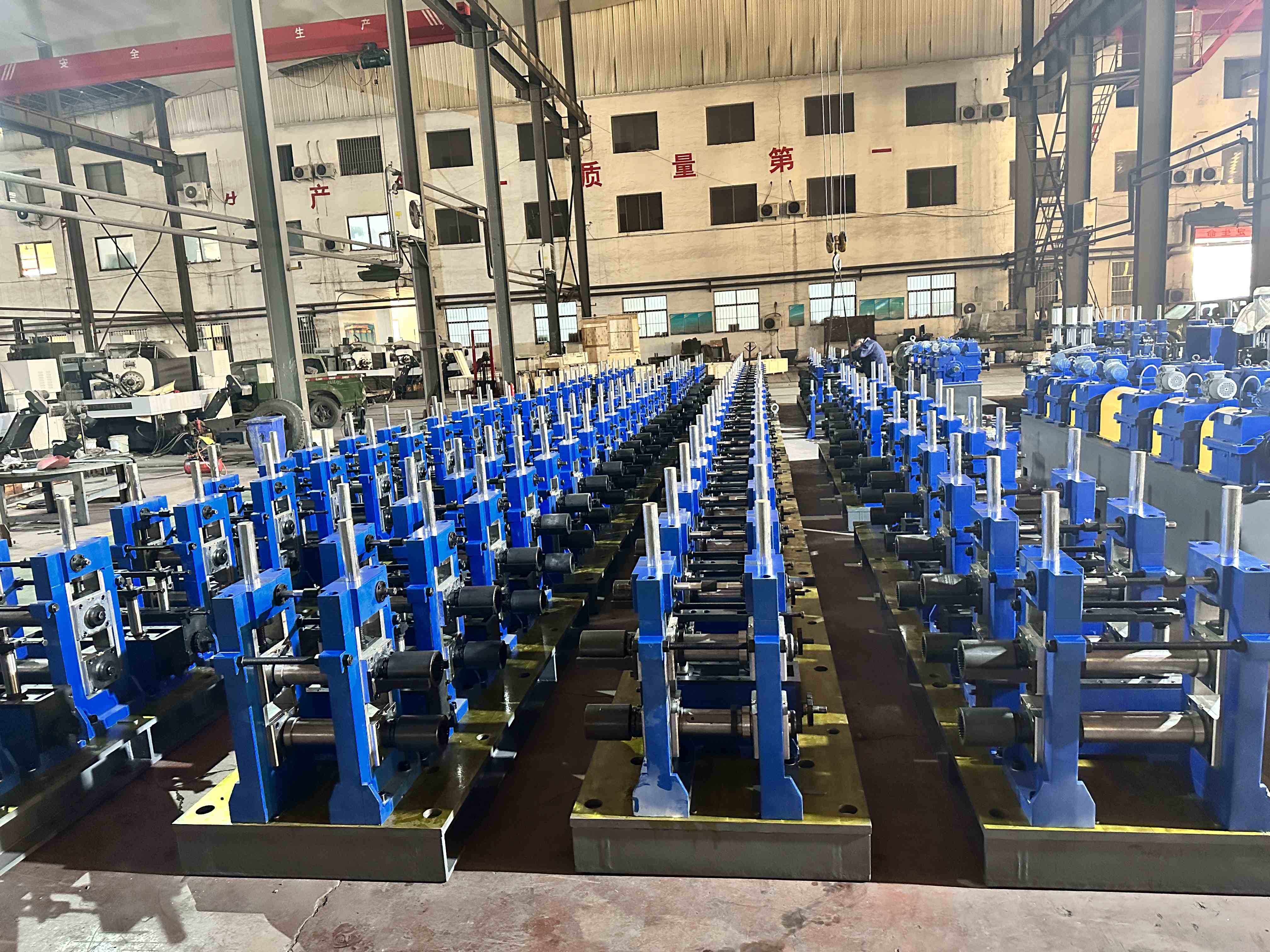
Maintenance and Safety Best Practices
Regular maintenance is crucial for the longevity and reliability of coil processing equipment. A proactive approach prevents unexpected failures.
Essential Maintenance Routines
Establish a scheduled maintenance plan. Focus on lubrication, inspection, and calibration.
Lubricate all bearings, gears, and moving parts according to the manufacturer's schedule.
Inspect and sharpen cutting knives or shear blades regularly. Dull tools produce poor edges and increase power consumption.
Check hydraulic and pneumatic systems for leaks and proper pressure.
Calibrate sensors, encoders, and tension controls to ensure accuracy.
Keeping a log of maintenance activities helps track component wear and plan for replacements.
Operator Safety Considerations
Coil processing involves heavy loads and moving parts. Safety must be a priority.
Ensure all safety guards and emergency stop systems are functional. Provide thorough training for operators on proper procedures, including coil loading and thread-in.
A clean and organized work area around the coil processing equipment also reduces tripping hazards and improves operational efficiency.
Coil processing equipment is the critical gateway in modern tube manufacturing. Its performance directly dictates the efficiency and quality of the entire production line.
From slitting to cut-to-length, choosing the right type and configuration requires careful planning. Prioritizing robust construction, precision, and ease of maintenance leads to a solid return on investment.
For manufacturers seeking integrated solutions, companies like SANSO offer expertise in both coil processing equipment and tube mills, ensuring compatibility and peak performance from start to finish.
Frequently Asked Questions (FAQ)
Q1: What is the main purpose of coil processing equipment in a tube mill?
A1: Its main purpose is to prepare raw metal coils for the tube forming process. This includes unwinding, straightening, cleaning, and either slitting the coil into narrower strips or cutting it to length, ensuring a consistent, high-quality feed material for the ERW mill.
Q2: What is the difference between a slitting line and a cut-to-length line?
A2: A slitting line cuts a wide coil lengthwise into multiple narrower coils. A cut-to-length line slices the coil across its width into individual flat sheets or blanks of specific lengths. The choice depends on whether the tube mill requires coil or sheet feedstock.
Q3: Why is leveling so important in coil processing?
A3: Leveling removes the inherent curvature (coil set) and twists from the metal strip. A perfectly flat strip is essential for accurate forming and welding in the tube mill. It prevents misfeeds, uneven welding pressure, and dimensional defects in the final tube.
Q4: How often should the cutting tools on this equipment be maintained?
A4: Maintenance frequency depends on production volume and material hardness. However, cutting knives or shear blades should be inspected for sharpness and wear regularly—often daily or weekly in high-use settings. Dull tools compromise edge quality and increase machine load.
Q5: Can one coil processing line handle different materials like steel and aluminum?
A5: Some lines are designed for versatility, but adjustments are usually needed. Different materials require specific tooling (knife hardness, clearance), tension settings, and sometimes cleaning methods. It's best to consult the equipment manufacturer, such as SANSO, for multi-material capabilities.