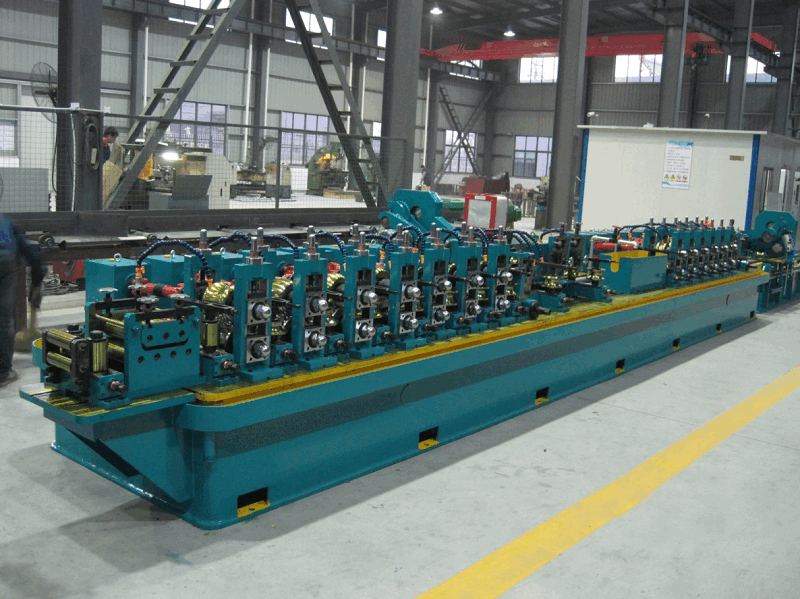
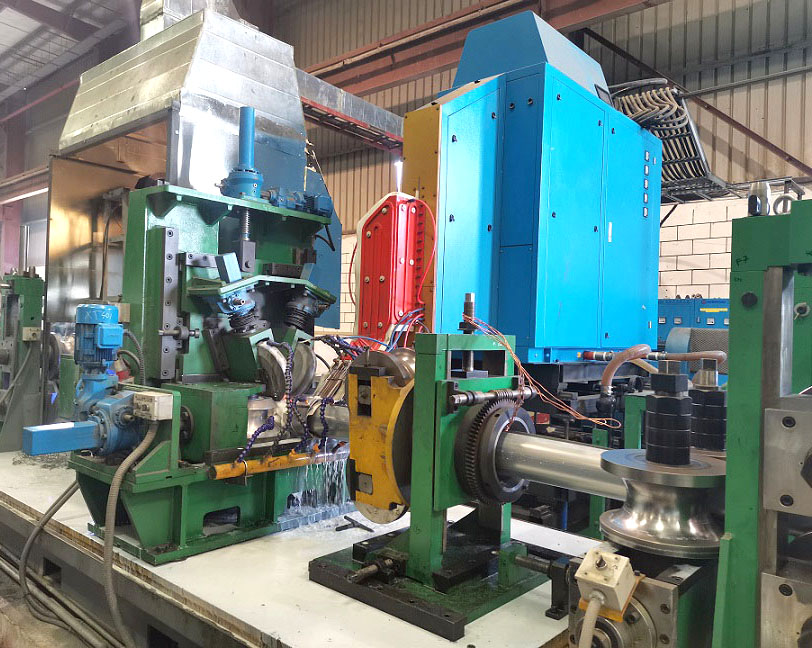
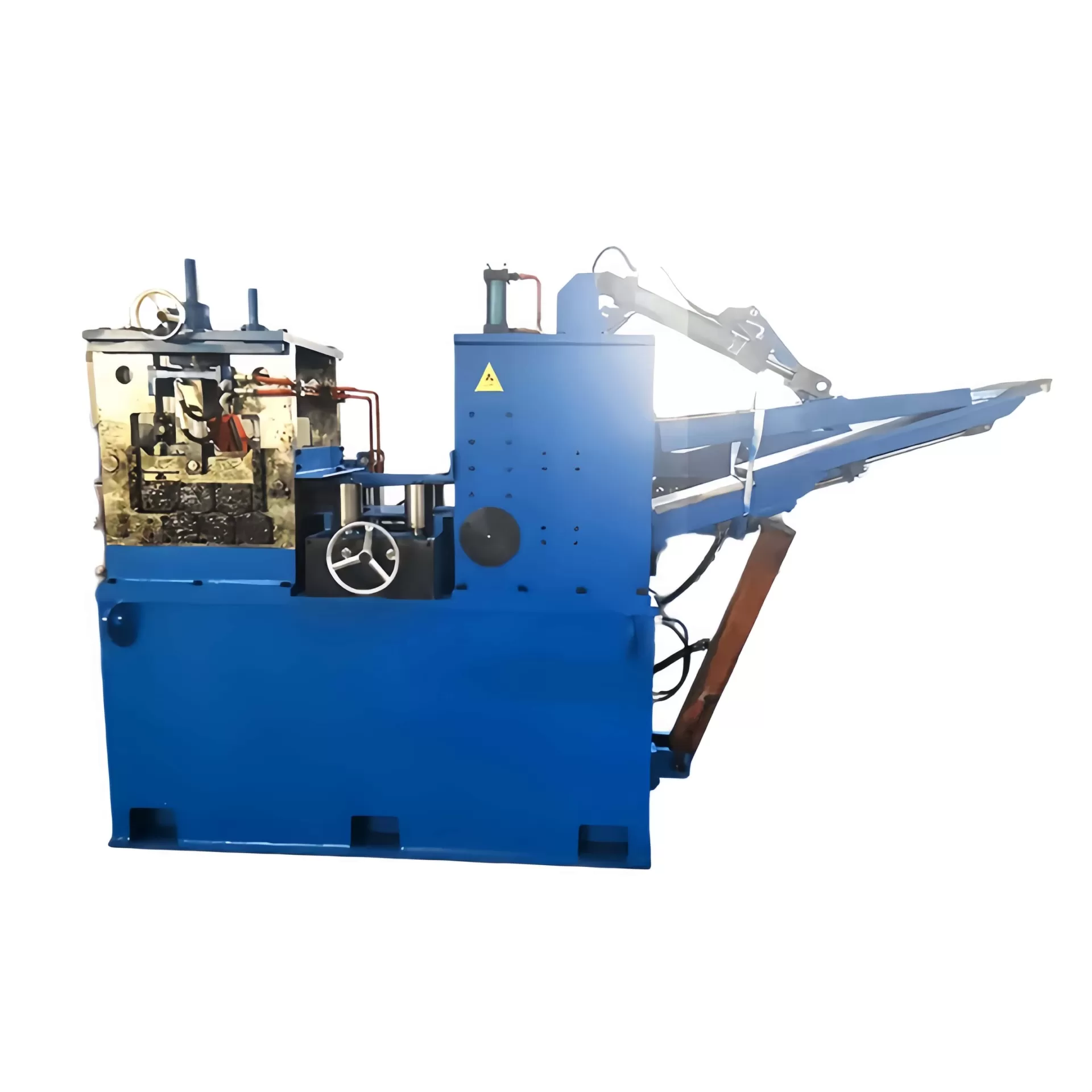
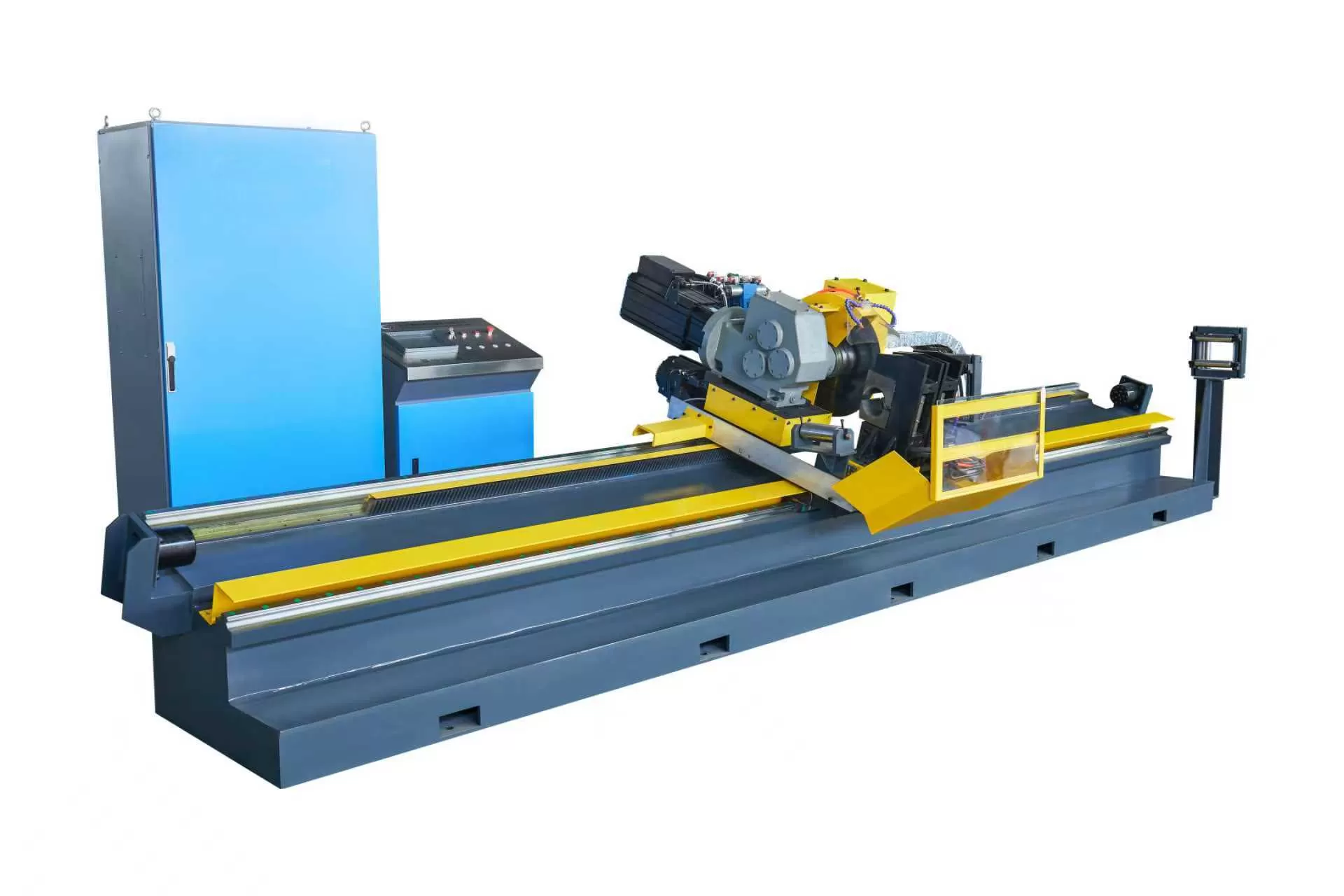
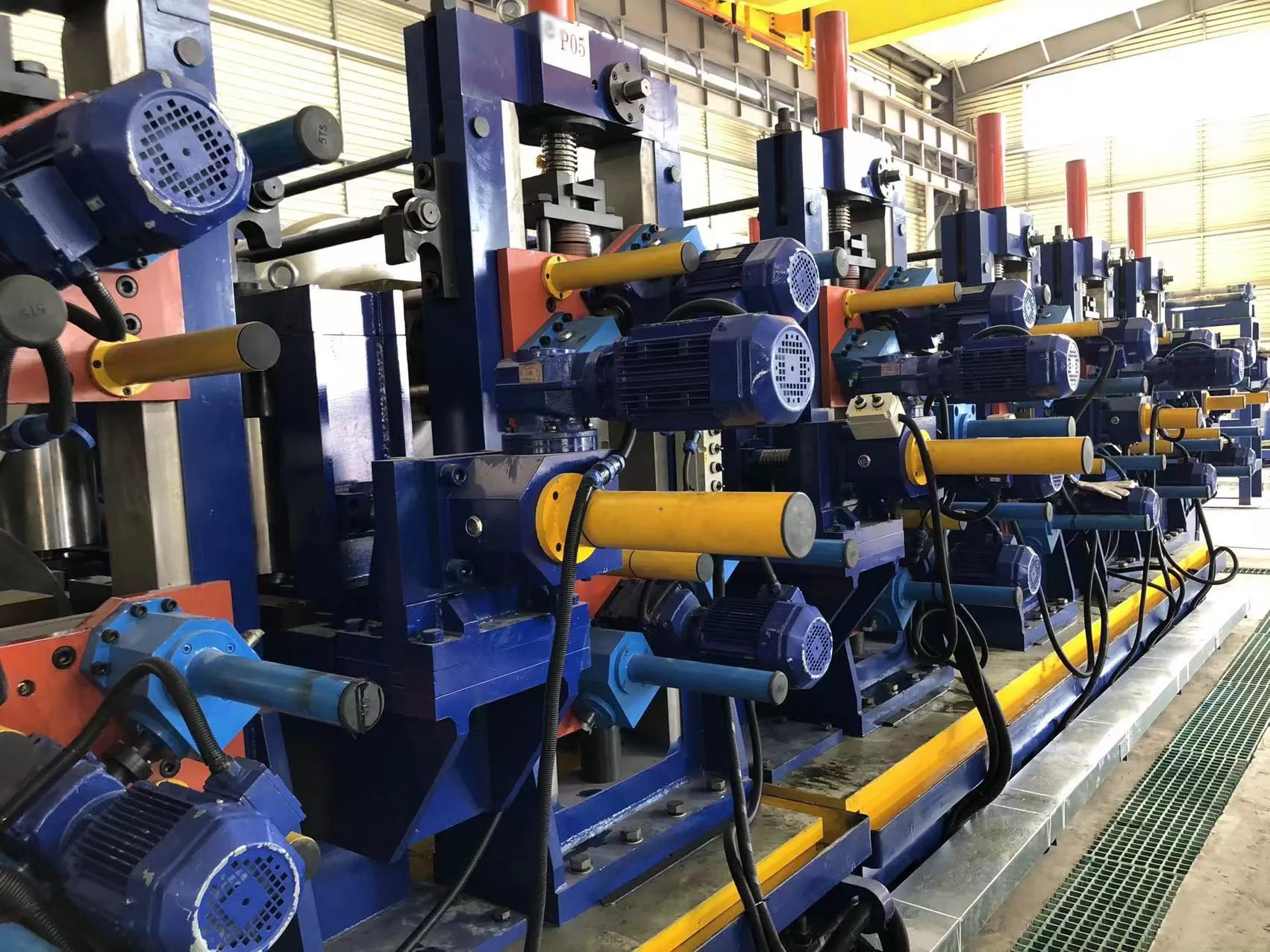
The electric resistance welding (ERW) mill is a fundamental machine in the production of welded tubes and pipes. It shapes and joins metal strips into high-quality tubes used across global industries.
This equipment ensures precision and efficiency in tube forming. Understanding its operation is key for manufacturers aiming to improve output. Companies like SANSO offer advanced solutions in this sector.
In this article, we examine the erw mill from multiple angles. We cover its components, applications, and future trends to provide a clear overview.
What is an ERW Mill?
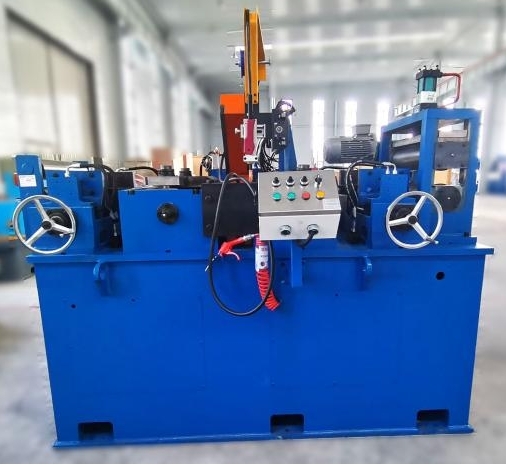
An ERW mill is a tube forming machine that uses electric resistance welding. It transforms flat metal strips into cylindrical tubes through a series of controlled steps.
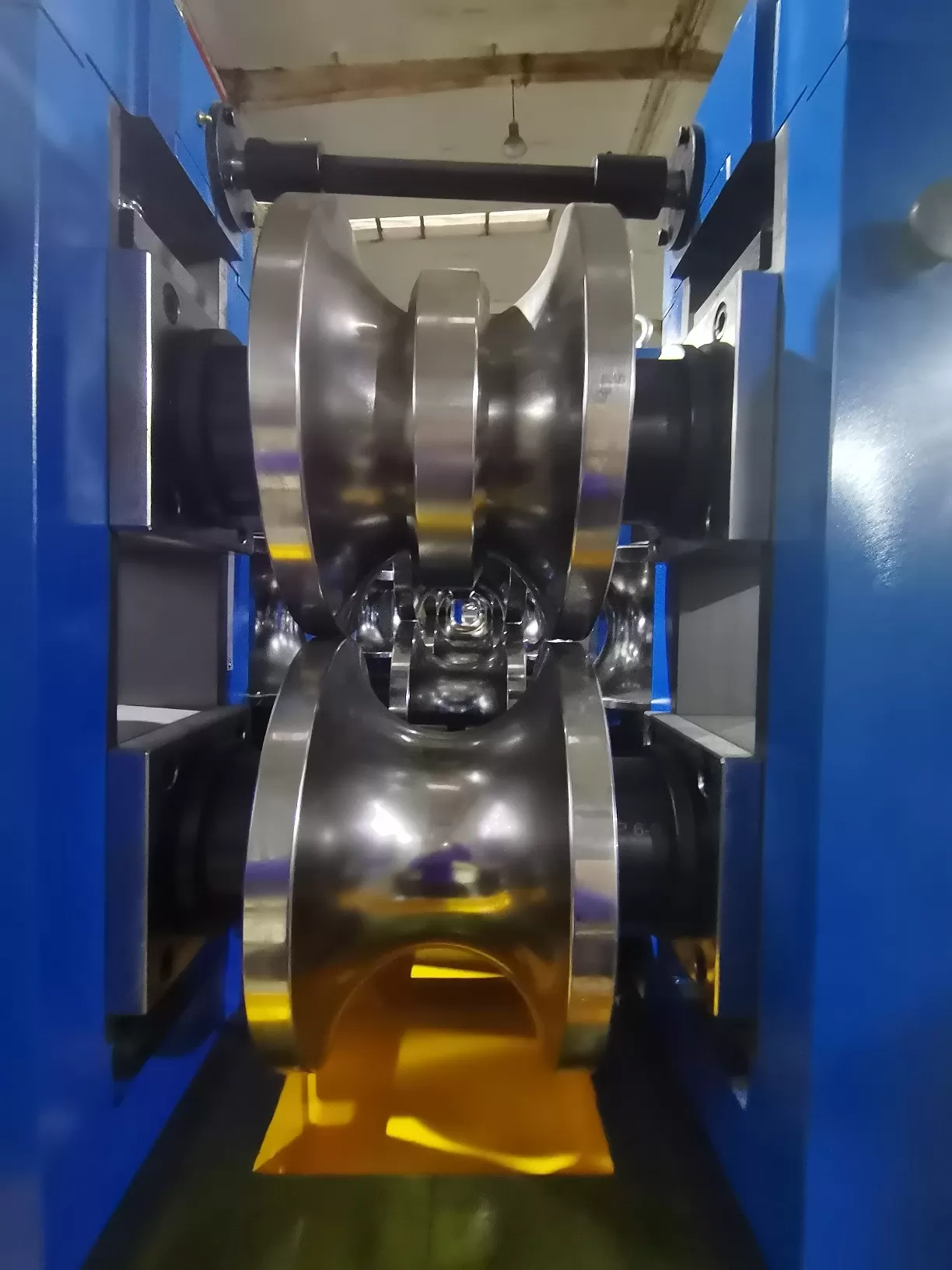
The process involves passing the strip through forming rolls. These rolls gradually bend the metal into a tubular shape. Then, welding electrodes apply heat and pressure to create a strong seam.
This method produces tubes with consistent dimensions. It is widely preferred for its speed and cost-effectiveness in high-volume production.
Key Components of an ERW Mill
An efficient erw mill consists of several integrated parts. Each component plays a specific role in the tube-making process.
Uncoiler: Feeds the metal strip into the mill from a coil.
Forming Section: Includes rolls that shape the strip into a tube.
Welding Unit: Uses electric resistance to fuse the edges together.
Sizing Stands: Calibrate the tube to precise diameters and thicknesses.
Cut-off System: Cuts the tube into desired lengths.
Proper alignment of these components ensures smooth operation. Regular checks help maintain product quality and reduce downtime.
The ERW Process Explained
The ERW process begins with coil loading. The strip is cleaned and flattened before entering the forming rolls.
As the strip passes through, it is curved into a circular profile. The edges are brought together under pressure. High-frequency current heats the edges, causing them to weld seamlessly.
After welding, the tube goes through sizing stands. These stands refine the shape and dimensions. Finally, the tube is cut and prepared for further processing or shipment.
Applications of ERW Mills in Various Industries
ERW mills produce tubes for diverse sectors. Their output is essential in construction, automotive, and energy fields. The versatility of an erw mill makes it a valuable asset.
Tubes from these mills are used in structural frameworks, fluid transport, and mechanical parts. Quality and durability are critical for safety and performance.
Construction and Infrastructure
In construction, ERW tubes serve as columns, beams, and scaffolding. They provide strength and stability for buildings and bridges.
Structural support in high-rise buildings.
Piping for water and HVAC systems.
Guardrails and fencing for safety.
The consistent quality from an erw mill ensures reliable performance. This reduces material waste and project delays.
Automotive and Transportation
The automotive industry uses ERW tubes for exhaust systems, chassis, and fuel lines. Lightweight and strong tubes help improve vehicle efficiency.
Manufacturers rely on precise tube dimensions for fit and function. An erw mill delivers the required tolerances for these applications.
In transportation, tubes are used in railings, trailers, and cargo systems. Durability under stress is a key consideration.
Oil and Gas Sector
ERW tubes transport oil, gas, and other fluids in pipelines. They must withstand high pressure and corrosive environments.
The welding quality from an erw mill is crucial for leak-proof joints. Regular inspections ensure compliance with industry standards.
Tubes also serve in drilling equipment and storage tanks. Reliability here prevents costly failures and environmental hazards.
Selecting and Maintaining an ERW Mill
Choosing the right erw mill involves several factors. Capacity, material type, and production goals all influence the decision. A well-maintained mill extends equipment life and boosts output.
Investing in a suitable erw mill can enhance manufacturing efficiency. Brands like SANSO provide tailored options for different needs.
Factors for Choosing the Right Mill
Consider these aspects when selecting an ERW mill:
Production Speed: Match the mill's output with your volume requirements.
Material Compatibility: Ensure it handles the metals you use, such as steel or aluminum.
Tube Dimensions: Check the range of diameters and thicknesses it can produce.
Automation Level: Automated controls reduce manual labor and errors.
Supplier Reputation: Opt for reputable manufacturers with good support services.
Evaluating these factors helps avoid operational issues. It also ensures a return on investment over time.
Best Practices for Maintenance
Regular maintenance keeps an erw mill running smoothly. It minimizes breakdowns and preserves product quality.
Follow a scheduled maintenance plan. Inspect rolls, welding units, and cut-off systems periodically.
Lubricate moving parts to reduce wear.
Clean components to prevent debris buildup.
Calbrate sensors and controls for accuracy.
Train operators on proper usage and safety protocols.
Proactive care reduces repair costs and downtime. It also ensures consistent tube production.
Technological Advancements in ERW Mills
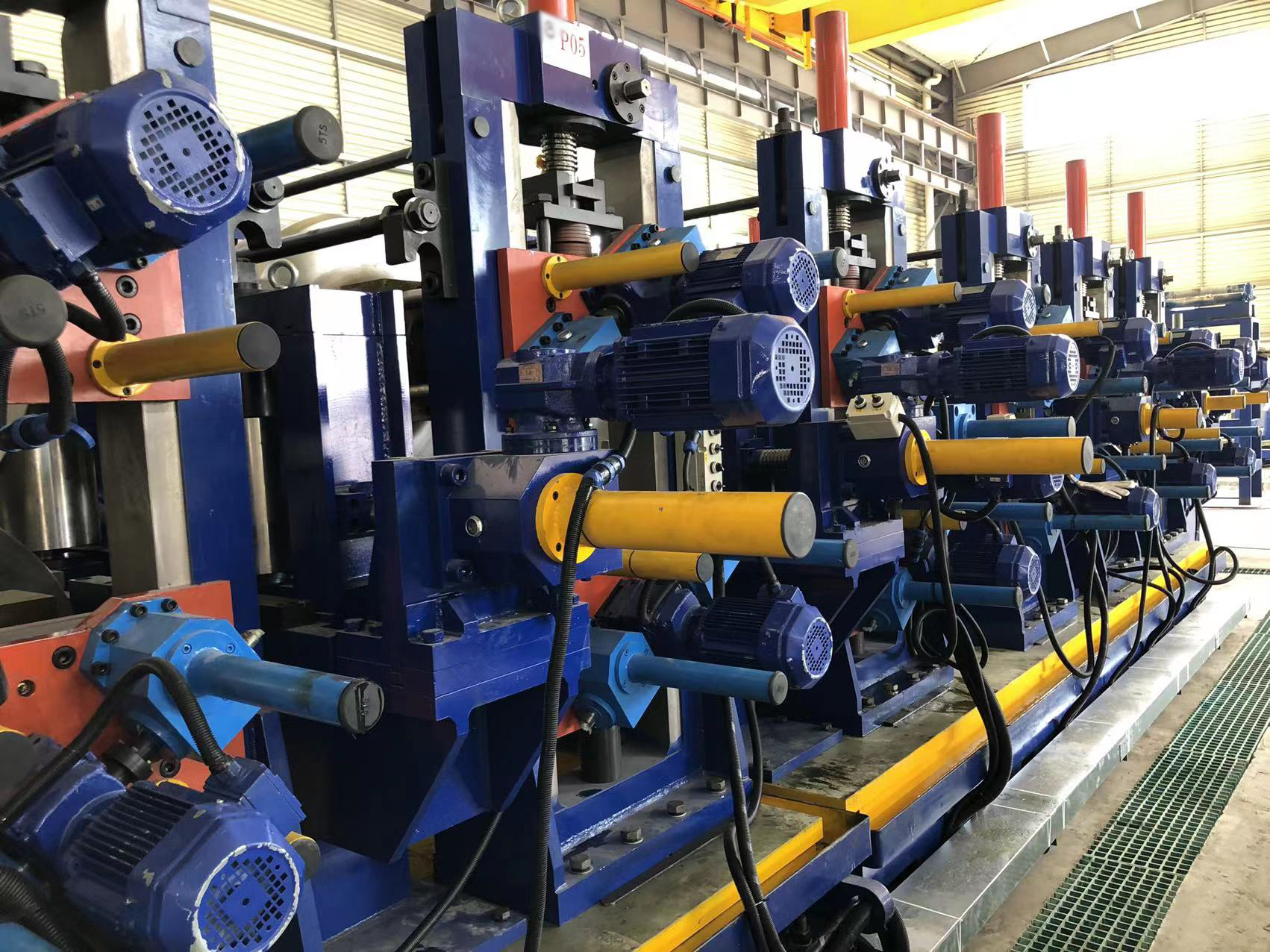
Innovation drives improvements in erw mill technology. New features enhance precision, speed, and energy efficiency.
Modern mills integrate digital controls and monitoring systems. These allow real-time adjustments and data collection for quality assurance.
Automation and Control Systems
Automation in ERW mills streamlines operations. Programmable logic controllers (PLCs) manage forming, welding, and cutting processes.
Operators can set parameters via touchscreens. Sensors detect deviations and correct them automatically.
This reduces human error and increases consistency. It also allows for faster changeovers between tube specifications.
Energy Efficiency Improvements
Newer ERW mills focus on reducing energy consumption. Efficient motors and optimized welding units lower power usage.
Heat recovery systems capture waste energy for reuse. This cuts operational costs and environmental impact.
These advancements make the erw mill more sustainable. They align with global efforts for greener manufacturing.
The erw mill remains a cornerstone in welded tube manufacturing. Its ability to produce reliable tubes efficiently supports numerous industries.
Understanding its operation, applications, and maintenance is essential for optimal use. As technology evolves, these mills will continue to improve in performance.
For those seeking robust solutions, SANSO offers expertise and advanced equipment. Investing in a quality erw mill can drive long-term success in tube production.
Frequently Asked Questions (FAQ)
Q1: What is an ERW mill used for?
A1: An ERW mill is used to manufacture welded tubes and pipes from metal strips. It shapes, welds, and sizes tubes for applications in construction, automotive, and other industries.
Q2: How does electric resistance welding work in an ERW mill?
A2: Electric resistance welding involves passing a high-frequency current through the edges of a metal strip. The resistance generates heat, fusing the edges together under pressure to form a seamless weld.
Q3: What materials can be processed with an ERW mill?
A3: ERW mills typically process mild steel, stainless steel, and aluminum. The material choice depends on the required tube properties and end-use applications.
Q4: What are the key maintenance tasks for an ERW mill?
A4: Key tasks include lubricating rolls, cleaning welding electrodes, calibrating sizing stands, and inspecting cut-off blades. Regular maintenance prevents wear and ensures consistent tube quality.
Q5: How do I choose the right ERW mill for my factory?
A5: Consider factors like production volume, tube dimensions, material type, automation needs, and supplier support. Assessing these helps select a mill that meets your specific manufacturing goals.