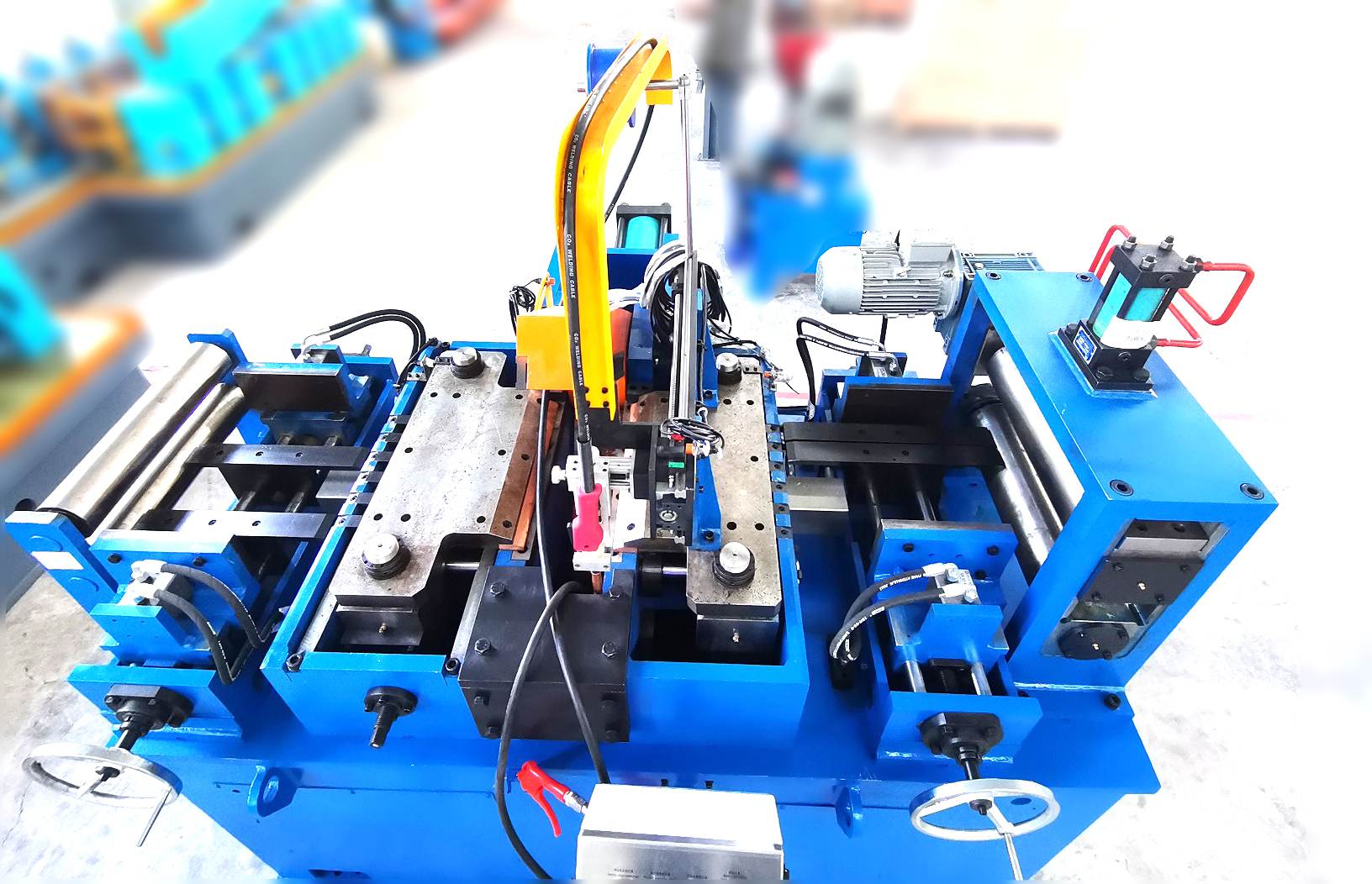
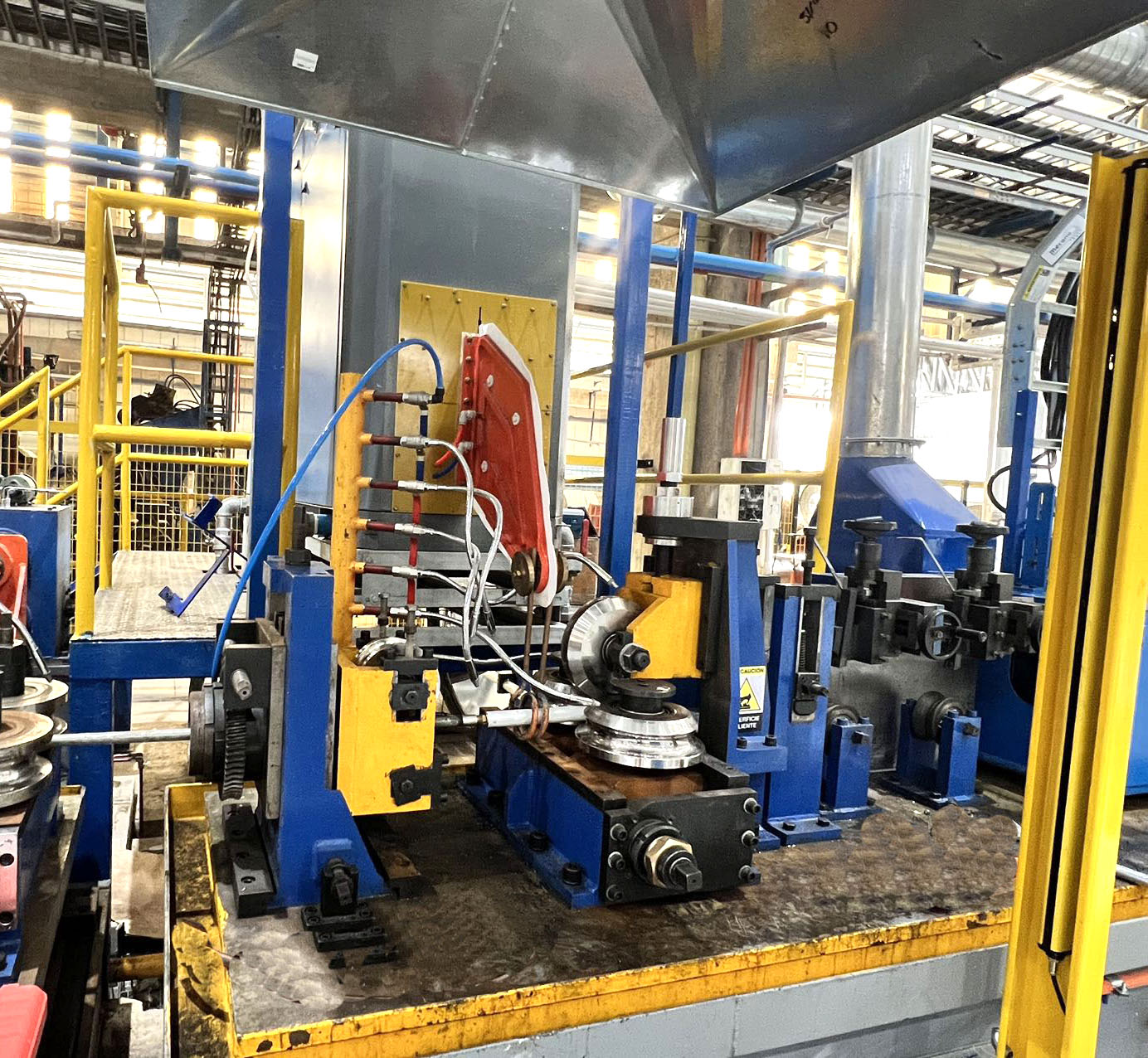
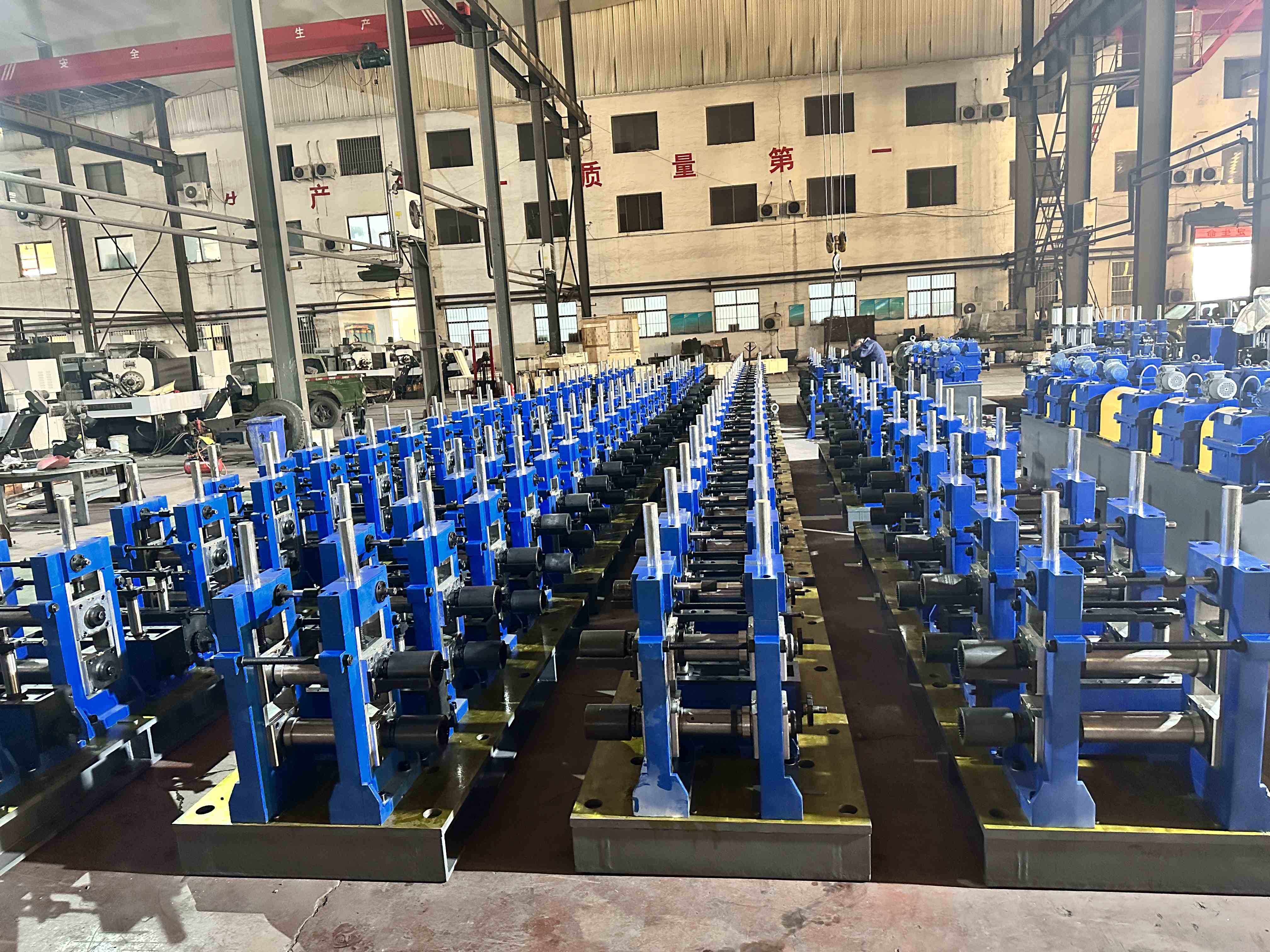
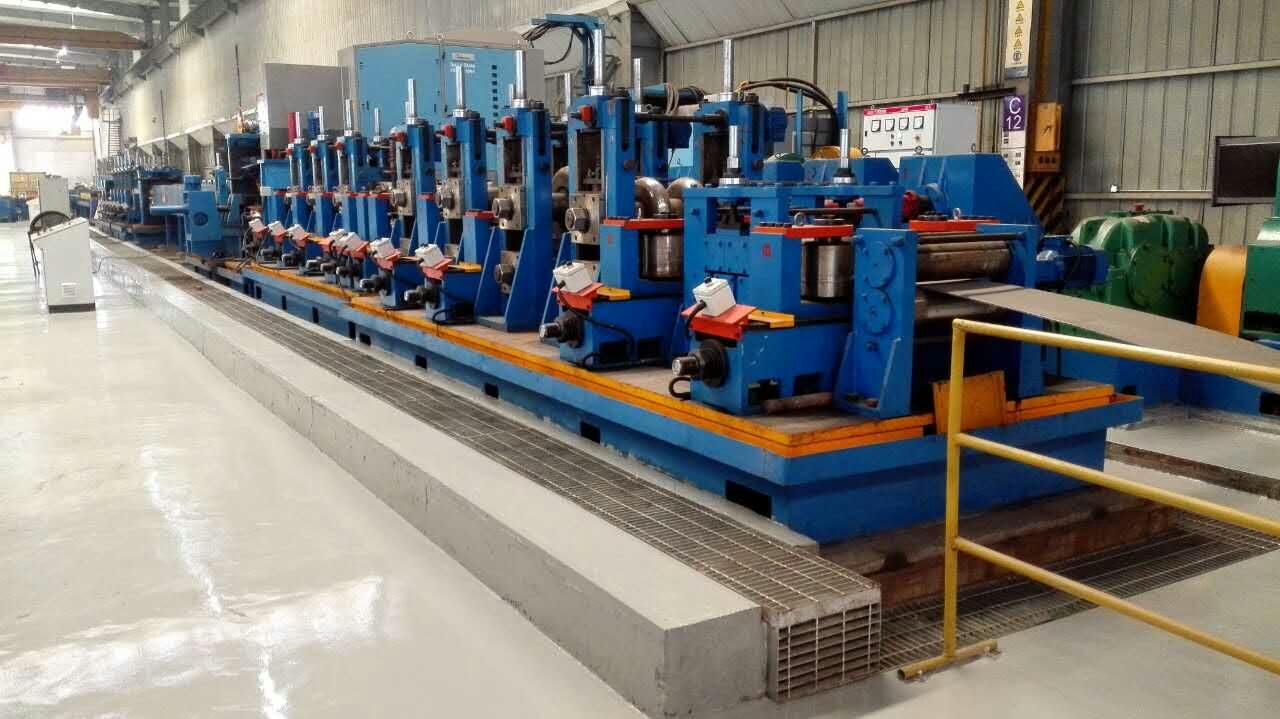
In the welded pipe and tube manufacturing industry, achieving long-term
corrosion resistance is directly tied to the quality of the metallic coating
applied. zinc wire serves as the primary consumable for
critical anti-corrosion processes such as thermal spraying and continuous
galvanizing. For tube mill operators, plant engineers, and quality managers, a
deep understanding of zinc
wire—from its metallurgical composition to its interaction with the
base material—is essential to maximize product lifespan, minimize coating
defects, and control production costs. This article provides a technical deep
dive into zinc wire within the tube mill environment, covering
material standards, application techniques, and the critical role of upstream
milling equipment in ensuring coating success.
1. Zinc Wire Specifications: Composition and Dimensional Tolerances
Selecting the correct zinc
wire for pipe coating begins with a rigorous review of material
specifications. Most tube mill operations adhere to international standards such
as ASTM B852 (Standard Specification for Continuous Galvanizing Grade Zinc) or
ISO 14919 for thermal spraying. These standards define not only the chemical
composition but also the mechanical properties and dimensional tolerances
required for stable arc or flame spray processes.
1.1 Alloy Types and Purity Levels
Pure Zinc (≥99.99% Zn): Used for applications requiring
maximum ductility and cathodic protection. Low iron, lead, and cadmium content
(each < 50 ppm) are critical to prevent dross formation and porosity in the
coating layer.
Zinc-Aluminum Alloys (e.g., ZnAl15, ZnAl4): Provide
enhanced corrosion resistance and better adhesion. ZnAl15 (85% Zn, 15% Al) is
common in marine environments; its spraying characteristics require precise
control of wire feed systems.
Zinc-Tin Alloys: Occasionally specified for soldering or
repair applications on galvanized pipes.
1.2 Diameter and Tolerance
Common diameters for zinc wire in tube mill coating
applications are 1.6 mm, 2.0 mm, and 3.2 mm. The tolerance on diameter must be
within ±0.05 mm to ensure consistent contact in the spray gun’s drive rolls and
tips. Variations beyond this can cause wire slippage, erratic arc behavior, and
uneven coating thickness—issues that directly increase rework rates and material
waste. Leading manufacturers supply zinc wire on layer-wound
spools (15–250 kg) to ensure tension stability during high-speed production.
2. Application Methods for Zinc Wire in Tube Mills
The integration of zinc wire into the tube production line
depends on the desired coating method and the mill’s configuration. Three
primary techniques dominate the industry: twin-wire arc spraying, flame
spraying, and continuous in-line galvanizing. Each method imposes specific
demands on zinc wire quality and the upstream surface
preparation performed by the mill’s forming and milling sections.
2.1 Twin-Wire Arc Spray (TWAS)
In high-volume tube mills, TWAS is preferred due to its high deposition rates
(up to 30 kg/h per gun) and strong bond strength. Two electrically charged
zinc wire tips are fed together, creating an arc that melts the
metal. Compressed air atomizes the molten particles and propels them onto the
preheated pipe surface at velocities exceeding 150 m/s. Parameters such as
voltage (28–35 V), amperage (100–300 A), and stand-off distance (100–200 mm)
must be precisely controlled. Modern TWAS systems integrated with SANSO tube mills include closed-loop
monitoring of arc stability, which directly correlates with zinc
wire feed uniformity.
2.2 Flame Spraying (Combustion Wire Spray)
Flame spraying uses an oxygen-fuel gas flame to melt zinc
wire. While it offers lower deposition rates compared to TWAS, it can
be advantageous for smaller-diameter pipes or when lower substrate temperatures
are required. The process is sensitive to wire tensile strength; zinc
wire must be soft enough to feed consistently through the gun’s drive
mechanism without buckling.
2.3 Continuous Hot-Dip Galvanizing Integration
For tubes intended for downstream galvanizing, zinc wire is
used to replenish the zinc bath composition or for localized coating repairs.
Mills equipped with in-line fluxing and preheating stations, such as those
designed by SANSO, can utilize zinc
wire for real-time bath adjustment, ensuring consistent coating weight
and minimizing zinc ash formation.
3. Impact of Zinc Wire Quality on Coating Performance
The performance of the final coated pipe—adhesion, porosity, corrosion
resistance—is directly governed by the metallurgical and geometric
characteristics of the zinc wire. Impurities or dimensional
inconsistencies lead to measurable defects.
3.1 Porosity and Oxide Inclusion
Even minor levels of lead or cadmium in zinc wire can lower
the surface tension of molten zinc, causing excessive spatter and gas
entrapment. The result is a coating with interconnected porosity, which reduces
barrier protection and accelerates corrosion. ISO 2063-1:2017 requires thermal
spray coatings to have porosity below 5% for corrosive environments; this is
achievable only with high-purity zinc wire and optimized spray
parameters.
3.2 Feed Stability and Coating Thickness Uniformity
Variations in wire diameter of just 0.1 mm can cause fluctuations in the feed
rate of up to 10%, leading to alternating thick and thin coating zones. This not
only wastes material but also creates stress points where the coating may crack.
Precision-milled zinc wire with certified dimensional
tolerances ensures that the arc or flame remains stable, producing a consistent
coating thickness across the pipe circumference.
4. Optimizing Tube Mill Processes for Zinc Coating: The SANSO Approach
Upstream processes in the tube mill—particularly edge milling, surface
cleaning, and weld seam preparation—have a profound impact on the efficiency of
zinc wire application. SANSO tube mills are engineered with
precision machining stations that prepare the strip with surface roughness (Ra
1.5–3.5 µm) ideal for subsequent coating adhesion. The integration of online
surface cleaning and induction heating systems, available on
SANSO lines, ensures that the pipe surface is free from oxides,
oils, and contaminants before zinc wire application.
4.1 Precision Edge Milling for Coating Integrity
During the forming process, the strip edges are milled to create a precise
geometry for high-frequency welding. A smooth, burr-free edge is essential for
subsequent coating: any sharp protrusions or irregularities cause shadow effects
during spraying, leading to thin spots. SANSO milling heads
maintain tolerances within ±0.1 mm, directly contributing to uniform
zinc wire coverage.
4.2 In-Line Surface Preparation
Advanced SANSO tube mills can be equipped with rotary wire
brushes or plasma cleaning stations immediately before the coating booth. This
ensures an active, contaminant-free surface that promotes mechanical
interlocking of the sprayed zinc particles. Field data from installations in
Europe show that such preparation can reduce zinc wire consumption by up to 15% while achieving the same coating thickness, because
less material is lost to rebound from poorly prepared surfaces.
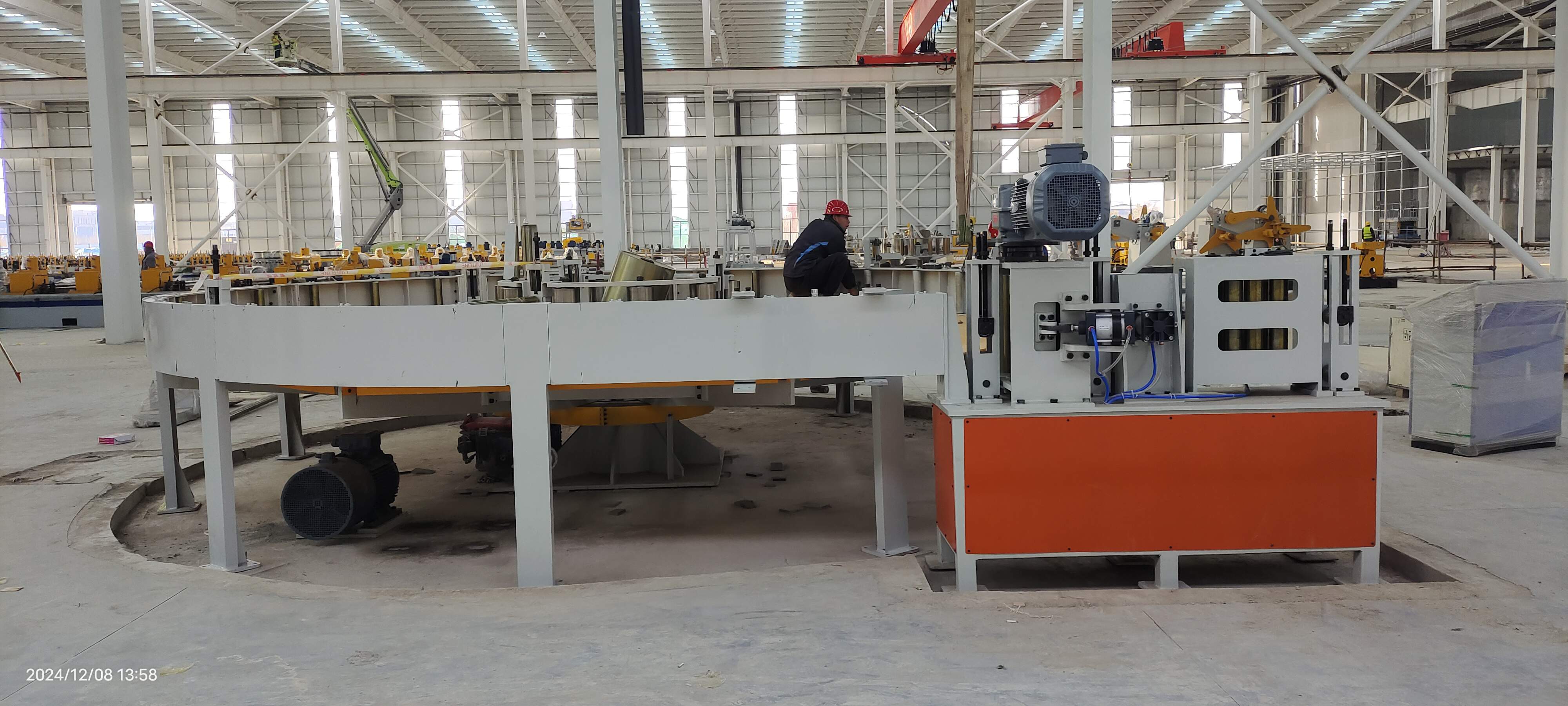
5. Addressing Common Operational Challenges with Zinc Wire
Tube mill operators frequently encounter issues related to zinc
wire handling and process stability. Below are typical problems and
data-backed solutions.
5.1 Wire Tangling and Burn-Back
Cause: Incorrect tension on spools or misaligned wire
straighteners.
Solution: Use layer-wound spools with controlled payout
tension. SANSO automated feeding systems include tension
sensors that adjust braking in real time, preventing tangles and ensuring smooth
feed.
5.2 Porosity Due to Shielding Gas Issues
Cause: Inadequate gas flow or air entrainment in arc
spray.
Solution: Employ nitrogen or argon shielding instead of
compressed air for oxidation-sensitive alloys. Monitor gas flow rates (typically
50–70 L/min) and dew point.
5.3 Excessive Zinc Waste (Over-spray)
Cause: Incorrect stand-off distance or atomizing
pressure.
Solution: Implement robotic spray guns with distance
sensors. Data from mills using SANSO’s integrated control
system show a reduction in over-spray from 25% to below 12%.
6. Future Directions: High-Performance Alloys and Sustainable Coating
The evolution of zinc wire is moving toward alloys that
offer longer service life and compatibility with environmentally friendly
passivation. Zinc-magnesium-aluminum (ZMA) wires are gaining traction: they
provide up to three times the corrosion resistance of pure zinc in salt-spray
tests, allowing thinner coatings and reduced material usage. Tube mills must
adapt their spray equipment to handle these harder alloys, requiring more robust
drive systems and wear-resistant contact tips—features that are already optional
on next-generation SANSO lines.
Additionally, the push for sustainability is driving the development of
zinc wire produced from secondary zinc (recycled content)
without compromising purity. Mills that can document the use of certified
low-carbon zinc wire are better positioned for green
procurement requirements in infrastructure projects.
Frequently Asked Questions (FAQ)
Q1: What are the typical diameters of zinc wire used in pipe
coating?
A1: Common diameters are 1.6 mm, 2.0 mm, and 3.2 mm. The
choice depends on the spray gun type (arc or flame), desired deposition rate,
and the coating thickness specification. For high-speed arc spray on
large-diameter pipes, 2.0 mm or 3.2 mm is typical to maintain productivity.
Q2: How does zinc wire purity affect coating quality?
A2:
Higher purity (≥99.99% Zn) minimizes dross formation, reduces porosity, and
ensures uniform corrosion protection. Impurities like lead or cadmium can cause
spattering and create sites for premature corrosion. Always request a mill
certificate specifying trace element levels.
Q3: Can the same zinc wire be used for both arc spray and flame
spray?
A3: Yes, in most cases. However, flame spray systems
generally prefer softer zinc wire with lower tensile strength
to feed smoothly through the gun’s drive mechanism. Always verify compatibility
with the equipment manufacturer. Alloys like ZnAl15 may require modified tips
for flame spray.
Q4: What surface preparation is needed before applying zinc wire
coating?
A4: Surfaces must be clean, dry, and roughened to an anchor
profile of 40–75 µm. This is typically achieved through abrasive blasting (Sa
2.5 minimum) or precision milling. Tube mills from SANSO integrate cleaning and profiling stations to ensure the surface meets ISO 8501-1
standards immediately before coating.
Q5: How does the integration of a tube mill affect zinc wire
consumption?
A5: A well-aligned mill with consistent strip edge
preparation and stable welding reduces rework and ensures uniform coating
thickness, thereby optimizing zinc wire usage. Advanced mills
like those from SANSO incorporate features such as online
surface roughness measurement and closed-loop feed control, which can reduce
waste by 10–15% compared to standalone coating setups.
Q6: How should zinc wire be stored to maintain its
properties?
A6: Store zinc wire in a dry,
climate-controlled environment (15–25°C, <60% relative humidity). Protect
spools from condensation and dust. If the wire surface shows white rust (zinc
oxide), it should be cleaned or discarded, as oxides can cause arc instability
and porosity.
For engineers and procurement specialists seeking to optimize coating
lines, the selection of zinc wire is as critical as the mill
itself. Integrating high-quality consumables with precision equipment from
manufacturers like SANSO ensures that the final tube product
meets the most stringent corrosion resistance standards while controlling
operational costs.