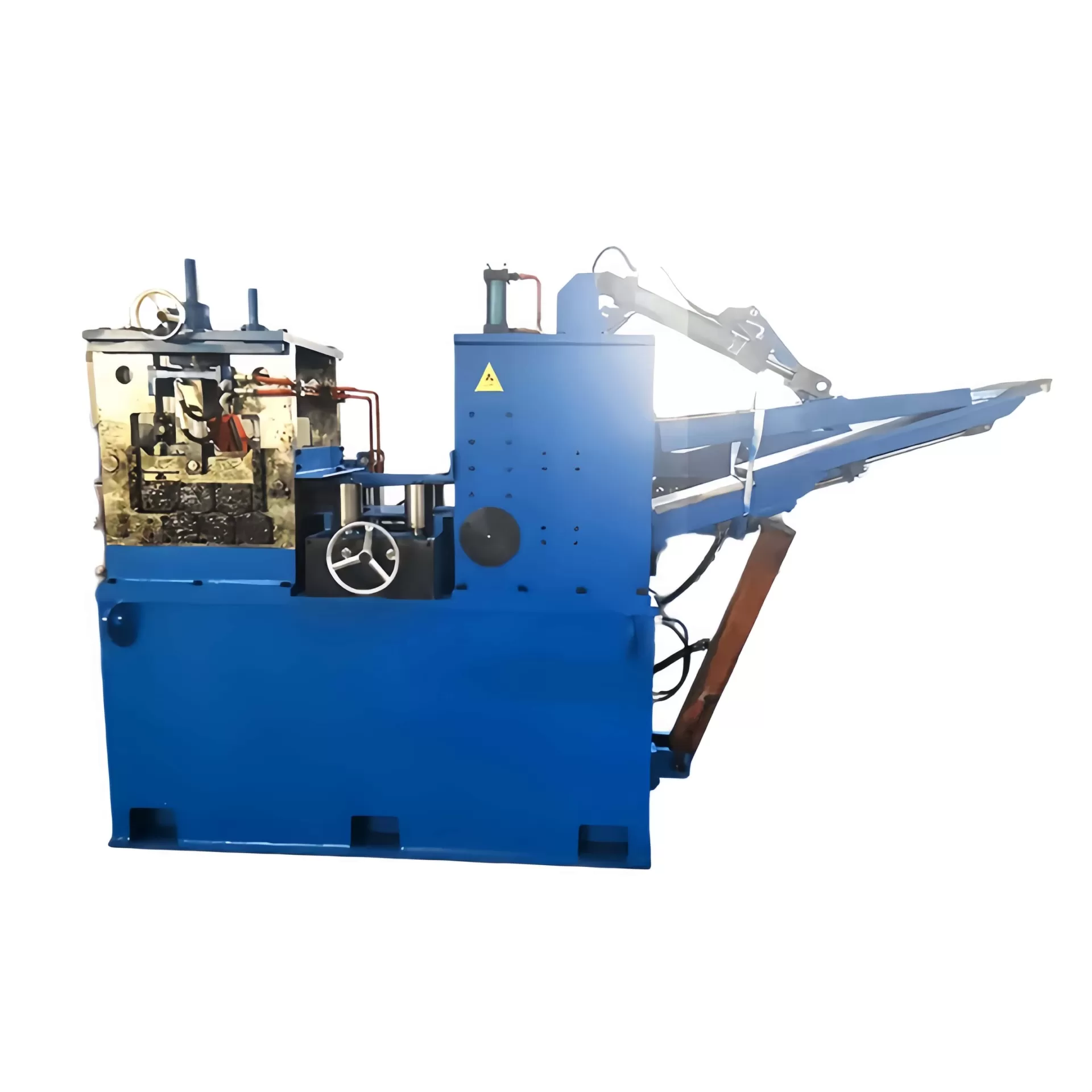
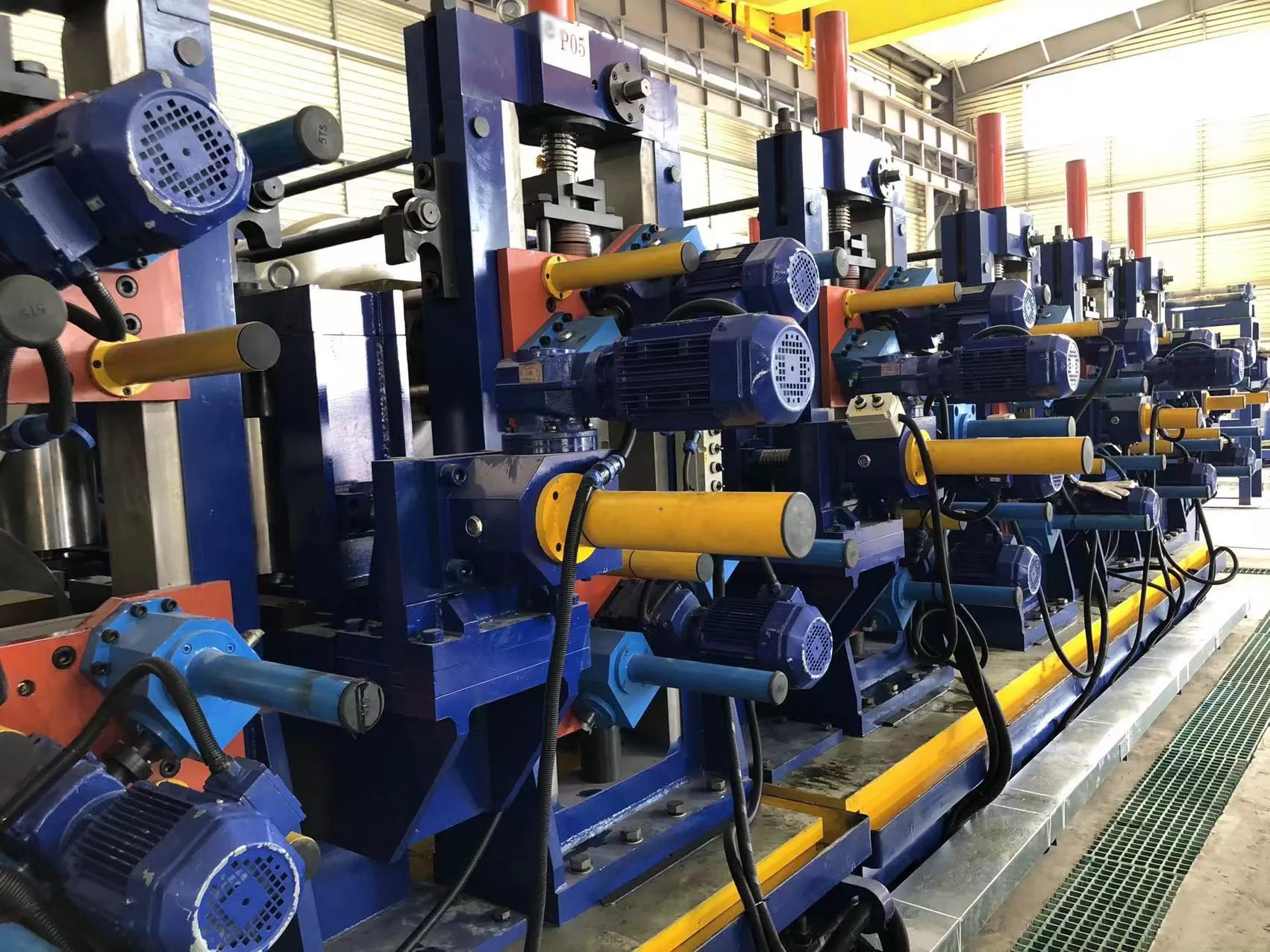
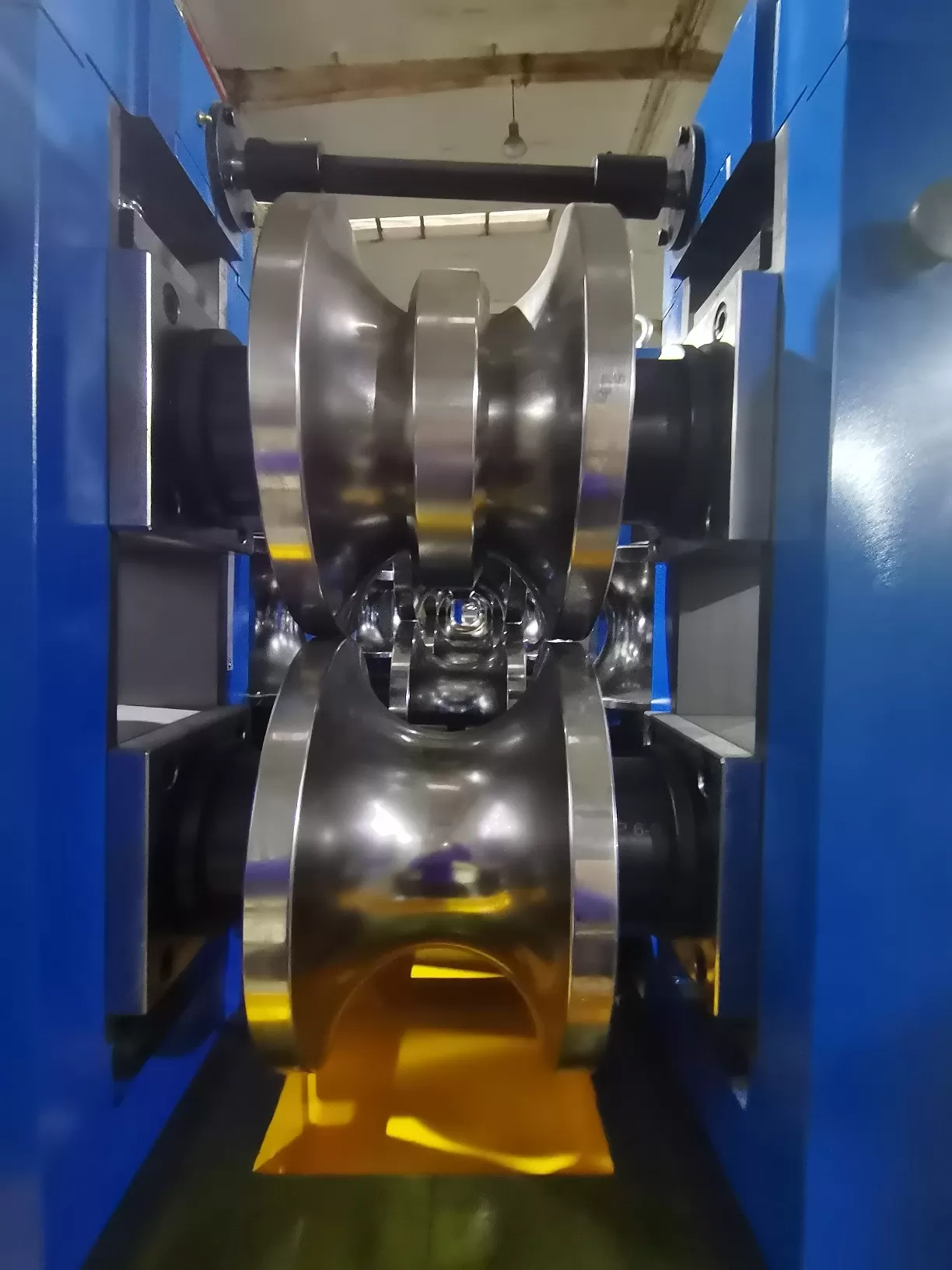
In high-volume metal manufacturing, the cutting phase represents a key stage where material integrity, dimensional accuracy, and production efficiency intersect. Tube mills and pipe processing facilities require cutting methods that minimize deformation, eliminate heavy burrs, and maintain clean cross-sections. Cold sawing, utilizing a high-quality hss circular saw blade, remains the industry standard for achieving these outcomes on carbon steels, stainless steels, and non-ferrous alloys.
Unlike friction sawing, which relies on high rotational speeds to melt the metal, cold sawing uses a lower rotational velocity and high chip load per tooth. This process transfers the heat generated during cutting into the waste chip rather than the workpiece or the cutting tool. Maintaining this thermal balance requires a comprehensive understanding of metallurgy, tooth profile geometry, surface coatings, and mechanical integration with the sawing equipment.

Metallurgical Composition of High-Speed Steel Tools
The operational capabilities of a cold saw are fundamentally determined by the alloy composition of the high-speed steel. High-speed steels retain their hardness at elevated temperatures, a property known as red hardness, while maintaining sufficient toughness to resist impact forces. The two primary alloy classes utilized in industrial saw manufacturing are tungsten-molybdenum (M2) and cobalt-alloyed (M35) steels.
M2 high-speed steel contains a balanced ratio of tungsten, molybdenum, vanadium, and chromium. Tungsten and molybdenum form tough carbides that increase wear resistance, while vanadium refines the grain structure and improves abrasion resistance. This alloy represents the standard choice for cutting mild steels, structural tubes, and medium-tensile alloys because of its high toughness and resistance to chipping under standard mechanical loads.
For cutting high-tensile materials, work-hardening alloys, or stainless steels, M35 steel is preferred. This grade contains approximately 5% cobalt, which alters the steel matrix. Cobalt raises the tempering resistance and red hardness of the tool, allowing it to withstand the sustained friction and thermal stress associated with tough alloys. Using a premium hss circular saw blade manufactured from M35 steel prevents premature dulling when processing materials like AISI 304 or AISI 316 stainless steel tubes.
Engineered Tooth Profiles and Tooth Pitch Selection
Selecting the correct tooth shape and spacing is a key factor in ensuring smooth cutting action and preventing tool failure. The geometry of the tooth determines how chips are formed, curled, and evacuated from the cut zone. There are two primary tooth profiles employed in industrial tube cutting operations:
BW Profile (Alternate Bevel): This profile features teeth that are alternately beveled at approximately 30 degrees. It is suitable for cutting thin-walled tubes and profiles because it splits the cutting force and reduces the vibration that occurs when thin materials are processed.
C Profile (Triple Chip / High-Low): This configuration consists of a roughing tooth with beveled corners followed by a slightly lower finishing tooth. The roughing tooth cuts a central groove, and the finishing tooth removes the remaining shoulders. This distribution of chip load is ideal for cutting solid sections or thick-walled tubes.
Determining the correct tooth pitch, which is the distance between two consecutive tooth tips, is directly related to the wall thickness of the tube. A general engineering rule is that at least three teeth must be in contact with the workpiece wall at any given moment during the cut. If the pitch is too large, the teeth will straddle the thin wall of the tube, leading to severe impact loads that strip the teeth. Conversely, if the pitch is too small, the gullets between the teeth will become clogged with chips, causing thermal buildup, blade binding, and eventual cracking.
Surface Treatments and PVD Coatings
Untreated high-speed steel exhibits excellent toughness, but its surface hardness and friction characteristics can be significantly improved through chemical and physical treatments. Physical Vapor Deposition (PVD) coatings apply a thin, dense layer of ceramic compound to the tool surface, reducing friction and protecting the steel core from adhesive and abrasive wear.
Titanium Nitride (TiN) is a versatile coating characterized by its bright gold color. It increases surface hardness to approximately 2300 HV and has a maximum working temperature of 600 degrees Celsius. This coating is suitable for cutting structural steels and standard carbon steel tubes where thermal loads are moderate.
Titanium Carbonitride (TiCN) offers higher hardness (around 3000 HV) and a lower coefficient of friction compared to TiN. It is suitable for cutting high-abrasion materials, such as cast iron and high-carbon steels, where mechanical wear on the tooth flank is the primary failure mechanism.
For demanding applications, Titanium Aluminum Nitride (TiAlN) or Aluminum Titanium Nitride (AlTiN) is recommended. These coatings develop a protective aluminum oxide layer when exposed to the high temperatures generated in the cutting zone. This layer acts as a thermal barrier, allowing the hss circular saw blade to run at higher cutting speeds while resisting oxidation up to 800 degrees Celsius. Utilizing coated tools helps maintain a stable cutting process in automated, continuous tube production lines.
Common Mechanical Failures and Preventative Strategies
Understanding why cutting tools fail prematurely allows operators to make adjustments before catastrophic damage occurs. In industrial tube mills, tool life is threatened by mechanical vibration, improper feed rates, and inadequate cooling. The table below outlines common failure modes and their physical causes:
| Failure Mode | Primary Cause | Preventative Action |
|---|
| Tooth Chipping (Micro-fractures) | Excessive vibration, backlash in the gearbox, or a tooth pitch that is too large for the wall thickness. | Select a finer tooth pitch; adjust the mechanical backlash in the saw head; secure the workpiece clamping. |
| Material Welding (Adhesion) | Inadequate lubrication, incorrect coating, or excessive cutting speeds. | Increase the concentration of the soluble oil coolant; apply a TiAlN-coated blade; reduce the spindle RPM. |
| Thermal Cracking | Intermittent coolant application causing thermal shock (rapid heating and cooling cycles). | Ensure constant, high-volume flood cooling or use a properly aligned dual-nozzle mist system. |
| Blade Dish (Deformation) | Excessive feed pressure or operating a dull blade past its service life. | Monitor cutting forces; establish a planned blade resharpening schedule based on cut count. |
Implementing a systematic monitoring program helps prevent these issues. Operators must inspect the chips generated during cutting, as they provide immediate feedback on the health of the cutting edge. Healthy chips should be tightly curled and free of discoloration. Blue or dark brown chips indicate excessive thermal buildup, signaling that either the cutting speed is too high, the feed rate is too low, or the coolant delivery is failing.
Integrating Cutting Tooling with Tube Production Lines
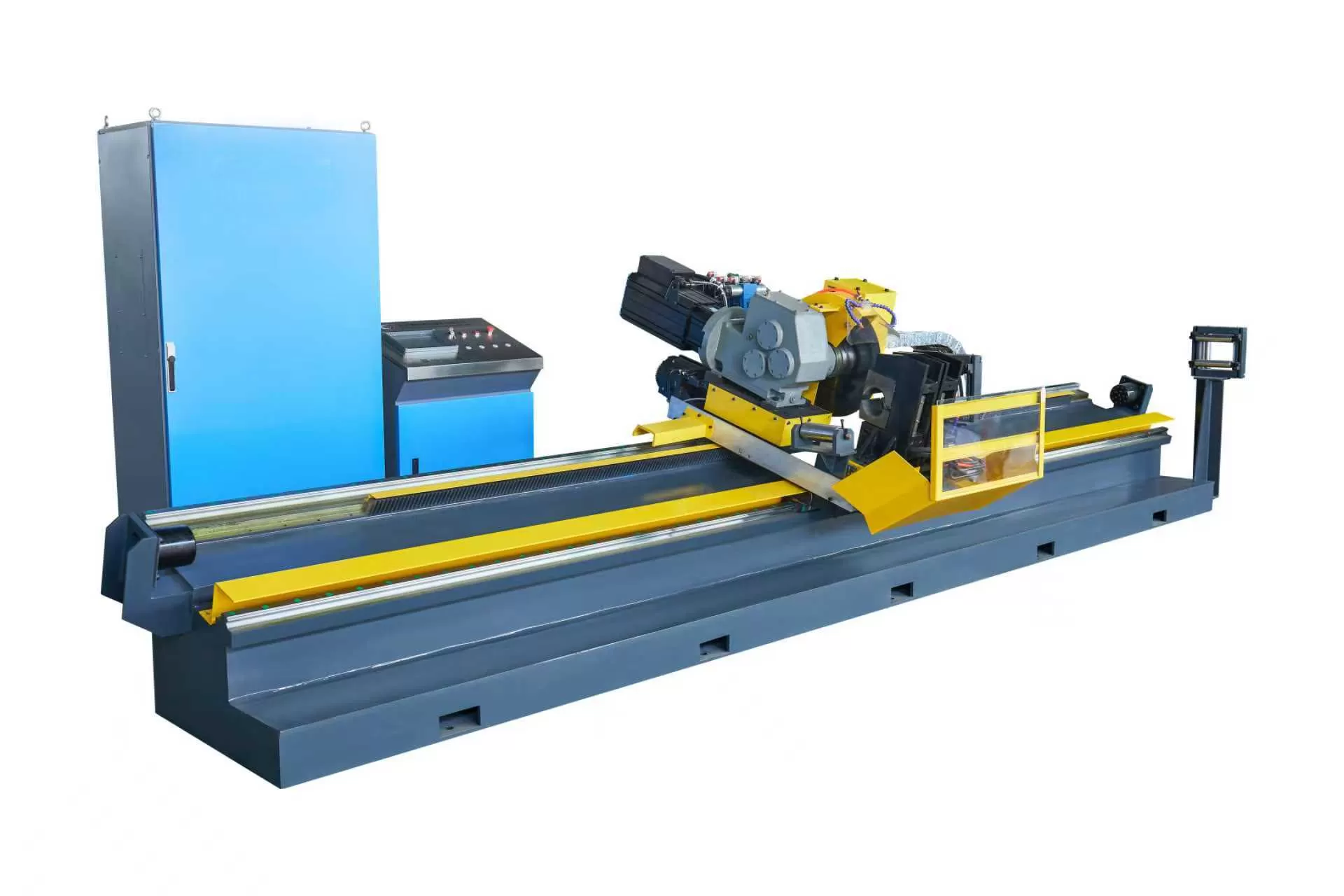
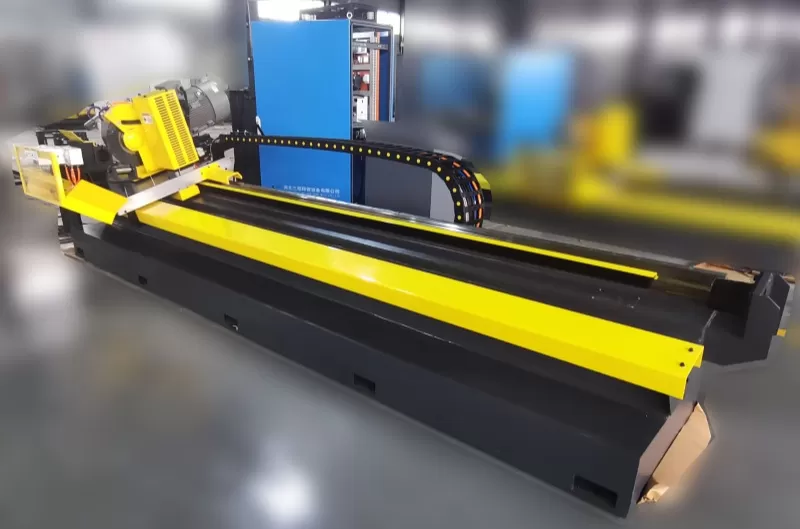
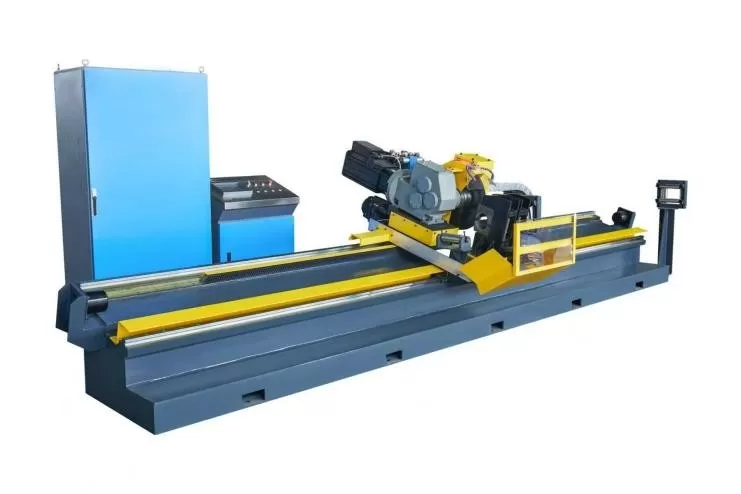
The performance of a cutting tool is closely tied to the machine that holds and drives it. In modern tube manufacturing lines, the flying cold saw carriage must synchronize with the continuous speed of the forming mill. The mechanical stability of this carriage, the rigidity of its spindle bearings, and the precision of its feed control directly affect the lifecycle of the cutting blade.
High-quality tube mill equipment, such as that manufactured by SANSO, is engineered to minimize structural vibrations that can damage brittle cutting edges. When a premium hss circular saw blade is paired with a rigid, servo-driven cold saw carriage, the entry and exit speeds of the blade can be precisely managed. This reduces the mechanical impact as the teeth make initial contact with the tube profile, protecting the tooth tips from chipping.
Aligning the blade drive pins and centering the blade on the flange are also necessary steps. Any axial or radial runout will load the teeth unevenly, causing one side of the blade to wear faster than the other. This uneven wear leads to crooked cuts and forces early tool changes. Regular maintenance of the clamping flanges, including cleaning them to remove metal particles and checking for wear, is required to maintain proper alignment.
Frequently Asked Questions
Q1: What is the primary difference between M2 and M35 high-speed steel for saw blades?
A1: M2 is a tungsten-molybdenum alloy that provides excellent toughness and impact resistance, making it suitable for general steel tube cutting. M35 contains an additional 5% cobalt, which increases its red hardness and resistance to high temperatures, making it better suited for cutting hard, abrasive, or work-hardening materials like stainless steel.
Q2: How do you select the correct number of teeth for cutting thin-walled steel tubes?
A2: Tooth selection is determined by ensuring that at least three teeth remain in contact with the tubes wall thickness during the cut. For thin-walled tubes, a fine pitch (more teeth) is required to prevent the teeth from catching on the metal edge and breaking. For thick-walled tubes, a coarser pitch (fewer teeth) is needed to provide enough gullet space for chip evacuation.
Q3: What causes premature tooth wear on the outer diameter of the blade?
A3: Premature outer diameter wear is typically caused by running the blade at an excessive cutting speed (RPM), which generates high friction heat. It can also result from inadequate or poorly directed coolant, or using an incorrect blade coating for the material being cut.
Q4: Can a PVD-coated blade be resharpened, and does it require re-coating?
A4: Yes, a coated hss circular saw blade can be resharpened on CNC grinding machines. Sharpening only removes material from the tooth face and flank, meaning the PVD coating remains on the sides of the teeth, which helps reduce side friction. However, for demanding cutting operations, re-coating the blade after several sharpenings can help restore its original surface performance.
Q5: How does coolant concentration affect the performance of the cutting process?
A5: Coolant serves to both lubricate the cutting action and carry away heat. An incorrect concentration can lead to increased friction, chip welding, and thermal cracking. In cold sawing steel tubes, a high-quality soluble oil or synthetic coolant should be maintained at a concentration of 8% to 12% to ensure adequate film strength and thermal protection.
Technical Support and Industrial Inquiries
Every tube mill setup presents unique variables, including strip material chemistry, wall thickness variations, line speeds, and mechanical rigidity. Achieving consistent cut quality and long tool life requires matching the cutting tool specifications to the operational parameters of the manufacturing line.
As a manufacturer of tube production lines, SANSO provides engineering solutions designed to support stable industrial manufacturing. The integration of high-precision cutting carriages with the appropriate mechanical tooling ensures that production targets can be met with minimal downtime.
If you are experiencing issues such as premature tool failure, excessive burrs, or inconsistent cut lengths, please contact our engineering team. We invite you to send an inquiry regarding your machinery specifications and processing requirements so we can assist you in selecting the correct cutting systems for your operation.