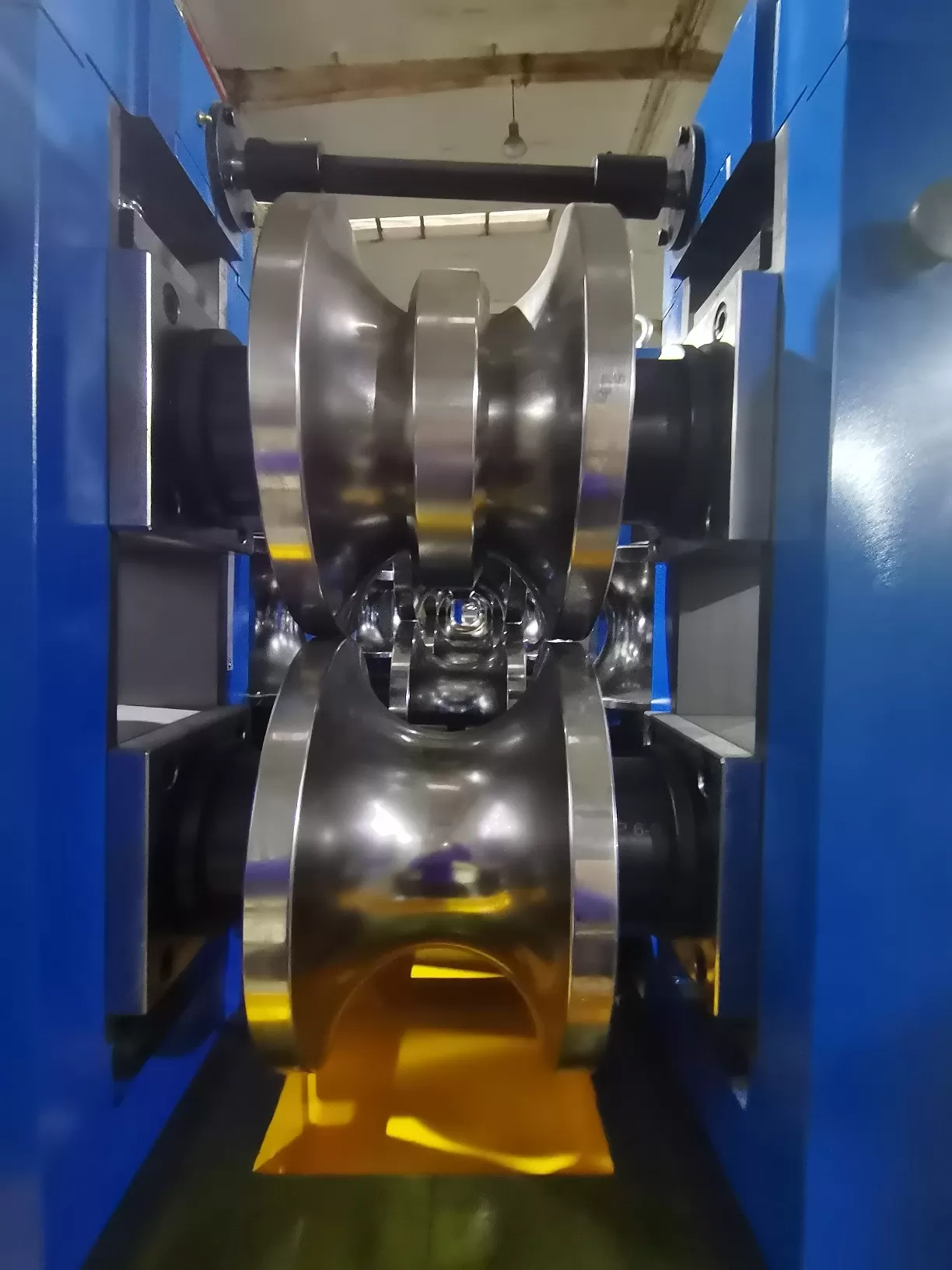
In the high-stakes environment of international welded tube and pipe manufacturing, every component on the milling line must deliver uncompromising performance. The cutting station, where lengths of fabricated tube are precisely sectioned, is particularly critical. Here, the choice of cutting tool directly impacts efficiency, finish quality, and operational cost. For decades, the TCT circular saw blade has been the industry’s workhorse for this very task. Its unique construction offers a balance of durability and precision that few other tools can match. Brands that understand the demands of this sector, like SANSO, have refined the TCT circular saw blade into a highly specialized instrument, engineered to handle the specific challenges of cutting various tube materials, from carbon steel to stainless steel and non-ferrous alloys. This article breaks down why this tool remains indispensable.
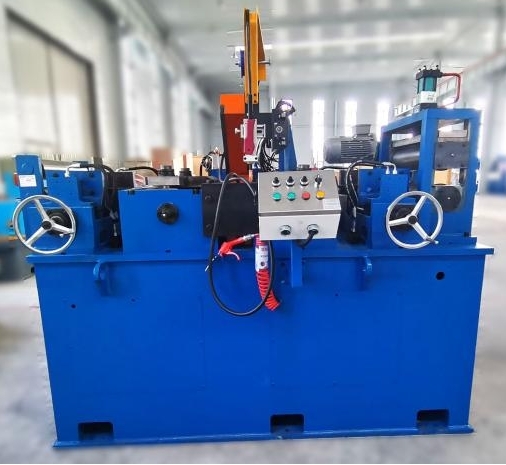
What is a TCT Circular Saw Blade and How is it Made?
TCT stands for Tungsten Carbide Tipped. This defines the blade’s key feature: its teeth are not made from the same steel as the blade body. Instead, individual segments of incredibly hard tungsten carbide are brazed onto the steel tooth form.
The process is meticulous. A high-quality steel disc forms the core, providing tension and stability. Precision slots (gullets) are cut to manage chip removal. Then, tiny carbide tips are welded onto each tooth. These carbide tips are the cutting edge. Finally, the teeth are sharpened to exact angles. The result is a blade where the tough, heat-resistant carbide does the cutting, while the flexible steel body absorbs rotational forces. This marriage of materials is what gives the TCT circular saw blade its superior edge life compared to traditional high-speed steel (HSS) blades.
Why TCT Blades Dominate in Welded Tube Milling Applications
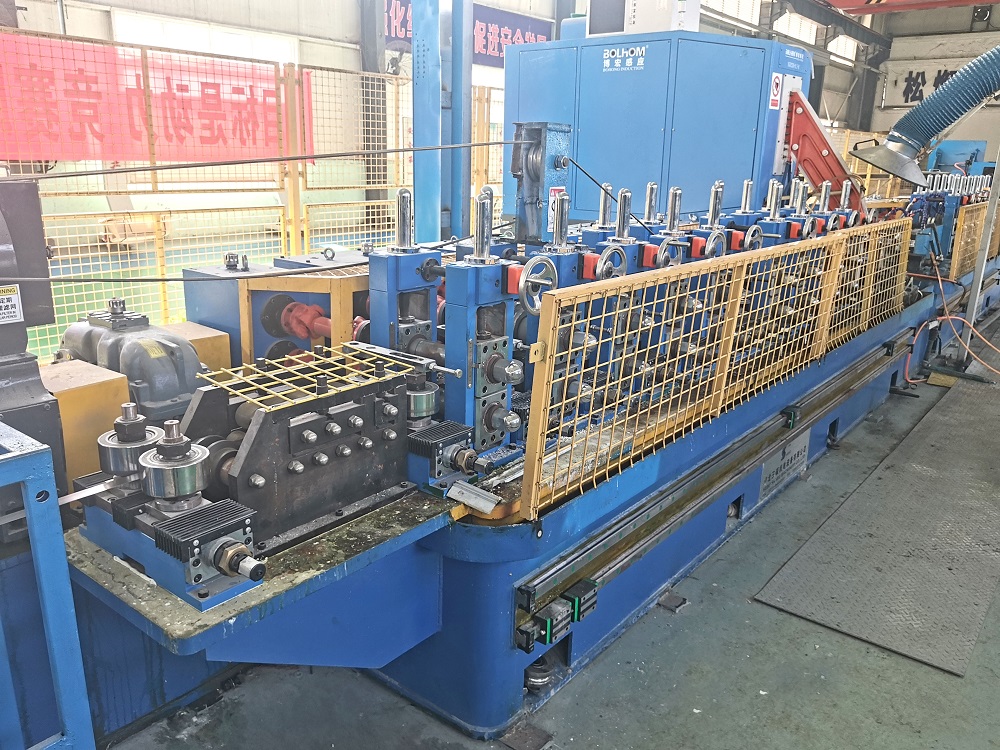
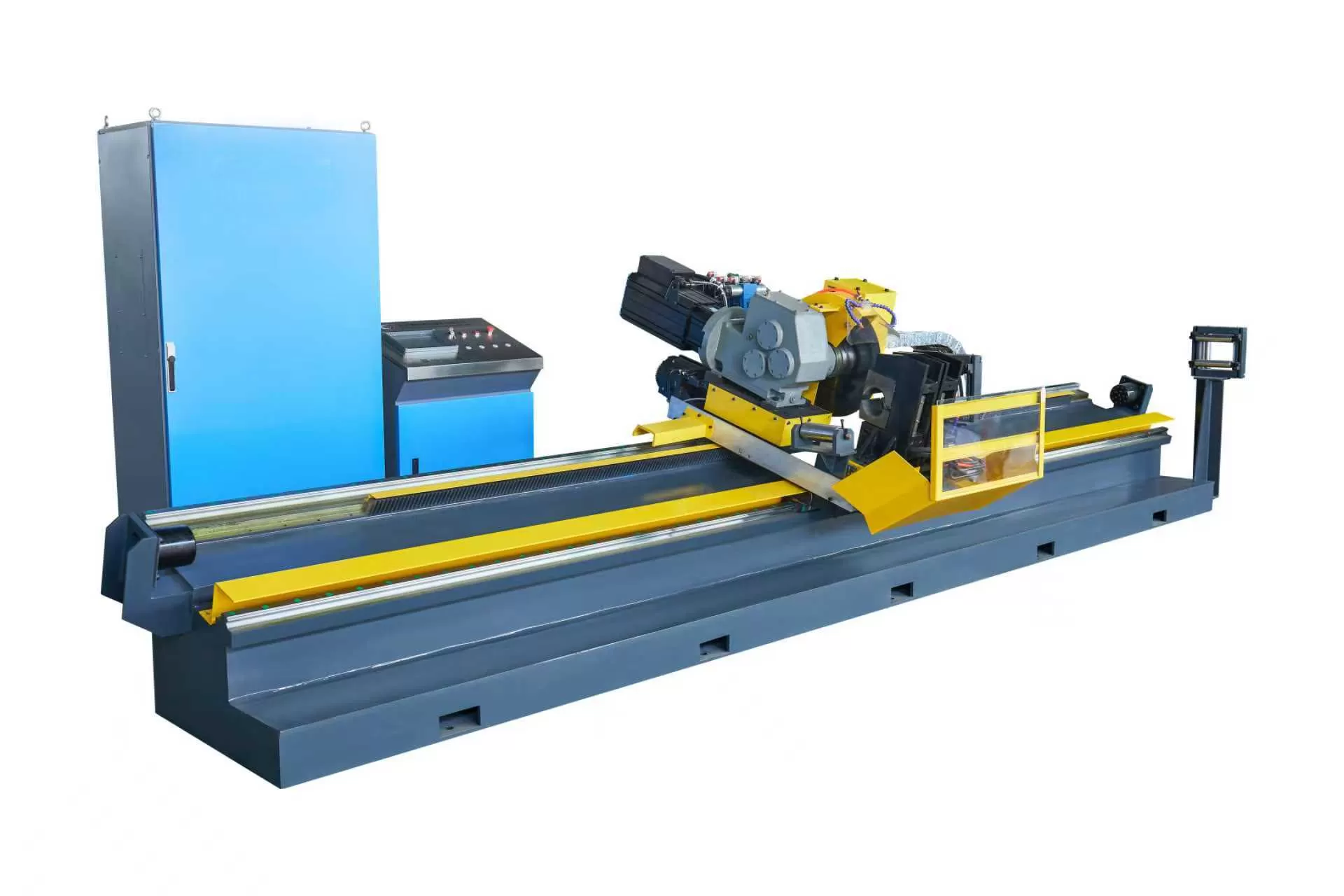
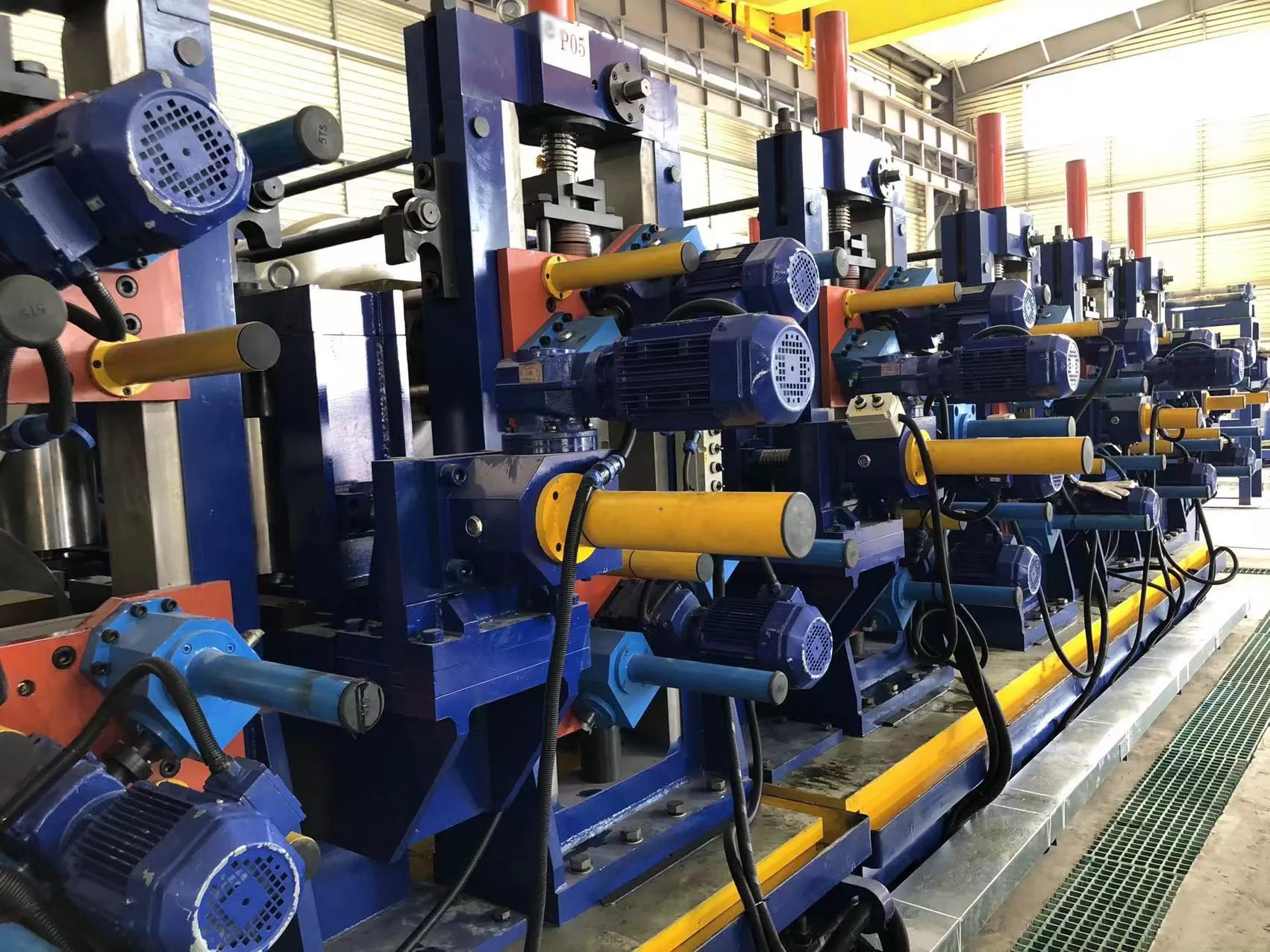
Welded tube mills produce a continuous length of tube that must be cut to specific sizes. This is not gentle work. The blades face abrasive weld seams, varying material thicknesses, and the need for non-stop operation. A standard TCT circular saw blade excels here for several reasons.
First is wear resistance. Tungsten carbide is significantly harder than HSS. It withstands the abrasive nature of mill scale and the work-hardening characteristics of stainless steel far longer. This translates to fewer blade changes and more consistent cuts over time.
Second is heat tolerance. While carbide can handle higher temperatures generated by friction, the design also allows for efficient heat dissipation. This is crucial for maintaining the blade’s temper and preventing premature failure during high-volume production runs.
Finally, the quality of cut. A sharp, correctly specified TCT circular saw blade produces a clean, burr-minimized cut. This reduces or even eliminates secondary finishing operations like deburring, saving time and labor costs downstream in the manufacturing process.
Key Specifications for Selecting the Right TCT Blade
Choosing the correct TCT circular saw blade is not a one-size-fits-all decision. Several specifications must align with your tube mill’s requirements.
Diameter & Arbor Size: Must physically fit your cutting machine’s spindle and housing.
Tooth Count: Lower tooth counts (e.g., 60-80) are for faster, more aggressive cuts on softer materials like aluminum. Higher tooth counts (e.g., 100-120) provide smoother, slower cuts on harder materials like steel and stainless steel.
Tooth Geometry (Grind): Alternate Top Bevel (ATB) is common for clean crosscuts. Triple Chip Grind (TCG) teeth are extremely durable and ideal for challenging materials like stainless steel or alloys.
Carbide Grade: Not all carbide is the same. Premium blades from manufacturers like SANSO use micro-grain carbide formulations that offer a better balance of toughness and hardness for specific materials.
Kerf Width: The thickness of the cut. A thinner kerf removes less material, reducing waste and requiring less motor power, but may be less stable on very thick-walled tube.
Maximizing Blade Life and Performance: Maintenance Musts
A premium TCT circular saw blade is an investment. Protecting that investment requires proper care.
Always use the correct cutting speed (RPM) and feed rate for the material. Pushing the blade too hard generates excess heat, which can soften the brazing material and lead to tooth loss. Letting it rub without cutting creates friction that dulls the carbide.
Proper lubrication or coolant is non-negotiable, especially for metals like stainless steel. It cools the blade and workpiece, and helps flush away chips.
Storage matters. Blades should be hung vertically or laid flat in a dry environment to prevent warping or corrosion on the steel core.
Most importantly, recognize when to sharpen. Don’t run a blade until it’s completely dull. A slightly worn blade requires less material removal during sharpening, preserving the carbide tip and extending the blade’s total service life. Many suppliers, including SANSO, offer professional resharpening services to restore blades to factory specifications.
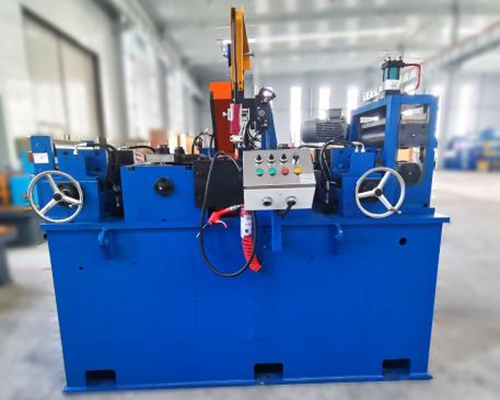
The SANSO Difference in TCT Circular Saw Blades
In a crowded market, reputation is built on consistency and technical support. SANSO has carved a niche by focusing on the precise needs of industrial metalworking, including tube production.
Their TCT circular saw blade range is developed with input from mill operators. This means designs that prioritize clean cuts on welded seams, formulations that resist the shock of intermittent cutting, and a product consistency that technicians rely on for repeatable results. Choosing a partner like SANSO often means access to application engineering support, ensuring you get the exact blade specification for your unique material mix and machine setup.
For any fabrication line aiming for peak productivity and lowest cost-per-cut, the TCT circular saw blade is not just a consumable—it’s a critical process component. Understanding its technology, selecting it wisely, and maintaining it properly are fundamental steps toward a smoother, more profitable operation. Trusting established industrial brands provides the reliability needed in today’s competitive manufacturing landscape.
Frequently Asked Questions (FAQs)
Q1: What exactly does "TCT" mean on a saw blade?
A1: TCT stands for "Tungsten Carbide Tipped." It refers to blades where the cutting teeth have small, durable tungsten carbide pieces brazed onto them, rather than being made entirely from steel.
Q2: How is a TCT circular saw blade different from an HSS blade for tube cutting?
A2: An HSS (High-Speed Steel) blade is made from a single type of steel throughout. A TCT circular saw blade has a steel body for flexibility but uses much harder tungsten carbide tips for cutting. This makes TCT blades last 10 to 20 times longer, especially on abrasive materials like stainless steel or composite tubes.
Q3: I cut both aluminum and stainless steel tubes. Can I use one TCT blade for both?
A3: It's not ideal. Aluminum cutting requires a specific tooth geometry (often with a more positive hook angle) and lower tooth count to prevent clogging. Stainless steel requires a harder carbide grade and a different grind (like TCG). Using a compromise blade will lead to poor performance in one or both applications. It's better to have dedicated blades.
Q4: What are the signs that my TCT circular saw blade needs to be resharpened or replaced?
A4: Key signs include: increased cutting force or motor strain, burning marks on the cut surface, a rougher finish with more burr, visible chipping or wear on the carbide tips, and the blade wandering or not cutting straight.
Q5: Why does the brand matter when purchasing a TCT circular saw blade?
A5: Brand reputation often correlates with the quality of raw materials (steel core, carbide grade), manufacturing precision (consistent brazing, sharpening), and technical support. A reputable industrial brand like SANSO invests in R&D to solve specific cutting problems, ensuring you get a blade designed for real-world performance, not just a generic product. This leads to better cut quality, longer life, and lower total cost.