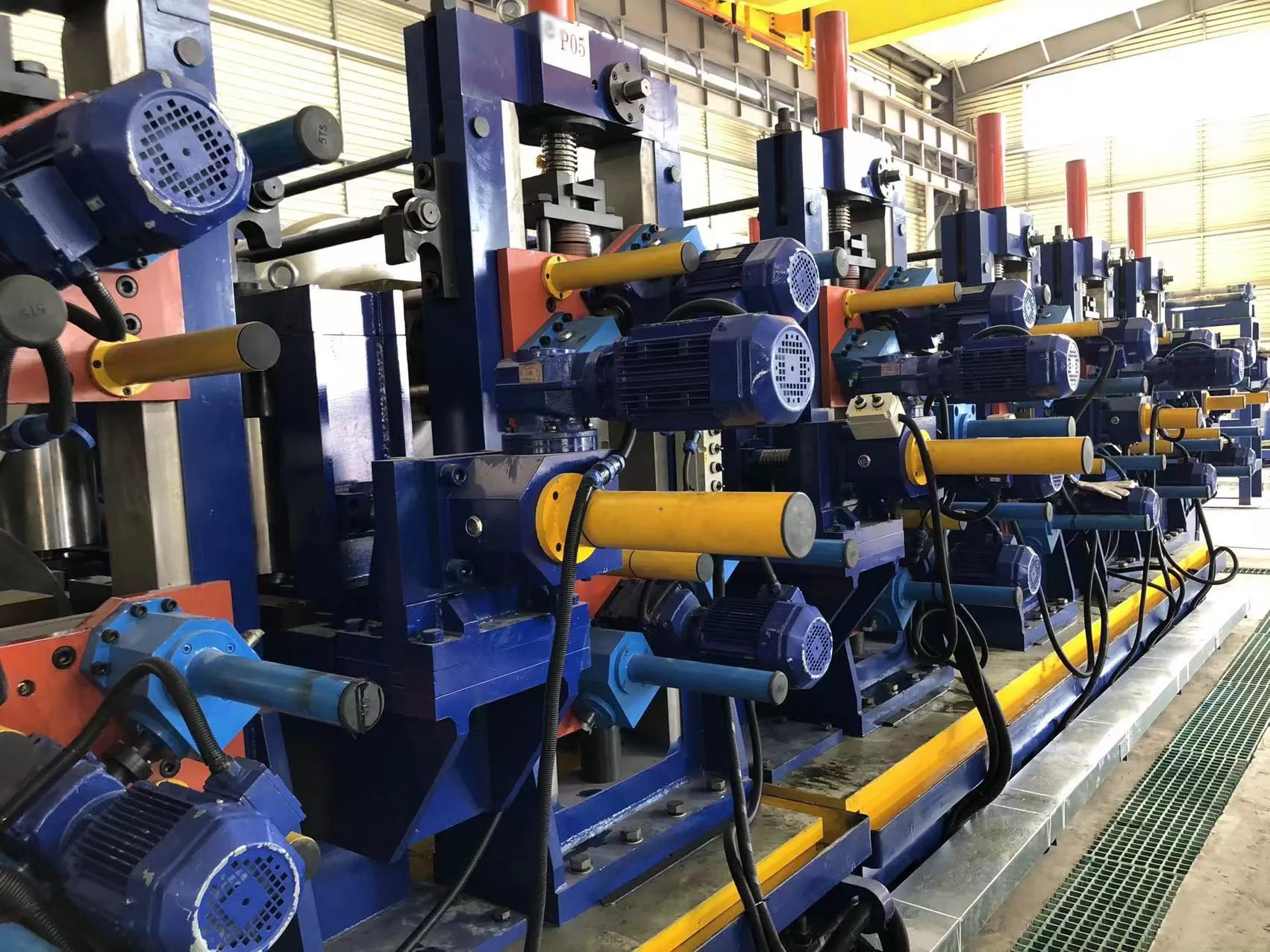
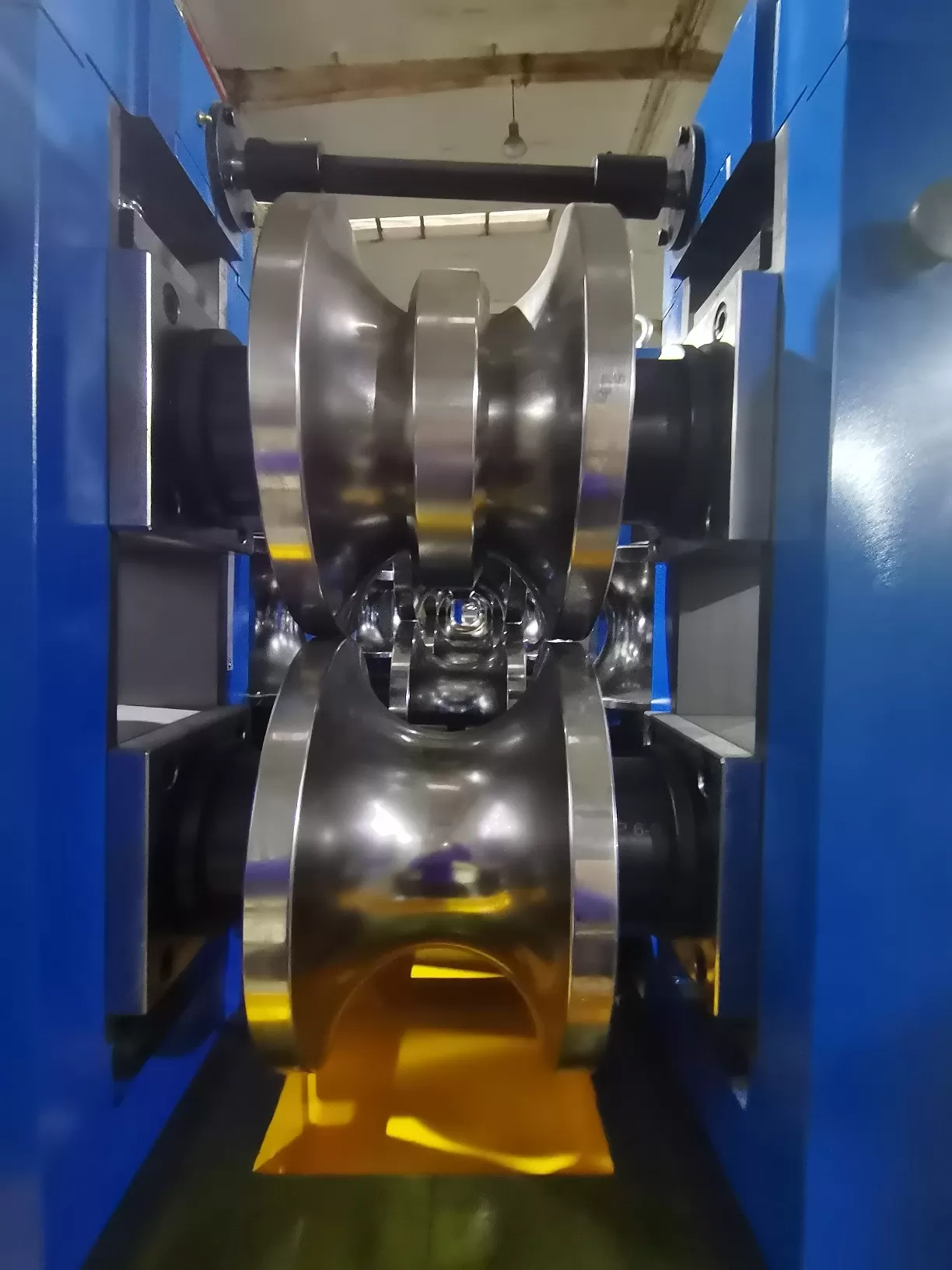
When it comes to precision metalworking in industries like welding and tube milling, selecting the right cutting tools is crucial for quality and productivity. A TCT blade for metal offers durability and sharpness, making it a preferred choice for professionals. These blades, with tungsten carbide tips, excel in cutting through various metals efficiently. Brands like SANSO have developed reliable options that meet industrial standards. This article explores key aspects of using tct blade for metal to enhance your fabrication processes.
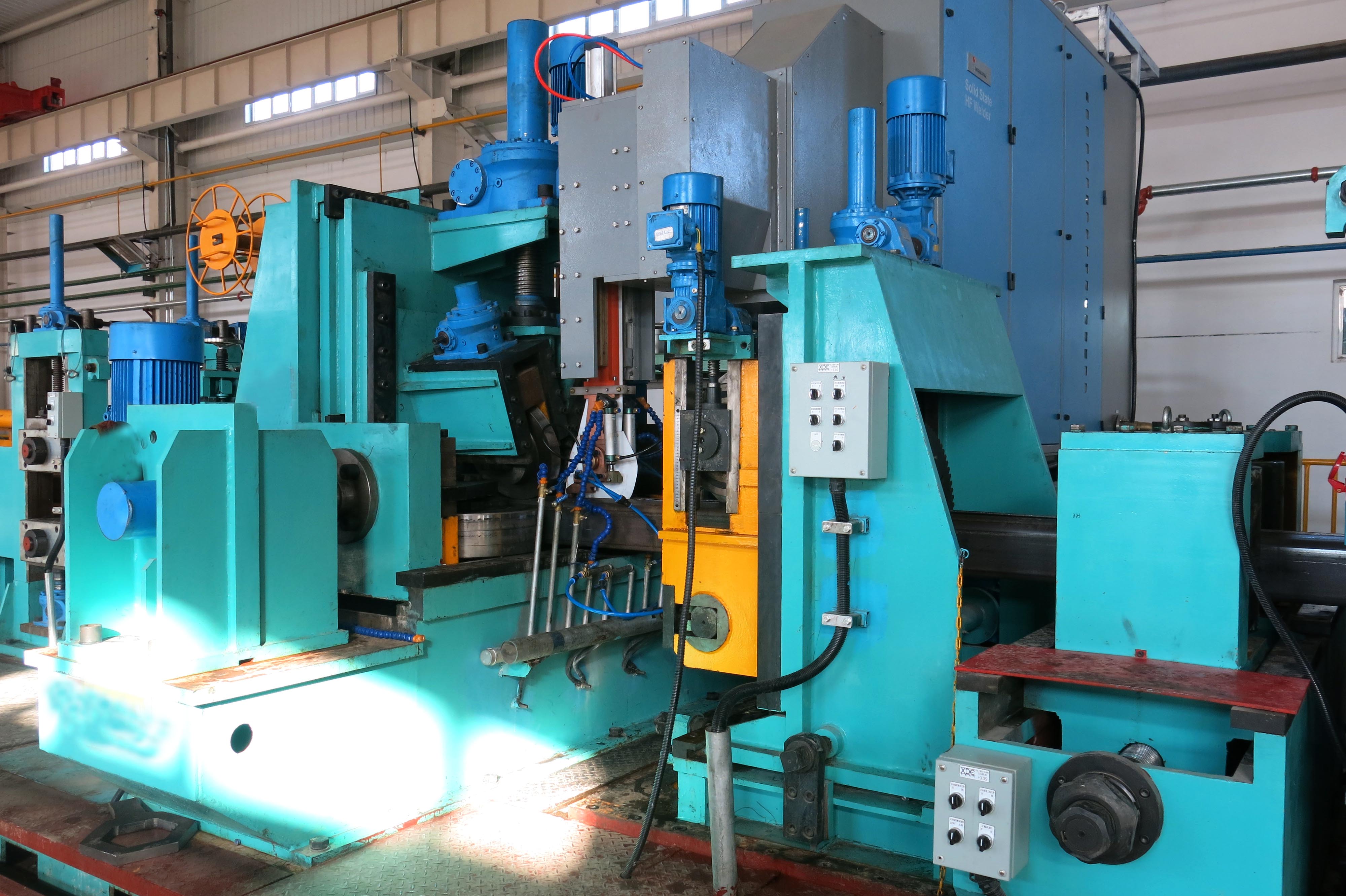
What is a TCT Blade for Metal?
A Tct blade for metal is a cutting tool designed with tungsten carbide tips bonded to a steel body. This construction provides hardness and wear resistance, ideal for metal applications. In welding and tube milling, such blades ensure clean cuts and reduced downtime.
Key Components of TCT Blades
Carbide Tips: Made from tungsten carbide, they resist heat and abrasion.
Steel Body: Provides flexibility and strength for stable cutting.
Tooth Design: Varied geometries suit different metals, from aluminum to steel.
Why TCT Blades are Superior
Traditional blades often wear quickly when cutting metal. A tct blade for metal lasts longer due to its carbide composition. It maintains sharpness, reducing the need for frequent changes. This leads to cost savings and improved workflow in fabrication shops.
Applications in Welding and Tube Milling
In international welding and tube milling manufacturing, precision is paramount. A tct blade for metal plays a vital role in preparing materials for assembly and finishing.
Welding Preparation with TCT Blades
Before welding, metal pieces must be cut accurately to ensure strong joints. A tct blade for metal offers clean edges, minimizing post-welding cleanup.
Cutting pipes and plates: Ensures smooth surfaces for better fusion.
Deburring operations: Removes sharp edges quickly and safely.
Notching and shaping: Facilitates complex designs in metal structures.
Tube Milling Efficiency
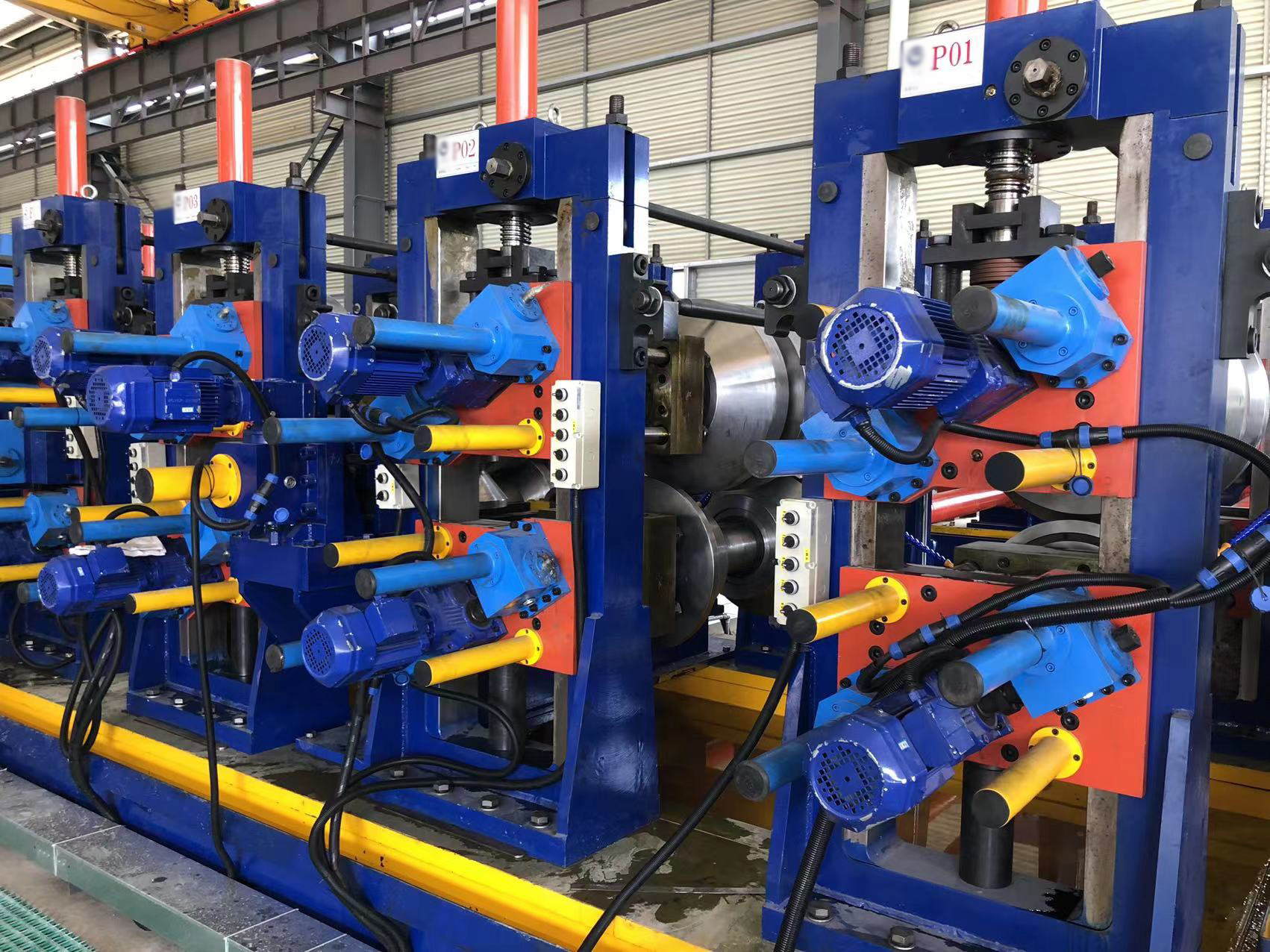
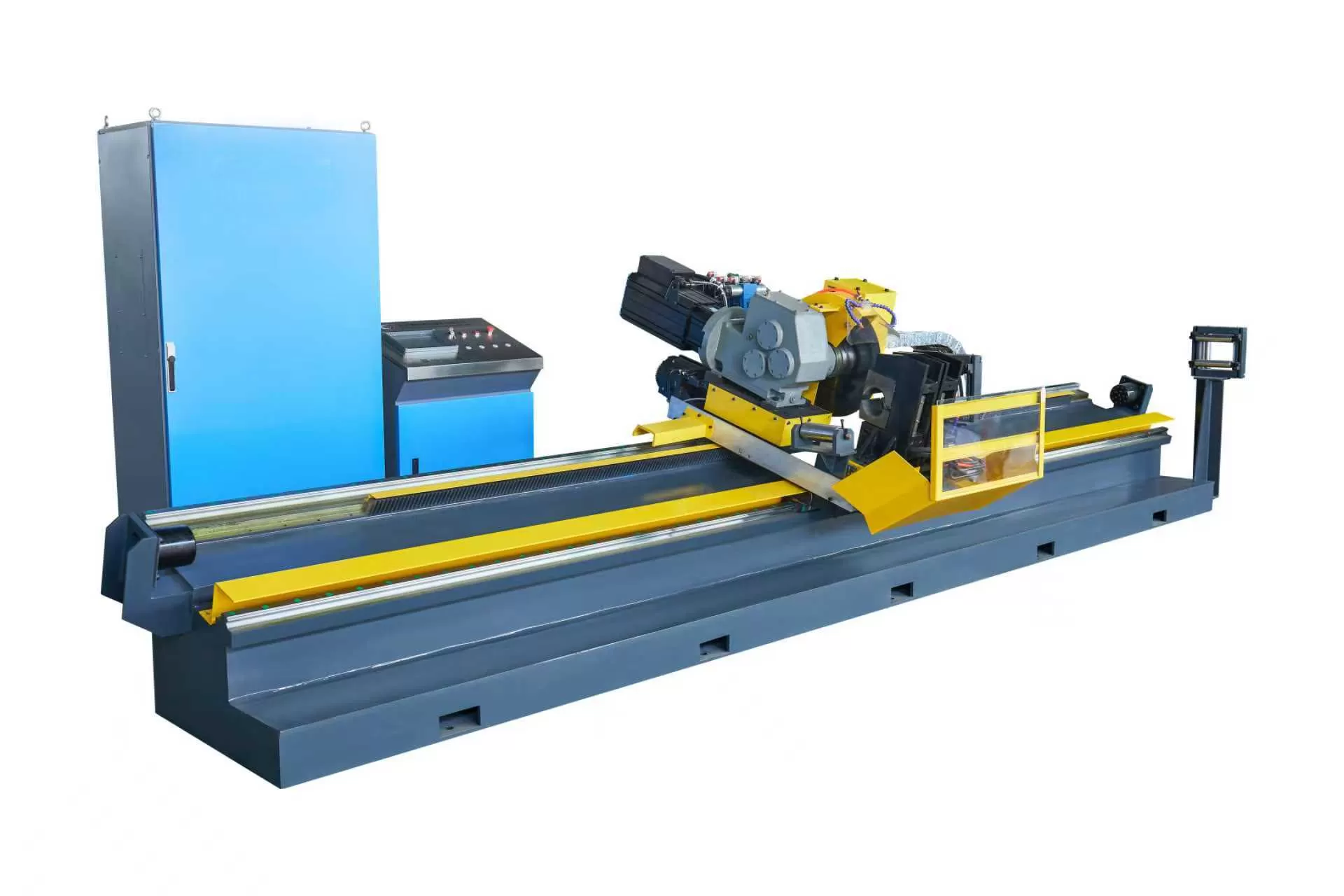
Tube milling machines require blades that can handle high-speed cutting without chattering. Using a tct blade for metal enhances precision in producing tubes for construction and automotive sectors.
Consistent cuts: Maintains dimensional accuracy over long runs.
Reduced vibration: Improves surface finish and tool life.
Compatibility: Works with various tube materials, including stainless steel.
Choosing the Right TCT Blade for Metal
Selecting the appropriate tct blade for metal depends on several factors. Making an informed choice boosts performance and safety in metalworking.
Material Considerations
Different metals require specific blade features. For example:
Aluminum: Choose blades with higher tooth counts for smooth cuts.
Steel: Opt for blades with reinforced tips to handle hardness.
Non-ferrous metals: Look for coatings to prevent clogging.
Blade Specifications
Tooth count: More teeth for finer cuts, fewer for faster roughing.
Diameter and bore size: Must match your equipment specifications.
Hook angle: Affects cutting aggression and chip removal.
Maintenance and Care
Proper upkeep extends the life of a tct blade for metal. Regular cleaning and storage in dry conditions prevent rust. Inspect for wear and tear to avoid accidents. Brands like SANSO provide guidelines for optimal usage.
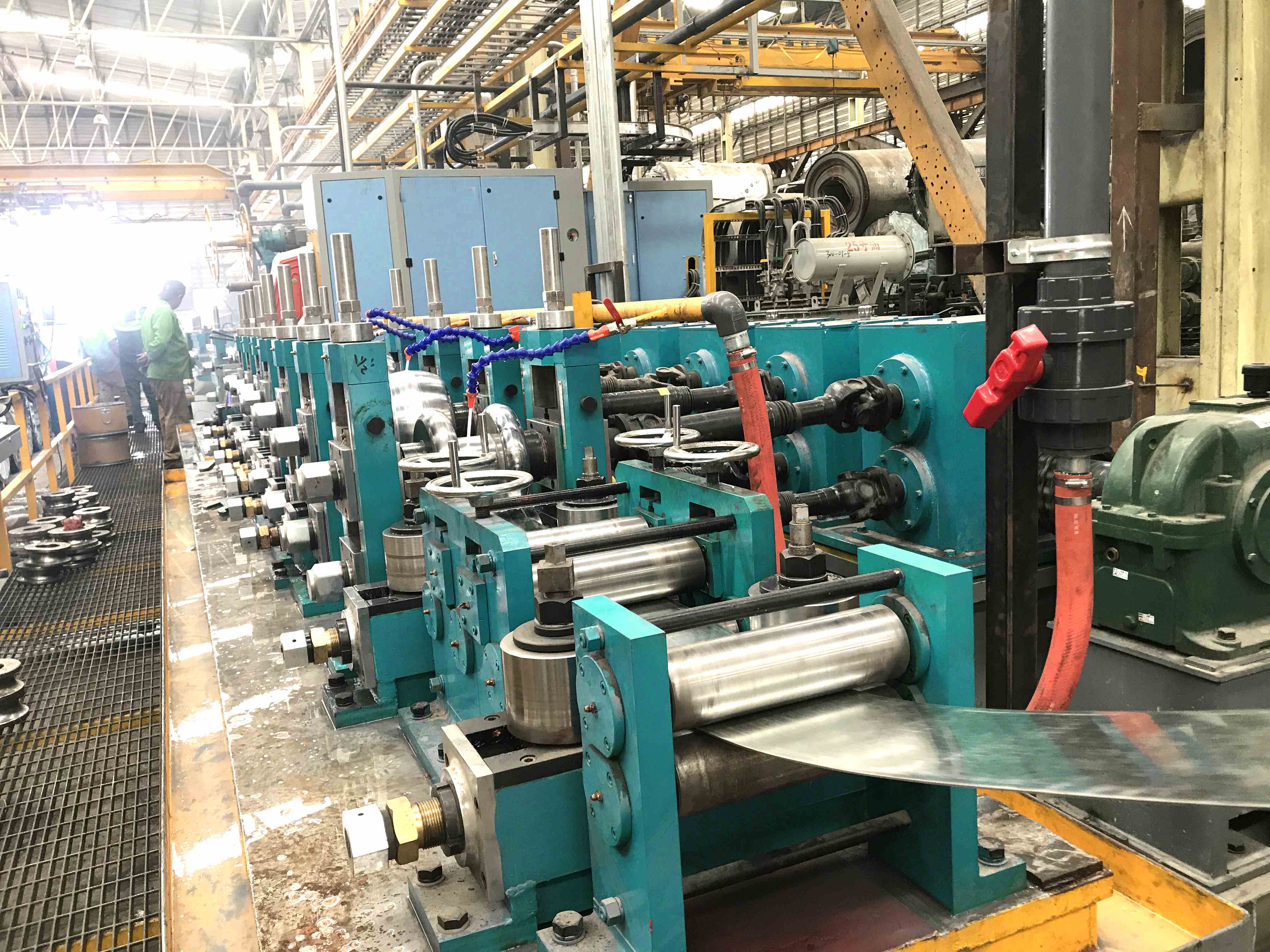
SANSO’s Innovation in TCT Blade Technology
SANSO has emerged as a trusted name in cutting tools, offering advanced tct blade for metal solutions. Their products cater to the demands of welding and tube milling industries globally.
Features of SANSO TCT Blades
SANSO blades incorporate high-grade carbide and precision engineering. They are tested for durability and performance in harsh conditions.
Enhanced durability: Lasts up to 50% longer than standard blades.
Precision grinding: Ensures consistent cuts and reduced waste.
Safety standards: Comply with international regulations for industrial use.
Real-World Impact
Many fabrication shops report increased efficiency after switching to SANSO tct blade for metal. Case studies show reduced downtime and lower operational costs. This makes SANSO a go-to brand for reliable metal cutting tools.
Benefits of Using TCT Blades in Metal Fabrication
Investing in a quality tct blade for metal brings multiple advantages to welding and tube milling operations. These benefits justify their higher initial cost.
Improved Productivity
Faster cutting speeds: Reduce project completion times.
Less frequent changes: Minimize interruptions in production lines.
Better finish: Decreases the need for secondary processing.
Cost-Effectiveness
While TCT blades are pricier upfront, their longevity leads to savings. They require fewer replacements, cutting long-term expenses. This is crucial for budget-conscious manufacturers.
Enhanced Safety
Sharp, durable blades reduce the risk of kickback and accidents. A reliable tct blade for metal ensures stable operation, protecting operators. Always follow safety protocols when using these tools.
In summary, a tct blade for metal is indispensable for achieving precision in welding and tube milling. Its durability and efficiency make it a smart choice for metal fabricators. By considering factors like material and maintenance, you can optimize your workflow. Brands like SANSO offer robust options that meet industry needs. Embrace the right tct blade for metal to elevate your metalworking projects.