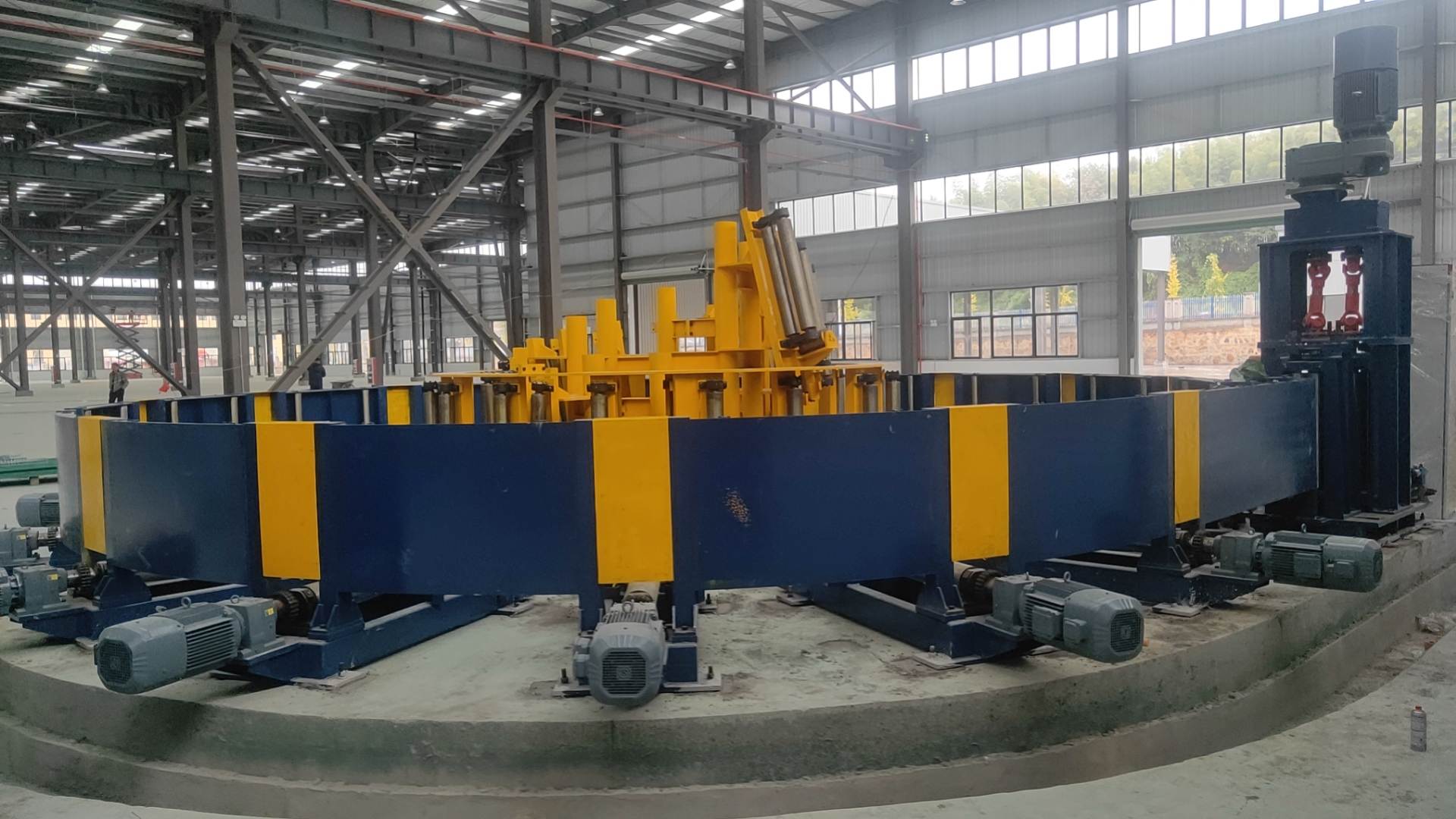
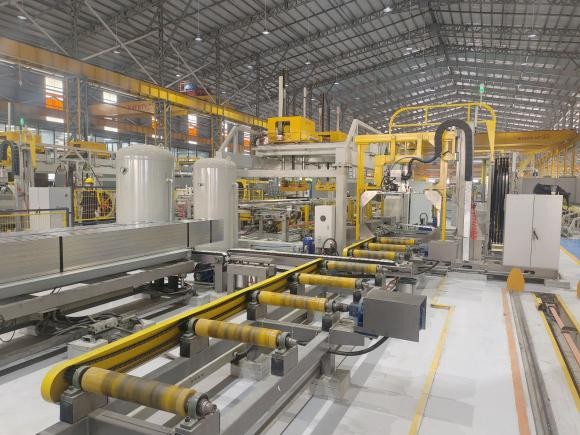
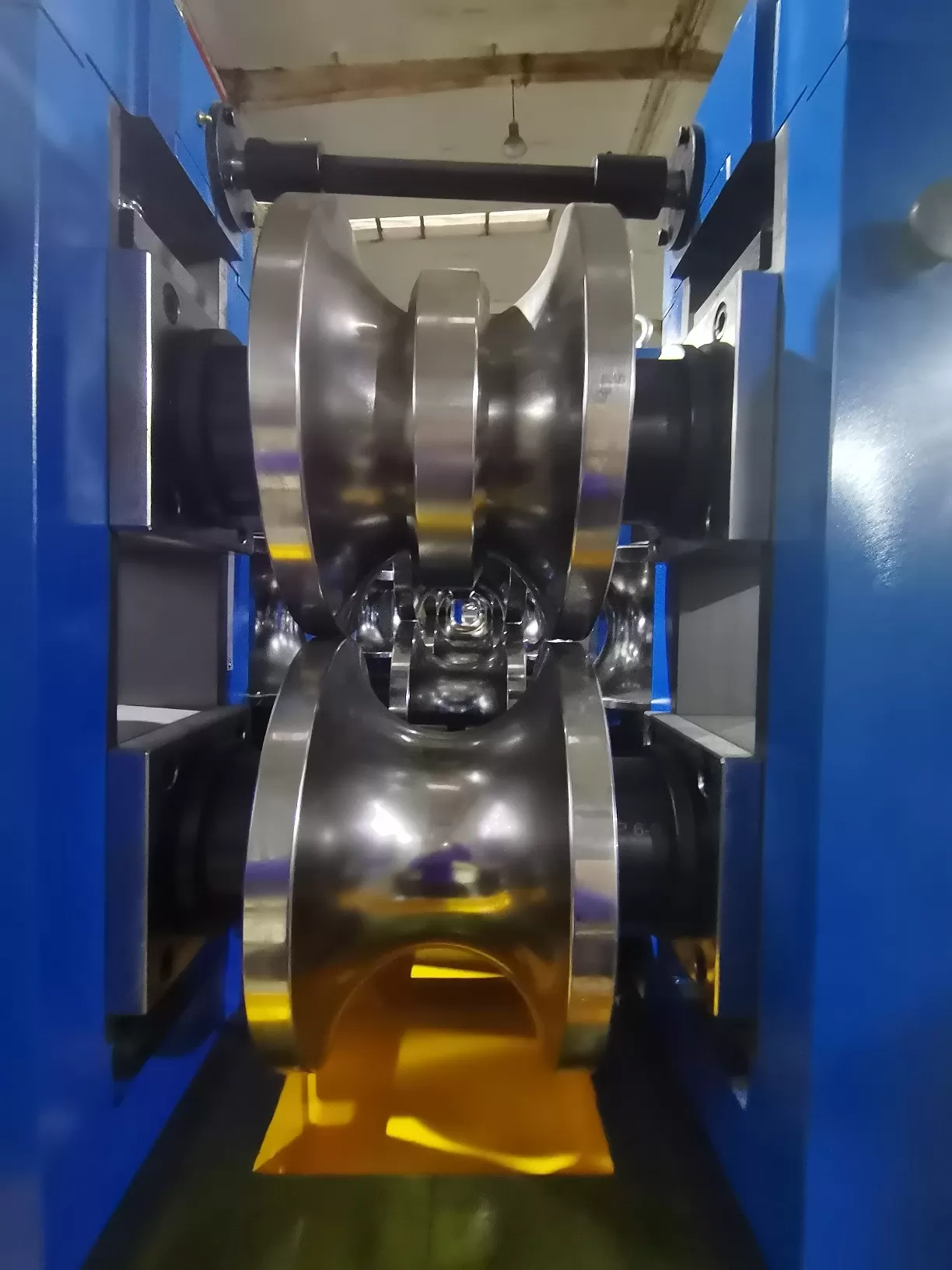
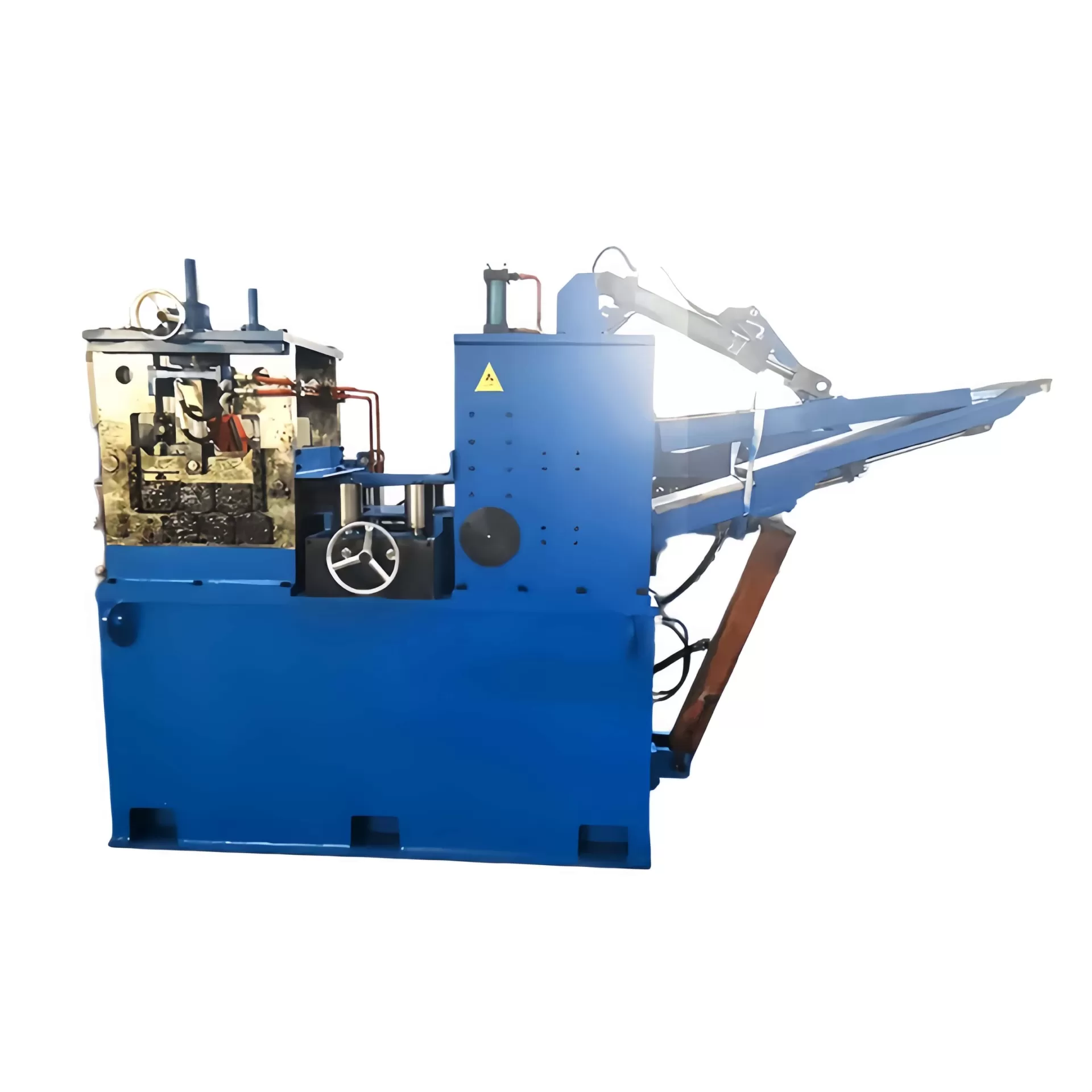
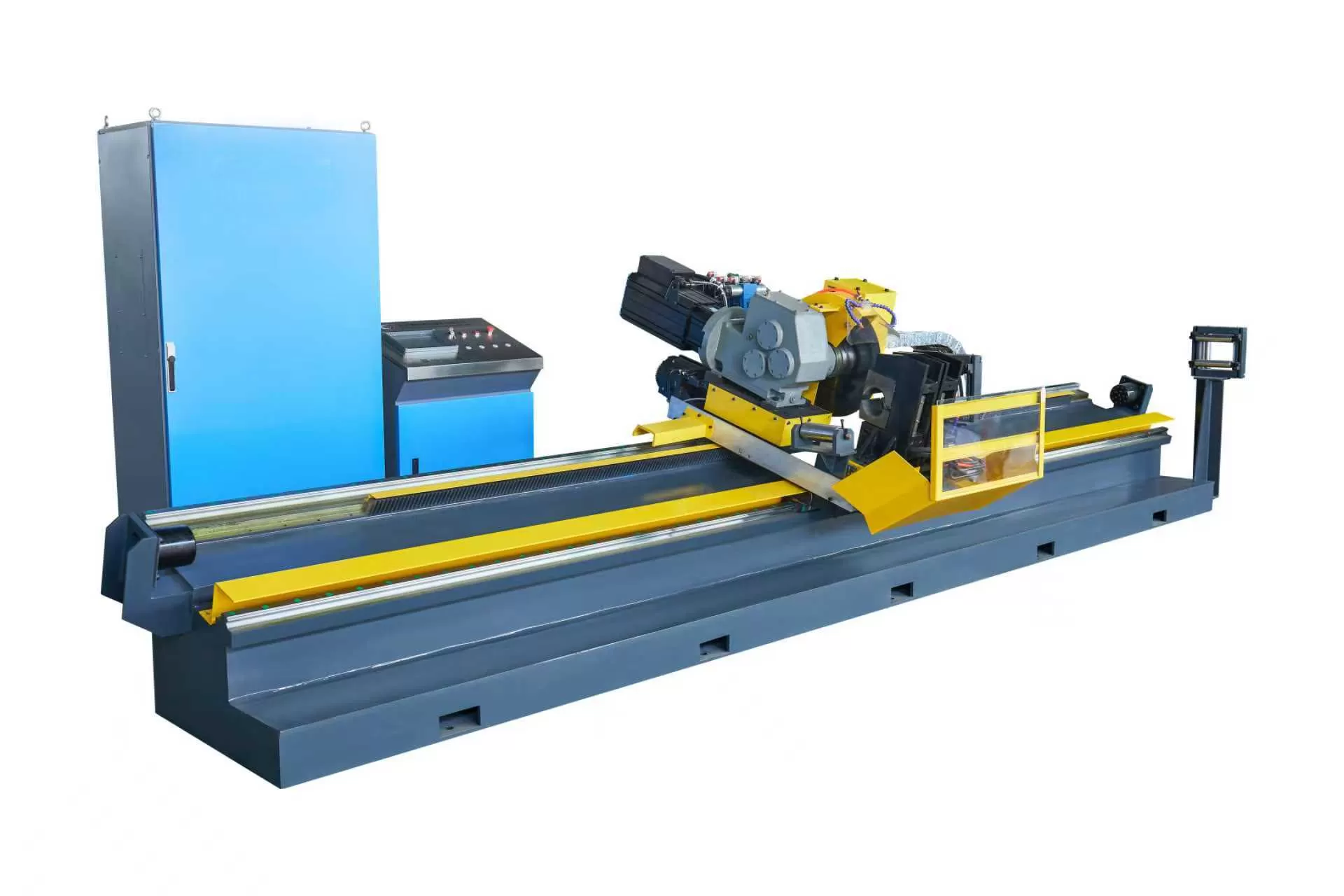
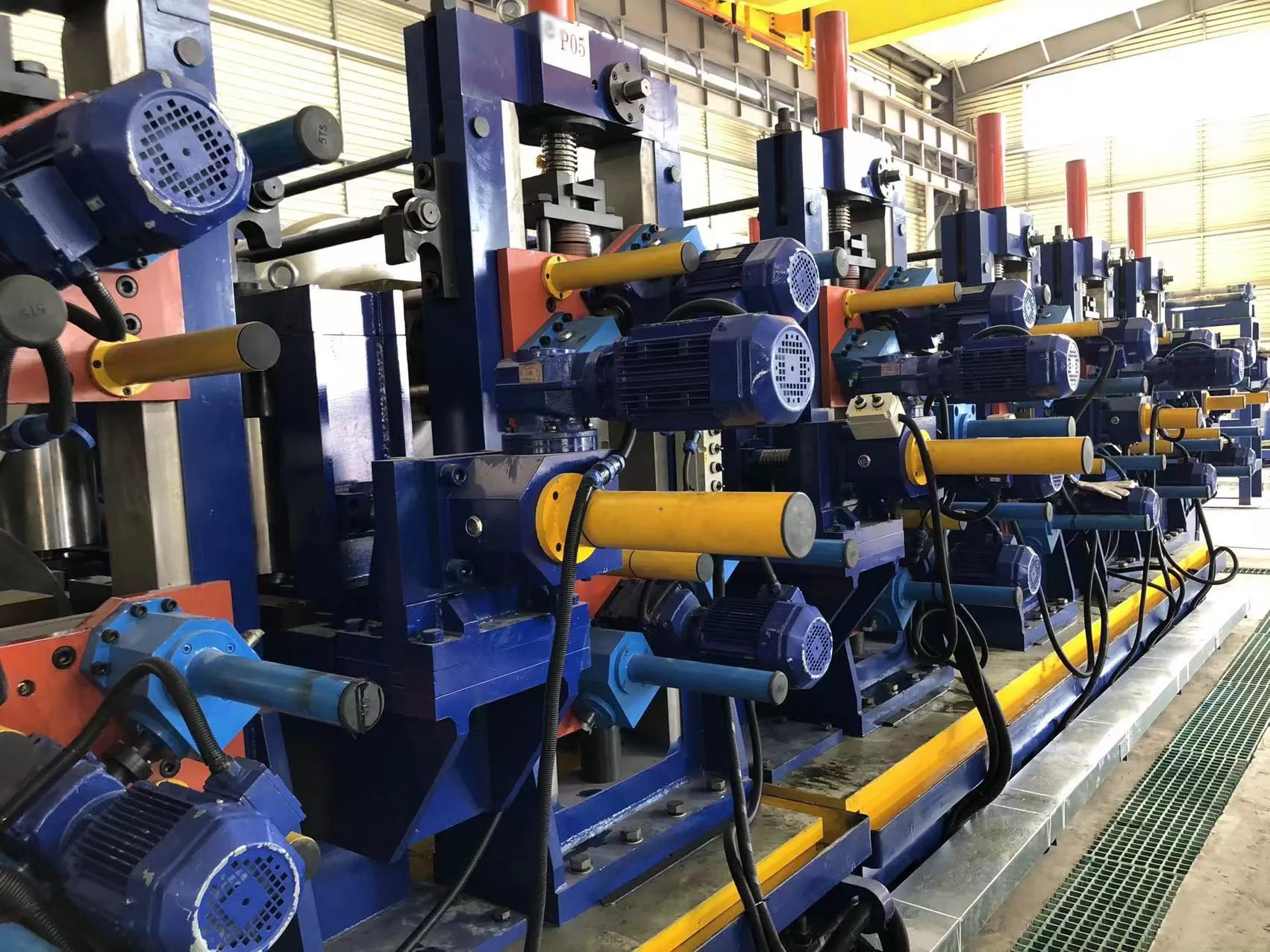
The ERW tube mill machine is a core piece of equipment in the international welding tube manufacturing field. It produces electric resistance welded (ERW) tubes from steel strips with high precision. These tubes are vital for sectors like construction, automotive, and energy. Brands such as SANSO offer reliable ERW tube mill machines that meet global industrial standards.
What is an ERW Tube Mill Machine?
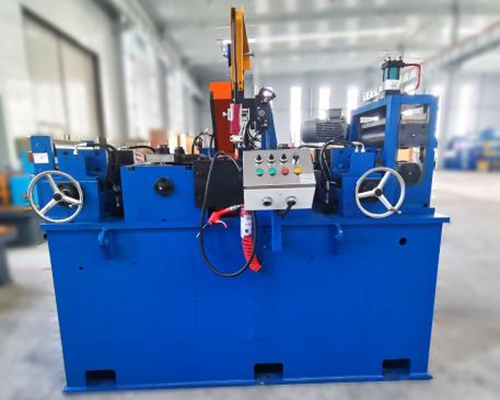
An ERW tube mill machine manufactures tubes by forming and welding steel coils. It uses high-frequency current to create a strong bond along the seam.
This machine is common in tube mills for its efficiency. Key features include:
High-speed production capabilities
Consistent weld quality control
Flexibility in tube dimensions
In the welding tube sector, the ERW tube mill machine ensures durable output for various applications.
How Does an ERW Tube Mill Machine Work?
The ERW tube mill machine operates through a sequential process. Each stage is critical for tube integrity and performance.
Key Operational Stages
First, steel strips are uncoiled and flattened. They then pass through forming rolls that shape them into a cylindrical form.
Next, the edges are welded using high-frequency induction. This method provides a seamless joint without filler materials.
After welding, the tube is sized, cooled, and cut to length. Modern ERW tube mill machines often include automated controls for accuracy.
Key Components of an ERW Tube Mill Machine
Understanding the parts of an ERW tube mill machine helps in maintenance and selection. Each component plays a specific role.
Uncoiler: Feeds steel strips into the mill.
Forming Rolls: Gradually shape the strip into a tube.
Welding Unit: Uses high-frequency current to fuse edges.
Sizing Section: Calibrates the tube to precise diameters.
Cutting Tool: Cuts tubes to required lengths.
Regular inspection of these parts ensures the ERW tube mill machine runs smoothly. Brands like SANSO design machines with durable components.
Applications of ERW Tubes in Various Industries
Tubes from an ERW tube mill machine are used globally. Their strength and affordability make them popular.
Common applications include:
Construction: For scaffolding, structural frames, and pipelines.
Automotive: In exhaust systems, chassis, and fluid lines.
Energy: For oil and gas transmission pipes.
Furniture: In metal furniture and decorative items.
The versatility of the ERW tube mill machine supports diverse industrial needs.
Modern ERW tube mill machines offer several benefits. They improve productivity and product quality.
Key Benefits
These machines provide high production rates. They can run continuously with minimal downtime.
Weld consistency is enhanced through automated controls. This reduces defects and material waste.
They handle various steel grades and thicknesses. This flexibility meets custom tube specifications.
Advanced ERW tube mill machines, like those from SANSO, often include energy-efficient features.
How to Choose the Right ERW Tube Mill Machine
Selecting an ERW tube mill machine requires careful consideration. Factors include production needs and budget.
Important aspects to evaluate:
Production Capacity: Match machine speed to your output goals.
Tube Specifications: Ensure it can produce required diameters and wall thicknesses.
Automation Level: Choose between manual, semi-automatic, or fully automatic systems.
Brand Reputation: Opt for reliable manufacturers with good support.
Maintenance Requirements: Consider ease of servicing and spare part availability.
An appropriate ERW tube mill machine boosts efficiency in welding tube manufacturing.
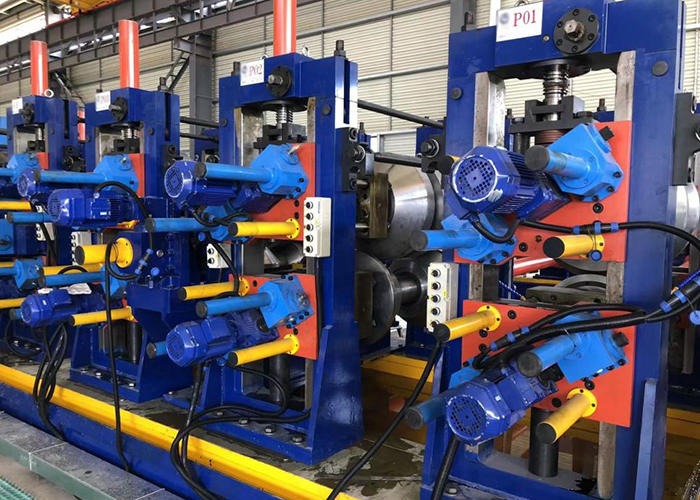
Proper maintenance extends the life of an ERW tube mill machine. Regular checks prevent breakdowns.
Key maintenance practices:
Lubricate moving parts weekly to reduce friction.
Inspect welding units for wear and calibration issues.
Clean forming rolls to avoid material buildup.
Monitor electrical systems for consistent performance.
Schedule professional servicing annually.
Following these tips ensures your ERW tube mill machine operates reliably. Companies like SANSO provide maintenance guidelines.
The ERW tube mill machine is indispensable in the international welding tube manufacturing field. It enables efficient production of high-quality tubes for many industries. When selecting a machine, consider factors like capacity and automation. Brands such as SANSO offer advanced ERW tube mill machines that cater to evolving market demands.
Frequently Asked Questions about ERW Tube Mill Machines
Q1: What does ERW stand for in ERW tube mill machine?
A1: ERW stands for Electric Resistance Welding. An ERW tube mill machine uses this process to weld steel strips into tubes by applying high-frequency current.
Q2: What materials can an ERW tube mill machine handle?
A2: Most ERW tube mill machines work with mild steel, stainless steel, and carbon steel coils. They can process various thicknesses and widths based on machine design.
Q3: How does an ERW tube mill machine ensure weld quality?
A3: The ERW tube mill machine controls welding parameters like current and speed. Automated systems monitor the process to produce consistent, strong welds with minimal defects.
Q4: What is the typical production speed of an ERW tube mill machine?
A4: Production speeds vary by model. Modern ERW tube mill machines can produce from 20 to over 100 meters per minute, depending on tube diameter and material.
Q5: Why is regular maintenance important for an ERW tube mill machine?
A5: Regular maintenance prevents downtime and extends machine life. It ensures components like rolls and welding units function correctly, maintaining output quality and safety in tube manufacturing.