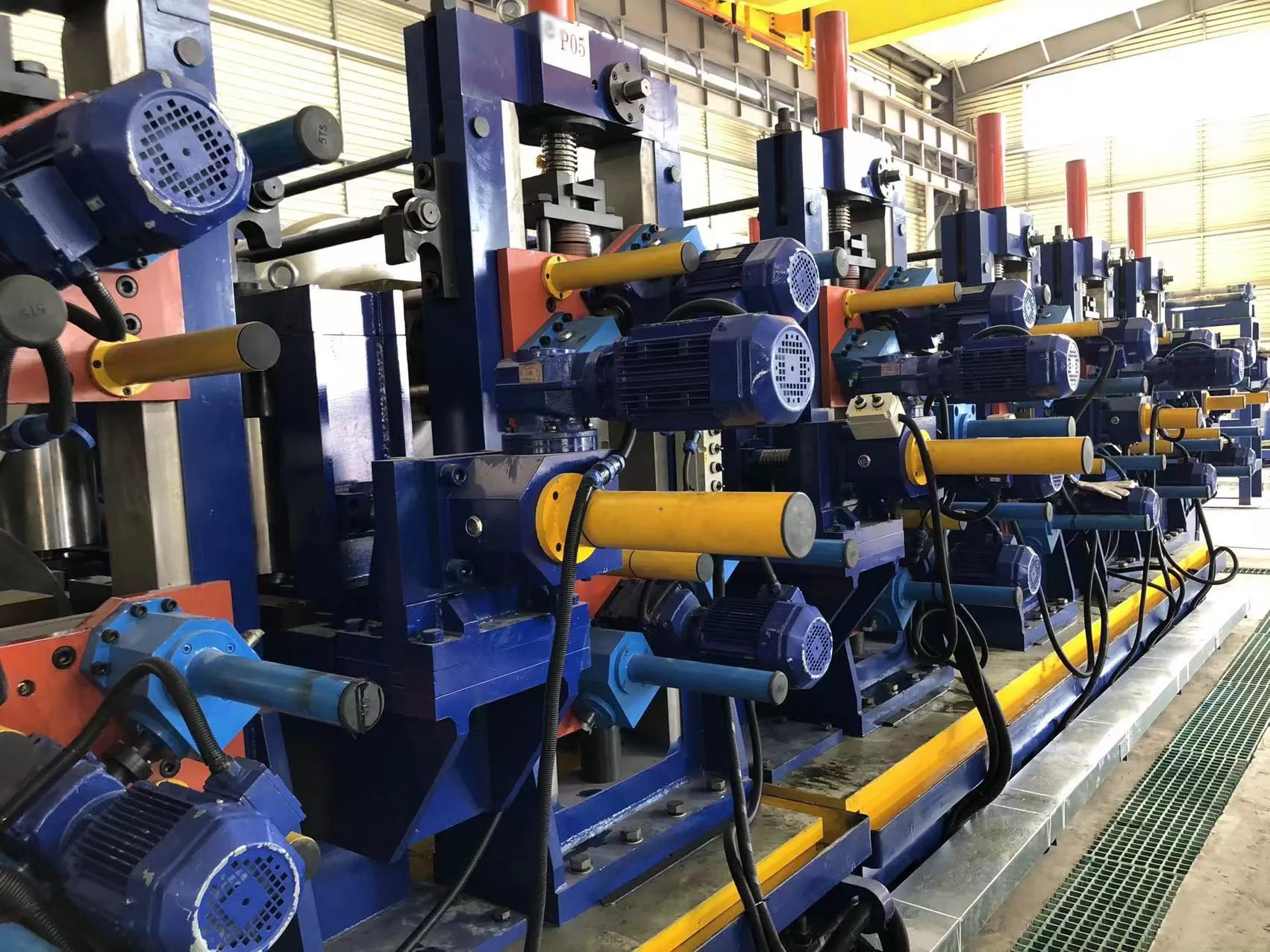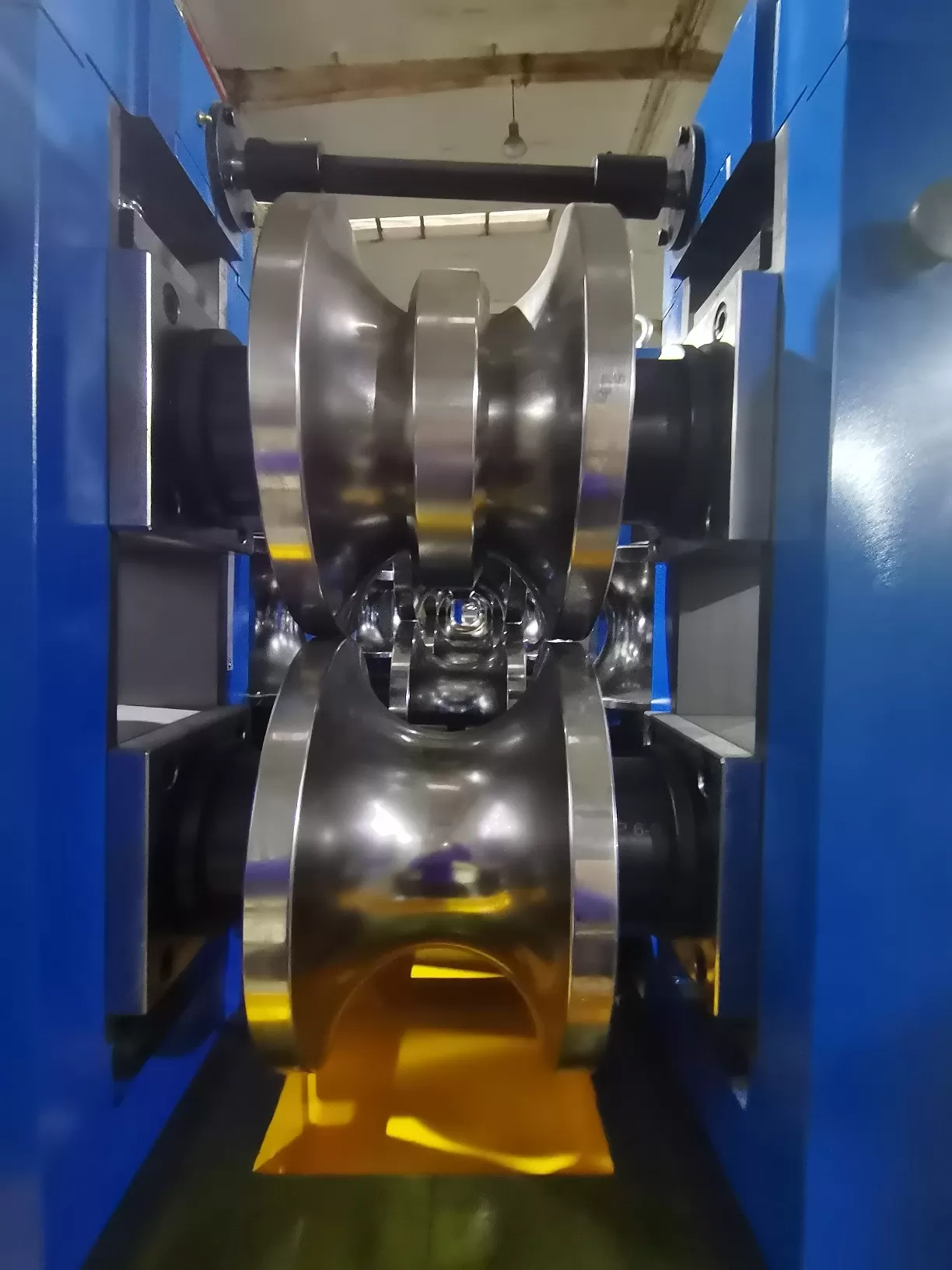
Walk into any high-volume international welding tube milling facility, and you’ll hear the hum of machinery. You’ll see coolant flowing. But look closer. The real hero often sits off to the side: the coolant filtration machine.
This piece of equipment is not an accessory. It’s a core component for precision, tool life, and operational cost. In tube milling, where tolerances are tight and material waste is costly, a reliable coolant filtration machine makes the difference between profit and loss. Brands like SANSO have built their reputation on solving these exact industrial challenges.
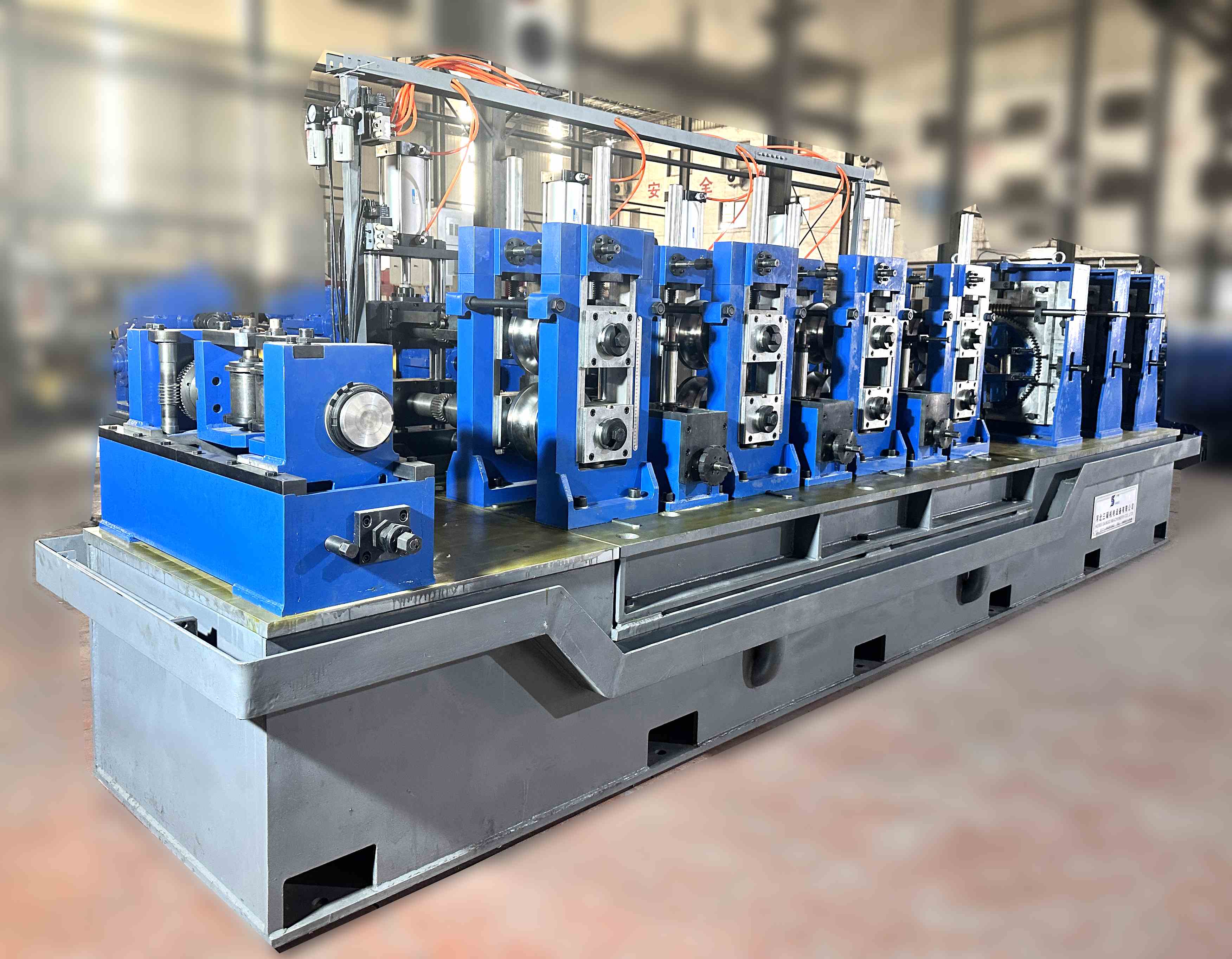
The Critical Role of a Coolant Filtration Machine in Tube Milling
Why is filtration so non-negotiable? Welding and milling tube stock creates a constant stream of contaminants. Fine metal swarf, abrasive grit from weld seams, and tramp oils all mix into the coolant.
Left unfiltered, this cocktail recirculates. It acts like sandpaper on expensive tools, pumps, and seals. It causes poor surface finishes on the tube. It leads to frequent coolant dumps, raising disposal costs and environmental concerns.
A dedicated coolant filtration machine continuously removes these solids and oils. It returns clean fluid to the process. This simple cycle is the foundation of stable manufacturing.
What Contaminants Are You Really Fighting?
The enemy is multifaceted. Ferrous and non-ferrous fines from milling are the most common. Then come welding spatter particles and scale. Microbial growth is another issue, fed by tramp oils and heat, leading to foul odors and degraded coolant chemistry.
A well-chosen coolant filtration machine tackles each of these. It’s your first line of defense for the entire machining process.
Breaking Down the Benefits: More Than Just Clean Coolant
Investing in a proper coolant filtration machine delivers returns across the board. The benefits are tangible and measurable on the shop floor.
Slashing Tooling Costs Dramatically
Clean coolant directly extends tool life. End mills, inserts, and saw blades last significantly longer. Abrasive particles in dirty coolant accelerate flank and crater wear.
With a robust coolant filtration machine, you might see a 40-60% increase in tool life. That’s fewer changeovers, lower consumable costs, and more consistent machining times.
Achieving Consistent, High-Quality Tube Finishes
In international markets, surface finish is a key quality metric. Contaminants dragged across the tube surface by rolling mills or cutting tools cause scratches and scoring.
Filtration eliminates this. The result is a uniform, smooth finish straight off the mill. This reduces secondary polishing and improves product appearance for clients.
Reducing Fluid Consumption and Disposal Hassles
Without filtration, coolant turns into hazardous waste quickly. You’re dumping and replacing it every few months. A coolant filtration machine extends sump life to a year or more.
This cuts purchasing costs for new coolant. More importantly, it slashes the frequency and cost of hazardous waste disposal. The environmental footprint of your operation shrinks considerably.
Key Technologies Inside a Modern Coolant Filtration Machine
Not all filters are created equal. Different technologies target different contaminants. For welding tube mills, a combination approach often works best.
Paper Band Filters: The Workhorse
These are common and effective for fine solids. A continuous roll of filter paper moves across a vacuum chamber, trapping particles. The dirty section is automatically indexed into a waste bin.
They are excellent for achieving very low micron clarity, crucial for protecting precision spindle bearings in modern milling centers.
Magnetic Separators: For Ferrous Dominant Waste
If your primary waste is steel or magnetic stainless swarf, a magnetic drum or conveyor is highly efficient. It pulls ferrous particles from the slurry before they reach finer filters.
This pre-separation drastically extends the life of downstream paper or cartridge filters. It’s a smart, energy-efficient first stage in any coolant filtration machine setup.
Oil Coalescers and Skimmers: Attacking Tramp Oil
Tramp oil is a coolant killer. It promotes bacteria and reduces coolant’s cooling/lubricating ability. Coalescing units separate free oils from the water-based coolant.
Integrating this technology keeps your coolant chemistry stable and controls odors. It’s a mark of a comprehensive coolant filtration machine designed for long-term performance.
Selecting the Right Coolant Filtration Machine: A Practical Guide
Choosing a system isn’t about buying the biggest one. It’s about matching the machine to your specific process. Here’s what to consider.
Assessing Your Flow Rate and Contaminant Load
How many gallons per minute (GPM) does your system pump? What’s the volume of swarf generated per shift? An undersized coolant filtration machine will be overwhelmed. An oversized one is an unnecessary capital expense.
Accurate data from your current operation is the best starting point for a supplier consultation.
Considering Space and Integration
Floor space is precious. Modern units like some from SANSO are designed with a compact footprint. Consider how it will connect to your existing sump and piping.
Ease of integration minimizes installation downtime. Look for a coolant filtration machine built with standard industrial interfaces.
The SANSO Difference in Welding Tube Applications
In our experience, SANSO engineers often highlight their systems’ robustness for abrasive welding scale. Their designs account for the heavy, irregular particles common in tube milling.
They focus on ease of maintenance—like quick-access filter changes—which keeps the unit running with minimal operator attention. This practical focus resonates on busy shop floors.
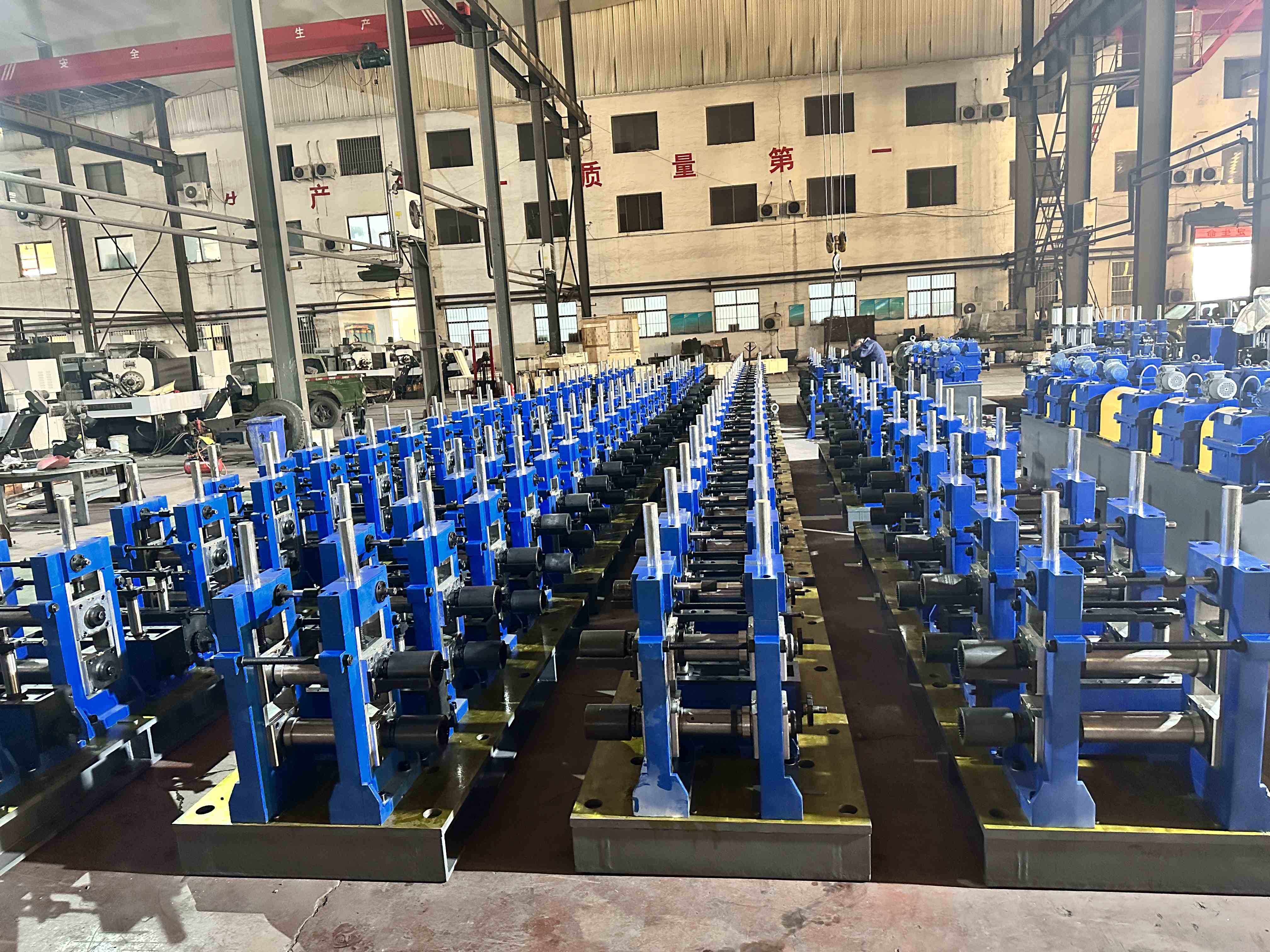
Operational Best Practices and Maintenance
A coolant filtration machine is a capital investment. Protect it with proper care to ensure it runs for years.
Daily and Weekly Checks
Operators should listen for unusual pump noises. They should check for leaks and ensure the filter media (paper band, magnets) are moving and clean. A quick visual of the effluent clarity tells you a lot.
These two-minute checks prevent ninety-minute breakdowns.
Understanding the True Cost of Ownership
The purchase price is just the beginning. Factor in the cost of filter media, spare parts, and occasional pump rebuilds. A high-quality coolant filtration machine often has a lower long-term cost due to durability and efficiency.
Ask suppliers for estimated annual consumable costs. This reveals the real operating budget needed.
Conclusion: Filtration as a Strategic Investment
In the competitive world of international welding tube manufacturing, margins are won through efficiency. A high-performance coolant filtration machine is not an expense; it’s a strategic tool for cost control and quality assurance.
It protects your most expensive assets—your CNC mills and skilled labor—from the degrading effects of contamination. By ensuring clean coolant, you ensure predictable production, fewer rejects, and a safer, cleaner workshop.
As you evaluate options, consider partners who understand the grit of tube milling. The goal is to find a coolant filtration machine, like those engineered by SANSO, that you can install and essentially forget about, trusting it to do its job day in and day out.
Frequently Asked Questions (FAQs)
Q1: How is a coolant filtration machine different from a simple strainer or settling tank?
A1: A strainer only catches large chips. A settling tank is passive and slow, unable to handle high volumes of fine swarf. A coolant filtration machine is an active system that continuously removes fine particles (down to microns) and often tramp oil, providing a level of cleanliness essential for modern, high-tolerance tube milling equipment.
Q2: We mostly work with stainless steel tubes. Do we still need a magnetic separator?
A2: For non-magnetic stainless steels (like 304 or 316), a magnetic separator has limited effect on the swarf. However, it may still catch tool steel fragments from worn tools. Your primary focus should be on a fine mechanical filter like a paper band system. Discuss your specific material mix with your filtration supplier.
Q3: How often do the filter consumables (like paper rolls) need replacing?
A3: It depends entirely on your contaminant load. A high-production mill might change a paper roll daily. A lower-volume shop might get a week or more. The machine’s controls usually monitor filter condition and will indicate when the media is exhausted. Keeping a log helps predict future inventory needs.
Q4: Can a coolant filtration machine pay for itself? How quickly?
A4: Absolutely. The ROI comes from: extended tool life (30-60% savings), reduced coolant purchases (50-80% less), lower disposal costs, and fewer quality rejects. Many shops report a payback period between 12 and 24 months based on these combined savings.
Q5: We have an older tube mill. Is integrating a new filtration system difficult?
A5: It’s usually straightforward. Most coolant filtration machines are designed as standalone units. They connect to your existing coolant sump with inlet and outlet hoses or pipes. The key is ensuring the pump capacity matches the filtration unit's flow rating. Suppliers like SANSO typically provide support for integration with both new and legacy machinery.