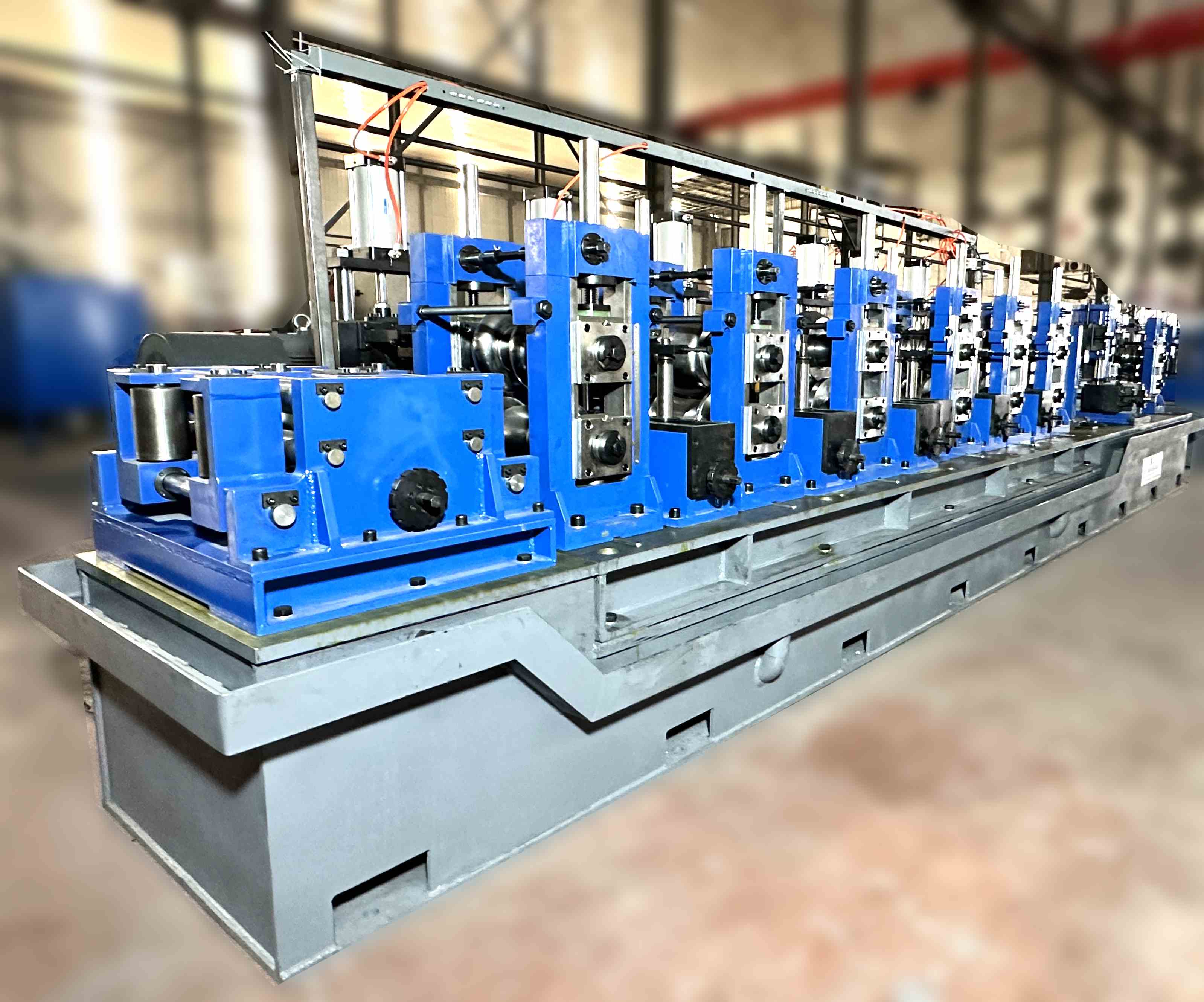
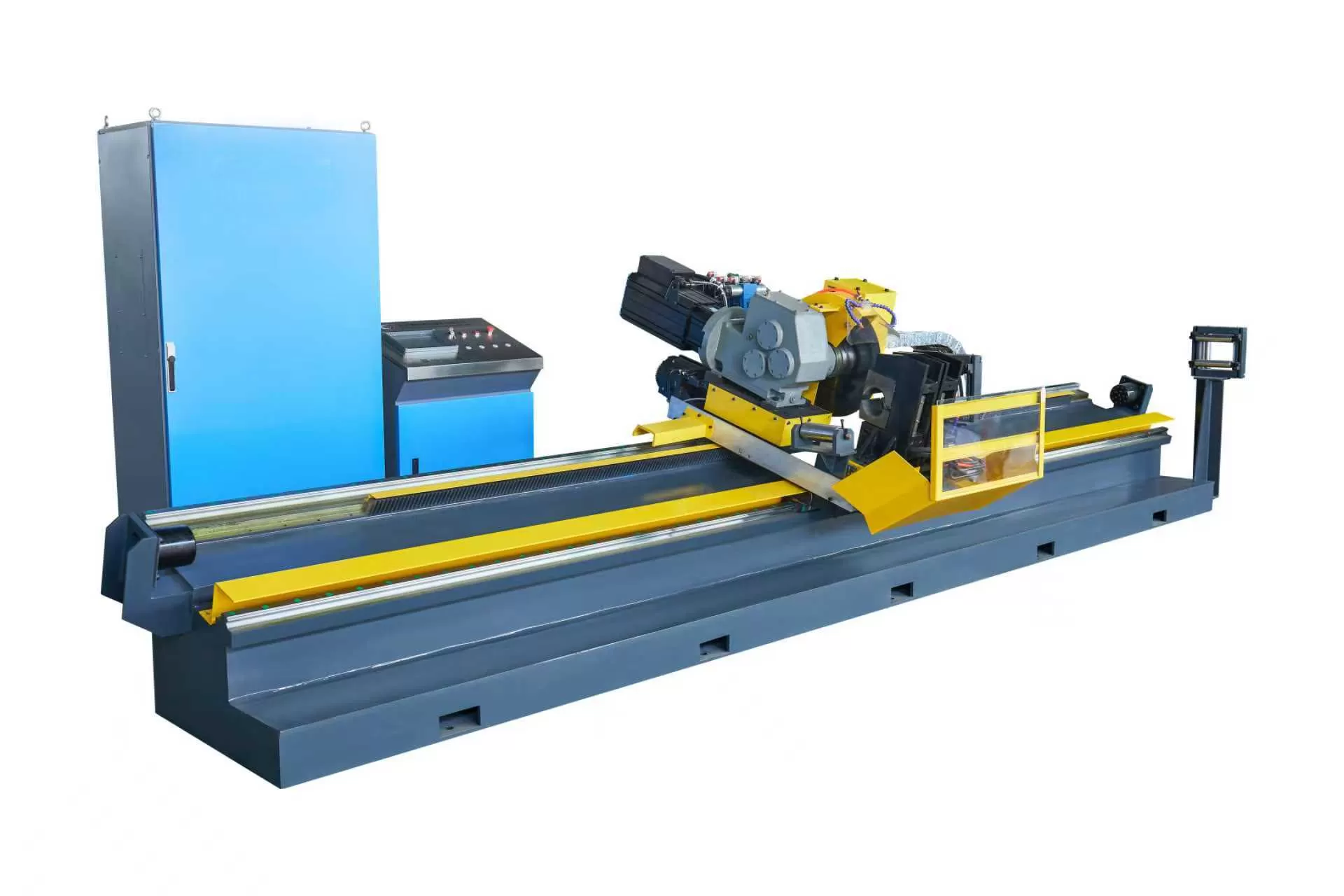
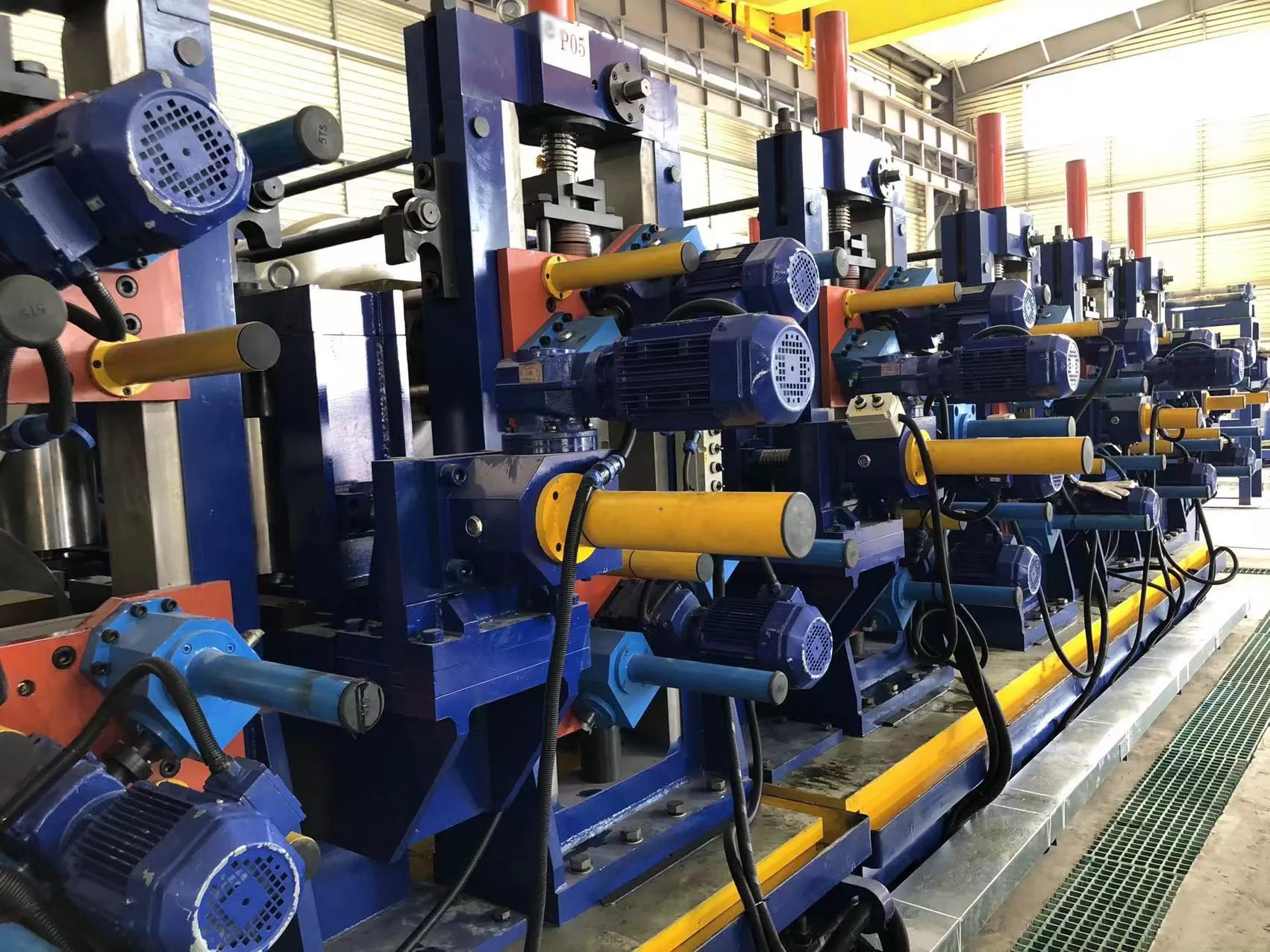
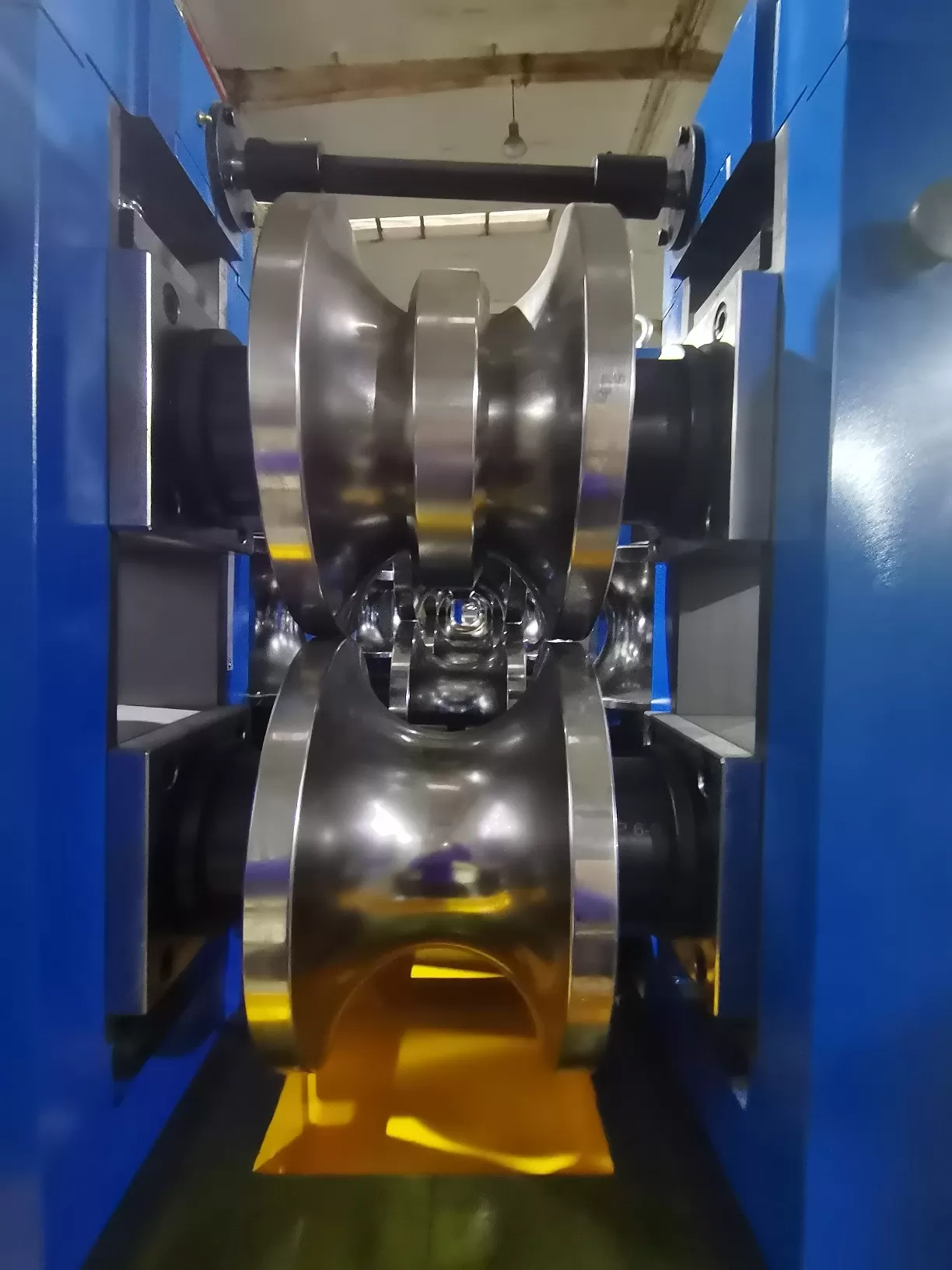
In the demanding world of metal fabrication and mill operations, selecting the right cutting tool directly impacts productivity, cost, and finish quality. For professionals cutting pipe, tube, structural steel, and non-ferrous metals, high speed steel circular saw blades are a fundamental and versatile choice. These blades balance durability, performance, and cost-effectiveness for a wide range of applications. Manufacturers like SANSO have refined the production of these blades to meet the specific needs of high-volume environments, such as international welded tube and pipe mills, where consistency is critical. Understanding their properties and correct application is key to maximizing their value.

Understanding the HSS Advantage: Why Choose This Material?
High speed steel circular saw blades are named for the material on their cutting teeth. High Speed Steel (HSS) is a high-carbon steel alloy containing elements like tungsten, molybdenum, vanadium, and cobalt. This composition grants it distinct properties ideal for metal cutting.
The primary benefit is its ability to retain hardness at high temperatures. During cutting, friction generates intense heat. While standard carbon steel blades would soften and fail, HSS maintains its cutting edge. This "red-hardness" makes it perfectly suited for the continuous cutting cycles found in manufacturing.
- Excellent wear resistance for longer life between sharpening.
- Good toughness to withstand the impact of interrupted cuts (like in structural shapes).
- Cost-effective performance, offering a solid middle ground between carbon steel and carbide-tipped blades.
Key Applications in Metal Fabrication and Milling
These blades are not universal for all materials, but they excel in specific, common industrial contexts. Their use is widespread in operations that require reliable, repeatable cuts without the extreme hardness of carbide.
A primary application is in sampling and offline cutting within welded tube production lines. Quality checks often require cutting sample sections from a continuous run. A well-chosen HSS blade provides a clean, burr-minimized cut for accurate inspection. Beyond tubing, these blades are workhorses for general metal service centers and fabrication shops.
Typical materials cut with HSS blades include:
- Mild steel, structural angles, and channels.
- Various grades of stainless steel (with correct tooth form and lubrication).
- Aluminum extrusions, bars, and plates.
- Brass, copper, and other non-ferrous metals.
- Plastics and composite materials.
Anatomy of a Blade: Specifications You Must Know
Choosing the correct blade requires reading its physical specifications. These numbers and features directly dictate what it can do.
Diameter and Bore: The blade diameter determines maximum cutting depth. Common sizes range from 250mm to 500mm. The bore is the center hole; it must match your saw machines arbor exactly for safe operation.
Tooth Count and Design: This greatly affects cut finish and speed.
- Low Tooth Count (e.g., 40-60): Faster, more aggressive cuts, ideal for soft metals like aluminum. Provides better chip clearance.
- High Tooth Count (e.g., 80-120): Smoother, slower cuts, better for thin-wall tubing and finishing on steel.
- Tooth Form: Alternate Top Bevel (ATB) for clean slicing; Triple Chip Grind (TCG) for hard or abrasive materials.
5 Critical Factors for Selecting Your Blade
Making the right choice involves more than just material type. Consider these five factors to match the blade to your job.
1. Material Type and Profile
This is the most important factor. Always select a blade designed for your primary material. Cutting aluminum requires a different tooth geometry and surface treatment than cutting steel. The shape of the material matters too—solid bar stock, thin-walled tube, and structural I-beams all place different demands on the blade.
2. Machine Compatibility and Power
Your saw’s capabilities set hard limits. Check the machine’s maximum recommended blade diameter and arbor size. Equally important is motor power. A low-powered saw cannot drive a blade with a thick kerf and many teeth; it will bog down and overheat.
3. Cutting Speed and Feed Rate
High speed steel circular saw blades have optimal operating speeds (RPM). Running too slow causes excessive friction and wear; running too fast risks overheating and tooth damage. The feed rate—how fast you push material into the blade—must be consistent. Forcing the cut is a common cause of premature dulling.
4. Kerf Width and Stability
The kerf is the width of the cut the blade makes. A thinner kerf removes less material, reduces waste, and requires less machine power. However, a wider kerf is often more stable and less prone to deflection or wandering in dense materials. Its a balance between efficiency and rigidity.
5. The Importance of Proper Lubrication
Using cutting fluid or paste is not optional for many materials when using HSS blades. Lubrication serves two vital functions:
- It reduces heat at the cutting edge, preserving the blades hardness.
- It helps clear chips from the gullets, preventing loading and re-cutting of chips.For stainless steel and tougher alloys, lubrication is essential for achieving a good blade life and cut quality. Brands like SANSO often provide specific lubrication recommendations for their blades to ensure optimal performance.
Maximizing Performance and Service Life
A quality blade is an investment. Proper operation and maintenance protect that investment and ensure safety.
Correct Installation: Ensure the blade is mounted on a clean arbor with the correct flange washers. It must be tightened securely to prevent slippage. Always observe rotation direction arrows.
Break-In Procedure: A short break-in period can help set the cutting edges. For the first few cuts, use a reduced feed rate. This gently conditions the teeth for peak performance.
Listening and Observing: Pay attention to the sound of the cut and the appearance of the chips. A change in sound (more straining) or chip color (blue from overheating) signals a problem. A clean, silver-colored chip usually indicates a good cut.
Maintenance and Sharpening Best Practices
Regular maintenance extends the life of your blades significantly. Dull blades require more force, produce poor finishes, and are unsafe.
- Cleaning: Regularly remove built-up pitch, resin, and metal chips (swarf) from the blade body and gullets. Use a specialized blade cleaner.
- Inspection: Look for chipped, missing, or excessively worn teeth. Check for cracks in the steel body. Any damage means the blade should be removed from service.
- Professional Sharpening: High speed steel circular saw blades can be professionally sharpened multiple times. Use a reputable service that understands the original tooth geometry. Sharpening restores cutting performance at a fraction of the cost of a new blade.
Selecting and using the right high speed steel circular saw blades is a technical decision with direct consequences for shop efficiency and output quality. By carefully matching the blade to your material, machine, and operational practices, you achieve cleaner cuts, longer tool life, and lower costs per cut. For fabricators and mill operators seeking reliable performance, investing time in selection and maintenance pays off. Trusted manufacturers in this space, such as SANSO, provide the consistent quality and technical specifications needed to meet these industrial demands head-on.
Frequently Asked Questions (FAQs)
Q1: Can I use the same HSS blade to cut both steel and aluminum?
A1: It is not recommended. Blades designed for aluminum typically have a specific tooth geometry, a more pronounced hook angle, and often a non-stick coating to prevent material from gumming up the teeth (loading). Using an aluminum blade on steel will dull it quickly. Using a steel blade on aluminum can lead to dangerous grabbing, poor finish, and loading.
Q2: How do I know when my HSS circular saw blade needs to be sharpened?
A2: Look for these clear signs: The cut requires significantly more force or pressure. The cut surface becomes rough, with excessive burrs. You see burn marks on the material. The chips change from a consistent curl to fine, sparkling dust. The motor of your saw strains or slows down noticeably during the cut.
Q3: What is the main difference between an HSS blade and a carbide-tipped blade?
A3: The cutting tooth material. HSS teeth are made from a tough alloy steel that can withstand heat and impact well, and can be easily sharpened. Carbide tips are made from a sintered composite (tungsten carbide) that is much harder and more wear-resistant, but also more brittle. Carbide stays sharper longer on abrasive materials but is more expensive and can chip from shock or misuse.
Q4: Why is my new HSS blade burning the material or producing a rough cut?
A4: Burning or rough cuts often point to incorrect feed rate or a machine issue. You may be feeding the material too slowly, allowing the blade to rub instead of cut, generating heat. Alternatively, the blade may be installed backwards, the machine RPM may be incorrect, or the blade might not be suited for that specific material (e.g., wrong tooth count).
Q5: Is it worth investing in a more expensive brand-name HSS blade?
A5: Generally, yes. Reputable brands invest in consistent metallurgy, precise manufacturing, and rigorous quality control. A blade from a known manufacturer like SANSO will likely have better-balanced steel, more accurately ground teeth, and more durable HSS alloy. This translates to straighter cuts, less vibration, longer life between sharpening, and overall better value despite a higher initial price.