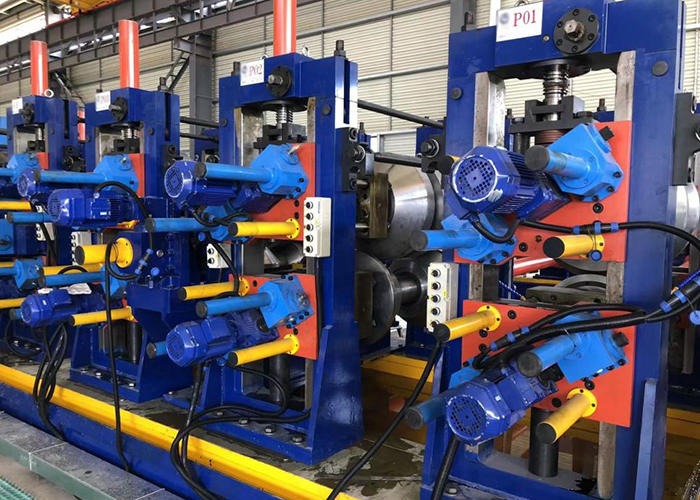
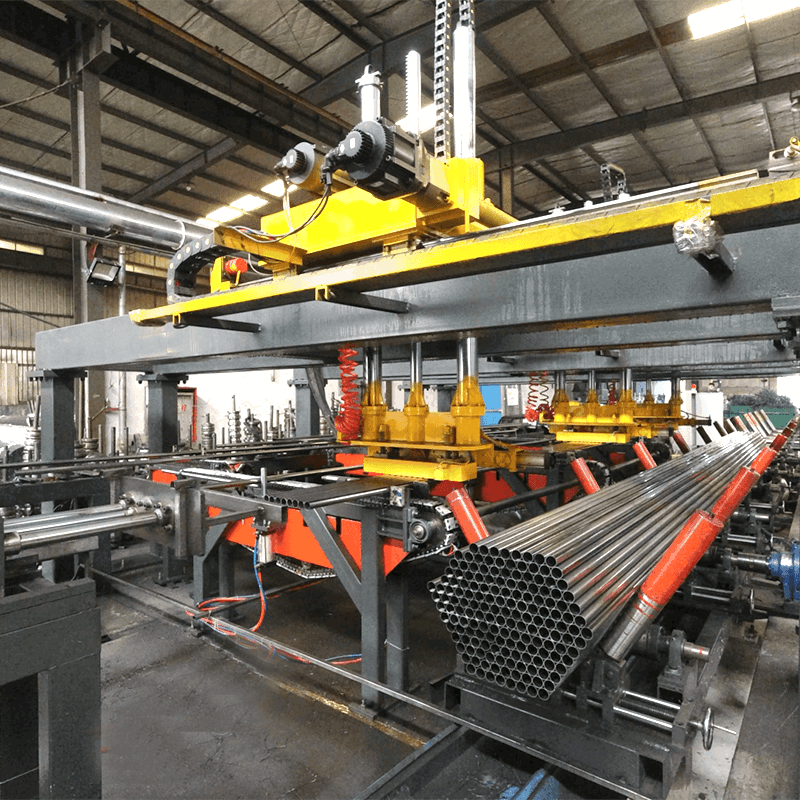
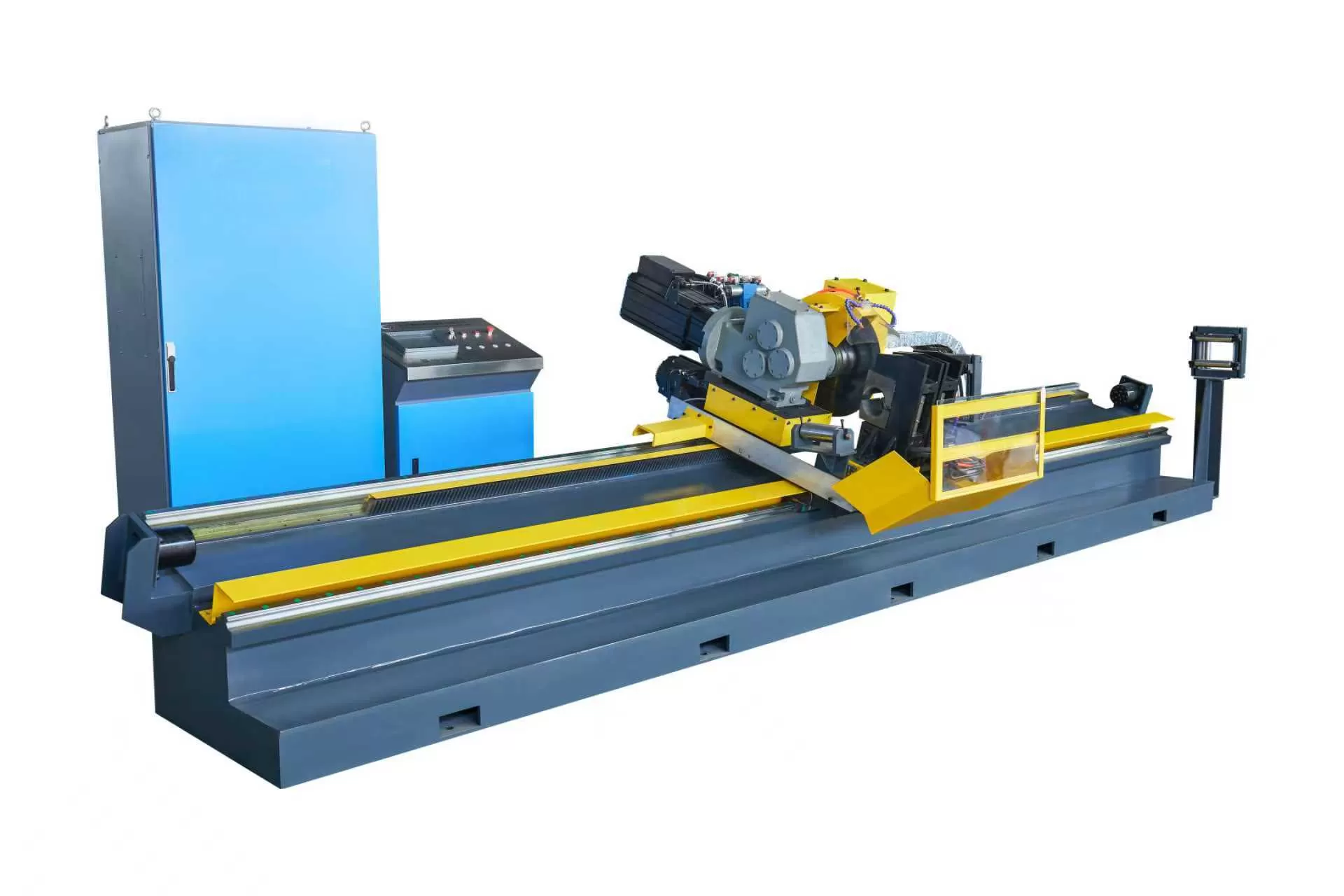
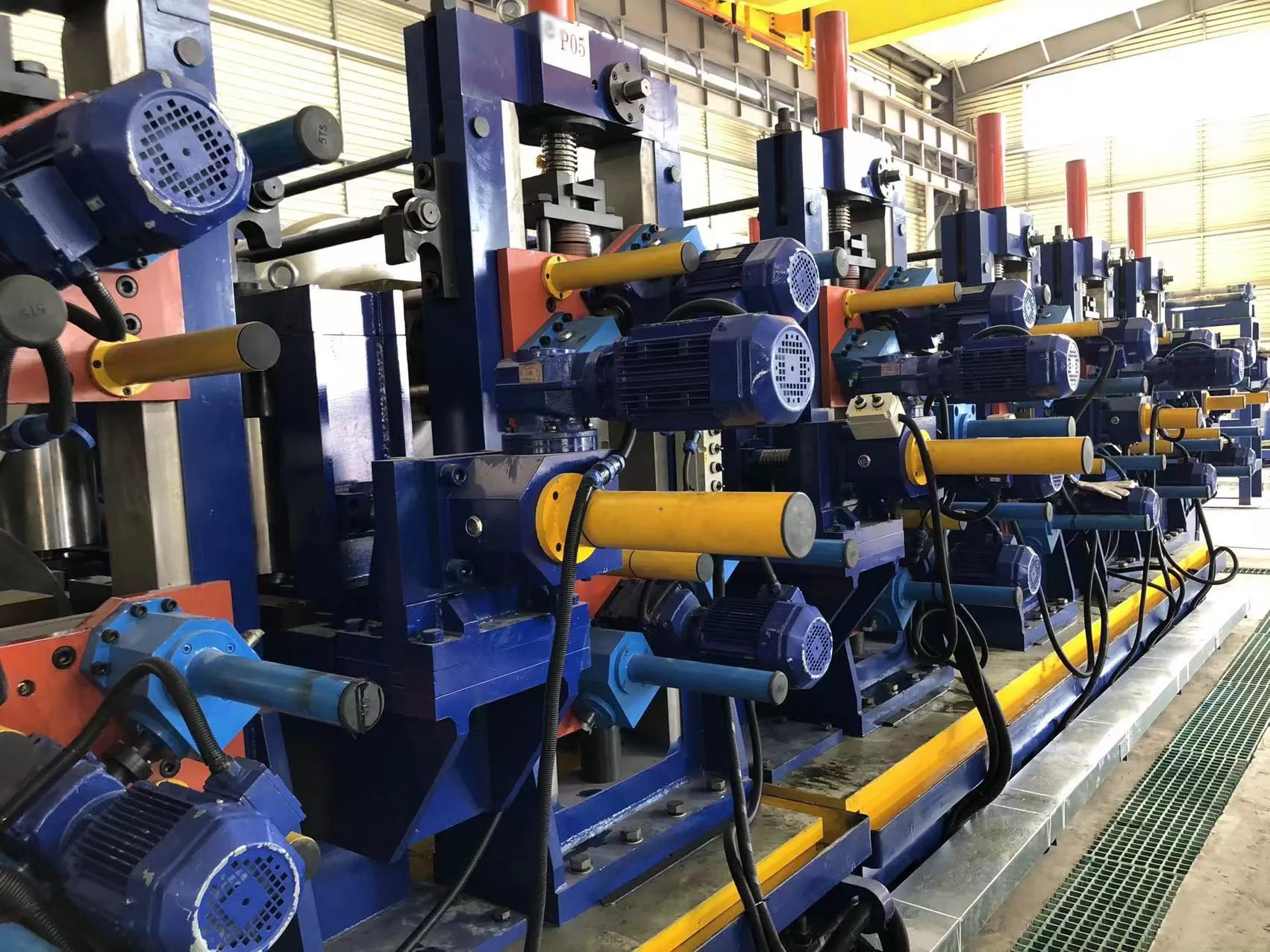
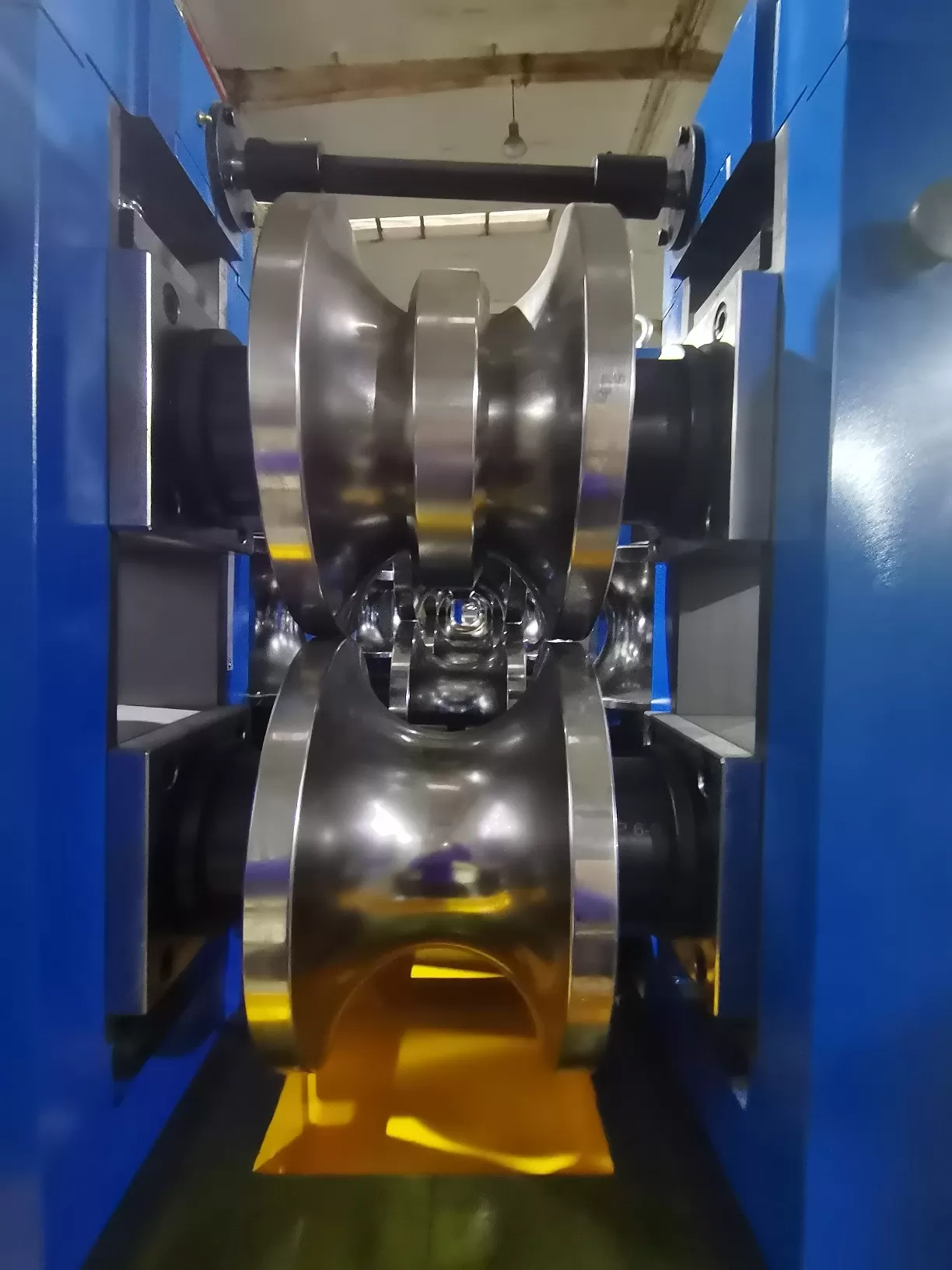
In the world of international welded tube milling and pipe manufacturing, precision cutting tools are indispensable. Among these, HSS slitting saws play a critical role in ensuring efficient and accurate slitting processes. These saws, made from high-speed steel, are designed to handle the rigors of cutting through metal tubes and pipes with durability and speed. As industries demand higher productivity, selecting the right HSS slitting saws can make a significant difference in output quality and cost-effectiveness. Brands like SANSO have been at the forefront, providing reliable tools that meet these demanding standards. This article delves into essential aspects of HSS slitting saws, tailored for professionals in tube milling.
What Are HSS Slitting Saws and Their Importance in Tube Milling?
HSS slitting saws are specialized cutting tools used primarily in milling machines to slit or cut through materials like welded tubes and pipes. They are crafted from high-speed steel, which offers excellent hardness and heat resistance, making them ideal for high-speed operations. In welded tube milling, these saws ensure clean cuts, reduce material waste, and enhance overall manufacturing efficiency. Without proper HSS slitting saws, production lines can face delays and increased costs due to tool wear and tear. Understanding their function helps operators optimize milling processes for better results.
The use of HSS slitting saws extends beyond simple cutting; they contribute to the precision required in fabricating pipes for various industries, including construction and automotive. By maintaining sharp edges and consistent performance, these tools support seamless integration into automated milling systems. For instance, in international welding applications, HSS slitting saws help achieve tight tolerances, which are crucial for pipe integrity and safety. Investing in quality saws, such as those from SANSO, can lead to long-term savings and improved productivity.
Key Features to Consider When Choosing HSS Slitting Saws
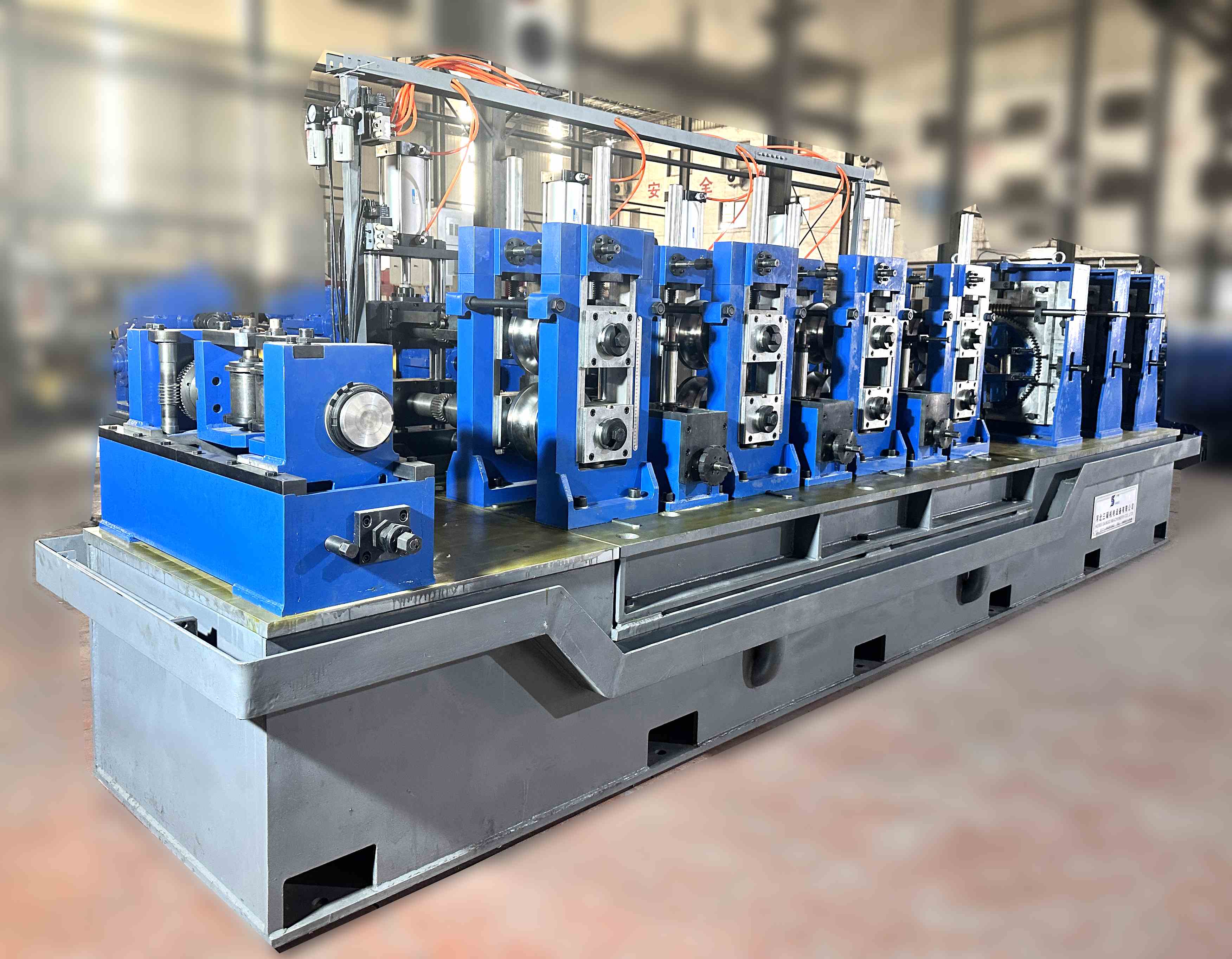
Selecting the right HSS slitting saws involves evaluating several features. First, tooth geometry is vital—it affects cutting speed and finish. Saws with variable tooth patterns can reduce vibration and improve chip removal, especially in tube milling where materials vary. Second, diameter and thickness should match the milling machine specifications and material type. Larger diameters may suit thicker pipes, while thinner saws are better for precise slits. Third, coating options, like titanium nitride, can enhance wear resistance and extend tool life.
Another aspect is material compatibility. HSS slitting saws must be chosen based on the metal being processed, whether its stainless steel or aluminum tubes. In welded pipe manufacturing, this ensures minimal burr formation and smoother edges. Brands like SANSO often offer customized solutions, allowing for tailored saws that address specific milling challenges. By focusing on these features, operators can reduce downtime and achieve consistent cuts, making HSS slitting saws a cornerstone of efficient production.
How HSS Slitting Saws Enhance Welded Pipe Manufacturing Efficiency
In welded pipe manufacturing, efficiency hinges on reducing cycle times and maintaining quality. HSS slitting saws contribute by enabling fast, accurate slitting operations that integrate seamlessly with milling machines. Their ability to withstand high temperatures without losing hardness means fewer interruptions for tool changes. This is particularly important in high-volume production lines, where every second counts. By using optimized HSS slitting saws, manufacturers can increase throughput and meet tight deadlines.
Moreover, these saws help minimize material distortion, which is common in tube milling due to heat and pressure. Properly designed HSS slitting saws ensure clean cuts that require less post-processing, saving time and resources. In international settings, where standards vary, reliable tools like those from SANSO provide consistency across different welding applications. Regular assessment of saw performance can further boost efficiency, making HSS slitting saws a smart investment for any milling operation.
Maintenance Best Practices for Long-Lasting HSS Slitting Saws
To maximize the lifespan of HSS slitting saws, regular maintenance is essential. Start with proper storage—keep saws in a dry, cool place to prevent corrosion. After use, clean them thoroughly to remove metal chips and debris that can cause damage. Lubrication during operation also reduces friction and heat buildup, preserving the saws cutting edges. In tube milling, where saws are subject to heavy loads, this routine can prevent premature failure.
Sharpening is another key practice. HSS slitting saws should be sharpened at the first sign of dullness to maintain cutting accuracy. Using professional sharpening services or in-house tools ensures consistent performance. Additionally, inspect saws for cracks or wear regularly, especially in high-stress welding environments. By adhering to these practices, operators can extend the service life of their HSS slitting saws, reducing replacement costs. Brands like SANSO often provide maintenance guidelines to support users in this effort.
Common Challenges with HSS Slitting Saws and Solutions
Despite their advantages, HSS slitting saws can face challenges in tube milling. One issue is tooth chipping, often caused by improper feed rates or material hardness. To solve this, adjust milling parameters and use saws with reinforced teeth. Another challenge is vibration, which leads to uneven cuts. This can be mitigated by ensuring proper machine alignment and selecting saws with balanced designs. In welded pipe manufacturing, such adjustments improve cut quality and tool longevity.
Heat accumulation is also a concern, as it can soften HSS material. Implementing coolant systems during operations helps dissipate heat and maintain saw integrity. For international applications, where environmental conditions vary, adapting cooling methods is crucial. Additionally, material sticking to the saw teeth can reduce efficiency. Regular cleaning and using anti-adhesion coatings, like those offered by SANSO, can address this. By proactively tackling these challenges, HSS slitting saws remain reliable in diverse milling scenarios.
Innovations in HSS Slitting Saws for Modern Milling Machines
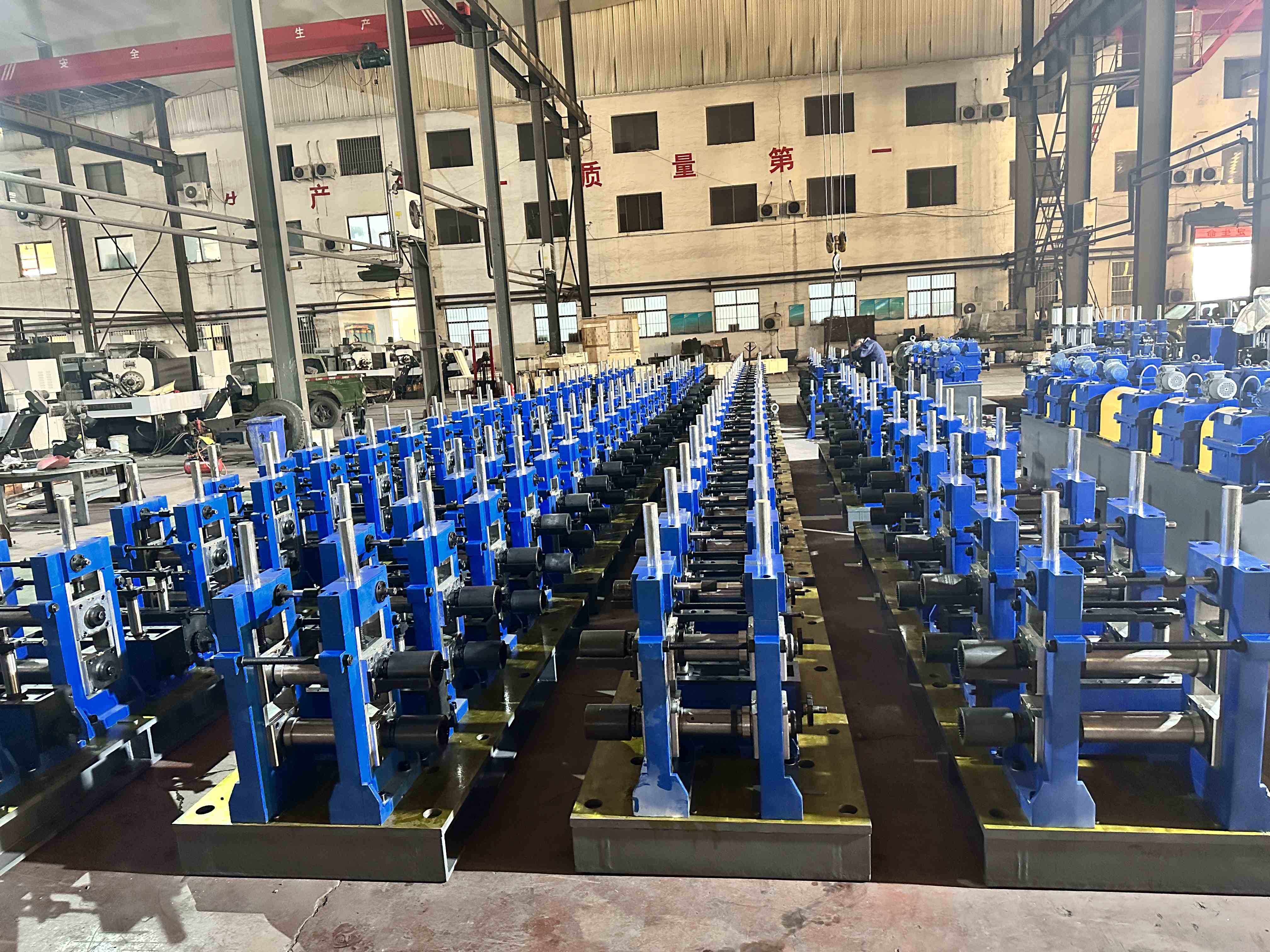
The evolution of milling technology has driven innovations in HSS slitting saws. New designs incorporate advanced tooth geometries that enhance cutting speed and reduce power consumption. For example, serrated edges can improve chip flow in tube milling, leading to smoother operations. Coatings have also improved, with options like aluminum titanium nitride offering better heat resistance. These innovations allow HSS slitting saws to handle tougher materials and higher speeds, meeting the demands of modern welded pipe manufacturing.
Integration with digital monitoring systems is another trend. Sensors can track saw performance, alerting operators to issues like wear or misalignment. This proactive approach minimizes downtime and optimizes tool usage. Brands like SANSO are embracing these advancements, providing smart saws that align with Industry 4.0 standards. As a result, HSS slitting saws are becoming more efficient and adaptable, supporting sustainable manufacturing practices in the international arena.
Cost-Effectiveness of Investing in Quality HSS Slitting Saws
While initial costs for premium HSS slitting saws may be higher, they offer long-term savings. Quality saws, such as those from reputable brands, last longer and require fewer replacements, reducing overall tool expenses. In tube milling, this translates to lower downtime and higher productivity. Additionally, efficient saws minimize material waste, cutting down on raw material costs. By investing in reliable HSS slitting saws, manufacturers can achieve a better return on investment.
Consider the total cost of ownership, including maintenance and operational efficiency. Cheap saws might lead to frequent failures, disrupting production schedules. In contrast, durable HSS slitting saws ensure consistent performance, even in demanding welding applications. SANSO, for instance, focuses on delivering cost-effective solutions that balance price and performance. Evaluating these factors helps businesses make informed decisions, ensuring that HSS slitting saws contribute positively to their bottom line.
In summary, HSS slitting saws are vital tools in international welded tube milling and pipe manufacturing. From selection to maintenance, understanding their nuances can drive efficiency and quality. By embracing innovations and addressing challenges, operators can leverage these saws for optimal results. Brands like SANSO continue to support this field with reliable offerings. As industries evolve, the role of HSS slitting saws will remain central to precision milling processes.
Frequently Asked Questions (FAQ)
Q1: What are the primary applications of HSS slitting saws in tube milling?
A1: HSS slitting saws are primarily used for cutting and slitting welded tubes and pipes in milling machines. They ensure precise cuts, reduce material waste, and enhance production efficiency in industries like construction and automotive manufacturing.
Q2: How do I choose the right HSS slitting saw for my milling machine?
A2: Consider factors such as tooth geometry, diameter, thickness, and material compatibility. Match the saw to your machine specifications and the type of metal being processed. Consulting with suppliers like SANSO can help tailor choices to your needs.
Q3: What maintenance routines extend the life of HSS slitting saws?
A3: Regular cleaning, proper storage, lubrication, and timely sharpening are key. Inspect saws for wear and use coolants to prevent heat damage. Following manufacturer guidelines, such as those from SANSO, ensures longevity.
Q4: Can HSS slitting saws handle high-speed operations in welded pipe manufacturing?
A4: Yes, HSS slitting saws are designed for high-speed operations due to their heat resistance and durability. They maintain hardness at elevated temperatures, making them suitable for fast-paced production lines in tube milling.
Q5: What are common signs that an HSS slitting saw needs replacement?
A5: Look for signs like increased vibration, poor cut quality, excessive chipping, or visible wear on teeth. If sharpening no longer restores performance, its time to replace the saw to avoid production delays.