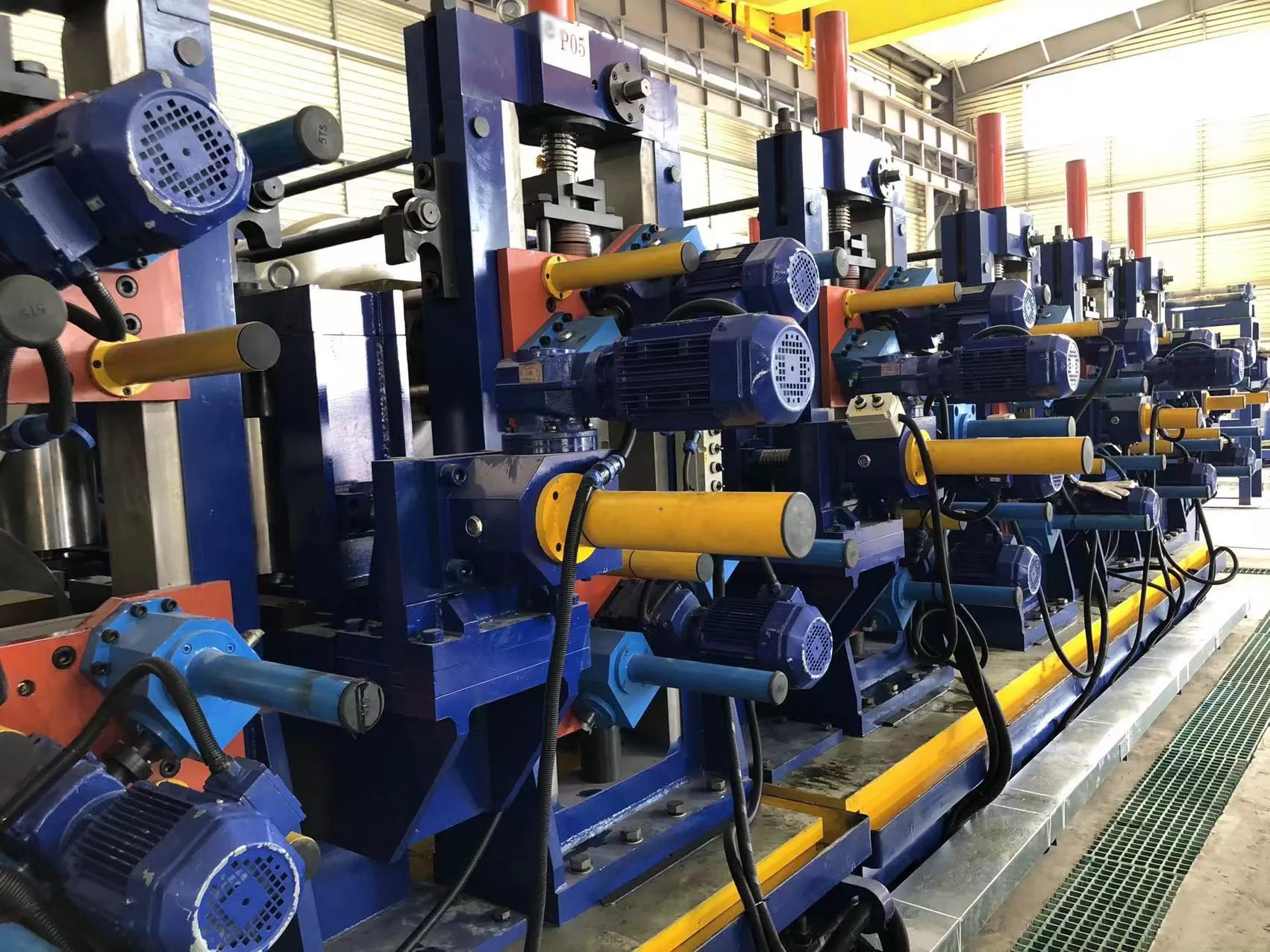
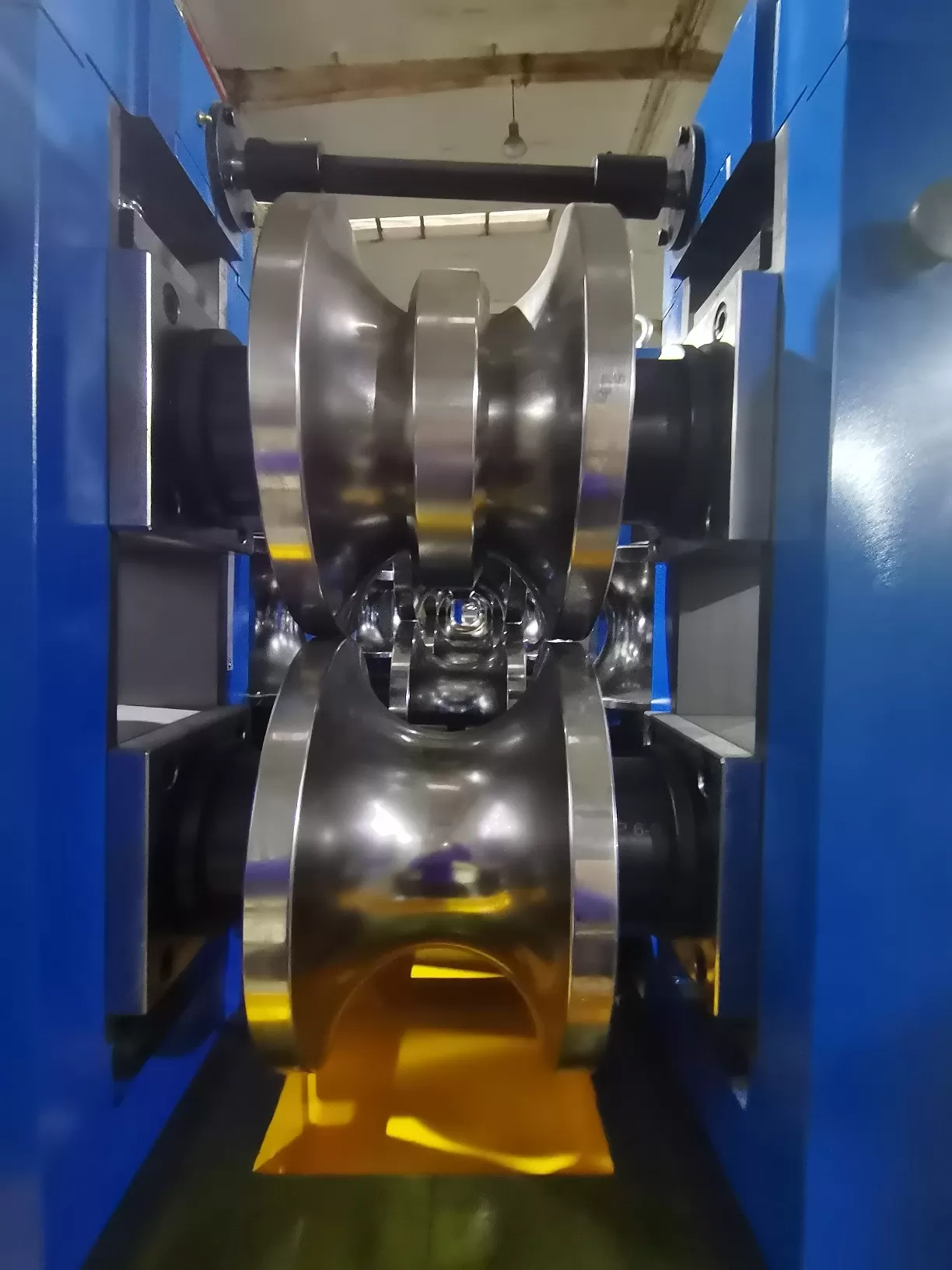
In the high-stakes world of international welded tube and pipe milling manufacturing, every component counts towards achieving precision, speed, and reliability. While cutting blades and drive systems often grab the spotlight, seasoned engineers know that electromagnetic stability is the silent guardian of quality. One unsung hero in this arena is the ferrite rod core. This fundamental component, integral to the inductors and filtering systems within machine controls, plays a surprisingly pivotal role in mitigating electrical noise and ensuring signal integrity. From controlling servo drives to filtering power for sensitive sensors, the humble ferrite rod core helps maintain the flawless operation of critical systems. Brands like SANSO, with their deep understanding of integrated machine electronics, recognize the importance of such core components in building robust milling systems. Lets explore why this specific part deserves more attention on your shop floor.
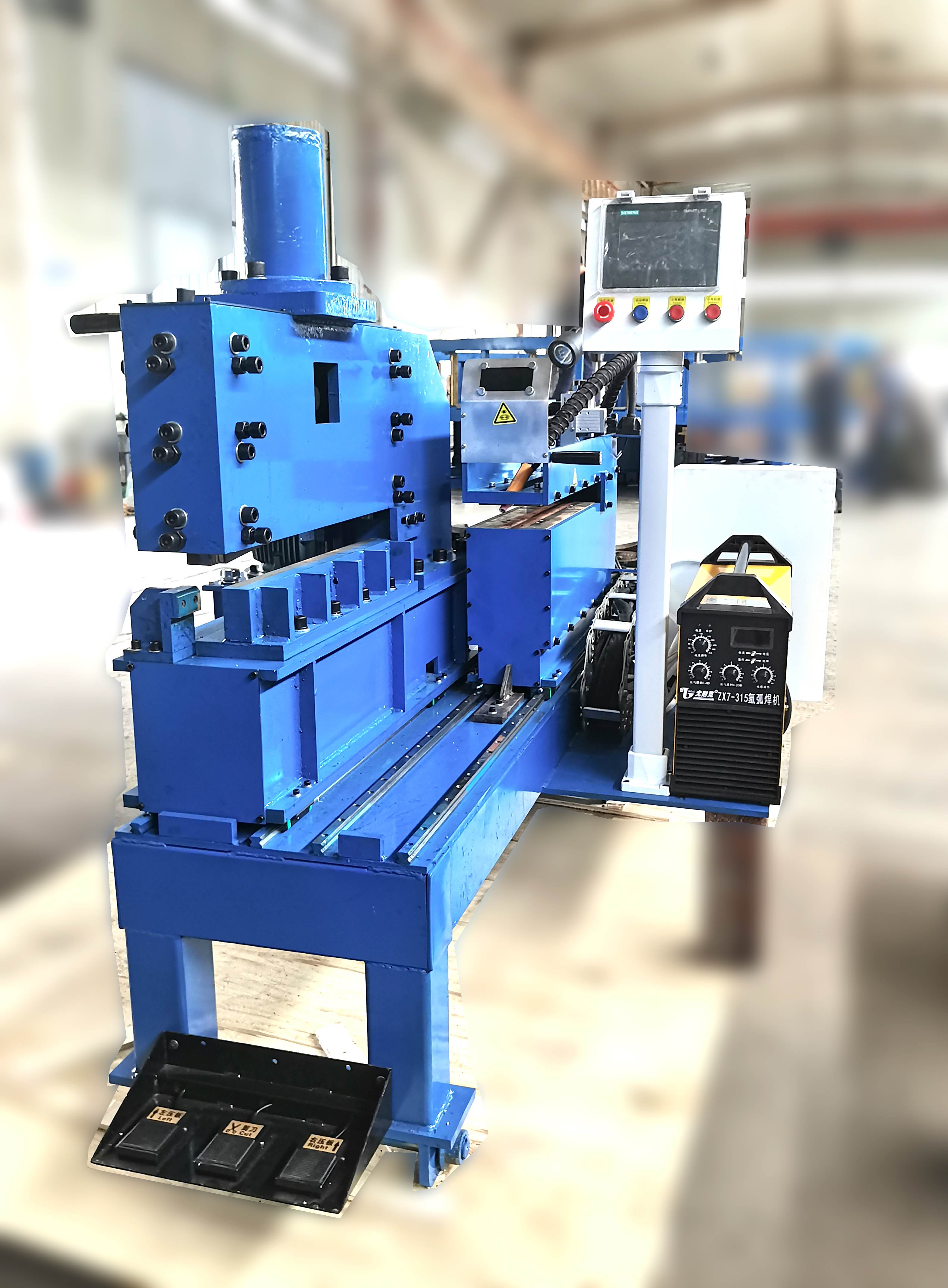
What Exactly is a Ferrite Rod Core and Where is it Used?
A ferrite rod core is a passive magnetic component made from ferrimagnetic ceramic material. It’s typically shaped as a cylindrical rod and is prized for its high magnetic permeability and electrical resistivity. In simple terms, its excellent at concentrating magnetic fields while resisting the flow of eddy currents, making it ideal for inductive applications.
Within the context of welded tube milling machines, you wont find a ferrite rod core in the cutting path. Instead, its domain is the machines electrical and electronic ecosystem. It is the heart of power inductors, common-mode chokes, and noise suppression filters. These components are embedded in:
- Variable Frequency Drives (VFDs) controlling motor speeds.
- Servo drive and motion control systems.
- Power supply units for CNC controllers.
- Sensor interface circuits.
Its job is to ensure clean power and clear communication signals, which is non-negotiable for precision manufacturing.
The Direct Impact on Welded Tube Milling Precision
How does a component inside an electrical cabinet affect the physical quality of a tube? The connection is direct through system stability.
Electrical noise, or electromagnetic interference (EMI), is a constant threat in industrial environments. Sparks from welders, the rapid switching of high-power drives, and even other machinery can inject disruptive noise into a milling machines control circuits.
A ferrite rod core within a well-designed filter acts as a barrier. It suppresses this high-frequency noise. If left unchecked, EMI can cause:
- Erratic behavior in servo motors, leading to minute vibrations or positioning errors.
- False triggers in proximity sensors, disrupting the automated flow.
- Corrupted data in communication buses, causing unexplained machine faults.
For a process where cut length tolerances can be measured in fractions of a millimeter, such instability is unacceptable. A stable machine, aided by effective filtering with components like ferrite cores, produces consistent, high-precision cuts batch after batch.
Key Material Properties for Industrial Demands
Not all ferrites are created equal. For the harsh, demanding environment of a tube mill, the material grade of the ferrite rod core is critical. Two primary properties define its performance:
Frequency Response: Ferrite materials are formulated for specific frequency ranges. Manganese-zinc (MnZn) ferrites are common for noise suppression in lower frequency power circuits (up to a few MHz), which covers most drive-related interference. Nickel-zinc (NiZn) ferrites handle higher frequencies, useful for safeguarding communication lines.
Saturation Flux Density: This is the maximum magnetic field the core can handle before it loses effectiveness. In applications with high power or current spikes, a core with a high saturation point is essential to avoid temporary failure during demanding operations.
Choosing the wrong material can render a filter ineffective. Manufacturers of premium machine components, including SANSO in their integrated system designs, select ferrite core grades based on a detailed analysis of the machines electrical profile and the prevailing EMI environment.
Maintenance and Failure Signs to Watch For
While ferrite rod core components are generally robust and require no periodic maintenance, they are not immune to failure. Being aware of the signs can prevent prolonged downtime.
Physical damage is a clear indicator. Cracks or chips in the brittle ceramic core can drastically alter its magnetic properties, reducing its filtering effectiveness. Thermal stress from sustained overcurrent events can also cause micro-fractures.
The more common symptom of a failing filter containing a ferrite core is intermittent electrical issues. If your tube mill starts experiencing unexplained servo faults, communication errors between the CNC and peripherals, or increased sensitivity to nearby welding operations, degraded EMI filtering could be a culprit.
During routine electrical cabinet inspections, a visual check of inductor components for discoloration or physical integrity is a good practice. Systematic troubleshooting should include checking the performance of filter boards when noise-related problems are suspected.
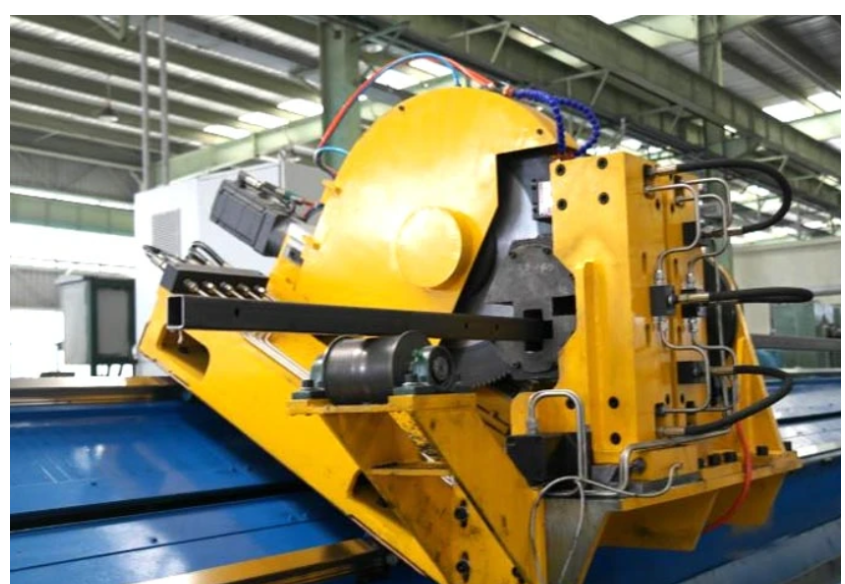
Integration and Selection Best Practices
When retrofitting or specifying new equipment, paying attention to the EMI filtering strategy is a mark of good engineering. Here’s what to consider:
Dont Underspecify: The "bigger is better" adage often applies. A filter with a larger, appropriately graded ferrite rod core will typically have a higher current handling and better suppression characteristics. It provides a margin of safety against unpredictable noise.
Strategic Placement: Filters should be as close as possible to the noise source or the sensitive equipment being protected. For instance, a line filter at the power entry point of a VFD is standard. Additionally, using ferrite bead cores on sensor cables near their connection point can clamp down on interference.
Consult the Experts: For complex systems, partnering with a machine builder or component supplier with expertise in industrial electromagnetics is invaluable. They can conduct or recommend audits to identify noise sources and specify the correct filtering solutions. This holistic approach to machine design is a principle applied by established brands, ensuring every part, down to the ferrite rod core, is optimized for the application.
In conclusion, in the quest for perfection in welded tube milling, overlooking the foundational electronic components is a mistake. The ferrite rod core, though small and out of sight, is a critical line of defense against the invisible chaos of electrical noise. It safeguards the precision of servo systems, the reliability of sensors, and ultimately, the consistency of the final product. By understanding its function and importance, maintenance and engineering teams can make more informed decisions, contributing directly to machine uptime and product quality. It’s this attention to detail in every subsystem that distinguishes reliable manufacturers and supports the reputation of integrated solutions providers in the field.
Frequently Asked Questions (FAQ)
Q1: Can a damaged ferrite rod core cause a complete machine shutdown?
A1: Its uncommon for a single failed core to cause a total shutdown. More typically, it leads to intermittent, hard-to-diagnose problems like sporadic axis faults, communication errors, or reduced positioning accuracy. However, if the failure causes a short circuit or catastrophic failure in a critical power filter, it could trigger a safety shutdown.
Q2: How do I know what frequency grade of ferrite rod core my machine needs?
A2: The required grade is determined by the frequency of the noise you need to suppress. This often requires technical measurement with an oscilloscope or spectrum analyzer to identify the problematic noise spectrum. As a rule of thumb, power circuit noise (from VFDs) is in the lower MHz range, while data/communication noise is higher. Consulting the machine builder or the filter component manufacturer is the safest approach.
Q3: Are there visual differences between MnZn and NiZn ferrite rod cores?
A3: Sometimes. MnZn cores often have a darker, blacker appearance and can be slightly more metallic in look. NiZn cores tend to be a lighter gray or brownish-gray and are often more porous. However, visual identification is unreliable; you should always refer to the part number or manufacturers datasheet to be certain.
Q4: Can I add external ferrite cores to cables on my tube mill to solve noise issues?
A4: Yes, clip-on ferrite chokes are a common and valid troubleshooting step. They are especially useful for filtering high-frequency noise on sensor, encoder, or communication cables. They are a practical, non-invasive way to test if cable-borne EMI is an issue before committing to permanent internal filter changes.
Q5: We use SANSO tube mill subsystems. Do we need to source ferrite components from them specifically?
A5: For direct replacements within SANSO-provided modules (like a proprietary drive or control box), it is always recommended to use their specified spare parts to guarantee compatibility and performance. For general-purpose filters elsewhere in your facilitys electrical system, equivalent-grade components from reputable electronic suppliers can be used, provided the electrical specifications match exactly.